What Is the Biggest Fish in Alaska
The dream of hooking into a true monster fish in Alaska is one that draws anglers from all corners of the globe. You've heard the stories, seen the pictures, and now you're wondering: what exactly is the biggest fish you can hope to encounter in these incredible Alaskan waters? This guide is going to dive deep into the real giants, separate fact from fiction, and prepare you for your own epic quest for a true Alaskan behemoth.
The Quest for Giants: Understanding Alaska's Largest Fish
When we talk about the "biggest" fish in Alaska, it's not always a straightforward answer. The sheer scale and diversity of Alaska's aquatic environments, from the vast, deep ocean to the expansive river systems and countless lakes, mean that different ecosystems host different apex predators and record-breakers. What constitutes a giant in a freshwater stream might be dwarfed by something lurking in the Bering Sea.
Distinguishing Between Saltwater and Freshwater Monsters
Alaska's fishing landscape is essentially split into two colossal arenas: saltwater and freshwater. The Pacific Ocean, with its unfathomable depths and endless food sources, is home to creatures of truly gargantuan proportions that can grow to weights and lengths rarely seen in inland waters. Think of the mighty Pacific Halibut, which can spend its entire life in these cold, nutrient-rich seas, packing on hundreds of pounds over decades. These marine giants roam vast territories, following baitfish and living their lives largely out of sight until they meet an angler's hook.
On the flip side, Alaska's freshwater systems, while incredibly productive, typically support different kinds of giants. Rivers like the Kenai, Kuskokwim, and Yukon are famous for their massive salmon runs, including the legendary King Salmon. Lakes and quieter tributaries might hold impressive trout or unique species like the Sheefish. While these freshwater titans are undeniably huge and powerful, they generally don't reach the sheer mass of their saltwater cousins. The food chain and ecosystem dynamics are different, often leading to impressive length and girth, but not quite the same overall scale as the ocean's behemoths. Understanding this distinction is key to appreciating the different kinds of "biggest fish" Alaska offers.
Factors Defining "Biggest": Weight vs. Length
When anglers boast about their catch, "biggest" can sometimes be subjective. Is it the longest fish? The heaviest? Or perhaps the one with the largest girth? In the world of fishing records, both length and weight are crucial, but weight is often the primary metric for defining the "biggest" in terms of sheer mass. A fish might be incredibly long, like a Sturgeon (though not native to Alaska!), but relatively slender. Another might be shorter but incredibly thick and heavy, like a "barn door" Halibut.
Consider a species like a Lingcod, which can grow to impressive lengths, easily exceeding four feet and occasionally topping five. These fish are lean, predatory machines, powerful and long-bodied. Compare that to a mature Pacific Halibut, which, while perhaps not quite as long as the biggest lingcod, can be incredibly wide and thick, resembling a living slab of muscle and bone. A 300-pound halibut might only be 6-7 feet long, but its immense width and density give it an incredible mass. When chasing true giants, most anglers are dreaming of the heaviest fish, the one that will test their gear and their resolve to its absolute limit. It's the difference between grappling with a long, powerful snake and wrestling a refrigerator-sized plank.
The Reigning Monarchs: Who Holds the Crown?
Alaska has a few undisputed champions when it comes to sheer size, each dominating their respective domains. From the crushing depths of the ocean to the powerful currents of glacial rivers, these are the fish that make headlines and set records.
The Undisputed Heavyweight Champion: Pacific Halibut
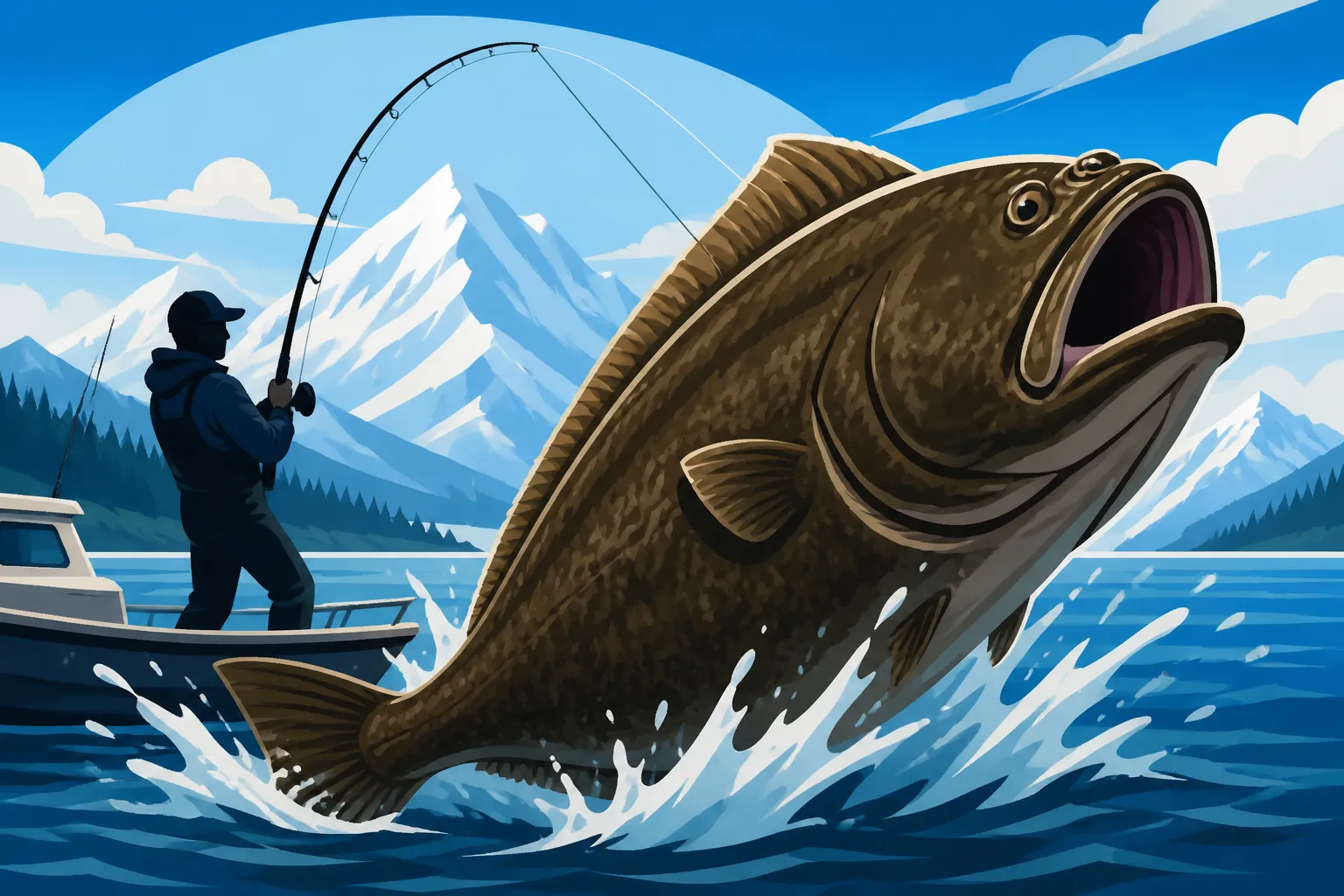
Without a shadow of a doubt, the Pacific Halibut is the reigning heavyweight champion of Alaska's sportfishing world. These flatfish are simply colossal. Imagine pulling a kitchen table-sized fish from the deep! Halibut can grow to truly staggering sizes, with many anglers landing fish well over 100 pounds, often referred to as "barn doors." The official Alaska state record Pacific Halibut, caught near Unalaska in 1996, tipped the scales at an mind-boggling 459 pounds! This fish was a monster of epic proportions.
These giants inhabit the cold, nutrient-rich waters of the North Pacific and Bering Sea, often found in depths ranging from 60 to over 1,000 feet. They are ambush predators, lying camouflaged on the seafloor, waiting for unsuspecting prey like cod, herring, or octopus. Landing one of these immense creatures is a monumental task, demanding heavy-duty tackle, strong arms, and often a deep-sea charter experience. Many anglers journey to places like Homer, Seward, and Kodiak specifically to pursue these magnificent bottom dwellers. If you're planning a trip, getting familiar with How to Catch Halibut in Alaska and understanding the Alaska Halibut Size and World Record will give you a good head start. Specialized gear, often found on platforms like Amazon, is a must for tackling these giants, from robust rods to electric reels for those deep retrieves.
The Freshwater Contender: The Sheefish
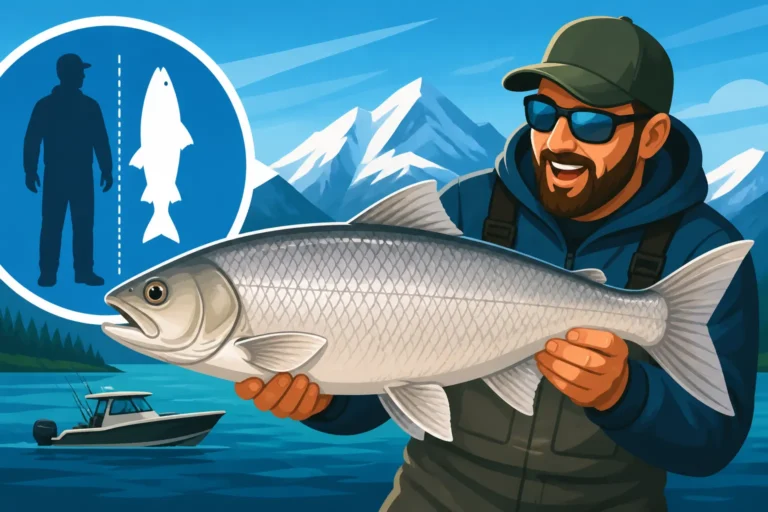
While King Salmon are undeniably large freshwater fish, for sheer non-anadromous freshwater mass and length, the Sheefish often takes the crown as Alaska's true freshwater giant. Sometimes called the "Tarpon of the North," this unique fish is known for its spectacular leaps and powerful fights. Sheefish are predatory members of the whitefish family, characterized by their large scales, prominent lower jaw, and impressive torpedo-shaped bodies. They can grow to considerable sizes, with the Alaska state record weighing 53 pounds 0 ounces and measuring an incredible 49.25 inches! That's a true freshwater leviathan.
Sheefish are primarily found in the large river systems of western and northern Alaska, particularly the Yukon, Kuskokwim, and Kobuk rivers, and their associated lakes. They are voracious predators, chasing down smaller fish. Catching one often involves casting large spoons or plugs in areas where they congregate during their feeding migrations. Many anglers dream of targeting these elusive giants, and a quick search on Amazon for heavy-duty casting gear suitable for large freshwater predators might be worthwhile before you head out. To learn more about this fascinating species, check out our guide on Alaska Sheefish Explained and discover How Big Do Alaska Sheefish Get.
The King of Salmon: Chinook's Impressive Stature
Of course, no discussion of big fish in Alaska would be complete without the Chinook Salmon, universally known as the King Salmon. These fish are the largest of the Pacific salmon species and are revered for their immense power and incredible fighting spirit. While not reaching the truly monstrous weights of the largest halibut, a trophy King Salmon is a breathtaking catch, especially when hooked in the powerful current of a river. The Alaska state record King Salmon weighed a phenomenal 97 pounds 4 ounces, caught in the Kenai River. While fish of this size are rare, Kings over 50 pounds are caught regularly in peak season, particularly in renowned rivers like the Kenai and Kasilof.
King Salmon are anadromous, meaning they spend most of their lives in the saltwater ocean, growing fat and strong, before returning to their natal freshwater rivers to spawn. It's during this freshwater journey that anglers target them, and their sheer power in a river current is unmatched. Whether you're back-trolling with Kwikfish, drifting cured eggs, or casting spinners, battling a big King is an experience etched in an angler's memory forever. To dive deeper into these magnificent fish, our Alaska King Salmon: Complete Guide provides invaluable information, including details on the Alaska King Salmon Size and World Record. Equipping yourself with the right rods and reels, often easily sourced from online retailers like Amazon, is paramount for taming these freshwater brutes.
Beyond the Records: Other Notable Big Fish in Alaska
While halibut, sheefish, and king salmon typically capture the "biggest" title for sport anglers, Alaska's waters hide other truly massive creatures, some of which are rarely targeted by recreational fishermen but are undeniably enormous.
Pacific Sleeper Sharks and Greenland Sharks
Deep within Alaska's frigid northern waters lurk some of the ocean's most mysterious and enormous inhabitants: the Pacific Sleeper Shark and its close relative, the Greenland Shark. These are not typical sportfish, and encountering them is rare, but they are absolutely colossal. Pacific Sleeper Sharks can grow to over 24 feet in length and weigh well over 800 pounds, making them one of the largest predatory sharks in the world. They are deep-sea dwellers, often found in cold, abyssal environments, and are known for their slow, sluggish movements.
Even more fascinating is the Greenland Shark, which has been documented to live for hundreds of years and can grow to similar immense sizes, with some estimates putting them at over 7 meters (23 feet) and over 1,200 kg (2,600 lbs). While these sharks are not targeted by recreational anglers, their sheer size makes them undeniable contenders for the "biggest fish in Alaska" title, albeit in a non-sportfishing context. Their existence is a testament to the raw, untamed nature of Alaska's marine ecosystems.
Lingcod and Giant Rockfish
For saltwater anglers looking for impressive catches beyond halibut, the Lingcod and various species of Rockfish, particularly Yelloweye Rockfish, offer exciting opportunities for big fish. Lingcod are formidable predators with large mouths and sharp teeth, capable of growing to impressive sizes. The Alaska state record Lingcod weighed 82 pounds 6 ounces and measured 58 inches! They are often found around rocky reefs and kelp beds, ambushing prey. Landing one is a true test of strength and skill. Our guide on Alaska Lingcod: Facts and Fishing Tips can give you all the details on targeting these toothy giants.
Yelloweye Rockfish, often called "red snapper," are another large, long-lived bottom-dwelling species that can grow quite large. The Alaska state record Yelloweye Rockfish weighed 39 pounds 10 ounces. These fish are slow-growing and can live for over 100 years, making their conservation incredibly important. Anglers often encounter them while deep-sea jigging for halibut or other bottom fish. Due to their deep-water habitat and the risk of barotrauma, understanding proper release techniques, like those outlined in Alaska Rockfish Retention and Release Rules, is crucial when targeting these beautiful, large fish.
Sturgeon in Alaska? Clarifying a Common Misconception
It's a common misconception that sturgeon are found in Alaska, perhaps fueled by their reputation as massive freshwater fish in other parts of North America. However, it's important to clarify that White Sturgeon, while indeed one of the largest freshwater fish species globally, are not native to or found in Alaska. Their range extends along the Pacific Coast from Alaska down to California, but their population centers and sport fisheries are primarily in river systems much further south, such as the Fraser River in British Columbia and the Columbia River system in the Pacific Northwest. So, while you might dream of battling a massive sturgeon, you'll have to travel south of Alaska to do so. This distinction helps focus our understanding of the truly enormous fish that are part of the Alaskan angling experience.
Here's a quick look at some of Alaska's top contenders for "biggest fish," based on typical sportfishing records:
| Species | Record Weight (lbs) | Record Length (inches) | Habitat | Key Characteristics |
|---|---|---|---|---|
| Pacific Halibut | 459 lbs 0 oz | N/A | Saltwater | Flat, bottom-dwelling, immense girth, powerful fighter |
| King Salmon (Chinook) | 97 lbs 4 oz | 55 inches | Anadromous | Silver-sided, large spots, incredible power, top gamefish |
| Sheefish | 53 lbs 0 oz | 49.25 inches | Freshwater | "Tarpon of the North," long, silver, strong fighter |
| Lingcod | 82 lbs 6 oz | 58 inches | Saltwater | Aggressive, toothy, long body, reef dweller |
| Yelloweye Rockfish | 39 lbs 10 oz | N/A | Saltwater | Deepwater, long-lived, bright orange/yellow, distinct eyes |
If you're gearing up for a trip to chase these giants, remember that preparation is key. From choosing the right Alaska Fishing Gear and Tackle Guide to understanding the Best Time to Fish in Alaska for specific species, every detail matters. Many anglers opt for guided experiences, and our guide on Best Halibut Charters in Alaska can help you find an experienced crew to put you on the fish of a lifetime. Always remember to check the latest Alaska Fishing Regulations Explained before you head out, as rules can change seasonally.
Disclaimer
Please remember that fishing regulations, seasons, and fish populations are subject to change by the Alaska Department of Fish and Game. Always consult the most current official regulations booklet and any emergency orders before planning and embarking on your fishing trip. The information provided here is for general guidance and entertainment purposes only.