Alaska Halibut: Size, Season, and Where to Catch
Dreaming of wrestling a giant halibut in Alaska, but feeling overwhelmed by where to start, what size fish to expect, and when's the best time to hit the water? You're not alone! Many anglers find the sheer scope of Alaska fishing daunting. This guide is here to cut through the noise and give you the real scoop on Alaska halibut fishing, covering everything from their impressive size to the prime seasons and the absolute best spots to drop a line, helping you plan your unforgettable adventure.
The Incredible Alaska Halibut: Understanding the "Barn Door" of the Deep
Alaska's Pacific halibut, often affectionately called "barn doors" by those who've wrestled them, are truly one of the ocean's marvels and a prime target for anglers visiting the Last Frontier. These flatfish are renowned for their massive size, incredible strength, and delicious white meat. But what exactly defines a halibut's size, and what makes them such a formidable catch?
Average Size and Trophy Potential
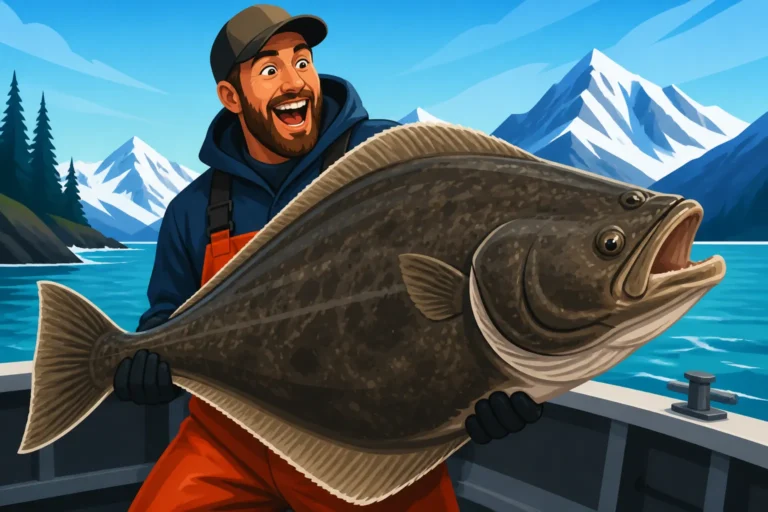
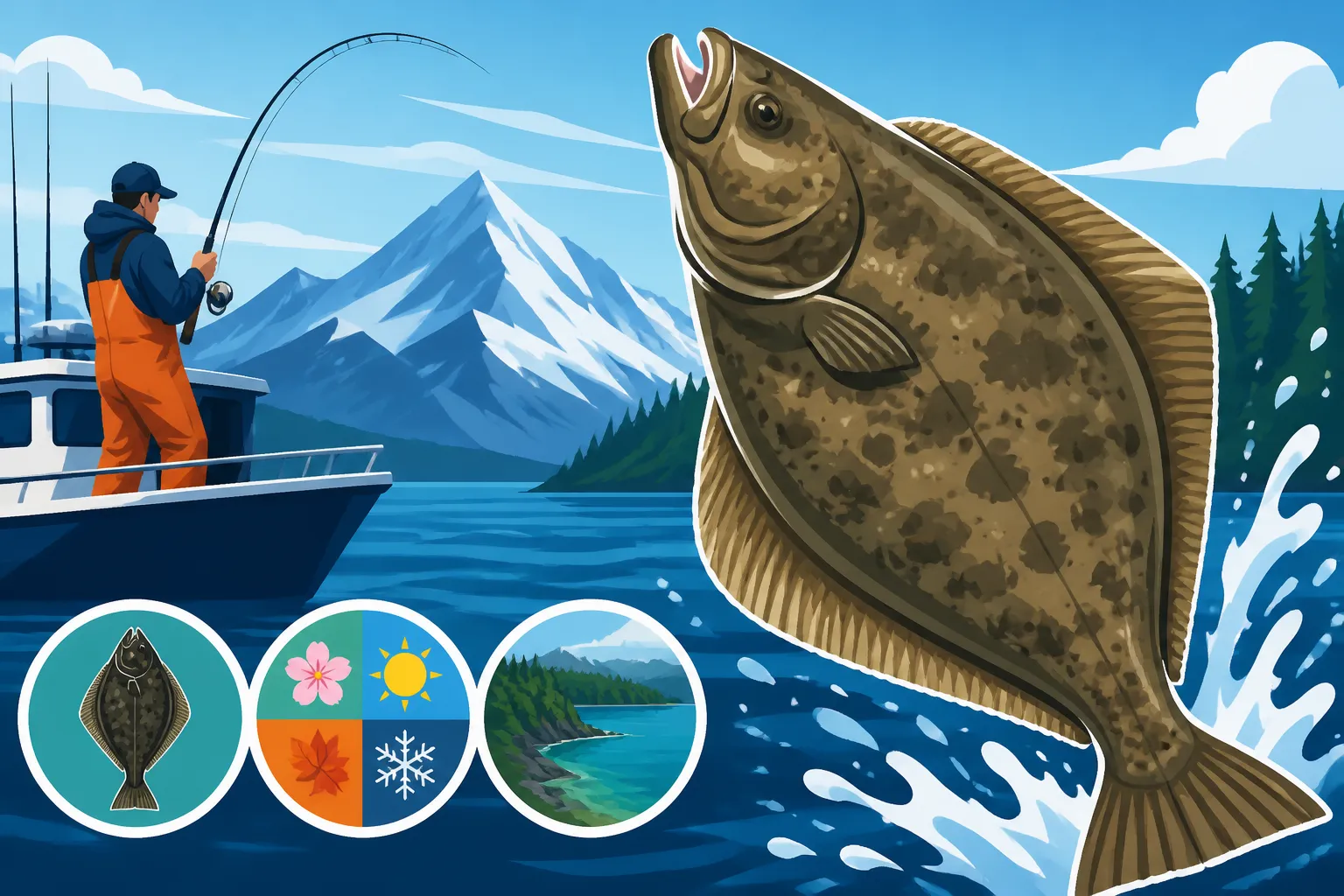
When you talk about halibut in Alaska, size is definitely a topic that comes up quickly. Most sport-caught halibut typically fall within the "chicken" category, weighing in at 10 to 40 pounds. These are excellent eating fish, manageable to fight, and still provide plenty of meat for your freezer. However, the true allure lies in the "barn door" halibut – those behemoths that can tip the scales at over 100 pounds, with some reaching well over 200 or even 300 pounds. Imagine reeling in a fish that's taller than you are!
The average size of a halibut can vary significantly based on the specific fishing grounds and the time of year. For instance, in areas with heavy fishing pressure, you might find more chickens, while more remote or deeper waters tend to hold larger, older fish. Anglers often aim for these bigger fish, not just for the challenge but for the bragging rights. It's truly a test of endurance and strength to bring one of these giants to the surface. It's not uncommon to hear tales of anglers battling a halibut for an hour or more, muscles burning, just to get it close enough to the boat.
Identifying the Biggest Halibut
While the thrill of catching any halibut is undeniable, the quest for a true trophy fish drives many to Alaska. The current International Game Fish Association (IGFA) all-tackle world record Pacific halibut weighed an astounding 459 pounds, caught in Unalaska Bay in 1996. While breaking that record is a long shot, catching a halibut over 200 pounds is certainly achievable for dedicated anglers in the right spots. These massive fish are almost always female, as female halibut grow much larger and live longer than their male counterparts. They can live for over 50 years, constantly growing, which is why finding an ancient, huge female is the ultimate prize.
When you're out on the water, you'll hear guides talking about the difference between "chicken" and "barn door" halibut. Here's a quick breakdown:
| Halibut Category | Typical Weight Range | Characteristics | Common Length Range |
|---|---|---|---|
| Chicken | 10-40 pounds | Excellent eating, easier to fight, typically younger fish | 24-40 inches |
| Sleeper | 40-70 pounds | A good fight, still great for eating, mid-sized | 40-55 inches |
| Barn Door | 70+ pounds | Challenging fight, huge fillets, older, mature fish | 55 inches to 8+ feet |
For those truly targeting a "barn door" halibut, patience, heavy-duty gear, and often deeper, less-fished waters are key. A good quality reel and stout rod are crucial; you wouldn't want to bring a knife to a gunfight when these leviathans are involved. You can find some excellent heavy-duty setups on Amazon that will stand up to the challenge.
Navigating Alaska's Halibut Seasons and Regulations
Understanding when and how you can legally fish for halibut in Alaska is paramount. The seasons and regulations can be intricate and vary significantly between sport, charter, and commercial fishing. It's not just about knowing when the fish are biting; it's about respecting the sustainable management of this incredible resource.
Prime Halibut Fishing Season
The sportfishing season for halibut in Alaska generally kicks off in May and runs through September. However, the absolute prime months for consistent action and good weather tend to be June, July, and August. During these summer months, the halibut are actively feeding in shallower waters, making them more accessible to anglers. The longer daylight hours also mean more time on the water, which is always a bonus when you're after a trophy.
While you can technically catch halibut outside this window, fishing can be less predictable and more challenging due to weather conditions and fish behavior. Many charters will begin offering trips in late May, seeing the season really hit its stride by mid-June. If you're planning your trip, consider aiming for July, as it often offers the best balance of weather, fish activity, and availability of charter options. Knowing the Alaska Halibut Season Explained in detail can help you pick the perfect time for your trip.
Key Regulations and Bag Limits
Alaska has detailed regulations to ensure sustainable halibut populations, and these rules are frequently updated. It's absolutely critical to check the most current Alaska Department of Fish and Game (ADF&G) regulations before you head out, as emergency orders can change limits and openings even during the season. You definitely don't want to get caught off guard by a sudden closure!
Here are some general aspects of halibut regulations you'll encounter:
- Daily Bag Limits: These vary depending on whether you are fishing unguided or on a charter. For example, unguided anglers typically have a different daily limit than those on a guided trip. It's often one or two fish per day, but exact rules can fluctuate. Knowing the Alaska Halibut Daily Limit for Charter Anglers and Alaska Halibut Limit for Unguided Anglers is essential.
- Annual Limits: Non-resident anglers often have an annual limit for certain species, including halibut, to help manage fishing pressure.
- Size Limits and Reverse Slot Limits: This is where it gets interesting! Sometimes, there's a maximum size limit on one of your fish, or a "reverse slot limit" where you can keep one fish under a certain size and one over a much larger size, with a slot in between that must be released. For example, a common regulation is keeping one halibut under 40 inches and one over 80 inches, but these specific numbers change. Understanding the Alaska Halibut Size Limit Explained is crucial to avoid violations. The Alaska Halibut Charter Reverse Slot Limit is a prime example of these complex rules designed to protect breeding stock while allowing harvest.
- Specific Closures: Certain days of the week might be closed to retention for charter vessels, particularly in peak season, such as the Alaska Halibut Thursday Closure Explained that sometimes applies to charter operations. This is implemented to spread out harvest throughout the week and manage pressure.
It's a lot to keep track of, but your charter captain will always be up-to-date on the latest rules. If you're fishing unguided, make sure you download the most recent regulations booklet or check the ADF&G website rigorously before and during your trip.
Premier Destinations for Catching Halibut in Alaska
Alaska is vast, and halibut can be found in many saltwater areas, but some regions are truly legendary for their consistent action and potential for trophy fish. If you're planning a trip focused on halibut, knowing these hotspots will give you a significant advantage.
Southcentral Alaska Hotspots
Southcentral Alaska is home to some of the most accessible and productive halibut fishing grounds, thanks to its extensive road system and numerous coastal communities.
- Homer: Often dubbed the "Halibut Fishing Capital of the World," Homer, located on the Kenai Peninsula, is a must-visit for any serious halibut angler. The deep waters of Kachemak Bay and Cook Inlet provide prime habitat for massive halibut. Homer offers numerous charters, fish processing facilities, and a vibrant fishing culture centered around its famous Spit. You can literally walk out onto the Homer Spit and see dozens of charter boats heading out or coming in with impressive catches. A dedicated Homer Halibut Fishing Guide can help you plan your trip to this iconic location.
- Seward: Situated on Resurrection Bay, Seward is another excellent jumping-off point for halibut fishing. The waters of Prince William Sound and the Gulf of Alaska just offshore are teeming with halibut. Charters from Seward often target areas like Montague Strait and the outer coast, known for producing big fish. The scenic beauty alone makes a trip out of Seward worthwhile, but the fishing is truly world-class. If you're considering a trip here, check out a Seward Halibut Fishing Guide for detailed insights.
- Deep Creek/Ninilchik: These areas, south of Kenai, offer a unique experience: tractor launches directly from the beach into Cook Inlet. It's an iconic Alaskan experience to ride a tractor into the surf before boarding your boat. The halibut fishing here can be fantastic, especially during outgoing tides, as fish move to feed in the inlet.
Southeast Alaska Opportunities
Southeast Alaska, with its labyrinthine waterways and deep fjords, also offers exceptional halibut fishing, often combined with incredible salmon and rockfish opportunities.
- Sitka: Located on Baranof Island, Sitka is renowned for its excellent saltwater fishing, including some of the largest halibut in the state. Anglers venturing out of Sitka can access productive offshore banks and deep-water structure that hold impressive numbers of big halibut. The town itself is rich in history and offers a beautiful backdrop to your fishing adventure.
- Gustavus/Icy Strait: Near Glacier Bay National Park, Gustavus and the waters of Icy Strait are also fantastic for halibut. The nutrient-rich waters attract a wide variety of marine life, including big halibut. Many anglers choose to combine their halibut fishing with bear viewing or whale watching for a complete Alaskan wilderness experience.
- Ketchikan and Juneau: These larger Southeast cities also have active charter fleets that target halibut in their surrounding waters. While sometimes requiring a longer run, the fishing can be very rewarding, and you can often combine halibut fishing with King and Silver salmon trips.
For a broader overview of the best places to target these giants, you might want to explore articles like Best Halibut Fishing in Alaska, which provides a comprehensive look at various locations across the state.
Essential Tips for Your Alaska Halibut Adventure
Catching halibut, especially the larger ones, requires specific techniques, robust gear, and a good understanding of their behavior. Preparing properly can make all the difference between a good trip and a truly epic one.
Recommended Gear and Tackle
Halibut are powerful bottom dwellers, so your gear needs to be up to the task. Heavy-duty conventional tackle is the standard.
- Rods: Look for stout, fast-action boat rods rated for 50-100 pound test line. You need something with a strong backbone to lift heavy weights and fight powerful fish from the deep.
- Reels: Large, robust conventional reels are essential. Models like the Penn Senator, Shimano TLD, or Daiwa Saltist are popular choices. Fill them with 80-150 lb braided line, which offers incredible strength and sensitivity for detecting bites in deep water. You can find many of these reliable brands on Amazon.
- Terminal Tackle: Heavy sinkers (16-32 oz or even more, depending on current and depth), strong circle hooks (16/0 to 20/0), heavy-duty swivels, and durable leader material (200-300 lb monofilament) are critical. You'll want to review how to set up a proper How to Set Up a Halibut Rig for Alaska to maximize your chances.
- Bait: Fresh bait is king for halibut. Herring, salmon heads, octopus, and cod fillets are all excellent choices. Sometimes, you'll hear about specific preferences, but a large, smelly bait is usually effective. For a deeper dive, check out Best Bait for Alaska Halibut.
Effective Fishing Techniques
Most halibut fishing involves bottom fishing, but there are a few nuances to consider.
- Bottom Fishing/Drifting: This is the most common method. You drop your heavily weighted bait to the seafloor and let it sit or slowly drift along the bottom. Halibut are ambush predators, so they'll often lie in wait and engulf a passing meal. Pay close attention to your rod tip for subtle taps or a sudden, heavy pull.
- Jigging: While bait fishing is prevalent, jigging can also be highly effective, especially when halibut are actively feeding. Large metal jigs, often tipped with a piece of bait, are dropped to the bottom and then worked with a sharp lift-and-drop motion to attract attention. For more details on this technique, look into How to Jig for Halibut in Alaska.
- Understanding Depths and Structure: Halibut typically prefer flat, sandy, or gravelly bottoms, often near drop-offs or underwater pinnacles where baitfish congregate. Your guide will use sonar to locate these prime spots, sometimes in depths ranging from 50 to 500 feet. The Best Depth for Alaska Halibut Fishing can vary quite a bit depending on the time of year and location.
It's also worth noting that charter operations often provide all the necessary gear, but if you're going DIY, acquiring your own robust equipment is a smart move. Investing in quality rain gear and warm layers, regardless of who supplies the fishing tackle, is always a good idea when fishing in Alaska. You can never predict the weather, and staying comfortable makes a huge difference.
The Fight and Landing Process
When a halibut hits, it's often a solid, heavy thud. Then, the fight begins. Smaller halibut might come up relatively easily, but a "barn door" will put up a serious battle. They'll make powerful runs, try to stay cemented to the bottom, and can spin and twist, creating a formidable opponent. Keep steady pressure, pump-and-reel, and let the rod and reel do the work.
Once a large halibut is near the surface, the captain or deckhand will typically use a harpoon or a large gaff to secure the fish and bring it aboard. For truly massive fish, they might even shoot it with a shotgun or a specialized "billy club" to subdue it safely before bringing it into the boat. This might sound extreme, but a 200-pound halibut on deck can be incredibly dangerous, thrashing wildly. Safety is always the top priority.
After the catch, if you're on a charter, they will typically handle the filleting and packaging. Many local processors in towns like Homer and Seward can also freeze and ship your catch home for you, ensuring you enjoy your Alaskan bounty long after your trip. For broader techniques on catching different species, our How to Catch Halibut in Alaska guide offers even more insights.
Disclaimer
The information provided in this guide is for general informational purposes only and is subject to change. Fishing regulations in Alaska are dynamic and can be updated frequently by the Alaska Department of Fish and Game (ADF&G) through emergency orders. Always consult the most current official ADF&G regulations, emergency orders, or speak with a licensed local charter operator before planning and engaging in any fishing activities. Adherence to all local, state, and federal laws is the responsibility of the individual angler.