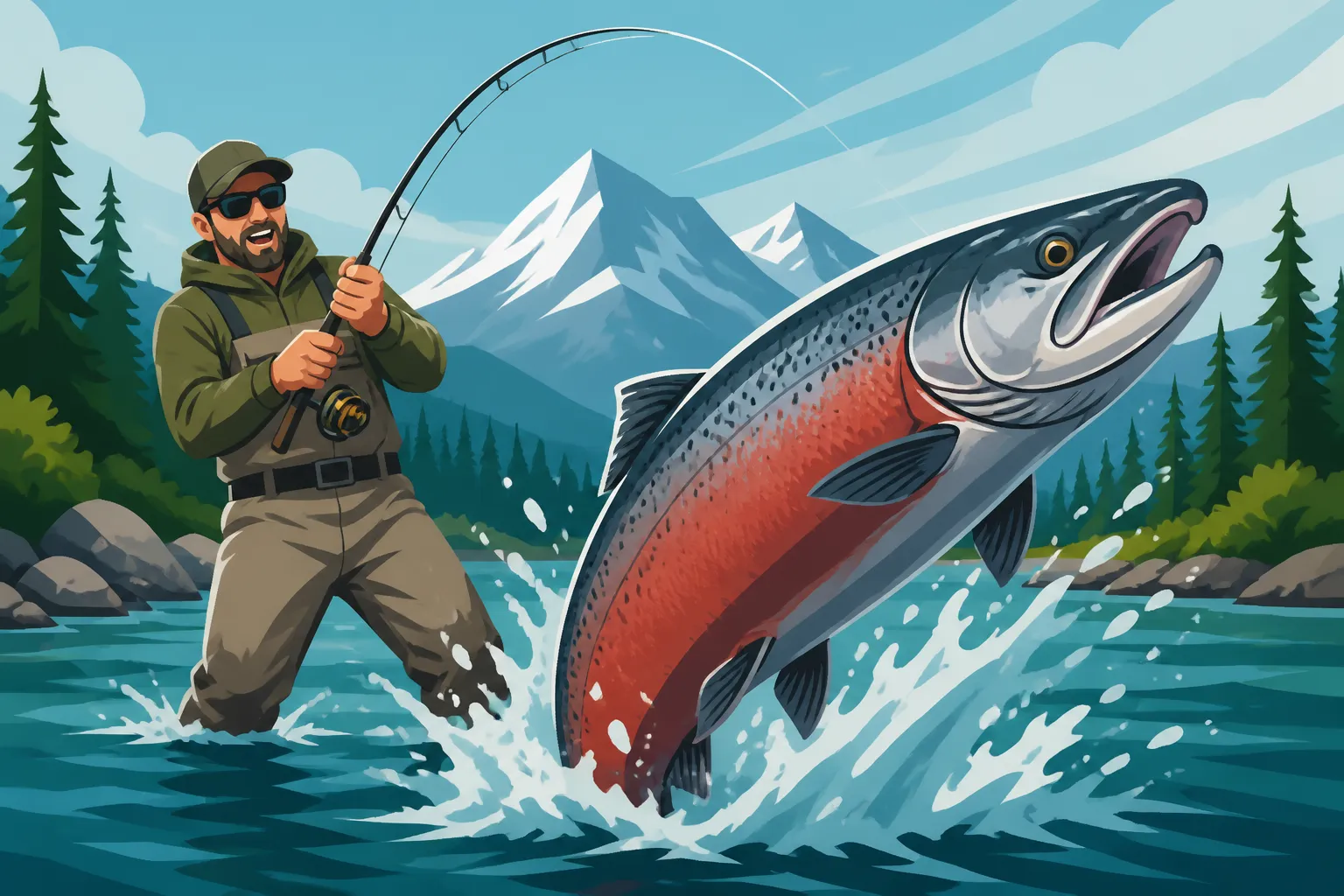
How to Land a Big King Salmon in a River
There’s nothing quite like the heart-stopping moment an Alaskan King Salmon absolutely demolishes your presentation in a river. You feel that solid thud, the line screams, and suddenly, you’re connected to a creature of immense power. But here’s the rub: hooking one is only half the battle. Landing a truly big King Salmon in the swift, often snag-filled currents of an Alaskan river is where many dreams turn into heartbreaking stories of lost giants. This guide is all about equipping you with the knowledge, the gear, and the mental fortitude to turn those epic battles into triumphant photos and a cooler full of fresh salmon.
Understanding the King Salmon's Fight
Before we dive into the nuts and bolts of landing these magnificent fish, it's crucial to understand what you're up against. King Salmon, also known as Chinook, are often considered the apex freshwater game fish in Alaska, and for good reason. Their sheer size, raw power, and unpredictable antics make every hook-up an intense, adrenaline-fueled dance. It’s not just about brute strength; it's about endurance, strategy, and understanding their psychology in the river.
The Initial Run and Raw Power
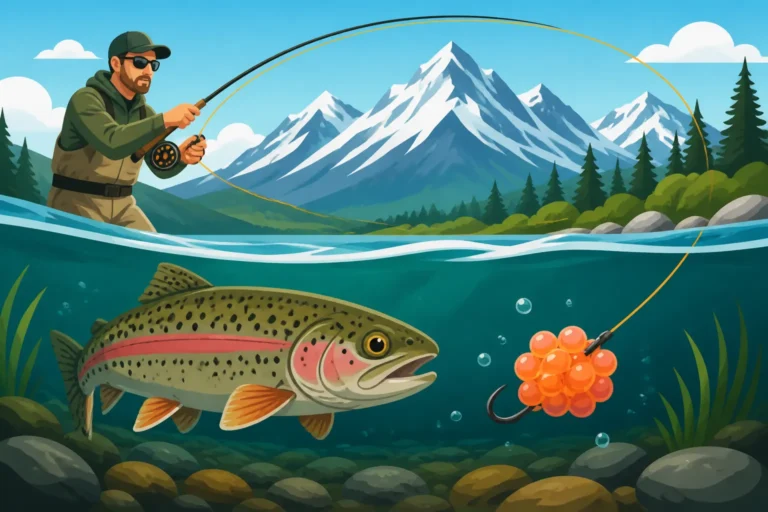
When a big King Salmon first realizes it's hooked, it's like a coiled spring suddenly released. Their initial run is often explosive, relentless, and incredibly fast. You'll hear your reel's drag sing a high-pitched tune as line melts off the spool at an alarming rate. This isn't just a burst of speed; it's a display of pure, unadulterated power as they leverage their broad, muscular tails against the river's current. Many anglers, especially those new to King Salmon, find themselves overwhelmed in these first few seconds. It feels like trying to stop a freight train with a piece of string. They use the river's flow to their advantage, often turning downstream to increase the pressure on your line and make themselves feel even heavier. This initial burst is also where many hooks pull free or lines snap if the drag isn't set correctly or the rod angle is off.
Head Shakes and Surprising Agility
Beyond the straight-line sprints, King Salmon are masters of the head shake. Once they slow down from that initial run, or even during it, they'll often violently shake their massive heads from side to side. Imagine trying to hold onto a bowling ball attached to a vibrating jackhammer – that's what it can feel like. These head shakes are designed to dislodge the hook, and they are surprisingly effective. Their large, bony mouths make it tough for a hook to get a deep, secure hold, and those powerful thrashes can quickly create leverage against the hook point. Sometimes, they'll even jump clear of the water, a spectacular sight that can simultaneously awe and terrify an angler, as a jumping fish often throws the hook. This is where a firm, consistent bend in the rod and a vigilant thumb on the spool (if you're brave enough) can make all the difference.
Deep Dives and Bottom Hugging
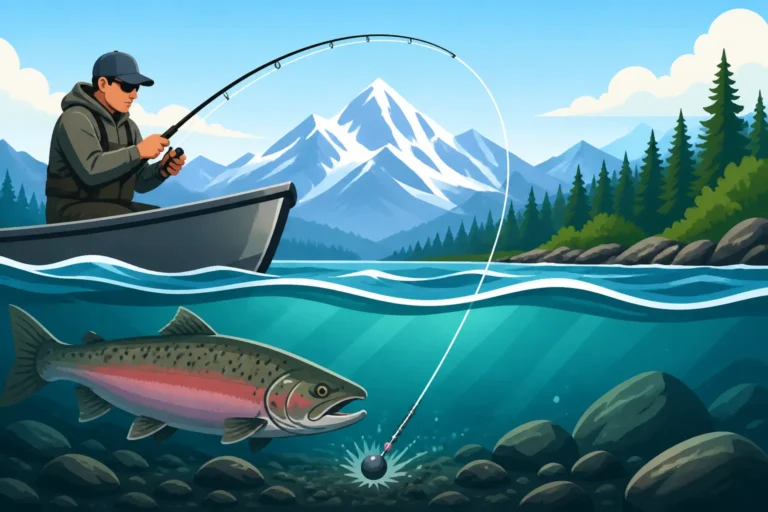
As the fight progresses, particularly if the King is starting to tire, they often resort to deep dives. They'll hug the bottom, using the river's topography – submerged logs, rocks, ledges – as natural anchors. This tactic allows them to rest against the current, making them feel incredibly heavy and difficult to budge. It’s during these deep dives that snagging becomes a real concern. If your line touches a submerged branch or a sharp rock, it's often game over. They also have an uncanny ability to find the weakest point in your line, grinding it against whatever structure they can find. You might feel a dull throb, a slight vibration, and then suddenly, the line goes slack. This is where patience and a good feel for the river bottom come into play. You'll need to work the fish up and away from potential snags, guiding it gently but firmly.
Essential Gear and Setup for River Kings
Successfully landing a big King Salmon in a river isn't just about technique; it's fundamentally about having the right tools for the job. You wouldn't bring a butter knife to a sword fight, and you certainly shouldn't bring light tackle to an Alaskan King Salmon river. The gear you choose needs to be robust, reliable, and capable of withstanding immense stress. Cutting corners here is a recipe for disappointment and broken hearts.
Rod, Reel, and Line Selection
For river Kings, you need a heavy-duty setup that can absorb powerful runs and provide the leverage needed to turn a big fish.
- Rods: Look for a rod in the 9 to 11-foot range, rated for heavy power with a moderate-fast action. This length helps with casting heavier baits or lures and provides better line control in the current, absorbing those lunging runs. A rod with a strong backbone is crucial for lifting and turning a large fish, especially when it's hugging the bottom. Brands like Lamiglas, G. Loomis, and Fenwick are popular among serious King Salmon anglers for their strength and sensitivity. You might even find some great heavy-duty options on Amazon if you know what specs to look for.
- Reels: A high-quality conventional baitcasting reel or a heavy-duty spinning reel (size 4000-6000 or equivalent) is essential. It needs a smooth, powerful drag system that can withstand sustained pressure without seizing or becoming jerky. A reel with a good line capacity is also important, as big Kings can peel off a hundred yards or more on their initial run. Shimano and Daiwa reels are often favored for their reliable drag systems and robust construction.
- Line: This is not the place for flimsy line. Most river King anglers opt for 30-60 lb braided mainline, known for its incredible strength-to-diameter ratio and lack of stretch. The no-stretch property allows you to feel even the most subtle bites and set the hook with authority. However, braid can be abrasive, so you'll typically tie a 20-40 lb monofilament or fluorocarbon leader, usually 4-8 feet long, to your main line. The leader provides some shock absorption, is more abrasion-resistant against rocks and fish teeth, and is less visible to the fish. Make sure your knots are impeccable; a weak knot is often the Achilles' heel in a King Salmon fight. Check out our guide on Alaska Fishing Gear and Tackle Guide for more detailed recommendations.
Terminal Tackle and Hook Considerations
The last few feet of your setup, often called terminal tackle, are just as critical as your rod and reel. This is where the fish meets the hook, and any weakness here can spell disaster.
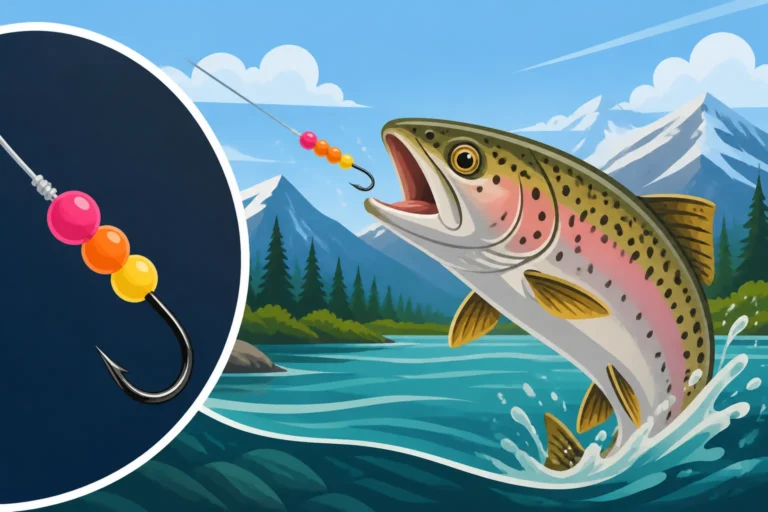
- Hooks: Use sharp, strong, large hooks. For bait fishing, offset Octopus hooks in sizes 4/0 to 6/0 are common. For lures, ensure the treble hooks are heavy-gauge and razor-sharp. Many anglers immediately replace stock treble hooks on new lures with stronger, sharper alternatives. Chemically sharpened hooks penetrate better and hold tighter in a King's bony mouth.
- Swivels and Leaders: Heavy-duty barrel or ball-bearing swivels (rated 50-80 lbs) prevent line twist, especially when using spinners or drifting baits. Your leader material, as mentioned, should be abrasion-resistant fluorocarbon or monofilament. The length and strength of your leader will depend on water clarity and the specific technique, but generally, heavier is better for Kings.
- Weights: Depending on the current and depth, you'll need substantial weights to get your bait or lure down to the fish. Slinky weights, pencil lead, or cannonball sinkers ranging from 1 to 8 ounces are common. Having a variety on hand is essential for adapting to different river conditions.
The Importance of a Reliable Net or Gaff
You've done everything right. The King is tired, you've brought it close, and now comes the moment of truth: actually getting it out of the water. This is where many fish are lost at the boat or bank.
- Nets: For King Salmon, you need a large, heavy-duty landing net with a long handle and a deep, rubberized mesh basket. The net opening should be wide enough to easily engulf the fish's head and shoulders. Rubberized mesh is gentler on the fish if you plan to release it, and it prevents hooks from getting tangled. Trying to land a 30-pound King with a trout net is a fool's errand.
- Gaffs: Many experienced anglers prefer a gaff for large King Salmon they intend to keep. A gaff needs to be sturdy, with a sharp, strong hook. The handle should be long enough to reach the fish comfortably. Gaffing is a definitive move, and it needs to be executed swiftly and confidently. Aim for the thick part of the fish's body, just behind the head. This ensures a clean, quick landing and minimizes damage to the meat.
- Teamwork: If you're fishing with a buddy, communicate clearly. The net man or gaffer should wait until the fish is truly exhausted, on its side, and close to the boat or bank. A panicked, last-ditch effort from a fish near the net can often result in a lost fish. Never chase a fish with the net; let the angler lead the fish into the net.
Mastering the Fight: Techniques to Land a King Salmon
Once that King Salmon is on the line, the real work begins. It's a physical and mental chess match, requiring a blend of strength, finesse, and unwavering focus. Every moment counts, and your actions directly influence the outcome. There's no single magic bullet, but rather a series of techniques that, when executed correctly, dramatically increase your chances of success. Our guide on Best Fishing Techniques for Alaska covers a broader range, but here we'll focus specifically on battling Kings in rivers.
Setting the Hook and Controlling the Initial Run
The first few seconds after a bite are absolutely crucial.
- Setting the Hook Firmly: When you feel that distinctive bite – often a solid thump or a steady pull – react immediately with a strong, sweeping hook set. Don't just lift the rod; actively sweep it upwards and to the side, pulling against the fish with authority. Because of their bony mouths, a soft hook set often results in a lost fish. Make sure your drag is set properly before you even start fishing – tight enough to set the hook but loose enough to allow line to peel off during a run.
- Embracing the Run: Once hooked, the King will likely bolt. Resist the urge to clamp down on the reel or overtighten the drag. Let the fish run! Your drag should be set to allow line to go out, but with enough tension to tire the fish. A good rule of thumb is that you should be able to pull line off the reel by hand with considerable effort, but not so much that it feels locked. As the fish runs, maintain a high rod tip (around a 45-degree angle) pointing towards the fish. This puts the bend in the rod, allowing it to act as a shock absorber. Lowering the rod tip during a run can transfer too much stress directly to your line and reel, leading to break-offs.
Maintaining Pressure and Pumping the Fish
The fight with a King is rarely a continuous run. It's often a series of runs, head shakes, and pauses.
- Consistent Pressure: Your goal is to apply constant, unwavering pressure. If the line goes slack for even a second, the fish can shake the hook or turn its head and spit it out. Always keep a bend in your rod. If the fish stops running, don't let up.
- Pumping and Reeling: This is the classic technique for bringing in a large, powerful fish. When the fish pauses or is not actively running, slowly lift your rod tip up towards the sky, gaining a few feet of line. Then, lower the rod tip smoothly while simultaneously reeling in the slack line you just gained. Repeat this motion, slowly but surely, gaining line with each "pump" of the rod. It's a rhythm: lift, reel down, lift, reel down. This technique allows you to gain line without putting excessive strain on your gear or the fish. Think of it as a controlled tug-of-war, gradually wearing down the fish's strength.
Using the River Current to Your Advantage
The river current is both your ally and your enemy. Learn to use it.
- Fighting Upstream: If possible, try to work the fish upstream of you, or at least keep it perpendicular to the current. Fighting a fish that's downstream and leveraging the current to its full advantage is exponentially harder. If the fish runs downstream, follow it if you can, jogging along the bank to stay ahead or even with it.
- Side Pressure: Instead of always pulling straight back, try to apply pressure from the side. If the fish is directly in front of you, try to move to the side of it, or swing your rod to the side, to turn its head. Once a fish's head is turned, it's much harder for it to swim against the current or make powerful runs. This side pressure also helps to disorient the fish and bring it closer to the surface, making it easier to control.
The Critical Moments: Landing the Fish
This is often where the adrenaline peaks and mistakes are most common.
- Leading, Not Dragging: When the fish is nearing exhaustion and close to the bank or boat, gently lead it. Don't try to drag it in. Keep its head pointed towards the landing area. A tired King will often "cup" its tail against the current, making it difficult to pull straight in. Use side pressure to guide it.
- The Net or Gaff Shot: As mentioned, communication is key if you have a net person. Wait until the fish is completely on its side, mouth closed, and looks truly spent. The netter should submerge the net well in advance and then, with a swift, decisive motion, scoop the fish head-first into the net. Avoid lunging at the fish while it's still green; this often spooks it into a last, powerful escape attempt. For gaffing, the same principle applies: wait for the fish to be docile, then execute a clean, strong shot. After the fish is in the net or gaffed, secure it immediately. For kings, especially large ones, it’s not uncommon to need to subdue them quickly to prevent injury to yourself or damage to the fish or boat. If you’re planning to harvest the fish, a swift, humane dispatch is important. When in doubt about regulations, always consult the current Alaska Fishing Regulations Explained or an experienced guide.
Common Pitfalls and How to Avoid Them
Even the most seasoned anglers can make mistakes, especially when battling a truly massive King Salmon. These fish are experts at exploiting any weakness in your technique or gear. Being aware of these common pitfalls can help you avoid the heartbreak of losing what could have been a fish of a lifetime.
High-Sticking and Rod Breakage
One of the most frequent mistakes, particularly among newer anglers, is "high-sticking." This happens when you lift your rod tip too high, often past the 90-degree angle, or point it directly at the fish, creating a severe curve in the rod. While it might feel like you're applying more pressure, you're actually putting immense, uneven stress on the rod blank, especially near the tip and ferrule (where rod sections join).
- The Danger: High-sticking significantly increases the risk of snapping your rod. Rods are designed to bend and distribute stress along their entire length, ideally with a continuous, smooth curve. When you high-stick, you concentrate all that force into a small section, overwhelming the material. It's a quick way to turn an expensive salmon rod into two or more pieces.
- The Solution: Always maintain a smooth, controlled bend in your rod, ideally between a 45 and 75-degree angle relative to the line. When pumping the fish, lift the rod, but never beyond that optimal bend. If the fish dives and you feel your rod tip is getting too high, lower it slightly while still maintaining pressure. This technique allows the rod to do its job, absorbing the shock and protecting your line. Remember, the rod is designed to flex, not to be rigid like a crane.
Loose Line and Lost Fish
A slack line is almost always a death knell in a King Salmon fight. These fish are masters at exploiting any momentary loss of tension.
- The Problem: If your line goes slack, even for a split second, the hook can easily dislodge from the fish's mouth. King Salmon have incredibly strong, bony jaws, and the hook often only has a shallow hold. A sudden drop in tension allows the hook point to slip out, especially during those violent head shakes. This often happens when a fish suddenly swims towards you, or when an angler pauses too long between "pumps."
- The Solution: Always, always keep tension on the line. When the fish runs, let the drag do its job, but keep your rod tip high and pointed at the fish. When the fish changes direction or swims towards you, quickly reel in the slack line while still maintaining that bend in the rod. It's a delicate balance of reeling, lowering the rod, and maintaining pressure. This is where the lack of stretch in braided line can be a huge advantage, as it transmits those subtle changes in tension immediately. Consider practicing your line management skills at home, even without a fish, to build muscle memory.
Rushing the Fight
The excitement of having a big King on the line can be overwhelming, leading many anglers to try and muscle the fish in too quickly. This is almost always a mistake.
- The Cost of Impatience: Trying to pull a strong, green King Salmon against its will often results in a broken leader, a straightened hook, or the hook pulling free. You're fighting a fish that might weigh as much as a small child, in powerful currents, and it has absolutely no interest in coming to your net prematurely. Rushing can also overtire you before the fish is even close to landing.
- The Virtue of Patience: A King Salmon fight is a marathon, not a sprint. Take your time. Let the fish make its runs, trusting your drag to do its job. When it pauses, apply consistent pressure and gain line through steady pumping. Wear the fish down gradually. You'll know a King is truly tired when it starts to roll on its side, struggles to maintain an upright position, and doesn't respond with powerful runs when you gain line. This patient approach is often the difference between a triumphant landing and a frustrating story of "the one that got away." For a more general overview of these powerful fish, check out our article on Alaska King Salmon: Complete Guide.
| Common Fight Scenario | Angler Mistake | Correct Action |
|---|---|---|
| Initial powerful run | Lock down drag | Let drag sing, maintain 45-degree rod angle |
| Fish swims toward you | Slack line, no reel | Quickly reel in slack, keep rod tip up, apply side pressure |
| Fish head shakes | Panicked reeling, loose line | Steady pressure, keep rod bent, don't let up |
| Fish hugs bottom | Try to pull straight up | Move to side, apply side pressure, "pump" steadily |
| Fish near boat/bank | Rushing the net shot | Wait for fish to be on its side, lead gently, net head-first |
| Rod tip too high | High-sticking | Maintain 45-75 degree rod angle, let rod absorb shock |
Remember, every King Salmon is a unique battle. The more you fish for them, the more you'll develop an intuition for their movements and responses. There are moments of sheer panic, moments of intense focus, and moments of pure elation. Be prepared, be patient, and most importantly, enjoy the incredible experience of fighting one of Alaska's most iconic fish. You might find some excellent deals on strong hooks and specialized tools on Amazon to prepare for your next battle. If you're planning your trip around these giants, our guide on When Do King Salmon Run in Alaska can help you time it just right.
Disclaimer
Fishing in Alaska involves inherent risks, including adverse weather conditions, wildlife encounters, and variable river conditions. The information provided in this guide is for general informational purposes only and should not be considered a substitute for professional advice or local regulations. Always prioritize safety, check current Alaska Department of Fish and Game regulations and emergency orders before fishing, and consider hiring a licensed fishing guide, especially when targeting powerful species like King Salmon. Ensure all your gear is in excellent condition and know its limitations.