How to Avoid Alaska Fishing Violations
Navigating Alaska's vast and wild fishing grounds is an incredible dream for many, but the excitement can quickly turn to frustration if you accidentally stumble into a fishing violation. The rules here are notoriously complex, constantly changing, and can feel like a labyrinth, making it tough for even seasoned anglers to keep up. This guide is here to untangle that web, helping you understand the regulations and offering clear, actionable steps to avoid common pitfalls so your Alaskan fishing adventure remains unforgettable for all the right reasons.
Understanding the Foundation of Alaska Fishing Regulations
Alaska is a state that takes its natural resources seriously, and rightfully so. The sheer abundance of fish, especially salmon and halibut, draws anglers from around the globe, but managing these populations requires a robust and often intricate set of rules. It's not just about catching fish; it's about preserving this incredible fishery for generations to come.
Why Regulations Are So Complex in Alaska
You might wonder why it feels like you need a law degree just to go fishing in Alaska. The complexity stems from several factors unique to this vast state. First, Alaska boasts an incredible diversity of fish species, each with its own specific management plan. King salmon, sockeye, coho, halibut, rainbow trout, and a host of others all have different run timings, preferred habitats, and biological needs, leading to varying regulations.
Second, the state is divided into numerous management regions and even smaller sub-regions, like the popular Kenai Peninsula or Southeast Alaska. What's legal on the Kenai River for sockeye might be completely different from regulations on the Kasilof River just down the road, or what you'd encounter while fishing near Juneau or Sitka. These regional differences account for local stock health, escapement goals, and even fishing pressure.
Lastly, and perhaps most challenging for anglers, regulations are incredibly dynamic. They can change not just annually, but sometimes weekly or even daily via "Emergency Orders" issued by the Alaska Department of Fish and Game (ADF&G). These orders are critical responses to real-time events, like unexpectedly low salmon returns, and can shut down fisheries, change bag limits, or impose new gear restrictions with very little notice. This ever-shifting landscape means a regulation you read in a printed booklet might already be outdated.
Essential Resources for Staying Informed
Staying on top of Alaska's fishing regulations requires proactive engagement with the official sources. Don't rely solely on word-of-mouth or outdated forum posts; go straight to the experts.
The absolute cornerstone is the Alaska Department of Fish and Game (ADF&G) Sport Fishing Regulations Summary. These booklets are printed annually and are available digitally on the ADF&G website, at local tackle shops, or ADF&G offices. They break down regulations by region and species and are your primary reference point. Many experienced anglers keep a physical copy tucked away with their gear, and a digital version on their phone or tablet for quick reference.
Beyond the annual summary, Emergency Orders are perhaps the most vital pieces of information to monitor. These real-time updates supersede the printed regulations. ADF&G publishes these online, and many local communities, charter operators, and tackle shops will post them prominently. Some regions even have dedicated hotlines or email lists you can sign up for to receive immediate notifications. Ignoring these emergency orders is one of the quickest ways to find yourself in violation, as closures or changes often happen mid-season. Understanding how to check Alaska Emergency Orders Before Fishing is paramount for any angler.
Finally, don't underestimate the value of local knowledge. Before heading out, especially to a new area, pop into a local tackle shop. The staff there are often intimately familiar with the most current regulations and conditions, and they can offer invaluable insights that a printed guide might not cover. Reputable Alaska Fishing Charters: Complete Guide and guides are also fantastic resources, as it's their job to stay fully compliant.
Common Fishing Violations and How to Sidestep Them
Alaska's fishing regulations are designed to protect fish stocks and ensure fair chase. Many violations stem from simple misunderstandings or a lack of due diligence. By focusing on these common areas, you can significantly reduce your risk.
Licensing and Stamps
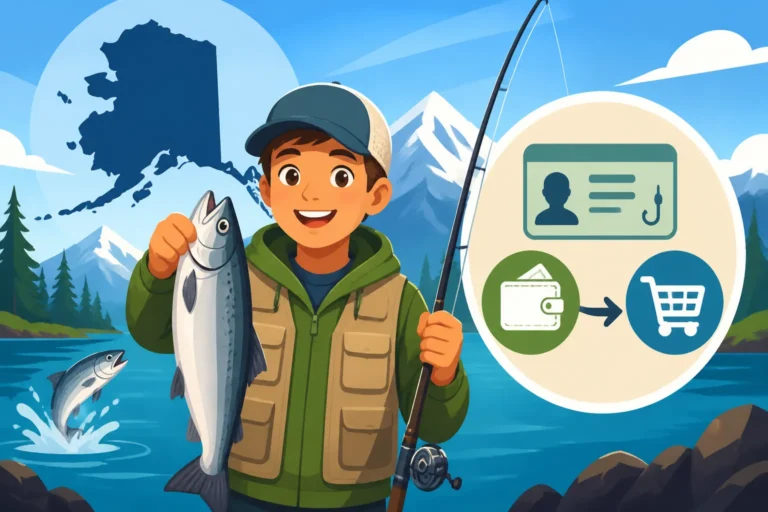
This might seem obvious, but not having the correct license or stamp is one of the most frequent and easily avoidable violations. Every angler aged 16 or older needs a valid Alaska sport fishing license. The type of license depends on your residency and the duration of your trip – whether you need an Alaska Non-Resident Fishing License Guide, a resident license, or a short-term option like an Alaska 7-Day Fishing License Cost.
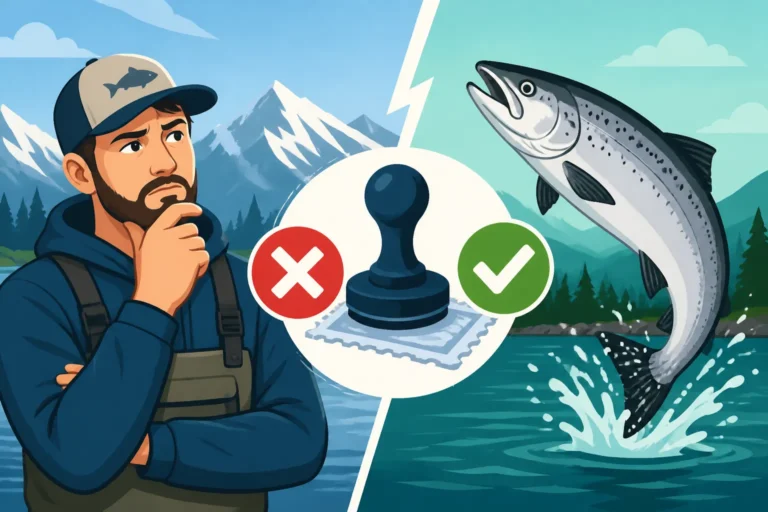
Beyond the basic license, pay close attention to the King Salmon Stamp. If you plan to fish for King salmon, regardless of your residency or the duration of your trip, you must purchase and possess a valid King Salmon Stamp, even if you don't actually catch a King. This is a common oversight, particularly for those who aren't primarily targeting Kings but might hook one incidentally. Do You Need a King Salmon Stamp in Alaska delves into this in detail. Always check the current requirements before you head out. These can be purchased at the same places as your fishing license – online, at tackle shops, or ADF&G offices.
Bag and Possession Limits
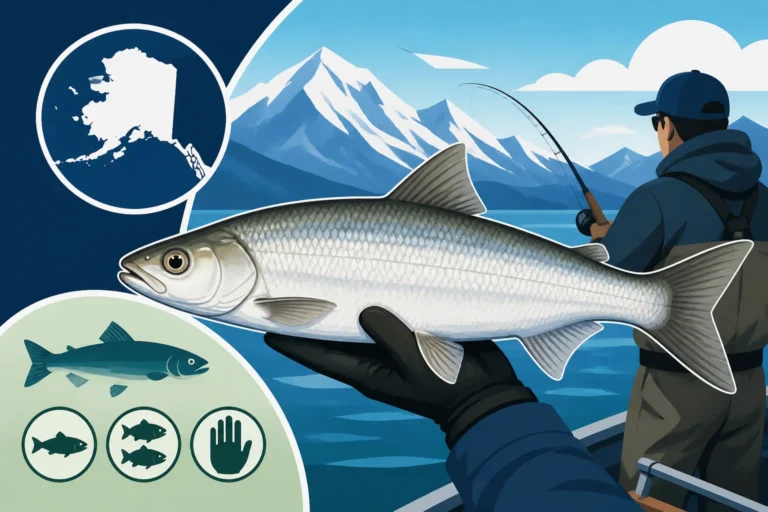
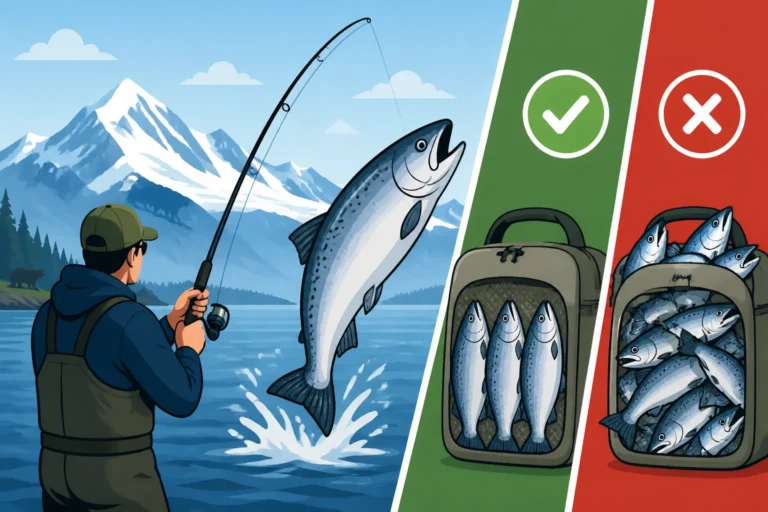
Understanding and adhering to bag and possession limits is absolutely critical. These limits dictate how many fish of a certain species you can keep per day (daily bag limit) and how many you can have in your possession at any given time, including fish stored at a lodge, processor, or home (possession limit). In Alaska, possession limits are often double the daily limit for salmon, but can vary widely for other species like halibut.
For instance, Alaska Halibut Charter Regulations Explained include a "reverse slot limit" in many areas, meaning you can keep one halibut of a certain size (e.g., under 40 inches) and one larger than a specific size (e.g., over 80 inches), or a combination of one small one and no large ones, depending on the specific area and year. These exact measurements are paramount, and you need to know them cold. Similar slot limits may apply to certain trout species in freshwater. Exceeding your daily or annual limit, or keeping fish outside the legal size range, is a serious offense. Always confirm the specific Alaska Fishing Limits and Bag Limits Explained for your target species and fishing area before you start. It’s a good practice to measure every fish, especially halibut, before deciding to keep it.
Gear and Tackle Restrictions
Alaska has stringent rules on the type of gear and tackle you can use, often varying by species, time of year, and specific waterways. This is especially true in popular salmon rivers where conservation is paramount.
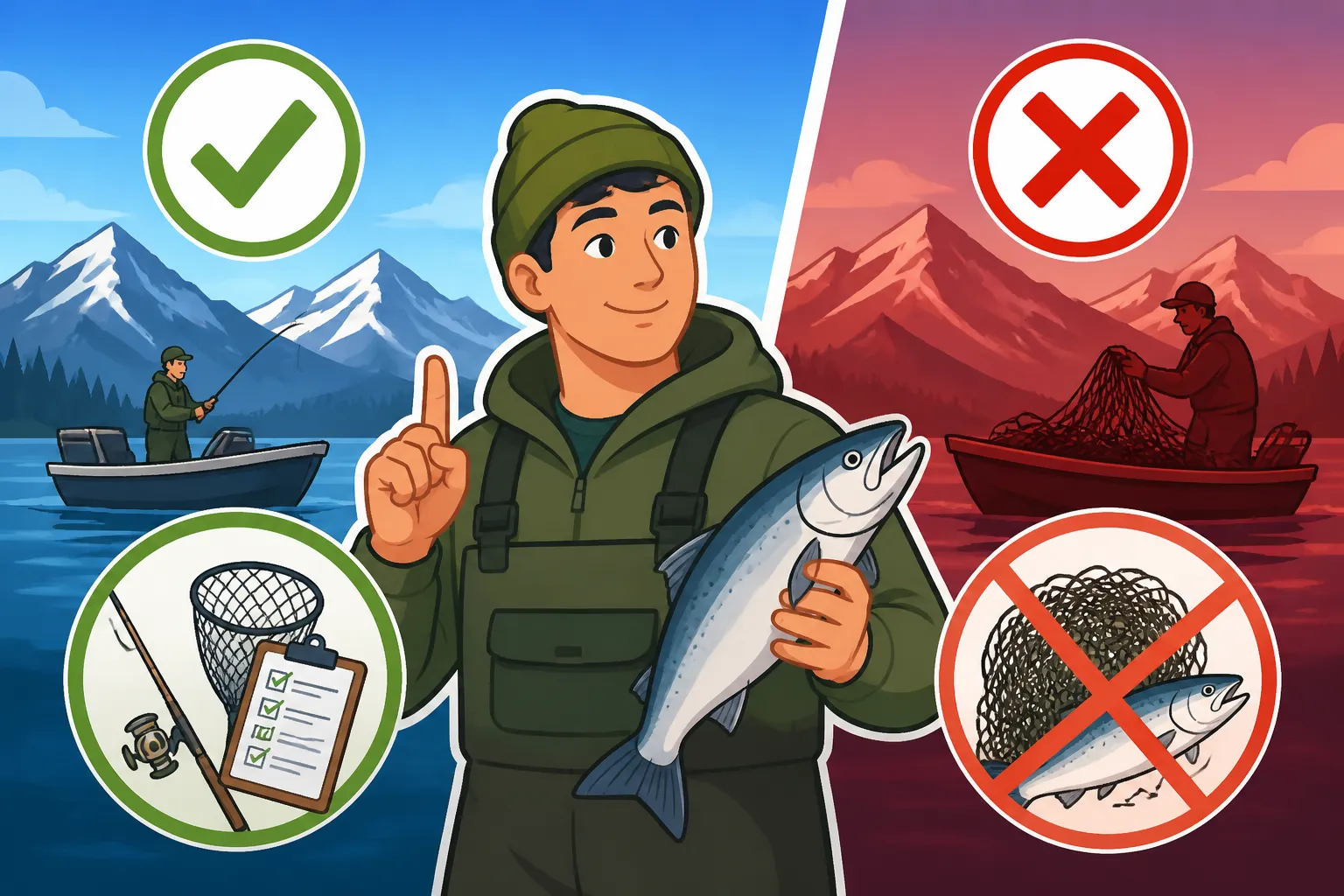
One common area of confusion is bait restrictions. Many rivers, or sections of rivers, become "fly-fishing only" or "artificial lures only" during certain periods, especially for trout or during specific salmon runs. In some areas, the use of bait may be entirely prohibited. Similarly, barbless hook requirements are widespread, particularly in areas with high catch-and-release rates or for sensitive species like wild steelhead. Using a barbed hook in a barbless-only zone is a violation. Always carry a pair of pliers to crimp down barbs on your hooks if needed. You can find more specific information on Alaska Bait Restrictions Explained and Alaska Barbless Hook Requirements.
Another frequent issue involves snagging regulations. While "combat fishing" for sockeye salmon on rivers like the Kenai is famous, there are very specific rules about how you can legally hook a fish. Intentionally snagging (hooking a fish anywhere other than its mouth) is illegal in most areas, though there are a few designated "personal use" fisheries where limited snagging is permitted under specific conditions. Knowing Alaska Snagging Regulations Explained is crucial to avoid serious trouble. Additionally, rules on the number of rods you can fish simultaneously (typically one or two, depending on the waterbody) are strictly enforced.
Area and Season Closures
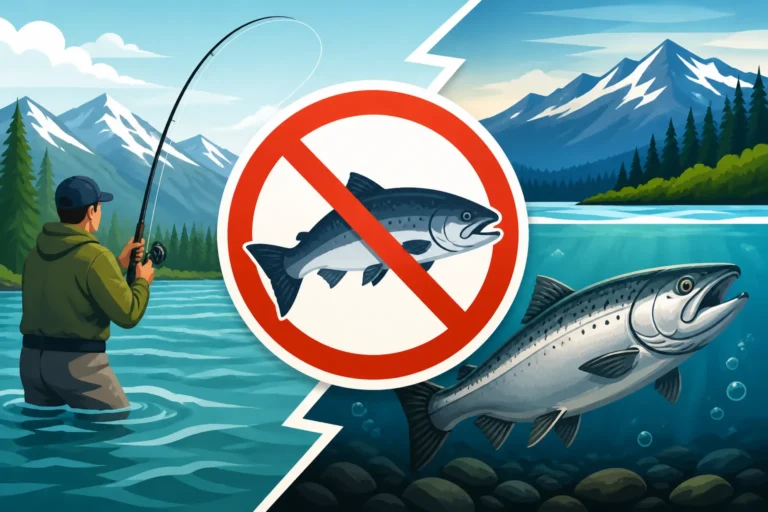
Fishing in closed waters or during a closed season is a straightforward violation. These closures are implemented to protect spawning fish, allow for escapement goals to be met, or manage depleted stocks. As mentioned earlier, these can change rapidly due to emergency orders.
For example, a section of the Kenai River might be open for sockeye fishing but closed to King salmon fishing due to low returns. Or an entire river could be shut down to sport fishing for a specific species during its spawning period. Marine waters also have seasonal closures for certain groundfish or shellfish species. Always cross-reference your fishing plans with the most current information available from ADF&G, paying special attention to emergency orders. A good rule of thumb: if you're unsure, don't cast.
Harvest Recording and Reporting
For certain species, particularly King Salmon, Alaska requires anglers to record their catch immediately on a Harvest Record Card. This card is typically attached to your fishing license. You must record the date, location, and species of any King salmon caught and retained, and often indicate if it was wild or hatchery-reared. For non-residents, there is often an annual limit on King salmon, making accurate recording even more important.
Failing to record a King salmon immediately after retention is a violation. This system helps ADF&G monitor harvest rates and manage populations effectively. Even if you don't fill your annual limit, you are required to return your harvest card to ADF&G at the end of the year or upon request. Understanding Alaska Harvest Record Card Explained and How to Fill Out an Alaska Harvest Record Card are essential steps to compliance. While King salmon are the most common species requiring immediate recording, always check if any other species have similar requirements for your specific fishing area.
| Violation Type | Description | How to Avoid |
|---|---|---|
| Licensing | Fishing without a valid license or necessary stamps (e.g., King Salmon Stamp). | Always buy your Alaska Fishing License: Complete Guide beforehand and check if a King Salmon Stamp is required. Keep them on you! |
| Bag Limits | Keeping more fish than legally allowed per day or in possession. | Know the daily and possession limits for each species in your specific area. Measure fish carefully before retaining. |
| Size Limits | Keeping fish that are too small or too large (e.g., halibut reverse slot limit). | Carry a measuring device. Understand specific slot limits and keep fish within legal size ranges. |
| Gear Violations | Using illegal bait, barbed hooks in barbless areas, too many rods, or snagging. | Check Alaska Bait Restrictions Explained, Alaska Barbless Hook Requirements, and Alaska Snagging Regulations Explained. Know the rod limits. |
| Area/Season Closure | Fishing in a section of river or marine area that is closed, or during a prohibited season. | Consistently check ADF&G Emergency Orders and local notices. Alaska Fishing Emergency Orders Explained are key. |
| Harvest Recording | Not recording retained King Salmon or other designated species on your harvest card. | Carry your Alaska Harvest Record Card Explained and a pencil. Record immediately upon retention. |
Practical Strategies for Staying Compliant on the Water
Even with the best intentions, the sheer volume of rules can feel overwhelming. Developing a consistent strategy for compliance will make your Alaska fishing trip much smoother and more enjoyable.
Preparation Before You Even Cast
The work to avoid violations starts long before your first cast. Treat regulation review like packing your essential gear – it's non-negotiable.
Pre-trip Research is Paramount: Before you leave home, identify the specific rivers, lakes, or marine areas you plan to fish. Then, meticulously research the regulations for those specific locations and dates. Print out the relevant pages from the ADF&G Sport Fishing Regulations Summary. Highlight key rules concerning your target species, bait use, hook requirements, and bag limits. If you're coming from out of state, ordering a physical copy or downloading the app to your tablet from Amazon well in advance can give you time to digest the information.
Set Reminders and Double-Check: If you're fishing for multiple days or in different regions, specific dates or location changes can easily slip your mind. Set alarms on your phone or make notes in a waterproof notebook to remind yourself of upcoming regulation changes or area-specific rules. For example, if you know a certain river section goes "fly-fishing only" on August 1st, set a reminder for July 31st to switch your gear.
On-the-Water Best Practices
Once you're out on the water, vigilance and clear communication are your best allies.
Double-Checking is Always Worth It: Before you make your first cast, especially in a new spot or after moving locations, take a moment to re-read the regulations pertinent to that exact spot. Are you in a barbless hook zone? What's the daily limit here? It takes only a minute, but it can save you a lot of trouble. If you're on a guided trip, don't hesitate to ask your guide to clarify any rules that seem unclear. They are there to ensure you have a legal and successful trip.
Accurate Fish Identification and Measurement: In Alaska, knowing your fish is crucial. Sometimes, different species of salmon (like King vs. Coho) might be present at the same time but have vastly different regulations. Learn to identify the different Types of Salmon in Alaska Explained confidently. For species with size limits, like halibut or certain trout, always carry a reliable measuring tape or fish ruler. Lay the fish flat, measure accurately, and if it’s borderline or you’re unsure, release it. Many guides carry measuring boards, but having your own ensures you're always prepared.
Clear Communication with Your Fishing Partners: If you're fishing with friends or family, make sure everyone in your group understands the rules. This is especially important for possession limits, as limits apply per person. If one person catches their limit, they cannot continue to fish and contribute to another person's limit unless specific party fishing rules apply (which are rare and complex, so best to avoid that assumption). Discussing rules and limits beforehand ensures everyone is on the same page and helps prevent accidental over-harvesting.
Leveraging Technology and Local Knowledge
Modern tools and community wisdom can be invaluable in staying compliant.
ADF&G Mobile App and Online Resources: The Alaska Department of Fish and Game offers a free mobile app for both iOS and Android that provides access to regulations, emergency orders, and even fish identification guides. Download it and familiarize yourself with it before your trip. Having these resources literally in your pocket is a game-changer. The ADF&G website is also meticulously updated and is the first place emergency orders are posted. You can also review How to Read the Alaska Sport Fishing Regulations Booklet online to get a head start.
Local Tackle Shops and Guides: As mentioned, local tackle shops like Sportsman's Warehouse or Cabela's (or smaller, local shops) are compliance hubs. The people working there are often avid local anglers themselves and are usually happy to share up-to-the-minute information. Similarly, a good, reputable fishing guide is an encyclopedia of local regulations. They are licensed professionals who know the rules inside and out and will ensure your trip is compliant. While some charters may provide basic gear, it's always smart to have your own reliable rain gear, which you can easily find on Amazon, for those unpredictable Alaskan weather days.
What to Do If You Suspect a Violation or Have Questions
Even the most prepared angler might encounter an uncertain situation or witness a potential violation. Knowing the right steps to take can protect both yourself and Alaska's precious resources.
How to Seek Clarification
If you're out fishing and suddenly find yourself questioning a rule, or if an emergency order has just dropped and you're unsure how it applies to your current situation, the best course of action is to seek immediate clarification.
Contact ADF&G Directly: The ADF&G website lists phone numbers for regional offices. While it might be difficult to get through immediately if you're in a remote area, having the number handy can be invaluable. If possible, call and explain your situation. Game wardens and fishery biologists are there to enforce regulations but also to help anglers understand them. It’s far better to ask a question than to guess incorrectly and risk a violation.
Consult Your Guide or Local Experts: If you're fishing with a licensed guide, lean on their expertise. They are obligated to follow all regulations and should be able to provide clear answers. If you're on your own, stopping by a local tackle shop or asking experienced anglers on the bank (politely, of course) can sometimes provide quick, accurate answers, especially regarding very recent emergency orders. Most locals are passionate about preserving the fishery and are happy to help ensure compliance.
Consequences of Violations
It's important to understand that Alaska takes fishing violations very seriously. The consequences are not just a slap on the wrist; they can be substantial and can significantly impact your trip and future fishing privileges.
Fines and Penalties: Minor violations, such as a missing King Salmon Stamp or slight over-possession, can result in hefty fines, often ranging from several hundred to over a thousand dollars per offense. More serious violations, like egregious over-limits, illegal netting, or fishing in a closed area, can lead to much larger fines, potentially thousands of dollars. Repeat offenders face escalating penalties. You can read more about Alaska Fishing Violations and Fines to get a clearer picture of the severity.
Confiscation of Gear and Catch: In addition to fines, wildlife troopers have the authority to confiscate your fishing gear (rods, reels, tackle) and any illegally caught fish. Imagine losing your prized salmon rod and the day's catch, all because of an oversight! This can be a particularly painful consequence for those who invest heavily in their equipment.
Loss of Fishing Privileges and Jail Time: For severe or repeat offenses, you could face the suspension or revocation of your fishing license, meaning you won't be allowed to fish in Alaska for a period of time, possibly even permanently. In the most extreme cases, especially involving commercial-level poaching or significant environmental damage, violations can even lead to jail time. These consequences underscore the importance of understanding and respecting Alaska's fishing laws. When in doubt, err on the side of caution. Carrying a portable regulations summary, perhaps one ordered from Amazon to have on hand, or downloading the ADF&G app, is a small effort for immense peace of mind.
Disclaimer
The information provided in this guide is for general informational purposes only and is not legal advice. Alaska's fishing regulations are subject to frequent change, especially through emergency orders. Always consult the official Alaska Department of Fish and Game (ADF&G) regulations summary and emergency orders for the most current and accurate information before engaging in any fishing activity. It is the angler's responsibility to know and follow all applicable rules and regulations.