How Tides Affect Alaska Salmon Fishing
Alaska salmon fishing patterns and tidal movements, including incoming tides, slack water, and outgoing phases, determine optimal angling strategies.
Match the method to the moment.
Seasonal patterns, proven tactics, rigging and presentation basics, bait choices, and how to adapt as conditions change.
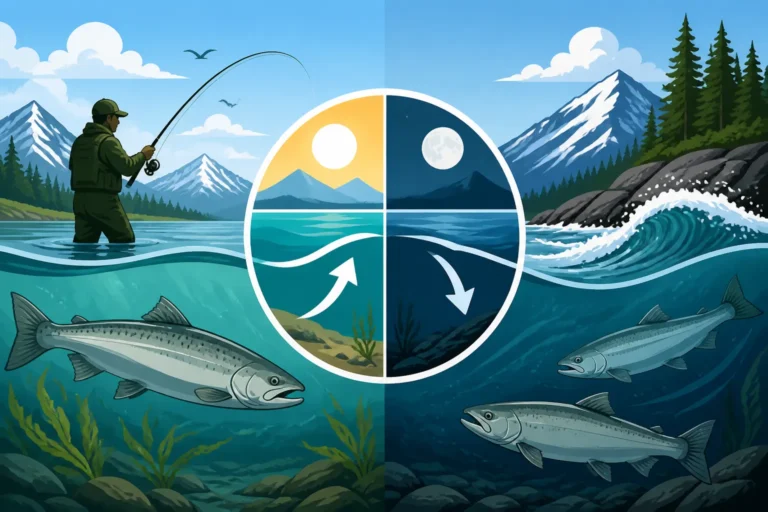
Alaska salmon fishing patterns and tidal movements, including incoming tides, slack water, and outgoing phases, determine optimal angling strategies.
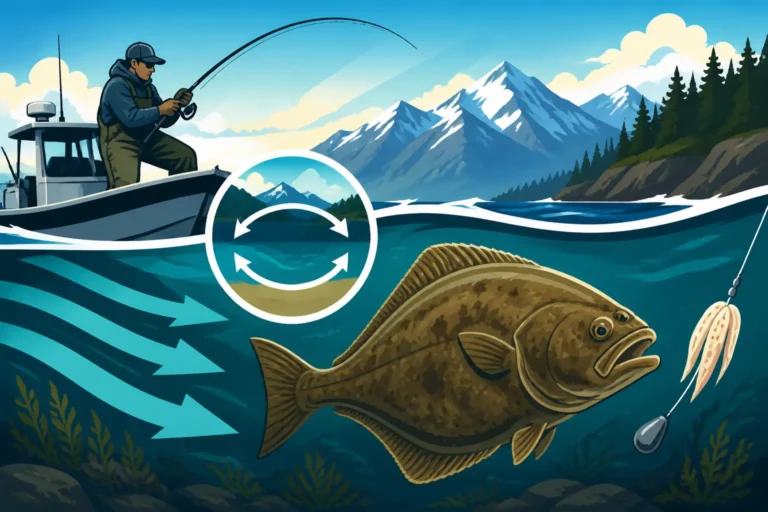
Alaska halibut fishing success depends heavily on understanding tidal cycles, currents, and slack water windows to locate feeding fish.
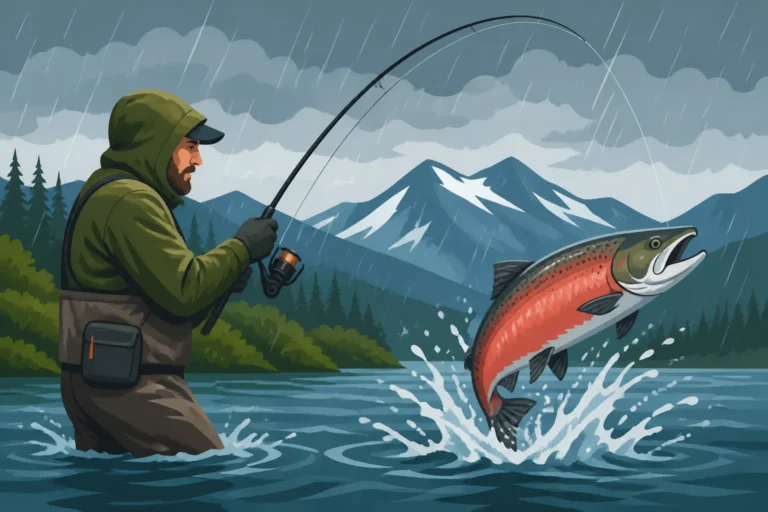
Salmon fishing in rainy weather offers unique biological and angling advantages, including reduced crowds, active fish behavior, and specific gear needs.
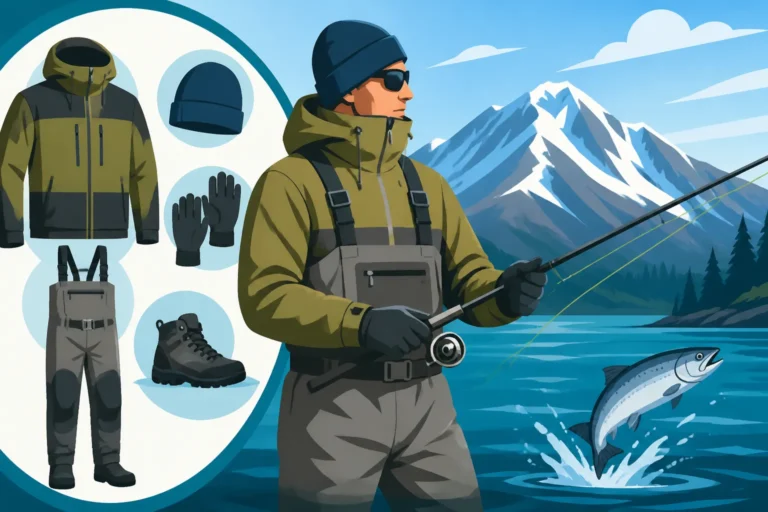
Alaska fishing wardrobe planning involves building a layering system with moisture-wicking base layers, insulating mid-layers, and waterproof outer shells.
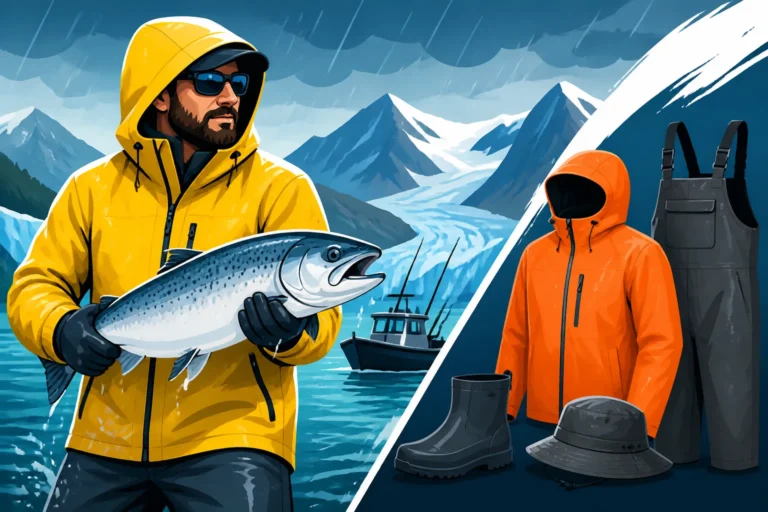
Effective rain gear features, including waterproofing ratings and durability standards, keep anglers dry during unpredictable Alaska fishing trips.
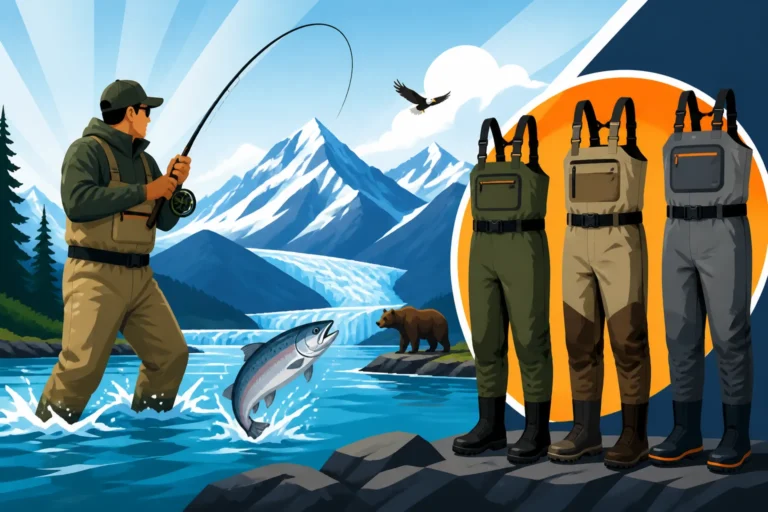
Fishing waders for Alaska require breathable materials, durable reinforced seams, proper layering fit, and stockingfoot or bootfoot designs.

Waders for Alaska fishing are evaluated here, helping you choose whether you need them for cold rivers, rugged terrain, or specific trips.
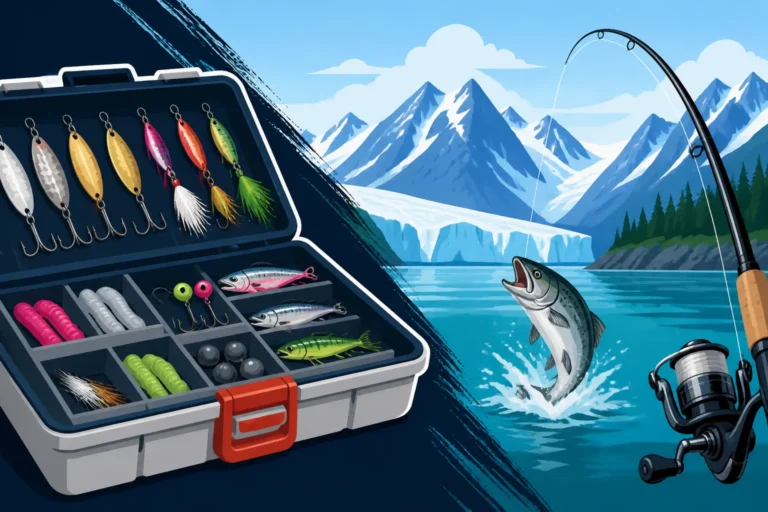
Alaskan fishing tackle requirements include specific rod lengths, reel sizes, and lines needed to target salmon, halibut, trout, and char successfully.
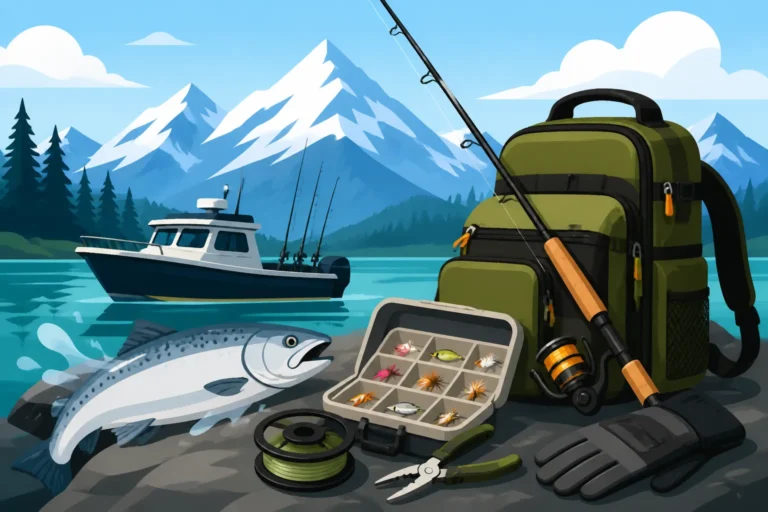
Selecting proper gear for a first Alaska fishing trip prevents discomfort and ensures success against salmon and halibut.
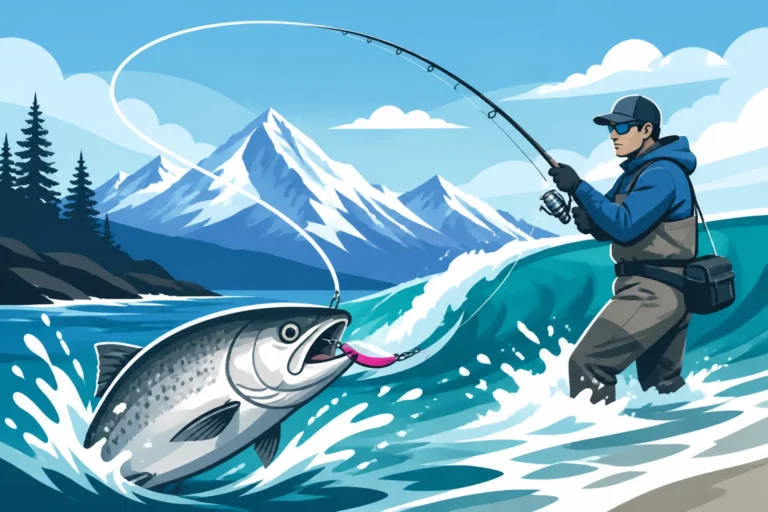
Alaskan surf fishing gear, tidal patterns, top coastal locations, and seasonal salmon runs are explained for adventurous anglers planning a trip.