How to Legally Snag in Alaska Terminal Fisheries
Legal snagging in Alaska terminal fisheries occurs only when authorized by emergency orders in specific areas like Ship Creek.
Match the method to the moment.
Seasonal patterns, proven tactics, rigging and presentation basics, bait choices, and how to adapt as conditions change.
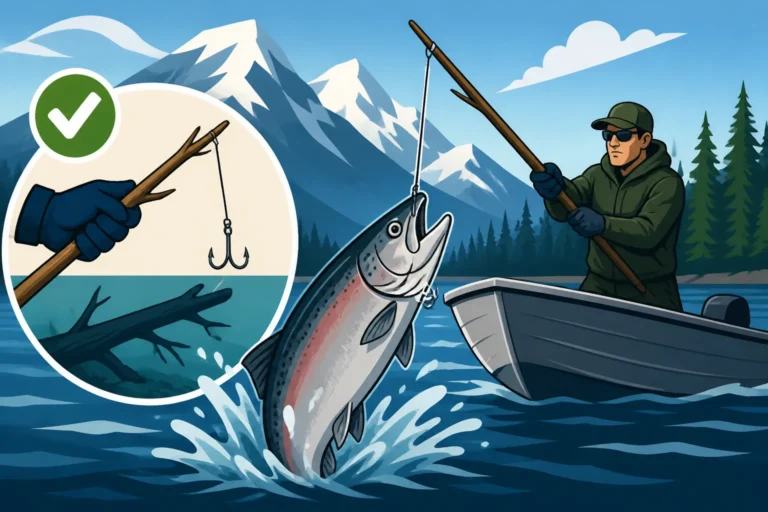
Legal snagging in Alaska terminal fisheries occurs only when authorized by emergency orders in specific areas like Ship Creek.

Flossing Kenai Sockeye salmon involves complex ethics, regulations, and techniques for catching non-feeding fish in Alaska rivers.
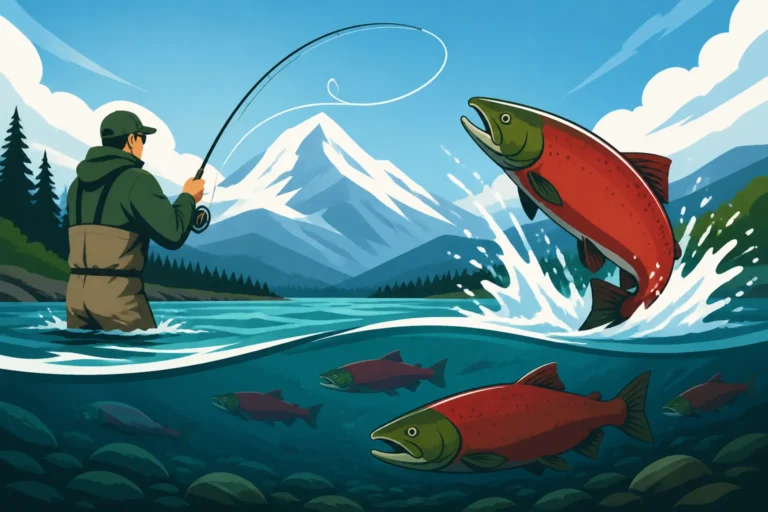
Fishing the tail end of an Alaska salmon run explains late-season fish behavior, holding locations, and subtle techniques for successful angling.
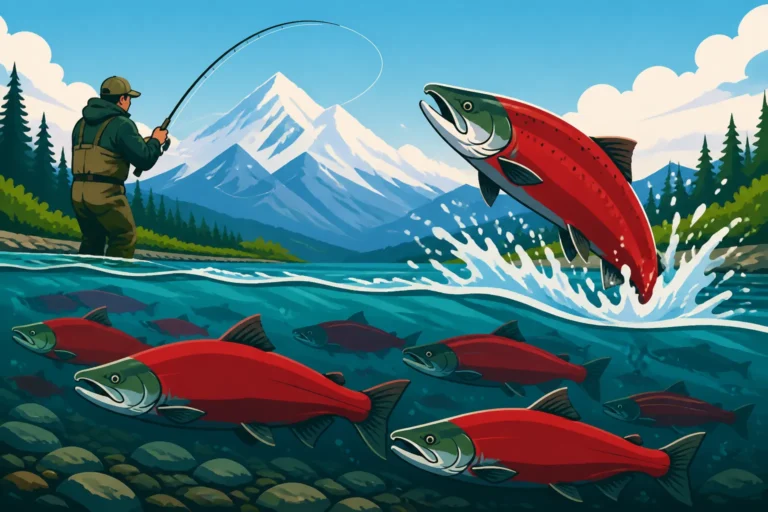
Alaska salmon run peak strategies explain how to locate holding water, master drift fishing, and adapt to changing river conditions.
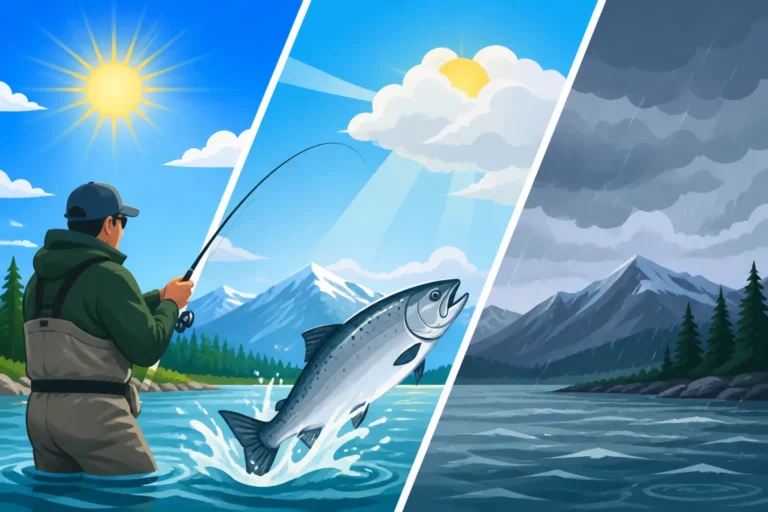
Alaska weather conditions alter salmon behavior, teaching anglers how to adapt strategies for water temperature, river levels, and barometric pressure.

Water temperature drives Alaska salmon migration and metabolism, directly shaping local fishing success and long-term river conservation.
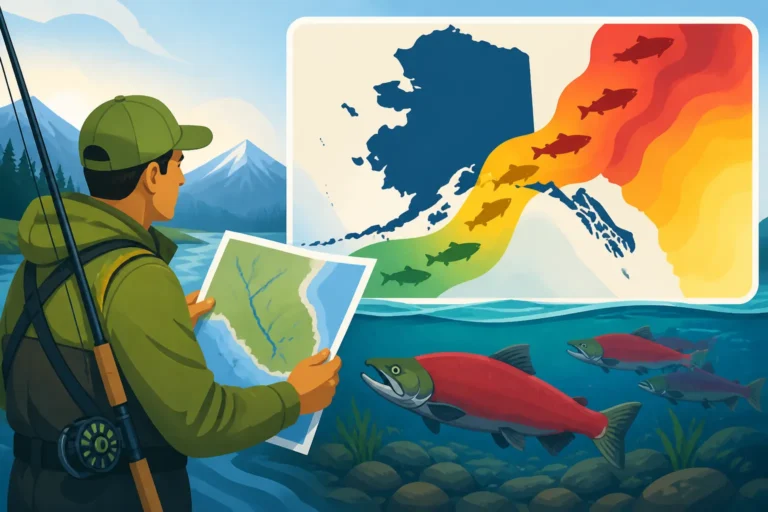
Alaska salmon run forecasts provide critical data for planning fishing trips and navigating dynamic fishery regulations successfully.
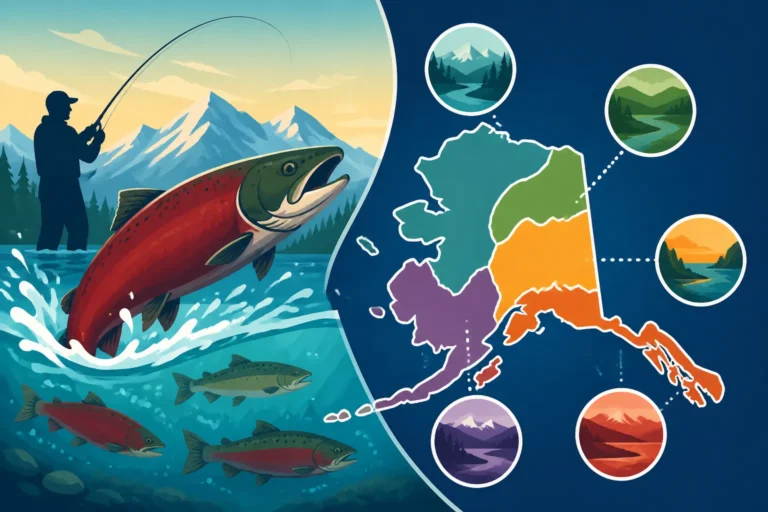
Alaska salmon run timing details specific seasonal arrival dates for King, Sockeye, Chum, Pink, and Coho species across four major regions.
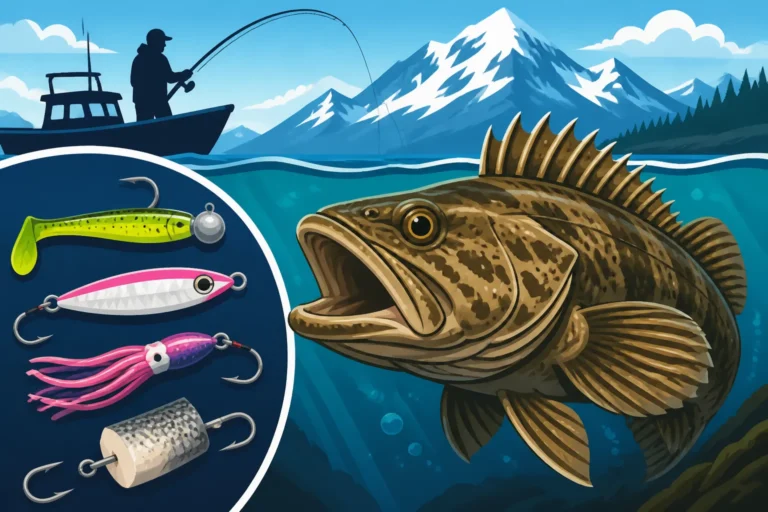
Alaska lingcod fishing equipment options include heavy metal jigs, soft plastic swimbaits, and natural herring or mackerel bait for bottom-dwellers.
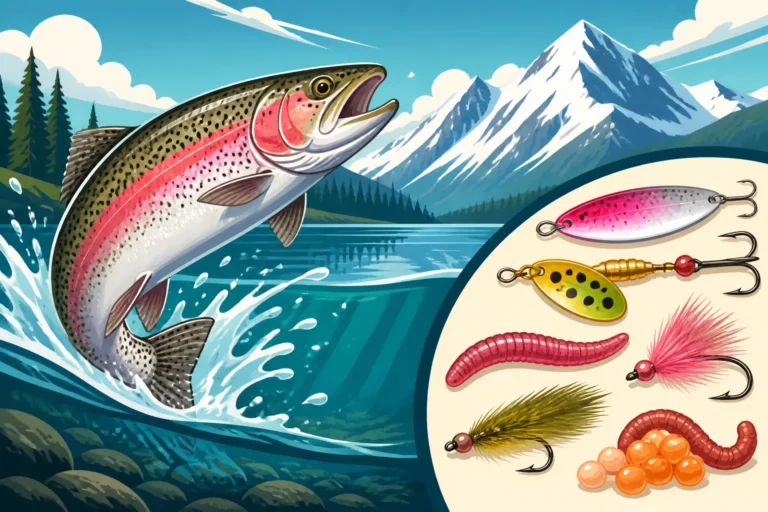
Alaska rainbow trout lures and baits include salmon eggs, spoons, spinners, plugs, and soft plastics for successful seasonal fishing.