Alaska King Salmon Charter: What to Expect
Dreaming of hooking into one of Alaska's legendary King Salmon is a rite of passage for many anglers, but the reality of planning such a trip can feel daunting. There's so much to consider, from regulations to gear, that it’s easy to get lost in the details. This comprehensive guide will peel back the curtain on what to truly expect on an Alaska King Salmon charter, from the very first thought of booking to bringing your prized catch home, ensuring you're prepared for an unforgettable adventure.
Preparing for Your Epic King Salmon Expedition
Embarking on an Alaska King Salmon charter isn't just about showing up with a rod; it's an experience that truly begins with thoughtful preparation. The more you know beforehand, the smoother and more enjoyable your trip will be.
Choosing the Right Charter and Time of Year
Selecting the perfect charter and timing your visit are arguably the most crucial decisions for a successful King Salmon trip. Alaska is vast, and King Salmon runs vary significantly by region and month. You'll find different experiences whether you're targeting the famous Kenai River, exploring the remote reaches of Bristol Bay, or fishing the productive waters near Ketchikan.
For instance, the Kenai River in Southcentral Alaska is renowned for its colossal King Salmon, often producing some of the largest in the world. However, its season can be intense and crowded, particularly during the peak of the first and second King runs, typically from May through July. Other popular river systems include the Deshka River and the Kasilof River, which also see strong King Salmon returns. If you're looking for saltwater Kings, communities like Homer, Seward, and Sitka offer fantastic ocean charters where you might encounter feeder Kings throughout the season or returning mature Kings closer to their spawning grounds.
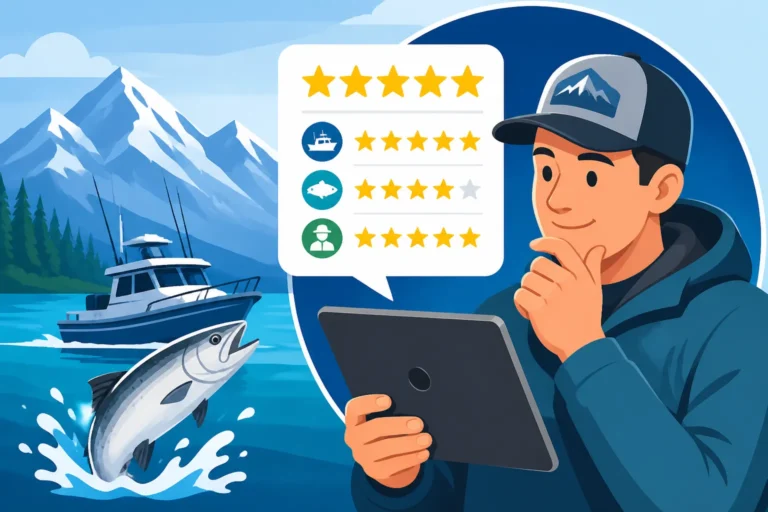
When you're trying to figure out how to pick an Alaska fishing guide, consider their specialization. Some guides focus exclusively on river systems using drift boats, while others operate larger vessels for ocean fishing. It's wise to book your charter well in advance, especially for prime dates during July, as the best guides fill up quickly. Platforms like FishingBooker can be incredibly helpful for comparing different operators, reading reviews, and checking availability across various regions. Don't be shy about asking potential guides about their typical catch rates, the size of fish they usually target, and their preferred fishing methods for King Salmon. Understanding the nuances of the Best Time to Catch King Salmon in Alaska will significantly enhance your planning.
Understanding Regulations and Licensing Requirements
Alaska's fishing regulations are designed to protect its precious fish stocks, especially King Salmon, which have faced conservation challenges in recent years. It's imperative that every angler, resident or non-resident, possesses a valid Alaska Fishing License. For anyone planning to target King Salmon, an additional King Salmon Stamp is mandatory, regardless of whether you intend to keep the fish. This stamp helps fund King Salmon management and enhancement programs.
Regulations can be incredibly dynamic, with emergency orders often issued by the Alaska Department of Fish and Game (ADF&G) to adjust bag limits, gear restrictions, or even close fisheries entirely if King Salmon returns are lower than forecasted. This means the rules you read in the annual regulation booklet might change overnight. Your charter captain will always be up-to-date on the latest rules, but it's your responsibility as an angler to be aware. Checking the ADF&G website or hotline just before your trip is always a good practice. Knowing the Alaska King Salmon Fishing Regulations and Limits, including the Alaska King Salmon Annual Limit for Non-Residents, is key to staying legal and respectful of the resource.
Essential Gear and What to Pack
While most reputable Alaska King Salmon charters provide top-of-the-line rods, reels, and terminal tackle, there are still some personal items you'll absolutely want to bring to ensure your comfort and safety. Alaska weather is famously unpredictable; a sunny morning can quickly turn into a chilly, rainy afternoon.
What Charters Typically Provide:
- Rods and Reels: Heavy-duty conventional or spinning setups, often with braided line, designed to handle powerful King Salmon.
- Tackle: Lures (like Kwikfish or spinners), bait (herring, cured eggs), weights, leaders, and hooks.
- Safety Gear: Life vests, first-aid kit, emergency communication devices.
- Expertise: The guide's knowledge of the waters, fish behavior, and regulations is invaluable.
What You Should Bring:
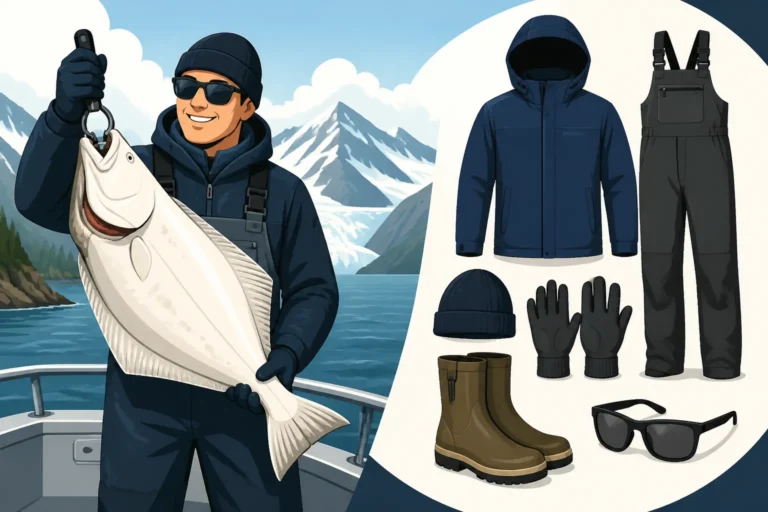
- Layered Clothing: Think moisture-wicking base layers, insulating mid-layers (fleece or down), and a waterproof/windproof outer shell. Even in summer, temperatures can drop, especially on the water.
- Rain Gear: High-quality waterproof jacket and pants are non-negotiable. Don't skimp here; being wet and cold will quickly sour your experience.
- Waterproof Boots: Insulated rubber boots are ideal for keeping your feet dry and warm.
- Hat and Gloves: A warm hat (even in summer) and waterproof gloves are often appreciated.
- Sunglasses: Polarized lenses help cut glare, allowing you to see into the water better and protect your eyes.
- Sunscreen and Lip Balm: Even on cloudy days, the UV index can be high, especially on the water.
- Snacks and Drinks: Most charters don't provide food, so pack plenty of water, juice, and energy-boosting snacks.
- Camera: You'll want to capture the memories! Ensure it's waterproof or has a protective case.
- Small Backpack: To keep your personal items organized and dry.
Consider these essentials part of your Alaska Fishing Charter Packing List. Being prepared for any weather condition means you can focus entirely on the fishing experience, not on being uncomfortable.
Your Day on the Water: The King Salmon Charter Experience
The alarm goes off early, the anticipation is palpable, and the day you've been dreaming of is finally here. Stepping onto an Alaska King Salmon charter is an immersive experience, blending the thrill of the chase with the pristine beauty of the Alaskan wilderness.
Meeting Your Guide and Boat Briefing
Your day will typically begin at a designated meeting point, often a boat launch or marina dock, well before sunrise. You'll meet your guide, who will likely be buzzing with the day's plan, having checked tides, weather, and recent fishing reports. This initial meet-and-greet is your chance to ask any last-minute questions and get a feel for the day ahead.
Before you even step foot on the boat, your guide will conduct a safety briefing. This isn't just a formality; it covers critical information about life jackets, emergency procedures, where to find safety equipment, and how to move safely around the vessel. They’ll also outline the specific fishing techniques you'll be using for King Salmon that day and explain the local regulations and bag limits relevant to your area. For instance, if you're fishing the Kenai River, they might discuss the infamous "combat fishing" etiquette if you're targeting sockeye, but for Kings, it's more about strategic positioning and presentation. This initial briefing sets the tone for a safe and productive day.
Common King Salmon Fishing Techniques
King Salmon are powerful, intelligent fish, and catching them often requires specific techniques and heavy-duty gear. Depending on whether you're fishing in a river or the ocean, the methods will vary.
River Fishing (e.g., Kenai River, Kasilof River):
- Back-Trolling: This is a popular and highly effective method, especially in strong river currents. The guide uses the boat's motor to slowly move upstream against the current, allowing the lures or bait to present naturally downstream. You'll often be using large, diving plugs like a Kwikfish or a large spinner with cured salmon roe. The guide will position the boat in prime holding water, often along seams, deep pools, or current breaks where Kings rest during their upstream migration. Learning how to back-troll a Kwikfish for Kings is a valuable skill.
- Back-Bouncing: Another common river technique, back-bouncing involves using a heavy lead weight and a short leader with bait (often cured salmon roe or a large cluster of eggs) or a lure. The idea is to "bounce" the weight along the river bottom, keeping your presentation directly in the strike zone of bottom-hugging Kings. This requires a keen feel for the river bottom and the ability to differentiate between a rock and a subtle take from a King.
- Drift Fishing: Similar to back-bouncing but often lighter, drift fishing involves allowing your bait or lure to drift naturally downstream with the current. This can be done from a stationary boat or while slowly drifting downstream.
Saltwater Fishing (e.g., Homer, Seward, Sitka):
- Trolling: For ocean Kings, trolling is the primary method. The boat moves slowly, pulling flashers and spoons, hoochies, or baitfish (like herring) at specific depths using downriggers. The guide will use sonar to identify schools of baitfish and King Salmon, adjusting depth and speed to entice strikes. This technique is often used for "feeder Kings" that are actively gorging on bait in the open ocean.
- Mooring/Anchoring: In some areas, particularly near structure or known feeding grounds, charters might anchor or use their GPS-controlled trolling motor to hold position and jig or drift bait for Kings.
Regardless of the technique, expect to use robust rods and reels spooled with heavy line, typically 50-80 lb braided line, to withstand the powerful runs and head shakes of a large King Salmon.
The Thrill of the Fight and Landing Your King
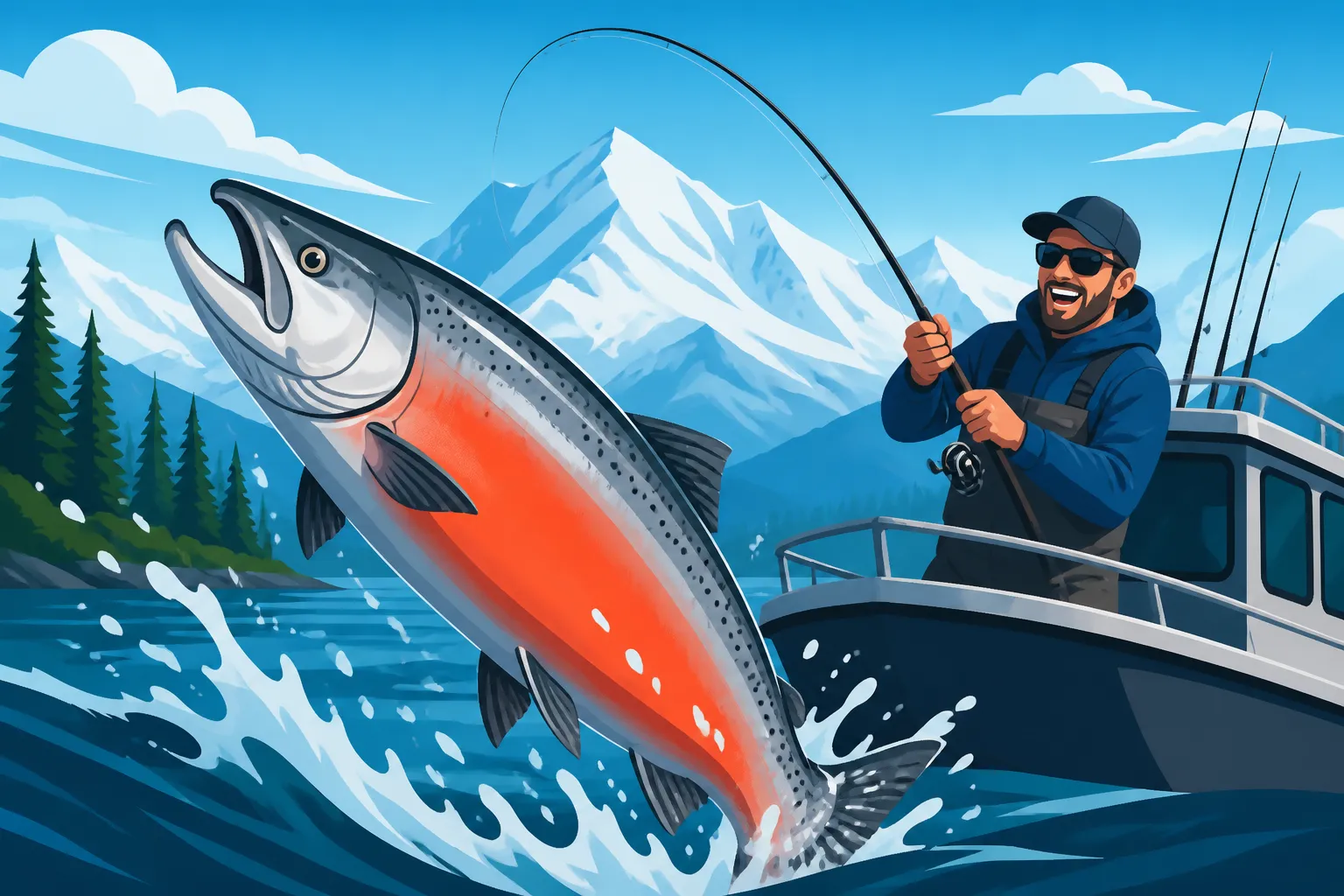
When a King Salmon hits, there's usually no mistaking it. It's often a sudden, aggressive strike that makes your rod tip bury towards the water, followed by a screaming reel as the fish makes its initial powerful run. This is where the real fun – and challenge – begins.
Your guide will instruct you on how to properly set the hook, maintain pressure, and fight the fish. Kings are notorious for their brute strength, long powerful runs, and stubborn head shakes. They will often try to dive under the boat, seek out snags, or make multiple strong surges. It's a true test of strength and endurance for both angler and tackle. Communication with your guide is vital during the fight; they'll offer advice on how to pump the rod, reel effectively, and guide the fish away from obstacles.
Once the King Salmon is nearing the boat, your guide will prepare for the landing. This usually involves a large net or, for exceptionally large fish, a gaff to quickly and safely bring the fish aboard. The moment a big King breaks the surface and slides into the net is an exhilarating payoff for all the effort. Be prepared for high-fives and photos, as this is often the highlight of many anglers' trips.
After the Catch: Processing, Regulations, and Memories
Landing a magnificent King Salmon is an incredible achievement, but the adventure doesn't end there. What happens after the fish is in the boat is just as important, involving careful handling, adherence to regulations, and ensuring your catch makes it home safely.
Fish Processing and Filleting
Once your King Salmon is safely on board, the immediate next step is usually to dispatch it humanely and then begin the processing. Many guides will bleed the fish immediately, which is crucial for preserving meat quality. Some charters have the capability to fillet the fish directly on the boat, especially if they have a dedicated cleaning station. Other guides might transport the whole fish to a local processing facility, either one they own or a partnered business, for professional handling.
These processing facilities, which are common in towns like Soldotna, Homer, and Seward, offer a range of services:
- Filleting and Portioning: The fish is expertly filleted, and often cut into smaller, more manageable portions.
- Vacuum Sealing: Each portion is vacuum-sealed, removing air to prevent freezer burn and extend shelf life. This is paramount for quality.
- Freezing: The vacuum-sealed portions are then blast-frozen, typically to temperatures well below 0°F, ensuring the fish remains fresh for transport.
- Boxing for Shipping: Your frozen fish will be packed into airline-approved, insulated boxes, ready for you to check as luggage or ship home via cargo services.
It's important to clarify how Charters Handle Your Alaska Catch when booking. Some charters include basic processing in their fee, while others charge extra for vacuum sealing and boxing. Knowing this upfront helps manage expectations and budget.
Navigating Bag Limits and Harvest Records
Even after the fish is caught and being processed, your responsibility to Alaska's regulations continues. Every angler who fishes for King Salmon must have an Alaska Harvest Record Card, which is typically attached to your fishing license. On this card, you are required to immediately record any King Salmon caught and kept. This usually means noting the date, location (river or salt water), and species (King Salmon).
The purpose of the harvest record is two-fold: it helps ADF&G monitor harvest numbers, and it ensures individual anglers adhere to annual limits. For King Salmon, particularly for non-residents, there's often a strict annual limit, sometimes as low as one to three Kings per year depending on the region and specific regulations. Your guide will assist you in filling out the Alaska Harvest Record Card accurately, ensuring compliance. Failure to record a kept King Salmon immediately can result in significant fines and penalties, so take this seriously.
Getting Your Catch Home
Bringing home your Alaskan catch is a crucial part of the overall experience. After your fish has been professionally processed, vacuum-sealed, and flash-frozen, you have a few options for transportation:
- Checked Luggage: Many anglers choose to transport their fish as checked baggage on their return flight. The insulated fish boxes provided by processors are designed to keep your fish frozen for 24-48 hours, usually sufficient for most domestic flights. Always check with your airline about their specific policies regarding frozen fish and cooler sizes before you fly. Fees for extra bags or oversized luggage will apply.
- Cargo Shipping: For larger quantities of fish, or if you prefer not to deal with it at the airport, most processors offer cargo shipping services through airlines like Alaska Airlines or FedEx. This typically involves shipping your fish directly from the processor to your home address. While often more expensive than checked baggage, it's a convenient option for ensuring your prize arrives safely.
- Cooler Transport: If you're driving, a high-quality cooler with plenty of ice or dry ice can also work. However, dry ice requires specific handling and ventilation, so be sure to research safety guidelines.
No matter which method you choose, proper freezing and packaging are the keys to ensuring your King Salmon arrives at your kitchen door in pristine condition, ready for you to savor the taste of your Alaskan adventure. Many find that investing in the best fish processing and shipping home rules ensures their hard-won fillets are enjoyed for months to come.
King Salmon Charter Expectations Summary
| Aspect of Charter Experience | What to Expect | Key Considerations |
|---|---|---|
| Booking & Planning | Early booking is essential, especially for peak season (May-July). Guides specialize in river or saltwater. | Research guides on platforms like FishingBooker. Verify their experience with King Salmon. Understand the Best Time to Fish in Alaska for Kings in your chosen area. |
| Regulations | Mandated Alaska Fishing License and King Salmon Stamp. Regulations are dynamic, with potential emergency orders. | Familiarize yourself with Alaska Fishing Regulations Explained and Alaska King Salmon Fishing Regulations and Limits. Your guide will assist, but personal awareness is crucial to avoid Alaska Fishing Violations and Fines. |
| Gear & Attire | Charters provide high-quality rods, reels, and tackle. Anglers need to bring appropriate layered clothing, rain gear, and waterproof boots. | Alaska weather is unpredictable; prioritize quality rain gear. Pack snacks, drinks, sunscreen, and a camera. Refer to a detailed What to Wear on an Alaska Fishing Charter guide. |
| On the Water | Early morning start, safety briefing, specific King Salmon fishing techniques (back-trolling, back-bouncing in rivers; trolling in saltwater). Intense fights with powerful fish. | Listen attentively to your guide's instructions for safety and fishing techniques. Be prepared for a physical fight, sometimes lasting many minutes. Good communication with your guide during the fight is essential. |
| After the Catch | Fish is bled, often filleted and vacuum-sealed by the charter or a processor. Immediate recording on your Alaska Harvest Record Card is mandatory. | Confirm processing services and costs when booking. Understand Alaska Fishing Limits and Bag Limits Explained and your Alaska King Salmon Annual Limit for Non-Residents. Accurate harvest card recording is your responsibility. |
| Transporting Fish Home | Options include checked luggage (insulated boxes) or cargo shipping (airlines, FedEx). | Check airline policies and fees for frozen fish. Cargo shipping is convenient for larger quantities but more costly. Ensure fish is flash-frozen and vacuum-sealed for optimal quality during transit. Learn about Alaska Fish Transport and Shipping Rules. |
Disclaimer
The information provided in this guide is for general informational purposes only and is not intended as legal or professional advice. Fishing regulations in Alaska are subject to change without notice, often due to emergency orders. Always consult the most current Alaska Department of Fish and Game regulations and your chosen fishing charter or guide for the most up-to-date and accurate information before planning and embarking on your fishing trip.