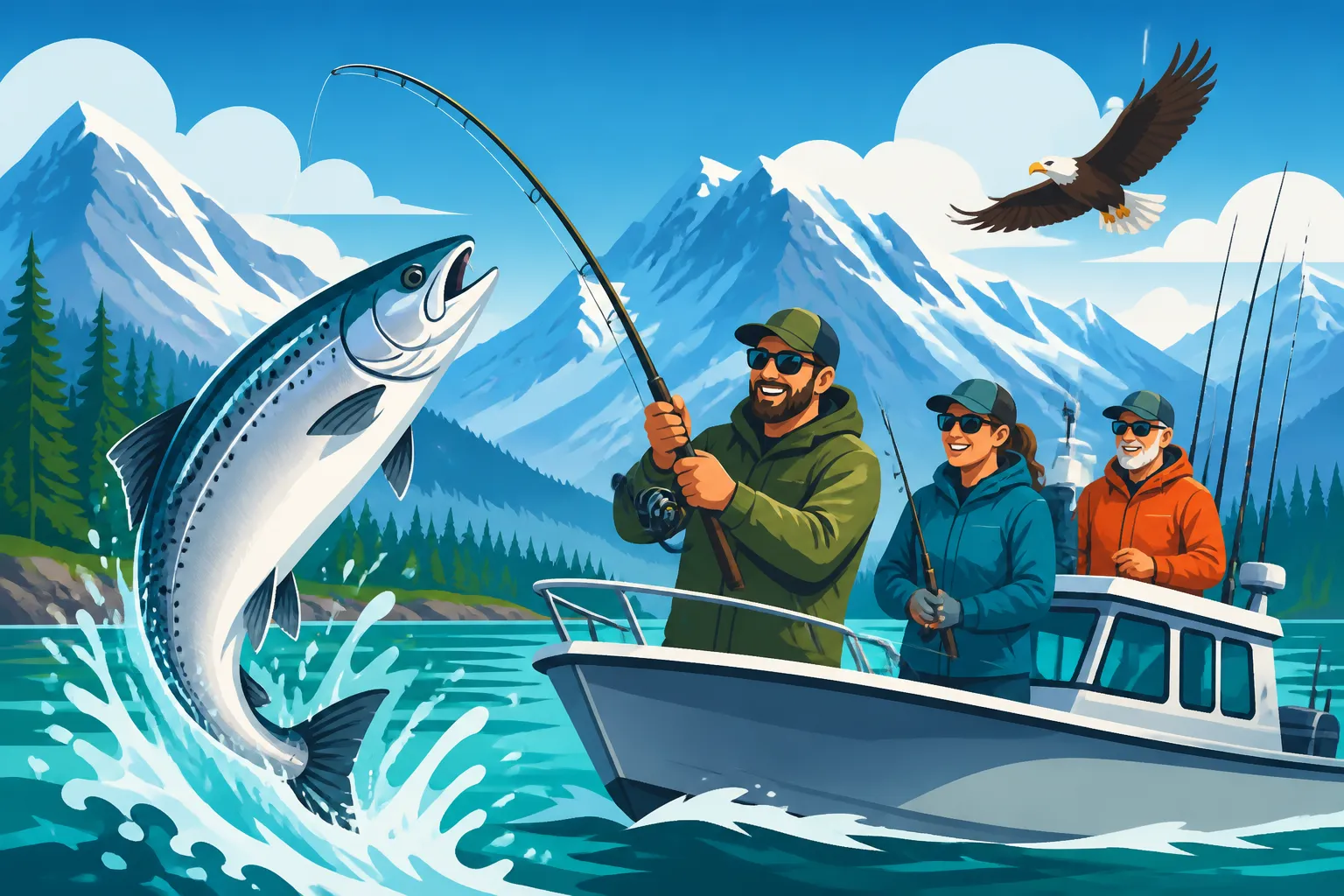
Best Fishing Charters in Wrangell, Alaska
Trying to navigate the myriad of fishing charter options can feel overwhelming, especially when you're looking at a gem like Wrangell, Alaska, which might not have the same flashy advertising as some of the bigger fishing hubs. It's tough to know who to trust, what to expect, and how to ensure you're getting the best experience for your hard-earned money and precious vacation time. This comprehensive guide is here to cut through the confusion, helping you understand what makes Wrangell a fantastic fishing destination and how to confidently pick the perfect charter for your Alaskan adventure.
Why Wrangell Offers a Unique Fishing Adventure
Wrangell, nestled in the heart of Southeast Alaska, isn't just another port town; it's a place steeped in history and surrounded by some of the richest fishing grounds in the state. Many anglers, especially first-timers, tend to flock to more well-known destinations like Homer or Seward. While those places are fantastic, they can sometimes feel a bit crowded, with multiple boats vying for the same hot spots. Wrangell offers a refreshingly different experience.
The Charm of a Smaller Community
One of the most appealing aspects of fishing out of Wrangell is the intimate, small-town atmosphere. You're not just a number here; you're likely to get to know your captain and crew on a more personal level. The local charters often operate with a deep connection to the community and the waters they fish, frequently being multi-generational Alaskans who've spent their lives learning the nuances of the region. This translates into a more personalized and authentic fishing trip, where the focus is truly on the experience and the fish, rather than just rushing through a commercialized routine. It’s a place where you might share stories with locals at the dock and feel a real sense of connection to Alaska's fishing heritage.
Proximity to Productive Waters
Wrangell is strategically located near some incredibly productive fishing areas, thanks to its position near the mouth of the mighty Stikine River, one of the largest navigable rivers in Alaska and British Columbia. This river acts as a superhighway for various salmon species, drawing them into the surrounding marine waters before their upstream migration. This means that charter boats don't have to travel as far to reach prime salmon grounds, leading to more fishing time and less travel time. Additionally, the deep, nutrient-rich waters of Sumner Strait and the various bays and coves nearby provide excellent habitat for bottomfish like halibut and rockfish. The diverse aquatic ecosystem here supports a healthy population of many different species, ensuring that even on an "off" day for one type of fish, there's usually something else biting. It’s a truly diverse fishery, offering a mix of saltwater and near-river fishing opportunities.
Key Factors When Choosing a Wrangell Fishing Charter
Selecting the right fishing charter can make or break your trip. It’s not just about the biggest boat or the cheapest price; it's about finding the right fit for your expectations and fishing goals. Especially in a place like Wrangell, where many operations are smaller and family-run, reputation and local knowledge are paramount.
Captain's Experience and Local Expertise
When you're out on Alaskan waters, you want a captain who knows those waters like the back of their hand. Wrangell captains, particularly those who have been fishing the area for decades, possess an invaluable wealth of knowledge about tides, currents, migratory patterns, and the best fishing spots that simply can't be learned from a textbook. They know where the fish are hiding when the weather shifts, or when a particular run is peaking. Ask about their years of experience fishing specifically in the Wrangell area. A seasoned captain will not only put you on fish but also ensure your safety in unpredictable Alaskan conditions. Their ability to adapt to changing conditions and find the fish is crucial.
Many excellent captains in Wrangell have grown up fishing these waters, learning from their parents and grandparents. This generational knowledge often means they understand subtle indicators, like changes in water temperature or baitfish presence, that a less experienced captain might miss. This deep connection to the local ecosystem often translates to a more sustainable approach to fishing, respecting the resource that supports their livelihoods and the community.
Boat and Equipment Quality
The vessel you'll be fishing from and the gear provided are important considerations for comfort, safety, and success. A well-maintained boat with appropriate safety equipment is non-negotiable. For saltwater charters targeting halibut or salmon, you'll want a stable boat that can handle open water conditions, even if Wrangell itself is often somewhat protected by islands. Look for comfortable seating, a heated cabin (Alaska weather can be fickle, even in summer!), and a marine head (restroom).
Regarding fishing gear, ensure the charter provides high-quality rods, reels, and tackle that are suitable for the species you're targeting. For instance, heavy-duty gear is essential for battling large halibut or powerful King Salmon. Don't be shy about asking what kind of rods and reels they use; reputable charters take pride in their equipment. Also, confirm whether rain gear and boots are provided, as dressing for Alaska's weather can be challenging, and having good quality outer layers makes a huge difference in comfort. Some charters even provide specialized gear for specific techniques, which can be a real bonus.
Communication and Booking Process
A good charter company will be transparent and responsive from your initial inquiry through the end of your trip. Clear communication about what’s included in the price (e.g., bait, tackle, fish processing, snacks, drinks), what you need to bring, and their cancellation policy is vital. It’s always a good idea to chat with the captain or booking agent directly before committing. This allows you to gauge their personality, ask specific questions about the fishing conditions during your planned travel dates, and ensure they understand your group's experience level and expectations.
When you're ready to dive into options, platforms like How to Book an Alaska Fishing Trip can be incredibly helpful for comparing various charters. Many reputable Wrangell charters list their availability and specialties on platforms like FishingBooker, making it easier to compare services and read reviews from past clients. This can streamline the process of finding a charter that aligns with your specific needs, whether you're looking for a dedicated halibut trip or a mixed salmon and rockfish adventure. They often provide detailed descriptions of the boat, the captain, and what's included.
Top Species to Target and When to Visit Wrangell
Wrangell offers a diverse fishery, with prime opportunities for both salmon and bottom-dwelling species. Understanding the best times to target each fish will significantly enhance your chances of a successful trip. The Alaska fishing seasons: month-by-month guide can give you a broader overview, but let's dive into Wrangell specifics.
Salmon Species and Seasons
Wrangell is particularly renowned for its salmon runs, especially King (Chinook) and Coho (Silver) salmon. The Stikine River, a short boat ride from Wrangell, is a critical salmon producer.
- King Salmon: These majestic fish are often the first salmon to arrive, typically making their presence known from late May through July. Early season Kings are prized for their size and fighting power. While Alaska King Salmon: Complete Guide details more broadly, in Wrangell, targeting Kings usually involves trolling with downriggers or sometimes mooching in specific channels. The action can be fast and furious when the run is strong.
- Sockeye Salmon: While not always the primary target for ocean charters, Sockeye do run in significant numbers up the Stikine and other rivers. June and July are usually peak times. These powerful, red-fleshed fish are fantastic table fare.
- Pink and Chum Salmon: Mid-summer, typically July and August, sees massive runs of Pink and Chum salmon. Pinks, often called "humpies," are abundant and can provide non-stop action, especially for families or beginners. Chums, or "dog salmon," are larger and put up a good fight.
- Coho Salmon: Also known as Silver Salmon, Cohos arrive in strong numbers from August through September, sometimes even into early October. These acrobatic fighters are a blast to catch on lighter tackle and are excellent eating. They provide a fantastic late-season option when other salmon runs might be tapering off.
| Salmon Species | Peak Season in Wrangell |
|---|---|
| King (Chinook) | Late May – July |
| Sockeye | June – July |
| Pink | July – August |
| Chum | July – August |
| Coho (Silver) | August – September |
Halibut and Other Bottomfish
Beyond salmon, Wrangell offers stellar opportunities for halibut and various rockfish, making combo trips a very popular option.
- Halibut: Alaska is famous for its massive halibut, and Wrangell is no exception. The season generally runs from May through September, with consistent action throughout. Anglers targeting halibut will typically use heavy gear and baitfish or jigs, often fishing depths of 100 to 400 feet in the saltwater channels surrounding Wrangell. Barn-door sized halibut are a real possibility, providing an unforgettable fight. You can learn more about Alaska Halibut: Complete Guide for general tactics. Charters specializing in halibut often have dedicated gear, including electric reels for easing the retrieve from deep waters, which can be a blessing after fighting a monster flatfish.
- Rockfish and Lingcod: These species are often targeted on halibut trips or as a bonus catch. Yelloweye Rockfish, also known as "red snapper," are particularly prized for their delicious white meat and vibrant color. Lingcod are aggressive predators that put up a serious fight. These species are typically found in rocky structures and reefs. Always be aware of the specific regulations for rockfish, including depth restrictions and the use of descending devices for catch-and-release to ensure their survival. Many Alaska Halibut Charter Guide trips will also include opportunities for these tasty bottom dwellers.
Preparing for Your Wrangell Fishing Charter
Once you've booked your charter, it’s time to get ready for the adventure. A little preparation can go a long way in ensuring a comfortable and successful trip. Don't forget, you'll need an Alaska Fishing License: Complete Guide before you even cast a line.
What to Pack and Wear
Alaska's weather is famously unpredictable, even in the height of summer. Layering is key!
- Dress in Layers: Start with a moisture-wicking base layer, add a fleece or wool mid-layer for warmth, and top it off with waterproof and windproof outer layers. Most reputable charters will provide heavy-duty rain gear, but it's good to confirm beforehand.
- Footwear: Waterproof boots are essential. Deck boots are ideal, but any comfortable, waterproof boot will suffice. Your feet will thank you.
- Headwear and Gloves: A warm hat (beanie) and waterproof gloves are highly recommended, especially for colder mornings or when handling wet fish.
- Sun Protection: Even on cloudy days, UV rays can be intense, especially on the water. Bring sunglasses (polarized are best for spotting fish), sunscreen, and a brimmed hat.
- Medications: If you're prone to seasickness, bring your preferred remedy (e.g., Dramamine, Scopalamine patch). It's always better to take it before you get on the boat.
- Camera: You'll want to capture those memories, especially that trophy catch! Ensure it's waterproof or in a waterproof bag.
Most What to Expect on an Alaska Fishing Charter guides will echo these recommendations, but it's particularly true for Southeast Alaska, where rain is common.
Understanding Regulations and Harvest
Alaska has strict fishing regulations designed to protect its precious fish stocks. Your charter captain will be well-versed in the current rules, but it’s always good to familiarize yourself with the basics, especially bag and possession limits for the species you intend to target.
- Fishing Licenses and King Salmon Stamps: Every angler, resident or non-resident, needs an Alaska fishing license. If you plan to target King Salmon, you'll likely need an additional King Salmon stamp. These can be purchased online through the Alaska Department of Fish and Game website or at local vendors in Wrangell.
- Harvest Records: For certain species, like King Salmon and Halibut (for non-residents), you may be required to record your catch on your license or a separate harvest card immediately after landing the fish. Your captain will guide you through this process.
- Fish Processing: Discuss with your charter how your catch will be handled. Most charters will fillet and bag your fish for transport. Many communities, including Wrangell, have local processors who can vacuum seal, freeze, and even ship your catch home for you. This is a crucial service for preserving the quality of your hard-earned fish. Understanding How Charters Handle Your Alaska Catch is part of a seamless experience.
Etiquette and Tipping
A fishing charter is a service industry, and it's customary to tip your captain and deckhand for their hard work and expertise.
- Tipping: A general guideline for tipping on an Alaska fishing charter is 15-20% of the trip cost. If the crew went above and beyond, or if you had an exceptional day, feel free to give more. Hand cash directly to the crew members. Your guide will appreciate it. For more details on this, check out Tipping on an Alaska Fishing Charter.
- Respect the Crew and Boat: Follow instructions, be mindful of others on board, and help keep the boat tidy. A good attitude goes a long way in making the trip enjoyable for everyone.
- Patience: Fishing, even in Alaska, sometimes requires patience. The fish don't always bite on command. Trust your captain's expertise and enjoy the stunning Alaskan scenery around Wrangell.
By considering these factors and doing a bit of homework, you'll be well on your way to booking one of the best fishing charters in Wrangell and experiencing the incredible angling opportunities this hidden gem of Alaska has to offer. Don't hesitate to use resources like FishingBooker to explore options and find detailed reviews to help make your decision.
Alaska Fishing Regulations Explained
Fishing in Alaska is a highly regulated activity, and for good reason—it helps protect the incredible natural resources for generations to come. Before you head out on your Wrangell fishing charter, it’s absolutely critical to understand the rules. Ignorance of the regulations is never an excuse, and violations can lead to hefty fines, forfeiture of your catch, and even loss of fishing privileges. Your charter captain will be a wealth of knowledge, but having a basic grasp yourself will ensure you’re a responsible and compliant angler.
Daily, Annual, and Possession Limits
One of the most common areas of regulation confusion revolves around catch limits. It’s not just about how many fish you can keep in a single day, but also how many you can possess at any given time, and sometimes, even how many you can harvest in an entire season.
- Daily Bag Limit: This refers to the maximum number of a specific species you can retain in a 24-hour period. For example, you might be allowed one King Salmon per day.
- Possession Limit: This is the total number of fish of a specific species that you can have in your possession, whether fresh, frozen, or processed. Often, the possession limit is twice the daily bag limit, but it can vary significantly by species and region. This is particularly important if you're on a multi-day trip or planning to combine fish from several outings. Always know what your Alaska Fishing Limits and Bag Limits Explained are before you store your catch.
- Annual Limit: For certain high-value species, especially King Salmon for non-residents, there's also an annual limit on how many you can harvest throughout the entire year. This means that once you've caught your annual limit, you cannot retain any more of that species, even if you are still within the daily or possession limits on subsequent trips. This measure helps to conserve vulnerable stocks.
It’s also important to note that these limits can change rapidly due to emergency orders issued by the Alaska Department of Fish and Game. Always check for current regulations for the specific region you’ll be fishing, which in Wrangell's case, is typically Southeast Alaska (Region A). Your charter captain will have the most up-to-date information, but it's good practice to glance at the ADF&G website yourself before you arrive.
Specific Gear and Bait Restrictions
Beyond limits, there are often rules about the type of gear you can use, specific hooks, and even bait. These regulations are designed to minimize harm to fish or to manage fisheries more effectively.
- Barbless Hooks: Many salmon fisheries, particularly those for Sockeye and sometimes King Salmon, require the use of Alaska Barbless Hook Requirements. Barbless hooks make it easier to release fish with minimal injury, which is critical for conservation, especially for species that might be catch-and-release or have restrictive limits. Always confirm with your captain if barbless hooks are required for the species and location you’ll be fishing.
- Bait Restrictions: Some rivers or areas might have Alaska Bait Restrictions Explained, especially during certain times of the year or for particular species. This is common in freshwater systems to prevent the spread of disease or to protect specific runs. While saltwater charters generally have fewer bait restrictions, it's still essential to confirm.
- Tackle Types: Certain fishing techniques or tackle might be prohibited. For instance, in some areas, snagging is illegal outside of designated personal use fisheries. Your charter will provide compliant gear, but if you bring your own, ensure it meets all local requirements.
Understanding these detailed regulations is part of being a responsible angler in Alaska. A good charter, especially those found on platforms like FishingBooker, will ensure all their practices are fully compliant, but an informed angler is always a safer, more confident angler.
Disclaimer
The information provided in this guide is intended for general informational purposes only. While we strive to provide accurate and up-to-date content, fishing regulations, seasons, and conditions in Alaska are subject to change rapidly due to emergency orders issued by the Alaska Department of Fish and Game. Always verify current regulations directly with the Alaska Department of Fish and Game or your chosen fishing charter prior to your trip. Fishing inherently involves risks; please prioritize safety and adhere to all instructions from your charter captain.