What Happens If Weather Cancels Your Alaska Charter
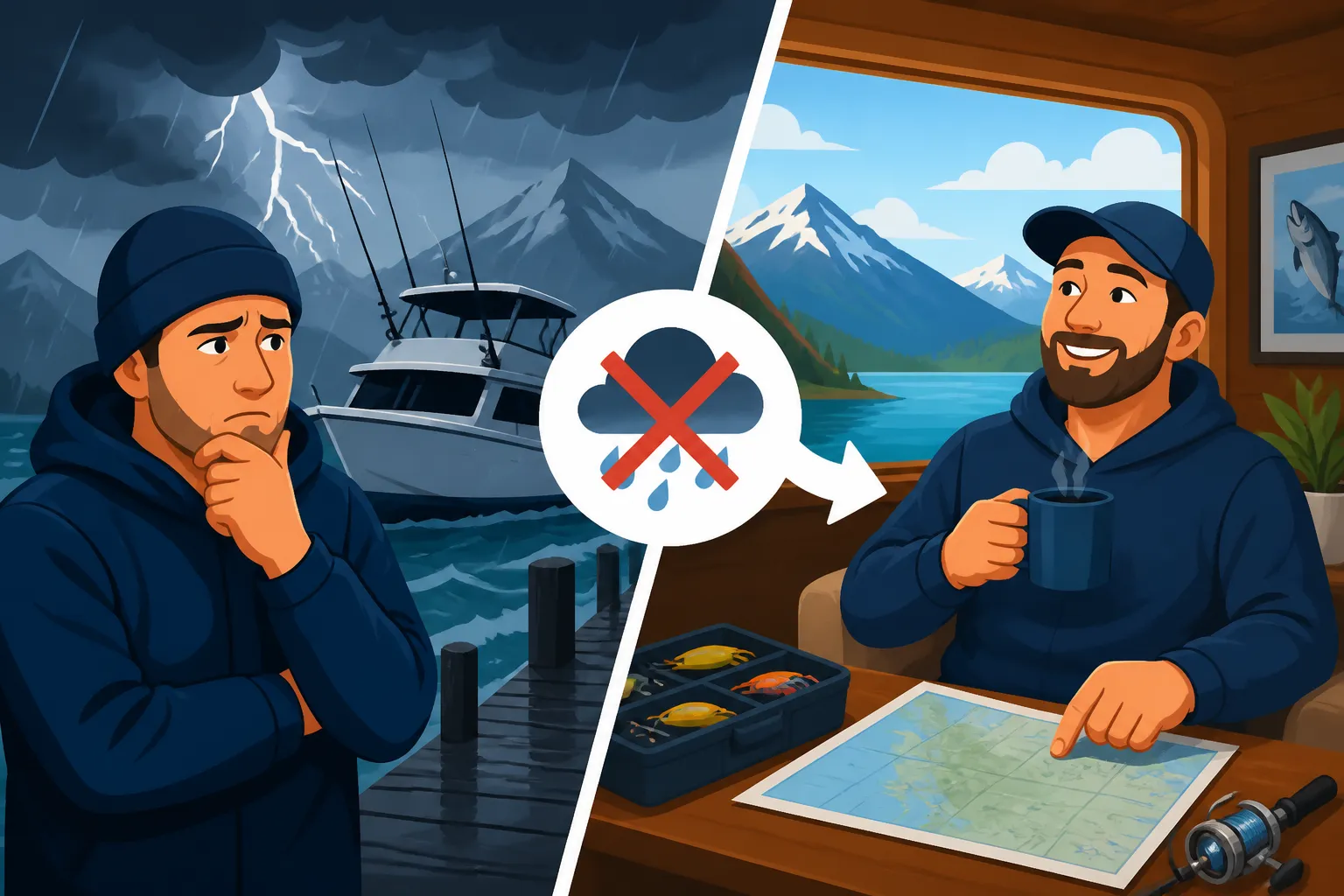
It's a fear every angler planning an epic trip to Alaska secretly harbors: picturing yourself on the dock, gear ready, only to hear those dreaded words – "The charter's canceled due to weather." The disappointment can be crushing, especially after months of planning, travel arrangements, and dreaming of landing a trophy halibut or a feisty Kenai king salmon. The reality is, Alaska's wild beauty comes with equally wild weather, and understanding what happens when a fishing charter gets called off is crucial for managing expectations and protecting your investment. This guide will walk you through the ins and outs of weather-related cancellations, what to expect, and how to best prepare.
The Unpredictable Nature of Alaska Weather and Fishing
Alaska is renowned for its stunning, untamed wilderness, but that grandeur often means facing weather conditions that can change on a dime. This isn't your average lake fishing where a little drizzle is the biggest concern; we're talking about dynamic marine environments and powerful river systems where safety is paramount.
Why Weather Cancellations Are a Reality
When you book an Alaska fishing charter, you're placing your trust in experienced captains and guides who are intimately familiar with the local waters. Their primary responsibility isn't just to put you on fish, but to ensure everyone on board returns safely to shore. This means they are constantly monitoring weather forecasts, sea conditions, and river levels, making judgment calls based on years of expertise. A cancellation due to weather is never a decision taken lightly; it usually means that the conditions are genuinely unsafe, or at the very least, would make for an extremely uncomfortable and unproductive fishing experience.
Imagine heading out into Cook Inlet or the Gulf of Alaska when gale-force winds are whipping up waves that could easily swamp a vessel or make it impossible to stand upright, let alone fish effectively. Or consider a river like the Kenai, where heavy rains upstream can quickly turn a calm, fishable stretch into a raging, debris-filled torrent. These aren't just minor inconveniences; they're genuine hazards. Captains and guides have to weigh the desire to get you fishing against the very real risks of injury, equipment damage, or even a capsized boat. Their decision to cancel is a professional one, rooted in safety protocols and respect for the powerful Alaskan environment.
Common Weather Events Leading to Cancellations
While a sunny forecast is always hoped for, Alaska can throw a lot of different weather at you, some of which are direct reasons for cancellations. Understanding these helps put the captain's decision into perspective.
- High Winds and Rough Seas: This is arguably the most common culprit for saltwater charter cancellations, particularly for halibut and salmon fishing out of places like Homer, Seward, or Sitka. When wind speeds climb, especially over exposed water, waves can rapidly build from gentle swells to formidable whitecaps. A small craft advisory or even a gale warning from the National Weather Service is a clear signal that it's too risky to venture out. Even if the boat could handle it, the constant pitching and rolling would make fishing impossible and seasickness inevitable for most passengers.
- Dense Fog: Visibility is absolutely critical for safe navigation, especially in areas with numerous islands, rock formations, or heavy boat traffic. Alaska's coastal regions, particularly in Southeast and Southcentral, can experience sudden, thick fog banks that reduce visibility to mere yards. While modern navigation equipment like radar helps, operating in zero-visibility conditions still poses a significant risk of collision or running aground. A captain might delay departure in hopes the fog burns off, but if it persists, a cancellation is the only responsible choice.
- Heavy Rain and River Flooding: While rain doesn't always stop fishing, torrential downpours can have a major impact, especially on river systems. Excessive rain can lead to rapidly rising water levels, increased current speed, and murky conditions. For river fishing, such as for Sockeye Salmon on the Russian River or King Salmon on the Kasilof, this can make rivers unfishable or even dangerous. High, muddy water not only disperses fish and makes it harder for them to see your lure or fly, but strong currents can make maneuvering a drift boat hazardous. Furthermore, major rainfall can also contribute to flash floods, which poses a serious risk to anglers on the banks.
- Winter Storms and Ice: While most prime fishing occurs in the warmer months, late-season or early-season trips, or even ice fishing excursions, can be impacted by severe winter weather. Heavy snowfall, freezing rain, or extreme cold can make travel to the launch site dangerous and create hazardous conditions on the water, especially if ice is forming or breaking up. Even seemingly calm conditions can be dangerous if temperatures are low enough to cause hypothermia quickly.
Understanding Charter Cancellation Policies
The moment you realize your eagerly anticipated fishing trip is off, a mix of disappointment and financial worry can set in. This is precisely why it's so important to understand the cancellation policy before you ever put down a deposit.
The Fine Print: What to Look for in Your Agreement
Every reputable charter operator will have a clear cancellation policy, and it's your responsibility to review it thoroughly when you book. Don't skim over this section; it’s where all the crucial details reside. A good charter agreement or booking confirmation will explicitly outline what constitutes a "weather cancellation" and what your options are. Generally, it's the captain's call, not yours, as to whether conditions are unsafe.
You'll typically find a few common scenarios in these policies:
- Captain's Discretion: Most policies state that cancellations due to unsafe weather are at the sole discretion of the captain. This means you can't just decide it looks a bit cloudy and cancel your trip for a full refund.
- Reschedule First: Many charters prioritize rescheduling. If there's availability later in your trip, or even later in the season, they'll offer to move your booking. This is often the preferred option for both parties, as it means you still get to fish and they don't lose the business entirely.
- Refund or Credit: If rescheduling isn't possible (e.g., your trip is ending, or there's no availability), charters will typically offer either a full refund or a credit for a future trip. Some might offer a partial refund if expenses were already incurred. Be aware that credits usually have an expiration date. It's vital to clarify whether it's a full refund of your deposit and payment or if certain fees are non-refundable.
When booking through online platforms like FishingBooker, these policies are usually clearly displayed on the charter's listing page. It's still wise to confirm directly with the operator if you have any questions or unique circumstances. Knowing these details upfront can prevent a lot of stress down the line.
Communication is Key: Before, During, and After
Open and clear communication with your charter operator is paramount, especially when weather is a factor. Don't wait until the morning of your trip to start wondering about the forecast.
- Before Your Trip: As your travel date approaches, keep an eye on the weather forecast for your specific fishing location. A few days out, if the forecast looks questionable, don't hesitate to reach out to your charter captain or booking agent. A simple email or call saying, "Hey, I'm seeing some strong winds forecast for our day – any concerns?" shows you're proactive and allows them to address any worries. They often have access to more localized and nuanced weather models than what's publicly available.
- Leading Up to a Potential Cancellation: If a cancellation seems likely, your charter operator should be the one initiating contact. They might call you the evening before your trip to discuss conditions, or even early the morning of, if things change quickly. Make sure they have your best contact number and email. They'll explain their decision and outline your available options based on their policy. If you haven't heard from them and the weather looks truly terrible, it's perfectly acceptable to call them to check in.
- After a Cancellation: Once a cancellation is confirmed, discuss your options clearly. If rescheduling, confirm the new date and time in writing. If opting for a refund, ask about the timeline for processing. Keep all communications – emails, texts, notes from phone calls – for your records. This documentation can be invaluable if any disputes arise. For a smoother process, consider reviewing our guide on what to expect on an Alaska fishing charter, so you know the typical flow of communication.
Your Options When a Charter is Canceled
A weather cancellation doesn't have to spell the end of your fishing dreams, but it does require flexibility and a good understanding of the alternatives available to you.
Rescheduling Your Trip
For many anglers, rescheduling is the most desirable outcome after a weather cancellation. It means you still get to go fishing, just at a different time. However, the feasibility of rescheduling often depends on several factors:
- Your Itinerary: If you've built some buffer days into your Alaska trip, rescheduling within the same vacation window might be entirely possible. Many seasoned travelers to Alaska recommend having an extra day or two precisely for this reason, especially if fishing is a primary focus. If you're on a tight schedule, leaving the day after your planned charter, rescheduling can be much more challenging.
- Charter Availability: Alaska's peak fishing season is incredibly busy, and many popular charters, especially those out of prime locations like Homer, Seward, or on the Kenai River, are booked solid months in advance. Finding an open slot for a rescheduled trip can be tough. The captain will typically do their best to accommodate you, but their schedule might be just as packed as yours. This is where having booked your trip well in advance, perhaps through a platform like FishingBooker, might give you slightly better odds if an operator has multiple boats or guides.
- Species Availability: If you were targeting a specific species, like King Salmon in early June or Silver Salmon in August, rescheduling might push you outside the prime window for those fish. You might have to compromise and target a different species, or accept that the fishing won't be as hot. For instance, if your Kenai River King Salmon trip gets canceled, and you reschedule a week later, you might be transitioning into the Sockeye Salmon run more predominantly.
Seeking a Refund or Credit
If rescheduling simply isn't an option, or if the conditions for your entire trip remain unfavorable, you'll need to consider a refund or a credit.
- Refund Process: Most reputable charters will offer a full refund for a weather-canceled trip if rescheduling is not possible. This typically covers your deposit and any payments made. The refund process usually takes a few business days, depending on their banking and booking system. Make sure you get confirmation of the refund being processed and a clear timeline for when to expect the funds back in your account. Some smaller operators might process refunds manually, so patience can be key.
- Future Trip Credit: An alternative to a direct refund is a credit for a future trip. This is a common practice, particularly for smaller, family-run operations that rely heavily on consistent bookings. A credit means you can apply the amount you paid towards a new booking with that same charter at a later date, usually within a specified timeframe (e.g., within one year or for the next season). This option works well if you plan to return to Alaska or are flexible with your travel dates. However, if you're not planning another trip anytime soon, a credit might not be as appealing as a direct refund. Always clarify the terms of the credit, including any blackout dates or expiration policies.
| Cancellation Policy | Description | Pros | Cons |
|---|---|---|---|
| Reschedule Only | Charter offers to rebook your trip on an alternate date. | You still get to fish. Often preferred by both parties. | Limited by your and charter's availability; might miss target species. |
| Full Refund | Full payment returned to your original payment method. | Full financial recoup; no obligation to rebook. | You still miss your fishing trip. |
| Future Credit | Payment held as credit for a future trip with the same operator. | Retains value for future adventure; supports local business. | Tied to one operator; typically has an expiration date. |
| Partial Refund | A portion of your payment is returned, often due to incurred expenses. | Some money back; less common for weather cancellations. | You lose some money and don't fish. |
The Role of Travel Insurance
This is where a little foresight can save a lot of heartache (and money). Travel insurance, while an added expense, can be an absolute lifesaver when an Alaska fishing charter is canceled due.
- What it Covers: Many comprehensive travel insurance policies offer coverage for trip delays and cancellations due to unforeseen circumstances, including severe weather. This means if your charter is canceled and you can't reschedule or get a full refund, your insurance might reimburse you for the non-refundable portion of your charter fee. More importantly, it can also cover other non-refundable expenses tied to your trip, such as flights, lodging, or car rentals, which can quickly add up. Imagine your flight gets delayed or canceled due to the same storm system that grounded your charter – travel insurance can step in.
- Read the Policy Carefully: Just like charter policies, not all travel insurance is created equal. Read the fine print to understand exactly what "severe weather" or "trip cancellation" entails in their terms. Some policies might have specific exclusions or requirements, like needing a formal declaration from the charter company that the trip was canceled for safety reasons. It's a small investment that can provide huge peace of mind for a big trip. Before you ever book an Alaska fishing trip, it's wise to consider obtaining appropriate travel insurance.
Proactive Steps to Minimize Disappointment
While you can't control the weather, you can certainly control how well you prepare for its potential impact on your Alaska fishing adventure. A little proactive planning goes a long way in ensuring your trip, even if disrupted, remains a positive experience.
Choosing Reputable Charters and Booking Platforms
The foundation of a good fishing trip, especially in a place as wild as Alaska, is choosing a reputable and reliable charter. This means doing your homework before you even think about putting down a deposit.
- Research Reviews: Take the time to read reviews from other anglers. Platforms like FishingBooker are great for this, as they compile reviews and often have specific sections detailing communication and how charters handle cancellations. Look for comments about communication, professionalism, and how operators deal with unexpected issues. A charter with consistently positive feedback, especially regarding transparency and customer service, is generally a safer bet. Our guide on how to read Alaska charter reviews can offer more insights here.
- Verify Licenses and Insurance: Ensure the charter operator is properly licensed and insured. In Alaska, this is a non-negotiable requirement for commercial operations. A reputable captain won't hesitate to provide proof of their credentials. This isn't just about legality; it's a sign of their commitment to operating safely and professionally.
- Clear Policies: As discussed, a reputable charter will have clearly articulated cancellation policies that are easy to find and understand. If a charter is vague or dismissive about their policies, that's a red flag. Before you even ask about the Alaska fishing license cost and types, make sure you understand the charter's fundamental operating procedures.
Planning for Contingencies and Flexibility
The best defense against a weather-related cancellation is building flexibility into your travel plans. Alaska is a vast state, and spontaneity can be rewarded, but a solid backup plan is smart.
- Buffer Days: If fishing is the primary purpose of your trip, try to build in at least one or two extra days in your itinerary specifically for weather delays or rescheduling. If your charter on Monday gets canceled, having Tuesday or Wednesday open dramatically increases your chances of getting back on the water. This also gives you some breathing room to explore local attractions if fishing isn't possible, like visiting the Alaska Wildlife Conservation Center near Girdwood if your Seward halibut charter is grounded.
- Alternative Activities: Have a list of backup activities that you can pivot to if your fishing plans are scuttled. This could be anything from hiking a local trail, visiting a museum, exploring a charming town like Homer or Seward, or even trying a different type of fishing (e.g., fly fishing a stocked lake instead of ocean fishing). Having an alternative plan can turn a day of disappointment into a day of unexpected adventure. For example, if your deep-sea trip is off, you might still find good success with some bank fishing in Alaska for trout or Dolly Varden.
- Consider Multi-Day Trips: Sometimes, booking a multi-day fishing package with a lodge or a charter that offers several days of fishing can provide more flexibility. If one day is blown out, you still have other opportunities to fish later in your stay. These often come with their own set of considerations, which you can learn more about in our guide on how to book an Alaska fishing trip.
- Stay Informed: Keep an eye on local forecasts and advisories. Many towns have local weather apps or marine forecasts that are more precise than general regional ones. Knowing what's coming can help you adjust your expectations and communicate proactively with your guide. You can also monitor Alaska Emergency Orders Explained, which often accompany significant weather events or resource concerns.
Remember, a weather cancellation is rarely personal; it's a responsible decision made for your safety and the quality of your experience. By being prepared, communicating effectively, and understanding your options, you can navigate these bumps in the road and still have an incredible Alaska adventure.
Disclaimer
The information provided in this guide is for general informational purposes only and does not constitute legal or financial advice. Always consult directly with your chosen fishing charter operator and, if applicable, your travel insurance provider, for the most accurate and up-to-date information regarding their specific cancellation policies and coverage. Fishing conditions and regulations in Alaska can change rapidly, so always verify current rules and forecasts before planning or embarking on a trip.