Best Time of Day to Fish in Alaska
There's nothing quite like planning an Alaska fishing trip, is there? The excitement is palpable, but then the questions start piling up. One of the biggest head-scratchers for many anglers, especially those coming from outside the Last Frontier, is figuring out the "best time of day" to actually cast a line. Forget those traditional sunrise and sunset rules you might be used to; Alaska's unique daylight hours and the sheer abundance of fish species mean the clock often works differently here. This guide will help you understand the nuances, species by species and factor by factor, so you can maximize your chances of a truly epic catch.
The Unique Challenge of Timing Your Alaska Trip
When you think about "prime fishing hours" in other parts of the world, your mind probably jumps to dawn and dusk, right? That magical low-light period when fish are often most active. Well, in Alaska, especially during the peak summer months, those traditional rules get turned on their head. The sheer amount of daylight can be disorienting, and it completely changes how fish behave and how you, as an angler, need to adapt.
Understanding Alaska's Extreme Daylight Hours
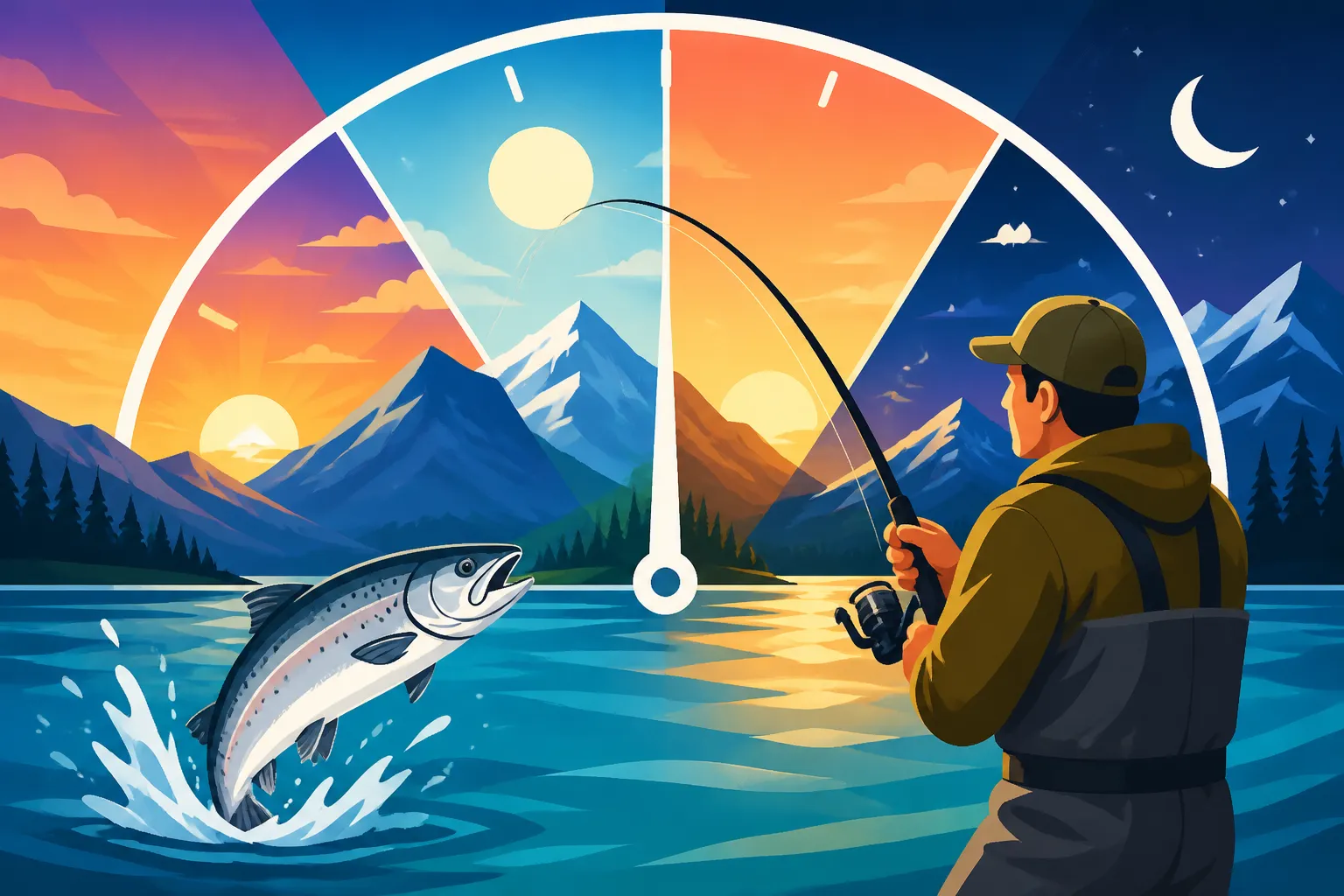
Imagine it's 11 PM, and the sky is still bright enough to read a book outside. This isn't a dream; it's the reality of Alaska's midnight sun during summer. From late May through July, the sun barely dips below the horizon in many parts of the state, giving you up to 20 hours or more of usable light. This phenomenon, while incredible for sightseeing, messes with our conventional understanding of day and night. Fish, like us, use light cues, but when "night" is just a long, drawn-out twilight, their activity patterns shift dramatically. They don't have the deep, dark cover of night to retreat into, which means their feeding cycles become influenced by other factors beyond just the sun's position.
For anglers, this constant daylight can be a blessing and a curse. On one hand, you have an incredible amount of time to fish. On the other, it can lead to angler fatigue, as it's hard to tell your body when to rest. Many a first-time visitor has found themselves still casting at midnight, only to realize their perception of time is completely warped. You'll need to pace yourself and potentially fish when your internal clock screams "bedtime."
How Fish Respond to Constant Light
With the absence of true darkness, fish in Alaskan waters don't have that clear "off switch" that nocturnal species might experience elsewhere. Their activity often becomes more dictated by factors like tidal movements, water temperature, and the availability of food, rather than simply the rising or setting sun. For instance, a schooling salmon moving upriver on a strong tide might be just as active at 2 PM as it is at 2 AM, simply because the conditions are right for its journey.
Some species might become slightly warier in the perpetual bright light, seeking deeper pools or shaded areas during what would be traditional midday in the lower 48. However, their primary drives – migration, feeding, and spawning – often override these tendencies. It's not uncommon to find actively feeding trout in broad daylight if there's a strong insect hatch, or aggressive salmon hitting lures when the tide pushes them into a river mouth. Your success often hinges on understanding these underlying triggers, not just looking at the clock.
Species-Specific Prime Times: It's Not One-Size-Fits-All
Alaska is home to an incredible diversity of fish, and what works for one species might not be ideal for another. You can't just pick a "best time" for all fishing; you need to consider what you're targeting.
Salmon: Tides and Runs Dictate the Clock
For salmon, timing isn't just about the hour of the day; it's intricately linked to the massive, migratory "runs" and the tidal flows that push them into freshwater systems. Understanding Alaska Salmon Run Timing Explained is often more critical than looking at your watch.
- King Salmon (Chinook): The mighty King Salmon often show a preference for early mornings, typically between 5 AM and 9 AM, especially in river systems like the Kenai River. This can be true even if it's already bright out. Beyond the early morning, strong tidal changes, particularly the incoming tide, are incredibly important for Kings moving through estuaries and the lower sections of rivers. The push of new water can bring in fresh fish and stimulate feeding. Always be aware of specific regulations, as Alaska King Salmon Fishing Regulations and Limits can sometimes restrict fishing to certain hours or days.
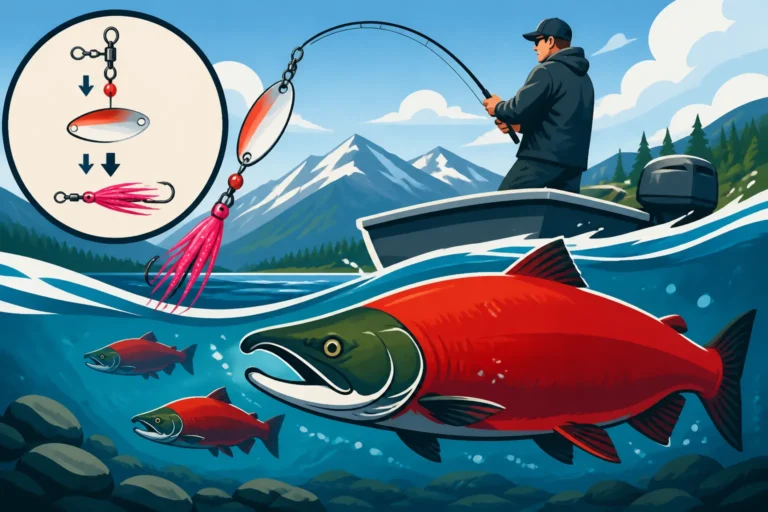
- Sockeye Salmon (Red): Sockeye are legendary for their powerful, dense runs. When the Sockeye are "in," they can be caught throughout the day. However, many experienced anglers report excellent success during the very early morning (before 9 AM) and again in the late evening (after 6 PM). These periods, even under the midnight sun, can see a surge in activity as fish continue their upstream migration. On rivers like the Russian River, where combat fishing is common, getting to your spot early is key. Remember to check specific limits, as Alaska Sockeye Daily Limit by River can vary greatly.
- Silver Salmon (Coho): Coho are known for their aggressive nature and willingness to bite throughout the day. That said, a prime late afternoon or evening bite (say, from 4 PM into the twilight hours) is often highly productive as new schools move into river systems. In saltwater, a strong incoming tide is often the critical factor for finding active Silvers near river mouths or along coastal currents.
- Pink and Chum Salmon: Often less picky about the time of day, Pink and Chum salmon can provide consistent action through much of the day, especially when their runs are at their peak. These species are generally abundant and opportunistic feeders, making them a good target if you're looking for continuous action without strict time constraints.
Halibut: Tidal Flows are Key
If you're heading out into saltwater for the colossal "barn doors" of the deep, then forget about the sun completely; the tides are your absolute best friend. Halibut are bottom dwellers, and their feeding behavior is profoundly influenced by strong tidal currents that sweep baitfish and other food sources across the seafloor.
Slack tide, whether high or low, is often less productive. The current slows, scent dispersal diminishes, and the fish tend to become less active. The magic window for halibut fishing is typically the hour or two before and after a slack tide, when the currents are beginning to pick up or are still moving strongly. This "moving water" period is when the halibut are most likely to be actively hunting. In places like Homer, which is renowned for halibut fishing, captains carefully plan their trips around these tidal windows. It's also important to be aware that Alaska Halibut Charter Regulations Explained can influence when and how long charter boats are legally allowed to fish, which indirectly affects when you can target them.
Trout and Char: Morning and Evening Still Hold True
For freshwater species like Rainbow Trout, Dolly Varden, and Arctic Grayling, the traditional wisdom of morning and evening bites tends to hold a bit more true, even in the land of the midnight sun.
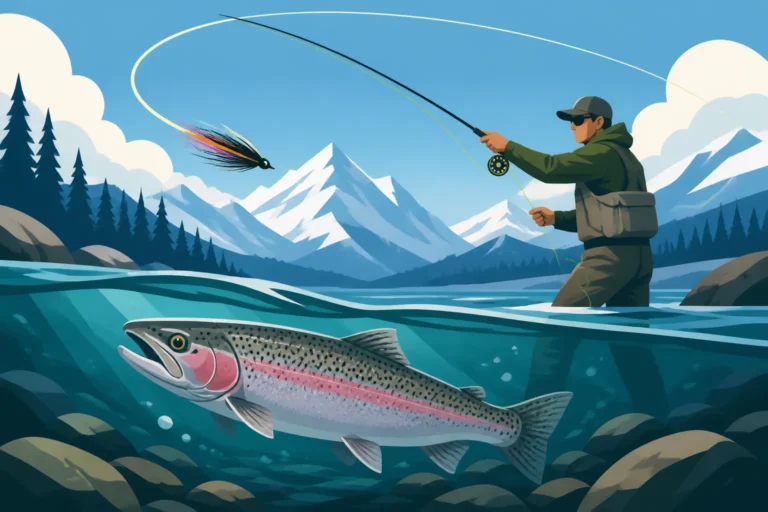
- Rainbow Trout: While they can be caught throughout the day, particularly on overcast days or in shaded river sections, early mornings (first few hours of daylight) and late evenings (last few hours of daylight/twilight) often see increased feeding activity. These times frequently coincide with insect hatches, making them prime for fly anglers. Famous trout rivers, such as those on the Kenai Peninsula, often have strong morning and evening bites. Be sure to understand Alaska Rainbow Trout Regulations as some areas have specific catch-and-release rules or gear restrictions.
- Dolly Varden and Arctic Grayling: Similar to rainbow trout, these opportunistic feeders are often more active during the "softer" light of morning and evening. They'll readily take flies, spinners, or small baits during these periods. However, during a strong salmon run, these fish will also gorge on salmon eggs throughout the day, so their feeding habits can adapt to the available food source, regardless of the clock.
Environmental Factors That Influence Daily Fishing Success
Beyond the species you're targeting, a host of environmental factors can dramatically alter the best time of day to fish in Alaska. Ignoring these can mean the difference between a fish-filled cooler and a frustrating day on the water.
Tidal Movements: The Ocean's Alarm Clock
We touched on this for salmon and halibut, but tides deserve a deeper dive because their influence on Alaska fishing cannot be overstated. Unlike steady lake levels, ocean tides and the resulting river currents literally move the fish and their food sources.
Strong incoming tides in coastal areas and river mouths are like a conveyor belt, bringing in fresh salmon from the ocean. As the tide pushes in, baitfish are displaced, and the larger predators follow. This surge of water can also create feeding lanes and eddies where fish will congregate. Conversely, a strong outgoing tide can concentrate fish in certain river channels or deeper holes as water levels drop. Understanding How Tides Affect Alaska Salmon Fishing is critical for river anglers as well as saltwater enthusiasts. For example, the massive tidal swings in areas like Cook Inlet or Kachemak Bay mean that specific fishing spots can be completely dry or submerged by many feet of water within hours, making precise timing essential.
Here’s a simplified look at how tides affect common Alaskan targets:
| Species / Factor | Incoming Tide | Outgoing Tide | Slack Tide |
|---|---|---|---|
| King Salmon | Excellent: Brings fresh fish into river mouths/estuaries. | Good: Can concentrate fish in deeper channels. | Poor: Less movement, fish may be less active. |
| Sockeye Salmon | Excellent: Strong push helps migration, concentrates fish. | Good: Can make fish hold in eddies. | Fair: Less impetus for migration. |
| Silver Salmon | Excellent: Drives aggressive fish into systems. | Good: Fish can be found in holding patterns. | Fair to Poor: Less active feeding. |
| Halibut | Good (strong currents): Sweeps bait. | Good (strong currents): Sweeps bait, concentrates food. | Poor: Minimal current, fish less active and spread out. |
| Trout/Char (Tidal Rivers) | Good: Can push baitfish into feeding zones. | Good: Can concentrate food in certain areas. | Fair: Reduced movement of food. |
Weather and Light Conditions
Beyond the sheer number of daylight hours, the actual weather conditions on any given day play a huge role. Alaska's weather can be famously unpredictable, and cloud cover, rain, or bright sun will influence how and when fish feed.
Overcast days are often a blessing for anglers, as the diffused light can extend the "prime time" for many fish species. Fish that might be wary or seek deeper water on a bright, sunny afternoon might remain active closer to the surface or in shallower runs when the sky is gray. Bright, clear days, on the other hand, might push some light-sensitive fish deeper or into the shaded banks of a river or underneath dense kelp beds in saltwater.
Rain, while often perceived as a deterrent by anglers, can sometimes trigger a feeding frenzy. A good rain can wash insects, worms, and other nutrients into rivers and streams, activating freshwater species like trout. For salmon, a heavy rain can increase water levels and flow, encouraging them to push further upstream. Just be prepared with good How to Dress for Alaska Fishing gear!
Water Temperature and Clarity
Fish are cold-blooded creatures, meaning their metabolism and activity levels are directly tied to water temperature. Each species has an optimal temperature range for feeding and comfort. If the water is too cold, fish can become sluggish and less inclined to chase baits. If it's too warm, they might seek cooler, deeper water and reduce their feeding. Early season fishing, for example, might see more activity later in the day once the sun has had a chance to slightly warm the shallows.
Water clarity also plays a role. In very clear water, fish might be warier, especially during bright periods, making stealth and presentation critical. Conversely, in stained or slightly murky water, fish might feel more secure and feed more actively at any time of day, relying more on scent and vibration than sight. This is where a good understanding of Best Fishing Techniques for Alaska comes into play.
Planning Your Daily Fishing Schedule
Navigating Alaska's unique fishing environment requires a bit more than just glancing at a clock. It demands a proactive approach to planning, using all available resources, and being adaptable.
Checking Local Regulations and Emergency Orders
This is perhaps the most critical piece of advice for any angler in Alaska: always, always check the current regulations and emergency orders before you go fishing. The Alaska Department of Fish and Game (ADF&G) frequently issues Emergency Orders that can change daily limits, open or close fisheries, alter legal fishing methods, or even impose specific fishing hours. These changes are often made to protect declining fish stocks, especially King Salmon.
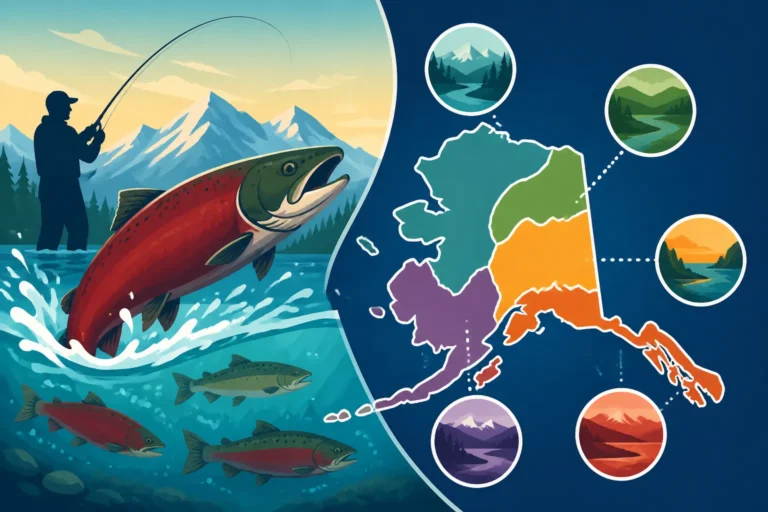
Imagine planning your day around an early morning King bite on the Kenai River, only to find an emergency order has closed the fishery for Kings at 6 AM. It happens! You can find these vital updates on the ADF&G website, through their local offices, or via hotlines. Getting into the habit of checking How to Check Alaska Emergency Orders Before Fishing every single day you plan to fish will save you a lot of disappointment and potential fines. Different Alaska Fishing Regulations by Region can also impact specific timing and methods.
Leveraging Online Resources and Local Wisdom
In the digital age, you have a wealth of information at your fingertips, but don't underestimate the power of local knowledge.
Before your trip, dive into online resources. Websites like Tide-Forecast.com offer detailed tide charts for coastal areas, which are indispensable for halibut and saltwater salmon fishing. While traditional solunar tables might have some relevance, they don't always fully account for Alaska's extreme daylight, so take them with a grain of salt. Local fishing forums and blogs can also offer real-time insights into recent catches and patterns.
Once you're in Alaska, your best friends are the local tackle shops and experienced guides. These folks are on the water constantly and have an intimate understanding of current conditions. A quick stop at a local tackle shop in Soldotna or Seward can yield invaluable information about where fish are biting, what gear they're hitting, and yes, what time of day has been most productive. If you're using a guide, like those found for Kenai River Fishing: Complete Guide or Homer Alaska Fishing Guide, they've already done this homework for you and will put you on the fish during the best possible window. Even platforms like Amazon can be useful for finding specialized local fishing guides or area-specific tide books.
The Midnight Sun Strategy: Maximize Your Opportunity
Given Alaska's unique daylight, your strategy for fishing times needs to be flexible. Don't be constrained by your internal clock or what you're used to back home. If the tides are perfect for halibut at 3 AM in the morning, or if a Sockeye run is surging upriver at midnight, you should be ready to fish! The fish aren't wearing watches, and they often become active when environmental factors align, regardless of what the clock says or how high the sun is.
This also means prioritizing rest. While it's tempting to fish every single hour of daylight, you'll burn out quickly. Plan strategic rest periods, especially if you're undertaking multiple days of intense fishing. Consider what species you're targeting and their prime windows, then build your day around those. And always be prepared for anything: bring layers of clothing, rain gear, and a positive attitude. Making the most of your Alaska fishing adventure means embracing its unconventional rhythms.
Disclaimer
Please remember that fishing regulations in Alaska can change frequently due to emergency orders from the Alaska Department of Fish and Game (ADF&G). Always verify the most current regulations, catch limits, and open seasons for your specific fishing location before heading out on the water. This guide is for informational purposes only and does not supersede official regulations.