Best Spoons for Alaska Salmon
Finding the perfect lure for Alaska salmon can feel like an overwhelming quest, with countless options promising the big catch. It's frustrating to invest in tackle only to find it doesn't perform in the unique, powerful currents and varied conditions of Alaska's renowned fisheries. This guide cuts through the noise, detailing the best spoons for Alaska salmon, explaining what makes them effective, and how to use them to boost your success on the water.
The Timeless Allure of Spoons for Alaska Salmon Fishing
Spoons have been a staple in tackle boxes for generations, and for good reason. In the vast, wild rivers and rich coastal waters of Alaska, where salmon runs define the fishing calendar, a well-chosen spoon can be absolutely deadly. There’s something inherently captivating about the flash, wobble, and vibration of a spoon that mimics a fleeing baitfish or an injured fry, tapping into the salmon’s predatory instincts even when they're focused on their spawning journey.
Why Spoons Remain a Top Choice for Salmon Anglers
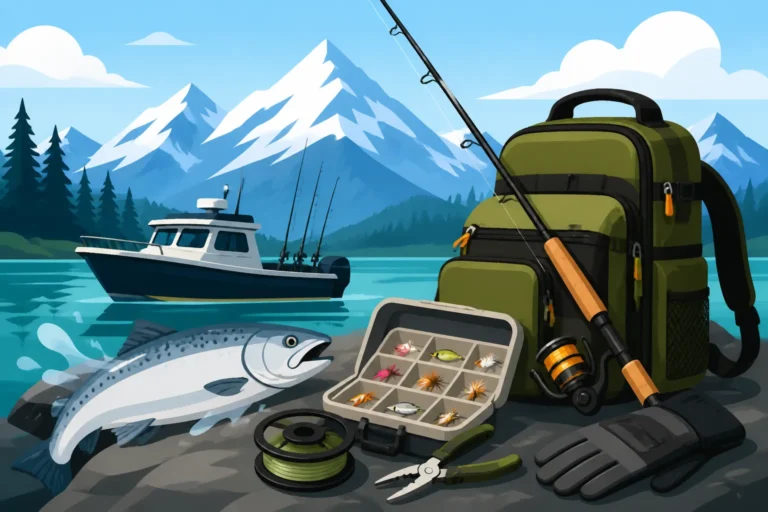
Many anglers, from seasoned Alaskans to first-time visitors, swear by spoons, and it's not just tradition. Unlike some highly specialized lures, spoons offer incredible versatility. They can be effectively cast from shore, worked from a boat while drifting, or trolled in open water. This adaptability makes them invaluable across the diverse fishing environments Alaska presents, from the broad, glacial-fed rivers like the Kenai to the saltwater fjords of Southeast Alaska. Their robust construction often means they can withstand the fierce battles with powerful salmon, and their relative simplicity makes them easy for anglers of all skill levels to master. When you're standing knee-deep in a rushing river, or feeling the gentle sway of a boat on the ocean, knowing you have a reliable, fish-catching piece of hardware like a spoon tied on offers immense confidence. For more on general tackle, check out our guide on Alaska Fishing Gear and Tackle Guide.
Understanding How Spoons Attract Salmon
Spoons work by creating a combination of visual, auditory, and vibrational cues that grab a salmon's attention. As a spoon moves through the water, its curved body causes it to wobble, flutter, or flash, reflecting light in erratic patterns. This "flash" is critical, mimicking the scales of a baitfish struggling or trying to escape. Beyond the visual, the spoon's movement creates subtle vibrations in the water, which fish can detect through their lateral line system. This sensory input often triggers an aggressive strike, even if the salmon isn't actively feeding. Furthermore, the varying actions of different spoons can imitate a wide range of prey, from a frantic juvenile salmon to a lazily swimming herring. It’s a primal response, tapping into millions of years of evolutionary programming that tells a salmon to investigate, and often, to strike.
Decoding the Anatomy of an Effective Salmon Spoon
Not all spoons are created equal, especially when targeting the powerful and often finicky salmon of Alaska. Understanding the different characteristics of spoons and how they interact with the water is key to selecting the right one for your specific fishing situation. It's not just about picking a shiny object; it's about matching the hatch, the water conditions, and the species you're pursuing.
Size and Weight Considerations
The size and weight of your spoon are perhaps the most critical factors in its effectiveness. Too light, and it won't get down to the fish in fast currents; too heavy, and it might sink too quickly or spook wary fish. For Alaska's fast-moving rivers and deep saltwater, heavier spoons are often necessary to reach the strike zone.
- King Salmon (Chinook): For these giants, you'll want larger, heavier spoons, typically in the 1 oz to 2 oz range, sometimes even heavier for deep trolling. Think lengths of 3.5 inches up to 5 inches. This bulk helps them cut through strong currents and appeal to a larger predator. When learning How to Catch King Salmon in Alaska, spoon size is a major consideration.
- Sockeye Salmon (Red): Sockeye are famously difficult to catch on lures once they enter freshwater, often preferring bare hooks or small flies (especially in combat fishing scenarios). However, in estuaries or early in their run, smaller, lighter spoons (1/4 oz to 3/8 oz) can sometimes entice a strike. If you're targeting sockeye, be sure to check specific regulations, as some areas have strict gear rules. Our guide on How to Catch Sockeye Salmon in Alaska offers more nuanced advice.
- Coho Salmon (Silver): Coho are aggressive and will hit a wide range of spoon sizes. Medium-sized spoons, from 1/2 oz to 1 oz, are very popular. Lengths around 2.5 to 3.5 inches work well. They are acrobatic fighters, and a well-presented spoon can really get them riled up. Learn more in How to Catch Silver Salmon in Alaska.
- Pink Salmon (Humpy) and Chum Salmon (Dog): These species, while abundant, generally prefer smaller offerings. Pinks are particularly known for hitting smaller, brighter spoons. Sizes from 1/4 oz to 3/4 oz are usually ideal for both, with lengths around 1.5 to 2.5 inches.
When buying online, perhaps from Amazon, always pay attention to the listed weight and length to ensure it matches the conditions you'll be fishing in.
Color Patterns and Finishes for Alaska Waters
The color of your spoon can be a game-changer, dramatically influencing how visible and attractive it is to salmon under different light and water conditions. Alaska's waters vary wildly, from gin-clear mountain streams to turbid glacial rivers and deep, dark ocean depths.
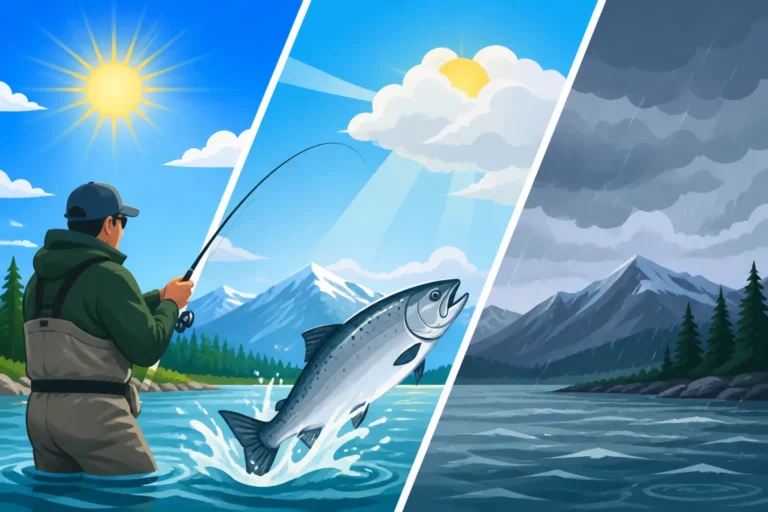
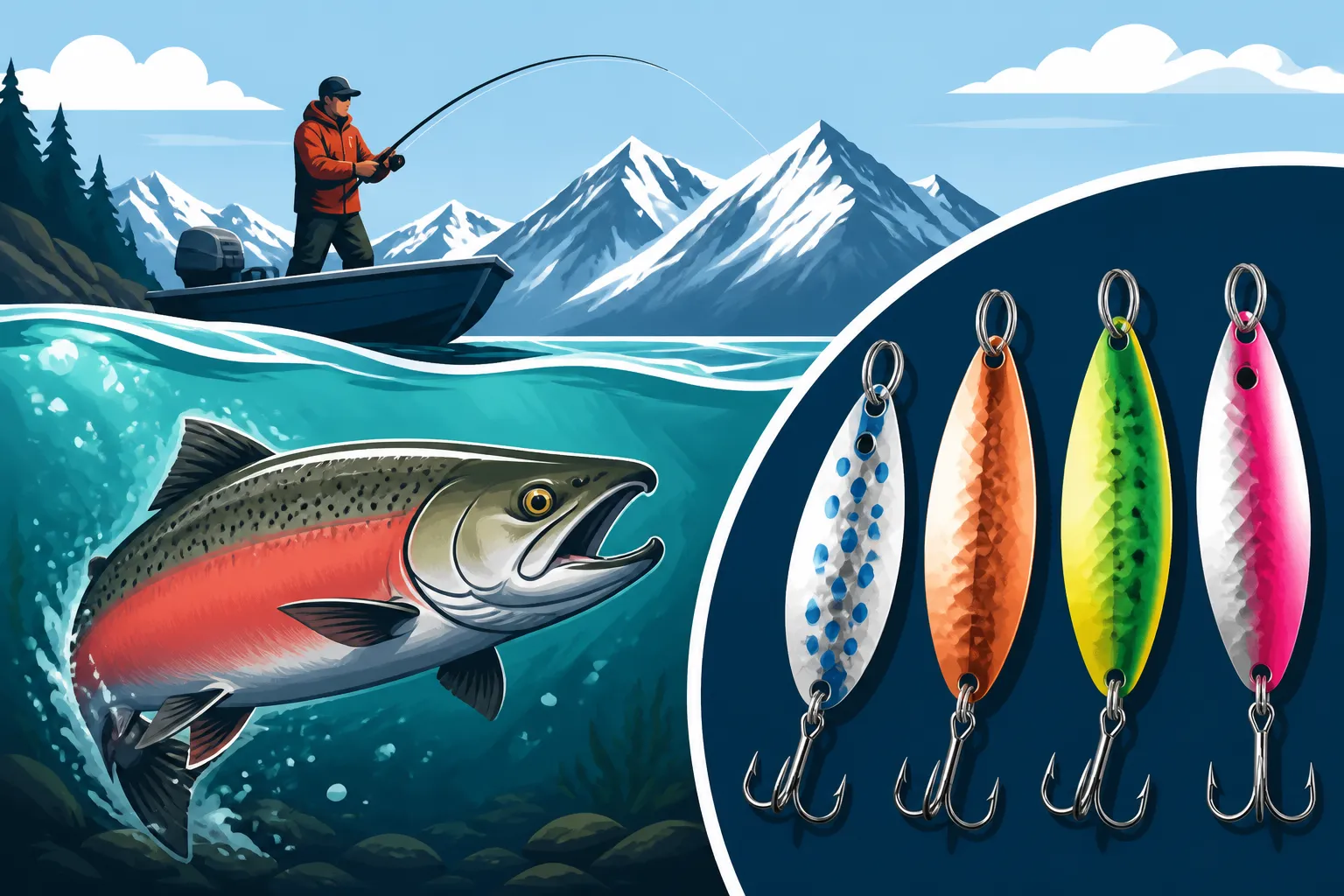
- Bright Days/Clear Water: On sunny days with clear water, natural baitfish patterns like chrome, silver, blue/silver, or green/silver are highly effective. These colors mimic the natural flash of prey and don't appear overly aggressive. Gold can also be very good, especially if there's a tint of tannin in the water.
- Overcast Days/Low Light/Turbid Water: When conditions are dim or the water is murky, you need colors that stand out. Chartreuse, fluorescent orange, "fire tiger" (chartreuse with black stripes and an orange belly), and brass or copper finishes are excellent choices. These colors offer high contrast and are more visible in low light or stained water. Glow-in-the-dark spoons can also be effective in very deep water or at dawn/dusk.
- Salmon-Specific Preferences:
- King Salmon: Often respond well to a mix of metallic finishes (silver, gold, copper) combined with vibrant colors like blue, green, chartreuse, or orange. The classic "Cop Car" (blue/silver) or "Watermelon" (green/silver) are popular.
- Sockeye Salmon: While not primarily spoon-takers, if they do hit, it's often an aggressive, territorial strike. Bright red, hot pink, or chartreuse can sometimes trigger this.
- Coho Salmon: Silvers are aggressive and will hit almost anything, but they have a particular fondness for bright, flashy colors. Green/silver, blue/silver, pink, and chartreuse are perennial favorites.
- Pink and Chum Salmon: Smaller, brightly colored spoons work best. Hot pink, chartreuse, and silver are very effective for Pink salmon. Chum salmon can also be drawn to these, with some success on orange and purple patterns too.
Remember, salmon's vision and color perception can change as they transition from saltwater to freshwater and as their spawning colors develop. Having a variety of colors on hand is always a good strategy.
The Importance of Spoon Action
The "action" of a spoon refers to how it moves through the water – its wobble, flutter, or darting motion. Different spoon shapes and designs create distinct actions, and matching this action to the target species and conditions is crucial.
- Wide Wobble/Slow Flutter: Spoons with a broader, more dished shape tend to have a wider, slower wobble. These are excellent for slower retrieves or trolling, as they create a lot of flash and vibration without requiring high speed. They can mimic a larger, lazier baitfish or a salmon fry in distress. Examples include classic Pixee Spoons or Luhr Jensen Kwikfish (though Kwikfish are technically diving plugs, their action is relevant to understanding lure movement).
- Tight Wobble/Fast Flutter: Thinner, more streamlined spoons often exhibit a tighter, faster wobble or a rapid flutter. These are ideal for faster retrieves, jigging, or trolling at higher speeds. They excel at imitating smaller, more energetic baitfish or darting prey. Crocodile Spoons are a great example of this type.
- Erratic/Irregular Action: Some spoons are designed to have an unpredictable, darting, or tumbling action. This erratic movement can be incredibly effective at triggering strikes from aggressive salmon, making them seem like a truly struggling baitfish. Think of some casting spoons that flash and tumble on the fall.
When purchasing spoons, consider the manufacturer's description of the action. A good variety of actions will ensure you're prepared for whatever mood the salmon are in.
Durability and Hardware
Alaska fishing is tough on gear. The powerful runs of salmon, combined with abrasive river bottoms and rocky shorelines, mean your tackle needs to be robust.
- Material: Most quality spoons are made from brass or steel, often plated with chrome, nickel, or gold. These materials offer good corrosion resistance, especially in saltwater, and hold up well to abuse. Cheaply made spoons might lose their plating quickly or bend out of shape.
- Hooks: The hooks on your spoon are arguably its most critical component. Salmon are powerful, and a weak hook will straighten or break, leading to lost fish and disappointment. Look for spoons equipped with strong, sharp treble hooks or single hooks (many Alaskan regulations now favor or require single, barbless hooks, so be prepared to swap out trebles). Brands like Gamagatsu or Owner are known for their quality hooks. Ensure the split rings connecting the hook to the spoon are also heavy-duty and won't flex open under pressure.
- Construction: Inspect the overall construction. Are the eyes securely attached? Is the finish durable? If you're planning to buy a batch of spoons, perhaps from Amazon, check user reviews regarding durability. It’s worth spending a little more for a spoon that will last through multiple battles with Alaska's incredible fish.
Top Spoon Recommendations for Each Alaska Salmon Species
Knowing the general characteristics is one thing, but having specific recommendations can really help you stock your tackle box for success. Different salmon species have their own quirks and preferences, and having the right spoon for the job is paramount.
Power Spoons for Mighty King Salmon
King salmon, also known as Chinook, are the largest and arguably most prized of Alaska's salmon. They demand robust gear and lures that can withstand their incredible power. When targeting these magnificent fish, whether in the Kenai River or out in Cook Inlet, you need spoons that are substantial and offer a tempting presentation.
One of the most iconic spoons for King salmon is the Pixee Spoon. Its distinctive hammered finish and unique oval shape create a wide, enticing wobble that kings find irresistible. The built-in plastic insert, often fluorescent, adds an extra visual trigger. For Kings, you'll want Pixees in the 1 oz to 1.5 oz range, in colors like chrome/blue, chrome/green, or gold/orange. Another solid choice is the Kastmaster Spoon. While known for its incredible casting distance, its erratic flutter and flash on the retrieve are also very effective. Heavy Kastmasters (1 oz to 2 oz) in chrome or brass finishes can be deadly for Kings, especially when jigged in deeper holes. Many anglers also find success with the Sutton Spoon, particularly the heavier models, which have a classic, fluttering action that mimics a large baitfish. When choosing Best Lures and Bait for Alaska King Salmon, spoons definitely top the list. Remember to check local regulations for hook types, as single, barbless hooks are often required in many King salmon fisheries, prompting you to replace the factory trebles.
Finesse Spoons for Wary Sockeye and Chum Salmon
Sockeye salmon, especially in freshwater, are notorious for not feeding. They become extremely focused on spawning. However, they can be provoked into striking out of aggression or territorial defense. Chum salmon are often underrated fighters and can be more receptive to lures than sockeye. Both generally prefer smaller, more subtle presentations in rivers.
For sockeye, spoons are usually a secondary tactic to flies or bare hooks, particularly when "flossing" is employed (check Alaska Sockeye Daily Limit by River and How to Catch Sockeye Salmon in Alaska for details on specific regulations). However, if you are targeting them in estuaries or larger river systems where they might still be feeding opportunistically, very small, bright spoons can sometimes work. Think 1/4 oz to 3/8 oz spoons in hot pink, red, or chartreuse. The Little Cleo Spoon (often in orange or brass) or a small Mepps Cyclops can be worth a try. For Chum salmon, which can be more aggressive, slightly larger spoons (3/8 oz to 1/2 oz) in bright colors like pink, chartreuse, or even purple can be effective. They often respond well to a slower, more deliberate retrieve that allows the spoon to flutter enticingly. Small Crocodile Spoons or Daredevle Spoons in their classic red and white pattern can also entice a bite from a passing Chum.
Versatile Spoons for Aggressive Coho and Pink Salmon
Coho (Silver) salmon and Pink (Humpy) salmon are often the most aggressive and easiest to catch on artificial lures, making them fantastic targets for spoon anglers, especially for beginners. They strike with enthusiasm and are generally less finicky than Kings or Sockeye.
For Coho salmon, versatility is key. They hit a wide range of colors and actions. The Silver Horde Coho Killer is a classic for a reason. Its unique shape creates a fantastic wobble, and it comes in a vast array of proven Coho colors like green/silver, blue/silver, and black/white. Sizes typically range from 3 to 4 inches. Another excellent choice is the Dick Nite Spoon, particularly the smaller models, which offer a tight, fast flutter that silvers can’t resist. Pixee Spoons in smaller sizes (3/4 oz to 1 oz) also remain a top performer for Coho, especially in brighter colors like chartreuse or pink inserts. You can find many of these tried-and-true Coho spoons available through online retailers like Amazon, making it easy to build a diverse tackle box.
Pink salmon are abundant and incredibly fun to catch, often found in large schools. They are notoriously aggressive towards small, brightly colored lures. The Pink Lady Spoon (a specific color pattern, usually hot pink/silver or hot pink/chartreuse) is a must-have. Other small spoons like Little Cleos, Kastmasters, or even small Buzz Bombs (which are more of a jigging lure, but share some characteristics) in pink, chartreuse, or silver are highly effective. For Pinks, you're generally looking for spoons in the 1/4 oz to 3/8 oz range. Their smaller mouths mean smaller hooks are often beneficial too.
Here's a quick reference table for spoon recommendations by salmon species:
| Salmon Species | Recommended Spoon Sizes | Key Colors/Finishes | Preferred Spoon Action | Popular Spoon Types |
|---|---|---|---|---|
| King (Chinook) | 1 oz – 2 oz (3.5" – 5") | Chrome/Blue, Chrome/Green, Gold/Orange, Black/Purple | Wide wobble, deep flutter | Pixee, Kastmaster (heavy), Sutton, Acme Little Cleo |
| Sockeye (Red) | 1/4 oz – 3/8 oz (1.5" – 2") | Hot Pink, Red, Chartreuse | Tight wobble, erratic flutter (aggression) | Small Little Cleo, Mepps Cyclops (small) |
| Coho (Silver) | 1/2 oz – 1 oz (2.5" – 3.5") | Green/Silver, Blue/Silver, Pink, Chartreuse | Moderate to fast wobble, erratic darting | Silver Horde Coho Killer, Pixee, Dick Nite, Crocodile |
| Pink (Humpy) | 1/4 oz – 3/8 oz (1.5" – 2.5") | Hot Pink, Silver, Chartreuse | Tight flutter, erratic flash | Pink Lady, Small Kastmaster, Little Cleo (small) |
| Chum (Dog) | 3/8 oz – 3/4 oz (2" – 3") | Pink, Chartreuse, Orange, Purple | Slower flutter, noticeable vibration | Daredevle, Crocodile, Pixee (medium) |
Mastering Spoon Fishing Techniques in Alaska
Having the right spoon is only half the battle. Knowing how to present it effectively in Alaska's diverse waters is what truly separates successful anglers from those just casting lines. The best fishing techniques for Alaska involve adapting your approach to the specific environment, whether you're standing on a riverbank or navigating open ocean.
Casting and Retrieving Spoons from Shore or Boat
This is arguably the most common and accessible way to fish spoons for salmon, particularly in rivers or nearshore areas. The key is to make accurate casts to likely holding water and vary your retrieve to entice a strike.
- Identifying Holding Water: Salmon, especially in rivers, often hold in slower seams adjacent to fast currents, behind submerged rocks or logs, in deeper pools, or along cut banks. Look for changes in current, depth, or structure. These are the prime targets for your casts. For river specific fishing, understanding How to Spin Fishing for Salmon in Alaska will greatly enhance your spoon technique.
- The Cast: Use a spinning rod or baitcasting setup appropriate for the spoon's weight. Aim to cast slightly upstream and across the current, allowing the spoon to sink and begin its drift. For longer casts from shore, particularly if you're targeting the opposite bank of a wide river, a longer rod (9-10 feet) can make a significant difference.
- The Retrieve: This is where the artistry comes in. Generally, you want a retrieve that allows the spoon to wobble and flash naturally.
- Steady Retrieve: A medium-slow, steady retrieve often works well, especially for Coho and Pink salmon. It gives the spoon consistent action.
- Stop-and-Go/Pump-and-Drop: This technique involves reeling a few cranks, then pausing, allowing the spoon to flutter or fall, then reeling again. This erratic action can trigger strikes from aggressive fish. Kings and Coho often respond very well to this.
- Tension on the Fall: Many strikes occur as the spoon is sinking. Keep a slight tension on your line to feel for subtle taps or surges as the lure falls through the water column. This is critical in areas where fish are holding deeper.
- Varying Depth: If you're not getting bites, try varying the depth. Let the spoon sink longer before starting your retrieve, or reel faster to keep it higher in the water. Pay attention to what the fish are doing; sometimes they're near the surface, other times hugging the bottom.
Trolling Spoons for Open Water Salmon
Trolling is a highly effective method for covering large expanses of water and locating schools of salmon in saltwater or large lake environments. This technique is commonly used for King and Coho salmon in places like Cook Inlet, Prince William Sound, or along the coast of Southeast Alaska.
- Depth Control: Trolling effectively requires managing your depth. Downriggers are common tools, allowing you to present your spoon precisely at the depth where fish are holding, which can be anywhere from 20 feet to over 100 feet deep. Without a downrigger, you can use diving planes (like a Dipsy Diver or a Jet Diver) or lead core line to get your spoon down.
- Speed: Trolling speed is crucial and often depends on the spoon's action. Generally, a speed of 2 to 4 miles per hour is a good starting point. You want the spoon to have its intended wobble without spinning out of control. Experiment with different speeds until your spoon is working perfectly. Check your rod tip; a good, consistent wobble indicates proper action.
- Leader Length: Use a fluorocarbon leader of 30-60 lb test, typically 6 to 10 feet long, connected to your main line. This provides a less visible connection to the lure and helps absorb the shock of a strike.
- Flashers and Dodgers: In saltwater trolling, it's very common to use a flasher or a dodger ahead of your spoon. These large, wobbling or rotating attractors create a tremendous amount of flash and vibration, drawing salmon in from a distance. Your spoon then trails behind, mimicking a confused or injured baitfish following the larger commotion. The flasher or dodger often dictates the action of the spoon, making it kick and dart more erratically. Consider how your whole rig functions together.
- Boat Placement: Pay attention to your fishfinder and other boats. If other boats are catching fish at a certain depth or speed, try to match their technique. Also, troll along contour lines, near bait balls, or where structure indicates potential salmon holding areas.
When to Adjust Your Presentation
Salmon fishing is rarely a "set it and forget it" affair. The most successful anglers are those who constantly observe and adapt.
- No Bites? Change Something! If you're not getting any action, don't keep doing the same thing. Change your retrieve speed, try a different color, or switch to a spoon with a different action. Sometimes a subtle change can make all the difference. For more insights into when salmon bite, our Best Time of Day to Fish in Alaska guide might be helpful.
- Water Conditions: As mentioned earlier, water clarity and light conditions dramatically impact color choice. If a clear stream turns muddy after a rain, switch from natural silver to a bright chartreuse or orange. On a bright, sunny day, scale back from fluorescents to more subtle chrome or gold.
- Fish Behavior: Are fish jumping or rolling on the surface? They might be higher in the water column. Are they hugging the bottom on your fishfinder? You'll need to get your spoon deeper. Sometimes, a slow, methodical retrieve is best for wary fish, while other times, a fast, aggressive jerk-and-pause will trigger a reaction strike from active fish.
- Emergency Orders: Always, always, always be aware of Alaska Fishing Emergency Orders Explained. Regulations can change on a dime, sometimes restricting gear types (like bait or treble hooks) or closing specific fisheries entirely. What worked yesterday might be illegal today. Check the ADF&G website before every outing!
Disclaimer
Fishing in Alaska involves inherent risks. Always prioritize safety, understand local regulations, and be prepared for rapidly changing weather conditions. This guide provides general information and recommendations; specific conditions and regulations may vary. It is the angler's responsibility to know and follow all current Alaska Department of Fish and Game rules.