How to Bottom Fish for Alaska Halibut
There's nothing quite like the dream of hauling in a massive Alaska halibut, but for many, the sheer size of these magnificent flatfish and the vastness of the ocean can feel incredibly daunting. You might wonder how in the world you're supposed to find them, let alone get your bait down deep enough to entice a bite, especially when you're just starting out. This guide will walk you through the time-tested, most effective method for targeting these bottom-dwelling giants: bottom fishing.
The Undeniable Appeal of Bottom Fishing for Alaska Halibut
When you picture halibut fishing in Alaska, chances are you're already imagining some form of bottom fishing, even if you don't call it that. It's the quintessential method for a reason: it puts your bait right in the strike zone where these incredible fish live and feed. It's a method that caters to both seasoned anglers seeking a trophy and newcomers simply hoping to catch dinner.
Why Halibut Love the Bottom
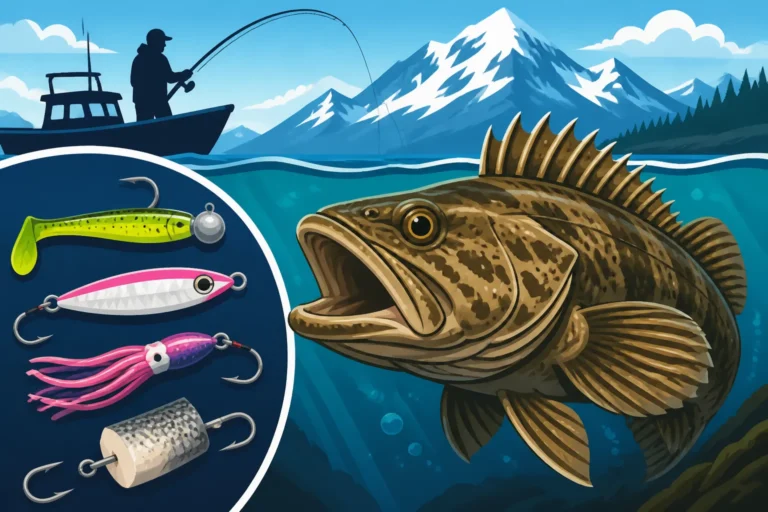
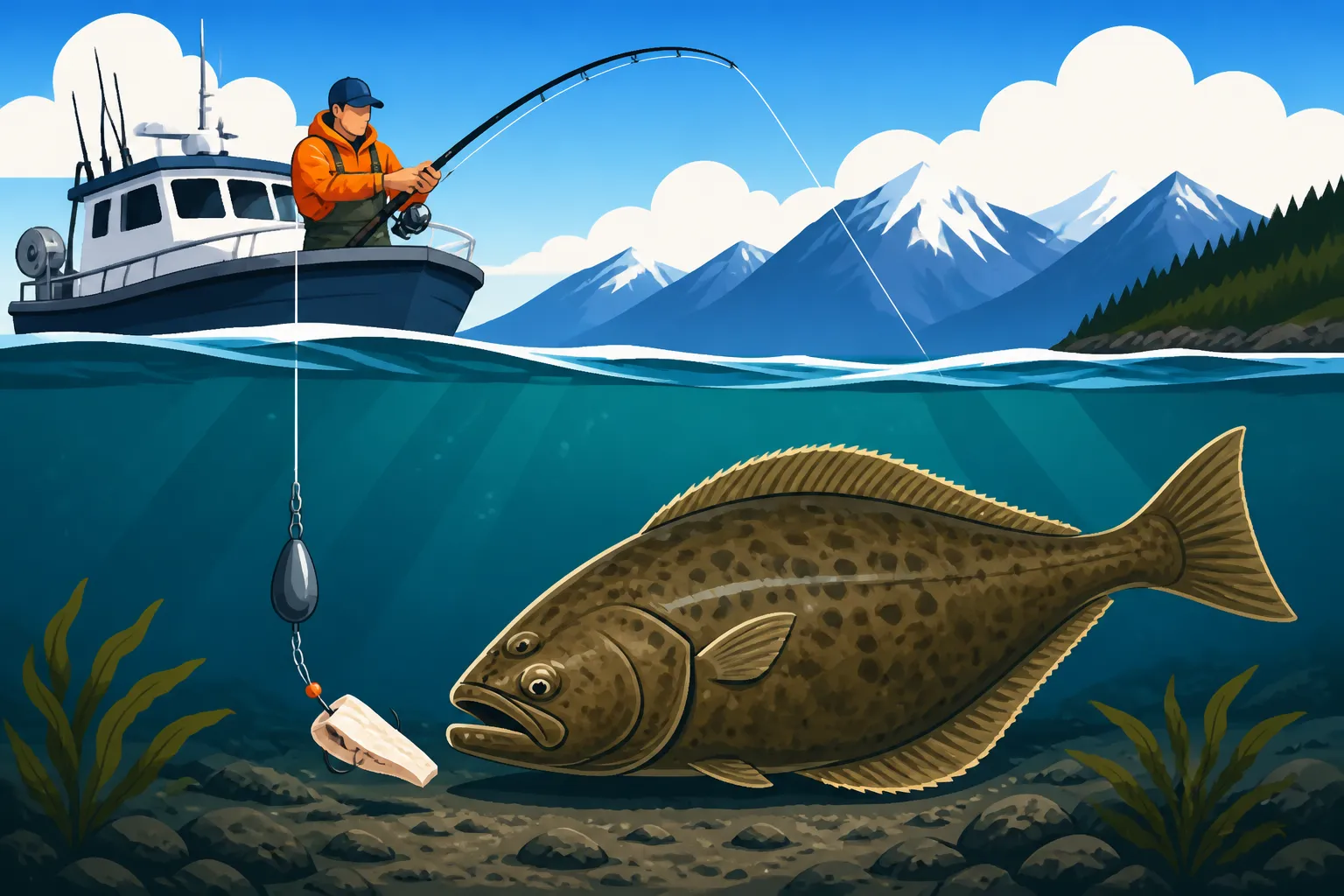
Halibut are demersal fish, meaning they live on or near the seabed. They're perfectly camouflaged to blend into the ocean floor, lying in wait for an unsuspecting meal to swim by. Think of them as ambush predators. They're often found on sandy or gravelly bottoms, near drop-offs, underwater pinnacles, or areas with strong currents that bring food to them. These flatfish aren't typically chasing bait through the water column; they're hunkering down, using their wide bodies and keen eyesight to spot prey above them.
This natural behavior makes bottom fishing not just effective, but logical. By presenting your bait right on the bottom, or just a few feet above it, you're mimicking what a halibut naturally expects to encounter. It's like serving dinner directly to their living room couch. Understanding this fundamental aspect of their behavior is the first step to truly effective halibut fishing, removing a lot of the guesswork that can lead to frustration in other types of fishing.
Why Anglers Love the Method
From a practical standpoint, bottom fishing is incredibly accessible. You don't need fancy trolling patterns or intricate casting techniques. What you need is robust gear, the right bait, and a bit of patience. This makes it a fantastic option for families, beginners, and even experienced anglers who just want to reliably put fish in the boat. The "thump" of a halibut bite on a heavy rod is unmistakable, a primal tug that gets your adrenaline pumping like few other fish.
Moreover, bottom fishing allows you to cover a lot of ground, especially when drift fishing. You can slowly move over promising structure, presenting your bait to numerous halibut without having to constantly move the boat and re-anchor. Many people find the rhythm of bottom fishing, feeling the sinker tap the seafloor, monitoring for subtle bites, to be incredibly relaxing – right up until that massive tug jolts them awake! It's a straightforward approach that often yields impressive results, from "chicken" halibut (smaller, highly sought-after for eating) to true "barn door" giants.
Gearing Up for the Big One: Essential Tackle for Bottom Fishing
Before you even think about dropping a line, you need to make sure you have the right tools for the job. Halibut are powerful fish, and the conditions in Alaska – deep water, strong currents, rugged bottoms – demand heavy-duty gear. Skimping on tackle here is a recipe for broken lines and lost fish, which is a heartbreaking experience when you've waited all year for this trip.
Rods, Reels, and Line: Power and Durability
Your rod and reel combination is your primary connection to the fish, and it needs to be tough.
- Rods: Look for a heavy to extra-heavy action rod, typically 6 to 7.5 feet long. These rods need a stout backbone to handle heavy weights (often 1-3 pounds or more) and the immense pulling power of a large halibut. A good rod will allow you to feel the subtle taps of a bite while still having the leverage to lift a significant fish from the depths. Many anglers prefer rods with a durable gimbal butt for fighting harnesses, which can be a lifesaver when battling a big one.
- Reels: A high-quality conventional (level-wind or star drag) reel with a strong drag system is paramount. You'll be using heavy line and battling powerful fish, so a reel designed for saltwater bottom fishing is essential. Reels like the Penn Squall or Shimano TLD are popular choices, known for their robust construction and smooth, reliable drags. Capacity is also key; you'll want to hold at least 300-500 yards of your chosen line.
- Line: Braided line is almost universally preferred for halibut fishing due to its minimal stretch, which provides superior sensitivity for detecting bites in deep water, and its incredible strength-to-diameter ratio. Think 60-100 pound test braid. The low stretch also helps you drive the hook home effectively. You'll often tie a heavy monofilament or fluorocarbon leader (80-150 pound test) to the end of your braid, typically 3-6 feet long, to provide some abrasion resistance against sharp halibut teeth and the rough bottom, as well as a bit of invisibility.
You can often find good deals on reliable gear, including specialized halibut rods and reels, by checking online retailers like Amazon before your trip. This ensures you're ready to go as soon as you hit the docks.
The Critical Role of Weights, Hooks, and Bait
These components are what actually attract and hook the fish, so getting them right is non-negotiable.
- Weights: This is where many newcomers underestimate the challenge. To hold your bait on the bottom in strong Alaskan currents, you'll need heavy lead or steel weights, often in pyramid, cannonball, or "sash" weights. Anywhere from 16 ounces (1 pound) to 48 ounces (3 pounds) is common, and sometimes even heavier in extreme currents or deep water. The goal is to get your bait down quickly and keep it there. You might need to adjust weight frequently depending on the drift and current. For a more in-depth look at this, check out our guide on how to choose the right Best Weight for Alaska Halibut Fishing.
- Hooks: Circle hooks are the standard for halibut fishing in Alaska. Not only are they incredibly effective, leading to more jaw-hooked fish (which is better for the fish and easier to release if necessary), but they are also often legally required in certain fisheries. Size-wise, expect to use large, heavy-duty circle hooks, typically 16/0 to 24/0. Brands like Mustad and Gamakatsu are trusted by many guides. You can rig them in various ways, but a simple snelled hook or a spreader bar rig are popular choices. Our article on Best Circle Hooks for Alaska Halibut has more details.
- Bait: Halibut aren't picky eaters, but some baits are definitely more effective. Oily, smelly baits are king. Fresh or frozen herring is probably the most popular, often cut into chunks or used whole. Other excellent choices include salmon heads or strips (especially from chum or king salmon), octopus, squid, and even cod fillets. Some anglers will combine baits, using a herring fillet with a piece of salmon belly, for example, to create a super-scented offering. Artificial lures, such as large lead jigs tipped with a bait, also work incredibly well and are discussed in our article, Best Bait for Alaska Halibut.
Here’s a quick overview of essential gear:
| Gear Item | Recommendation | Key Features |
|---|---|---|
| Rod | Heavy to Extra-Heavy Action, 6-7.5 ft | Strong backbone, sensitive tip, gimbal butt |
| Reel | Conventional (Level-wind/Star Drag) | Strong, smooth drag, high line capacity (500+ yards), saltwater rated |
| Main Line | 60-100 lb Braided Line | No stretch, high sensitivity, thin diameter for strength |
| Leader | 80-150 lb Monofilament or Fluorocarbon (3-6 ft) | Abrasion resistance, knot strength, some invisibility |
| Weights | 16-48 oz (or more) Pyramid, Cannonball, Sash weights | Sufficient weight to reach/hold bottom in current |
| Hooks | 16/0 – 24/0 Heavy-duty Circle Hooks | Strong, sharp, promotes jaw-hooking, often required |
| Bait | Herring, Salmon Heads/Fillets, Octopus, Squid | Oily, smelly, durable, natural food source |
| Terminal Tackle | Swivels (heavy-duty), Snaps (heavy-duty), Spreader Bars, UV Sleeving (optional) | Prevents line twist, allows quick weight changes, optimizes bait presentation |
Mastering the Technique: A Step-by-Step Guide to Halibut Bottom Fishing
You've got the gear, now let's talk about the actual fishing. Bottom fishing for halibut isn't rocket science, but there are definitely tips and tricks that will drastically increase your success rate and make the experience more enjoyable.
Finding Productive Halibut Haunts
Halibut aren't just anywhere in the vast ocean. They have preferences, and finding these spots is half the battle. If you're on a charter, your experienced captain will already know the prime locations, often secret spots they've refined over years. If you're venturing out on your own boat, here's what to look for:
- Structure: Look for underwater hills, ledges, drop-offs, and rocky reefs. These areas create current breaks and attract baitfish, which in turn attract halibut. Your boat's sonar (fish finder) will be your best friend here, helping you identify these changes in depth and bottom contour.
- Current: Halibut love current. It brings food to them and helps them ambush prey. Look for areas where currents are moderate, not raging. Too much current can make it impossible to hold bottom, while too little might mean fewer actively feeding fish.
- Depths: While halibut can be found in a wide range of depths, typical bottom fishing for halibut in Alaska often occurs in 100 to 400 feet of water. However, don't rule out shallower or deeper water depending on the specific location and time of year. For instance, in some parts of the Inside Passage, they might be shallower, while in areas like the Gulf of Alaska, deeper waters are common.
- Local Knowledge: Honestly, the best advice here is to talk to locals, visit tackle shops, and study marine charts. They can provide invaluable insights into specific areas that hold halibut. You can also look into booking an Alaska Halibut Charter initially to learn the ropes from a professional.
Once you've identified a promising area, whether by sonar or local intel, you'll need to decide whether to drift or anchor. We’ll discuss that more shortly.
Deploying Your Rig and Detecting Bites
Getting your bait down is crucial, and then understanding what a halibut bite feels like is key.
- Deployment: With your bait securely on your circle hook, open the bail on your reel (if spinning) or disengage the clutch (if conventional) and let your rig free-spool directly to the bottom. Once you feel your weight hit, engage your reel and reel up a crank or two. You want your bait right on the bottom or just a few feet above it, not dragging excessively. This slight lift helps prevent snagging and keeps your bait in a more visible position.
- Bite Detection: Halibut bites can range from a subtle tap-tap-tap, almost like a small fish nibbling, to a sudden, aggressive "thump" that nearly pulls the rod from your hands. When you feel anything unusual, resist the urge to violently yank the rod. Remember, you're using circle hooks. Instead, simply lift the rod tip smoothly and steadily, taking up any slack in the line until you feel solid resistance. The circle hook is designed to slide into the corner of the fish's mouth as pressure is applied. A sharp, powerful jerk often pulls the hook away.
- Patience and Persistence: Sometimes, the bite is very light, especially if the halibut are just "mouthing" the bait. Hold steady, give them a moment, and then slowly lift. If you miss a fish, don't immediately reel up; often, the halibut will come back for another look. Remember, the goal is not to set the hook with a jerk, but to let the fish hook itself against the continuous pressure.
The Thrill of the Fight and Landing Your Catch
Once that hook is set, the real fun (and challenge!) begins. Fighting a large halibut from the depths is a test of strength and endurance.
- The Initial Run: A big halibut will often make powerful, deep runs, trying to get back to the bottom or into structure. Keep your drag set firmly but smoothly, allowing the fish to take line when it needs to, but always maintaining pressure. Pumping and reeling – lifting the rod tip to gain line, then dropping it while reeling in the slack – is the classic technique.
- The "Halibut Circle": As you get the fish closer to the surface, especially a larger one, it might start to "circle" under the boat. This is their way of resisting and can be disorienting. Try to keep the rod tip pointed towards the fish and continue to pump and reel, working it upwards. Our guide on How to Fight a Barn Door Halibut offers even more detailed strategies.
- Landing the Fish: For most halibut under 40-50 pounds, a sturdy gaff is sufficient. For larger fish, a harpoon is often necessary. Always have an experienced person handle the landing process. Once gaffed or harpooned, it's critical to dispatch the fish quickly and humanely. A good practice is to brain-spike the fish immediately and then bleed it out by cutting the gills. This not only ensures a quick death but also improves the quality and taste of the meat. Many boats also carry a "thumper" or "billy club" to subdue larger fish before bringing them aboard.
- Harvest Record Card: Don't forget, once you've successfully landed your fish, you must immediately record it on your Alaska Harvest Record Card Explained. This is a crucial regulation in Alaska.
Advanced Strategies and Overcoming Challenges
Even with the right gear and basic technique, the ocean can throw curveballs. Knowing how to adapt makes all the difference between a good day and a great one.
Drift Fishing vs. Anchoring: When to Use Which
Deciding whether to drift or anchor is one of the most fundamental choices in halibut bottom fishing.
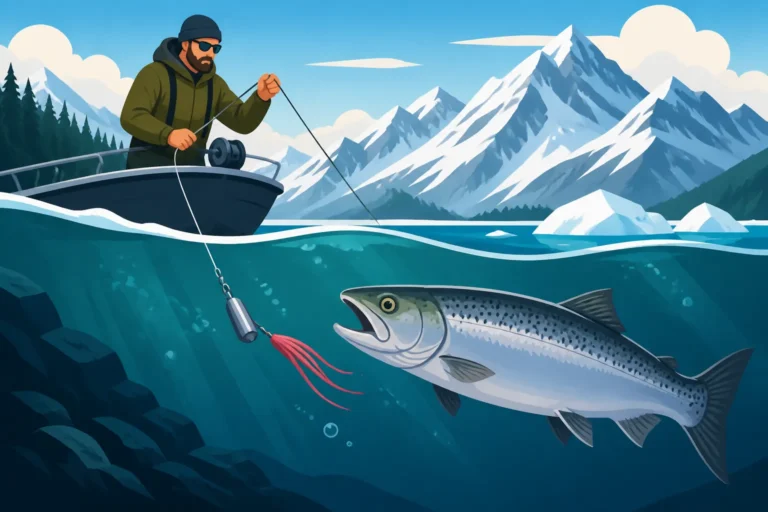
- Drift Fishing: This is often the preferred method for covering ground and finding where the halibut are congregating. You let the current and wind slowly move your boat, dragging your bait across the bottom. It's excellent for exploring new areas or when fish are scattered. The challenge is maintaining contact with the bottom; you'll need to constantly monitor your line and adjust your weight to prevent it from lifting too far off the seafloor or dragging too fast. A sea anchor or "drift sock" can be deployed to slow your drift, especially on windy days, which is often a game-changer.
- Anchoring: If you find a very productive spot—like a specific pinnacle or a deep hole—and the current is manageable, anchoring allows you to thoroughly fish that precise location. This can be great if fish are concentrated. The downside is that you're limited to that small area. Make sure you have a robust anchoring system appropriate for deep water and strong currents, as losing an anchor can be dangerous and costly. Charters often combine these methods, drifting over an area, then anchoring if they find a honey hole.
Understanding Tides and Currents for Optimal Placement
Tides and currents are powerful forces in Alaska's waters, and they dictate when and where you can effectively bottom fish. Ignoring them is a rookie mistake.
- Slack Tide: This is often a popular time to fish, especially during the "slack before high tide" or "slack before low tide." During slack water, the currents are minimal, making it easier to hold the bottom with lighter weights and detect subtle bites. Halibut can also be more active during these periods as they don't have to fight strong currents.
- Moving Tides: As the tide starts to move, currents increase. This can be fantastic for drift fishing, as the current carries your scent far and wide. However, you'll need heavier weights to maintain bottom contact. Pay attention to the direction of the current; ideally, you want your boat to drift with the current so your line goes straight down. Fishing against a strong current can cause your line to "scope out," making it difficult to feel bites and increasing the risk of tangles.
- Tide Charts: Always consult local tide charts before heading out. Knowing the timing and strength of the tides will help you plan your day, optimize your drift, and select the appropriate weights. A strong current can make certain areas unfishable with standard gear.
Ethical Practices and Post-Catch Care
Fishing in Alaska isn't just about catching fish; it's about respecting the resource and ensuring its sustainability.
- Regulations: Always, always, always be intimately familiar with the current Alaska Fishing Regulations Explained for your specific area. This includes Alaska Halibut Bag Limits Explained, size limits (e.g., Alaska Halibut Size Limit Explained), and any special rules, like Thursday closures or reverse slot limits for charter operations. Emergency orders can change regulations quickly, so check before every trip.
- Deepwater Release Devices: For rockfish, which are often caught as bycatch while halibut fishing, a deepwater release device is often mandatory. This helps them survive after being brought up from deep water. Even for halibut you plan to release (perhaps if you've reached your limit or caught an undersized fish), minimizing handling and using good catch-and-release practices are important.
- Fish Processing: Once you've caught your halibut, proper care is essential to preserve the quality of the meat. Bleed the fish immediately, keep it cold on ice, and get it to a processor quickly. Many coastal towns like Homer, Seward, and Valdez have excellent fish processing facilities that will fillet, vacuum seal, and even freeze and ship your catch home. Our article on How to Fillet a Halibut is a great resource if you plan to do it yourself. Always check Alaska Fish Transport and Shipping Rules if you plan to fly your catch home.
Bottom fishing for Alaska halibut is an immensely rewarding experience, blending anticipation, physical challenge, and the promise of some of the finest eating fish in the world. By understanding the gear, mastering the techniques, and respecting the regulations, you'll be well on your way to creating unforgettable memories on the Last Frontier's waters.
Disclaimer
The information provided in this guide is for general informational purposes only and is not intended as legal advice regarding fishing regulations. Alaska fishing regulations, including bag limits, seasons, and licensing requirements, can change frequently due to emergency orders and other factors. It is the responsibility of every angler to consult the most current Alaska Department of Fish and Game (ADF&G) regulations before fishing. Always check the official ADF&G website or local offices for up-to-date information specific to your fishing area and target species. Failure to comply with regulations can result in significant fines and penalties.