Alaska Salmon Run Calendar by River
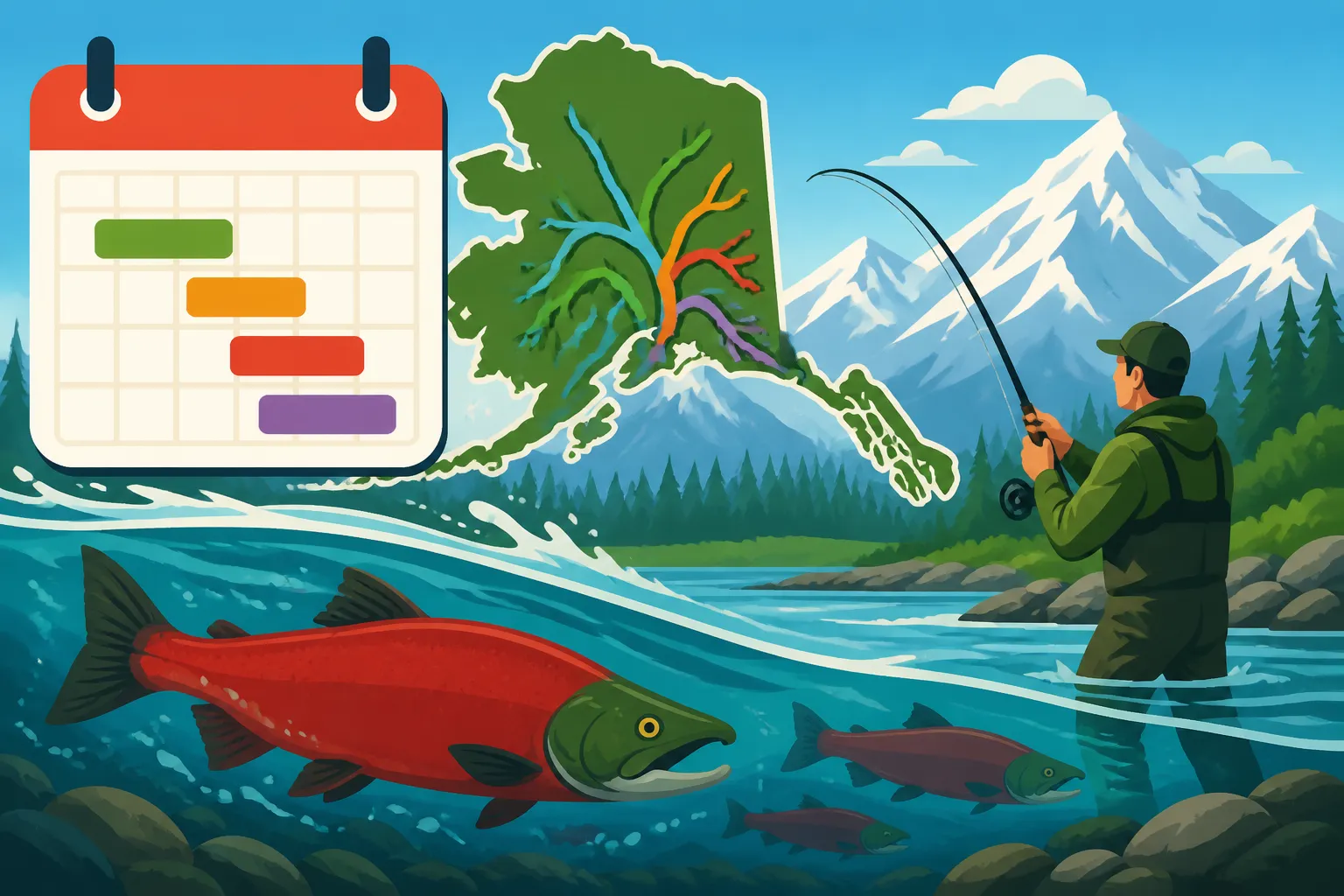
Trying to figure out exactly when and where the salmon are running in Alaska can feel like cracking a secret code. You hear whispers of "the sockeye are in on the Kenai!" one week, only for the run to shift or slow down by the time you arrive. This guide is here to demystify the Alaska salmon run calendar by river, giving you the solid, practical information you need to plan your ultimate fishing adventure and hit the runs at their peak.
Understanding Alaska's Salmon Species and Their Runs
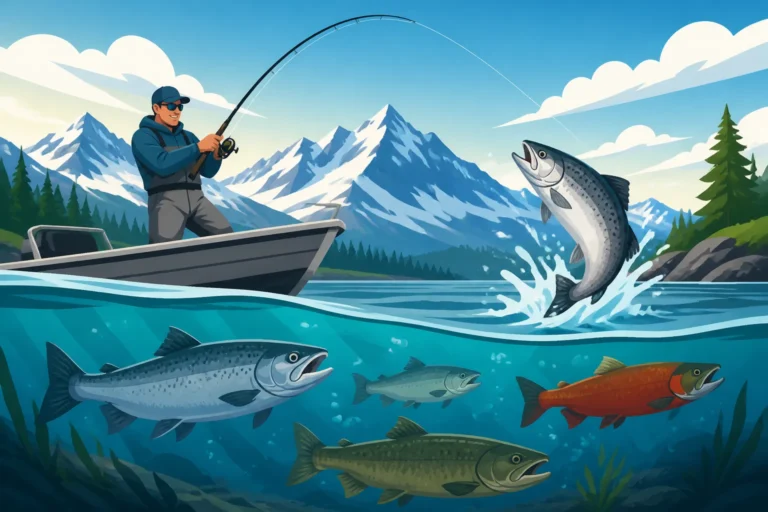
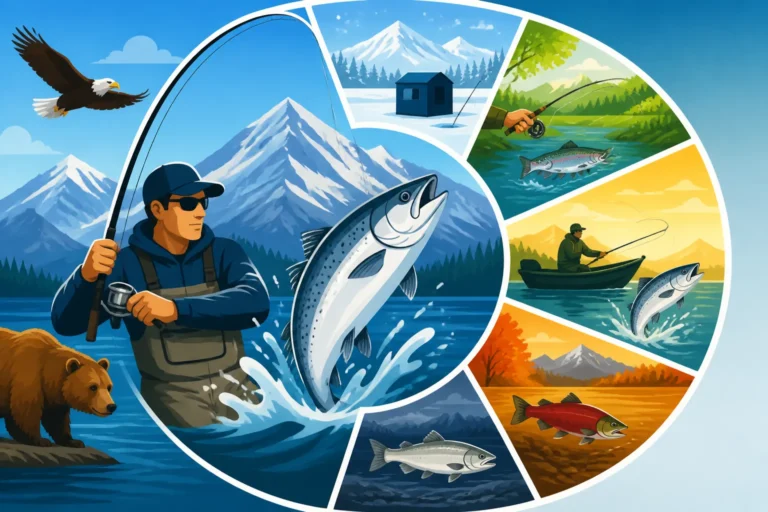
Alaska is practically synonymous with salmon, and for good reason! Five species of Pacific salmon return to Alaska's freshwater rivers and streams to spawn, offering incredible fishing opportunities from late spring through early fall. But here's the kicker: each species has its own preferred timing, and even within a species, the runs can vary significantly from one river system to another, and from year to year. It's a complex dance dictated by nature, and understanding the general rhythms is your first step to success.
The Five Pacific Salmon of Alaska
Before we dive into specific rivers, let's get acquainted with our finned friends. Knowing what you're targeting helps you understand their preferred habitats, fight styles, and, most importantly for this discussion, their typical run timings.
- King Salmon (Chinook): The largest and often most sought-after salmon. Kings are known for their powerful runs and incredible fighting ability. They typically kick off the salmon season, arriving in rivers from late May through July. Their runs are usually shorter and more concentrated than other species. When planning your trip, you'll want to review the specific Alaska King Salmon Fishing Regulations and Limits for your chosen area.
- Sockeye Salmon (Red): Famous for their vibrant red flesh and strong runs, sockeye are a favorite for subsistence and sport anglers alike. They primarily feed on zooplankton in the ocean, which is why they rarely bite traditional lures once they enter fresh water. Sockeye runs often overlap with Kings, generally peaking from June through July, but some systems see later runs.
- Chum Salmon (Dog): Often underestimated, chum salmon are strong fighters, especially in good condition. They're typically targeted for their roe (eggs) or for smoking. Their runs tend to be later than kings and sockeye, often from July into August, and they can be found in many of the same rivers.
- Pink Salmon (Humpy): The smallest and most abundant of the Pacific salmon. Pinks run in incredible numbers, particularly in even-numbered years (e.g., 2024, 2026) in Southcentral Alaska. They offer non-stop action, making them a fantastic target for families or novice anglers. Their runs are typically from July through August.
- Coho Salmon (Silver): Revered for their acrobatic fights and aggressive takes, coho salmon are a blast to catch. They are the last of the salmon to arrive in significant numbers, usually from late July through September, extending the salmon season well into the fall. For those interested in pursuing these energetic fish, checking out the Alaska Coho Salmon Fishing Regulations and Limits will be key.
General Salmon Run Timing Concepts
It's crucial to understand that a "run" isn't a single day event. It's a migration that can span weeks, with fish entering the river system in waves. You'll hear terms like "early run," "main run," and "late run" for the same species in the same river.
- Early Runs: These fish are the first wave, often the biggest and strongest individuals, pushing upriver with a lot of vigor. They can be harder to intercept as they're spread out.
- Main Runs: This is the peak, when the most fish are entering the system. This is often what anglers aim for, but it also means more competition on the water.
- Late Runs: The tail end of the migration. These fish might be more abundant but also might be further along in their spawning journey, sometimes showing signs of deterioration.
The timing of these runs is influenced by countless variables: ocean conditions, snowpack, rainfall, water temperature, and even lunar cycles. It's why local knowledge and flexibility are priceless when planning an Alaska fishing trip.
Navigating the Seasonal Salmon Runs Across Key Alaskan Rivers
Alaska is vast, and its rivers are numerous, each with its unique character and salmon populations. While we can't cover every single waterway, focusing on some of the most popular and productive rivers will give you a solid framework for understanding the statewide salmon calendar. For those looking at a broader picture, our Alaska Fishing Seasons: Month-by-Month Guide provides an excellent overview.
Kenai River System: A World-Renowned Salmon Fishery
The Kenai River, especially the section from Skilak Lake to Cook Inlet, is arguably Alaska's most famous salmon fishing destination, drawing anglers from all over the globe. It's known for its incredibly large King Salmon and famously strong Sockeye runs. The complexities of this river mean understanding its rhythms is crucial for success. You can dive deeper into this iconic waterway with our Kenai River Fishing: Complete Guide.
- King Salmon: The Kenai sees two distinct King Salmon runs.
- First Run (Late May – Late June): These are hatchery-reared fish, often smaller, but still a thrill to catch. They typically peak in mid-June.
- Second Run (Early July – End of July): This is the legendary wild run, home to some of the largest King Salmon on Earth. The peak is usually around the middle of July. Regulations for these kings can be very dynamic, often changing mid-season due to conservation concerns.
- Sockeye Salmon: The Kenai's sockeye runs are legendary, providing millions of fish.
- First Run (Late May – Early July): A smaller, more accessible run, often peaking in mid-June.
- Second Run (Mid-July – Mid-August): This is the massive run that draws thousands of anglers. Peak sockeye action is usually from the third week of July through the first week of August, particularly in popular spots like the Russian River confluence. For more detailed information, check out our guide on Alaska Sockeye Salmon Fishing Regulations and Limits.
- Coho Salmon: The silver salmon offer a fantastic fall fishery.
- First Run (Mid-August – Early September): These are strong, chrome-bright fish, providing excellent action.
- Second Run (Mid-September – Late October): A smaller run, but these late-season silvers are still aggressive.
- Pink Salmon: In even-numbered years, the Kenai gets a respectable pink salmon run from late July through August, offering continuous action.
Kasilof River: The Kenai's Quieter Cousin
Just south of the Kenai, the Kasilof River offers similar species but often with less pressure. It's a beautiful, glacial-fed river that can be incredibly rewarding.
- King Salmon: The Kasilof also has two king runs, often slightly earlier than the Kenai.
- First Run (Late May – Mid-June): Hatchery kings, peaking in early June.
- Second Run (Late June – Late July): Wild kings, with a peak in early to mid-July. Powerboats are restricted here, making for a more serene drift boat experience.
- Sockeye Salmon: The Kasilof's sockeye run mirrors the Kenai's second run, generally peaking from mid-July through early August.
- Coho Salmon: Similar to the Kenai, coho arrive in mid-August through September.
Russian River: Sockeye Central
A tributary of the Kenai River, the Russian River is famous, almost exclusively, for its incredible sockeye salmon fishing, particularly during the "combat fishing" season. If you're planning a trip here, be sure to read our Russian River Fishing: What to Know Before You Go article.
- Sockeye Salmon:
- First Run (Mid-June – Early July): A smaller, earlier run that often overlaps with the Kenai's first run sockeye.
- Second Run (Mid-July – Late August): This is the main event, with literally millions of sockeye pouring into the river. The peak is typically from the third week of July through the first week of August.
Mat-Su Valley Rivers (Susitna, Deshka, Little Susitna): Road-System Gems
North of Anchorage, the Mat-Su Valley offers numerous accessible rivers, often providing excellent fishing for all five species of salmon, though King Salmon numbers have been a concern in recent years.
- King Salmon: Late May through early July, peaking in June. The Deshka River is particularly known for its Kings, though strict regulations are often in place. If you're wondering When Do King Salmon Run in Alaska, these rivers are among the earliest.
- Sockeye Salmon: Late June through July, with the Susitna and its tributaries being prime spots.
- Chum Salmon: July through August, offering a good fight and often overlooked.
- Pink Salmon: July through August, especially abundant in even years.
- Coho Salmon: August through September, with late-season fish providing action into October in some years.
Bristol Bay Rivers (Nushagak, Naknek, Kvichak): Sockeye Mecca
While often fly-in destinations, Bristol Bay rivers like the Nushagak, Naknek, and Kvichak are globally renowned for their absolutely staggering sockeye salmon returns – the largest in the world.
- Sockeye Salmon: The runs here are truly epic, typically peaking from late June through late July. Millions upon millions of sockeye flood these rivers, making for an unforgettable experience.
- King Salmon: The Nushagak River boasts one of Alaska's largest King Salmon runs, peaking from mid-June through early July. It's an incredible destination for big Kings.
- Chum, Pink, Coho: These species also run in these systems, generally from July into August for chum and pinks, and August into September for coho, but the sockeye are the main attraction.
Southeast Alaska Rivers (Sitka, Ketchikan, Juneau areas): Coastal Riches
Southeast Alaska, with its countless islands and fjords, offers a different fishing experience, often involving more saltwater trolling for salmon before they enter rivers, but river fishing is still plentiful.
- King Salmon: May through July, with peak timing varying widely by specific river system and whether you're targeting ocean-feeders or river-bound fish.
- Sockeye Salmon: June through July, often in smaller, clearer river systems.
- Chum Salmon: July through August, very abundant in many systems.
- Pink Salmon: July through August, providing phenomenal action, especially in even-numbered years.
- Coho Salmon: Late July through September, offering fantastic action both in saltwater and once they enter the rivers.
Here's a general table summarizing the typical peak run timings for popular Alaska salmon species in key river systems. Remember, these are averages and actual timing can vary!
| River System | King Salmon (Chinook) | Sockeye Salmon (Red) | Chum Salmon (Dog) | Pink Salmon (Humpy) | Coho Salmon (Silver) |
|---|---|---|---|---|---|
| Kenai River | Mid-June (1st) / Mid-July (2nd) | Late June / Late July-Early Aug | Mid-July – Early Aug | Late July – Aug (Even Years) | Mid-Aug – Late Sep |
| Kasilof River | Early June (1st) / Early-Mid July (2nd) | Mid-July – Early Aug | Mid-July – Early Aug | Late July – Aug (Even Years) | Mid-Aug – Late Sep |
| Russian River | N/A | Mid-June (1st) / Late July-Early Aug (2nd) | N/A | N/A | N/A |
| Mat-Su Valley (e.g., Deshka, Susitna tributaries) | Mid-June | July | Late July – Aug | Late July – Aug (Even Years) | Aug – Sep |
| Bristol Bay (e.g., Nushagak, Naknek) | Mid-June (Nushagak) | Late June – Late July | July – Early Aug | July – Aug | Aug – Sep |
| Southeast Alaska (various) | June – Early July | July | July – Mid-Aug | July – Aug | Aug – Sep |
Factors Influencing Salmon Run Timing and How to Stay Updated
It would be too easy if the salmon just showed up on the same day every year, wouldn't it? The truth is, many factors influence the exact timing and strength of salmon runs, making flexibility and staying informed absolutely essential for any angler heading to Alaska.
Environmental Variables That Shift the Calendar
Mother Nature is the ultimate boss here. Even with the best historical data, environmental conditions can significantly impact when fish arrive and how they behave.
- Water Temperature: This is a huge one. Salmon are ectothermic, meaning their body temperature is regulated by their surroundings. If river temperatures are colder than average, salmon might delay their entry into freshwater. Conversely, warmer water can sometimes accelerate a run, but excessively hot water can also make fish lethargic or cause them to "hold" in deeper, cooler pockets of water before pushing upstream. A thermometer can be a valuable tool in your gear bag, and you can find many reliable options on Amazon.
- Water Levels and Flow: High water from heavy rains or rapid snowmelt can make it easier for fish to migrate quickly, often spreading them out across the river. Low water, on the other hand, can concentrate fish in deeper pools and channels, but it can also make their journey more difficult and stressful, sometimes delaying their push.
- Snowpack: The amount of snow in the mountains during winter directly impacts spring and early summer river flows. A heavy snowpack means colder, higher water for longer, potentially delaying early runs. A low snowpack might mean rivers warm up faster and drop earlier.
- Ocean Conditions: What happens in the ocean during the salmon's life cycle ultimately determines how many fish return. Food availability, ocean temperatures, and predation can all affect the overall size and health of a returning run. These factors are largely out of an angler's control but contribute to annual variations.
Emergency Orders: The Game Changers
One of the biggest frustrations for anglers planning an Alaska trip is the potential for emergency orders (EOs) to change regulations on a dime. The Alaska Department of Fish and Game (ADF&G) actively monitors salmon escapement (the number of fish making it past fishing areas to spawn) and in-river abundance. If numbers are low, they will issue EOs to restrict fishing – closing areas, changing bag limits, or prohibiting certain gear – to ensure enough fish make it to the spawning grounds. This is particularly common for King Salmon, which have faced conservation challenges in recent years.
Understanding Alaska Fishing Emergency Orders Explained is crucial. An EO can transform a planned King Salmon trip into a sockeye-only affair overnight. ADF&G's primary goal is conservation, and while it can be disappointing for anglers, it's essential for the long-term health of the fishery.
How to Stay Updated in Real-Time
Given the dynamic nature of salmon runs, relying solely on historical calendars isn't enough. You need real-time information.
- ADF&G Websites and Hotlines: This is your absolute best source. ADF&G maintains dedicated pages for sport fishing regulations, news releases, and frequently updates their "condition reports" for major rivers. They also often have recorded hotlines that provide the latest emergency order information. Make it a habit to check their site or call the relevant regional hotline daily once you're in Alaska. Our guide on How to Check Alaska Emergency Orders Before Fishing provides detailed steps.
- Local Tackle Shops: These are gold mines of information! The folks working at tackle shops like Three Rivers Fly & Tackle in Cooper Landing or Sportsman's Warehouse in Anchorage often have their ears to the ground, receiving updates from guides and everyday anglers. They can tell you what's biting, what gear is working, and the latest on river conditions.
- Fishing Guides: If you've booked a guide, they will be your most immediate source of local, up-to-the-minute intelligence. They live and breathe these rivers and will know the nuances of the run.
- Online Forums and Social Media Groups: While less official, many dedicated Alaska fishing groups on social media platforms or independent fishing forums can offer anecdotal, real-time reports from fellow anglers. Just be sure to cross-reference with official ADF&G sources.
Preparing for Your Trip: Gear, Licenses, and Local Knowledge
Hitting the salmon run at its peak requires not just good timing, but also proper preparation. From having the right equipment to understanding local rules, a well-planned trip maximizes your chances of success and enjoyment.
Essential Gear Considerations by Run Timing
The gear you'll need depends heavily on the species you're targeting and the river conditions you expect. Alaska weather is famously unpredictable, so layering is always key.
- Rain Gear: This is non-negotiable. A high-quality waterproof and windproof jacket and pants are essential, regardless of the forecast. Brands like Grundéns or Simms are popular among Alaskan anglers for their durability. You can find excellent options for Best Rain Gear for Alaska Fishing on Amazon.
- Waders and Boots: For river bank fishing, breathable chest waders are often necessary to navigate shallow areas, cross sloughs, or get to prime casting spots. Pair them with sturdy wading boots that offer good ankle support and grip on slippery river bottoms.
- Rods and Reels:
- King Salmon: You'll need heavy-duty gear, typically a medium-heavy to heavy action casting or spinning rod, 8-10 feet long, paired with a robust reel spooled with 30-50 lb braid.
- Sockeye Salmon: A medium-heavy spinning rod, 9-10 feet long, with a strong backbone is ideal for "flossing" or "flipping." Spool with 20-30 lb monofilament or fluorocarbon main line.
- Coho, Chum, Pink Salmon: Medium action rods, 7-9 feet, with matching spinning or casting reels spooled with 15-25 lb line are versatile for these species.
- Tackle: Lures, bait, and terminal tackle will vary widely. For sockeye, small unweighted hooks are standard. For Kings and Silvers, various spinners, spoons, Kwikfish, and cured eggs are popular. Always check current regulations for bait restrictions; for example, the Kenai River often has specific Alaska Bait Restrictions Explained. Our comprehensive Alaska Fishing Gear and Tackle Guide can help you put together your ideal setup.
The All-Important Alaska Fishing License and King Salmon Stamp
You absolutely need a valid Alaska fishing license to fish in Alaska, whether you're a resident or non-resident. It's one of the first things you should secure when planning your trip. The process is straightforward, and you can usually purchase them online or at most tackle shops and sporting goods stores once you arrive. You can find all the details in our guide: Alaska Fishing License: Complete Guide.
If you plan to target King Salmon, you will also need a separate King Salmon stamp, regardless of your residency. This stamp is an additional conservation measure and its cost varies. Make sure you've got this covered well in advance of your trip. Our article Do You Need a King Salmon Stamp in Alaska clarifies all the requirements.
The Value of Local Knowledge and Professional Guides
Even with all the research in the world, there's no substitute for local knowledge, especially on a vast and dynamic system like Alaska's rivers.
- Hiring a Guide: For many, especially first-timers or those looking to maximize their limited time, hiring an experienced local fishing guide is an invaluable investment. They know the river, the current hot spots, the right techniques, and the latest regulations and emergency orders. They provide all the necessary gear and boat, taking the guesswork out of the equation. Our guide on How to Choose an Alaska Fishing Charter can help you find the perfect fit.
- Connecting with Locals: Spend time in local coffee shops, diners, and tackle stores. Alaskans are generally friendly and often willing to share tips, especially if you show genuine respect for the resource and the local community. They can often provide insights that no online report can match.
Remember, planning for an Alaska salmon fishing trip is an exciting part of the adventure. By understanding the species, their run timings, the influencing factors, and preparing accordingly, you significantly increase your chances of a successful and memorable experience.
Disclaimer
The information provided in this guide is for general informational purposes only and is subject to change. Alaska fishing regulations, emergency orders, and salmon run timings can vary significantly and are regularly updated by the Alaska Department of Fish and Game (ADF&G). Always consult the official ADF&G website or local offices for the most current and accurate regulations before engaging in any fishing activities. We are not responsible for any actions taken based on the information provided herein.