How to Jigging for Salmon in Alaska
There's nothing quite like the thrill of feeling a powerful tug on your line in Alaska's pristine waters, but sometimes getting that strike can feel like a mystery, especially when fish aren't biting aggressively. You've heard whispers about jigging, seen other anglers successfully reeling in salmon, and wondered if it's the secret weapon you're missing. This comprehensive guide will pull back the curtain, teaching you everything you need to know about jigging for salmon in Alaska, from the right gear to the best techniques for each species.
Understanding Jigging for Alaska Salmon
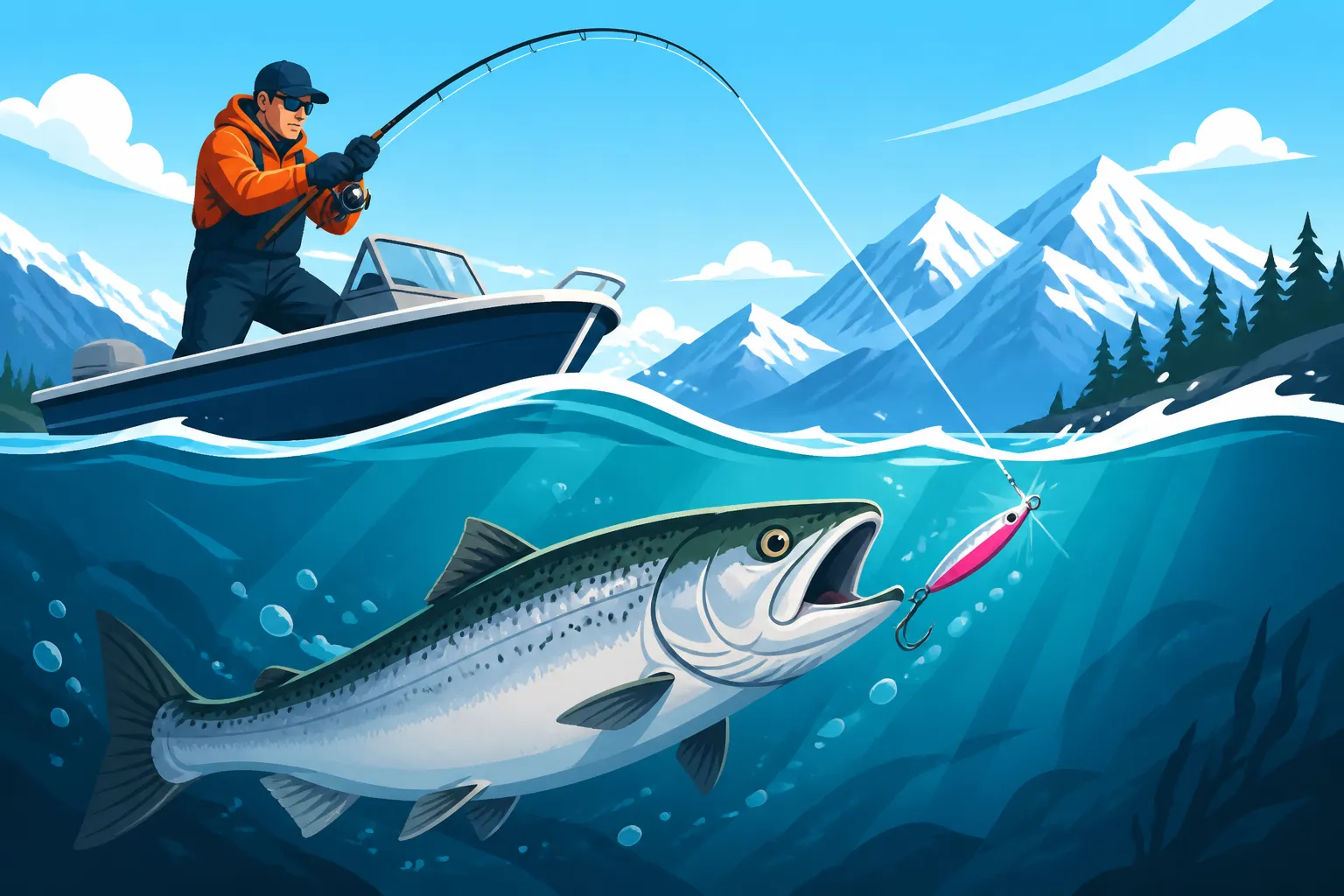
Jigging is an incredibly versatile and effective fishing technique, especially when you're targeting salmon that might be holding deeper in the water column or are less inclined to chase a trolled lure. It's essentially presenting a weighted lure, or "jig," to imitate an injured baitfish or an easy meal, using a vertical motion to entice a strike. What makes it so popular in Alaska is its ability to adapt to varying water conditions and salmon behaviors, offering a more active and engaging fishing experience.
Why Jigging Excels in Alaskan Waters
Alaska's rivers and saltwater bays are dynamic environments. Salmon runs can be thick one day and spread out the next. Water levels change, currents shift, and fish can be found at a variety of depths. This is where jigging truly shines. Unlike trolling, which relies on boat movement to cover water, jigging allows you to precisely target specific depths and structures, making it perfect for pinpointing schools of salmon or individual fish detected on your fish finder. Imagine you're fishing a deep hole on the Kenai River for Kings, or searching for Silvers congregating near a drop-off in Prince William Sound; a well-presented jig can often be the most productive offering. It’s a method that gives you a direct connection to your lure, letting you feel every subtle tap and aggressive strike, which is incredibly satisfying.
Different Types of Jigs for Salmon
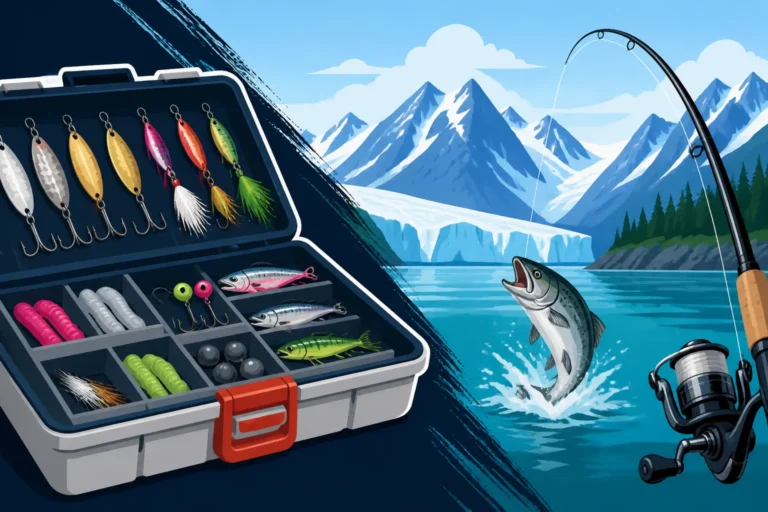
The world of fishing jigs is vast, but for Alaska salmon, we typically focus on a few key styles, each with its own advantages. Understanding these will help you choose the right tool for the job.
- Vertical Jigs (Speed Jigs): These are slender, often weighted heavily, and designed to sink quickly. They're fantastic for deep water and strong currents, typically worked with a fast, erratic retrieve that mimics a fleeing baitfish. Think about using these in saltwater for coho salmon or deepwater king salmon that are gorging on herring.
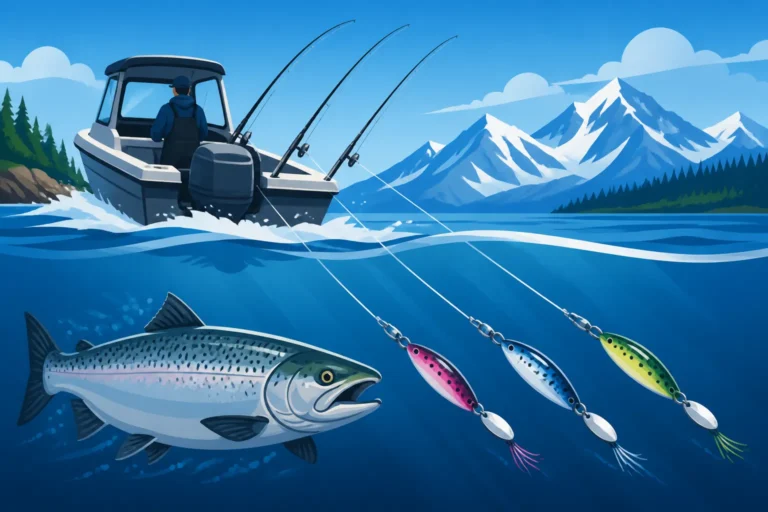
- Spoon Jigs: Spoon jigs, like the classic Pixee Spoon or Krocodile Spoon, have a concave or curved shape that gives them a wobbling, fluttering action on the retrieve or fall. They imitate an injured baitfish or a flashy insect, making them excellent for both freshwater rivers and saltwater estuaries. Many anglers swear by spoon jigs for aggressive silver salmon in the late summer.
- Lead Head Jigs (Bucktail, Marabou, or Soft Plastic): These are some of the most versatile jigs. A weighted head (usually lead) is combined with a skirt of hair (bucktail), feathers (marabou), or a soft plastic body. They come in countless shapes, sizes, and colors. The beauty of these jigs is their lifelike action; the soft materials pulsate and breathe in the water, irresistible to many salmon species. For example, a heavy lead head jig with a curly tail grub or a paddle tail can be deadly for targeting aggressive King Salmon in the river currents or bottom-dwelling Cohos in saltwater.
- Vibrating Jigs: While less common for salmon, these jigs, sometimes called blade baits, have a distinct vibration when retrieved, sending out enticing pulses. They can be effective in stained water or when fish are relying more on their lateral line to detect prey.
Essential Gear for Jigging Alaska Salmon
You don't need a tackle shop's worth of specialized gear to start jigging, but having the right setup makes a world of difference. Proper rods, reels, lines, and of course, the jigs themselves, will significantly improve your success rate and your overall enjoyment. Many of these items can be found readily on platforms like Amazon, making preparation convenient.
Rods and Reels for Optimal Jigging Performance
Choosing the right rod and reel combination is crucial for effective jigging. You need a setup that can handle heavy lures, detect subtle bites, and most importantly, muscle in powerful Alaska salmon.
Rod Selection
Look for a rod that has a fast to extra-fast action, meaning the tip bends easily but the backbone is stiff. This allows for excellent sensitivity to feel bites and impart action to your jig, while providing the power needed to set the hook and fight a strong fish.
- Length: For saltwater jigging from a boat, rods typically range from 6 to 7.5 feet. Shorter rods give you more leverage against heavy fish, while longer rods offer better casting distance if needed. For river jigging, especially from a bank, a slightly longer rod (7-9 feet) might be advantageous for casting and line control, but remember that many Alaska King Salmon regulations and limits will dictate specific gear.
- Power: Medium-heavy to heavy power is ideal. You'll be throwing jigs ranging from 1/2 ounce to several ounces, and a powerful rod is necessary to manage these weights and the subsequent fight.
- Material: Graphite rods are usually preferred for their sensitivity and lighter weight, which is important when you’re actively jigging for hours.
Reel Selection
Pair your rod with a reliable spinning or baitcasting reel that has a strong drag system and ample line capacity.
- Spinning Reels: These are very popular for their ease of use and versatility. Opt for a size 4000 to 6000 reel with a smooth, powerful drag. Brands like Shimano or Penn offer excellent options that can withstand the demands of Alaskan fishing. A good spinning reel can be a critical part of your setup, whether you're targeting big Kenai River Sockeye or hefty Halibut.
- Baitcasting Reels: For those accustomed to baitcasters, a low-profile model with a robust retrieve and excellent casting control can be very effective, especially for heavier jigs and targeting larger species like King Salmon. Look for models designed for saltwater or heavy freshwater use, boasting a strong gear ratio for quick line retrieval.
Line, Leaders, and Terminal Tackle
Don't skimp on your line and leaders; they are the direct link between you and your trophy salmon.
Braided Line
Braided line is almost universally recommended for jigging due to its zero-stretch property, which transmits even the lightest tap directly to your hands. This sensitivity is critical for detecting subtle bites in deep water or strong currents.
- Weight: For most salmon jigging, 30 to 60-pound braided line is a good starting point. Lighter line (30-40lb) might be fine for Cohos and Sockeye, while heavier (50-60lb) is better for Kings and Halibut.
- Color: The color of braided line is less critical as you'll be using a fluorocarbon leader. High-visibility colors can help you track your line, but some prefer low-vis colors.
Leaders
A fluorocarbon leader is essential. It's nearly invisible underwater, more abrasion-resistant than braid, and provides a small amount of stretch, which can act as a shock absorber during violent head shakes.
- Material: 100% fluorocarbon is the way to go.
- Weight: Match your leader strength to the species you're targeting and the braided main line. Typically, 25 to 50-pound test fluorocarbon will suffice. For aggressive King Salmon, you might even step up to 60-pound.
- Length: A leader of 3-6 feet is usually sufficient. Attach it to your braided line using a strong knot like an FG knot or an Albright knot.
Terminal Tackle
Beyond the jig itself, a few other items are critical.
- Swivels: High-quality barrel or ball-bearing swivels prevent line twist, especially when using spoon jigs or certain soft plastics.
- Snaps/Split Rings: Some anglers prefer to attach jigs via a snap or a split ring for quicker changes. Ensure they are heavy-duty to avoid failure.
- Hooks: Many jigs come with treble hooks, but in Alaska, many fisheries have specific regulations regarding hooks, often requiring single hooks, barbless hooks, or specific gap sizes. Always check the current Alaska Fishing Regulations Explained for the area you're fishing. For instance, the Kenai River often has very strict rules. If your jig comes with a treble, consider swapping it out for a strong single assist hook, which can improve hook-ups and make releasing fish easier. Finding suitable assist hooks in various sizes is quite easy on Amazon.
Essential Jigs and Their Applications
You'll want a selection of jigs to cover different depths, conditions, and salmon species. Here’s a basic table to guide your choices:
| Jig Type | Common Sizes (ounces) | Target Species | Typical Depth | Key Characteristics |
|---|---|---|---|---|
| Vertical Jigs | 2-8+ | King Salmon (saltwater), Coho Salmon, Halibut | Deep (30+ feet) | Sleek, heavy, fast sink rate. Erratic action. |
| Spoon Jigs | 1/2 – 3 | Coho Salmon, King Salmon (rivers), Sockeye | Mid-shallow (5-40 feet) | Wobbling, fluttering action. Flashy. Imitates injured baitfish. |
| Lead Head Jigs | 1/2 – 4 | All Salmon species, especially King & Coho | All depths | Versatile, can be tipped with bait. Soft plastic/hair skirts provide lifelike movement. |
| Vibrating Jigs | 1/4 – 1 | Coho Salmon (aggressive) | Shallow-mid (5-25 feet) | Distinct vibration on retrieve. Useful in stained water. |
Colors are also important. Generally, brighter, flashier colors like chrome, chartreuse, pink, and glow-in-the-dark are excellent for saltwater and stained freshwater. Natural baitfish colors like blue/silver or green/silver work well in clear water. Often, local knowledge will tell you the hot colors for specific rivers or bays; don't be afraid to ask around at local tackle shops.
Mastering Jigging Techniques for Different Salmon Species
Jigging isn't a one-size-fits-all technique. Each salmon species in Alaska has its own preferences, behaviors, and typical locations, so adapting your jigging style is key to success. Understanding these nuances will significantly increase your hook-up rates.
Jigging for King Salmon (Chinook)
King Salmon are the prize of Alaska fishing, known for their immense power and stubborn fights. When targeting Kings with jigs, particularly in rivers, you're often looking to elicit a reaction strike rather than a feeding bite, as they tend to become less interested in feeding once they enter freshwater to spawn.
River King Jigging Tactics
In rivers like the Deshka River or parts of the Kenai River, King Salmon often hold in deeper holes, behind structure, or in areas with slower currents where they can conserve energy. Your jigging technique needs to get the lure right into their strike zone and present it enticingly.
- Heavy Lead Head Jigs: Use heavy lead head jigs (1-3 oz) with large, pulsating soft plastic bodies (like a 6-8 inch grub or paddle tail) or a generous bucktail skirt. Colors like chartreuse, pink, white, or black are often effective.
- Vertical Presentation: Cast your jig upstream or quarter-upstream of where you suspect Kings are holding. Allow it to sink to the bottom, then work it with a series of short, sharp lifts of the rod tip, letting it fall back on a semi-slack line. The goal is to make the jig "dance" near the bottom, kicking up puffs of sediment, mimicking an easy meal or an annoying intruder. Keep a tight line on the fall to detect subtle "thunks" or pauses that indicate a bite.
- Boat vs. Bank: From a boat, you can often motor slowly upstream, then drift back down, continually presenting your jig vertically to the fish. From the bank, you'll rely more on casting and retrieving, aiming to cover promising water. Remember to check local regulations for specific areas, as rules for Alaska King Salmon Fishing Regulations and Limits can change frequently.
Saltwater King Jigging Tactics
Saltwater King Salmon are often feeding aggressively, making them more susceptible to traditional jigging methods. In locations like Resurrection Bay near Seward or parts of Kachemak Bay, Kings are often found chasing baitfish schools.
- Vertical Jigs and Spoons: Use vertical jigs (2-6 oz) or heavy spoon jigs. Chrome, blue/silver, or glow-in-the-dark patterns are excellent, especially when mimicking herring or candlefish.
- Depth and Speed: Locate bait balls or King Salmon on your fish finder. Drop your jig directly into the school. Work it with a fast, upward jerk, then let it flutter back down. The key is often a vigorous, repetitive motion to attract attention. Sometimes, a faster retrieve on the way up will trigger a chase, while other times, a longer, fluttering fall is what they want.
- Tip with Bait: Don't hesitate to tip your jig with a small piece of herring or a salmon roe cluster. The added scent and visual appeal can make a huge difference, especially on slower days. This can be particularly effective when fish are somewhat lethargic.
Jigging for Silver Salmon (Coho)
Silver Salmon are known for their acrobatic fights and aggressive strikes, making them an absolute blast to catch on jigs. They are often found in both saltwater and freshwater as they move upriver.
River Coho Jigging Tactics
As Cohos enter rivers, they remain highly predatory, often hitting jigs with enthusiasm. They tend to hold in slightly shallower water than Kings, often along current seams, log jams, or slower eddies.
- Spoon Jigs and Lead Head Jigs: Mid-sized spoon jigs (1/2 to 2 oz) in vibrant colors like pink, chartreuse, orange, or a combination of these are incredibly effective. Lead head jigs with curly tails or paddle tails in similar colors are also excellent. Many anglers will swear by a pink lead head jig for Cohos in rivers like the Kenai River or Kasilof River.
- Cast and Retrieve: Cast your jig across or slightly upstream of potential holding water. Let it sink for a few seconds, then begin a retrieve with a series of sweeps and pauses. Sweep the rod tip up to impart a strong action, then drop it back, allowing the jig to flutter. Cohos often hit on the fall or when you resume the retrieve.
- Vary Your Depth: Cohos can be found at various depths, so experiment. If you're getting hits shallow, keep it there. If not, let it sink longer on subsequent casts. This ability to easily adjust your depth is why many consider jigging one of the best fishing techniques for Alaska.
Saltwater Coho Jigging Tactics
Saltwater Cohos are often found in schools, chasing baitfish in bays and near river mouths. They are perhaps the most enthusiastic jig biters in the salt.
- Vertical Jigs and Spoons: Lighter vertical jigs (1-3 oz) and spoon jigs work wonders. Chrome, green/silver, blue/silver, and pink are all great choices. The "candlefish" pattern is a classic for a reason.
- Fast and Furious: When you find a school of Cohos, often indicated by diving birds or fish breaking the surface, drop your jig and retrieve it quickly. A rapid jigging motion, often called "speed jigging," can provoke a feeding frenzy. If the fish are deeper, a more moderate retrieve with pauses can also be effective.
- Look for Structure: Cohos love to congregate around kelp beds, rock outcroppings, and underwater pinnacles where baitfish hide. Jigging around these structures can be incredibly productive. You might even stumble upon some Lingcod or Rockfish! To maximize your chances, consult articles like Best Time to Catch Silver Salmon in Alaska to align your trip with peak activity.
Jigging for Sockeye Salmon (Red)
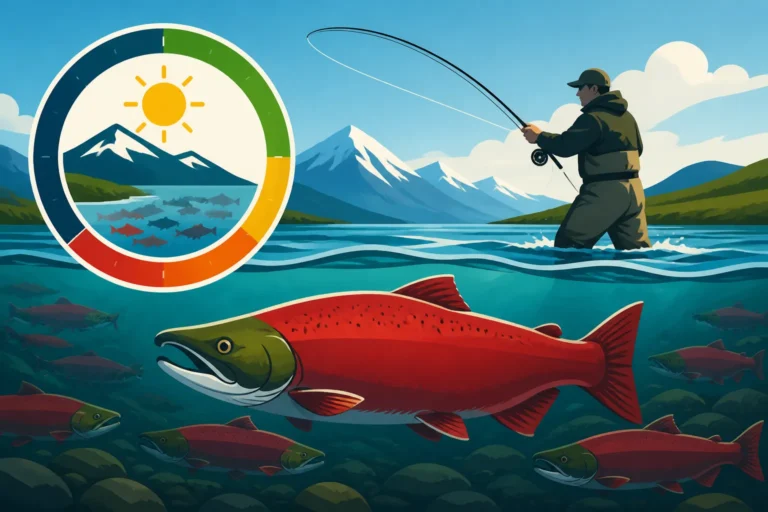
Sockeye Salmon are primarily filter feeders in the ocean, feeding on plankton. Once they enter freshwater, they generally stop feeding. This means traditional jigging for a feeding bite is often ineffective. However, Sockeye can be "snagged" or "flossed" with jigs in certain designated fisheries, a technique that targets the fish's body rather than its mouth.
Sockeye "Jigging" (Flossing) Tactics
It's crucial to understand that actively jigging a lure to entice a bite from a Sockeye in freshwater is typically not the legal or effective method. Instead, Sockeye are often caught by "flossing" or "lining" which involves drifting a weighted leader and a bare hook or small jig through a school of fish, aiming for the line to catch the fish's mouth, or body if allowed by regulation.
- Regulations are paramount: Always, always check the specific Alaska Fishing Regulations Explained for the river you are fishing, as rules for Sockeye can be highly specific and change frequently. Some rivers prohibit snagging, while others have designated "personal use" fisheries where specific methods, like "flossing," are permitted.
- Small, Heavy Jigs/Weights: In areas where flossing is allowed, anglers typically use a heavy lead weight or a small, heavy jig (like a 1/2 to 1 oz lead head jig with no soft plastic or a tiny fly) on a long leader (often 4-6 feet) ahead of a bare hook.
- The Flossing Motion: The idea is to cast upstream and let the weight/jig sink to the bottom. As the current carries your line downstream, the long leader and hook trail along, ideally sweeping into the Sockeye's open mouth. A sharp, upward sweep of the rod tip as the fish is encountered can set the hook in the jaw. This is a highly specialized technique that requires practice and patience and is only legal in very specific circumstances.
Where and When to Jig for Salmon in Alaska
Knowing where and when to present your jig is just as important as knowing how. Alaska's vastness means understanding regional variations and seasonal timing is paramount.
Ideal Locations for Jigging Success
Alaska offers a plethora of jigging opportunities, both in its productive rivers and nutrient-rich saltwater environments.
Saltwater Hotspots
Many of Alaska's coastal towns are renowned for their saltwater salmon jigging.
- Homer: Known as the "Halibut Fishing Capital of the World," Homer's Kachemak Bay also boasts excellent Coho and King Salmon jigging opportunities, especially during feeder King season or when Cohos are staging near the Homer Spit. Drift jigging with vertical jigs can be very productive here.
- Seward: Resurrection Bay in Seward is a fantastic saltwater jigging destination. You'll find aggressive Coho Salmon here from July through September, often feeding heavily on baitfish. Vertical jigs in chrome or blue/silver are top producers. King Salmon also cruise the bay, especially in early summer.
- Prince William Sound: With its countless coves and islands, Prince William Sound offers abundant opportunities for jigging, particularly for Coho and Pink Salmon. Look for structure like submerged reefs and rocky points.
- Southeast Alaska (Sitka, Juneau, Ketchikan): These regions are prime for saltwater salmon. Jigging near deep drop-offs, kelp beds, and current seams can yield impressive results for both Kings and Cohos throughout their seasons. Charters in these areas often employ jigging techniques alongside trolling. Many of these areas are covered in our guide to Best Fishing Spots in Alaska.
River Jigging Havens
While less common for all salmon species, river jigging can be incredibly effective for Kings and Cohos in certain systems.
- Kenai River: While famous for its sockeye salmon run, jigging for King Salmon on the lower to middle Kenai River can be highly productive, especially during periods when other techniques are restricted or less effective. Look for guides running drift boats or powerboats using large lead head jigs. The Kenai River King Salmon Fishing Guide provides more detailed insights into techniques here.
- Kasilof River: Similar to the Kenai, the Kasilof also sees King and Coho runs, and jigging can be a fruitful method in specific holes and runs, particularly with lead head jigs.
- Deshka River: North of Anchorage, the Deshka River is another key river for King Salmon, and jigging heavy lead heads in the deeper sections is a common and successful tactic, especially in the early season.
- Clearwater River (Delta Junction): This Interior Alaska river is known for its incredible Arctic Char and Rainbow Trout fishing, but also sees runs of salmon where jigging can be effective in certain areas.
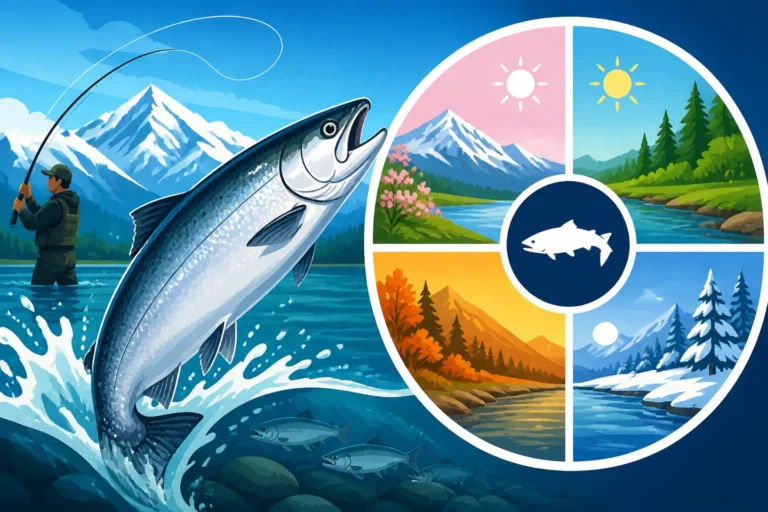
Timing Your Jigging Trip for Peak Salmon Runs
Knowing the general Alaska Salmon Run Timing Explained for each species is crucial for planning a successful jigging trip. While salmon are present throughout the summer, specific windows offer the best chances.
King Salmon Season
- Rivers: King Salmon runs typically start in mid-May and continue through July. Early season (late May to mid-June) can be excellent for aggressive river Kings on jigs.
- Saltwater: Feeder King fishing can occur year-round in some areas, but the main run of migrating Kings typically starts in late May and peaks in June.
- If you're wondering When Do King Salmon Run in Alaska, know that the season can vary slightly by region and even by specific river systems.
Coho Salmon Season
- Rivers: Coho Salmon (Silver Salmon) are late summer to early fall fish. Their runs usually begin in late July, peak in August, and continue strong into September, and sometimes even October in certain systems. This is arguably the best time for jigging for salmon in rivers, as Cohos are often very responsive to jigs.
- Saltwater: Saltwater Coho fishing typically kicks off in July and remains excellent through August and September. These aggressive fish often congregate in large schools, making them ideal jigging targets.
Sockeye Salmon Season
- Rivers: Sockeye Salmon runs are usually from late June through July, with some early runs starting in mid-June and late runs extending into August. As mentioned, jigging for Sockeye in freshwater is a specialized "flossing" technique governed by strict regulations, not typically a feeding bite.
By aligning your visit with the peak of these runs and targeting the right locations, your chances of a memorable jigging experience in Alaska will skyrocket. Always remember to check the latest emergency orders from the Alaska Department of Fish and Game, as regulations, especially for King Salmon, can change quickly based on escapement numbers.
Disclaimer
Fishing in Alaska involves inherent risks. This guide provides general information and recommendations. Always prioritize safety, be aware of your surroundings, and respect local wildlife. Fishing regulations are subject to change; it is your responsibility to consult the most current Alaska Department of Fish and Game regulations and emergency orders for the specific waters you intend to fish. Obtain all necessary licenses and stamps before fishing.