Bank Fishing in Alaska: How-To Guide
It's easy to feel overwhelmed by the sheer scale of Alaska fishing, especially when you hear about expensive fly-out trips or dedicated charter boats. Many anglers, myself included, have wondered if you really need a massive budget or a private guide to experience the thrill of landing a trophy fish in the Last Frontier. The great news is, you absolutely don't! This guide will dive deep into the world of bank fishing in Alaska, proving that some of the most accessible and rewarding fishing experiences are found right from shore.
Why Bank Fishing is a Fantastic Option in Alaska (and What Challenges You Might Face)
Alaska is synonymous with world-class fishing, and while charters and remote lodges get a lot of press, the reality is that many incredible opportunities exist for those who prefer to keep their feet on solid ground. Bank fishing offers a unique blend of accessibility, affordability, and a deep connection to the Alaskan wilderness that boat-based excursions sometimes miss.
The Allure of Fishing from Shore
Let's be honest, the idea of fishing in Alaska can seem incredibly intimidating. You picture vast, untamed rivers, remote wilderness, and the kind of expenses that make your wallet weep. But for many, the charm of bank fishing lies precisely in its contrast to this perception. You don't need a boat, a special launch, or to coordinate with a captain's schedule. You simply find a promising spot, set up, and cast.
This accessibility makes bank fishing perfect for a variety of anglers. It’s incredibly cost-effective compared to chartering a boat, which can run hundreds, if not thousands, of dollars. It's also fantastic for families or those traveling with non-fishing companions, as you can easily combine a few hours of fishing with other roadside adventures. Plus, there's a certain satisfaction that comes from exploring a river on foot, discovering your own honey holes, and feeling truly immersed in the landscape.
Another often-overlooked benefit is the sheer tranquility (most of the time!). While some popular spots can get crowded, many stretches of river offer solitude. It’s an opportunity to truly slow down, observe the wildlife, listen to the river, and simply enjoy the peace that Alaska offers. You're not just fishing; you're experiencing Alaska in a raw, authentic way, often discovering hidden gems just a stone's throw from the road.
Overcoming Common Bank Fishing Hurdles
Now, let's be realistic: bank fishing in Alaska isn't always a walk in the park. The very popularity of certain species and locations can lead to crowds, especially during peak salmon runs. You might find yourself shoulder-to-shoulder with dozens of other anglers, a phenomenon affectionately (or not-so-affectionately) known as "combat fishing." This can be a shock for those used to more solitary fishing experiences, and it requires a certain degree of patience and etiquette.
Access can also be a challenge. While some areas are well-marked and have designated parking and trails, others might require a bit of bushwhacking or navigating uneven terrain. Understanding public access points versus private property is crucial, and it's not always obvious. Rivers also present unique challenges; strong currents, fluctuating water levels, and snags can make casting and retrieving a workout.
Finally, while bank fishing is often more budget-friendly, you still need the right gear. Hauling heavy tackle boxes, waders, and multiple rods can be cumbersome, especially if you're hiking a bit to get to your spot. Different techniques are often required compared to boat fishing, and what works one day might not work the next. But don't despair – with a little planning and the right mindset, these hurdles are easily overcome, leading to incredibly rewarding experiences.
Essential Gear for Successful Alaska Bank Fishing
Getting properly equipped for Alaska bank fishing doesn't mean breaking the bank, but it does mean choosing wisely. The right gear can make the difference between a frustrating day and an unforgettable one. Think versatility, durability, and comfort.
Rods, Reels, and Lines for River and Bank
When it comes to rods and reels, you'll want setups that can handle the powerful fish Alaska is famous for. For salmon, especially the hard-fighting King Salmon or the strong Sockeye, a medium-heavy to heavy spinning or casting rod, typically 8.5 to 10.5 feet long, is a good starting point. This longer length helps with casting distance from shore, mending line in currents, and providing leverage when fighting a strong fish. Pair this with a sturdy spinning reel (size 4000-6000) or a robust baitcasting reel capable of holding at least 200 yards of line.
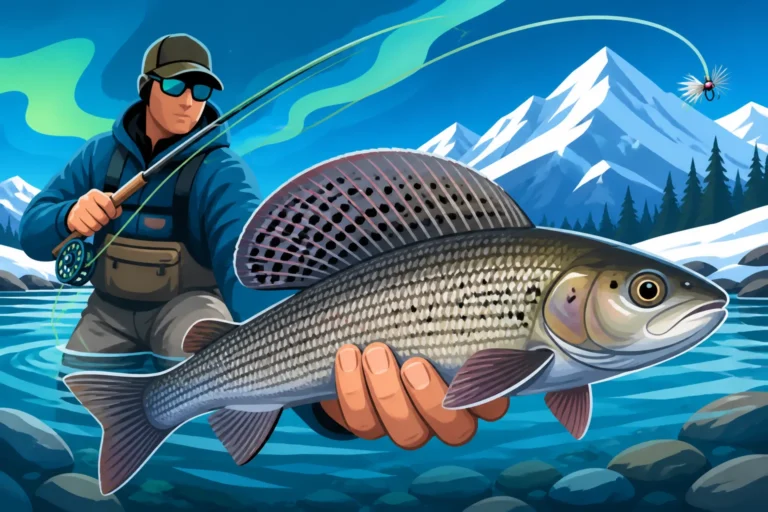
For line, a braided main line of 20-40 lb test is highly recommended. Braid offers incredible strength, sensitivity, and casting distance. You'll want to connect a fluorocarbon leader (15-30 lb test, depending on species and water clarity) using a strong knot like an Albright or an FG knot. Fluorocarbon is less visible to fish and more abrasion-resistant, which is crucial when fishing around rocks and snags. If you're targeting smaller species like Rainbow Trout or Arctic Grayling, a lighter setup – a medium-light rod around 7-8 feet with a 2500-3000 size reel and 8-12 lb test line – will be more appropriate.
Many experienced bank anglers carry two different rod setups: a heavier one for salmon and a lighter one for trout or smaller species. This allows for quick adaptation to changing conditions or target fish. While buying new, you can find a huge selection of rods, reels, and lines on platforms like Amazon, often with reviews that can help guide your choice based on specific needs and budget.
Must-Have Terminal Tackle and Lures
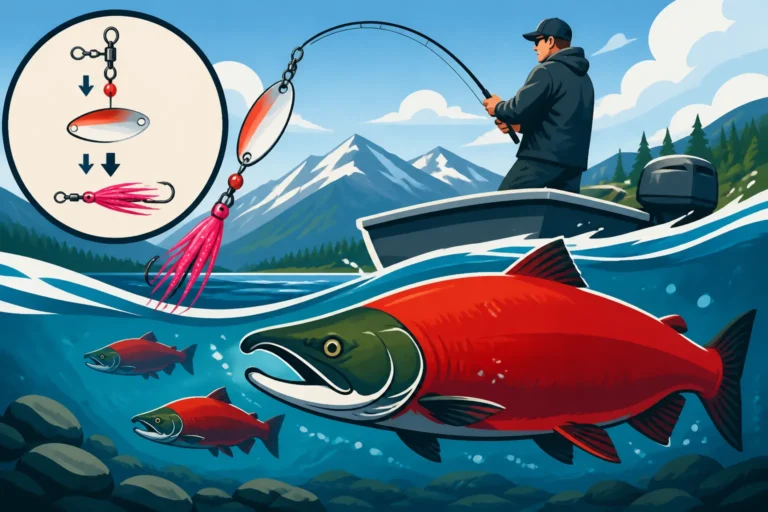
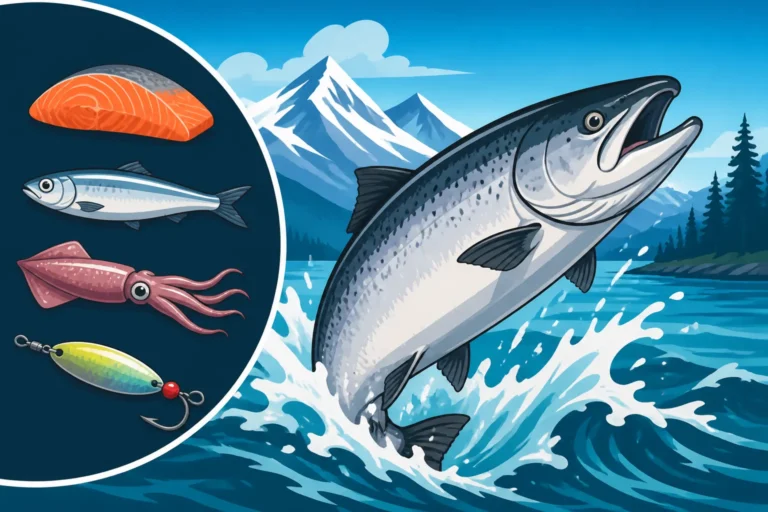
Your tackle box will be your best friend, and when bank fishing, you have the luxury of bringing more options than you might on a crowded boat. For salmon, a collection of brightly colored spinners (Blue Fox Vibrax, Mepps Aglia), spoons (Pixie, Krocadile, Daredevil), and plugs (Kwikfish, Flatfish) in various sizes and colors is essential. These are workhorses that entice all five species of Pacific Salmon. For Sockeye, specialized rigs like unweighted or lightly weighted beads and flies, often fished on a leader, are incredibly effective and sometimes legally mandated in certain fisheries.
When targeting trout, a variety of bead sizes and colors that mimic salmon eggs are indispensable, especially during and after salmon spawning. Small spinners, inline weights, split shot, swivels, and a range of hook sizes (from small single hooks for Sockeye to larger octopus hooks for Kings) are also critical. Don't forget a good selection of lead or tungsten weights in various sizes, as current strength can dictate how much weight you need to get your offering down to the fish.
It’s always a good idea to stock up on these consumables before your trip, as local shops can sometimes run out of popular items during peak season. You can easily build a comprehensive tackle collection by browsing options on Amazon, allowing you to compare brands and find exactly what you need. Remember, having a diverse array of lures and tackle means you're prepared for whatever the fish are biting on that day.
Dressing for Success and Personal Comfort
Alaska's weather is famously unpredictable. A sunny morning can quickly turn into a chilly, rainy afternoon, and river water is always cold. Dressing in layers is paramount. Start with a moisture-wicking base layer, add insulating fleece or wool, and top it with a waterproof and windproof outer shell. Your outer layers should be durable; you’ll be brushing against bushes and kneeling on riverbanks. For some ideas on layering, check out our guide on What to Wear on an Alaska Fishing Charter.
High-quality waders are almost non-negotiable for most bank fishing scenarios in Alaska. Chest waders, either breathable stockingfoot paired with wading boots or bootfoot waders, allow you to safely enter the shallows, navigate uneven riverbanks, and access deeper channels that might be out of casting range from the dry shore. Ensure your wading boots have good traction for slippery rocks. Neoprene gloves can also be a lifesaver on colder days, keeping your hands functional.
Finally, let's talk about safety. When you're fishing on salmon streams, especially in remote areas or where foliage is thick, you are in bear country. Always carry bear spray and know how to use it. Store it in an easily accessible holster, not tucked away in your backpack. Other essentials include a small first-aid kit, a headlamp, insect repellent, and plenty of water and snacks. For a comprehensive overview of your license needs, be sure to read our full guide on the Alaska Fishing License: Complete Guide.
Top Bank Fishing Techniques for Alaska's Waters
Bank fishing in Alaska isn't just about throwing a line in the water; it's about understanding the river, the fish, and employing the right techniques. These strategies will help you put more fish on the bank, regardless of the species you're targeting.
Drift Fishing for Salmon
Drift fishing is arguably the most fundamental and effective technique for bank anglers targeting salmon in Alaska's rivers. The goal is to present your bait or lure naturally along the river bottom, allowing the current to carry it into fish-holding lies. This requires skill in reading the water: identifying current seams, eddies, deeper pockets, and areas where salmon might be resting or traveling upstream.
To execute a proper drift, you'll need the right amount of weight to get your offering down without dragging excessively. Too little weight, and your bait will wash over the fish; too much, and it will snag on the bottom constantly. A common rig involves a three-way swivel, with your main line tied to one eye, a leader to your hook or lure on another, and a short dropline to a pencil lead or Slinky weight on the third. The length of your dropline dictates how far your weight is from your bait, allowing for fine-tuning based on river depth and snags. For a deeper dive into this technique, check out our detailed guide on How to Drift Fishing for Salmon in Alaska.
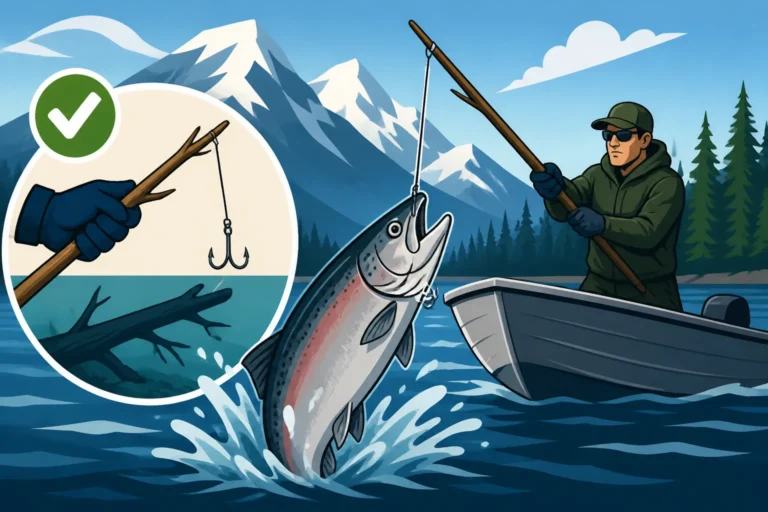
When fishing for Sockeye, a technique often employed from the bank is "flossing" or "lining." This involves using a relatively heavy leader with a small, unweighted fly or bead. The idea is to cast upstream and allow the line to drift through a school of Sockeye, hoping the leader (and thus the fly/bead) passes through the fish's mouth. While sometimes controversial, it's a legal and highly effective method in designated Sockeye fisheries when performed correctly. For other salmon species, a drifted cured salmon egg, a small cluster of roe, or a weighted soft plastic worm can be deadly.
Spin Fishing with Lures and Bait
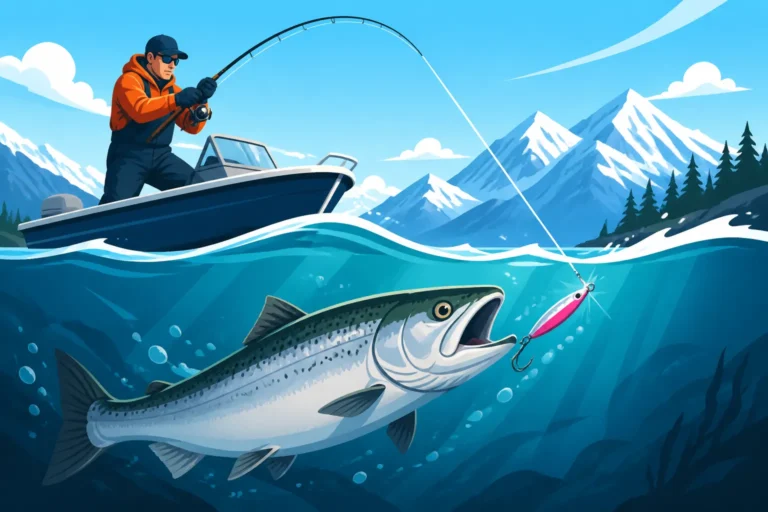
Spin fishing is incredibly versatile and often the go-to method for many bank anglers, especially when covering a lot of water. This technique involves casting various lures and baits and retrieving them in a way that mimics injured prey or tantalizes passing fish. It's effective for all five species of Pacific salmon, as well as aggressive trout and char.
When spin fishing, lure selection is key. For King Salmon, larger, brightly colored spinners (e.g., size 5 or 6 Blue Fox Vibrax in chartreuse or orange) and spoons (e.g., Pixie spoons with a hammered finish) are excellent choices. For Silver (Coho) Salmon, slightly smaller spinners and spoons in silver, pink, or chartreuse are often irresistible. Pink Salmon are notorious for hitting almost anything pink, so small pink spinners or jigs are ideal. When fishing for trout, smaller spinners (size 2 or 3) or even small jigs tipped with a piece of worm or cured roe can be very effective.
Vary your retrieve speed and depth until you find what the fish are responding to. Sometimes a slow, steady retrieve works best; other times, a stop-and-go action or twitching the rod tip can trigger a strike. Pay attention to where you're casting – aiming for current breaks, deeper pools, or submerged structure where fish might be holding. The ability to cover water efficiently and adapt your presentation makes spin fishing a powerful tool for the bank angler.
Fly Fishing from Shore
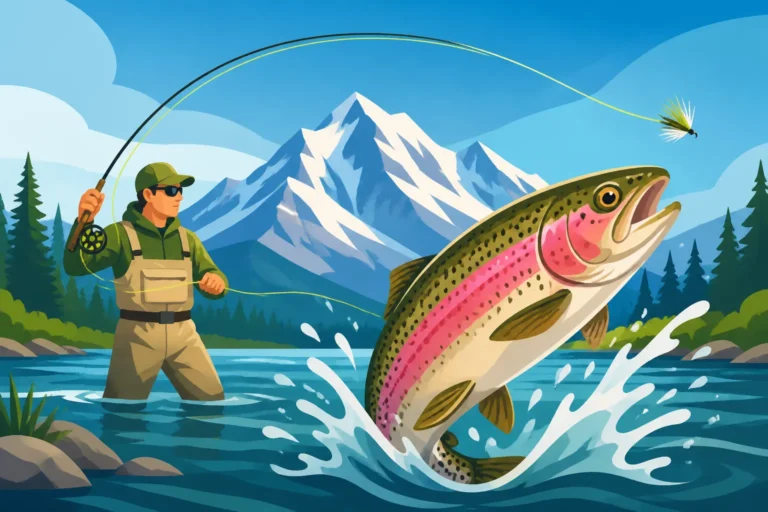
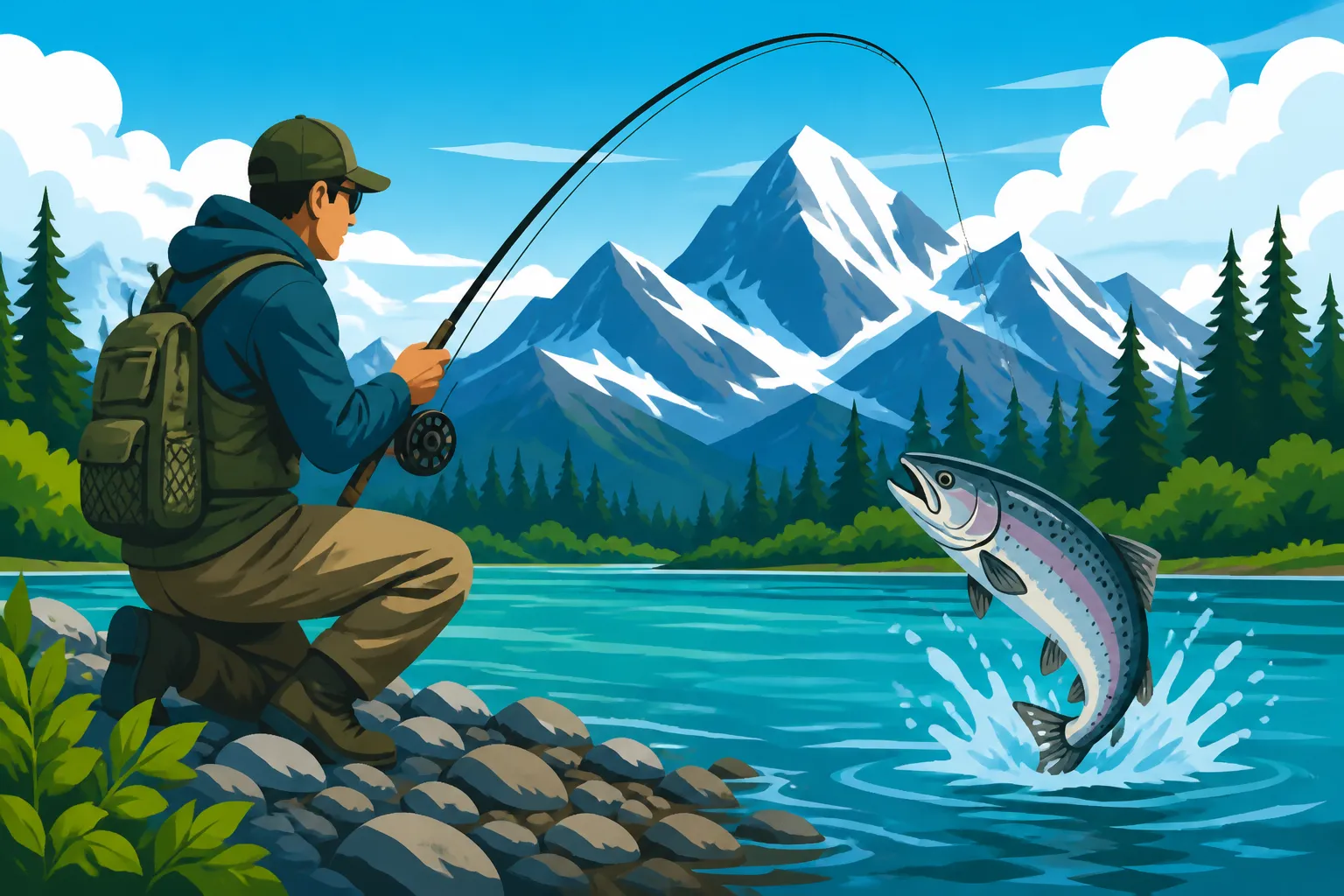
While many associate fly fishing in Alaska with wading through pristine wilderness rivers or casting from drift boats, fly fishing from the bank is a legitimate and often incredibly rewarding pursuit. It allows for a more intimate engagement with the water and the fish, even if you're limited in your backcasting space.
For salmon, a stout fly rod is essential – typically an 8-weight to 10-weight, 9-10 feet long, to handle heavy flies, sink-tip lines, and powerful fish. For trout, a lighter 5-weight to 7-weight rod will suffice. A good quality large-arbor reel with a reliable drag system is crucial, spooled with an appropriate fly line (weight-forward floating for dries/nymphs, or various sink-tip lines for streamers/eggs). For more comprehensive fly fishing advice, our guide on How to Fly Fish in Alaska offers excellent insights.
Effective fly patterns for bank fishing include bead-head egg patterns (especially in various shades of orange, pink, or chartreuse, mimicking salmon roe), flesh flies (imitating decaying salmon carcasses), and various streamer patterns (like Dolly Llamas or Clouser Minnows) in bright colors or natural baitfish imitations. The biggest challenge from the bank can be limited backcasting room due to brush or trees. Anglers often employ roll casts, spey casts, or switch casts to get their flies out effectively in tight quarters. Finding open stretches of bank or areas where you can comfortably wade a short distance can greatly expand your opportunities.
Best Locations and Seasons for Alaska Bank Fishing
Knowing how to fish from the bank is only half the battle; knowing where and when to go is equally important. Alaska offers a wealth of road-accessible spots, and timing your trip with the salmon runs is key to success.
Road-Accessible Rivers and Hotspots
Alaska boasts numerous fantastic bank fishing opportunities, many of which are easily reachable by car. The Kenai Peninsula, often called "Alaska's Playground," is a prime example. The world-famous Kenai River offers extensive bank access, particularly in its upper stretches near Cooper Landing. This area is phenomenal for Sockeye Salmon during their massive runs in late June and July, as well as resident Rainbow Trout and Dolly Varden. Further south, the Russian River, a tributary of the Kenai, is another Sockeye hotspot known for its intense "combat fishing" during peak times. These are incredible places to experience the frenzy of an Alaskan salmon run firsthand, though be prepared for crowds! For more on specific spots, our guide to the Best Bank Fishing in Alaska is a great resource.
Closer to Anchorage, Ship Creek provides a truly unique urban fishing experience. Located right downtown, this small stream sees surprisingly strong runs of King Salmon in June and Silver Salmon in August and September. It's an easy stop for a quick fishing fix without traveling far. On the eastern side of Southcentral Alaska, Valdez and its surrounding rivers are fantastic for Pink Salmon (often called "humpies") in July and August, and good Silver Salmon fishing in August and September. The sheer abundance of Pinks makes it a great spot for beginners or families.
Don't overlook the Homer Spit in Homer, a long, narrow finger of land extending into Kachemak Bay. While technically jetty/pier fishing, it’s a form of bank fishing and offers opportunities for various salmon species, Halibut, and other saltwater fish depending on the season and tide. Many of the Best Fishing Spots Near Anchorage are also road-accessible, making them perfect for day trips.
Timing Your Trip for Peak Runs
In Alaska, timing is everything. Fish are migratory, and their presence in the rivers is often a matter of weeks, sometimes days. To maximize your bank fishing success, you need to align your trip with the peak of the salmon runs for your target species. Our comprehensive Alaska Fishing Seasons: Month-by-Month Guide provides a detailed breakdown, but here's a quick overview:
- King Salmon (Chinook): The earliest and largest of the Pacific salmon, Kings typically enter rivers from late May through July. The Kenai and Kasilof Rivers are famous for their King runs, but be acutely aware that these fisheries are often subject to emergency orders, closing or restricting fishing based on escapement numbers. You'll need to stay constantly updated on the Alaska Fishing Regulations Explained.
- Sockeye Salmon (Red): These powerful, delicious salmon typically run from late June through July. The Kenai and Russian Rivers are legendary Sockeye destinations, with millions returning. This is when combat fishing is most prevalent, but the rewards are well worth it.
- Pink Salmon (Humpy): Pinks run in massive numbers every even-numbered year (e.g., 2024, 2026) and in smaller numbers on odd years. They typically arrive in mid-July and peak in August, offering fast-paced action. Valdez and the Kenai Peninsula are great spots.
- Chum Salmon (Dog): Often overlapping with Pinks and Sockeye, Chums run from mid-July through August. They are strong fighters and excellent smoked.
- Silver Salmon (Coho): Known for their acrobatic fights, Silvers are the last salmon to arrive, typically from August through September, sometimes into October. Many rivers around Anchorage and the Kenai Peninsula offer excellent Silver fishing from the bank.
For resident fish like Rainbow Trout and Dolly Varden, fishing can be excellent throughout the summer and into the fall, often peaking when salmon are spawning, as the trout feast on their eggs. Always check the Alaska Department of Fish and Game (ADF&G) regulations for the specific area and species you intend to fish, as rules change frequently due to management needs.
Here's a handy table to help visualize some key bank fishing hotspots and their peak times:
| Location/River | Target Species | Peak Bank Fishing Season | Common Techniques | Notes |
|---|---|---|---|---|
| Kenai River (Upper) | Sockeye, Rainbows | Late June – July (Sockeye) | Drift fishing, Fly fishing | Very popular, can be crowded. |
| Russian River | Sockeye, Rainbows | Late June – July (Sockeye) | Drift fishing, Fly fishing | Known for "combat fishing" for Sockeye. |
| Ship Creek | King, Silver Salmon | June (Kings), Aug-Sept (Silvers) | Spin fishing, Bait | Urban fishing experience in Anchorage. |
| Valdez (Area Rivers) | Pink, Silver Salmon | July – Sept | Spin fishing, Fly fishing | Excellent for abundant Pink Salmon. |
| Homer Spit (Jetties) | Halibut, Salmon | June – Aug | Bottom fishing, Spin fishing | More pier/jetty focused. |
Regulations and Ethics for Bank Anglers
Fishing in Alaska isn't just about catching fish; it's about respecting the resource, the land, and fellow anglers. Understanding and adhering to the regulations and practicing good etiquette are critical for a sustainable and enjoyable experience for everyone.
Understanding Alaska Fishing Regulations
This cannot be stressed enough: Alaska's fishing regulations are complex, highly specific to regions and even individual rivers, and they change frequently. Ignorance of the law is no excuse, and violations can lead to hefty fines, confiscation of gear, or even jail time. Before any fishing trip, the absolute first thing you must do is secure your Alaska Fishing License: Complete Guide. This is required for nearly all sportfishing in the state, with different types and costs for residents and non-residents.
Beyond the basic license, pay close attention to species-specific requirements. For instance, if you plan to target King Salmon, you'll almost certainly need an Alaska King Salmon Stamp Requirements, even if you release the fish. Bag limits vary wildly by species, river, and even time of year. Some rivers have catch-and-release rules for certain species, while others allow retention. Gear restrictions (e.g., single-hook only, no bait, specific fly-only sections) are also common.
Crucially, you must constantly check for Emergency Orders (EOs). ADF&G issues these EOs daily or even hourly during peak season to manage fisheries in real-time, often closing rivers or changing bag limits with little notice. An EO can shut down a King Salmon fishery you'd planned for weeks in advance. The ADF&G website and local sporting goods stores are your best sources for current EOs. Some anglers even bring small waterproof cases, easily found on Amazon, to keep their licenses and printed regulations safe from the elements.
Practicing Responsible Angling
When you're fishing from the bank, you're often in shared spaces – with other anglers, wildlife, and local residents. Practicing responsible angling ensures that these incredible opportunities remain for future generations. The "Leave No Trace" principles are your guiding light: pack out everything you pack in, including monofilament line, discarded bait containers, and food wrappers. Even a single piece of litter detracts from the wild beauty of Alaska.
Bear safety is paramount, especially on salmon streams. You are in their home. Make noise while walking, avoid surprising bears, and never store food near your fishing spot or tent. If you're cleaning fish, do it away from main trails and campsites, and dispose of entrails in the main current where they can be washed away, not left on the bank. Carrying bear spray, as mentioned, is non-negotiable, and knowing how to use it could save your life.
Finally, respect your fellow anglers. In crowded spots like the Russian River, patience and courtesy go a long way. Give people space, especially if they’re actively fighting a fish. Don't cast over someone else's line. If you're wading, move slowly and avoid disturbing fish or other anglers. It’s a privilege to fish in Alaska, and a little common courtesy ensures everyone can enjoy their time on the water. Following Alaska Catch-and-Release Best Practices if you intend to release fish also helps ensure their survival.
Planning Your Alaska Bank Fishing Adventure
Bank fishing offers a flexibility that other types of fishing might not, making it easy to integrate into various travel styles. Whether you're planning a quick day trip or a multi-day expedition, a little forethought will go a long way in maximizing your adventure.
Day Trips vs. Multi-Day Excursions
Bank fishing is wonderfully suited for both quick day trips and more extended multi-day adventures. For a day trip, you'll want to focus on easily accessible locations with good road infrastructure. Areas around Anchorage, like Ship Creek or the Little Susitna River (a bit of a drive, but doable), are perfect for this. On the Kenai Peninsula, spots near Soldotna, Sterling, or Cooper Landing offer a chance to hit multiple bank fishing access points within a day, allowing you to sample different stretches of famous rivers. The key here is efficiency: know exactly where you're going, what regulations apply, and have your gear ready to go.
For a multi-day excursion, bank fishing can become the centerpiece of a fantastic camping or cabin trip. Many state and federal campgrounds are strategically located near prime fishing rivers, allowing you to fish from dawn till dusk (and beyond, thanks to the midnight sun!). Imagine waking up, stepping out of your tent, and having a world-class salmon river just a short walk away. This approach provides more time to explore different fishing spots, adapt to changing conditions, and truly immerse yourself in the Alaskan wilderness without the constraints of a charter schedule. Make sure to book popular campsites well in advance, as they fill up quickly during peak summer months.
Combining Bank Fishing with Other Activities
One of the greatest advantages of bank fishing in Alaska is how easily it integrates with other incredible Alaskan experiences. Not everyone in your travel party might be as obsessed with fishing as you are, and that's perfectly fine! A bank fishing trip allows you to dedicate a morning or an afternoon to angling, then pivot to other activities.
After a productive fishing session on the Kenai River, you could explore the charming town of Cooper Landing, take a scenic hike to a glacier overlook, or go whitewater rafting. If you’re fishing near Valdez, you could combine it with a glacier cruise in Prince William Sound. Near Anchorage, a morning at Ship Creek could be followed by a visit to the Alaska Native Heritage Center or a hike on one of the Chugach Mountains’ numerous trails. This versatility makes bank fishing an ideal component of a broader Alaskan vacation, ensuring everyone finds something to enjoy. You can even pick up local souvenirs or travel guides on Amazon to enhance your trip planning and experience. A robust fishing outing can often pair seamlessly with wildlife viewing, photography, or simply soaking in the breathtaking scenery that Alaska offers at every turn.
Disclaimer
The information provided in this guide is for general informational purposes only and is not intended as legal advice or an authoritative source for Alaska fishing regulations. Fishing regulations in Alaska are complex and subject to change frequently. It is the angler's sole responsibility to consult the most current Alaska Department of Fish and Game (ADF&G) sport fishing regulations for the specific area and species they intend to fish before heading out. Always check for emergency orders before and during your trip, as these can alter regulations with little notice. Fishing in Alaska can be inherently dangerous; always prioritize safety, be aware of your surroundings, and be prepared for changing weather conditions and wildlife encounters.