Is Sitka Good for Fishing in Alaska
Many anglers dream of fishing in Alaska, picturing vast wilderness and abundant fish, but when it comes to choosing a specific destination, questions like "Is Sitka good for fishing?" often arise. It's a valid concern – you want to make sure your precious time and investment deliver on the legendary Alaskan fishing promise. This comprehensive guide will deep dive into why Sitka, nestled on Baranof Island, isn't just "good" for fishing, but truly one of Alaska's premier angling destinations, offering diverse opportunities from saltwater giants to elusive freshwater species.
Why Sitka Stands Out for Anglers
Sitka isn't just another pretty Alaskan town; it's a fishing powerhouse, strategically located to offer some of the most dynamic and productive angling experiences in the state. Its unique geography and rich marine ecosystem create an environment where fishing dreams often become reality.
Unparalleled Marine Biodiversity
One of the biggest draws to Sitka for any serious angler is the incredible variety of fish species that thrive in its waters. Unlike some regions that might specialize in just one or two species, Sitka offers a smorgasbord, appealing to a wide range of fishing preferences. This diversity is a direct result of its location in Southeast Alaska, where nutrient-rich currents converge, creating a vibrant food web that supports vast populations of both baitfish and their predators.
You'll find all five species of Pacific Salmon here – Kings (Chinook), Coho (Silver), Sockeye (Red), Pink (Humpy), and Chum (Dog) – each arriving in their own distinct runs throughout the warmer months. Beyond salmon, the deep, cold waters are home to monstrous Pacific Halibut, aggressive Lingcod, and a variety of colorful Rockfish, including the prized Yelloweye. This means that on a single day, or even a single trip, you could be fighting a powerful King Salmon in the morning and reeling in a barn-door halibut in the afternoon. The sheer abundance ensures that even when one species might be slower, there are always other exciting options to pursue, minimizing the chances of a slow day on the water.
Deep-Water Access and Sheltered Waters
Sitka's geographical advantages are a major factor in its fishing prowess. The town is situated on the outer coast of Baranof Island, giving it immediate access to the open Pacific Ocean's rich fishing grounds. This means shorter runs to prime deep-water areas for halibut and offshore salmon, maximizing your actual fishing time. Unlike some inland locations where you might spend hours just transiting to the fishing grounds, Sitka's proximity to the best spots is a huge benefit.
At the same time, the intricate network of islands, fjords, and passages surrounding Sitka provides extensive sheltered waters. This is a game-changer when typical Alaskan weather decides to kick up. While the open ocean can get rough, skilled captains can often find calmer channels and bays where you can continue fishing comfortably and safely. This combination of deep, open-ocean access and protected waterways means that fishing opportunities are rarely completely shut down due to weather, making Sitka a reliable choice for your fishing vacation. This flexibility is something many anglers truly appreciate, especially if you're traveling a long way to get there.
Prime Fishing Seasons in Sitka
Understanding the seasonal ebbs and flows is crucial for any successful Alaska fishing trip, and Sitka is no exception. While opportunities exist year-round, specific times offer peak action for different target species. Knowing when to go can make all the difference in achieving your angling goals. To get a full picture of when to visit, check out our Alaska Fishing Seasons: Month-by-Month Guide for a broader overview.
Spring and Early Summer Salmon Runs
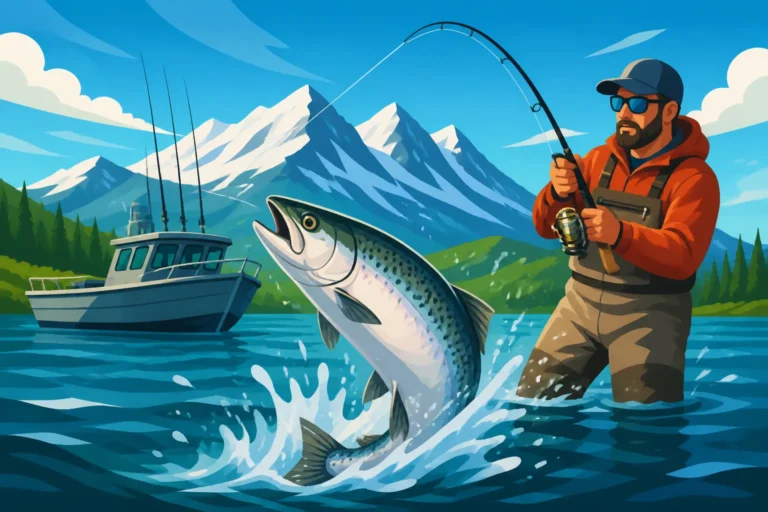
The fishing season in Sitka truly kicks into high gear in late spring and early summer, particularly with the arrival of the King Salmon. These magnificent fish, known for their size and powerful fights, typically begin showing up in significant numbers from late May through July. This early part of the season is often revered by anglers seeking that trophy Chinook, with some of the largest Kings of the year being caught during this window. You might find yourself trolling with downriggers or mooching with cut-plug herring, hoping for that tell-tale strike that signals a battle with an Alaskan leviathan. If you're targeting these apex predators, learning How to Catch King Salmon in Alaska can certainly help.
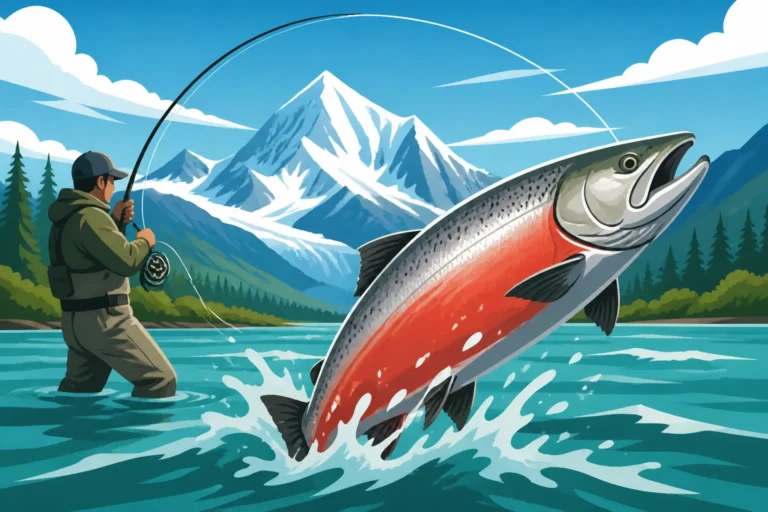
Following the initial King Salmon surge, the first waves of Sockeye Salmon start to appear, especially in the rivers and streams around Sitka as they make their way to spawning grounds. While Sockeye are famously challenging to catch in saltwater, they offer fantastic freshwater opportunities once they enter river systems. For a detailed look at their movements, explore our guide on Alaska Salmon Run Timing Explained. This period also sees the arrival of Pink Salmon in earnest, particularly in late June and July, offering fast and furious action, making them a great target for families or those just looking to bend a rod.
Summer Halibut and Bottomfish Bonanza
As summer progresses into July and August, Sitka's waters explode with activity, and it becomes prime time for many other species, especially the coveted Pacific Halibut. This is when you can expect consistent action for these flatfish giants. Charter boats head out to the offshore banks, often dropping large baits like herring, salmon heads, or even artificial jigs to target halibut of all sizes, from "chicken" halibut (smaller, tastier fish around 10-25 pounds) to massive "barn doors" that can exceed well over 100 pounds. For a comprehensive look at these incredible fish, consult our Alaska Halibut: Complete Guide.
Beyond halibut, this period is also fantastic for other bottomfish. Lingcod, with their toothy grins and aggressive strikes, are often caught in the same deep rocky areas as halibut. Various species of Rockfish, including Black Rockfish, Yelloweye, and Copper Rockfish, add to the excitement, offering vibrant colors and delicious fillets. Many anglers enjoy combo trips during this time, spending part of the day targeting salmon and the other part deep-dropping for halibut and rockfish. If you're considering a charter, keep an eye on Alaska Halibut Charter Regulations Explained as rules can differ for guided trips.
Fall Coho and Steelhead Opportunities
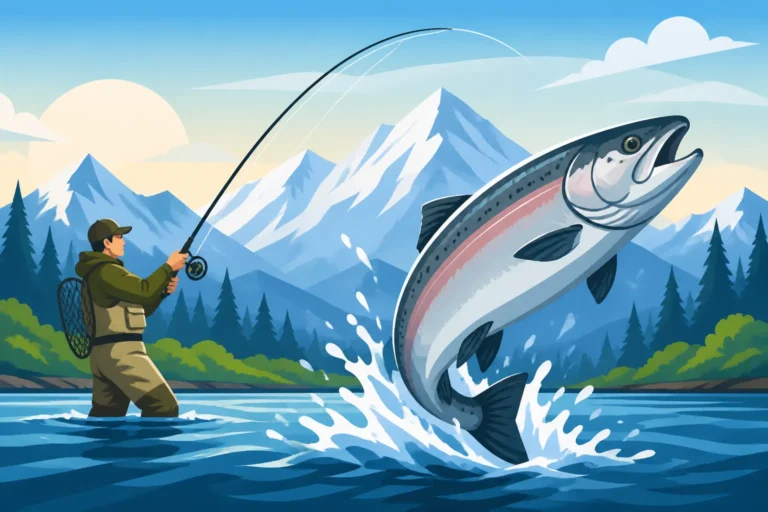
Just when you think the season might be winding down, Sitka delivers a fantastic grand finale with the robust Coho (Silver) Salmon runs from late August through September. These acrobatic fighters are known for their spectacular jumps and aggressive takes, making them a favorite among many anglers. Coho often feed voraciously in the saltwater before heading to spawn, offering excellent trolling and mooching opportunities close to shore. During this time, you might find yourself in the midst of a "silver blitz," where multiple fish hit at once, creating chaotic and incredibly exciting fishing.
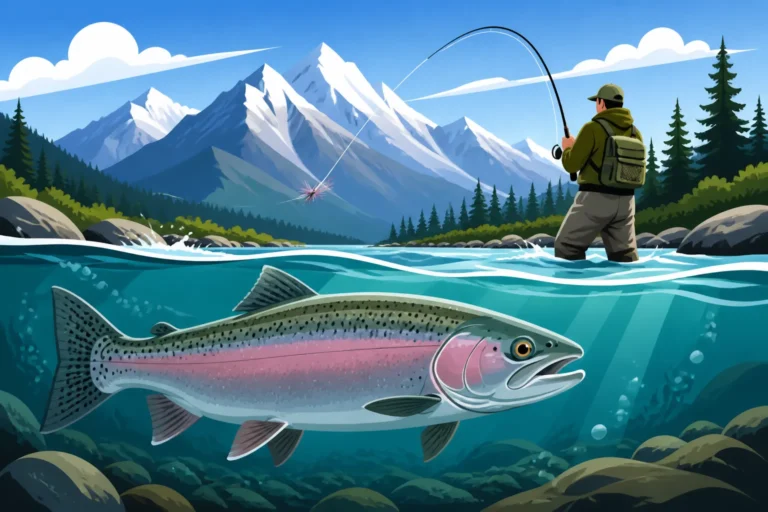
As the fall colors begin to paint the landscape, the focus shifts slightly to freshwater systems for those seeking a different challenge. The elusive Steelhead, an anadromous rainbow trout, begin their migrations into some of Sitka's rivers. While Steelhead fishing requires patience and finesse, often involving fly fishing techniques, the reward of landing one of these magnificent, chrome-bright fish is unparalleled. This late-season window provides a quieter, often more solitary, fishing experience for those willing to brave cooler temperatures for a chance at a truly special catch.
The Abundant Fish Species You'll Encounter
One of the biggest reasons Sitka is such a phenomenal fishing destination is the sheer variety and abundance of its fish species. It’s not just about one type of fish; it's an ecosystem teeming with life, offering something for every angler's preference and skill level.
Salmon Species: Kings, Cohos, and More
When people think of Alaska fishing, salmon are usually the first fish that come to mind, and Sitka does not disappoint. All five species of Pacific salmon make their annual pilgrimage to these waters, providing incredible sport and table fare throughout the season.
King Salmon (Chinook): The undisputed heavyweight champion, King Salmon are the largest and most sought-after salmon species. In Sitka, you can find them from late May through July, with some lingering into August. They are renowned for their powerful runs and head-shaking fights. Many anglers specifically travel to Sitka for a chance to land a trophy King. Our guide on Alaska King Salmon: Complete Guide offers more in-depth information.
Coho Salmon (Silver): Later in the season, typically from August through September, Coho Salmon take center stage. These fish are pound-for-pound some of the best fighters, known for their incredible acrobatics and willingness to strike a variety of lures and baits. They offer fast-paced action, often in pods, making for an exhilarating experience.
Sockeye Salmon (Red): While primarily targeted in freshwater systems during their spawning runs (typically July), Sockeye can occasionally be encountered in saltwater, though they are notoriously finicky biters once they enter the ocean's influence. However, their sheer numbers make them an iconic Alaskan salmon. Learn more about them in our piece on Alaska Sockeye Salmon Explained.
Pink Salmon (Humpy): These smaller, yet incredibly abundant salmon arrive in massive numbers, especially during odd-numbered years, from July through August. They offer constant action, making them perfect for beginners, kids, or anyone who just wants to catch a lot of fish.
Chum Salmon (Dog): Often overlooked, Chum Salmon are strong fighters and can be found throughout the summer. While not typically targeted for their table quality by sport anglers, they offer a great fight and can be quite numerous.
Halibut and Other Bottomfish
Beyond salmon, Sitka is legendary for its deep-sea fishing, particularly for Pacific Halibut and a diverse array of bottom-dwelling species.
Pacific Halibut: These "barn door" flatfish are a staple of Sitka's fishing scene. Growing to immense sizes (often over 100 pounds, with records much higher), halibut provide a brutal, often exhausting fight from the deep. The prime season runs from June through August, but good fishing can be found on either side of that window. Whether you're drift fishing with bait or jigging, landing a large halibut is an unforgettable experience. Knowing the Best Time to Catch Halibut in Alaska can greatly improve your chances.
Lingcod: These prehistoric-looking fish are aggressive predators found in rocky, deep-water habitats. They are powerful fighters and highly sought after for their firm, white, delicious meat. Lingcod fishing often occurs alongside halibut fishing, adding another exciting dimension to a bottom fishing trip.
Rockfish: Sitka's waters are home to numerous species of rockfish, including Black Rockfish, Yelloweye Rockfish, Copper Rockfish, and various others. These fish are vibrant, offer a good fight, and are excellent eating. Specialized descending devices are often used to release rockfish from deep water to help them survive.
Freshwater Species for Variety
While Sitka is renowned for its saltwater action, the freshwater systems on Baranof Island also offer unique and rewarding angling experiences for those looking to diversify their trip.
Rainbow Trout & Steelhead: The streams and lakes around Sitka hold resident Rainbow Trout, offering classic fly-fishing or spin-fishing opportunities. More notably, some rivers host runs of Steelhead, the anadromous form of rainbow trout. These chrome beauties are a prize for any angler, requiring skill and patience, often best pursued in the spring and fall.
Dolly Varden & Arctic Char: These beautiful char species are abundant in many of Sitka's freshwater lakes and streams, providing consistent action throughout the summer. They are often targeted with light tackle, small spinners, or fly-fishing gear. They are aggressive feeders and offer a good fight for their size, making them a fun option when you want a break from the saltwater giants.
Cutthroat Trout: Found in a number of the island's more remote lakes and streams, coastal cutthroat trout offer another excellent freshwater opportunity, particularly for fly anglers exploring the scenic backcountry.
Choosing Your Sitka Fishing Adventure
So, you're convinced Sitka is the place to be for your fishing adventure! Now comes the exciting part: planning your trip. There are several ways to approach fishing in Sitka, each with its own advantages, and knowing what to expect can help you make the best choices.
Guided Charters vs. DIY Fishing
For most visitors to Sitka, especially those new to Alaskan fishing, a guided charter is the most popular and often the most productive option. These operations are run by experienced captains who know the local waters like the back of their hand, constantly tracking fish movements, tides, and weather patterns to put you on the best bite.
Guided Charters:
- Expert Knowledge: Guides possess invaluable local knowledge, knowing where the fish are biting, what techniques are working, and how to navigate the complex Sitka Sound. This alone can save you days of trial and error.
- Equipment Provided: Charters provide all the necessary high-quality gear, tackle, and bait, ensuring you're properly equipped for the target species. This means you don't have to worry about packing bulky rods or specialized equipment.
- Safety: Alaskan waters can be unpredictable. Guides prioritize safety, have proper navigation and communication equipment, and are trained in emergency procedures.
- Fish Processing: Many charters assist with or arrange for fish processing, from filleting on board to guiding you to local processors who can freeze, vacuum seal, and ship your catch home. This convenience is a huge plus.
- Regulations: Guides are experts on local regulations, ensuring you stay within legal limits for bag and size. This is particularly important with evolving rules, such as those governing halibut.
- Booking: Platforms like FishingBooker make it incredibly easy to find and compare reputable Sitka charters. You can view availability, read reviews, and book directly, taking a lot of the guesswork out of planning. When booking, always ask about what's included and what you should bring. Our How to Choose an Alaska Fishing Charter guide delves deeper into this decision.
DIY Fishing:
- Shore Fishing: For those on a budget or seeking a more independent experience, shore fishing around Sitka can yield results, especially for Pink and Chum salmon during peak runs. Areas like Crescent Harbor or near local creek mouths can offer opportunities, but often require significant research and flexibility.
- Small Boat Rental: Experienced boaters might consider renting a small skiff, but this comes with significant risks and responsibilities. The waters around Sitka can be treacherous, tides are strong, and weather can change rapidly. You'd need to be proficient in marine navigation, understand local fishing regulations (which can be complex and change frequently via emergency orders), and have all your own gear. This option is generally not recommended for those unfamiliar with Alaskan waters.
| Fishing Option | Pros | Cons | Best For |
|---|---|---|---|
| Guided Charter | Expert knowledge, all gear provided, safety, fish processing help | Higher cost, less flexibility on schedule/target (sometimes) | First-timers, those seeking specific species, maximum fish caught, safety |
| Shore Fishing | Low cost, independent, accessible | Limited species/spots, lower catch rates, requires personal gear | Budget travelers, casual anglers, those targeting abundant salmon species |
| DIY Boat Rental | Full flexibility, privacy (if skilled enough) | High risk, requires expert boating/fishing knowledge, all gear needed | Highly experienced Alaskan anglers with local knowledge, specific goals |
Planning Your Trip and What to Expect
Once you decide on your approach, planning the details makes all the difference. Sitka is a popular destination, so advance booking is usually essential.
When to Book: If you're planning a trip during the peak summer months (June-August), it's highly advisable to book your charters and accommodations at least 6-12 months in advance. The best guides and lodges fill up quickly. Using a service like FishingBooker can help you secure your spot well ahead of time.
What to Bring: Even on a charter that provides gear, you'll need to dress in layers for Alaska's famously variable weather. Waterproof rain gear (jacket and pants) is non-negotiable. Comfortable, waterproof footwear, a warm hat, gloves, sunglasses, and sunscreen are also crucial. Don't forget your camera, and make sure you have your Alaska Fishing License: Complete Guide purchased before you hit the water. You'll need a physical copy or a digital one accessible on your phone.
What to Expect on a Charter: Expect an early start, often around 6 or 7 AM. You'll typically be on the water for 6-10 hours, depending on whether you booked a half-day or full-day trip. Your captain will brief you on safety and fishing techniques. Be prepared for a mix of action and slower periods – that's just fishing! The camaraderie with your fellow anglers and crew is often as memorable as the fish you catch. For a deeper dive into the typical experience, read our guide on What to Expect on an Alaska Fishing Charter.
Post-Fishing: After a successful day, consider how you'll handle your catch. Sitka has several excellent fish processors that can expertly fillet, vacuum seal, and flash freeze your fish, then prepare it for shipping back home. This service is a lifesaver, ensuring your delicious Alaskan bounty arrives fresh.
In conclusion, Sitka truly lives up to its reputation as a world-class fishing destination. Its incredible biodiversity, access to both deep-sea and sheltered waters, and distinct seasonal opportunities for various prized species make it an angler's paradise. Whether you're chasing trophy King Salmon, battling enormous Halibut, or enjoying the fast action of Coho, Sitka offers a memorable and productive Alaskan fishing adventure.
Disclaimer
The information provided in this guide is for general informational purposes only and does not constitute professional advice. Fishing regulations in Alaska are complex and subject to change frequently, sometimes on short notice via emergency orders. Always consult the official Alaska Department of Fish and Game (ADF&G) regulations booklet and check for current emergency orders specific to the area you plan to fish before heading out. We are not responsible for any actions taken based on the information presented here.