Naknek River Fishing: What to Know Before You Go
Planning a fishing trip to a legendary Alaskan river can feel like a daunting task, filled with questions about seasons, regulations, and where to even begin. You've heard the whispers of incredible sockeye runs and monster rainbow trout, but how do you turn those dreams into a reel-screaming reality? This comprehensive guide will walk you through everything you need to know about fishing the iconic Naknek River, ensuring you're well-prepared for an unforgettable adventure.
Why the Naknek River is a Premier Destination for Anglers
The Naknek River, nestled in the heart of Bristol Bay, isn't just another fishing spot; it's a world-renowned destination that consistently delivers incredible angling opportunities. Many veteran anglers consider it the crown jewel of Alaska's sportfishing scene, and for good reason. Its pristine waters, teeming with a diversity of fish, offer an experience that's both challenging and incredibly rewarding.
The Naknek's Unique Ecosystem
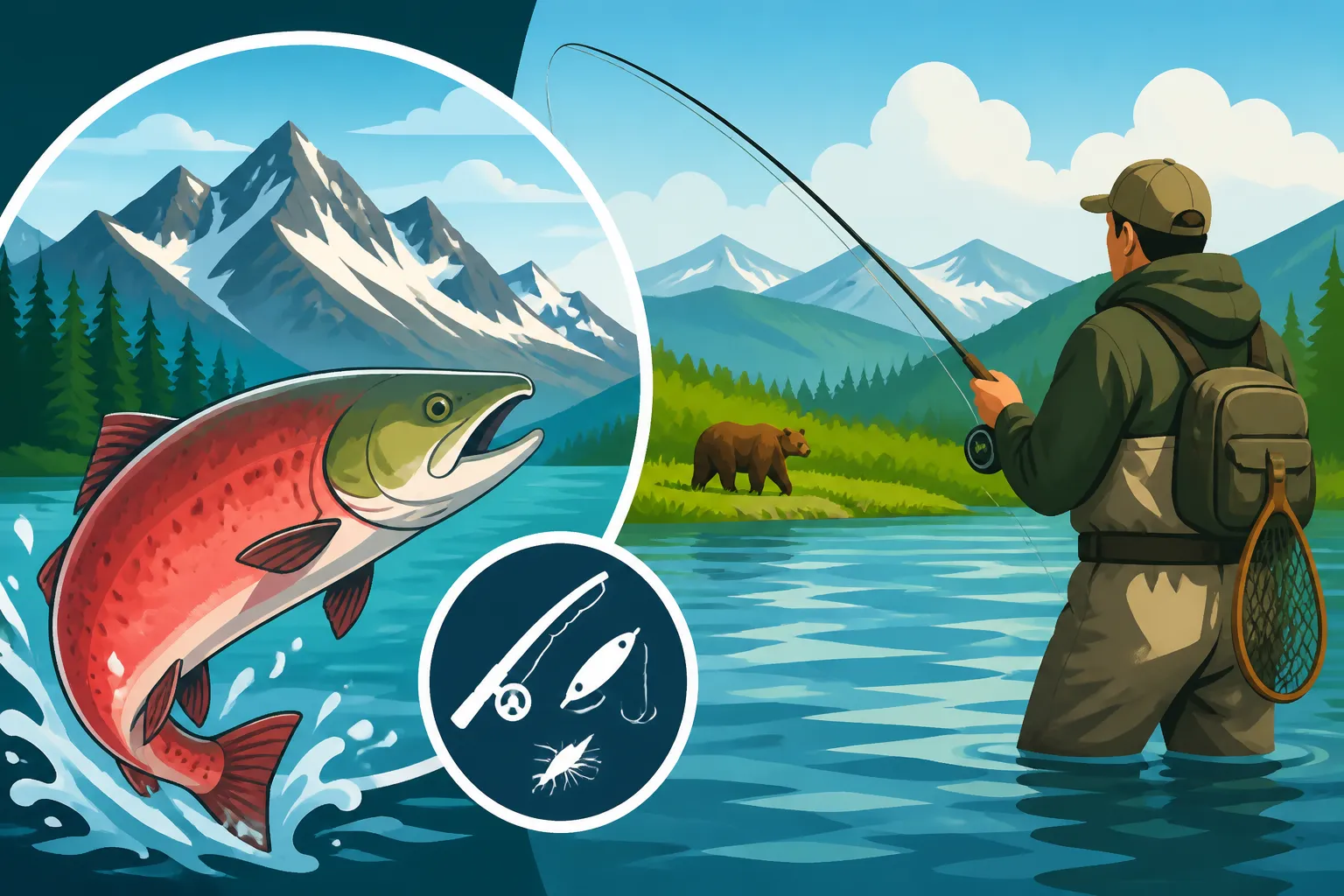
What truly sets the Naknek apart is its incredible, almost unparalleled, biodiversity and the health of its ecosystem. Originating from Naknek Lake within Katmai National Park, the river flows about 35 miles to Bristol Bay. This means it benefits from the protected wilderness, ensuring clean, cold water and a healthy environment for fish to thrive. The river itself varies dramatically, offering everything from deep pools and swift runs to slower, meandering sections, catering to various fishing techniques and preferences. It's a true natural wonder, untouched by many of the pressures faced by other famous fishing locales. The surrounding landscape, often visited by brown bears drawn to the salmon runs, adds an element of wild Alaska that is simply breathtaking. You're not just fishing; you're immersed in a vibrant, wild ecosystem.
Unparalleled Sockeye Runs
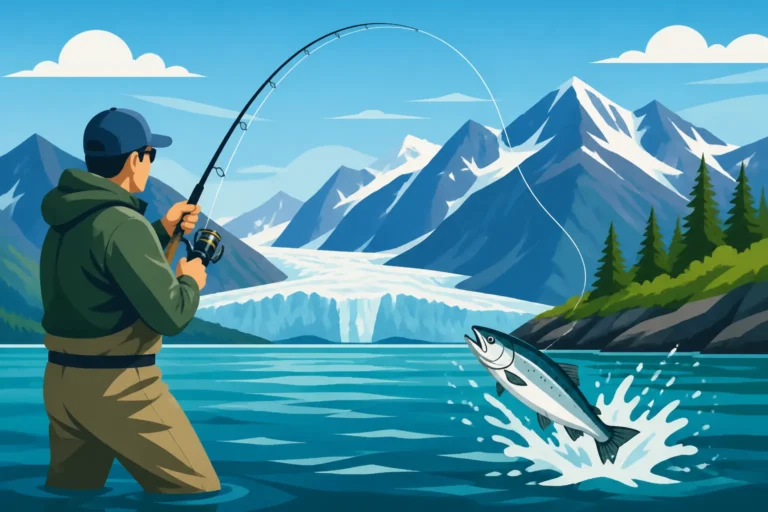
While the Naknek boasts a variety of species, it's perhaps most famous for its absolutely massive sockeye salmon runs. These aren't just good runs; they are often among the largest in the world, drawing millions of fish upriver each summer. Imagine standing knee-deep in water, surrounded by thousands upon thousands of bright red sockeye, their energy palpable as they push upstream to spawn. It’s an experience that defies description and must be witnessed to be believed. The sheer volume of fish means that even on days when fishing might be slower elsewhere, the Naknek can still produce phenomenal numbers. This consistent abundance is a huge draw for anglers, guaranteeing action and plenty of opportunities to fill your freezer, within legal limits, of course. Understanding the nuances of Alaska Sockeye Salmon Run Timing is crucial for maximizing your success.
Key Fish Species and When to Target Them
The Naknek River is a year-round fishery for some species, but different times of the year offer peak opportunities for specific fish. Knowing when and where to focus your efforts is key to a successful trip.
Sockeye Salmon: The Naknek's Bread and Butter
As mentioned, sockeye salmon are the undisputed kings of the Naknek's summer fishery. Their runs typically begin in late June and continue strongly through July, peaking around the middle of the month. These fish are known for their incredible fight, often making acrobatic leaps and powerful runs once hooked. They are also highly prized for their rich, red meat, making them fantastic table fare.
When targeting sockeye on the Naknek, you'll generally be using techniques like "flossing" or drift fishing with unweighted flies or small sockeye jigs. The idea is to present your offering naturally in front of their faces as they pack the river channels. It's not a bite you're waiting for in the traditional sense; rather, it's about feeling that subtle "thump" as the line makes contact with a fish. Once you hook into one, be prepared for a battle! They pull hard, and with so many fish in the water, tangles can be common, requiring quick reflexes and good boat etiquette, especially if you're fishing with a guide or in a popular spot. For a deeper dive into these vibrant fish, check out Alaska Sockeye Salmon: Facts and Fishing Tips.
Trophy Rainbow Trout and Arctic Char
Beyond the summer salmon frenzy, the Naknek truly shines as a world-class destination for trophy rainbow trout and Arctic char. These incredible resident fish spend their lives in the river and its connected lakes, growing to impressive sizes by feasting on salmon eggs and flesh during and after the salmon spawn.
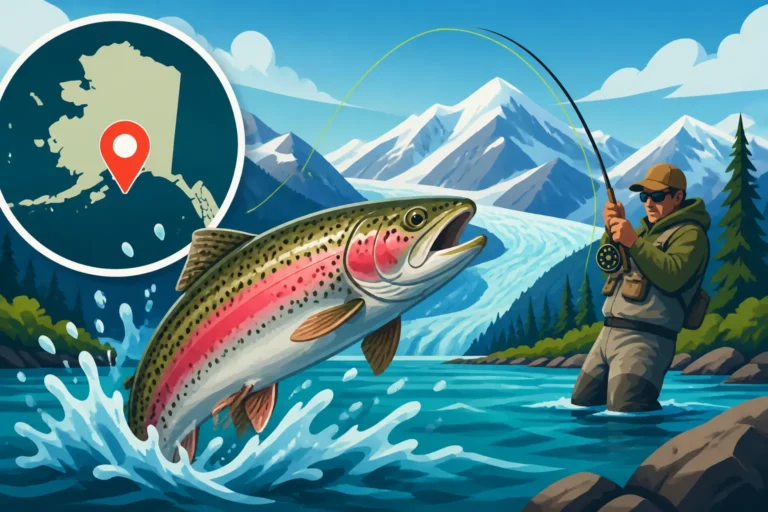
- Rainbow Trout: The Naknek rainbows are legendary, with fish regularly exceeding 20 inches and many pushing into the upper 20s or even 30-inch range. The prime time for these behemoths is late August through September and even into October, after the sockeye have spawned. During this period, the rainbows gorge themselves on salmon eggs and decaying salmon carcasses, becoming plump and powerful. Fly fishing with egg patterns, flesh flies, or streamers is incredibly effective. Spin fishermen can also have great success with beads that mimic eggs or small lures. The sheer power of a Naknek rainbow on a light rod is something every angler dreams of. It's an incredible test of skill and tackle.
- Arctic Char: Often mistaken for Dolly Varden, Arctic char in the Naknek are equally impressive, displaying vibrant colors and offering a spirited fight. They inhabit similar waters to the rainbows and are often caught using similar techniques. They tend to be more prevalent in the cooler, deeper sections of the river and in Naknek Lake. Char also feed heavily on salmon eggs and flesh, making the post-spawn season their prime time. Understanding Alaska Rainbow Trout Regulations is critical, as many areas enforce catch-and-release rules for these magnificent fish to protect the stock.
Other Salmon Species and Resident Fish
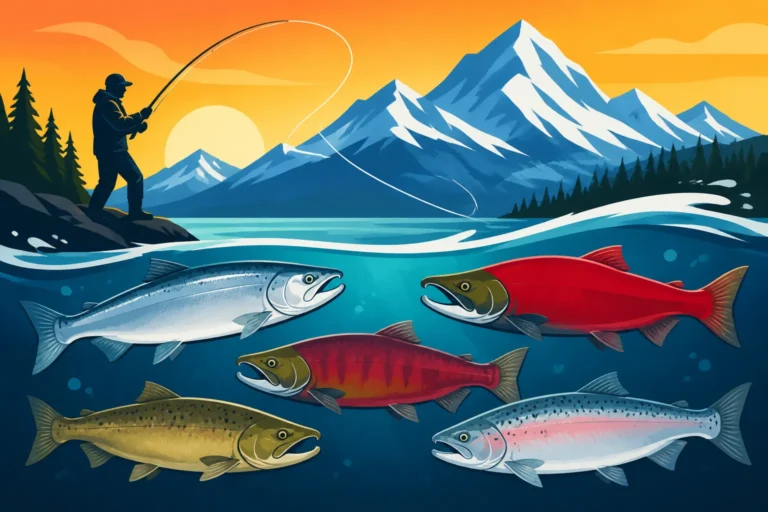
While sockeye dominate the summer, you'll also find other salmon species making their way up the Naknek.
- King Salmon (Chinook): Though not as prolific as sockeye, a decent run of king salmon typically enters the Naknek in June and early July. These are the largest of the Pacific salmon and offer an incredible fight. Due to conservation concerns, regulations for king salmon can be very restrictive, often changing frequently. Always check emergency orders before targeting them.
- Silver Salmon (Coho): Silvers arrive later in the summer, usually starting in late July and continuing through August and September. They are known for their aggressive strikes and aerial acrobatics, making them a favorite among many anglers. Spinners, flies, and bait are all effective for coho.
- Chum Salmon (Keta) and Pink Salmon (Humpy): These species also run up the Naknek, often intermingling with sockeye. While not as targeted by sport fishermen for their table quality, they provide additional action and are fun to catch, especially on lighter tackle. Pinks are typically abundant in even-numbered years.
Beyond salmon and char, the Naknek also holds northern pike, particularly in the slower back sloughs and shallower lake areas, offering a different kind of angling challenge. Lake trout can also be found in Naknek Lake.
Here's a quick look at the prime fishing seasons on the Naknek:
| Species | Peak Season | Key Characteristics | Primary Techniques |
|---|---|---|---|
| Sockeye Salmon | Late June – Late July | Abundant, powerful fighters, excellent eating quality | Flossing, drift fishing with beads/jigs |
| King Salmon | Mid-June – Early July | Largest salmon, hard fighters, highly regulated | Back-trolling, bait fishing (check regulations) |
| Silver Salmon | Late July – September | Aggressive strikes, acrobatic, good eating quality | Spinners, flies, cured roe |
| Rainbow Trout | Late August – October | Trophy-sized, powerful runs, egg & flesh feeders | Egg patterns, flesh flies, streamers, beads |
| Arctic Char | Late August – October (year-round) | Colorful, good fighters, similar habitat to rainbows | Egg patterns, small flies, spoons |
| Northern Pike | June – September (year-round) | Ambush predators, explosive strikes, found in slack water | Spinners, topwater lures, large streamers |
Navigating Regulations and Essential Gear
Fishing in Alaska, especially in sensitive areas like Bristol Bay, comes with specific responsibilities. Understanding the rules and having the right equipment are non-negotiables for a successful and legal trip.
Understanding Alaska Fishing Regulations
Alaska's fishing regulations are designed to protect its precious fish stocks and ensure sustainable fisheries for future generations. For the Naknek River, this means paying very close attention to the specific rules for the Bristol Bay/Naknek-Kvichak Area. The most critical things you'll need are an Alaska Fishing License: Complete Guide and any necessary stamps, like a king salmon stamp if you plan on targeting them.
Regulations can vary not just by species and location, but also by date, and they are subject to change via emergency orders. These emergency orders are particularly important, as they can close fisheries, change bag limits, or restrict gear types with very little notice, often due to fluctuating run strengths. Before you even pack your bags, and certainly before you head out on the water each day, make sure to check the latest emergency orders from the Alaska Department of Fish and Game (ADF&G). Your guide, if you have one, will be an invaluable resource for staying current. For a broad overview, you can always refer to Alaska Fishing Regulations Explained.
Beyond licenses and emergency orders, be aware of:
- Bag and Possession Limits: These specify how many fish of each species you can keep per day and how many you can have in your possession at any given time. For sockeye, these can be quite generous during peak runs, but for other species like kings or trophy rainbows, they might be very restrictive or even catch-and-release only.
- Gear Restrictions: Certain areas or times of the year might have rules about specific tackle, such as requiring single hooks, barbless hooks, or prohibiting bait. For instance, many of the prime rainbow trout areas on the Naknek are fly-fishing only or require barbless hooks.
- Harvest Record Card: If you keep king salmon, you'll need to record them on your harvest record card immediately. This is a crucial step for managing king salmon populations.
Disregarding these regulations can result in hefty fines, loss of fishing privileges, and forfeiture of your catch, so it pays to be diligent.
Must-Have Gear for Naknek Anglers
The gear you bring will largely depend on what species you plan to target and what time of year you visit. However, some general principles apply.
- Rods and Reels: For sockeye, a medium-heavy spinning rod (8'6" to 9'6") paired with a robust spinning reel spooled with 20-30 lb braided line is common. For rainbow trout and char, a 7-9 weight fly rod or a medium-light spinning rod (7-8 feet) with 8-15 lb fluorocarbon or monofilament is ideal. If targeting kings, step up to a heavy spinning or baitcasting setup.
- Lines and Leaders: Braided line is popular for its strength and sensitivity, often paired with a fluorocarbon leader. For fly fishing, a weight-forward floating line is versatile, with sink tips or full sinking lines useful for deeper presentations or streamers.
- Lures and Flies:
- Sockeye: Unweighted sockeye flies (often bright red, pink, or chartreuse), sockeye jigs, and beads that imitate eggs.
- Trout/Char: Beads (6mm-12mm in various egg colors), flesh flies (white, pink, tan), Sculpins, Woolly Buggers, and large streamers.
- Silver Salmon: Bright spinners (like a #4 or #5 Mepps Aglia or Blue Fox Vibrax), small spoons, Coho flies (pink, chartreuse, purple).
- King Salmon: Large Kwikfish or Wiggle Warts, Spin-N-Glos, cured salmon roe (where legal).
- Waders and Rain Gear: This is Alaska; expect rain and dress in layers. Breathable chest waders and a high-quality rain jacket and pants are absolutely essential, even in summer. You'll be spending a lot of time near or in the water. For more on what to pack, consult an Alaska Fishing Gear and Tackle Guide.
- Other Essentials: A good pair of polarized sunglasses to spot fish, a wide-brimmed hat, insect repellent (mosquitos and no-see-ums can be fierce, especially in early summer), bear spray (and knowledge of how to use it), a quality fillet knife, and a cooler for your catch.
Remember, if you're going with a reputable guide or lodge, much of the specialized gear might be provided, but it's always good to confirm beforehand and bring your personal essentials.
Planning Your Naknek River Fishing Trip
Getting to the Naknek and securing accommodations and guides requires thoughtful planning, often well in advance. This isn't a last-minute destination.
Lodging and Transportation Options
Access to the Naknek River typically involves flying into King Salmon (AKN), a small but vital hub. From Anchorage, several regional airlines offer daily flights to King Salmon. Once in King Salmon, you'll be met by your lodge or air taxi service, which will then transport you to your final destination on the river. Many lodges are located directly on the Naknek or a short boat ride away.
- Fishing Lodges: These are the most popular options, offering all-inclusive packages that typically cover accommodation, meals, guided fishing, and often fish processing. Lodges range from rustic and comfortable to luxurious, catering to different budgets and preferences. They handle all the logistics once you arrive in King Salmon, making it a seamless experience. Be sure to book these months, if not a year, in advance, especially for prime summer dates.
- DIY & Airbnbs: While possible, planning a fully DIY trip to the Naknek is significantly more challenging due to the remoteness and the need for boat access. There are a few Airbnb or rental options in King Salmon, but you'll still need to arrange all your own transportation to the river, boat rentals, and guiding if desired. This option is generally better suited for experienced Alaska travelers with their own equipment and a good understanding of the area.
- Camping: Primitive camping is an option in some areas, but it requires thorough preparation for wildlife encounters (especially bears), unpredictable weather, and self-sufficiency. This is not recommended for first-time visitors to the region.
Choosing a Reputable Guide or Charter
For most visitors, especially first-timers, booking a guided trip is the best way to experience the Naknek River. A good guide offers invaluable local knowledge, expertise in fishing techniques specific to the river, and ensures your safety and comfort. They also provide necessary equipment and navigate the ever-changing regulations.
When choosing a guide or charter, consider the following:
- Experience and Reputation: Look for guides with years of experience on the Naknek specifically. Online reviews and testimonials are a good starting point. You can often find highly-rated guides and compare their offerings on platforms like FishingBooker, which lists many reputable Alaska charters.
- Focus Species: Some guides specialize in salmon, others in trout, and some offer combo trips. Make sure their specialty aligns with your fishing goals.
- Boat and Equipment: Ensure they operate safe, well-maintained boats and provide high-quality gear appropriate for the target species. Don't hesitate to ask if they provide rain gear or waders if you prefer not to bring your own.
- Fish Processing: Ask about their fish processing services. Most lodges and guides will clean, fillet, vacuum seal, and freeze your catch, and some can even arrange shipping. This is a huge convenience.
- Pricing and Inclusions: Get a clear understanding of what's included in the price (e.g., lunch, tackle, fish processing, flights from King Salmon to lodge). Platforms like FishingBooker often provide detailed breakdowns of what's included in a charter package, helping you compare costs effectively.
- Communication: A good guide will be responsive to your questions before the trip and keep you informed about conditions or regulation changes. Don't be afraid to ask plenty of questions before you book. For more general advice, consider reading How to Choose an Alaska Fishing Charter.
Booking a guide through a platform like FishingBooker can offer peace of mind, as many reputable operations list their services there, allowing you to easily compare options, read reviews from other anglers, and secure your dates with a deposit. Remember, the best guides book up incredibly fast, often a year or more in advance, so plan early! If you're looking for an overall guide on how to approach booking your adventure, take a look at our Alaska Fishing Charters: Complete Guide.
Disclaimer
Please remember that fishing in Alaska involves inherent risks, including rapidly changing weather conditions and encounters with wildlife. Always prioritize safety, adhere to all regulations, and consider purchasing travel insurance. The information provided here is for general guidance; always consult the latest Alaska Department of Fish and Game regulations and emergency orders before you head out on the water.