Homer Fishing Guide
Oh, the dream of fishing in Homer, Alaska! I completely get it. You’ve probably seen those incredible photos of massive halibut or king salmon, and the idea of tackling the "Halibut Fishing Capital of the World" is calling your name. But let's be real, planning a trip to a place like Homer can feel overwhelming. There's so much information out there, and you just want to know how to actually make that dream trip happen without missing a beat or getting tangled in regulations. This guide is designed to cut through the noise, offering you a realistic, in-depth look at what to expect when you set your sights on fishing the glorious waters of Homer.
Why Homer, Alaska, is a Must-Fish Destination
Homer isn't just another pretty Alaskan town; it's a genuine fishing powerhouse, drawing anglers from all corners of the globe. The draw isn't just the sheer abundance of fish, though that's certainly a huge part of it. It’s the entire experience – the rugged beauty of the Kenai Peninsula, the iconic Homer Spit stretching out into Kachemak Bay, and the vibrant fishing culture that permeates every corner of the community. For many, Homer represents the quintessential Alaska fishing adventure, offering a mix of accessibility and wildness that few other places can match.
The Iconic Homer Spit and Kachemak Bay
The Homer Spit is truly legendary, a narrow strip of land that extends nearly five miles into Kachemak Bay. It's not just a physical landmark; it’s the beating heart of Homer's fishing scene. This is where most charters depart, where you'll find fish processing plants, tackle shops, and countless stories being swapped among fellow anglers. Kachemak Bay itself is a marvel, a deep, nutrient-rich estuary that serves as a nursery and feeding ground for an incredible diversity of marine life. Its protected waters offer a unique blend of saltwater and brackish environments, making it incredibly productive.
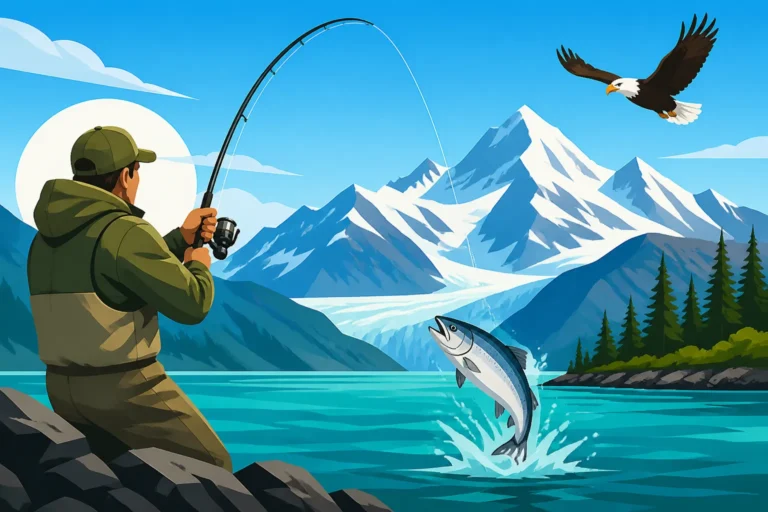
Think about standing on the Spit, watching the fishing boats motor out at dawn, the air crisp and filled with the promise of the day. You can literally walk out there and cast a line for salmon right off the beach at certain times of the year, a truly accessible experience. The views across the bay to the mountains and glaciers of the Kenai Mountains are simply breathtaking, adding an extra layer of magic to every moment spent fishing.
Unparalleled Access to Diverse Fisheries
One of the biggest frustrations for many anglers planning an Alaska trip is figuring out where to go and what to fish for. Homer solves this beautifully by offering incredibly diverse fishing opportunities right from its doorstep. You can head out into the deep waters of Cook Inlet for trophy halibut, target multiple species of salmon returning to local rivers and the bay, or even venture into the calmer waters for rockfish and lingcod.
This isn't just about catching fish; it's about the variety of experiences. Maybe one day you're battling a barn-door halibut offshore, feeling every powerful head shake through your rod. The next, you might be drift fishing for bright silver salmon in Kachemak Bay. This versatility means that no matter your preference or skill level, Homer has something exciting to offer. It’s why so many people return year after year, knowing they can tailor each trip to a different adventure.
What Fish Species Are You Likely to Catch in Homer?
Homer lives up to its "Halibut Fishing Capital" moniker, but it's far from a one-fish town. The waters around Homer teem with an impressive array of desirable species, offering anglers a chance to fill their coolers and create lasting memories. Understanding what you can target, and when, is key to planning your ultimate Alaskan fishing trip.
The Mighty Pacific Halibut
Let's start with the undisputed king of Homer – the Pacific halibut. These incredible flatfish are what draw many people here, and for good reason. They can grow to enormous sizes, often referred to as "barn doors" when they get truly massive, providing an incredible fight that will test your strength and endurance. Even the smaller "chicken" halibut, typically under 50 pounds, are fantastic table fare and put up a respectable battle.
Fishing for halibut in Homer often involves dropping heavy jigs or bait (like herring or salmon heads) to the bottom in deep ocean waters. You’ll be feeling for that distinct "thump" as a halibut investigates your offering, followed by a powerful, stubborn pull. The thrill of reeling in a halibut, especially a large one, is unlike anything else. You might be targeting them anywhere from 100 to 500 feet deep, often in the productive grounds of Cook Inlet, requiring specialized gear and a good understanding of tides and currents. Just remember, there are specific Alaska Halibut Charter Regulations Explained that apply, especially concerning size and bag limits, which can sometimes include a reverse slot limit.
Iconic Pacific Salmon Runs
While halibut might steal the spotlight, Homer is also an outstanding destination for various species of Pacific salmon. The runs here, both in Kachemak Bay and the rivers feeding into it, provide fantastic opportunities for both bait and lure fishing, and even some fly-fishing in certain areas.
- King Salmon (Chinook): These are the largest and often most sought-after salmon. The King Salmon run typically begins in May and continues into June and early July. While river fishing for Kings on the Kenai Peninsula is famous, you can also target them in the saltwater of Kachemak Bay as they stage before heading upriver. They are powerful fighters, known for their strong runs. Make sure you understand the specific Alaska King Salmon Fishing Regulations and Limits as these can change frequently due to conservation efforts.
- Sockeye Salmon (Red): Known for their delicious red meat and incredible strength, Sockeye are often targeted by "flossing" or drift fishing in rivers. While not as prevalent in Homer's immediate freshwater systems as in, say, the Kenai River, schools of Sockeye still pass through Kachemak Bay, offering opportunities, particularly in the outer bay near river mouths. The Alaska Sockeye Salmon: Complete Guide covers these hard-fighting fish in detail.
- Silver Salmon (Coho): Silvers are renowned for their acrobatic fights and aggressive strikes. The Silver Salmon run typically starts in late July, peaks through August, and can last well into September. They can be found throughout Kachemak Bay, often in schools, and are a blast to catch on spin gear or flies. Many anglers consider Coho the most fun salmon to target due to their unpredictable antics.
- Pink Salmon (Humpy) & Chum Salmon (Dog): While perhaps not as glamorous as Kings or Sockeye, Pink and Chum salmon arrive in massive numbers, especially during odd-numbered years for Pinks. They offer fantastic action, especially for families or beginners, and can be caught right off the Homer Spit or in the lower reaches of rivers. Many anglers enjoy them smoked or canned.
Rockfish and Lingcod Adventures
Beyond the primary targets of halibut and salmon, the rocky reefs and kelp beds around Homer are home to a thriving population of various rockfish species and the intriguing lingcod. These species provide excellent supplementary fishing and are fantastic eating.
Rockfish are typically found closer to shore, in rocky areas and depths ranging from shallow to several hundred feet. You can catch a variety, including Yelloweye, Black, Vermilion, and China rockfish. Lingcod are true predators, with an intimidating appearance and a fierce bite. They prefer rocky structure and are often found lurking near halibut grounds or deeper reefs. Both offer exciting jigging or bait fishing opportunities, often with lighter tackle than you’d use for halibut, making for a different kind of fight. Just be mindful of Alaska Rockfish Retention and Release Rules, especially regarding descending devices for deepwater rockfish, to ensure their survival.
Prime Fishing Locations Around Homer
Homer's unique geography provides access to a multitude of fishing environments, from the protected waters of Kachemak Bay to the vast, open expanses of Cook Inlet. Knowing where to go for what species is crucial for a successful trip.
Kachemak Bay: Sheltered Waters, Diverse Catches
Kachemak Bay is Homer’s backyard, and it’s a treasure trove of fishing opportunities. Its relatively sheltered waters make it a great option when the open ocean is too rough, or if you prefer a less intense fishing experience. The bay is a dynamic ecosystem, supporting everything from juvenile salmon to resident populations of halibut and various groundfish.
You'll find excellent prospects for salmon fishing within the bay, especially during the Silver Salmon runs in late summer. Many anglers troll with cut plug herring or spoons near the mouths of smaller streams and rivers that feed into the bay, or around rocky points. Drift fishing is also popular for salmon in specific areas. For those targeting halibut, while the bigger "barn doors" are often further out, plenty of "chicken" halibut can be caught throughout Kachemak Bay, particularly in deeper channels and along drop-offs. It's also a prime location for casting or jigging for various rockfish species along the rocky shores and kelp beds that line the bay.
The Homer Spit: Accessible Bank Fishing
The Homer Spit isn't just a launch point for charters; it's a fantastic fishing destination in its own right, offering some of the most accessible bank fishing in Alaska. This is where you can experience the famous "combat fishing" for Pink and Chum salmon, especially during peak runs. While not for the faint of heart, it's an exhilarating experience where anglers stand shoulder-to-shoulder, casting into the surging tides.
During late spring and early summer, you can often find King Salmon passing by the Spit as they head towards their spawning grounds. Later in the season, Pink and Chum salmon arrive in droves, followed by Silver Salmon in late summer. Many anglers use heavy spinners, spoons, or even just lead-head jigs with a piece of bait to catch these fish. It's also a popular spot for crabbing and clamming when conditions are right. The Spit provides a unique opportunity to fish with minimal gear, often just a rod, reel, and a handful of lures, making it perfect for those spontaneous fishing urges or for beginners.
Deep Water Offshore in Cook Inlet
For those truly dreaming of a trophy halibut, venturing into the deeper, more exposed waters of Cook Inlet is often necessary. These expansive grounds are where the massive "barn door" halibut often reside, along with large lingcod and various deepwater rockfish.
Charters regularly make the journey from Homer, often heading to locations like the Barren Islands, Kennedy Entrance, or other productive fishing banks known for holding large concentrations of big fish. This kind of fishing typically involves heavy-duty gear, strong currents, and a longer boat ride. It's a full-day commitment, but the reward – the chance to land a halibut weighing over 100 pounds – makes it all worthwhile. Your guide will often use powerful sonar to locate promising structure and schools of baitfish, positioning the boat precisely over prime feeding grounds. This is where you’ll test your mettle against some of the ocean's most formidable bottom dwellers.
Homer Fishing Seasons and Best Times to Visit
Understanding the seasonal ebb and flow of fish migrations is paramount when planning your Homer fishing adventure. Alaska's fishing seasons are distinct, and while there's always something biting, targeting specific species means timing your trip just right.
Spring Fishing: May to Mid-June
Spring in Homer is all about anticipation and the arrival of the first big runs. This is when the King Salmon start to make their presence known, signaling the true beginning of the fishing season.
- King Salmon (Chinook): May marks the beginning of the King Salmon run in Kachemak Bay and nearby rivers. While these early Kings can be challenging to target, they are often chrome-bright and incredibly strong. Fishing tends to pick up more consistently in June. You might be trolling for them in the bay or heading up the Kasilof River just north of Homer.
- Halibut: Halibut fishing is already in full swing in May, and June often sees excellent numbers as the fish become more active after the winter. The waters are often less crowded than in the peak summer months, offering a more serene experience for those targeting these flatfish.
- Weather Considerations: Spring weather in Alaska can be unpredictable. Be prepared for cooler temperatures, rain, and potentially choppy seas, especially if heading offshore. However, you'll also find days of glorious sunshine and calm waters.
Summer Fishing: Mid-June to August
Summer is the peak season for fishing in Homer, offering the widest variety of species and the most consistent action. This is when the famous salmon runs are in full swing, and halibut fishing remains excellent.
- Halibut: June, July, and August are prime months for halibut fishing. The fish are abundant, and charter availability is at its highest. You'll find a lively atmosphere at the Spit, with boats constantly coming and going, loaded with the day's catch.
- King Salmon: The King Salmon run peaks in late June and early July. Many anglers will head to the Kasilof River or other Kenai Peninsula rivers, or continue trolling in the salt.
- Sockeye Salmon: While not as strong in Kachemak Bay itself, the nearby Kenai River, a short drive from Homer, experiences its famed Sockeye run in July, offering an incredible freshwater experience. If you’re willing to travel a bit, it’s an option.
- Silver Salmon: The Coho run begins in late July and truly comes alive in August, offering fast-paced action both in the bay and near river mouths. These aggressive fighters are a blast and great table fare.
- Pink and Chum Salmon: Expect massive numbers of Pink salmon, especially in odd-numbered years, throughout July and August. Chum salmon also join the mix, offering constant action right off the Homer Spit.
- Rockfish and Lingcod: These species are highly active and readily available throughout the summer months.
- Crowds: Be prepared for larger crowds during this time, especially on the Homer Spit and popular fishing grounds. Booking charters and accommodations well in advance is essential. For example, using platforms like FishingBooker early can help secure your preferred dates.
Fall Fishing: September
As summer winds down, fall brings a calmer atmosphere and continued excellent fishing for certain species, particularly Silver Salmon.
- Silver Salmon: September is often considered one of the best months for Silver Salmon fishing. The fish are large, aggressive, and often less pressured than earlier in the season. You can find them in the bay, staging near river mouths.
- Halibut: Halibut fishing remains strong through September, though the bite might start to slow towards the end of the month as water temperatures drop. You can still catch trophy-sized fish, and often with fewer boats on the water.
- Lingcod and Rockfish: These groundfish continue to be a viable target throughout September, often with less competition.
- Weather Considerations: Fall weather can be crisp and beautiful, but it can also usher in more rain and stronger winds. Layering your clothing and having quality rain gear is crucial. The changing fall colors against the backdrop of the Alaskan wilderness are spectacular.
Here's a quick overview of Homer's peak fishing seasons:
| Species | Best Time to Fish in Homer | Primary Location(s) | Common Techniques | Notes |
|---|---|---|---|---|
| Pacific Halibut | May – September (peak June-August) | Cook Inlet, Kachemak Bay, offshore banks | Bottom fishing, Jigging | Trophy fish in deep offshore waters; "chickens" in Kachemak Bay. |
| King Salmon | May – early July | Kachemak Bay (trolling), Kasilof River (drift/bait) | Trolling, Back-bouncing | Early season thrill, highly regulated; requires a King Salmon Stamp. |
| Sockeye Salmon | July (peak) | Kachemak Bay (limited), Kenai River (nearby) | Flossing, Drifting | Strong fighters, delicious; best bet often nearby rivers. |
| Silver Salmon | Late July – September | Kachemak Bay, near river mouths | Trolling, Spin casting | Aggressive, acrobatic; excellent late-season action. |
| Pink Salmon | July – August (odd years) | Homer Spit, Kachemak Bay | Spin casting, Jigging | Abundant, easy to catch; great for beginners/families. |
| Chum Salmon | July – August | Homer Spit, Kachemak Bay | Spin casting, Jigging | Plentiful, good fight; often caught alongside Pinks. |
| Rockfish | May – September | Kachemak Bay (rocky areas), offshore reefs | Jigging, Bait fishing | Various species, colorful; Rockfish Retention and Release Rules apply. |
| Lingcod | May – September | Cook Inlet, Kachemak Bay (rocky deep areas) | Jigging, Bait fishing | Fierce predators, excellent eating; often found with halibut. |
Choosing a Homer Fishing Charter
For many visiting anglers, booking a fishing charter is the best way to experience Homer's renowned fisheries. A good charter provides not only the boat and gear but also the invaluable local knowledge of experienced captains and deckhands. However, with so many options available, choosing the right one can feel like its own challenge.
Types of Charters Available
Homer offers a diverse range of charter options, each catering to different preferences and target species. Understanding these options will help you narrow down your search.
- Halibut Charters: These are the most popular and often involve a full day (8-10 hours) venturing into the deeper waters of Cook Inlet for trophy halibut. The boats are typically larger, well-equipped, and designed for offshore stability. These are generally group trips, meaning you'll share the boat with other anglers.
- Salmon Charters: While some charters focus exclusively on salmon, particularly during peak King or Silver runs in Kachemak Bay, many offer these as part of a multi-species trip. Salmon charters can be shorter, sometimes half-day, and might involve trolling or drift fishing closer to shore or river mouths.
- Combo Charters (Salmon & Halibut): These are a fantastic option if you want to experience the best of both worlds. A typical combo trip might start with halibut fishing offshore and then move into Kachemak Bay for salmon on the return trip. They are usually full-day excursions and offer a great variety, though you might spend less time on each specific type of fishing than a dedicated trip.
- Rockfish/Lingcod Charters: Some charters, especially during slower salmon or halibut times, or as an add-on, will specifically target rockfish and lingcod in the rocky reefs of Kachemak Bay or Cook Inlet. These can be incredibly fun, fast-paced trips.
- Private Charters: For a more personalized experience, you can book the entire boat for your group. This gives you flexibility in target species, duration, and pace, though it comes at a higher cost. This can be ideal for families or groups who want an exclusive adventure.
What to Look For in a Reputable Charter
When you’re entrusting your precious vacation time (and money!) to a charter, you want to make sure you're picking a good one. There are a few key things to consider beyond just the price.
- Experience and Reputation: Look for charters with experienced captains who have a deep understanding of local waters, fish patterns, and safety protocols. Online reviews on platforms like FishingBooker or Google can offer valuable insights. Ask around; word-of-mouth recommendations from fellow anglers are gold. A good charter should have a solid track record and happy customers.
- Boat and Equipment: Ensure the boat is well-maintained, comfortable, and appropriately sized for the type of fishing. Check that they provide quality fishing gear (rods, reels, tackle) that is in good working order. Many charters use Penn or Shimano gear, known for durability. Safety equipment, including life vests, first-aid, and communication devices, should be up-to-date and easily accessible.
- Inclusions and Exclusions: Clarify what's included in the price. Does it cover bait, tackle, and rain gear? What about fish processing? Many charters will fillet your fish, but vacuum sealing and freezing might be an additional service or handled by local processors on the Spit. Crucially, remember that your Alaska Fishing License: Complete Guide and any required stamps (like the Alaska King Salmon Stamp) are your responsibility, not typically included by the charter.
- Communication: A good charter operator will be transparent about their policies, what to expect, and any potential changes due to weather. Don't hesitate to ask questions before booking, whether about their typical catch rates, safety procedures, or what to bring. A clear and friendly line of communication is a great sign.
Booking Your Homer Fishing Trip
Timing is everything when it comes to securing your spot on a desired charter, especially during the peak summer months.
- Book Early: The best charters, particularly for prime dates in July and August, can book up months, even a year, in advance. As soon as you have your travel dates solidified, start looking for charters. Don't wait until the last minute, or you'll be scrambling for whatever's left.
- Use Online Platforms: Websites like FishingBooker are incredibly useful for comparing different charters, reading reviews, checking availability, and often booking directly. They provide a centralized place to research options based on your preferences, budget, and target species.
- Check Availability and Deposit Policies: Always confirm availability for your specific dates before making any travel arrangements. Be aware of the charter's deposit and cancellation policies, especially regarding weather. Alaska weather can be unpredictable, and you want to know what happens if your trip gets postponed or canceled.
- Confirm Details: A week or two before your trip, reconfirm all the details with your charter operator – meeting time, location, what to bring, and any specific instructions. This helps ensure a smooth start to your fishing adventure.
Essential Gear and Preparation for Homer Fishing
Getting ready for an Alaska fishing trip is about more than just a rod and reel. The environment can be demanding, and being well-prepared makes all the difference between a memorable adventure and a miserable one.
Must-Have Fishing Gear and Tackle
While most charters provide the heavy-duty gear needed for halibut and salmon, if you plan to do any bank fishing on the Homer Spit or wish to bring your own specialized tackle, here's what you should consider.
- Rods and Reels: For halibut, you'll want a heavy-action rod (e.g., 6-7 feet, 50-100 lb class) paired with a sturdy conventional reel loaded with 80-100 lb braided line. For salmon, a medium-heavy spinning or casting rod (7-9 feet) with a corresponding reel spooled with 20-30 lb braid or monofilament will suffice. For bank fishing, a longer salmon rod (9-10 feet) can give you extra casting distance.
- Lures and Bait:
- Halibut: Large lead-head jigs (8-24 oz), Berkley Gulp! baits, whole or cut herring, salmon heads, and octopus are all effective.
- King Salmon: Kwikfish, Magnum Wiggle Warts, Pixee spoons, and Brad's Killerfish are popular. Herring, sardine wraps, or cured roe are excellent bait options.
- Silver Salmon: Spinners (e.g., Vibrax, Blue Fox), spoons (e.g., Pixee, Daredevle), and jigs (lead-head with plastic tails) are reliable.
- Pink/Chum Salmon: Small spinners, flashy spoons, and weighted flies are great.
- Terminal Tackle: Heavy-duty swivels, snap swivels, leaders (80-150 lb for halibut, 30-50 lb for salmon), hooks (circle hooks for halibut are often required by charters and good for catch-and-release), and sinkers are essential. A How to Set Up a Halibut Rig for Alaska guide can be very helpful.
- Tools: Pliers, line cutters, and a net or gaff (if not on a charter) are always useful.
Appropriate Clothing and Layering
The weather in Homer can change dramatically in a single day, or even an hour. Layering is key to staying comfortable.
- Base Layers: Moisture-wicking base layers (merino wool or synthetic) are essential, even in summer. Avoid cotton next to your skin, as it retains moisture and will make you cold.
- Mid-Layers: Fleece jackets, down vests, or wool sweaters provide warmth.
- Outer Layers (Rain Gear): This is non-negotiable. A high-quality waterproof and windproof jacket and pants are absolutely crucial. Look for breathable options like Gore-Tex or similar materials. Even if the forecast is sunny, the ocean spray or an unexpected shower can soak you quickly. Brands like Grundéns or Helly Hansen are popular among Alaskan fishermen for good reason. For more detailed advice, check out How to Dress for Alaska Fishing.
- Headwear: A warm hat (beanie) is vital, even in summer, as most heat is lost through your head. A wide-brimmed hat or cap can protect from sun glare.
- Gloves: Waterproof gloves are highly recommended for keeping your hands warm and dry, especially when handling fish or cold lines.
- Footwear: Waterproof, non-slip boots (like Xtratuf) are the standard for fishing in Alaska. Your feet will get wet. Bring extra warm socks (wool or synthetic).
Handling and Processing Your Catch
Once you’ve landed those magnificent fish, you’ll want to ensure they are handled properly to preserve their quality for the journey home.
- On the Boat: Most reputable charters will have experienced deckhands who will bleed, gut, and often fillet your fish right on the boat or back at the dock. Bleeding fish immediately after landing significantly improves the taste and quality of the meat.
- Processing Facilities: Homer has several excellent fish processing businesses right on the Spit, such as Coal Point Seafood Company and Homer Fish Processing. These facilities will meticulously cut, vacuum-seal, and freeze your catch, often boxing it for airline travel. They understand the intricacies of shipping fish and can guide you through the process. This service is invaluable for preserving your hard-won fillets.
- Shipping Home: Most processing companies can arrange to ship your frozen fish directly to your home. They are familiar with airline regulations and shipping logistics. Be sure to check with your airline about carrying frozen fish as checked luggage if you prefer to take it with you. Understanding Alaska Fish Transport and Shipping Rules is important here.
- Ice Chests/Coolers: If you’re self-processing or just transporting fish locally, a high-quality cooler (like a Yeti or RTIC) is essential for keeping your catch cold. Remember, keeping your catch chilled as quickly as possible is key to maintaining its freshness.
Disclaimer
The information provided in this Homer fishing guide is for general informational purposes only and is subject to change. Fishing regulations, seasons, and emergency orders in Alaska can change frequently and without prior notice. Always consult the latest Alaska Department of Fish and Game (ADF&G) regulations and emergency orders before planning and embarking on any fishing trip. It is the angler's responsibility to know and abide by all current rules and regulations.