Alaska 1-Day Fishing License: Cost and How to Buy
Planning a quick fishing trip to Alaska can feel like a whirlwind, especially when you’re trying to navigate all the requirements for a short stay. It’s easy to get overwhelmed wondering if you even need a license for just one day, or how much it might set you back. This comprehensive guide is here to untangle the specifics of the Alaska 1-Day fishing license, detailing its cost, how you can easily acquire one, and what else you need to know to make your brief angling adventure a success.
Why a 1-Day Alaska Fishing License is Perfect for Short Stays
Alaska is truly a fishing paradise, but its vastness and the myriad of regulations can feel daunting, especially if you're only visiting for a fleeting moment. Many visitors find themselves on a cruise that docks in Juneau or Ketchikan for a day, or perhaps they have a long layover in Anchorage and want to sneak in a few hours of casting on Ship Creek. For these specific, brief scenarios, the 1-day fishing license is an absolute godsend, streamlining the process so you can focus on the fishing, not the red tape.
Understanding the Need for a License, Even for a Single Day
It's a common misconception among travelers, particularly those from out of state, that a fishing license might not be necessary if you're only dipping a line for a few hours or a single day. "Surely, they don't expect me to buy a full license for just one afternoon," you might think. But the Alaska Department of Fish and Game (ADF&G) regulations are clear: with very few exceptions, everyone aged 16 or older needs a valid sport fishing license to fish in Alaska's fresh or salt waters. This isn't just about revenue; it's a critical component of conservation, allowing the state to track angler effort and support the management of its precious fish stocks. Ignoring this requirement, even for a quick cast, can lead to hefty fines and a rather unpleasant end to your Alaskan adventure. It's simply not worth the risk, and thankfully, the 1-day option makes compliance straightforward and affordable for transient visitors.
When a 1-Day License Makes Sense for Your Trip
The 1-day fishing license isn't for everyone, but it’s specifically designed for those incredibly short windows of opportunity. Think about it:
- Cruise Ship Excursions: Many cruise lines offer fishing excursions as part of their port calls in towns like Seward, Sitka, or Juneau. If you're hopping off for a few hours to try your hand at halibut or salmon, a 1-day license is precisely what you need. It covers you for that specific date without requiring a longer commitment.
- Quick Layover Adventures: Maybe you’re flying through Anchorage and have a 24-hour stopover. Instead of just hanging out at the airport, imagine renting a car, heading to Ship Creek, and trying to catch a King or Coho salmon right in the heart of the city. A 1-day license allows you to turn that layover into an unforgettable experience.
- "Just Trying It Out" Scenarios: You've always dreamed of fishing in Alaska but aren't ready to commit to a full week-long trip. A short visit, maybe combining a scenic drive down the Kenai Peninsula with a single day of fishing on the Russian River, can be the perfect test run. The 1-day license provides that flexibility.
- Adding a Last-Minute Fishing Day: Perhaps your primary reason for visiting Alaska wasn't fishing, but you heard about an incredible salmon run happening near your lodge or stumbled upon a local offering a quick charter. The ease of acquiring a 1-day license means you can spontaneously add an angling experience to your itinerary without hassle.
In essence, if your planned fishing activity in Alaska won't span more than a single calendar day, this license type is your most practical and economical choice. For more extended stays, you might want to look into other options like the Alaska Fishing License Cost and Types to see what makes the most sense for your adventure.
Breaking Down the Alaska 1-Day Fishing License Cost
Understanding the cost of your Alaska 1-day fishing license is usually quite simple for non-residents, but it’s a bit different if you happen to be an Alaska resident. It’s also crucial to remember that the base license cost might not be the only expense, especially if you’re targeting specific, highly sought-after species like King Salmon. Let's get into the nitty-gritty so you're not caught off guard.
Non-Resident 1-Day License Cost
For visitors traveling from outside Alaska, the 1-Day Sport Fishing License is explicitly designed for you. As of recent regulations, a non-resident 1-day fishing license typically costs $15. This is a straightforward, fixed price that covers your legal ability to fish for a single calendar day, from midnight to midnight on the date specified on the license. It’s a very reasonable entry point for experiencing Alaska’s world-class fisheries without having to invest in a longer-duration license that you won’t fully utilize. It’s particularly attractive for those quick cruise ship stops or spontaneous decisions to wet a line.
Resident License Options (No Specific 1-Day)
Now, this is where it gets a little different. For bona fide Alaska residents, there isn't a specific "1-day" sport fishing license available. Instead, residents typically purchase an Annual Sport Fishing License, which, as of recent reports, costs around $20.
You might be thinking, "Why would a resident buy an annual license if they only plan to fish one day?" The answer is simple: the annual resident license is incredibly affordable and grants you fishing privileges for the entire year. It’s such a minimal cost that it’s almost always the most logical choice for residents, even if they only anticipate fishing a few times a year. There's no separate daily option for residents because the annual price is already so low. So, if you’re an Alaskan resident and only planning one day of fishing, you’ll be purchasing the annual license, which, for a mere $5 more than the non-resident 1-day, gives you 364 more days of opportunity! This makes the annual license a fantastic value for locals. If you're curious about other durations or types, our Alaska Fishing License: Complete Guide has all the details.
Additional Stamp Requirements: The King Salmon Stamp
Here’s an important point that often catches anglers by surprise, regardless of whether they have a 1-day, 3-day, or annual license: If you intend to fish for King Salmon (also known as Chinook salmon), you will almost certainly need to purchase an additional King Salmon Stamp. This is a separate endorsement on your license, and it's mandatory for anyone targeting or retaining King Salmon.
The cost of a King Salmon Stamp also varies by residency and duration:
- Non-Resident 1-Day King Salmon Stamp: Typically around $15. So, a non-resident planning to fish for King Salmon for one day would be looking at a total of $15 (license) + $15 (stamp) = $30.
- Resident 1-Day King Salmon Stamp: Often around $10. If a resident buys an annual license ($20) and plans to fish for King Salmon for a single day, they'd add the $10 1-day King Stamp, totaling $30. There are also annual King Salmon stamps available for both residents and non-residents if you plan to target Kings more often.
It’s absolutely crucial to determine if King Salmon are in season and if you plan to target them before heading out, because the last thing you want is a fine for not having the correct stamp. Even if you accidentally catch a King Salmon while fishing for other species, you generally need to have the stamp to legally retain it, or you must release it immediately and unharmed. Our guide on Do You Need a King Salmon Stamp in Alaska delves much deeper into this specific requirement.
To give you a clear overview, here’s a simple table summarizing the typical costs for a 1-day fishing scenario:
| License Type | Residency | Base License Cost | King Salmon Stamp (If Applicable) | Total Cost for King Salmon Fishing |
|---|---|---|---|---|
| Sport Fishing License | Non-Resident | $15 | $15 (1-day) | $30 |
| Sport Fishing License (Annual) | Resident | $20 | $10 (1-day) | $30 |
Note: These prices are approximate and subject to change by the Alaska Department of Fish and Game. Always verify current costs before purchasing.
Step-by-Step Guide: How to Buy Your Alaska 1-Day Fishing License
Getting your Alaska 1-day fishing license is usually a straightforward process, thanks to modern technology and a network of vendors across the state. Whether you prefer the convenience of online purchasing or need to grab one in person on the fly, you have options.
Purchasing Online Through the ADF&G Website
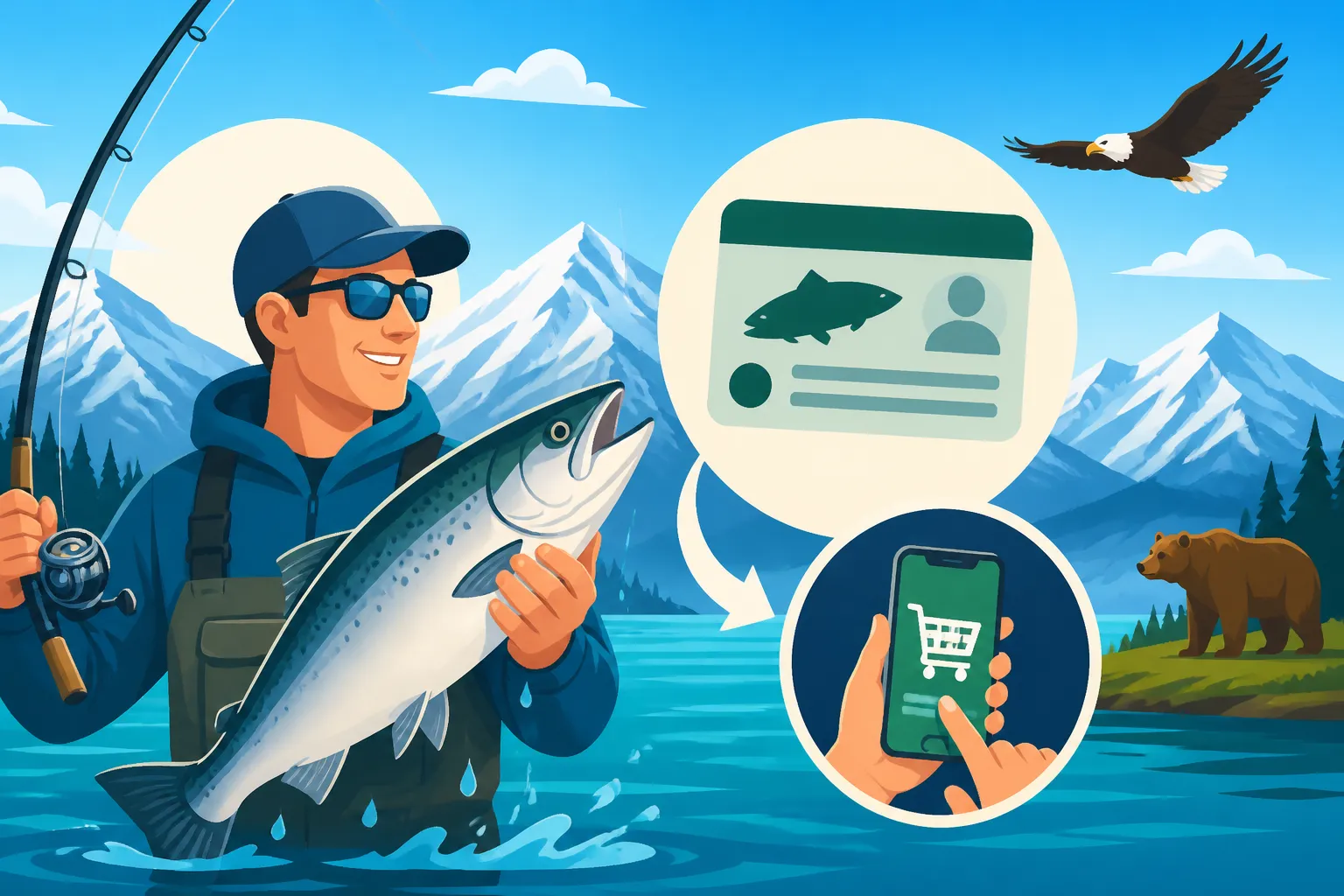
For most people, especially those planning ahead, buying your license online is the easiest and most recommended method. The Alaska Department of Fish and Game (ADF&G) has a user-friendly online licensing system that you can access from anywhere with an internet connection.
Here’s how it typically works:
- Visit the Official ADF&G Website: Head to the Alaska Department of Fish and Game's official licensing portal. Be sure it’s the official government site to avoid scams.
- Create an Account or Log In: If you've purchased an Alaska license before, you can log in with your existing account. If you're a first-timer, you'll need to create a new profile. This usually involves providing basic personal information such as your full name, date of birth, mailing address, and driver's license number or other identification.
- Select Your License Type: Navigate to the sport fishing license options. You'll clearly see choices for non-resident licenses. Select the "1-Day Sport Fishing License" option.
- Choose Your Effective Date: This is crucial for a 1-day license. You’ll be prompted to select the specific calendar day you intend to fish. Make sure you pick the correct date!
- Add Necessary Stamps: If you plan to target King Salmon, remember to add the "1-Day King Salmon Stamp" to your cart at this stage. You don't want to forget this detail.
- Review and Pay: Double-check all the details – your personal information, license type, effective date, and any stamps. Once confirmed, proceed to payment using a credit or debit card.
- Print Your License: After a successful transaction, you’ll typically receive a confirmation email with a link to download and print your official license. It’s absolutely vital to print this out and carry a physical copy with you while fishing. While some wardens might accept a digital copy on your phone, relying solely on technology in remote Alaskan areas can be risky due to lack of signal or battery issues. Plus, a physical copy is often required for marking your Alaska Harvest Record Card Explained.
Purchasing online is generally the most stress-free way to ensure you have your license before your boots even hit Alaskan soil. Our guide on How to Get an Alaska Fishing License Online offers even more detailed steps and tips for this process.
Buying In-Person at Authorized Vendors
Sometimes, life happens, and you need a license last minute. Or maybe you just prefer the traditional way of buying things. Thankfully, ADF&G has authorized vendors throughout the state where you can purchase your 1-day license.
These vendors typically include:
- Sporting Goods Stores: Major retailers like Fred Meyer (often referred to as just "Freddies" by locals), as well as independent tackle shops in fishing towns like Soldotna, Seward, or Homer, will have the capability to issue licenses.
- General Stores and Supermarkets: In smaller communities, even the local general store might be an authorized vendor.
- Charter Offices: Many fishing charter companies, especially those in popular destinations, can sell you a license right before your trip, though it’s always best to call ahead to confirm this service. This is a huge convenience for many visitors, making it easy to comply on the day of your charter.
- ADF&G Offices: While less common for quick purchases, you can also get a license directly from an ADF&G office during business hours.
When purchasing in person, you'll need to provide the same personal identification information as you would online. The vendor will process your transaction, print your license on official paper, and you’ll walk out with it in hand. This option is great for those spontaneous fishing decisions or if you arrive in Alaska without having had the chance to purchase online. Just remember that business hours apply, so don't wait until midnight to try and grab a license for an early morning departure!
What to Do Once You Have Your License
Once you've secured your 1-day fishing license (and any necessary stamps), your responsibilities aren't over!
- Carry it with you: Always, always have your physical license on your person while you are fishing. It's proof that you're legal, and game wardens will ask to see it.
- Sign It: Ensure your license is signed. An unsigned license is not valid.
- Understand Harvest Records: If you plan to retain certain species, particularly King Salmon, you'll also receive an Alaska Harvest Record Card (often integrated into the license or provided separately). You are legally required to immediately record any King Salmon you catch and keep onto this card. Failing to do so can result in serious penalties. It’s worth familiarizing yourself with Which Fish Must Be Recorded in Alaska before your trip.
- Check Regulations: A license permits you to fish, but it doesn't exempt you from the myriad of other Alaska Fishing Regulations Explained regarding bag limits, size restrictions, gear restrictions, or area-specific rules.
Important Considerations for Your 1-Day Fishing Adventure
A 1-day fishing license makes getting on the water quickly a breeze, but there's more to a successful and legal Alaskan fishing trip than just the piece of paper in your pocket. Even for a short outing, being prepared and informed is key to making the most of your limited time and avoiding any unfortunate surprises.
Understanding Regulations Beyond the License
Having your license is step one, but it’s a big mistake to think that’s all you need to worry about. Alaska's fishing regulations are incredibly dynamic and can change frequently, sometimes even mid-season, due to varying fish returns. For instance, while you might have a 1-day King Salmon stamp, there could be an emergency order closing King Salmon retention in the very river you plan to fish.
You need to pay close attention to:
- Daily and Annual Bag Limits: For most species, there are strict limits on how many fish you can keep per day. Even with a 1-day license, these limits apply. For example, Alaska Halibut Daily Limit for Charter Anglers can differ from unguided limits, and salmon limits vary by species and region.
- Size Restrictions: Some species, like Halibut or Lingcod, have specific size windows or minimum/maximum sizes you can retain. You might be targeting a trophy fish only to find it's outside the legal slot limit.
- Gear Restrictions: Rivers often have rules about what kind of tackle you can use. This might include Alaska Barbless Hook Requirements, bait restrictions, or even single-hook rules, especially in sensitive salmon spawning areas. You can't just throw any lure or bait; you need to match the regulations.
- Area-Specific Rules: Regulations often vary drastically from one river system or saltwater area to another. What’s legal on the Kenai River might be prohibited on the Kasilof. Always consult the regulation booklet for the specific area you'll be fishing.
Before your single day of fishing, take some time to review the current regulations for your specific location and target species. A quick check of the ADF&G website or a chat with a local tackle shop or charter captain can save you a lot of grief.
Planning for Unexpected Changes: Emergency Orders
Alaska's fisheries are managed in real-time to ensure sustainability. This means that the ADF&G can, and often does, issue "Emergency Orders" that modify regulations with little notice. These orders can close specific fisheries, change bag limits, or alter gear restrictions, sometimes effective immediately. This can be particularly frustrating for someone on a short trip, as your plans could change just hours before you hit the water.
Here’s how to stay informed, even for a 1-day trip:
- Check Online Regularly: The ADF&G website has a dedicated section for Emergency Orders. Make checking this a routine, especially the day before and the morning of your fishing trip. Our guide on How to Check Alaska Emergency Orders Before Fishing provides great resources.
- Local Word of Mouth: Engage with local bait shops, guides, and fishing forums. They are often the first to know about changes and can offer invaluable, up-to-the-minute advice.
- Charter Captains: If you’re fishing with a guide, they will be fully aware of all current regulations and emergency orders. This is one of the many benefits of a guided trip – they handle the regulatory heavy lifting.
Imagine flying all the way to Alaska for a single day of King Salmon fishing, only to arrive and find out an emergency order has closed the river to King Salmon retention. It happens! Being proactive about checking for these changes is essential.
Ensuring You Have the Right Gear
For a 1-day fishing trip, you probably aren't bringing your entire arsenal of rods and reels. This makes ensuring you have the right gear even more important.
Consider these gear aspects:
- Rod and Reel Setup: Your setup needs to be appropriate for the species you’re targeting. Halibut require heavy-duty gear, while Sockeye salmon often call for specialized setups like those used for "flossing" or drift fishing.
- Lures and Bait: Research what's effective for your target fish and location. For example, Best Lures for Alaska Salmon can vary greatly by species and river conditions. If bait is allowed, make sure you have it. You might even find some useful items on Amazon that can be delivered to your accommodation if you plan ahead.
- Weather-Appropriate Clothing: Alaska weather is famously unpredictable. A beautiful sunny morning can turn into a cold, rainy, and windy afternoon. Layering is key, and waterproof outer layers are non-negotiable. Don't let a sudden downpour ruin your only day of fishing. Even a simple rain jacket and waterproof pants can make a world of difference. You can find excellent options for Best Rain Gear for Alaska Fishing on retailers like Amazon or local sporting goods stores.
- Essentials: Don’t forget a small tackle box, pliers, a measuring tape (for size limits), a net or gaff (if appropriate and allowed), and perhaps some bear spray if you're venturing into remote river systems for bank fishing. For many of these smaller, easily transportable items, browsing Amazon before your trip can help you gather necessities.
Many fishing charters will provide all necessary gear, which is a huge advantage for a 1-day trip. If you're going unguided, check if local tackle shops offer rentals, or plan to purchase what you need. A well-prepared angler, even for a single day, is a happy angler.
Disclaimer
The information provided in this guide is for general informational purposes only and is subject to change. While we strive to keep it accurate and up-to-date, fishing regulations in Alaska, including license costs and specific rules, are frequently updated by the Alaska Department of Fish and Game (ADF&G) through emergency orders and annual regulatory changes. Always consult the official ADF&G website or a current Alaska Sport Fishing Regulations booklet for the most accurate and legally binding information before you embark on your fishing trip. Compliance with all state and federal regulations is your responsibility.