Alaska Bait Restrictions Explained
One of the trickiest parts about fishing in Alaska, especially if you're visiting from out of state or just starting, is figuring out all the rules, and frankly, the bait restrictions can feel like a minefield. It's frustrating to plan a dream trip, stock up on what you think is the right gear, only to discover you're not allowed to use half of it. This guide is here to clear up the confusion, explaining why these rules exist and how to navigate the complex world of Alaska's fishing bait regulations so you can focus on catching fish, not fines.
Why Do Bait Restrictions Exist in Alaska?
It might seem overly complicated to have rules about what you can or can't put on your hook, especially when you're just trying to have a good time. But in Alaska, these restrictions are put in place with some very important goals in mind: primarily protecting our precious wild fish populations, preventing the spread of diseases, and ensuring sustainable fishing for generations to come. It's a delicate balance, and sometimes that means making choices that might feel restrictive to anglers, but are ultimately for the greater good of the resource.
Protecting Wild Fish Stocks
Alaska is renowned for its abundant wild salmon and trout fisheries, and a huge part of managing these resources is minimizing the impact of fishing, even sport fishing, on these populations. Bait, by its very nature, is designed to be attractive and easily consumed by fish. While effective for catching, it often leads to deeper hooking, especially when fish are not actively feeding but rather reactively striking.
When a fish, particularly a King Salmon or a large Rainbow Trout, swallows a baited hook deeply, it significantly reduces its chances of survival if it's caught and then released. Even if you handle the fish carefully and release it quickly, internal damage from a deeply embedded hook can lead to delayed mortality. Many prime fishing areas in Alaska, like sections of the Kenai River or the clear-water streams of the Bristol Bay region, have "catch-and-release" or specific size limit regulations to protect certain segments of the fish population, such as large, spawning females. Using bait in these areas would undermine those conservation efforts by increasing the mortality rate of released fish. Regulations like those found in the Alaska Fishing Regulations Explained document are meticulously crafted to support these biological goals.
Preventing Disease Transmission
Another critical reason for bait restrictions is to prevent the spread of diseases and invasive species. While it might not be the first thing that comes to mind when you're rigging up, foreign organic materials, or even commercially processed baits not sourced from Alaska, can inadvertently introduce pathogens or organisms that could devastate local fish populations. For example, some non-native worms or baitfish, if accidentally released or consumed by local wildlife, could disrupt the delicate aquatic ecosystem.
Although certain diseases like whirling disease (which affects salmonids) are not widespread in Alaska, the state takes a proactive stance. Preventing the introduction of any new disease is far easier than trying to eradicate it once it's established. The use of natural baits, especially those not native to the immediate water body, carries a higher risk of unintended biological transfer compared to artificial lures. This is why you'll often see regulations specifying "artificial lures only" in sensitive drainages, acting as a preventative measure to safeguard Alaska's pristine aquatic environments.
Managing Angler Impact
Beyond direct harm to fish, bait restrictions also serve to manage the overall intensity and impact of angling pressure. In popular fishing spots, especially during peak salmon runs, the sheer number of anglers can put immense stress on the fishery and the surrounding environment. Bait fishing can sometimes lead to more aggressive "combat fishing" scenarios, where anglers are tightly packed, increasing the potential for snagging or foul-hooking, which can also injure fish.
By restricting bait, particularly in high-traffic areas or during sensitive spawning periods, wildlife managers aim to create a more sustainable and, frankly, often a more enjoyable fishing experience. It encourages anglers to develop and utilize other techniques like fly fishing or lure casting, which generally have lower incidental mortality rates and can spread anglers out more naturally. It’s about ensuring that the experience of fishing in Alaska remains a quality one, year after year, without overwhelming the natural resources or creating unsustainable fishing practices.
Common Types of Bait Restrictions You'll Encounter
When you dive into the specifics of Alaska's fishing regulations, you'll quickly realize that "bait restrictions" aren't a one-size-fits-all rule. They come in various forms, each designed to address specific concerns in different fisheries. Understanding these nuances is key to staying compliant and having a successful trip. It’s not just about if you can use bait, but what kind of bait, where, and when.
"No Bait" vs. "Artificial Lures Only" vs. "Single Hook, Artificial Lure Only"
These phrases are distinct and carry significant implications for your tackle box.
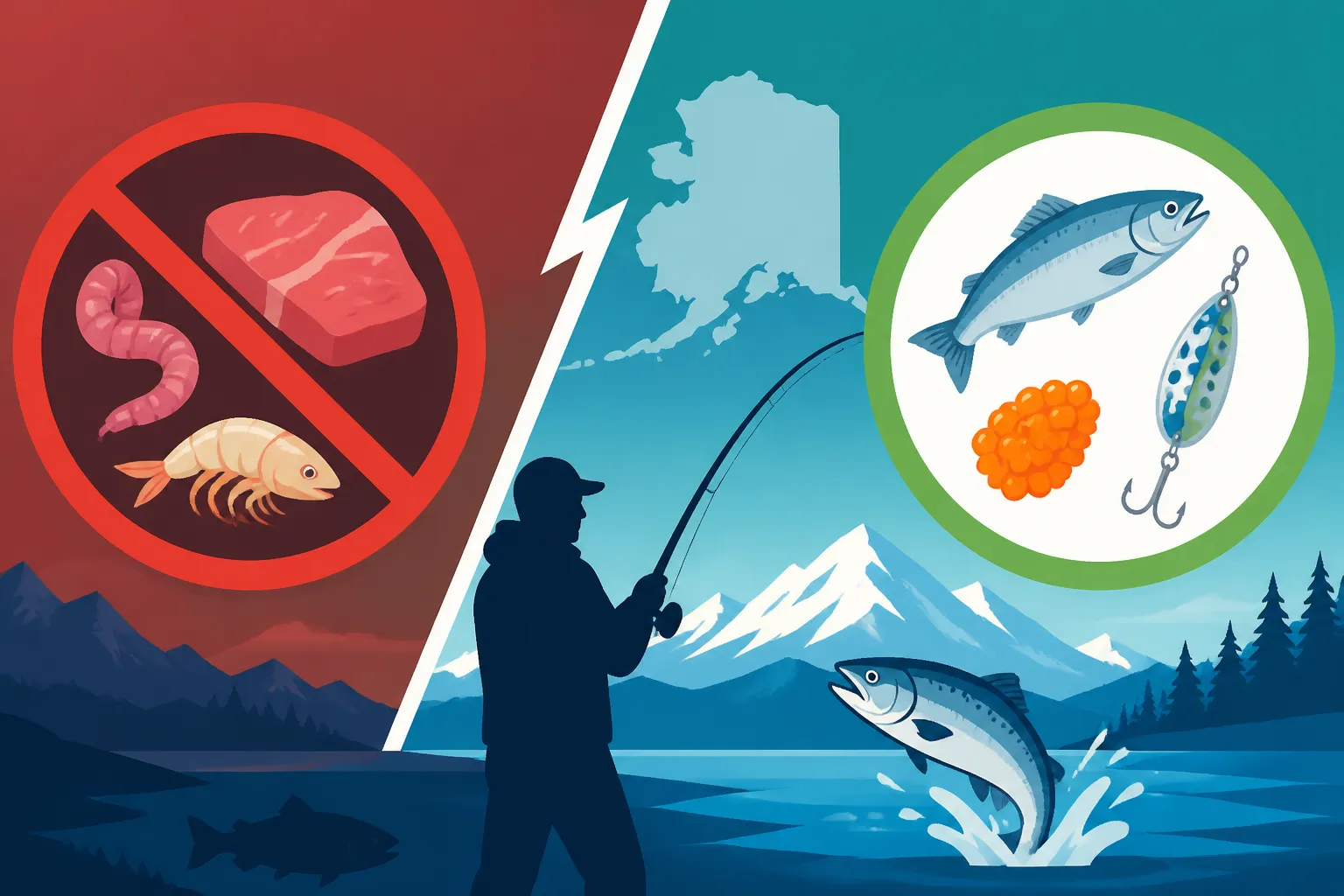
- "No Bait": This is the most straightforward and absolute restriction. If you see "No Bait," it means no natural bait, no cured eggs, no worms, no cut bait, and often no scented soft plastics or chemically enhanced baits that mimic natural food sources. In these zones, you're strictly limited to artificial lures that do not carry natural scent or flavor attractants.
- "Artificial Lures Only": This expands slightly from "No Bait" but still prohibits traditional natural baits. However, it often permits a wider range of artificial tackle, including scented artificial lures like Gulp! or PowerBait products, as long as they are not natural bait. The key distinction here often lies in whether the item is biologically derived or manufactured. Many anglers will purchase these types of baits from retailers, and you can often find a good selection on platforms like Amazon.
- "Single Hook, Artificial Lure Only": This regulation goes a step further, not only requiring artificial lures but also mandating the use of a single hook (no treble hooks) and, importantly, often a barbless hook. This particular restriction is extremely common in areas with sensitive fish populations or during periods when catch-and-release is critical. The combination of artificial lures and single, barbless hooks dramatically reduces the chance of deep hooking and injury, making it easier for released fish to survive. You'll often find this rule applied during specific King Salmon runs or in renowned trout fisheries. Learning about Alaska Barbless Hook Requirements is crucial here.
Species-Specific Bait Rules
Alaska's diverse fisheries mean that regulations are often tailored to the specific behavior and conservation needs of individual fish species. What's perfectly legal for catching halibut in saltwater might be strictly forbidden for sockeye salmon in a freshwater river.
For instance, King Salmon, especially those returning to rivers like the Kenai or Kasilof, often have the most stringent bait restrictions due to their high value and conservation status. During certain periods, even when fishing for Kings, bait might be completely prohibited, or only specific types of artificial lures with Alaska Single-Hook Rules During King Closures might be allowed. Sockeye salmon, known for their unique "flossing" technique, are often targeted with unbaited fly patterns, and adding bait is typically illegal and ineffective. Conversely, species like Halibut or Lingcod in marine waters are almost exclusively targeted with bait, often large chunks of herring or octopus, along with heavy jigs. When exploring options, knowing the specific rules for Alaska Halibut Fishing Regulations and Limits or Alaska King Salmon Fishing Regulations and Limits is vital.
Area-Specific and Time-Specific Restrictions
The vastness of Alaska means that regulations can change dramatically not just by species, but also by location and time of year. A river section just a few miles upstream or downstream can have entirely different rules. For example, the upper Kenai River has different bait regulations than the lower Kenai, and these rules can also shift throughout the salmon run, or even week to week due to emergency orders.
Similarly, time-specific restrictions are commonplace. Many fisheries implement "no bait" or "artificial lures only" rules during specific periods, such as the early part of a salmon run when conservation is paramount, or during low-water conditions that make fish more vulnerable. These changes are often announced via emergency orders, which override the printed regulation booklet. It’s absolutely critical to be aware of the daily and weekly changes for your specific fishing location. Knowing How to Read Alaska Fishing Regulations and especially Alaska Fishing Emergency Orders Explained is non-negotiable for any serious angler.
Understanding What Counts as "Bait" in Alaska
This is where things can get truly perplexing for anglers, as the definition of "bait" isn't always as straightforward as you might think. It's not just about live worms anymore; modern fishing tackle blurs the lines. Alaska's regulations are quite specific, and misinterpreting them can lead to a hefty fine, so let’s break down what usually falls under the "bait" umbrella.
Natural Baits: Eggs, Roe, Cut Bait, Worms
Historically, when people think of bait, these are the items that come to mind, and they unequivocally count as bait in Alaska regulations.
- Eggs and Roe: Cured salmon eggs (often referred to simply as "roe") are incredibly effective for catching various salmon species and trout, but their use is frequently restricted or outright prohibited in many freshwater systems. Their strong scent and natural appeal make them highly attractive to fish, but also contribute to the deep-hooking problem mentioned earlier. Many anglers take great pride in How to Cure Salmon Eggs for Bait but must always check if they can actually use them.
- Cut Bait: This typically refers to pieces of fish, such as herring, salmon, or octopus, used to attract predatory fish. This is a staple in saltwater halibut fishing, but almost universally restricted in freshwater salmon and trout fisheries. Using cut bait in a river designated "artificial lures only" would be a clear violation.
- Worms and Other Invertebrates: Live or dead worms, shrimp, and other natural aquatic or terrestrial invertebrates are classic baits. While popular and effective in many parts of the world, they are often prohibited in sensitive Alaskan freshwater systems, particularly those managed for wild trout and salmon, to prevent the introduction of foreign organisms and reduce incidental mortality.
Scented Artificials and Biodegradables
This category is where the lines start to get blurry for many. With advancements in fishing technology, many manufacturers now create artificial lures that are heavily infused with natural scents, flavors, or even made from biodegradable materials designed to mimic natural prey.
- Scented Artificial Lures (e.g., Gulp!, PowerBait): Products like Berkeley Gulp! or PowerBait, while technically "artificial" in their construction, are loaded with powerful attractants. In Alaska, these are often treated as bait for regulatory purposes, even though they aren't naturally occurring organisms. If a regulation states "no bait," these products are almost certainly prohibited. If it says "artificial lures only," you might be in a gray area; typically, if they are scented and designed to be ingested like food, they are considered bait. Always check the specific wording in the regulation booklet or emergency orders for clarification. You can find these highly effective scented soft plastics on platforms like Amazon, but ensure they comply with local rules before you head out.
- Biodegradable Lures: Some lures are marketed as biodegradable, aiming to reduce environmental impact. However, if these lures also contain attractants or are designed to be consumed like natural food, they will likely fall under the "bait" definition for regulatory purposes. The intent is to prevent fish from ingesting something that might cause internal damage or lead to a higher mortality rate if released.
The Grey Areas: Scented Plastics and Fly Tying Materials
Even for experienced anglers, there are sometimes subtle distinctions that can cause confusion.
- Scented Soft Plastics (Non-Biodegradable): What about a plastic worm that's been dipped in a scent attractant, or soft plastic jigs that come pre-scented? Generally, if the primary purpose of the scent is to make the lure more attractive to fish through smell or taste, it will be considered bait. The regulations often focus on the function rather than just the composition. If a fish can smell it and is enticed to eat it rather than just strike it, it’s likely bait. This is a common point of contention and misinterpretation, so when in doubt, default to "no bait" if the rules are strict.
- Fly Tying Materials: For fly anglers, this becomes a nuanced discussion. Traditional flies, tied with natural or synthetic materials, are generally considered artificial lures. However, some fly patterns incorporate materials that are naturally derived and might carry residual scent, or flies designed to hold scent attractants. If you’re fishing an "artificial fly only" water, adding any external attractant or using a fly tied with a substantial amount of natural, scent-laden material could potentially be deemed a violation. The key is typically whether the intent of the material is to attract through scent/taste as opposed to visual appeal or vibration. This is especially relevant when discussing Alaska Rainbow Trout Regulations, as trout fisheries often have stringent fly-only rules.
When in doubt, always err on the side of caution. If the regulations say "artificial lures only," and your lure has a strong, persistent scent, or is soft and pliable like a natural food item, it's safer to assume it's prohibited. The best practice is to carry a copy of the current regulations, perhaps a waterproof version purchased from Amazon, and refer to it often.
Navigating Bait Restrictions for Different Species
Alaska is home to an incredible variety of fish, and just as their habitats and feeding behaviors differ, so do the regulations concerning bait use. A successful trip often hinges on understanding these species-specific nuances.
King Salmon Bait Rules
King Salmon, also known as Chinook, are the largest and often most prized salmon species in Alaska. Their runs are closely monitored, and regulations are frequently adjusted to ensure conservation. This means that bait rules for King Salmon can be among the strictest and most dynamic.
In many popular King Salmon rivers, such as sections of the Kenai River or Kasilof River, there are often periods where bait is completely prohibited, or only artificial lures with a single, barbless hook are allowed. This is especially true during the early parts of the run, or when escapement goals are not being met. These measures are critical because King Salmon, being large and powerful, are particularly susceptible to deep hooking and stress if caught on bait and then released. Even if you're targeting other species, if Kings are present and the bait restriction is in effect for all species, you must comply. Always check the Alaska King Salmon Fishing Regulations and Limits carefully for your specific fishing area and time. These regulations can literally change overnight via emergency order, so what was legal on Monday might be illegal on Tuesday.
Sockeye Salmon Bait Rules
Sockeye Salmon, or Reds, are famous for their strong fighting spirit and exceptional table fare. Unlike Kings, Sockeye are primarily plankton feeders in saltwater and typically do not feed actively once they enter freshwater to spawn. This characteristic drives the unique fishing techniques and associated bait rules for Sockeye.
Most Sockeye fishing in Alaska, particularly in high-volume fisheries like the Kenai and Russian Rivers, involves a technique often called "flossing" or "lining." This involves drifting an unbaited, weighted fly or hook rig near the river bottom, hoping the Sockeye's mouth contacts the line, allowing the hook to set in or near the jaw. Because Sockeye are not feeding, bait is generally ineffective and, more importantly, often explicitly prohibited in Sockeye-dominant rivers. Using bait would not only be largely pointless but could also lead to foul-hooking or unnecessary injury to fish that are not intending to bite. Therefore, when targeting Sockeye, plan on using artificial, unbaited rigs. You can delve deeper into specific rules for different areas like the Alaska Sockeye Salmon Limits on the Kenai to understand the nuances.
Trout and Char Bait Rules
Alaska's freshwater systems are also home to incredible Rainbow Trout, Dolly Varden, Arctic Char, and Arctic Grayling fisheries. Regulations for these species can vary widely depending on the specific water body and its management goals.
In many designated "trophy trout" or "catch-and-release" rivers and streams, particularly on the Kenai Peninsula or in Bristol Bay, bait is often completely prohibited. These regulations are designed to protect these long-lived fish, which are highly susceptible to deep hooking when consuming bait. In such areas, anglers are typically restricted to artificial flies or lures, often with single, barbless hooks. The goal is to maximize the survival rate of released fish, allowing them to grow large and contribute to the health of the ecosystem.
However, in other, less sensitive streams or lakes, especially those with stocked populations or where conservation concerns are lower, bait (like worms or cured eggs) might be permitted. It's crucial to consult the regulations for the specific lake or stream you plan to fish. For specific information on Alaska Rainbow Trout Regulations, you'll find that rules are often highly localized.
Halibut and Marine Species Bait Rules
When it comes to saltwater fishing for species like Halibut, Lingcod, and various Rockfish, the bait rules shift dramatically. In marine environments, bait is not only permitted but often the preferred and most effective method for targeting these large, bottom-dwelling predators.
Halibut charters, for example, almost universally use bait, with cut herring being the most common choice. Other popular baits include octopus, salmon bellies, or even codfish. These baits are typically fished on heavy-duty spreader bars or jigs, often tipped with large chunks of natural bait. Similarly, Lingcod and Rockfish respond very well to baited jigs or cut bait.
While bait is generally allowed in saltwater, there might still be some subtle restrictions, such as size limits on the baitfish used or regulations regarding the retention of certain species to be used as bait. Always confirm with your charter captain or refer to the specific marine species regulations, particularly if you're fishing without a guide. The general rule of thumb, though, is that if you're heading out into salt water for big bottom fish, your bait bucket will likely be an essential piece of gear.
To help visualize, here's a table summarizing common bait status for key Alaskan species/scenarios:
| Species/Scenario | Common Bait Status | Typical Allowed Tackle (if bait restricted) | Why the Rule Exists |
|---|---|---|---|
| King Salmon (Rivers) | Often restricted or prohibited (especially early run) | Artificial lures, single barbless hook, unbaited flies | Conservation of vulnerable spawning stock, reduce deep hooking |
| Sockeye Salmon (Rivers) | Generally prohibited, ineffective | Unbaited flies/hooks (for flossing), artificial lures | Sockeye don't feed in freshwater, prevent foul-hooking |
| Rainbow Trout (Sensitive) | Prohibited | Artificial flies, artificial lures, single barbless hook | Protect trophy fish, maximize catch-and-release survival |
| Halibut (Saltwater) | Generally allowed and encouraged | Cut bait (herring, salmon), octopus, scent-enhanced jigs | Effective for large, bottom-dwelling predators |
| Rockfish/Lingcod (Salt) | Generally allowed | Cut bait, live bait, large jigs (often tipped with bait) | Attracts aggressive marine predators |
| General "Artificial Only" | Prohibited | Artificial lures (plastic, metal, wood), flies, no scent | Prevent disease, reduce mortality, manage pressure |
Practical Tips for Staying Compliant and Still Catching Fish
Navigating Alaska's bait restrictions might seem daunting, but with a bit of preparation and flexibility, you can still have incredibly successful and legal fishing trips. It’s all about being informed and adapting your approach.
Always Check Emergency Orders
This cannot be stressed enough: always check emergency orders! The printed Alaska Sport Fishing Regulations booklet, while comprehensive, is only a snapshot in time. Due to dynamic factors like salmon run strength, water levels, or conservation concerns, the Alaska Department of Fish and Game (ADF&G) frequently issues emergency orders that can change regulations overnight. These changes often impact bait use, bag limits, and even fishing closures.
Imagine planning a trip for months to the Kenai River, only to find out upon arrival that bait is suddenly prohibited for Kings due to a weaker run. This happens frequently. Before you head out, check the ADF&G website, their emergency order hotline, or local tackle shops in towns like Soldotna or Cooper Landing. These resources are your most up-to-date source of information. Ignoring emergency orders, even unintentionally, is not an excuse for a violation. Staying informed is a key component of responsible angling in Alaska. Many experienced anglers also use apps and websites that consolidate this information, and it's always worth a quick check, even if you just looked yesterday. Knowing How to Check Alaska Emergency Orders Before Fishing is foundational for any trip.
Equip Yourself with Versatile Tackle
Given the dynamic nature of bait restrictions and the variety of species you might encounter, having a versatile tackle box is essential. Don't put all your eggs (or cured salmon roe!) in one basket.
Instead of relying solely on bait, ensure you have a good selection of effective artificial lures. This might include:
- Spinners: Such as the popular Mepps Aglia or Blue Fox Vibrax, which are excellent for Coho and Pink Salmon, and sometimes even aggressive Kings or trout.
- Spoons: Like the Pixee Spoon or Daredevle, which can attract a wide range of salmon species.
- Jigs: Both weighted jigs (for bottom fish like Halibut) and lighter jigs (for salmon or trout) are indispensable. Some jigs can even be tipped with a small piece of legal bait where allowed, or fished purely as artificials.
- Flies: Even if you're primarily a spin fisherman, having a few Sockeye flies or streamer patterns on hand can save the day if you find yourself in an "artificial fly only" zone, or if you're targeting trout.
Look for gear that is multi-purpose. For instance, a medium-heavy spinning rod could handle both casting spoons for Silvers and jigging for smaller Halibut. Always ensure your hooks comply with Alaska Barbless Hook Requirements if those rules are in effect. Stock up on these versatile options, and you can find a huge range of selection, from affordable to high-end, on Amazon before your trip. This preparation allows you to pivot your fishing strategy on the fly, adapting to changing regulations without missing a beat. For more ideas on what to bring, check out an Alaska Fishing Gear and Tackle Guide.
Learn Alternative Techniques
When bait is restricted, it’s not an invitation to pack up and go home; it's an opportunity to hone your skills with alternative fishing techniques. Many anglers find these methods incredibly rewarding, offering a deeper connection to the sport.
- Flossing/Lining for Sockeye: As mentioned, this is the quintessential Sockeye technique. It requires specific gear and a precise approach to drift an unbaited fly or hook through schools of Sockeye. It's a highly effective and legal method for catching these non-feeding salmon.
- Casting Spinners and Spoons: For Coho (Silver) Salmon, Pink Salmon, and often aggressive King Salmon, casting and retrieving artificial spinners and spoons can be incredibly productive. Vary your retrieve speed, depth, and presentation to find what triggers strikes.
- Fly Fishing: Many of Alaska's most pristine trout and salmon waters are designated "fly fishing only." Learning basic fly casting, mend techniques, and how to "read" the water can unlock incredible opportunities. From drifting beads for Rainbow Trout to swinging streamers for King Salmon, fly fishing offers a beautiful and often less crowded experience.
- Jigging: In both freshwater and saltwater, jigging is a fantastic technique. For Halibut, heavy jigs are bounced along the bottom. In rivers, lighter jigs can be deadly for Coho and often legal when bait is restricted.
Embracing these alternative approaches not only keeps you compliant with regulations but also makes you a more skilled and adaptable angler. There's a true sense of accomplishment in successfully catching fish using only artificial presentations. Many resources, including guides and online tutorials, can help you master these different methods, allowing you to maximize your chances, regardless of bait restrictions. A deeper dive into Best Fishing Techniques for Alaska can set you on the right path.
How to Easily Find Current Bait Regulations
Staying on top of Alaska's dynamic fishing regulations, especially bait restrictions, can feel like a full-time job. But it doesn't have to be. There are readily available resources designed to help anglers understand the rules and avoid common pitfalls.
Alaska Department of Fish and Game ADF&G Resources
The Alaska Department of Fish and Game (ADF&G) is the primary authority for all fishing regulations in the state, and they provide several excellent resources to keep anglers informed.
- Official Regulation Booklets: The printed "Alaska Sport Fishing Regulations" booklets are distributed widely at tackle shops, sporting goods stores, and ADF&G offices across the state. These comprehensive guides are broken down by region and species, detailing general rules, bag limits, and specific tackle restrictions, including bait. However, it's crucial to remember that these booklets are printed seasonally, and emergency orders can change them at any time. Always carry a physical copy, but don't rely on it as your sole source of real-time information. Knowing How to Read the Alaska Sport Fishing Regulations Booklet is a fundamental skill.
- ADF&G Website: The ADF&G website (adfg.alaska.gov) is an invaluable online resource. Here you can find digital versions of the regulation booklets, detailed news releases, and, most importantly, the latest emergency orders. Many regions have specific pages dedicated to sport fishing, providing updates, forecasts, and even webcams for popular rivers. Before any trip, visit the relevant section of the website for the area you plan to fish.
- Emergency Order Hotline/Webpage: ADF&G maintains a dedicated system for emergency orders. These are critical for real-time updates on closures, openings, and changes to tackle or bag limits. These orders often pertain directly to bait use. Many regions have specific phone numbers you can call for recorded messages, and all emergency orders are posted on the ADF&G website. Make it a routine to check these resources right before you hit the water.
- Local Offices and Staff: Don't hesitate to visit or call an ADF&G office in the region you're fishing. The staff are knowledgeable and can provide clarification on complex rules. They are there to help anglers understand and comply with regulations.
Local Knowledge and Guides
Beyond official channels, tapping into local expertise is one of the best ways to stay informed about current bait restrictions and effective fishing strategies.
- Tackle Shops and Sporting Goods Stores: Local tackle shops are absolute goldmines of information. Stores like Sportsman's Warehouse or smaller independent tackle shops in fishing towns (e.g., Soldotna, Homer, Seward) employ passionate anglers who are usually up-to-date on the latest regulations, including emergency orders, and know what's working (and what's legal) at any given moment. They can offer advice on the best lures for "artificial only" days or what bait is currently permitted. They often post printed emergency orders right on their doors.
- Fishing Guides and Charters: If you're going out with a professional fishing guide or charter captain, they are legally obligated to know and follow all current regulations. They are an excellent source of information and will ensure you're fishing legally. Don't be afraid to ask them questions about current rules, including bait restrictions, even before your trip. A good guide will explain the rules and provide all the necessary, compliant tackle. Many anglers find the investment in a guided trip worthwhile simply for this peace of mind and access to local expertise. Checking if Do Charters Include Alaska Fishing Licenses is also a good pre-trip question.
- Fellow Anglers: While not an official source, chatting with other anglers on the riverbank or at the dock can provide valuable real-time insights into conditions and recent regulation changes. Just be sure to cross-reference any critical information with official ADF&G sources, as interpretations can sometimes vary.
By utilizing a combination of these resources, you can confidently navigate Alaska's bait restrictions, ensure you're fishing legally, and maximize your chances of a successful and memorable Alaskan fishing adventure.
Disclaimer
Please remember that fishing regulations, especially concerning bait, can change rapidly due to emergency orders from the Alaska Department of Fish and Game. While this guide provides comprehensive information, it is not a substitute for checking the most current regulations for your specific fishing location and time. Always consult the official ADF&G website, emergency order hotlines, or local field offices before you fish. Regulations are subject to change without notice.