How to Book a Sitka Fishing Charter
Booking a fishing charter in a world-class destination like Sitka, Alaska, can feel incredibly daunting. You’re dreaming of those giant King Salmon or a barn-door Halibut, but then you hit the internet and are immediately overwhelmed by the sheer number of operators, varying prices, and conflicting advice. This guide is here to cut through that noise, offering a comprehensive, step-by-step approach to help you confidently choose and book the perfect Sitka fishing charter for your unforgettable Alaskan adventure.
Understanding Sitka's Fishing Appeal and Seasons
Sitka, nestled on Baranof Island in Southeast Alaska, isn't just a picturesque town; it's a legendary fishing ground. Its unique location, surrounded by nutrient-rich waters of the Pacific Ocean and protected by numerous islands, creates an ideal habitat for an incredible diversity of marine life, making it a top-tier destination for anglers from around the globe.
Why Sitka is a Premier Fishing Destination
What makes Sitka truly special for fishing is its consistent access to both prolific salmon runs and incredible bottom fishing opportunities. Unlike some other Alaskan locales that might specialize in one or the other, Sitka truly offers the best of both worlds, often on the same trip! The deep, protected waters around Sitka Sound are a highway for migratory salmon, especially the prized Chinook (King) and Coho (Silver) salmon. These fish are often found feeding heavily in the offshore waters before they head to their spawning rivers, making them aggressive biters and fantastic fighters.
Beyond salmon, the offshore pinnacles, reefs, and rocky bottoms are prime territory for monster Pacific Halibut, fierce Lingcod, and a variety of colorful Rockfish. You’re not just chasing one species here; you’re entering an ecosystem teeming with possibilities. The scenery alone is worth the trip, with towering spruce forests meeting the dramatic ocean coastline, often punctuated by whales breaching and eagles soaring overhead. For a deeper dive into the region's offerings, check out our dedicated guide on Sitka Fishing Guide.
Best Times to Fish Sitka
Timing your trip to Sitka is crucial for maximizing your chances of catching your target species. While fishing is generally good throughout the summer, specific months offer peak opportunities for certain fish.
The King Salmon season kicks off as early as May and can run strong through July. These early-season Kings are often bright, chrome-plated, and feisty, fresh from the ocean. Many anglers specifically target these spring and early summer trophy Kings. As the summer progresses into late July and August, the focus often shifts to the robust Silver (Coho) Salmon run, known for their acrobatic fights and incredible speed. Pink Salmon and Chum Salmon also make their appearances, offering consistent action, especially in August.
For bottom fish, particularly the renowned Pacific Halibut, the season generally runs from mid-May through mid-September. June, July, and August are widely considered prime months when the weather is typically more stable, and the halibut are actively feeding. Lingcod and various species of Rockfish are also abundant during these months. Understanding the Alaska Salmon Run Timing Explained and Best Time to Fish in Alaska can help you align your visit with your desired catch.
Sitka Fishing Season Overview
| Month | Primary Target Species | Secondary Target Species | Notes |
|---|---|---|---|
| May | King Salmon, Halibut | Rockfish, Lingcod | Early season Kings, stable Halibut fishing begins. |
| June | King Salmon, Halibut | Rockfish, Lingcod | Peak King Salmon, excellent Halibut, generally good weather. |
| July | King Salmon, Silver Salmon, Halibut | Pink Salmon, Rockfish | Transition to Silvers, still strong Kings, prime Halibut. |
| August | Silver Salmon, Halibut | Pink Salmon, Chum Salmon | Peak Silver Salmon, consistent Halibut, high action for all. |
| September | Silver Salmon, Halibut | Rockfish | Late season Silvers, good Halibut, fewer crowds, cooler weather. |
Navigating Your Charter Options in Sitka
Once you've zeroed in on the best time for your trip, the next step is understanding the types of charters available and what to expect from them. Sitka boasts a robust charter fleet, but not all operations are created equal, nor do they all offer the same experience.
Types of Sitka Charters Available
The most common decision you'll face is between a full-day or a half-day trip, and whether you prefer a private boat or a shared charter.
-
Full-Day vs. Half-Day Charters: Most serious anglers opt for full-day charters, typically 8-10 hours. This allows the captain ample time to travel to the best fishing grounds, whether they're offshore for halibut or chasing salmon in the sound, and gives you more fishing time. Half-day trips (4-6 hours) can be a good option for families with young children or those who are new to ocean fishing and might be prone to seasickness, but they limit your range and often the quantity of fish. For a detailed comparison, explore Half-Day vs Full-Day Alaska Charters.
-
Combo Trips: Many Sitka charters offer a "combo" trip, targeting both salmon and halibut on the same day. This is an incredibly popular choice and a fantastic way to experience the diversity of Sitka's fisheries. Often, you'll start by trolling for salmon and then switch gears to bottom fishing for halibut and rockfish later in the day. Be sure to clarify the exact split of time between species when booking.
-
Private vs. Shared Charters: A private charter means you book the entire boat for your group, usually up to six people. This offers maximum flexibility in terms of target species, departure times, and how long you spend in each area. It's often preferred by families or groups of friends who want a more personalized experience. Shared charters, on the other hand, are typically more budget-friendly. You pay per person and share the boat with other anglers who have also booked individual spots. While you might not have as much say in the fishing plan, it's a great way to meet other enthusiasts and spread the cost.
What to Expect from Sitka Charter Vessels and Crew
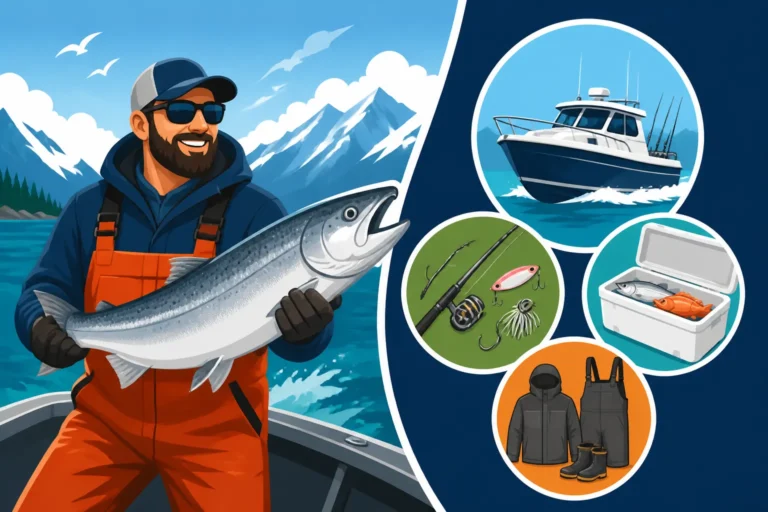
Sitka charter boats are typically well-equipped, purpose-built vessels designed for comfort and safety in open ocean conditions. You'll often see larger cabin cruisers, anywhere from 28 to 40 feet, providing heated cabins, marine heads (toilets), and plenty of deck space for fishing.
- Gear and Tackle: Reputable charters in Sitka provide all the necessary fishing gear, including rods, reels, and bait. This will typically be high-quality, heavy-duty tackle capable of handling large King Salmon or massive Halibut. Don't worry about bringing your own unless you have a specific preference and confirm with the captain beforehand. This is a common practice, as detailed in Do Alaska Charters Provide Gear.
- Expert Guides: Your captain and crew are your greatest assets. They possess intimate knowledge of the local waters, fish patterns, and regulations. They’ll handle navigation, baiting, untangling lines, and often help with filleting your catch at the end of the day. Their expertise is invaluable for a successful and safe trip. A good guide will also be passionate about helping you understand the local ecosystem and making your experience enjoyable.
Step-by-Step Guide to Booking Your Sitka Fishing Charter
Now that you have a grasp of what Sitka offers and your options, let’s walk through the actual booking process to ensure you land the perfect charter.
Researching and Comparing Charters
This is where the real work begins, but it doesn't have to be overwhelming. Many anglers start their search on reputable online platforms like FishingBooker. These sites aggregate listings from numerous Sitka operators, allowing you to filter by species, date, price, and even specific amenities.
- Online Platforms and Direct Websites: Websites like FishingBooker offer a convenient way to browse many options in one place. You can read reviews, compare prices, and often see real-time availability. Many individual charter operators also have their own websites, which can provide more in-depth information about their specific boat, crew, and philosophy. Look for charters that specialize in the species you want to target. If your heart is set on halibut, seek out operators known for Best Halibut Fishing in Alaska.
- Reading Reviews and Testimonials: This is probably the most crucial step. Don't just look at the star rating; read the comments. Look for consistent themes regarding the captain's expertise, the crew's helpfulness, the condition of the boat, and whether anglers felt they got their money's worth. Pay attention to how the charter handles adverse weather or slow fishing days – a good charter will still strive to provide a positive experience.
- Local Recommendations: If you know anyone who has fished in Sitka, pick their brain! Personal recommendations can be gold. Local tackle shops or even lodging providers in Sitka might also offer unbiased advice or point you towards reputable operators.
Key Questions to Ask Before Booking
Once you've narrowed down a few potential charters, it’s time to pick up the phone or send an email. Don't be shy; asking questions ensures you and the charter are on the same page.
- Licensing and Regulations: Confirm that the charter is fully licensed and insured. Also, ask about fishing licenses. While the charter provides gear, you, as the angler, are responsible for purchasing your own Alaska Fishing License: Complete Guide and any necessary stamps, like the King Salmon stamp, if applicable. Your captain should be well-versed in Alaska Fishing Regulations Explained, but it's good to know what to expect.
- What's Included and Excluded: Always clarify what's included in the price. Does it cover bait, tackle, fish cleaning, and packaging? What about rain gear or snacks? Most charters will provide rods, reels, and bait. Some might offer snacks and non-alcoholic beverages, while others expect you to bring your own. Be clear on items like fish processing; many charters will fillet your catch, but further processing (like vacuum sealing or freezing for shipping) might be an extra service offered by the charter or a separate local business. This is important for Fish Processing After an Alaska Charter.
- Cancellation Policy: Alaska weather can be unpredictable. Ask about their cancellation policy, especially regarding weather. What happens if the captain deems conditions unsafe? Will you receive a refund or have the option to reschedule?
- Specific Target Species & Techniques: If you have a primary target like King Salmon, ask if they primarily troll or use other techniques. If you want to try How to Catch Halibut in Alaska, confirm their typical methods for that species. A good charter will be flexible within legal limits to try and get you on the fish you want.
Making Your Reservation and Deposit
Alaska fishing charters, especially the best ones in popular spots like Sitka, book up incredibly fast. It’s not uncommon for prime dates in July and August to be reserved a year or more in advance.
- Timeline: For popular seasons (June-August), try to book 6-12 months out, especially if you have specific dates or a larger group. If you're flexible, you might find last-minute openings, but don't count on it.
- Deposits and Payments: Most charters require a deposit to secure your booking, usually 25-50% of the total cost. Clarify their payment schedule for the remaining balance. Always get confirmation of your booking and deposit in writing.
- Communicate Clearly: Once booked, keep an open line of communication. Confirm your trip details a few weeks before your departure, and don't hesitate to ask any last-minute questions about weather, what to bring, or meeting points.
Preparing for Your Sitka Fishing Adventure
With your charter booked, the excitement builds! A little preparation can go a long way in ensuring a comfortable and successful trip on the water.
Essential Gear and Clothing
Even on the sunniest day, Alaska weather can change in an instant. Dressing in layers is the golden rule, and being prepared for rain is non-negotiable.
- Layers are Key: Start with a moisture-wicking base layer, add a fleece or wool mid-layer for warmth, and top it with a waterproof and windproof outer shell. Even in summer, temperatures can be cool on the water, especially early in the morning or if the wind picks up.
- Rain Gear: Bring good quality waterproof rain pants and a jacket. There's nothing worse than being cold and wet five hours into a fishing trip. Some charters provide basic rain gear, but personal, well-fitting gear is always better. For more specific advice, see What to Wear on an Alaska Fishing Charter.
- Footwear: Waterproof, non-slip boots are ideal. Deck shoes or sneakers with good grip are also acceptable, but avoid open-toed shoes or anything that can't handle getting wet.
- Sun Protection: Even on cloudy days, UV rays can be intense, reflecting off the water. Pack sunglasses (polarized are great for spotting fish), a wide-brimmed hat, and plenty of sunscreen.
- Other Essentials: Bring any personal medications, seasickness remedies (if you're prone), a camera, snacks, and non-alcoholic beverages. A small waterproof bag can be handy for keeping your phone or other valuables dry.
Understanding Sitka's Regulations and Limits
Alaska's fishing regulations are designed to sustain its incredible fisheries for generations to come. It’s crucial for every angler to understand and adhere to them.
- Harvest Record Card: Many species, especially King Salmon and Halibut, require you to record your catch immediately on your Alaska Harvest Record Card Explained. Your charter captain will guide you on this, but be aware of your responsibility.
- Bag and Possession Limits: These vary by species and sometimes by specific areas. For example, Alaska Halibut Daily Limit for Charter Anglers can differ from unguided limits, and there might be specific size restrictions or reverse slot limits. King Salmon also have strict daily and annual limits, especially for non-residents. Your captain will always be up-to-date on the latest regulations, including any in-season Alaska Fishing Emergency Orders Explained that might alter limits or closures.
- King Salmon Stamp: If you plan on fishing for King Salmon, a special stamp is required for your license. This is a crucial detail that often catches non-residents off guard. Learn more about the Alaska King Salmon Stamp Requirements.
By following these steps, doing your homework, and asking the right questions, you'll be well on your way to a smooth booking process and an incredible fishing adventure in Sitka, Alaska.
Disclaimer
Please remember that fishing regulations, seasons, and conditions in Alaska can change frequently due to management decisions by the Alaska Department of Fish and Game. Always verify the most current regulations, emergency orders, and licensing requirements directly with the ADF&G website or a local vendor before your trip. This guide is for informational purposes only and does not constitute official legal advice regarding fishing regulations.