Alaska Silver Salmon Charter: What to Expect
Planning an Alaska silver salmon charter can feel a bit daunting, right? You're dreaming of those feisty Coho salmon, leaping and stripping line, but you might be wondering about everything from what gear you'll need to how to actually get your fish home. This comprehensive guide is here to demystify the entire process, walking you through what to expect on an Alaska silver salmon charter, so you can focus on the thrill of the catch.
Understanding Silver Salmon Fishing in Alaska
Silver salmon, also known as Coho salmon, are one of Alaska's most sought-after sport fish. Their aggressive nature, acrobatic fights, and excellent table fare make them a favorite among anglers visiting the Last Frontier. Understanding their characteristics and prime fishing seasons is key to a successful charter experience.
Why Silver Salmon Are a Top Target
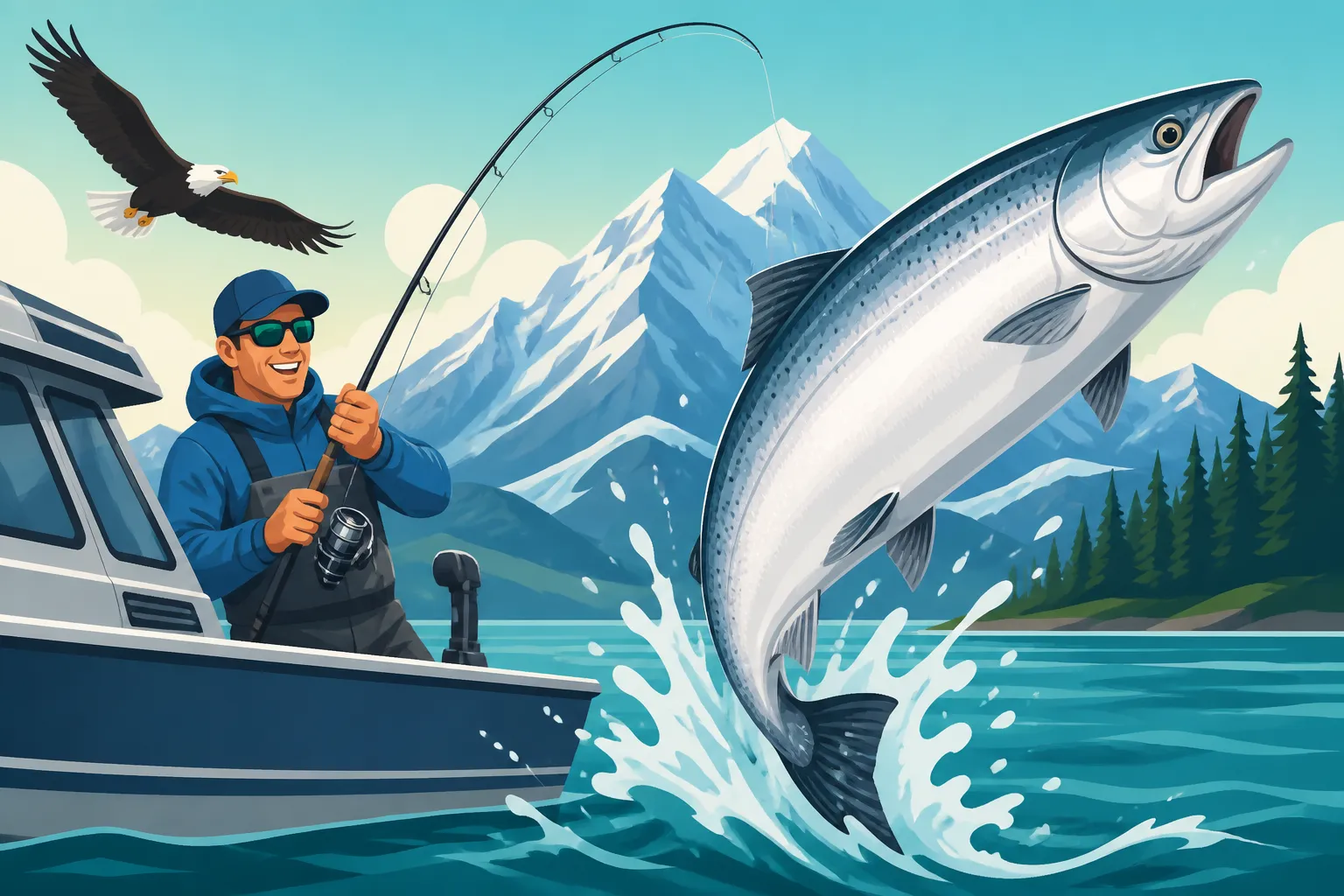
If you've ever hooked into a silver salmon, you know exactly why they're such a blast to catch. These fish are renowned for their incredible fight, often leaping clear out of the water multiple times in a single battle. They're not just strong; they're acrobatic, making every hook-up an exciting challenge. Many anglers consider them the most exciting salmon species to target for their sheer fighting spirit, providing memories that last a lifetime.
Beyond their thrilling fight, silver salmon are also highly prized for their culinary qualities. Their flesh is firm, bright orange, and boasts a rich, buttery flavor that makes them fantastic whether grilled, baked, or smoked. Compared to other salmon species, Cohos offer a wonderful balance of flavor and texture, appealing to even the pickiest eaters. Bringing home a cooler full of these delicious fish is a huge bonus, complementing the exhilarating experience of catching them.
What's more, silver salmon are often quite abundant during their runs, particularly in the late summer and early fall. This means that while they put up a fantastic fight, your chances of actually hooking into several fish are generally very good. Rivers and coastal waters can sometimes be teeming with them, leading to consistent action throughout your charter. It’s this combination of fierce fighting, delicious meat, and strong numbers that cements the silver salmon's place as a premier target for Alaska fishing charters.
Best Time for Silver Salmon Charters
Timing is everything when it comes to salmon fishing in Alaska, and silver salmon are no exception. The peak season for silver salmon charters generally runs from late July through September, and sometimes even into early October in certain areas. During these months, these magnificent fish are migrating from the ocean into freshwater rivers to spawn, making them accessible to both saltwater and freshwater anglers. If you're planning your trip, aiming for this window will maximize your chances of encountering large numbers of active Cohos. For a broader overview, you might want to check out our guide on the Best Time to Fish in Alaska.
While the general season is consistent, there are always regional variations that can affect the exact timing of the runs. For instance, in Southcentral Alaska, areas like the Kenai Peninsula see strong silver salmon runs in August and September. Rivers like the Kenai and Kasilof become hotspots, with anglers lining the banks and boats drifting the productive waters. Further north in areas like Prince William Sound or Southeast Alaska around Sitka and Juneau, the peak might shift slightly, often extending well into September. It’s always a good idea to research the specific region you plan to visit.
Weather can also play a significant role in silver salmon activity, as it does with all Alaska fishing. While these fish are typically eager biters, heavy rains can sometimes blow out rivers, making them high and murky and scattering the fish. Conversely, clear, stable weather can lead to predictable runs and excellent fishing conditions. Reputable charter operators, like those found on platforms such as FishingBooker, closely monitor these conditions and adjust their strategies accordingly to put you on the fish. They'll also be able to advise you if any unexpected weather patterns might impact your trip closer to the date.
What to Look for in an Alaska Silver Salmon Charter
Choosing the right charter is crucial for a successful and enjoyable silver salmon fishing trip. Not all charters are created equal, and knowing what questions to ask and what factors to consider will help you find the perfect fit for your Alaskan adventure.
Choosing the Right Charter Operator
When you're sifting through the many options for an Alaska fishing charter, experience and reputation should be at the top of your list. A seasoned captain and crew, often with decades of experience on specific waters, will possess invaluable knowledge about where the fish are holding, what techniques are currently working best, and how to navigate changing conditions. Look for operators with positive reviews and a long history of successful trips. Platforms like FishingBooker often feature reviews from past clients, giving you a real-world perspective on what to expect from different charters.
The type and size of the boat are also important considerations, especially for comfort and safety. For saltwater silver salmon charters, you might be on a larger, more stable ocean-going vessel, capable of handling choppier waters and offering more amenities like heated cabins and restrooms. If you're fishing rivers like the Kenai or Kasilof, you'll likely be on a drift boat or a powerboat specifically designed for river conditions, which offers a more intimate fishing experience. Consider your group size and personal preferences for comfort when making your choice. A good guide can also explain the differences between Alaska Drift Boat vs Power Boat Charters.
Finally, always clarify what's included in the charter price. Most reputable charters will provide all necessary fishing gear and tackle, including rods, reels, and bait. However, some might offer additional services like basic fish processing (filleting and bagging) or have options for lunch and drinks. Be sure to ask about any hidden costs, such as fuel surcharges, and confirm whether an Alaska fishing license and a Do You Need a King Salmon Stamp in Alaska are your responsibility or if the charter can assist you in acquiring them. Knowing these details upfront prevents any unwelcome surprises on the day of your trip.
Charter Options: Half-Day, Full-Day, and Combo Trips
The duration of your silver salmon charter is a key decision, largely depending on your schedule, budget, and stamina. Half-day charters typically run for 4-5 hours, making them a great option for families with younger children or those who want to fit fishing into a broader itinerary. They are generally less expensive and can still provide plenty of action, especially during peak runs. However, the limited time might mean less travel to prime spots or a shorter window during the most productive tides or times of day.
Full-day charters, usually lasting 8-10 hours, offer a more immersive and comprehensive fishing experience. With more time on the water, captains can often venture further to less-pressured fishing grounds, allow for more diverse techniques, and give you ample opportunity to hook into multiple fish. While they require a bigger time and financial commitment, many anglers find the extended experience well worth it. This option is often favored by serious anglers seeking to maximize their catch and enjoy a full day out on the stunning Alaskan waters.
| Feature | Half-Day Charter (4-5 hours) | Full-Day Charter (8-10 hours) |
|---|---|---|
| Duration | Shorter, ideal for tighter schedules | Longer, more immersive experience |
| Cost | Generally lower | Higher, but often better value per hour |
| Target Audience | Families, beginners, those with other plans | Serious anglers, those seeking maximum opportunity |
| Fishing Time | Less travel time, focused on local spots | More travel, access to diverse and remote spots |
| Comfort | Good for those prone to seasickness or fatigue | Requires more stamina, but allows for more relaxation/breaks |
| Catch Potential | Good, especially during peak runs near port | Higher, due to extended fishing time and varied locations |
Beyond single-species trips, many charters offer exciting combo trips that allow you to target silver salmon alongside other prized Alaskan fish. A popular choice is the Alaska Combo Salmon and Halibut Charters, where you might spend the morning jigging for massive halibut and then switch gears in the afternoon to troll or cast for silvers. These trips are excellent for anglers who want a taste of everything Alaska's waters have to offer. They're often saltwater-based, departing from coastal towns like Homer or Seward, providing a diverse angling experience and more variety in your cooler at the end of the day.
Gear, Techniques, and Safety on Your Trip
Heading out on an Alaskan fishing charter means you'll be using specialized gear and employing proven techniques to land those powerful silver salmon. Charters are also serious about safety, ensuring you have a secure and enjoyable experience on the water.
Typical Gear and Tackle Provided
One of the great advantages of booking a charter is that all the necessary fishing gear and tackle are typically provided. This saves you the hassle and expense of bringing your own heavy rods, reels, and a multitude of lures. For silver salmon, you can expect to use medium-heavy spinning or baitcasting rods, often around 8-9 feet long, paired with robust reels spooled with strong braided or monofilament line. These setups are designed to handle the powerful runs and jumps of a feisty Coho. The guides are experts at maintaining this equipment, ensuring it's in top condition for your trip.
The charter will also supply a variety of lures and bait proven effective for silver salmon in their specific fishing grounds. Common lures include brightly colored spinners like Pixie spoons or Mepps, as well as various types of plugs and Hoochies in vibrant patterns of pink, chartreuse, or orange. Cut herring, cured salmon eggs, or even shrimp are frequently used as bait, either alone or tipped onto lures to add extra scent and attraction. Your guide will know precisely what the fish are biting on that day and will rig your lines accordingly, often swapping out presentations until they find the magic combination.
Safety is paramount on any fishing vessel, and charters adhere strictly to U.S. Coast Guard regulations. This means that personal flotation devices (PFDs), or life vests, will be readily available for everyone on board. While adults typically don't need to wear them constantly, children are usually required to wear them at all times. The boat will also be equipped with other essential safety gear, including first-aid kits, communication devices, and emergency signaling equipment. Your guide will provide a thorough safety briefing before you depart, ensuring everyone knows where emergency equipment is located and what to do in case of an unforeseen situation.
Common Fishing Techniques
When you're out on an Alaska silver salmon charter, you'll likely encounter a few tried-and-true techniques that guides employ to entice these aggressive fish. One of the most prevalent methods, especially in saltwater or larger river sections, is trolling. This involves dragging lures or bait behind the boat at a slow speed, covering a lot of water and presenting your offering to fish that might be scattered. Your guide will often use downriggers to get your gear to the precise depth where the silver salmon are feeding. It's a highly effective way to find active schools and often leads to multiple hook-ups as the boat passes through a productive area.
In rivers, or when fish are concentrated, casting and spin fishing become incredibly effective. This technique involves casting a spinner, spoon, or weighted bait setup into likely holding water, letting it drift or retrieve, and then repeating. Silver salmon are opportunistic feeders, and a flashy lure or a tempting piece of bait drifting naturally past their nose is often irresistible. This is a very hands-on method, giving you the immediate feedback of the cast and retrieve, and the satisfaction of feeling that strike directly. If you're looking to hone your skills, our guide on How to Catch Silver Salmon in Alaska goes into more detail.
Another highly productive river technique, particularly for sockeye and often effective for silvers that are staging, is back-bouncing or drift fishing. This involves using a weighted setup to bounce bait or lures along the river bottom, imitating natural food sources tumbling downstream. Your guide will position the boat strategically, allowing the current to carry your line into prime fish-holding pockets. It requires a good feel for the bottom and quick reflexes to set the hook, but it can be incredibly rewarding. Guides are excellent at teaching these nuances, and you’ll quickly pick up the rhythm of fishing these dynamic river currents.
Safety Considerations on the Water
Safety is a top priority on any professional fishing charter, and your captain will always conduct a thorough safety briefing before the boat leaves the dock. This isn't just a formality; it's an essential part of ensuring everyone knows the vessel's layout, where emergency equipment is stored, and what procedures to follow in case of an emergency. They'll cover everything from how to properly wear a life jacket to where the fire extinguisher and first aid kit are located. Paying close attention to this briefing is crucial for your well-being and that of your fellow anglers.
Alaska's weather can be famously unpredictable, and conditions on the water can change rapidly. A responsible charter captain is constantly monitoring weather forecasts and sea conditions, and they will make decisions based on safety first. This might mean adjusting the fishing location, returning to port earlier than planned, or even rescheduling a trip if conditions are deemed unsafe. While it can be disappointing if weather impacts your plans, remember that your safety is always the priority. Dressing in layers and bringing good rain gear, as detailed in our What to Wear on an Alaska Fishing Charter guide, will help you stay comfortable no matter what the weather throws at you.
If your silver salmon charter involves fishing in rivers, particularly those with strong salmon runs, there's an additional safety consideration: bears. Alaska is bear country, and where there are salmon, there are often bears. While charter boats keep a respectful distance, your guide will instruct you on proper food storage, waste disposal, and what to do if a bear is spotted nearby. They are highly experienced in operating safely in bear habitats and will ensure all necessary precautions are taken. It's an exciting part of the Alaskan wilderness experience, but one that always demands respect and awareness.
Your Catch: Regulations and Processing
Catching silver salmon is only half the battle; understanding the regulations and knowing how your fish will be processed and transported home is equally important. Alaska has strict rules designed to protect its precious fish stocks.
Silver Salmon Regulations and Bag Limits
Navigating Alaska's fishing regulations can sometimes feel like trying to untangle a stubborn fishing knot. The Alaska Department of Fish and Game (ADF&G) sets specific rules for each fish species, region, and even specific rivers or marine areas. For silver salmon, these regulations will dictate things like daily bag limits (how many fish you can keep per day), annual limits (especially for non-residents), and sometimes size restrictions or bait restrictions. Your charter captain is an expert on these local regulations and will ensure your trip operates within the legal framework. They literally do this every day, so you don't have to worry about accidentally breaking a rule. You can delve deeper into the general guidelines by reading our guide on Alaska Fishing Regulations Explained.
Beyond the standing regulations, Alaska often issues "Emergency Orders" that can change bag limits, open or close fisheries, or modify gear restrictions on short notice. These orders are put in place to manage fish escapement goals (ensuring enough fish make it to the spawning grounds) and respond to fluctuations in fish runs. For example, if a silver salmon run is weaker than expected, ADF&G might reduce the daily bag limit from three fish to one. Conversely, a stronger-than-expected run might see limits increased. Your charter operator will be aware of any active emergency orders for the area you're fishing and will communicate any changes to you immediately.
It’s always a good idea to familiarize yourself with the general bag limits for silver salmon, even though your guide will keep you informed. For example, typical daily bag limits for silver salmon in many Southcentral Alaska waters for sport fishing can range from 2 to 3 fish per person, depending on the specific waterbody and time of year. Non-residents may also have annual limits for certain species like King Salmon, though silver salmon usually have more generous limits. Our comprehensive guide on Alaska Salmon Bag Limits by Species can provide specific details relevant to various regions and seasons, ensuring you're well-informed before your trip.
Fish Processing and Shipping Your Catch Home
Once those beautiful silver salmon are landed, the work isn't over. Your charter will often provide basic on-boat processing, which usually includes gutting and bleeding the fish to maintain their quality. Many boats have a designated area for this, and the crew is incredibly efficient. Some charters might even fillet your fish right on board, though this is more common for saltwater species like halibut. Be sure to clarify with your specific charter what level of processing is included in their service.
For a more thorough and professional job, most fishing communities in Alaska have excellent fish processing facilities located conveniently near the docks. Places like Homer, Seward, and Kenai are home to several top-notch processors, such as Captain Jack's or Coal Point Seafood Company. After your trip, your charter will often transport your catch directly to one of these facilities. Here, your fish will be expertly filleted, portioned, vacuum-sealed to prevent freezer burn, and then blast-frozen to preserve its freshness. This professional processing is highly recommended to ensure your delicious catch remains in pristine condition for its journey home.
Finally, getting your hard-earned catch back home requires some planning. The professional processors can pack your frozen, vacuum-sealed fish into insulated, airline-approved boxes. Many facilities also offer shipping services, allowing you to send your fish directly to your home address via air cargo. If you plan to fly with your fish as checked luggage, be aware of airline restrictions on cooler size and weight. Always check with your airline beforehand. The ability to take home delicious Alaskan salmon is a huge part of the experience, and these services make it incredibly convenient. For more in-depth information, take a look at our article on Fish Processing After an Alaska Charter.
Preparing for Your Silver Salmon Adventure
A little preparation goes a long way in Alaska. Knowing what to pack and understanding the logistics of your charter day will help ensure a smooth, comfortable, and memorable silver salmon fishing experience.
Essential Packing List for Your Charter
Alaska's weather is notoriously unpredictable, often described as "four seasons in a day." Therefore, layering is the name of the game when it comes to packing for your silver salmon charter. Start with a moisture-wicking base layer, add an insulating fleece or wool layer, and top it off with waterproof and windproof outerwear. Even on a sunny day, the wind can pick up on the water, and a sudden squall isn't uncommon. Good quality rain gear – jacket and pants – is an absolute must, as being wet and cold can quickly ruin a fantastic day of fishing.
Beyond clothing, a few other items are essential for comfort and practicality. Bring a pair of waterproof boots or deck shoes with good grip, as boat decks can be slippery. Don't forget sunscreen, a wide-brimmed hat, and polarized sunglasses to protect against glare and make it easier to spot fish. Many anglers also appreciate having a small backpack to keep personal items dry, along with a camera to capture those trophy shots. While charters usually provide snacks and drinks, it's always a good idea to pack your own water bottle, extra snacks, and any personal medications you might need.
Crucially, remember your Alaska Fishing License: Complete Guide. You absolutely need to have a valid Alaska fishing license in your possession before you cast a line. For non-residents, these can be purchased online through the ADF&G website. If you plan on fishing for King Salmon on the same trip, ensure you also purchase the appropriate King Salmon Stamp. It's always best to buy your license in advance and keep it somewhere safe and accessible, ideally printed out or easily displayed on your phone. Having these documents ready saves time and ensures you're legally prepared for your adventure.
Booking Your Charter and What to Expect on the Day
Booking your Alaska silver salmon charter well in advance is highly recommended, especially if you're traveling during the peak summer months of July and August. Popular charters and prime dates fill up quickly, often months or even a year ahead of time. Using a reputable booking platform like FishingBooker can streamline the process, allowing you to browse available charters, compare prices, read reviews, and secure your spot with ease. This foresight ensures you get the specific type of trip you want and avoid last-minute disappointments. Our guide on How to Book an Alaska Fishing Trip also offers valuable tips.
On the day of your charter, expect to meet your captain and crew at a designated location, typically at a public dock or marina, at a pre-arranged time – often quite early in the morning to maximize fishing time. Punctuality is appreciated, as charters usually run on a tight schedule. Upon arrival, you'll complete any necessary paperwork, receive your safety briefing, and then load your gear onto the boat. The captain will give you an overview of the day's plan, including where you'll be fishing and what species you'll be targeting.
Once on the water, the crew will typically get your lines set up and explain the fishing techniques you'll be using. Don't be afraid to ask questions; guides are there to help you have a successful and enjoyable experience. Throughout the day, respect your fellow anglers' space, follow the crew's instructions, and be prepared for the excitement of hooking into those hard-fighting silver salmon. Remember, charter fishing is a team effort, and a positive attitude goes a long way. Ultimately, your silver salmon charter should be a fun, engaging, and memorable part of your Alaskan adventure. For a broader perspective on what to expect, check out our Alaska Fishing Charters: Complete Guide.
Disclaimer
The information provided in this guide is for general informational purposes only and does not constitute legal advice. Alaska fishing regulations, bag limits, and emergency orders are subject to change by the Alaska Department of Fish and Game (ADF&G). Always consult the most current ADF&G regulations booklet and any active emergency orders for the specific region and time you plan to fish. It is the angler's responsibility to know and follow all applicable regulations.