Alaska Sockeye Salmon Charter: What to Expect
The sheer volume of sockeye salmon flooding into Alaska's rivers during their spawning runs is legendary, but for many anglers, figuring out how to actually catch these powerful, bright red fish can feel like trying to find a needle in a haystack—a very fast-moving, silver-flashing haystack. This guide is here to cut through the confusion and give you a crystal-clear picture of what you can truly expect when you book an Alaska sockeye salmon charter, ensuring your trip is as thrilling and fruitful as you've always dreamed.
Demystifying Your Alaska Sockeye Salmon Charter Experience
So, you're eyeing that classic Alaskan sockeye salmon run, maybe on the Kenai River, and you're wondering what a "charter" for this specific species really entails. It's a completely different ballgame than, say, deep-sea halibut fishing, and understanding these distinctions from the outset will set you up for success and pure enjoyment.
What Exactly is a Sockeye Salmon Charter?
An Alaska sockeye salmon charter is typically a guided river trip specifically designed to target the immense numbers of sockeye salmon migrating upstream to spawn. Unlike the ocean where you're often trolling for kings or jigging for halibut, sockeye charters are usually bank-based, drift boat, or sometimes even small power boat experiences on rivers like the famous Kenai or the popular Russian River. Your guide will know the prime spots – the current breaks, the deeper channels, the eddies where sockeye pause – and they'll get you right into the thick of the action.
These aren't leisurely float trips where you cast once every five minutes. Sockeye fishing during a peak run is often a fast-paced, high-energy affair, sometimes even a bit of a "combat fishing" experience, especially in popular roadside areas. The techniques used are highly specialized, focusing on intercepting these upstream-bound fish. Your guide will provide all the necessary fishing gear, from the specialized rods and reels to the precise terminal tackle required for the most effective sockeye methods, like "flossing" or "flipping" – techniques we'll dive into later. The goal is efficiency and maximizing your chances of hooking into these notoriously finicky biters.
Why Choose a Guided Sockeye Trip?
For many, the idea of an unguided Alaska fishing trip sounds adventurous, but when it comes to sockeye, a guided charter offers immense benefits that can transform a potentially frustrating outing into a memorable success. Firstly, the sheer volume of fish means dense crowds in popular areas, and navigating these hotspots efficiently and safely requires local expertise. A good guide doesn't just know where the fish are, but when they're there, taking into account tides, water levels, and the ever-changing run dynamics.
Secondly, sockeye are notoriously challenging to catch by conventional lure or bait methods in fresh water because they're focused on spawning, not feeding. Guides are experts in the specific techniques that are legal and effective, such as "flossing," which involves drifting a weighted leader and hook into the sockeye's mouth as they swim upstream. They'll teach you the proper casting, mending, and hook-setting motions, which can be tricky to master on your own. This specialized knowledge is invaluable.
Moreover, guides are up-to-date on the latest Alaska Fishing Emergency Orders Explained, which can change daily and drastically impact fishing opportunities. They'll know if a section of river has been closed, if bait restrictions are in place, or if bag limits have been adjusted. This real-time information means you won't waste precious fishing time discovering you're in the wrong spot or using the wrong gear. The peace of mind, the convenience of having all the gear provided, and the greatly increased likelihood of success make a guided sockeye charter an investment well worth considering, especially if it's your first time chasing these incredible fish.
Essential Preparation Before Your Sockeye Adventure
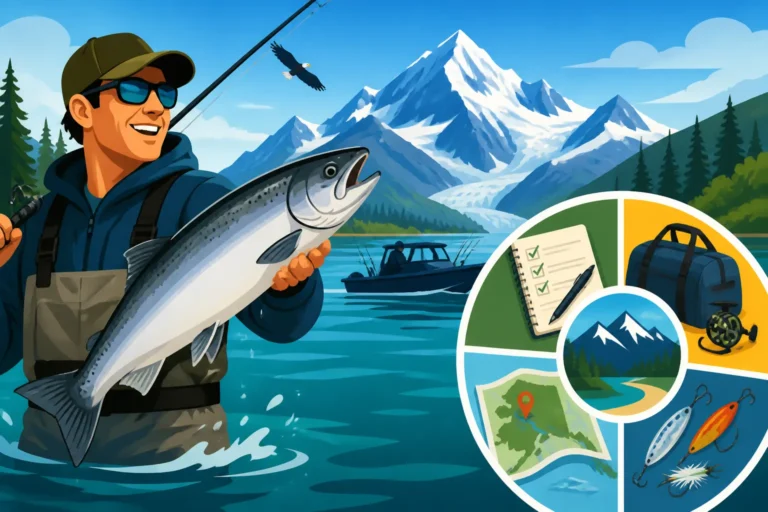
Preparation is paramount for any Alaska fishing trip, and a sockeye salmon charter is no exception. A little homework and smart packing can make all the difference between a comfortable, successful outing and a soggy, frustrating one.
Licensing and Regulations: Your First Steps
Before you even think about casting a line, you absolutely need to secure your Alaska Fishing License: Complete Guide. For non-residents, these can be purchased online through the Alaska Department of Fish and Game website or from various vendors once you arrive. You'll need to decide on the duration – 1-day, 3-day, 7-day, 14-day, or an annual license – based on your trip length. Remember, while your guide handles many details, obtaining your personal fishing license is your responsibility.
Beyond the license itself, familiarizing yourself with the current Alaska Sockeye Salmon Fishing Regulations and Limits is crucial. These regulations can be complex, often varying by river, section of river, and even specific dates. For instance, the Kenai River might have different rules than the Kasilof. Pay close attention to bag limits, possession limits, and any specific gear restrictions like single-hook, barbless requirements, or bait prohibitions, which are very common for sockeye fishing. Your guide will certainly be an expert on these, but understanding the basics yourself empowers you to fish responsibly. You'll also need to be aware of the Alaska Harvest Record Card Explained, as certain species, including king salmon and sometimes even sockeye in specific fisheries, must be immediately recorded after retention.
Packing the Right Gear and Attire
Alaska weather is famously unpredictable. You can experience all four seasons in a single day, especially on the Kenai Peninsula. The golden rule for dressing is layering. Start with a moisture-wicking base layer, add an insulating fleece or down jacket, and top it off with waterproof and windproof outerwear. Quality rain gear, including waterproof pants and a jacket, is non-negotiable. Even on a sunny day, river spray or a sudden shower can leave you soaked and miserable. Brands like Grundéns or Simms are popular choices among Alaskan anglers for their durability.
For footwear, knee-high rubber boots or waders are highly recommended, even if you plan to fish from a boat. Getting in and out of a drift boat, or standing on a slippery bank, often means wading in shallow water. You'll also want to bring a hat, polarized sunglasses (essential for spotting fish and protecting your eyes), sunscreen, and insect repellent. Alaskan mosquitoes and "no-see-ums" can be relentless, especially near the water. While your charter will provide all the fishing rods, reels, and terminal tackle, bringing a small waterproof bag for your personal items like your camera, phone, and extra layers is a smart move. For those planning an extended stay, reviewing a comprehensive packing list can provide even more peace of mind.
Essential Sockeye Charter Packing List
| Item Category | Specific Items | Notes |
|---|---|---|
| Clothing | Rain jacket & pants (waterproof/windproof) | Absolutely essential; Alaska weather is unpredictable. |
| Warm layers (fleece, down jacket, wool sweater) | Dress in layers for variable temperatures. | |
| Moisture-wicking base layers (top & bottom) | Avoid cotton next to skin. | |
| Hat (for sun/warmth) | Baseball cap or warm beanie. | |
| Gloves (fingerless for fishing, warmer for cold) | Keep hands comfortable. | |
| Footwear | Waterproof boots or waders | Needed for wading or boat access. |
| Warm socks (wool or synthetic) | Multiple pairs. | |
| Eyewear | Polarized sunglasses | Protect eyes, reduce glare, help spot fish. |
| Headwear | Hat | Sun protection or warmth. |
| Personal Items | Sunscreen | Essential, even on cloudy days. |
| Insect repellent (with DEET or Picaridin) | Mosquitoes can be intense. | |
| Small waterproof dry bag/backpack | For camera, phone, wallet, extra layers. | |
| Camera/phone | Capture memories (ensure waterproof protection). | |
| Snacks and drinks (check with charter if provided) | Hydration and energy for a full day. | |
| Personal medications | Don't forget any essentials. | |
| Documents | Alaska fishing license | Must be on your person. |
| Harvest record card (if applicable) | Keep track of your catch. | |
| Optional | Small binoculars | For wildlife viewing. |
| Book or entertainment for downtime | Though action is often fast-paced! |
Booking Your Charter: Timing and Vetting
Booking your Alaska sockeye salmon charter isn't something you should leave until the last minute. The peak sockeye runs, particularly on famous rivers like the Kenai, attract anglers from all over the world, and guides book up quickly. It's highly advisable to book your charter 6-12 months in advance, especially if you're targeting a specific week in July or August. Many popular guides are booked solid a year out.
When searching for a charter, look for guides specializing in river salmon fishing, and specifically sockeye. You can find reputable operators through online platforms like FishingBooker, which allows you to compare different guides, read reviews, and check their availability. Don't be shy about asking questions when you contact potential guides. Inquire about their experience, their typical fishing spots, the equipment they use, their policy on fish processing, and what's included in the price. Ask about the guide-to-angler ratio and whether they cater to specific experience levels (e.g., beginners vs. experienced anglers). A good guide will be happy to answer all your questions and help set realistic expectations for your trip. Understanding How Far in Advance to Book an Alaska Charter can save you a lot of stress.
The Thrill of the Day: On Your Sockeye Salmon Charter
The day of your sockeye charter is when all the planning pays off. It's an exciting rush, often starting before dawn, and you'll want to be ready to soak in every moment.
Meeting Your Guide and Heading to the Hotspots
Your sockeye salmon charter typically begins early in the morning, often before first light, which is usually around 4 or 5 AM in the height of summer. This early start maximizes your fishing time during peak fish movement and helps beat some of the crowds. You'll meet your guide at a pre-determined location, often a boat launch or a designated meeting point near the river. This is your chance for a quick safety briefing and to ensure you have all your personal gear.
From there, you'll head to the river. Depending on the guide and the location, this might involve a short drive to a specific bank fishing spot, or launching a drift boat or a river sled (a shallow-draft powerboat). For a Kenai River Sockeye recording rules trip, your guide might navigate to popular sections like the Russian River confluence area or other key bends and gravel bars where sockeye tend to congregate in dense schools. The guide's intimate knowledge of the river, its currents, and where the fish are holding is invaluable. They'll drop you off in the prime spot, or position the boat perfectly, giving you the best chance at success. Expect to be immersed in the natural beauty of Alaska, with potentially stunning views of mountains, forests, and abundant wildlife as you travel to your fishing destination.
Mastering Sockeye Fishing Techniques
As mentioned, catching sockeye salmon in freshwater is a unique challenge because they typically stop feeding once they enter the rivers to spawn. This means traditional bait and lure fishing methods are often ineffective or even illegal depending on the specific regulations. The most common and effective technique used on sockeye charters is often referred to as "flossing" or "flipping."
Here's a simplified breakdown of How to Flip for Sockeye Salmon: You'll typically use a long, stout spinning rod with heavy line. The setup involves a weighted leader with a small, often unbaited, hook tied to the end. The goal is to cast upstream and slightly across the current, letting your line drift naturally downstream. The weight pulls the line down, and as it drifts, the leader (and the hook) passes through the mouths of the densely packed sockeye swimming upstream. When you feel a subtle "tick" or resistance, you set the hook with a strong, sweeping motion. It's not about enticing them to bite; it's about intercepting them. Your guide will teach you the precise casting angle, the amount of weight to use for the current, and how to detect those subtle takes. It takes practice, but once you get the rhythm, it's incredibly effective and exciting. The fast and furious action when a school moves through can be exhilarating, leading to multiple hook-ups within minutes.
The Fast-Paced Action and Bag Limits
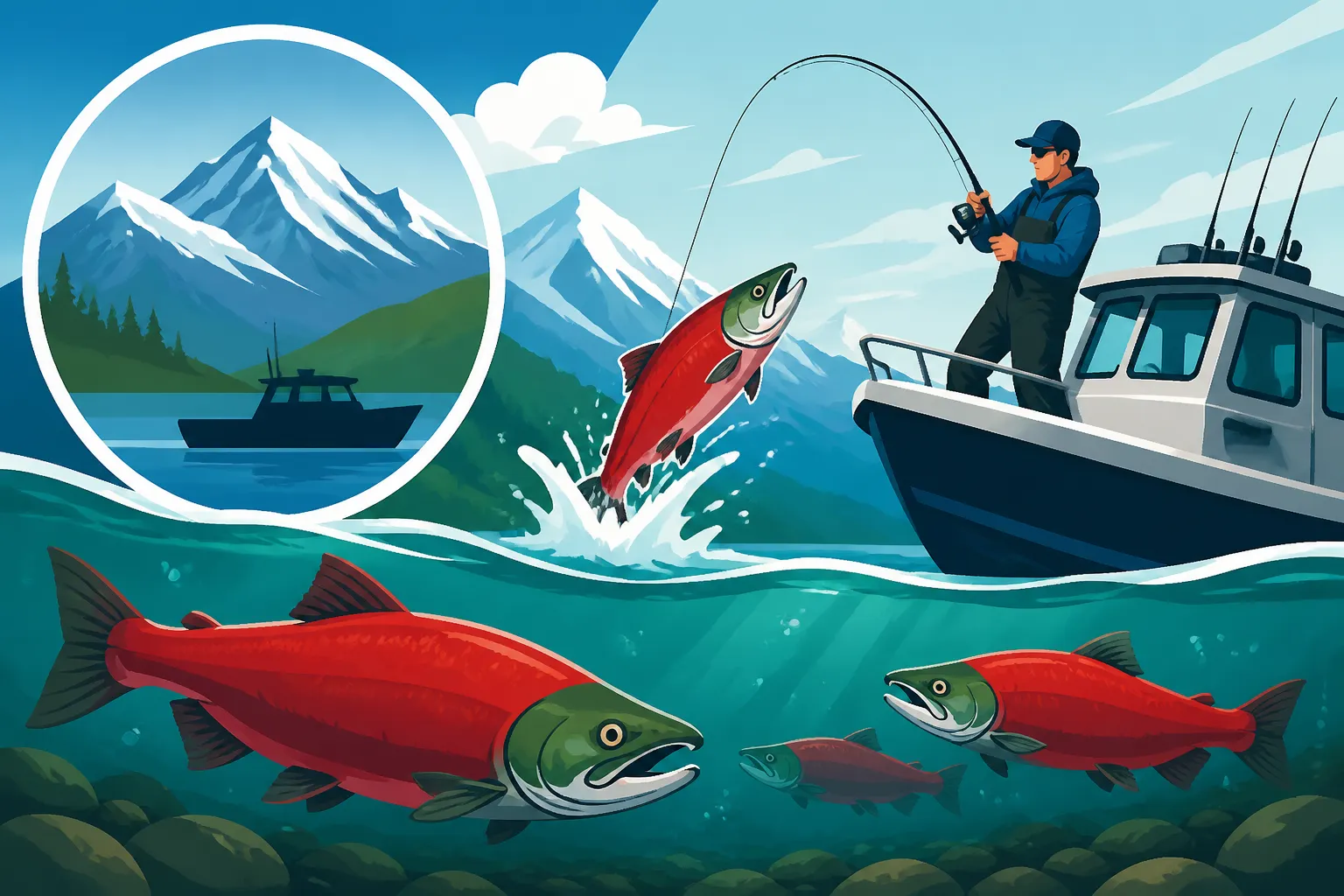
When a sockeye run is strong, the fishing can be nothing short of phenomenal. Imagine standing in the river, surrounded by hundreds, sometimes thousands, of bright red sockeye. It's a truly wild experience, and the action can be non-stop. You might hook into fish one after another, experiencing the incredible power and acrobatic fights of these chrome-bright salmon. They are strong, tenacious fighters, known for their powerful runs and aerial displays.
This intense action means you'll hit your bag limits quickly, especially during peak runs. Always be aware of the daily bag and possession limits for sockeye salmon in the specific area you're fishing. For instance, the Alaska Sockeye Daily Limit by River can vary, and it's your responsibility to know and adhere to these rules. Your guide will help you keep track and ensure you're compliant. Once you've reached your limit, the fishing often transitions to catch-and-release, or you might switch to target another species if available and legal. It’s important to handle any released fish carefully to maximize their survival chances. Each kept fish must also be immediately recorded on your Alaska Harvest Record Card Explained to ensure compliance with reporting requirements.
Beyond the Bend: Fish Care and Farewell
Your sockeye salmon charter doesn't end when the fishing stops. What happens next with your catch, and how you say goodbye to your guide, are just as important parts of the overall experience.
Handling Your Catch Responsibly
Once you've landed a sockeye and decided to keep it, proper fish handling is crucial for maintaining the quality of the meat. Your guide will typically take care of this immediately. The first step is usually to dispatch the fish quickly and humanely. Then, bleeding the fish thoroughly is essential. This involves making a cut near the gills to allow the blood to drain out. Bleeding significantly improves the flavor and texture of the salmon, preventing the meat from becoming "gamey."
After bleeding, the fish should be immediately placed on ice. Your guide's boat will have coolers packed with ice, specifically for preserving your catch. Keeping the fish cold and clean is key to ensuring you take home the highest quality salmon possible. While some guides might offer to fillet the fish on the spot, many prefer to keep the fish whole or gilled and gutted until they reach a processing facility. Good conservation practices also extend to any fish you release; knowing how to properly catch-and-release is vital for the sustainability of these incredible runs.
Processing and Shipping Your Hard-Earned Fish
One of the best parts about an Alaska fishing trip is bringing home a cooler full of fresh, wild salmon. After your charter, your guide will typically direct you to a local fish processor or have arrangements for your catch to be transported to one. Towns like Soldotna or Seward, common departure points for sockeye charters, have excellent fish processing facilities. Companies like 10th & M Seafoods or Cooper Landing Fish Processing are well-known options.
These processors will clean, fillet, portion, vacuum seal, and flash-freeze your sockeye. Vacuum sealing is incredibly important as it prevents freezer burn and keeps your fish fresh for much longer, sometimes up to a year or more. Once processed, your fish will be packed into airline-approved, insulated boxes, ready for you to take home as checked luggage. Some processors also offer shipping services, allowing you to send your catch directly to your home address. Make sure to discuss these options with your guide or the processor in advance, especially regarding costs and logistics. For more detailed information, check out our guide on Fish Processing After an Alaska Charter. This ensures your delicious, hard-earned sockeye makes it to your dinner plate in pristine condition.
Tipping Your Guide and Reflecting on the Experience
Tipping your fishing guide is standard practice in the charter industry, and it's a great way to show appreciation for their hard work, expertise, and dedication. While entirely at your discretion, a common guideline for tipping is 15-20% of the total charter cost. If your guide went above and beyond, was exceptionally knowledgeable, worked tirelessly to put you on fish, or was particularly patient and helpful, consider tipping at the higher end of that range.
You can give the tip directly to your guide at the end of your trip, often in cash, or inquire if the charter company prefers a different method. Don't forget to also consider tipping any deckhands or assistants if they were part of your experience. As your charter concludes, take a moment to reflect on the incredible adventure you've just had. Catching sockeye salmon in Alaska is a truly unique and exhilarating experience, a testament to the wild beauty and abundant fisheries of the Last Frontier. The memories, and the delicious fillets in your cooler, will be a reminder of a trip of a lifetime.
Disclaimer
Please remember that fishing regulations, conditions, and best practices in Alaska can change rapidly. Always consult the most current Alaska Department of Fish and Game regulations and emergency orders before heading out on any fishing trip. This guide provides general information and recommendations but should not replace official sources or local expert advice.