How to Book an Alaska Fishing Trip
Dreaming of an Alaska fishing trip? The sheer thought can be exhilarating, conjuring images of massive salmon jumping or a giant halibut tugging your line, but the reality of planning one often feels like trying to untangle a hundred fishing lines at once. The Last Frontier is vast, and its fishing opportunities are incredibly diverse, which can make figuring out where to start feel utterly overwhelming. This guide is here to untangle those lines for you, breaking down the complex process of booking an unforgettable Alaska fishing adventure, from initial dreams to reeling in your trophy.
Understanding Your Alaska Fishing Dreams
Before you even think about dates or dollars, take a moment to really visualize what kind of Alaska fishing trip stirs your soul. This isn't just about catching fish; it's about the entire experience. Alaska offers such a spectrum of possibilities that narrowing down your personal vision is the crucial first step. Without a clear idea of what you want, you might end up on a trip that doesn't quite hit the mark, leaving you wishing you'd done more research upfront.
Defining Your Fishing Goals
What species are you truly after, and what does a successful trip look like for you? Are you dreaming of a powerful King Salmon ripping line from your reel, or perhaps the sheer volume of a Sockeye Salmon run on a river like the Kenai? Maybe your heart is set on battling a colossal Halibut in the saltwater depths of Kachemak Bay, or the quiet pursuit of a trophy Rainbow Trout on a remote fly-out lake. Each of these goals dictates different locations, times of year, and fishing techniques.
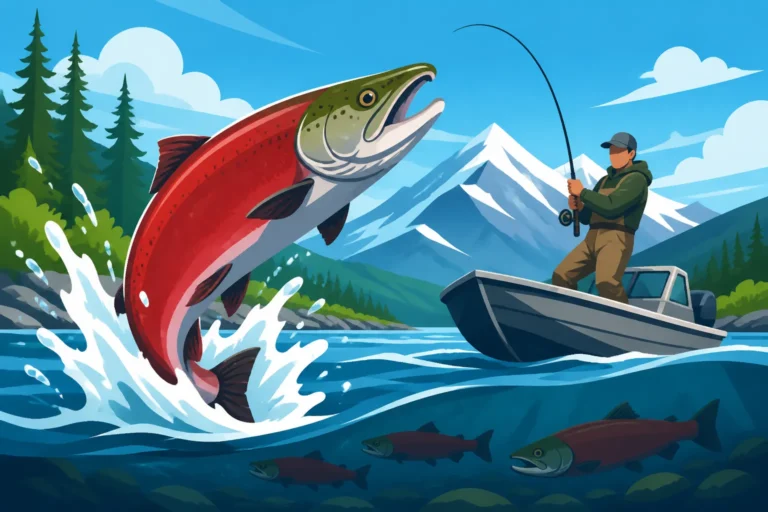
For instance, if you're set on a King Salmon, also known as Chinook, you'll generally be targeting May through July, often on major river systems in Southcentral Alaska or the Southeast panhandle. These fish are renowned for their size and strength. If it's the delicious Red Salmon (Sockeye) you crave, July is prime time, with iconic runs on rivers like the Russian or Kenai, often involving combat fishing from the bank. Halibut fishing, on the other hand, is a saltwater endeavor, best from late May through September, primarily in coastal towns like Homer or Seward. Then there are the Silver Salmon (Coho) in late summer and early fall, offering acrobatic fights, or the serene pursuit of Dolly Varden and Arctic Grayling in clear, pristine streams. Don't forget species like Lingcod and various Rockfish which add more options to saltwater trips. Being specific about your target species will significantly narrow down your choices and help guides tailor the perfect outing.
Beyond the fish itself, consider the type of fishing experience you desire. Is it a high-adrenaline, numbers-focused trip where you're constantly reeling in fish? Or are you looking for a more serene, wilderness experience, perhaps fly fishing in solitude for native trout? Some anglers prioritize luxurious accommodations and gourmet meals, while others are perfectly content roughing it in a rustic cabin or even camping. Think about who you're traveling with too – a family trip with young kids might prioritize ease of access and shorter fishing sessions, whereas a group of seasoned anglers might want remote, challenging waters.
Budgeting Realistically
Let's be honest: an Alaska fishing trip isn't typically a budget vacation. It's an investment in an incredible experience, and costs can vary wildly. Understanding this upfront and setting a realistic budget will save you a lot of stress down the line. Costs can range from a few hundred dollars for a single day trip to tens of thousands for an all-inclusive, multi-day luxury lodge experience in a remote area.
When budgeting, consider not just the fishing charter or lodge fee, but also flights to and within Alaska, ground transportation (rental cars, shuttle services, bush planes), accommodation for non-fishing days, meals, fishing licenses, King Salmon stamps, fish processing and shipping costs, gear rentals (if not provided by your guide), and gratuities for guides and lodge staff. Many first-timers underestimate the cost of getting their prized catch home, which can add a significant chunk to the overall expense. Think about whether you prefer to save money by opting for a DIY approach, or if the convenience of an all-inclusive package justifies the higher price tag for you.
For example, a typical full-day guided halibut charter out of Homer might run anywhere from $300-$500 per person, not including license, stamp, or fish processing. A multi-day, guided salmon trip on the Kenai River could easily be $1,000-$2,000 per person, just for the guided portion. If you're looking at a remote fly-in lodge, expect prices to start at $5,000-$10,000 per person for a week-long stay, and that's often on the lower end. Creating a detailed spreadsheet of potential expenses, even with rough estimates, can be a great way to get a handle on the financial commitment before you get too far into the planning process.
Timing Your Adventure
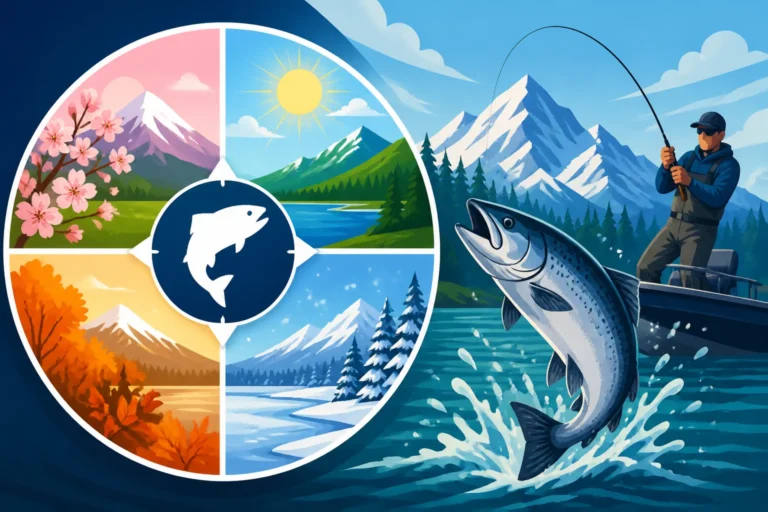
Alaska's fishing seasons are distinct and largely dictated by the annual salmon runs and other species' availability. Missing the peak window for your target fish can be a real disappointment, so timing is everything. Generally, the prime fishing season for most popular species runs from late May through September, but specific species have narrower windows.
May often kicks off with early King Salmon runs in some rivers and good halibut fishing. June sees more widespread King Salmon activity and the start of Sockeye runs. July is arguably the busiest month, with strong Sockeye runs, continued King Salmon fishing in many areas, and excellent opportunities for other salmon species, rainbow trout, and halibut. As we move into August and September, King Salmon season winds down in most areas, but Silver Salmon (Coho) runs kick into high gear, offering fantastic action, alongside continued halibut, rainbow trout, and steelhead fishing. Knowing the Alaska Fishing Seasons: Month-by-Month Guide is essential.
Beyond the general timing for species, consider other factors. Are you looking to avoid crowds? Then traveling in the shoulder seasons (late May/early June or September) might be preferable, though some species may be less abundant. Do you mind the midnight sun, or does constant daylight sound exciting? The longest days are in June and July. Weather can also be a significant factor; early season (May-June) can still be quite chilly and rainy, while late season (August-September) often brings crisp days but also increased chances of colder weather and storms. Always be prepared for anything when it comes to Alaskan weather, no matter the month.
Choosing Your Fishing Style and Accommodation
Once you have a clearer picture of your fishing dreams, it's time to translate that into a practical plan. Alaska offers a variety of ways to fish and places to stay, each with its own advantages and disadvantages. This choice profoundly impacts your experience, budget, and logistical complexity.
Guided vs. Unguided Experiences
This is one of the most fundamental decisions you'll make. Do you hire a professional guide, or do you brave the waters on your own? There are strong arguments for both, and the "right" choice depends heavily on your experience level, confidence, and desire for independence.
A guided trip is often the easiest and most effective way for visitors to fish in Alaska. Guides are licensed experts who know the local waters, fish patterns, and regulations like the back of their hand. They provide all the necessary gear, bait, and often transport to the best spots. For someone new to Alaska or a particular fishery, a guide significantly increases your chances of success and safety. They can teach you techniques, navigate tricky currents, and handle fish processing. Many first-time visitors find the peace of mind and the learning experience of a guided trip invaluable. They take care of the heavy lifting, allowing you to focus on the fishing. Platforms like FishingBooker are excellent for finding and comparing reputable guides and charters in various Alaskan locations, making the booking process much smoother.
However, guided trips come at a cost. If you're an experienced angler who thrives on self-reliance and has done extensive research, an unguided, or DIY, trip might appeal to you. This often involves renting a car, bringing your own gear (or renting some locally), and hitting public access points on rivers or lakes. While potentially more affordable, it requires a much deeper understanding of Alaska Fishing Regulations Explained, local conditions, and proper safety protocols, especially when it comes to wildlife encounters. You'll need to know how to identify fish, adhere to bag limits, and navigate sometimes challenging terrain. A DIY trip offers immense freedom and a sense of accomplishment, but it's not for the faint of heart or the unprepared. For those who enjoy the challenge and prefer to explore on their own terms, it can be incredibly rewarding.
Lodges, Charters, and DIY Options
Your choice of fishing style will largely dictate your accommodation and logistics. Alaska's fishing infrastructure supports a wide range of preferences.
Fishing Lodges offer an all-inclusive or near all-inclusive experience. These can range from rustic, remote wilderness lodges accessed by float plane to luxurious resorts with gourmet chefs and spa services. Most lodges include guided fishing, meals, and sometimes even flights from a major hub city. They are fantastic for those seeking a seamless, comfortable experience where everything is handled for you, often with prime access to specific fisheries. Think about destinations like Bristol Bay for world-class sockeye and rainbow trout, or remote lodges in Southeast Alaska for salmon and halibut. The downside, of course, is the higher price point. However, the convenience and quality of the experience often justify the investment for many.
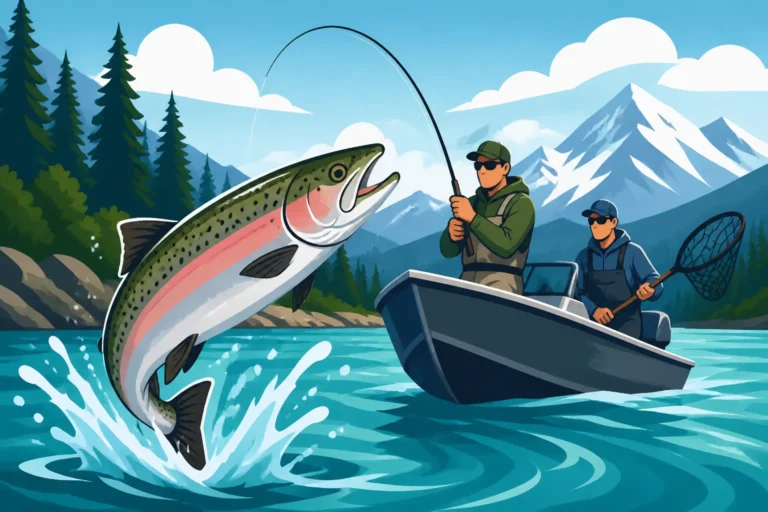
Fishing Charters are typically day trips, most commonly for saltwater species like halibut, salmon, and rockfish from coastal towns like Homer, Seward, or Valdez. River charters are also popular on systems like the Kenai and Kasilof. You pay per person for a seat on a boat, or you can book a private charter for your group. Charters generally provide all gear and expert guidance, but you're usually responsible for your own lodging, meals, and transportation to the dock. This is a popular option for those who want to experience guided fishing without committing to a multi-day lodge stay. It's often more flexible and can be combined with other sightseeing activities. Websites like FishingBooker are a fantastic resource for finding and booking these daily charters, offering a variety of options from different operators. Before booking, it's smart to read up on How to Choose an Alaska Fishing Charter.
Do-It-Yourself (DIY) trips are for the adventurous and budget-conscious. This involves planning all aspects yourself: booking flights, renting a car, reserving campsites or independent lodging (hotels, Airbnb), buying licenses, purchasing or renting gear, and researching fishing spots and regulations. This can involve bank fishing, wading, or launching your own boat if you've brought one. Popular areas for DIY anglers include parts of the Kenai Peninsula, the Mat-Su Valley, and road-accessible lakes and rivers near Anchorage and Fairbanks. While it offers maximum freedom and can be significantly cheaper, the amount of research and effort required is substantial. It's crucial to be self-sufficient and prepared for unexpected challenges.
Here's a quick comparison of popular options:
| Trip Style | Pros | Cons | Ideal For |
|---|---|---|---|
| All-Inclusive Lodge | Seamless experience, prime access, expert guides, gourmet meals, all logistics handled. | High cost, less flexibility in itinerary, often remote and requires bush plane flights. | Anglers seeking luxury, convenience, remote wilderness, trophy fishing. |
| Day Fishing Charter | Guided expertise, all gear provided, good for specific species, more flexible itinerary. | Requires separate accommodation/meals, less personal, weather dependent, limited time on water. | Travelers with limited time, budget-conscious guided fishing, coastal fishing. |
| DIY / Unguided | Maximum flexibility, cost-effective, sense of adventure, ability to explore independently. | Requires extensive research, self-reliance, provides own gear, less success assurance, higher risk. | Experienced anglers, budget travelers, those seeking solitude, local residents. |
Considering Remote vs. Road-System Access
Alaska's vastness means you have to consider how you'll reach your fishing destination. This choice heavily influences your budget, travel time, and overall experience.
Road-System Access means your fishing spots are reachable by vehicle, primarily along the state's limited highway network. Popular road-system destinations include the Kenai Peninsula (Soldotna, Cooper Landing, Homer, Seward), the Mat-Su Valley (Wasilla, Palmer), and areas around Anchorage and Fairbanks. This offers the most flexibility for DIY trips, as you can rent a car, stay in hotels or campgrounds, and access numerous rivers, lakes, and coastal areas. It's generally more affordable and allows for easier combination with other tourist activities. However, road-accessible areas, especially during peak season, can be very crowded, particularly on popular rivers like the Kenai or Russian. Think of the famous "combat fishing" on the Russian River – it's an experience in itself!
Remote Access typically involves flying in via bush plane, helicopter, or occasionally a remote boat transfer. These destinations are often deep in the wilderness, offering unparalleled solitude and access to pristine, unpressured fisheries. Many high-end fishing lodges are located in remote areas like Bristol Bay, the Alaska Peninsula, or various islands in Southeast Alaska. While the fishing can be truly world-class, the cost and logistical complexity are significantly higher. You'll need to budget for additional airfare (often on small, specialized aircraft), and be prepared for potential weather delays that can impact your travel plans. These trips are for those who prioritize a true wilderness experience and are willing to pay a premium for it.
For example, if you want to fish for rainbow trout in Katmai National Park, you'll absolutely need a fly-in trip. If your goal is to catch Sockeye Salmon on the Kenai River, you can easily drive there from Anchorage. Your chosen species and desired solitude level will guide this decision.
Navigating Regulations and Licenses
Okay, so you've got a clearer picture of your dream trip. Now, let's talk about the nitty-gritty that, frankly, can make or break your trip: the rules. Alaska's fishing regulations are stringent, constantly updated, and absolutely essential to understand. Ignoring them is not only illegal but can also lead to hefty fines and confiscation of your catch. Many anglers feel a bit overwhelmed by the sheer volume of information, but it's manageable once you know where to look.
Essential Licenses and Stamps
Every angler, resident or non-resident, aged 16 or older, needs an Alaska fishing license. This isn't just a suggestion; it's a legal requirement. Depending on what you plan to catch, you might also need a King Salmon stamp.
Non-residents generally have several options for sport fishing licenses: 1-day, 3-day, 7-day, 14-day, or annual licenses. The cost varies based on duration, with annual licenses being the most economical if you plan to fish for more than two weeks in a year. For visitors, purchasing a license online through the Alaska Department of Fish and Game (ADF&G) website is the easiest method. You can print it out immediately, and many tackle shops and charter offices also sell them. Make sure you have your license on your person at all times while fishing. If you're a non-resident, our guide on Alaska Non-Resident Fishing License Guide breaks down all the specific costs and requirements.
The King Salmon stamp is a separate purchase and is required for anyone, resident or non-resident, who plans to fish for or retain a King Salmon. Even if you're catch-and-release fishing for kings, you still need the stamp in many areas. This revenue helps fund King Salmon conservation efforts, which are critically important in Alaska. The cost of the stamp also varies for residents and non-residents. Don't skip this, thinking you might "not catch one." It's better to be prepared. When do you need a King Salmon Stamp in Alaska? It's always best to have one if King Salmon are a possibility in your fishing area and season.
Understanding Bag and Possession Limits
This is where things get really specific and can change throughout the season. Alaska's bag limits (how many fish you can keep per day) and possession limits (how many fish you can have on your person or in your possession at any given time, including those already processed and frozen) are set by species, location, and even time of year. These limits are designed to manage fish populations sustainably.
For example, Halibut regulations often include a daily bag limit (e.g., one or two fish), a size restriction (e.g., an under-slot and an over-slot fish, or a reverse slot limit), and sometimes specific closures (like no halibut retention on Thursdays for charter boats in certain areas). Salmon limits vary dramatically by species and river. The daily limit for Sockeye Salmon on the Kenai River might be three per day, while the limit for King Salmon could be one per day, with an annual limit for non-residents. You might also encounter annual limits for certain species, meaning you can only retain a specific number of fish over the entire year. It’s absolutely vital to consult the current Alaska Fishing Limits and Bag Limits Explained and the specific regulations booklet for the region you'll be fishing.
Beyond just the numbers, you'll need to know about the Alaska Harvest Record Card Explained. For certain species, like King Salmon and Steelhead, you are required to immediately record your catch on this card (which often comes with your license). Failure to properly record your catch can result in fines, even if you were within the legal bag limit. This system helps biologists track harvest numbers, which is crucial for managing the fishery. Guides are usually excellent at reminding you of these rules, but ultimately, it's your responsibility as the angler to comply.
Staying Up-to-Date with Emergency Orders
This is perhaps the trickiest part of Alaska fishing regulations. Fish populations, especially salmon, can fluctuate significantly due to environmental factors, ocean conditions, and spawning success from previous years. Because of this, the Alaska Department of Fish and Game (ADF&G) frequently issues "Emergency Orders" that can change regulations in-season, sometimes with very little notice.
An emergency order might close a fishery entirely, reduce bag limits, change legal fishing methods (e.g., requiring single, barbless hooks, or prohibiting bait), or alter fishing hours. These changes are put in place to protect declining fish stocks, particularly King Salmon. Imagine planning your dream King Salmon trip for months, only for an emergency order to close the fishery a week before you arrive – it happens. It's frustrating, but it's part of ensuring the sustainability of these incredible resources.
How do you stay informed? ADF&G maintains a website with current emergency orders, and many local tackle shops, guides, and charter operators also keep up-to-date. When you book with a reputable guide or lodge, they will inform you of any changes. However, it's always a good idea to check the ADF&G website yourself a few days before and even during your trip. Understanding Alaska Fishing Emergency Orders Explained is crucial for any angler. This is where your flexibility and preparedness come into play.
Selecting the Right Fishing Hotspot
With your goals, budget, and understanding of regulations in mind, the next big step is pinpointing where in Alaska you'll cast your line. Alaska is massive, and its fishing regions are incredibly diverse, each offering unique experiences and target species.
Coastal vs. Interior Fishing Destinations
Alaska can broadly be divided into coastal and interior fishing experiences, though there's certainly overlap. Your choice here depends heavily on your target species and desired scenery.
Coastal fishing destinations like Homer, Seward, Valdez, Sitka, Ketchikan, Juneau, and Kodiak are famous for saltwater opportunities. Here, you'll find charters targeting massive Halibut, various species of Pacific Salmon (King, Coho, Pink, Chum), Lingcod, and a variety of Rockfish. The scenery is often breathtaking, with rugged fjords, towering mountains plunging into the sea, and abundant marine wildlife like whales, sea otters, and puffins. These towns are typically more developed, offering a wider range of amenities, restaurants, and other activities. Many charters operate out of these ports, making them excellent choices for those looking for guided saltwater trips. For example, Homer is renowned as the "Halibut Fishing Capital of the World," while Sitka and Seward offer fantastic combo trips for salmon and halibut.
Interior fishing destinations are generally focused on freshwater rivers and lakes. The Kenai Peninsula, particularly around Soldotna and Cooper Landing, is probably the most famous, drawing anglers from around the globe for its incredible salmon runs, especially Sockeye and King Salmon. Other major river systems like the Susitna, Deshka, Matanuska, and Copper River also offer excellent freshwater fishing. These areas are fantastic for targeting salmon on their spawning runs, as well as resident freshwater species like Rainbow Trout, Dolly Varden, and Arctic Grayling. The landscape shifts from coastal rainforests to vast boreal forests, taiga, and tundra. While some interior spots are road-accessible, many of the best trout and grayling fisheries require fly-in access to remote lakes and streams.
Researching Specific Rivers and Bays
Once you've decided on a general region (coastal or interior), it's time to drill down into specific locations. Alaska has so many productive waters that focusing your research is key.
If you're after salmon, you'll quickly learn about the legendary Kenai River. It's famous for its enormous King Salmon and incredibly strong Sockeye runs. However, its popularity means it can get very crowded, especially during peak Sockeye season. Nearby, the Kasilof River offers a slightly less crowded but still productive King Salmon and Sockeye fishery. The Russian River, a tributary of the Kenai, is world-renowned for its Sockeye fishing, though it's famous for its "combat fishing" style due to the sheer number of anglers. For a more remote, classic Alaskan experience, consider a fly-out trip to a river system in Bristol Bay, such as the Nushagak or Naknek, which are legendary for their salmon and rainbow trout. Each river has its unique character and specific run timings. For a deep dive into one of the most famous, check out the Kenai River Fishing: Complete Guide.
For halibut and other saltwater species, the bays and sounds around Homer and Seward are prime. Kachemak Bay near Homer is a vast, productive area for halibut, while the waters out of Seward offer excellent opportunities for Halibut, Lingcod, Rockfish, and various salmon species (especially Silvers in late summer). Prince William Sound, accessible from Whittier or Valdez, also offers fantastic fishing for salmon, halibut, and rockfish amidst stunning glacial scenery. The Inside Passage of Southeast Alaska, with towns like Sitka and Ketchikan, is another prime saltwater destination, often boasting "feeder kings" (King Salmon that are not yet spawning) that offer incredible fights.
Evaluating Accessibility and Popularity
When selecting your hotspot, always weigh the balance between easy access and crowds, or remoteness and solitude.
Easily Accessible Spots: Locations near major cities like Anchorage or towns on the road system (Soldotna, Homer, Seward, Valdez) are simple to get to. You fly into Anchorage (ANC), rent a car, and drive. These spots offer a variety of accommodations, restaurants, and other activities. The downside is that they can get very busy, especially during peak salmon runs in July. Expect company on the riverbanks or on popular charter boats. If you're looking for a quick day trip, or combining fishing with a family vacation that includes sightseeing, these are fantastic choices.
Popular but Managed Spots: Some rivers, like the Kenai and Russian, are incredibly popular, but they also have excellent infrastructure, knowledgeable guides, and consistent fish returns. While busy, the fishing can be phenomenal. Regulations are often very specific in these areas, and guides are experts at navigating both the crowds and the regulations to put you on fish. This is often a great balance for many anglers who want a productive trip without breaking the bank on a remote lodge.
Remote Wilderness Spots: If solitude and untouched wilderness are your top priorities, then a fly-out lodge or DIY trip to a remote region is your best bet. Think of places like Bristol Bay, the Alaska Peninsula, or certain areas in Interior Alaska. These trips offer an immersive wilderness experience, often with less fishing pressure and truly wild fish. The trade-offs are higher costs, more complex logistics (small plane flights, potentially rustic accommodations), and greater vulnerability to weather delays. These are often multi-day trips requiring significant planning and investment, but the rewards can be truly unforgettable.
Booking Your Trip: Logistics and Preparations
You've envisioned your dream trip, understood the rules, and picked your ideal location. Now comes the exciting part: making it happen! Booking an Alaska fishing trip isn't like booking a hotel room; it requires forethought and attention to detail.
When to Book and How Far in Advance
This is not a last-minute kind of adventure. Reputable fishing lodges, popular charters, and the best guides in prime locations book up incredibly fast, often a year or more in advance. If you have specific dates in mind, especially during peak season (mid-June through August), you need to act quickly.
For all-inclusive lodges and top-tier guides: It's highly recommended to book 12-18 months in advance. Many lodges have repeat clients who rebook immediately for the following year. Waiting too long means you'll likely miss out on your preferred dates or even the entire season.
For popular day charters (halibut, salmon): 6-12 months in advance is a good rule of thumb, especially if you're traveling with a group and need multiple spots on the same boat. While you might find openings closer to the date, especially for single seats, prime dates and specific captains will be gone.
For DIY trips: While you don't need to book a guide, you'll still need to secure flights, rental cars, and accommodation (hotels, cabins, campgrounds). Rental cars, particularly SUVs or trucks suitable for Alaskan roads, also book up far in advance and can be very expensive. Book these at least 6-9 months out. Camping spots in popular state parks on the Kenai Peninsula fill up quickly in spring.
The bottom line: as soon as you have your dates and destination locked in, start making reservations. Don't procrastinate, or you might find yourself scrambling for less-than-ideal options.
What to Ask Your Charter or Lodge
Before you hand over your deposit, engage in thorough communication with your prospective guide, charter operator, or lodge. This is not the time to be shy! Ask specific questions to ensure their services align with your expectations and to avoid any unpleasant surprises.
Here's a checklist of crucial questions:
- What's included in the price? Be specific: fishing gear, bait, tackle, rain gear, boots, meals, accommodation, fish processing, transportation to and from the airport, flies/lures, licenses, stamps, etc. Don't assume anything. Our guide on What's Included in an Alaska Fishing Charter delves deeper into this.
- What's not included? Specifically ask about licenses, stamps, gratuities (tipping is customary and expected in Alaska), alcoholic beverages, and personal items.
- What are the specific dates and times for fishing? Are they full-day or half-day trips? How much actual fishing time vs. travel time?
- What species will we target? Confirm this aligns with your goals.
- What are the current regulations/limits for those species in that area? A good guide will be up-to-date and happy to explain.
- What is their cancellation policy? What happens if weather or emergency orders force a cancellation or change in plans?
- How do they handle fish processing and shipping? Do they fillet, vacuum seal, and freeze? Do they arrange shipping, and what are the associated costs? This is a big one, as Alaska Fish Processing and Shipping Home Rules can be complex.
- What safety equipment do they have on board/at the lodge? (First aid, communication devices, bear spray for land-based trips).
- What should I bring/wear? Ask for a detailed packing list, especially regarding layers for varying weather.
- What is their experience level? How long have they been guiding in this specific area?
- Can they provide references or reviews? Look for consistent positive feedback on platforms like FishingBooker or TripAdvisor.
Asking these questions upfront ensures clarity and helps you compare different operations apples-to-apples.
Packing Essentials and Gear Considerations
Even if your charter or lodge provides most of the fishing gear, you'll still need to pack appropriately for Alaska's unpredictable weather. The mantra for Alaska is layers, layers, layers! You can experience all four seasons in a single day.
Clothing:
- Base layers: Moisture-wicking synthetics or wool (avoid cotton, which stays wet and cold).
- Mid-layers: Fleece jackets, down vests for insulation.
- Outer layers: Waterproof and windproof rain gear (jacket and pants) are non-negotiable. Look for GORE-TEX or similar high-quality materials.
- Footwear: Waterproof hiking boots or rubber boots (XTRATUFS are popular in Alaska) are essential. If wading, quality waders and wading boots.
- Headwear: Warm hat (beanie), wide-brimmed hat for sun protection.
- Gloves: Waterproof and warm gloves, even in summer.
Personal Gear:
- Sunglasses: Polarized lenses are great for spotting fish and reducing glare.
- Sunscreen and insect repellent: Mosquitos and "no-see-ums" can be intense.
- Camera: For capturing those incredible moments.
- Medications: Any personal prescriptions.
- Small backpack/dry bag: To keep personal items dry.
- Water bottle.
Fishing Gear (if DIY or bringing your own):
- Rods and Reels: Appropriate for your target species (e.g., heavy-action rod for kings, lighter for trout).
- Tackle: Lures, flies, weights, leader, hooks. Be sure to check Alaska Bait Restrictions Explained and Alaska Barbless Hook Requirements as these often vary by area and emergency order.
- Pliers, clippers, net.
Even on guided trips where gear is provided, many anglers prefer to bring their own favorite rod or reel. Just make sure it's suitable for the fishing you'll be doing. And always double-check with your guide or lodge for any specific recommendations or requirements. A detailed packing list from your outfitter will be your best friend.
Getting There and Getting Around
Alaska is big, really big. Understanding the logistics of getting to your fishing destination and moving around once you're there is a critical piece of the puzzle, impacting both your budget and your travel time.
Flights and Transportation within Alaska
The vast majority of visitors to Alaska will fly into Ted Stevens Anchorage International Airport (ANC). This is the state's largest hub and offers the most flight options from the Lower 48. From Anchorage, your journey might involve further travel.
Connecting Flights: If your destination is further afield, like Juneau, Ketchikan, Sitka, or even smaller regional hubs like King Salmon (for Bristol Bay access), you'll typically take a connecting flight from Anchorage on carriers like Alaska Airlines or Ravn Alaska. These regional flights can add significant cost and travel time, so factor that into your overall budget and itinerary. Remember that baggage limits on smaller planes can be strict, especially for fishing gear.
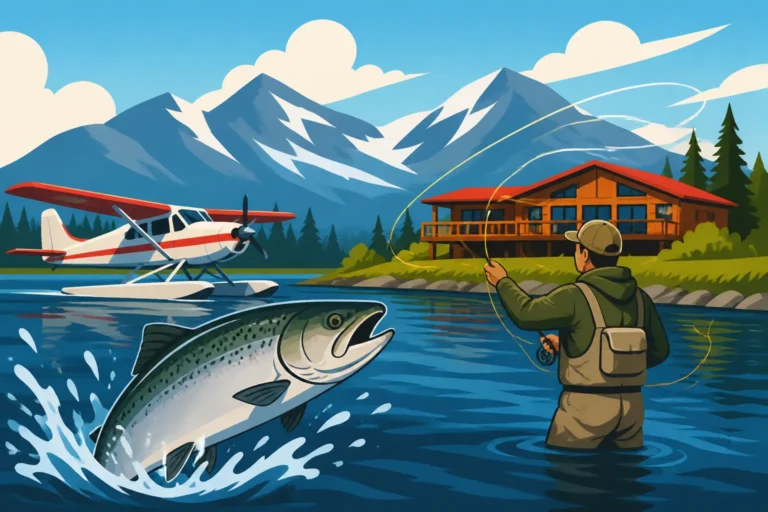
Bush Planes and Air Taxis: For truly remote fishing lodges or fly-out day trips to wilderness areas, you'll transfer from a regional hub (or sometimes directly from Anchorage or Kenai) onto a bush plane or air taxi. Companies like Rust's Flying Service or Regal Air based in Anchorage, or smaller operators in towns like Homer or Soldotna, specialize in these flights. These are often iconic Alaskan experiences, flying low over stunning landscapes. However, they are highly weather-dependent. Fog, high winds, or heavy rain can delay or cancel flights, so always build in buffer days on either side of a remote fly-in trip. This is crucial to avoid missing your international flight home!
Vehicle Rentals and Road System Navigation
If your fishing trip is to a road-accessible area, renting a car is usually the most practical option. All major rental car companies operate at Anchorage's airport.
Booking Early: As mentioned, rental cars in Alaska, especially during peak summer months, are in high demand and can be surprisingly expensive. Book your vehicle several months in advance to secure the best rates and ensure availability. If you plan to travel beyond paved roads or access some rougher gravel fishing access points, consider a truck or an SUV with good ground clearance, though many rental agencies have restrictions on unpaved roads.
Navigating the Road System: Alaska's road system is limited but scenic. The Sterling Highway on the Kenai Peninsula is a primary artery for many fishing adventures, connecting Anchorage to popular towns like Soldotna, Cooper Landing, and Homer. Roads are generally well-maintained, but be prepared for construction delays in summer, and always keep an eye out for wildlife on the roadways, especially moose and bears. Cell service can be spotty in more remote stretches, so download offline maps if possible. Driving in Alaska is part of the adventure, offering incredible views, but it also demands attention and respect for the environment.
Considerations for Remote Access
Choosing remote access adds a layer of complexity and adventure that isn't for everyone, but offers unmatched rewards.
Weight and Luggage Restrictions: Bush planes have strict weight limits for passengers and luggage. You'll need to pack efficiently and often in soft-sided bags that can be easily stowed. Communicate with your lodge or air taxi provider about their specific weight restrictions well in advance. You might need to leave non-essentials behind or ship them home.
Weather Delays: This cannot be stressed enough. Remote Alaska travel is highly dependent on VFR (Visual Flight Rules) conditions. If the weather closes in, flights can be delayed for hours or even days. This is a common and unavoidable part of the remote Alaska experience. Build in extra days in your itinerary to account for potential delays, especially at the beginning and end of your trip, to avoid missing critical connections. Having a good book, a flexible attitude, and travel insurance that covers trip interruptions can be a lifesaver. Embrace the unexpected; sometimes, these delays lead to unique, unplanned adventures!
Preparing for Your Alaskan Adventure
You're almost there! With bookings made and logistics sorted, the final stage is to mentally and physically prepare for the unique challenges and incredible rewards of an Alaskan fishing trip. This means more than just packing your bags; it's about being ready for the wild.
Physical and Mental Readiness
Alaska is wild, and even on guided trips, it can be physically demanding. You might be standing for long hours on a boat, wading in swift rivers, or hiking short distances to a prime fishing spot.
Physical Fitness: While you don't need to be an Olympic athlete, a reasonable level of fitness will enhance your enjoyment. Being able to comfortably stand for several hours, lift your catch, or navigate uneven terrain will make your experience much more pleasant. If you have any mobility concerns, discuss them with your charter or lodge beforehand to ensure they can accommodate you.
Mental Fortitude: Fishing, by its very nature, involves patience and perseverance. Some days, the fish bite like crazy; other days, they don't. Weather can be cold, rainy, and windy, even in summer. Mosquitoes can be relentless. Delays due to weather or unforeseen circumstances are common. A positive attitude, a good sense of humor, and flexibility will go a long way in ensuring you have a fantastic time, no matter what challenges Alaska throws your way. Remember, it's an adventure, and not everything goes perfectly according to plan in the wild.
Wildlife Encounters and Safety
Alaska is home to an abundance of wildlife, including bears (both black and brown/grizzly), moose, wolves, and eagles. While seeing wildlife is often a highlight of any Alaska trip, it also requires vigilance and respect.
Bear Safety: If you're fishing on rivers or hiking to access points, you are in bear country. Your guide will be well-versed in bear safety protocols, but it's good to educate yourself. Always make noise when hiking (singing, talking), carry bear spray (and know how to use it!), and store food properly to avoid attracting bears. Never approach bears, especially mothers with cubs. If fishing in areas known for high bear activity, consider having a guide, even if you planned a DIY trip. Knowing How to Fish Safely Around Alaska Bears is not just good advice, it's essential.
Marine Wildlife: On saltwater charters, you might encounter whales (humpbacks, orcas), sea lions, seals, and various seabirds. Enjoy these incredible sightings from a respectful distance. Your captain will ensure the boat maintains a safe and legal distance from marine mammals.
Other Considerations: Be aware of your surroundings, especially near water. Swift currents in rivers can be dangerous. Wear a personal flotation device (PFD) when on boats. Inform someone of your plans if you're venturing out alone. Alaska is truly wild, and personal safety should always be a top priority.
Fish Processing and Shipping Your Catch Home
Congratulations, you've caught your fish! Now, what do you do with it? This is a crucial logistical detail that many first-time visitors overlook in their initial planning. You can't just throw a fresh salmon fillet into your suitcase for the flight home.
On Charters and at Lodges: Most reputable charters and lodges offer fish processing services. This typically includes filleting, vacuum sealing, and flash-freezing your catch. Some will pack it in airline-approved wet-lock boxes (waxed cardboard boxes) or insulated coolers. There will almost always be an additional fee for these services, which can add up, especially if you catch a lot of fish. Ask about these costs upfront when booking. For instance, a typical processing fee could range from $2-$4 per pound of finished product.
Shipping Your Fish: If you're flying out of Anchorage, Fairbanks, or another major airport, you can check your frozen fish boxes as luggage. Airlines have specific rules for handling frozen seafood, so check their policies regarding dry ice or gel packs, and weight limits, especially if you're planning to bring back a lot. Many specialized fish processors (like 10th & M Seafoods or Custom Seafood Processors in Anchorage) can also hold your fish until your departure or even ship it directly to your home via FedEx or UPS. Shipping overnight can be expensive, but it ensures your fish arrives frozen solid. Our guide on How to Ship Your Catch Home from Alaska provides all the details you need to know.
Make sure you understand the regulations regarding possession limits when shipping or transporting your fish. If you catch fish on a multi-day trip, your total possession must still be within the legal limits. Proper handling ensures your delicious Alaskan bounty makes it home safely for you to enjoy and share.
Disclaimer
The information provided in this guide is for general informational purposes only and is subject to change. Alaska fishing regulations, seasons, and emergency orders can be altered at any time by the Alaska Department of Fish and Game (ADF&G). It is the sole responsibility of each angler to consult and comply with the most current regulations for the specific area and species they are fishing. Always check the official ADF&G website and current regulations booklet before and during your trip. We are not responsible for any changes in regulations or personal safety issues.