What Is a Sheefish Called the Tarpon of the North
Many anglers journey to Alaska dreaming of salmon or halibut, but there's another magnificent game fish that holds a special place in the hearts of those who venture further north: the sheefish. Often dubbed the "Tarpon of the North," this elusive predator offers a unique and exhilarating challenge that few freshwater species can match. If you've ever wondered why this comparison is so apt, you're in the right place. This guide will dive deep into what makes the sheefish a true northern gem, covering its habitat, habits, and why it earns its impressive nickname.
The Allure of the Sheefish: Why the "Tarpon of the North" Moniker?
The moment you hook into a sheefish, you'll instantly understand why it carries the esteemed title of the "Tarpon of the North." It’s not just a catchy phrase; it’s a tribute to a fish that shares many of the spectacular fighting qualities of its saltwater namesake. From its electrifying runs to its acrobatic aerial displays, the sheefish delivers an angling experience that can genuinely rival that of a tarpon, captivating anglers who make the trek to Alaska's wild interior.
A Force to Be Reckoned With: Strength and Fight
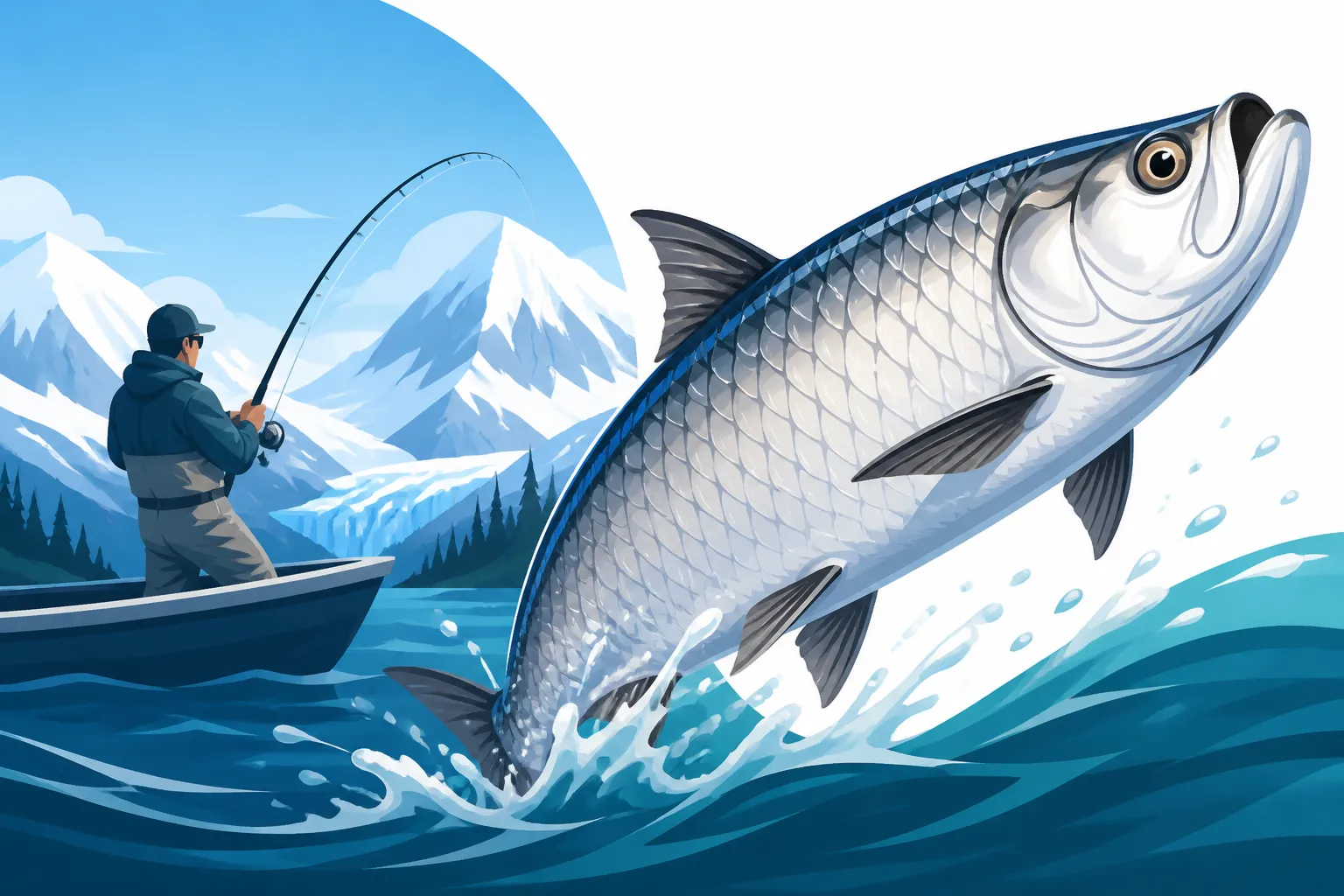
Imagine this: you've been casting for hours in a vast, pristine Alaskan river, the current tugging at your line. Suddenly, your rod doubles over, and the reel screams as something powerful strips line off at an astonishing speed. Before you can even register what's happening, a shimmering, silver torpedo launches itself from the water, shaking its head violently in an attempt to dislodge the hook. This isn't a fantasy; this is the reality of battling a sheefish. Their initial run is legendary, a powerful dash that tests the drag system of even the most robust reels.
Following that initial burst of speed, sheefish often employ incredible aerial tactics. They can leap clear of the water, sometimes multiple times, twisting and thrashing with surprising agility for a fish of their size. These jumps are reminiscent of the tarpon’s famed "silver king" acrobatics, adding an incredible visual spectacle to the fight. It's during these moments that many anglers truly feel the connection to the "Tarpon of the North" comparison. They don't just fight hard; they fight smart, using every ounce of their strength and the water itself to their advantage, pushing anglers to their limits both physically and mentally.
Elusive and Challenging: A True Angler's Quarry
Beyond their raw power, sheefish are also known for their elusive nature, which only adds to their mystique and the challenge they present to anglers. Unlike some more predictable species, sheefish often require considerable effort to locate and entice. They prefer vast river systems with clear, fast-moving water, and they have migratory patterns that can vary depending on the time of year and local conditions. This means that successful sheefish angling often involves understanding their movements and preferred feeding grounds, which can shift dramatically.
Their intelligence and keen senses make them a finicky opponent. Sheefish are predators, but they can be incredibly wary, especially in clear water. Presenting a lure or fly correctly, often with a stealthy approach, is paramount. They're not always eager to strike, sometimes following a presentation for a long distance before deciding to commit, or turning away at the last second. This combination of strength, acrobatic ability, and an elusive temperament solidifies their reputation as a premier sportfish, drawing dedicated anglers to the remote corners of Alaska for a chance to tangle with these magnificent creatures.
Sheefish Habitat and Life Cycle: Where These Northern Giants Roam
To truly appreciate the sheefish, it helps to understand the incredible environments they call home and the unique life cycle that allows them to thrive in Alaska's vast wilderness. These fish are perfectly adapted to the cold, clear waters of the Far North, making them a distinctive and vital part of the Alaskan ecosystem. Exploring their preferred waters and diet provides insight into how they grow to such impressive sizes.
Preferred Waters: Rivers, Lakes, and Estuaries
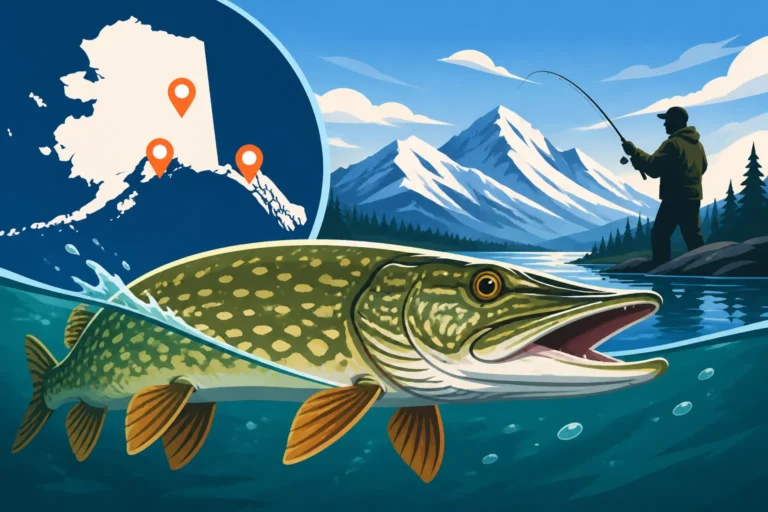
Sheefish, scientifically known as Stenodus leucichthys, are an anadromous species, meaning they spend part of their lives in saltwater (or brackish water) and migrate to freshwater to spawn, much like salmon. However, unlike salmon, sheefish are iteroparous, meaning they can spawn multiple times throughout their lives rather than just once. Their primary habitat centers around vast river systems that drain into the Arctic Ocean and Bering Sea. Iconic rivers like the Kobuk, Selawik, and Yukon systems are prime Sheefish territory, offering the expansive, clear, and cold waters they need. You can find more details on general Alaskan habitats in our guide on the Alaska Fish Species Guide.
These fish often spend their feeding seasons in the brackish estuaries and coastal waters of these river mouths, gorging themselves on baitfish before embarking on long upstream migrations to their spawning grounds, which can be hundreds of miles inland. The sheer scale of these migrations is incredible, showcasing their endurance and adaptability. During these migrations, they can be found in deeper river channels, tributary mouths, and even certain large freshwater lakes that are connected to these river systems. Their presence in these remote, untouched waters adds to the adventurous spirit of pursuing them.
A Predator's Diet and Growth
Sheefish are apex predators within their freshwater environments, and their diet is a crucial factor in their impressive growth rate. They primarily feed on smaller fish species, such as ciscoes, lake whitefish, humpback whitefish, and sometimes even juvenile Arctic grayling or Dolly Varden. Their long, streamlined bodies and large mouths are perfectly designed for ambushing and consuming prey in fast currents. This predatory lifestyle allows them to accumulate significant mass, with some individuals reaching over 50 pounds, although most caught by anglers are in the 10-25 pound range.
The abundance of baitfish in Alaska's northern waters provides a rich food source, enabling sheefish to grow quickly and sustain their powerful frames. Their lifecycle is a testament to the productivity of these remote ecosystems. Understanding their diet is also key for anglers, as "matching the hatch" with lures that imitate these baitfish can be highly effective. The vastness of their feeding grounds and their specific dietary preferences underline why fishing for them is a specialized pursuit, distinct from targeting other common Alaskan species like salmon or rainbow trout.
Fishing for Sheefish: Techniques and Tips for Landing a Tarpon of the North
Successfully landing a Sheefish isn't just about luck; it's about understanding their habits, using the right gear, and employing specific techniques tailored to their predatory nature and powerful fight. If you're planning a trip to target these magnificent fish, being prepared will significantly increase your chances of success.
Best Lures and Baits for Sheefish
When it comes to enticing a sheefish, the key is often to mimic the baitfish they naturally prey upon. Shiny, elongated lures that imitate a fleeing cisco or whitefish are typically the most effective. Spoons are a perennial favorite, with options like the classic Pixie Spoon or the larger Luhr-Jensen Kwikfish in silver or gold finishes. The flash and wobble of a well-presented spoon can be irresistible to a hungry sheefish. Spinners, particularly larger Mepps or Blue Fox varieties with bright blades, also perform well, especially when cast into seams or eddies where sheefish might be lurking.
Jigs, especially those with a sturdy lead head and a soft plastic or marabou body that provides plenty of action in the water, can be deadly when fished near the bottom or retrieved with a jigging motion. Color choice often depends on water clarity and light conditions, but white, silver, chartreuse, and blue are popular choices. For those interested in fly fishing, large streamer patterns that imitate baitfish, tied on heavy-duty hooks, can also be productive. You can find a fantastic selection of these effective lures and even specialty items for Alaska Fishing Gear and Tackle Guide from retailers like Amazon, ensuring you have what you need before your journey.
Essential Gear for Sheefish Anglers
Given the sheefish's powerful runs and acrobatic leaps, your gear needs to be up to the challenge. A medium-heavy to heavy action spinning or baitcasting rod, typically 7 to 9 feet in length, is ideal. This provides the backbone needed to cast heavier lures and the leverage to control a fighting fish. Paired with a robust reel equipped with a smooth, reliable drag system, you'll be well-prepared for those screaming runs. Line choice is also critical; 30-50 pound braided line is highly recommended for its strength, sensitivity, and lack of stretch, which is crucial for feeling subtle strikes and setting the hook firmly. A 20-30 pound fluorocarbon or monofilament leader of about 3 feet is often used to provide a bit of shock absorption and improve stealth.
Beyond your rod and reel setup, don't forget essential accessories. A strong landing net with a rubberized mesh is important for safely handling these powerful fish, minimizing harm to both the fish and yourself. Pliers or forceps are necessary for hook removal, and a pair of polarized sunglasses will help you spot structure and even cruising fish in clear water. Investing in quality rain gear and warm layers is also critical, as Alaskan weather can be unpredictable. You'll want to check out our comprehensive guide on How to Dress for Alaska Fishing to ensure you're comfortable in any conditions. Many anglers stock up on these necessary items, including specialized lures and robust fishing line, from online retailers like Amazon before heading to the remote regions.
| Feature | Sheefish (Tarpon of the North) | Tarpon (Silver King) |
|---|---|---|
| Habitat | Freshwater rivers, lakes, brackish estuaries | Coastal saltwater, estuaries, mangrove areas |
| Primary Diet | Ciscoes, whitefish, small fish | Mullet, pinfish, crabs, shrimp |
| Typical Size | 10-30 lbs (can exceed 50 lbs) | 40-100 lbs (can exceed 200 lbs) |
| Fighting Style | Powerful runs, acrobatic jumps, headshakes | Explosive runs, legendary aerial acrobatics |
| Appearance | Silvery, large scales, distinct dorsal fin | Bright silver, massive scales, large mouth |
| Location | Arctic & Subarctic Alaska, Canada, Russia | Southern US, Caribbean, Central/South America |
Conservation and Respect: Protecting Alaska's Sheefish
Alaska's fisheries are among the best managed in the world, and this commitment to sustainability extends to species like the sheefish. As anglers, it's our responsibility to understand and abide by regulations and practice ethical fishing techniques to ensure that these magnificent "Tarpon of the North" continue to thrive for future generations. Respecting the resource is paramount, especially when venturing into remote and pristine ecosystems.
Catch and Release Best Practices
Sheefish populations, while robust in many areas, can be sensitive to overharvesting due to their long lifespans and specific migratory patterns. For this reason, many dedicated sheefish anglers practice catch and release, especially for the larger, mature breeding fish. When you do catch a sheefish, minimizing handling time is crucial. Try to keep the fish in the water as much as possible, supporting its body horizontally. Use wet hands when touching the fish to protect its protective slime coat. If taking a photo, do so quickly, then gently release the fish, ensuring it swims away strongly.
Using barbless hooks is another excellent practice that greatly aids in a quick and safe release. They are much easier to remove, causing less trauma to the fish. If a fish has swallowed a hook deep, it's often best to cut the line as close to the hook as possible rather than trying to dig it out, which can cause internal damage. Learning proper Alaska Catch-and-Release Best Practices not only helps individual fish survive but also contributes to the overall health of the fishery. These considerations are vital to ensuring that this unique angling experience remains available.
Regulations and Limits
Like all species in Alaska, sheefish are subject to specific fishing regulations that vary by region and often by specific river system. These regulations are put in place by the Alaska Department of Fish and Game (ADF&G) to manage fish populations sustainably. Before you embark on any sheefish adventure, it is absolutely critical to consult the most current ADF&G sport fishing regulations for the specific area you plan to fish. You can find comprehensive information in our guide to Alaska Fishing Regulations Explained.
Regulations might include daily bag limits, possession limits, size restrictions, and even specific gear restrictions (like single-hook or bait bans) depending on the time of year and location. For example, some remote areas might have more conservative limits or require specific permits. Adhering to these rules is not just about avoiding fines; it's about being a responsible steward of Alaska's incredible natural resources. Understanding the current Alaska Fishing Limits and Bag Limits Explained will ensure your trip is not only successful but also ethical and compliant.
Disclaimer
Please note that fishing regulations in Alaska can change frequently due to emergency orders or annual updates. Always consult the latest Alaska Department of Fish and Game regulations specific to the area and time you plan to fish before heading out. This guide is for informational purposes only and does not supersede official regulations.