How Long Do Alaska Halibut Live
When you think about the magnificent Pacific halibut, it's often the sheer size that first captures your imagination – those massive "barn doors" that can really test an angler's mettle. But beyond their impressive girth and delicious white meat, there's a quieter, equally fascinating aspect to these incredible fish: their age. Many anglers, new and seasoned, often wonder just how long these giants of the deep actually live. Understanding the lifespan of Alaska halibut isn't just a fun fact; it's crucial for appreciating their slow growth, the delicate balance of their ecosystem, and why responsible fishing practices are so important to keep this fishery healthy for generations to come. This guide will dive deep into the remarkable longevity of Alaska halibut and what it means for everyone who loves these amazing creatures.
The Remarkable Lifespan of Alaska Halibut
Alaska halibut (Hippoglossus stenolepis) are truly ancient mariners, known for their incredible longevity that often surprises those accustomed to shorter-lived fish species. These flatfish don't just grow big; they take their time doing it, thriving in the cold, nutrient-rich waters of the North Pacific. Their extended lifespans are a testament to their adaptability and their deep-water habitats.
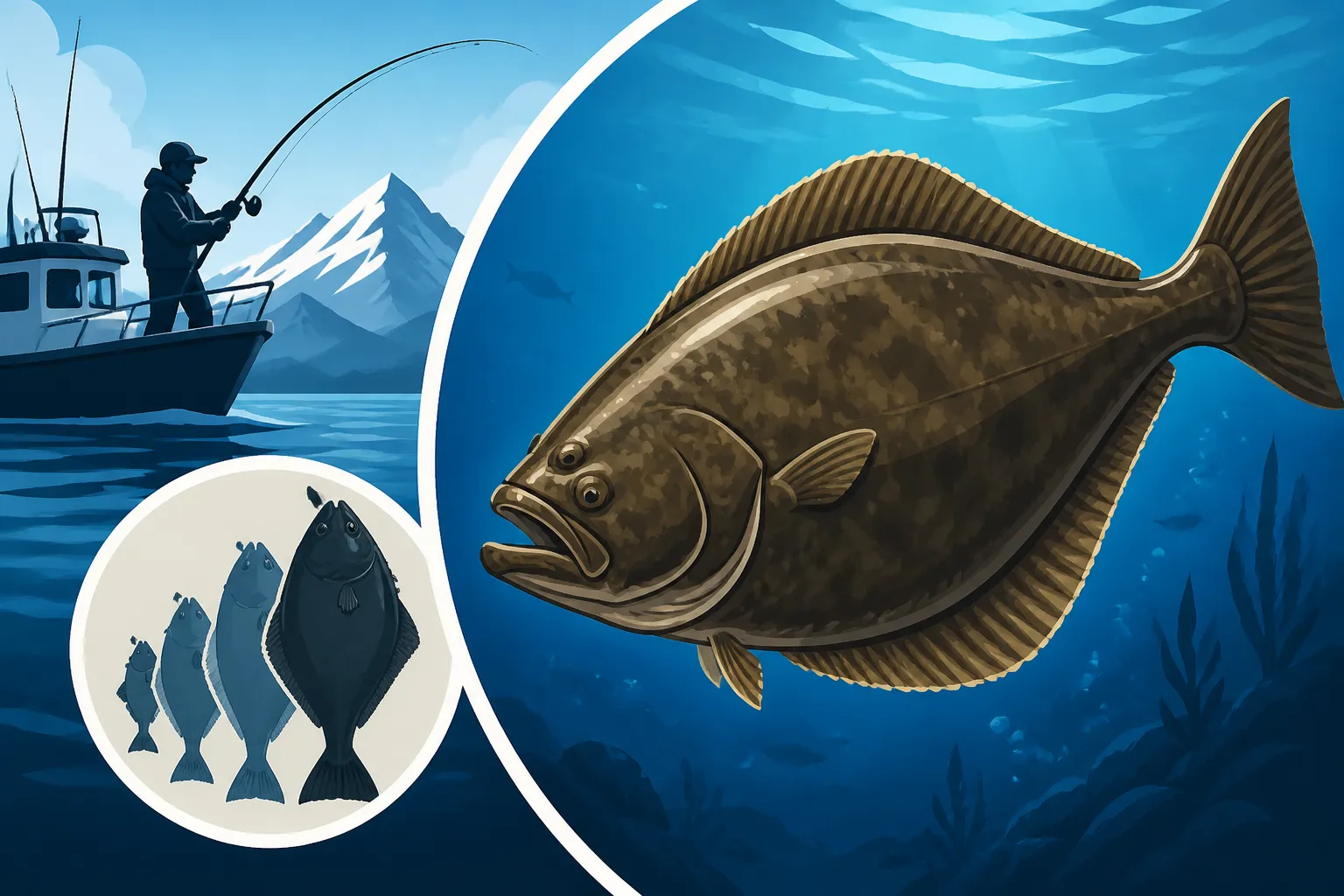
On average, female Pacific halibut live significantly longer than males, and this difference isn't just a few years; it can be decades. While male halibut typically live into their teens or early twenties, reaching a maximum age of around 25-30 years, female halibut often live much, much longer. It's not uncommon for commercial and sport anglers to catch female halibut that are 30, 40, or even 50 years old. The oldest scientifically verified Pacific halibut on record was an astonishing 55 years old! Imagine a fish that has navigated the depths of the ocean for over half a century, witnessing countless seasons and changes in its environment. This longevity is a key reason why they can achieve such impressive sizes, sometimes growing to over 500 pounds, leading to the nickname "barn doors" for the really large ones. If you're curious about their impressive dimensions, we have a whole guide on How Big Do Alaska Halibut Get.
Their long lives are intrinsically linked to their physiological makeup and the environment they inhabit. Living in cold water means a slower metabolism, which in turn leads to slower growth and a longer lifespan. Unlike many freshwater fish that might mature quickly and have short, intense lives, halibut take a more deliberate pace. They mature relatively late, usually around 8-12 years old, before they start actively reproducing. This slow life history makes them particularly vulnerable to overfishing if not managed carefully, as it takes many years for a population to replace itself. The vastness of the Gulf of Alaska and the Bering Sea provides them with ample space to live out these long lives, feeding on a diverse diet of other fish, octopus, and crabs.
Unlocking Age Secrets: How Halibut Lifespans Are Determined
It's a common question: how do scientists figure out the exact age of a fish like a halibut? They don't have birth certificates or driver's licenses down in the deep! The secret lies in a tiny, often overlooked, structure in a fish's head called an otolith, or "ear stone." These remarkable calcified structures are essentially nature's growth rings, much like those you see on a tree.
Scientists collect these otoliths from harvested halibut. Once removed, the otoliths undergo a careful preparation process. They are often cleaned, embedded in resin, and then sliced very thinly, or sometimes simply broken and polished at the core. When viewed under a microscope with specialized lighting, distinct concentric rings become visible. Each pair of rings – one opaque band (fast summer growth) and one translucent band (slow winter growth) – represents one year of the fish's life. By counting these annual growth rings, scientists can determine the precise age of the halibut. This process is painstaking but incredibly vital for understanding fish populations.
The accuracy of otolith reading is paramount for sound fisheries management. Imagine trying to manage a forest if you didn't know how old the trees were or how long they took to grow. It would be impossible to set sustainable harvest limits. For halibut, understanding the age structure of the population helps fisheries biologists determine how many fish can be caught without jeopardizing future generations. If too many young fish are harvested before they've had a chance to reproduce, or too many older, large females (who are crucial for egg production), the long-term health of the stock can be severely impacted. The International Pacific Halibut Commission (IPHC), which manages the Pacific halibut fishery, relies heavily on this age data to inform its annual quotas and regulations. This scientific approach ensures that we can continue to enjoy halibut fishing for years to come. Knowing how to correctly identify your catch is also helpful, and you can learn more in our guide on How to Identify a Halibut.
| Age Category | Typical Age Range | Average Size (Approx.) | Reproductive Status | Significance to Fishery |
|---|---|---|---|---|
| Juvenile | 0-7 years | Up to 20 lbs | Immature | Not typically targeted |
| Young Adult | 8-15 years | 20-60 lbs | Maturing/First Spawn | Contributes to harvest |
| Mature Adult | 16-30 years | 60-150 lbs | Actively Spawning | Primary harvest target |
| Old Growth | 31-55+ years | 150+ lbs | Highly Productive | Important for genetics |
Factors Influencing Halibut Longevity and Growth
The astonishing longevity of Alaska halibut isn't simply a matter of good genes; it's a complex interplay of environmental conditions, food availability, predation, and, increasingly, human impact. Understanding these factors helps us appreciate the resilience and vulnerability of these deep-sea dwellers.
First off, the environment itself plays a huge role. The cold waters of the North Pacific, stretching from the Gulf of Alaska into the Bering Sea, slow down the metabolic processes of halibut. This slower metabolism means they grow more gradually, but it also means their bodies experience less wear and tear over time, contributing to their extended lifespans. Areas with abundant food sources, such as pollock, cod, and various invertebrates, allow halibut to grow steadily and maintain good health. If food is scarce, growth can slow down even further, and individuals might be less robust, potentially impacting their lifespan.
Predation is another natural factor. While large, adult halibut have few natural predators other than possibly some marine mammals or large sharks, juvenile halibut are vulnerable to a wider array of species. However, once they reach a certain size, they are formidable flatfish, using their camouflage and powerful bodies to avoid most threats.
Perhaps the most significant factor influencing halibut longevity today, particularly for the larger, older fish, is fishing pressure. Historically, halibut populations included a greater proportion of very old, very large fish. Over decades of commercial and sport fishing, the average age and size of harvested halibut have shifted. While this doesn't necessarily mean individual fish can't still reach old age, it does mean that fewer do because they are harvested before reaching their maximum potential lifespan. This is especially true for the biggest females, who tend to live the longest and produce the most eggs. If you've ever heard of the saying "Why Are Big Halibut Always Female," it's because these older females are the ones that have had the most time to grow to enormous sizes.
Fisheries management, through regulations like Alaska Halibut Fishing Regulations and Limits, aims to balance harvest with the need to maintain a healthy age structure in the population. These rules often include daily limits, size restrictions, and even specific seasonal closures, all designed to protect different age classes and ensure adequate spawning stock. For example, the International Pacific Halibut Commission implements complex regulations for commercial and sport fishing, including reverse slot limits in some areas, which aim to protect both very small and very large, old halibut. Anglers often look for specific gear that helps them adhere to these rules and safely handle their catch. You can find a good selection of specialized fishing tools, measuring devices, and release equipment on platforms like Amazon.
Conservation and Sustainable Fishing for Long-Lived Halibut
Managing a species that lives for half a century and grows to hundreds of pounds presents unique challenges. The slow growth and late maturity of Pacific halibut mean that their populations are inherently vulnerable to overfishing. Once a significant number of mature, breeding fish are removed, it takes many years, even decades, for the population to recover and for new generations to reach reproductive age. This is why conservation efforts and strict adherence to regulations are absolutely critical for the sustained health of the Alaska halibut fishery.
The International Pacific Halibut Commission (IPHC) is the primary body responsible for the conservation and management of Pacific halibut throughout its range, including Alaskan waters. They conduct extensive research, including the vital otolith aging, to assess stock health, determine recruitment levels (new fish entering the population), and set annual harvest limits. These limits are then implemented by the Alaska Department of Fish and Game (ADF&G) for sport fisheries and the National Marine Fisheries Service (NMFS) for commercial fisheries.
For anglers, understanding and respecting these regulations is your direct contribution to conservation. This includes adhering to daily bag limits and annual limits, which can vary by region and change frequently based on stock assessments. For example, you should always check the current Alaska Halibut Daily Limit for Charter Anglers or for unguided trips before you head out. In some areas, measures like the Alaska Halibut Charter Reverse Slot Limit are in place to specifically protect the largest, most prolific spawning females, as well as the smallest, most vulnerable juveniles. By releasing these protected fish carefully and quickly, anglers play a direct role in safeguarding the future of the species.
Beyond limits, responsible fishing practices are key. Using appropriate tackle that minimizes harm to released fish, knowing how to safely release a large halibut, and being familiar with the rules for fish processing and transport, as detailed in our guide on How Much Fish Can You Bring Home from Alaska, are all part of being a good steward of this resource. The halibut season, covered in our Alaska Halibut Season Explained guide, is carefully designed to coincide with times when fishing pressure can be best managed and when fish quality is optimal.
The future of Alaska halibut fishing relies on a continued commitment to science-based management and responsible angling. By understanding the incredible longevity of these fish and the factors that influence it, we can all contribute to ensuring that future generations will also have the opportunity to experience the thrill of catching, and perhaps even releasing, one of these truly magnificent, long-lived giants of the deep.
Disclaimer
The information provided in this guide is for general informational purposes only and is subject to change. Fishing regulations in Alaska are dynamic and can be updated frequently due to emergency orders or annual adjustments by the Alaska Department of Fish and Game (ADF&G) and the International Pacific Halibut Commission (IPHC). Always consult the official ADF&G regulations booklet, IPHC rules, and any current emergency orders before engaging in any fishing activity. It is the angler's responsibility to know and comply with all applicable laws and regulations.