Where to Catch Silver Salmon in Alaska
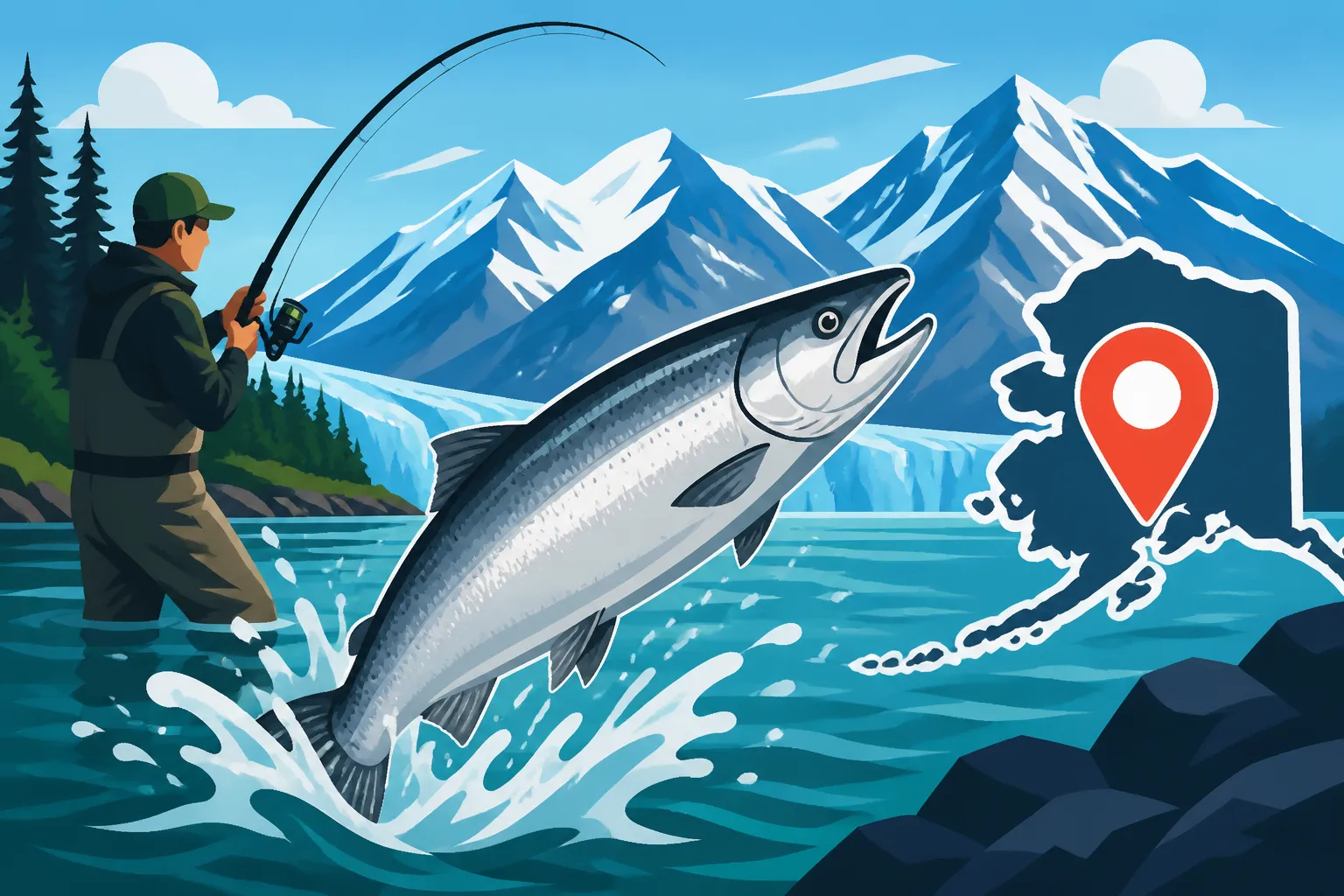
Chasing silver salmon, known as Coho, in Alaska is an experience that gets the heart pounding, but knowing exactly where to find these acrobatic fighters can feel like deciphering a secret code. Many anglers arrive eager for the fight, only to spend precious time wondering which river or bay will truly deliver. This comprehensive guide is here to unravel that mystery, providing you with the prime locations across Alaska where you can hook into magnificent silver salmon, ensuring your trip is filled with unforgettable catches.
Understanding Silver Salmon Runs and Preferred Habitats
Before we dive into specific locations, it's really helpful to understand the life cycle and preferences of silver salmon. Knowing when they arrive and what kind of water they prefer will give you a significant advantage, no matter where you cast your line in Alaska. These fish are known for their aggressive strikes and spectacular aerial displays once hooked, making them a favorite target for many.
When and Where Silver Salmon Arrive
Silver salmon typically begin their freshwater migrations in late summer and early fall, offering a fantastic opportunity for anglers after the earlier sockeye and king salmon runs have peaked. You'll usually see the first waves of Coho entering systems in late July, with peak fishing often occurring from August through September, and sometimes even into October in certain areas. This timing can vary a bit based on the specific river system and regional weather patterns, so always check local Alaska Fishing Seasons: Month-by-Month Guide and emergency orders.
They are widespread throughout Alaska, from the Southeast panhandle all the way up to the Western and Arctic regions. However, the most accessible and productive fisheries for recreational anglers tend to be in Southcentral Alaska, particularly on the Kenai Peninsula, and in Southeast Alaska. These regions boast robust Coho returns and better infrastructure for visitors, making them popular choices for those seeking their first silver salmon adventure. Unlike some other salmon species, silvers tend to hold in larger pools and slower currents, making them a bit more predictable to target once you understand their patterns.
Key Characteristics of Coho-Friendly Waters
Silver salmon are true opportunists when it comes to their freshwater habitat. While they do enter rivers to spawn, they often linger in larger, slower-moving pools, eddies, and the deeper sections of rivers and streams. They appreciate areas with good cover, like overhanging branches, submerged logs, or undercut banks, which provide shelter from predators and strong currents. You'll frequently find them stacked up in these calmer waters, waiting for their turn to move further upstream to their spawning grounds.
In saltwater, before they enter the rivers, Coho often cruise in nearshore waters, bays, and estuaries, particularly around baitfish schools. These areas, often accessible by boat from coastal towns, provide excellent opportunities for "feeder" silvers – fish that are still actively feeding and often put up an even stronger fight. Rivers with a good mix of riffles, runs, and deep pools, especially those with access to tidal influences in their lower sections, are typically prime Coho territory. They also tend to favor rivers with relatively clear water, making it easier for them to spot prey and for anglers to spot them.
Top River Systems for Silver Salmon Action
Alaska is blessed with countless rivers, but some consistently stand out as premier destinations for silver salmon. These rivers offer not only abundant returns but also diverse fishing experiences, catering to both bank anglers and those who prefer to fish from a boat with a guide.
Southcentral Alaska Hotspots
Southcentral Alaska, especially the Kenai Peninsula, is arguably the most famous and accessible region for targeting silver salmon. Its numerous rivers benefit from strong runs and are relatively easy to reach by road from Anchorage.
Kenai River
The Kenai River is legendary, and while often associated with trophy king salmon and massive sockeye runs, it also hosts a fantastic silver salmon fishery. The lower and middle sections of the Kenai become silver salmon central from August into early October. Anglers can find success both from shore and from drift boats. The sheer volume of fish means that even when specific areas are crowded, there's usually enough action to go around. You'll find silvers congregating in the deeper bends, behind gravel bars, and in the slower stretches. Access points like the Moose River confluence, Cunningham Park, and various public access areas around Soldotna and Kenai offer great opportunities. Many visitors choose to book a Kenai River Fishing: Complete Guide to navigate its waters.
Kasilof River
Just south of the Kenai, the Kasilof River is another excellent choice. While perhaps not as famous for silvers as the Kenai, it offers a more intimate fishing experience, especially for drift boat anglers. The Kasilof's silvers are known for being strong fighters, often slightly larger than their Kenai counterparts. The run here typically peaks in late August and September. Fishing with cured salmon roe under a bobber or twitching jigs are popular and highly effective methods. Bank access is a bit more limited than on the Kenai, making guided drift trips a preferred option for many.
Susitna River Drainage
The vast Susitna River drainage, including tributaries like the Deshka River, Talkeetna River, and Lake Creek, offers outstanding silver salmon fishing, particularly for those willing to venture a bit further. The Deshka River, accessible by boat from the Susitna Landing near Willow, is a fantastic early-season silver fishery, with fish arriving in late July and August. Lake Creek, often accessed by floatplane from Anchorage or Talkeetna, provides a truly wild Alaska experience with excellent Coho numbers throughout August and September. These rivers often provide a great mix of solitude and incredible fishing for those who prefer to get off the beaten path. For those planning a trip here, consider exploring the Susitna River Fishing Guide for more detailed information.
Southeast Alaska Gems
Southeast Alaska, with its intricate network of islands, fjords, and countless rain-fed rivers, also boasts phenomenal silver salmon fishing. The fishing here is often a mix of saltwater charter opportunities and productive river fishing.
Juneau Area Rivers
Around Juneau, there are numerous smaller rivers and streams that see strong Coho returns. The Mendenhall River, easily accessible from town, can be productive, especially in its lower reaches as fish move in. Gastineau Channel, while not a river, offers excellent shore fishing opportunities for silvers cruising near the mouth of these streams or in brackish waters. Other productive systems include Cowee Creek and Sheep Creek. The timeframe for silvers in the Juneau area generally mirrors Southcentral, with August and September being prime. For visitors to the capital city, a Juneau Fishing Guide for Visitors can provide comprehensive local advice.
Sitka Area
Sitka, located on Baranof Island, is renowned for its saltwater fishing, and this extends to silver salmon. Many anglers target Coho in the nearshore waters surrounding Sitka, often by trolling with downriggers. The numerous small streams and rivers that flow into the ocean around Sitka also receive healthy runs, providing both freshwater and saltwater options within close proximity. Charters here are particularly adept at finding schools of feeding silvers. You'll find these fish showing up from July through September, offering a long and productive season.
Ketchikan
Further south in the "Rain Capital of Alaska," Ketchikan and its surrounding areas are fantastic for silver salmon. The Naha River, accessible by a short floatplane ride, is famous for its abundant Coho. Closer to town, rivers like the Ward Creek and Ketchikan Creek also see good returns. The extensive coastline and countless islands make this a paradise for both saltwater trolling and river fishing for silvers. The peak season here runs from August to early October, often providing some of the latest salmon fishing opportunities in the state.
Western Alaska's Untamed Waters
For the adventurous angler seeking a true wilderness experience, Western Alaska offers some of the most prolific and untouched silver salmon fisheries. These are typically fly-in destinations, often involving stays at remote lodges.
Bristol Bay Region
The rivers of the Bristol Bay region, famous for their sockeye, also host incredible silver salmon runs. Systems like the Nushagak River, Alagnak River, and Naknek River, which are often accessed via lodges and fly-out trips from hubs like Dillingham or King Salmon, provide world-class Coho fishing. The sheer remoteness means less pressure and incredibly strong, wild fish. These runs tend to peak in late August and September, providing a spectacular finale to the salmon season. If you're looking for an expansive trip, exploring Bristol Bay Fishing Guide offers deeper insights into this wild frontier.
Kodiak Island
Kodiak Island, known for its bears and massive king salmon, also has a burgeoning silver salmon reputation. Its numerous rivers and streams, such as the Karluk and Ayakulik, host strong runs. Fishing here often involves bush planes to access remote river mouths and lower river sections. The runs are robust, and the scenery is unparalleled. Anglers typically target silvers here from late August into October, sometimes even November.
Coastal Waters and Marine Fisheries for Coho
While rivers are a classic setting for salmon fishing, many silver salmon are caught in the expansive coastal waters before they ever reach freshwater. These marine fisheries offer a different kind of thrill and often a chance at larger, chrome-bright fish that are still actively feeding.
Nearshore Saltwater Opportunities
Many of Alaska's coastal towns provide excellent access to nearshore saltwater areas where silver salmon congregate. These fish tend to stay relatively close to shore, especially around river mouths, estuaries, and protected bays, as they stage before their final push upstream.
Homer and Kachemak Bay
Homer, the "Halibut Fishing Capital of the World," is also a fantastic spot for silver salmon. Kachemak Bay and the waters immediately surrounding Homer offer excellent trolling opportunities. Anglers often target silvers by trolling spoons, plugs, or herring behind flashers. The Coho caught here are typically robust, ocean-bright fish that fight incredibly hard. The season in Kachemak Bay usually kicks off in July and continues strong through August and September. You can find out more about this vibrant fishing town by checking out a Homer Alaska Fishing Guide.
Seward and Resurrection Bay
Seward, nestled at the head of Resurrection Bay, is another prime location for saltwater silver salmon. Anglers can launch boats directly from town and quickly access productive waters. Trolling with downriggers is the most common method here, targeting depths where baitfish are schooling. Resurrection Bay is known for its consistent Coho returns, providing reliable action through August and September. The scenery of the Kenai Fjords National Park adds to the experience, making every hook-up feel even more special. More specific details for this area can be found in a Seward Alaska Fishing Guide.
Valdez and Prince William Sound
Valdez, located deep within Prince William Sound, offers some truly spectacular silver salmon fishing, particularly around the town itself and in the various coves and inlets of the Sound. The Valdez Silver Salmon Derby is a major event each year, drawing anglers from all over. Trolling in the Sound with various lures and bait is highly effective. The peak Coho season in Valdez usually runs from August through September, with late-season fish often providing some of the biggest thrills. The scenery in Prince William Sound is breathtaking, with glaciers and towering mountains providing a stunning backdrop to your fishing adventure.
Charter Fishing for Silvers
For many, especially visitors, the most efficient and enjoyable way to target silver salmon in saltwater is through a guided charter. Charter captains have intimate knowledge of local hot spots, current fishing conditions, and the best techniques. They also provide all the necessary gear, which can be a huge convenience.
Saltwater charters typically involve trolling, a technique where lines are pulled behind a moving boat. This allows you to cover a lot of water and present your lures or bait to a wider area. Popular gear includes downriggers to get lures to specific depths, flashers to attract fish, and a variety of spoons, hootchies, or rigged herring. When booking, consider whether you want a dedicated salmon trip or a combo trip that might include halibut. Many charters offer Alaska Combo Salmon and Halibut Charters to maximize your fishing experience. Charters are available from almost all coastal communities mentioned above, including Homer, Seward, Sitka, and Valdez.
Essential Gear and Tactics for Silver Salmon
Having the right gear and knowing the most effective techniques can dramatically increase your success rate when targeting silver salmon. These fish are aggressive but can also be finicky, so a versatile approach is key.
Recommended Tackle and Lures
Silver salmon, being active predators, respond well to a variety of lures and baits that mimic their prey or simply irritate them into striking.
Rods, Reels, and Line
For river fishing, a medium-heavy spinning or casting rod, typically 7-9 feet long, is ideal. This length provides enough leverage for casting and fighting strong fish, while also offering good sensitivity. Match it with a durable spinning reel in the 3000-4000 series or a baitcasting reel spooled with 20-30 lb braided line, topped with a 15-20 lb fluorocarbon or monofilament leader. The braid provides excellent sensitivity and casting distance, while the leader offers stealth and abrasion resistance. For saltwater trolling, a sturdier setup is often preferred, typically an 8-9 foot medium-heavy trolling rod with a level-wind reel spooled with 30-50 lb braid, usually with a monofilament top shot. If you're building your kit, you can find a huge range of suitable gear on Amazon.
Lures and Baits
- Spinners: Sizes 4-6 in vibrant colors like chartreuse, orange, pink, or metallic finishes (e.g., Pixie, Mepps, Blue Fox Vibrax) are killer for silvers. The flash and vibration are irresistible.
- Spoons: Casting spoons like the Crocodil, Daredevil, or Little Cleo, in similar bright colors or classic silver/gold, work exceptionally well. These are especially effective in larger pools or when fish are holding deeper.
- Jigs: Twitching jigs (1/2 to 1 oz, often marabou or rabbit fur) in pink, chartreuse, or black/purple are incredibly effective, particularly in rivers. Twitching a jig along the bottom can elicit powerful strikes.
- Plugs: Kwikfish or Wiggle Warts in various sizes and colors are popular for back-trolling in rivers or trolling in saltwater. They create a strong vibration and wide wobbling action.
- Cured Salmon Roe: While many prefer lures, cured salmon eggs can be deadly, especially when drifted under a bobber in rivers.
- Herring: Cut plug herring, either trolled or fished under a float in saltwater, is a classic bait for ocean-run silvers.
- Flies: For fly anglers, bright colored flies like the Clouser Minnow, Dolly Llama, or various articulated leeches in pink, chartreuse, or black are excellent choices. You can explore more options in a guide to the Best Lures for Alaska Salmon.
Effective Fishing Techniques
Matching your technique to the specific environment and the mood of the fish is crucial for success with silver salmon.
Casting and Retrieving
This is a bread-and-butter technique for river fishing. Cast your spinner or spoon across and slightly upstream, allowing it to swing downstream while you retrieve steadily, giving the lure an enticing action. Vary your retrieve speed and add small twitches to entice strikes. For jigs, cast out and let it sink to the bottom, then retrieve with a series of sharp twitches and pauses, mimicking a wounded baitfish. This can be incredibly effective in deeper pools.
Drift Fishing
In rivers, drift fishing with bait (like cured roe) or a small jig under a bobber can be very productive. The key is to get a natural, drag-free drift that presents your offering directly to holding fish. Use enough weight to get your bait down quickly, but not so much that it snags constantly. This is particularly effective in runs and seams where fish are resting or actively moving. Understanding How to Drift Fishing for Salmon in Alaska can significantly improve your river success.
Trolling
For saltwater fishing or larger river systems from a boat, trolling is king. Use downriggers to present your spoons, plugs, or rigged herring at the precise depth where fish are feeding. Vary your speed, make wide turns, and experiment with different colors and sizes until you find what the fish are hitting. Trolling also allows you to cover vast expanses of water, increasing your chances of finding schools of active silvers. Before heading out on a boat, you might want to review Alaska Fishing Gear and Tackle Guide to ensure you have everything you need, and remember that many of these items are easily found on Amazon.
Twitching Jigs
This technique has become incredibly popular for Coho in recent years. Using a medium-heavy spinning rod and a brightly colored marabou or rabbit-fur jig (often pink or chartreuse), cast the jig out, let it sink, then aggressively twitch your rod tip, causing the jig to dart and dance. This erratic action often triggers violent strikes from silvers holding in pools or slower currents. It's a very active and engaging way to fish, and you'll often feel the strike on the pause.
| Location Category | Specific Example (River/Bay) | Peak Silver Salmon Season | Primary Fishing Method(s) | Notable Features |
|---|---|---|---|---|
| Southcentral Rivers | Kenai River | August – September | Drift, Casting, Jigs, Bait | High volume, accessible, large fish |
| Kasilof River | Late August – September | Drift (guided), Bait, Jigs | Less crowded, strong fighters | |
| Deshka River | July – August | Casting, Jigs, Bait | Early run, remote feel (boat access) | |
| Southeast Rivers/Coast | Juneau area streams | August – September | Casting, Jigs, Flies | Accessible from city, mix of salt/freshwater |
| Sitka (nearshore/streams) | July – September | Trolling (salt), Casting (fresh) | Diverse options, good charter fishing | |
| Ketchikan area rivers | August – October | Casting, Jigs, Flies | Late season opportunities, scenic | |
| Coastal Bays | Kachemak Bay (Homer) | July – September | Trolling (salt) | Chrome-bright fish, accessible by charter |
| Resurrection Bay (Seward) | August – September | Trolling (salt) | Scenic backdrop, consistent returns | |
| Prince William Sound (Valdez) | August – September | Trolling (salt) | Derby events, stunning scenery, big fish | |
| Western Alaska (Remote) | Nushagak/Naknek Rivers | Late August – September | Fly-in, Guided, All methods | Wilderness experience, abundant, strong fish |
The thrill of an Alaska silver salmon on the end of your line is truly something special. From the readily accessible rivers of the Kenai Peninsula to the wild, remote waters of Western Alaska and the rich coastal bays, there's a silver salmon destination for every angler. Remember to always check local regulations, be prepared for Alaska's unpredictable weather, and respect the incredible natural resources you're visiting. Whether you're casting from the bank or trolling from a charter, the memories you make chasing these magnificent fish will last a lifetime. Many of the crucial weather gear and layers needed, like quality rain gear or insulated boots, can be found readily on Amazon. Don't forget to pack layers, even for summer, and always carry bear spray in bear country! Happy fishing!
Disclaimer
The information provided in this guide is for general informational purposes only and is subject to change. Fishing regulations, seasons, and access can vary significantly year to year and by location. Always consult the most current Alaska Department of Fish and Game regulations and emergency orders before planning and embarking on any fishing trip. The author and publisher are not responsible for any accidents, injuries, or legal issues that may arise from using this information. Fish responsibly and safely.