What Is the Best-Tasting Salmon in Alaska
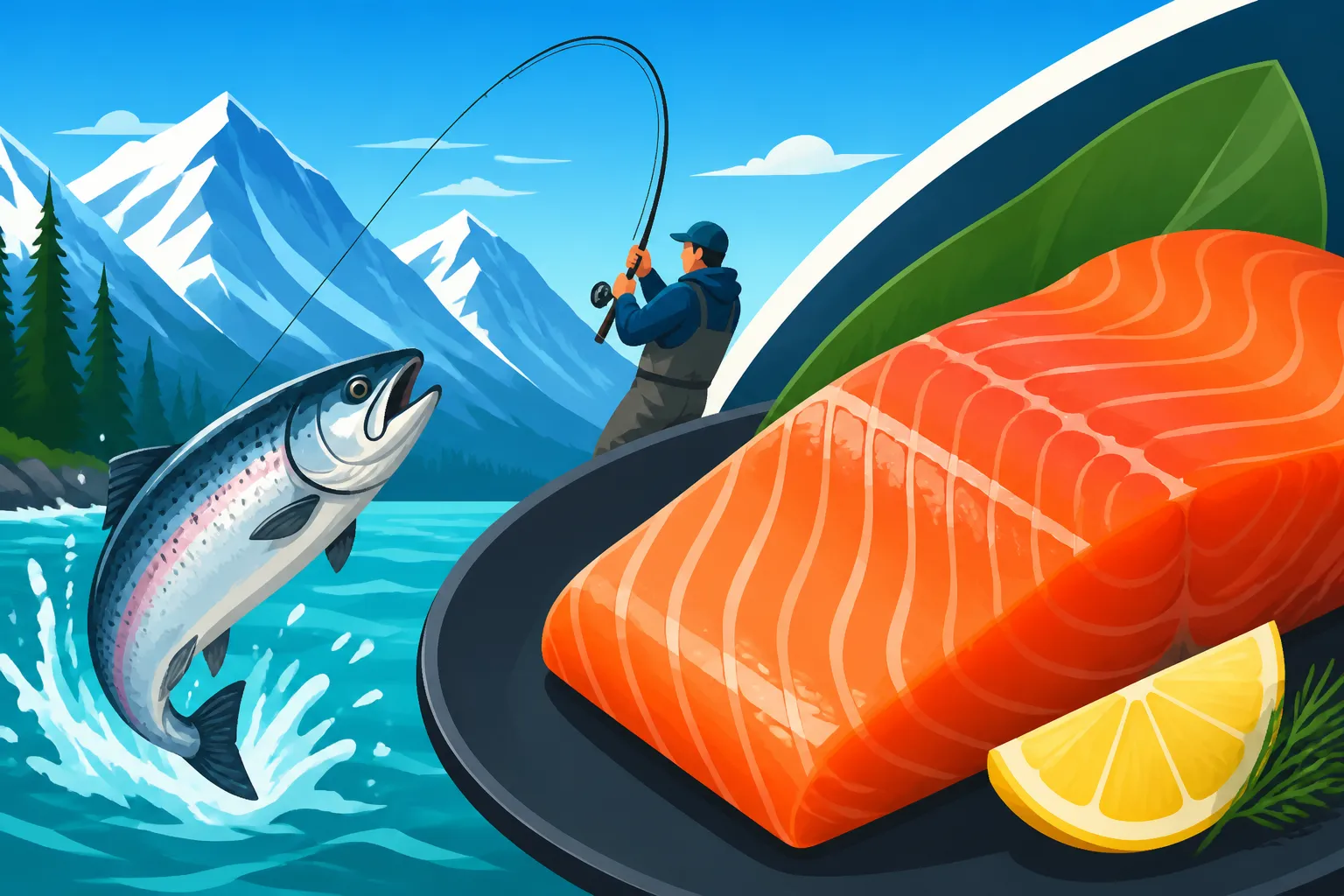
If you've ever stood in front of a fish counter or dreamed of an Alaskan fishing trip, you've probably faced the delightful dilemma: which salmon is truly the best tasting? It's a question that sparks lively debate among anglers and foodies alike, and honestly, there's no single "right" answer because taste is so personal. But what we can do is break down the unique profiles of Alaska's incredible salmon species, helping you decide which one will sing to your taste buds. This guide will walk you through each species, its culinary characteristics, and how to make the most of your delicious catch.
Understanding Alaska's Five Pacific Salmon Species
Alaska is famous for its abundant salmon runs, hosting all five species of Pacific salmon. Each one offers a distinct flavor, texture, and appearance, making the world of Alaskan salmon wonderfully diverse. When you talk about "salmon," you're really talking about a whole family of fish, each with its own personality on the plate.
King Salmon Chinook: The Pinnacle of Flavor and Texture
Ah, the King salmon, or Chinook as it's often called. This is the grand monarch of Alaskan waters, revered by chefs and anglers alike. If you're looking for the absolute richest, most luxurious salmon experience, the King is usually the one people point to. They are characterized by their large size, often reaching impressive weights, and their deeply colored, flaky flesh.
What makes King salmon so special in terms of taste is its exceptionally high fat content. This isn't just any fat; it's packed with those healthy Omega-3 fatty acids that give the fish its incredibly buttery texture and robust, almost melt-in-your-mouth flavor. When you catch a King, the effort of landing such a magnificent fish is immediately rewarded by the sheer quality of its meat. Many consider it the ultimate prize, a true testament to the wild abundance of Alaska. For a deep dive into these magnificent fish, check out our Alaska King Salmon: Complete Guide.
Sockeye Salmon Red: Deep Color, Firm Texture, and Distinctive Taste
Next up, we have the Sockeye salmon, also known as Red salmon, and it's a fan favorite for very good reason. If you've ever seen those stunning photos of bright red salmon fillets, chances are you're looking at a Sockeye. Their flesh is a vibrant, almost shocking red, and it holds its color beautifully even after cooking.
Sockeye salmon have a firmer texture than Kings and a lower, but still significant, fat content. This gives them a distinct, robust "salmon" flavor that many people associate with wild salmon. It's less buttery than a King but incredibly flavorful and satisfying. Its firm flesh stands up exceptionally well to grilling and smoking, making it a staple for many summer BBQs and traditional Alaskan preservation methods. There’s a lot more to learn about this popular species in our article on Alaska Sockeye Salmon Explained.
Coho Salmon Silver: Versatile and Mild-Flavored
Coho salmon, affectionately known as Silver salmon because of their dazzling silver flanks, are another fantastic choice, particularly for those who appreciate versatility in their cooking. Cohos offer a beautiful balance: their flesh is a lovely orange-red, and their fat content is medium—more than a Pink or Chum, but less than a King.
This medium fat content translates to a milder, more delicate flavor compared to the assertive taste of a Sockeye or the richness of a King. Coho salmon cooks up flaky and moist, making it incredibly adaptable to various culinary preparations. It's often the salmon that wins over those who might find other salmon species too "fishy." Whether you bake it, pan-sear it, or grill it, Coho salmon consistently delivers a delicious experience. Discover more about their characteristics and fishing tips in Alaska Coho Salmon: Facts and Fishing Tips.
Pink Salmon Humpy: Abundant, Lean, and Often Underestimated
Pink salmon, or "humpies" as they are commonly called due to the pronounced hump males develop during spawning, are by far the most abundant salmon species in Alaska. While they might not get the same gourmet fanfare as Kings or Sockeye, they are often seriously underestimated. Their flesh is lighter in color, a pale pink, and they are leaner than their King or Sockeye cousins.
Because of their leaner profile, Pink salmon have a very delicate flavor. This mildness means they are fantastic for absorbing marinades and spices, and they shine in dishes where you want the salmon flavor to complement, rather than dominate. Pinks are also excellent for canning, making delicious salmon patties, or creating light, flaky baked dishes. Don't let their reputation fool you; a properly handled and prepared Pink salmon can be absolutely delightful. You can read more about their underrated qualities in Are Alaska Pink Salmon Good to Eat and get specific fishing details in Alaska Pink Salmon: Facts and Fishing Tips.
Chum Salmon Dog: Firm Flesh, Mild Flavor, and Excellent for Specific Preparations
Last but certainly not least, we have the Chum salmon, often referred to as "Dog salmon" due to their impressive canine-like teeth they develop during spawning. Like Pink salmon, Chum often gets an unfair rap, but this species has distinct culinary advantages, especially for specific preparations. Their flesh is typically paler, ranging from pinkish to a light orange, and it's quite firm and lean.
Due to its firm texture and lower oil content, Chum salmon is an absolute superstar for smoking, drying, and canning. It makes incredible salmon jerky, and the firmness holds up beautifully to the smoking process, absorbing flavors wonderfully. While it might not be the top choice for a quick pan-fry, it's a staple for traditional Alaskan preservation methods and provides a fantastic, healthy protein source. Don't write off Chum salmon until you've tried it smoked or cured! Our Alaska Chum Salmon: Facts and Fishing Tips article dives deeper into this resilient species.
Factors Influencing Salmon Taste and Quality
It’s not just about the species; several other elements play a crucial role in how a salmon ultimately tastes on your plate. From what they eat to how they're handled post-catch, these factors can significantly impact the culinary experience.
Fat Content and Omega-3s
The amount of fat, specifically Omega-3 fatty acids, within the salmon's flesh is a primary determinant of its taste and texture. Higher fat content, characteristic of King salmon, leads to a richer, more buttery mouthfeel and a more intensely savory flavor. These fats render beautifully during cooking, keeping the meat moist and tender.
Leaner salmon species, like Pink and Chum, have less of this intramuscular fat. While they might lack the unctuous richness of a King, their leaner profile means they often have a milder flavor that can be a blank canvas for various seasonings and sauces. It also means they can dry out more easily if overcooked, so gentle cooking methods are key. The Omega-3s aren't just for taste; they're incredibly healthy, too, making all Alaskan salmon a nutritious choice.
Diet and Environment
The pristine, cold waters of Alaska and the diet of wild salmon contribute immensely to their superior taste. Unlike farmed salmon, which have a controlled diet, wild Alaskan salmon feast on a natural smorgasbord of krill, small fish, and invertebrates. This natural diet, combined with the demanding journey upstream to spawn, results in lean, muscular fish with distinct flavor profiles.
For instance, Sockeye salmon are known for their preference for zooplankton, which contributes to their vibrant red flesh. Kings often consume more oily baitfish, which adds to their higher fat content. The clean, unpolluted environment of Alaska's rivers and oceans ensures the fish are healthy and free from the off-flavors that can sometimes plague fish from less pristine waters. This natural purity is a huge part of the "wild Alaska salmon" appeal.
Harvest Method and Handling
Even the most delicious species can be ruined by improper handling, and conversely, excellent handling can elevate a leaner fish. The way a salmon is harvested and processed immediately after being caught is paramount to its quality. For sport fishermen, ensuring a swift and humane catch, followed by immediate bleeding (known as "dispatching"), gutting, and chilling on ice, makes a world of difference.
Rapid chilling prevents the breakdown of enzymes that can lead to mushy flesh and off-flavors. Charter captains and experienced commercial fishermen in Alaska are meticulous about this. They understand that a fish caught with care and immediately put on ice will taste infinitely better than one left to spoil in the sun. Investing in a good quality cooler or a portable vacuum sealer (which you can easily find on Amazon) is a game-changer for preserving your catch. You can learn more about how to handle your catch correctly in our guide How to Fillet a Salmon in Alaska.
The Culinary Verdict: Which Salmon for Which Palate?
Deciding on the "best" tasting salmon truly boils down to personal preference and what you plan to do with the fish. Each species offers a unique culinary adventure, making them all fantastic in their own right.
For the Richness Seeker: King Salmon Reign Supreme
If you are someone who craves a rich, buttery, and intensely flavorful experience, then the King salmon is undoubtedly your champion. Imagine a thick, succulent King salmon steak, gently grilled or roasted, its natural oils glistening, and each large flake practically melting in your mouth. This is the ultimate indulgence for many seafood lovers. Its robust flavor stands up beautifully to bolder seasonings but is equally divine with just a pinch of salt and pepper.
King salmon is perfect for special occasions or when you want the fish to be the absolute star of the meal. Its dense, fatty flesh makes it incredibly forgiving to cook, retaining moisture even if you accidentally overcook it slightly. For those seeking the pinnacle of salmon richness, look no further than the mighty Chinook. When it comes to grilling, there's nothing quite like it, as detailed in Best Salmon for Grilling from Alaska.
For the Classic Salmon Flavor: Sockeye is Your Go-To
For those who love that quintessential, vibrant "salmon" taste, with a firm texture that offers a satisfying bite, Sockeye salmon is your ideal choice. It's the fish many people picture when they think of wild Alaska salmon: bright red, healthy, and packed with flavor. Sockeye has a more assertive, less subtle taste than Coho, but it’s cleaner and less oily than a King.
Sockeye salmon is incredibly versatile for cooking but truly shines on the grill or when smoked. Its firm flesh holds together beautifully, making it a favorite for planks, skewers, or simply a perfectly seared fillet. It also works exceptionally well in dishes where you want the salmon flavor to be prominent but not overpowering. If you're looking for that iconic wild salmon experience, Sockeye delivers every time. If smoking is your passion, you'll want to read Best Salmon for Smoking from Alaska.
For Versatility and Mildness: Coho Salmon Shines
If you appreciate a salmon that can adapt to almost any recipe and has a milder, cleaner flavor profile, then Coho salmon will quickly become a favorite. Its medium fat content and delicate taste make it an incredibly forgiving and versatile fish in the kitchen.
Coho is wonderful for pan-searing, baking, broiling, or even using in fish tacos or stir-fries where you want the salmon to complement other ingredients without dominating. It’s also an excellent choice for families, or for introducing someone to salmon, as its less intense flavor is generally appealing to a wider range of palates. If you're looking for a reliable, delicious, and adaptable salmon for your weekly meals, the Silver salmon is an outstanding option.
For Budget-Friendly & Specific Uses: Pink and Chum Salmon
Don't let the lower price point or the nicknames "humpy" and "dog salmon" deter you from these fantastic fish. Pink and Chum salmon are incredibly valuable for their unique culinary applications and sustainable abundance.
Pink salmon, with its delicate flavor and lean flesh, is brilliant for canning—making delicious salmon salads or a quick, healthy snack. It also excels in recipes like salmon burgers, croquettes, or light pasta dishes where you want a tender, mild fish. You can find many recipes or even specialized tools for preparing these on Amazon. Chum salmon, with its firm, lean meat, is the undisputed king of smoking and drying. It transforms into unbelievably flavorful jerky and holds up beautifully to the long smoking process, absorbing seasonings like a dream. Many traditional Alaskan dishes rely heavily on Chum for its excellent texture and ability to preserve well. These species prove that "best tasting" isn't always about richness, but sometimes about perfect suitability for a particular dish.
Here's a quick comparison to help you choose your next salmon adventure:
| Salmon Species | Primary Flavor Profile | Texture | Fat Content | Ideal Cooking Methods |
|---|---|---|---|---|
| King | Rich, buttery, robust | Large flakes, tender | High | Grilling, roasting, pan-searing, baking |
| Sockeye | Distinct, classic "salmon" taste | Firm, flaky | Medium-High | Grilling, broiling, smoking, baking |
| Coho | Mild, delicate, clean | Medium flakes, moist | Medium | Pan-searing, baking, grilling, broiling, tacos |
| Pink | Very mild, light | Small flakes, tender | Low | Canning, salmon patties, baking, light stir-fries |
| Chum | Mild, savory | Very firm, coarse | Low | Smoking, drying (jerky), canning, stews, chowders |
Ultimately, the best-tasting salmon in Alaska is the one that best suits your palate and your culinary plans. Don't be afraid to experiment! Try a variety of species, prepare them in different ways, and you'll soon discover your personal favorite. Each salmon offers a slice of Alaska's wild bounty, a delicious and healthy choice that supports sustainable fisheries. Before you go, ensure you know how to read Alaska Fishing Regulations Explained to guarantee a legal and enjoyable trip. Also, be sure to keep track of your catches on an Alaska Harvest Record Card Explained. Enjoy the incredible flavors of Alaska's salmon!
Disclaimer
The information provided in this guide is for general informational purposes only. Fishing regulations, seasons, and fish populations can change rapidly in Alaska due to emergency orders and biological factors. Always consult the latest official Alaska Department of Fish and Game (ADF&G) regulations and emergency orders before planning any fishing trip or consuming wild fish. We are not responsible for any incidents that may occur from following this information.