Alaska Pacific Cod: Size, Season, and Where to Catch
Many anglers visiting Alaska are often focused solely on the glamour of King Salmon or the sheer size of a barn-door Halibut, completely overlooking another fantastic fishery: Pacific Cod. It's a common mistake to dismiss these robust bottom-dwellers, but if you're looking for consistent action, delicious white meat, and a chance to truly experience Alaska's diverse marine ecosystem without the intense crowds, you've been missing out. This guide will dive deep into everything you need to know about Alaska Pacific Cod, from identifying them and understanding their life cycle to pinpointing the best times and places to catch them, ensuring you don't overlook this valuable species on your next trip north.
Understanding Alaska Pacific Cod
Pacific Cod, often called "grey cod" or simply "cod," are a significant part of Alaska's marine bounty, both commercially and recreationally. While perhaps not as famous as their Atlantic cousins, they play a crucial role in the ecosystem and offer a fantastic fishing experience for those in the know. They're hardy fish, thriving in the cold, productive waters that characterize much of Alaska's coastline.
Identifying Pacific Cod: Key Features
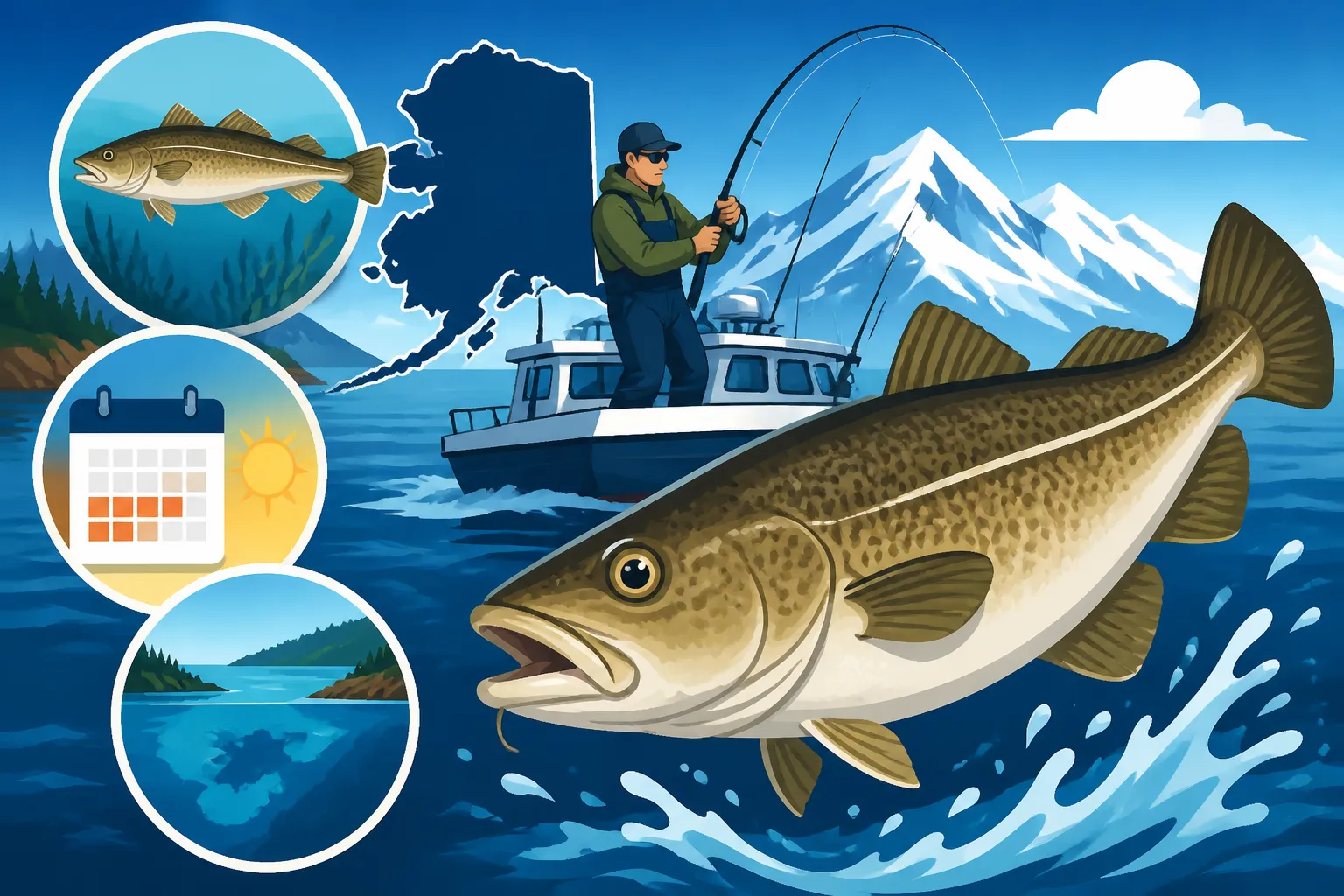
When you pull a Pacific Cod from the deep, you'll immediately notice a few distinguishing characteristics. They typically have a mottled brown to grayish-green back that helps them blend in with the rocky or sandy bottom, fading to a lighter belly. One of the most obvious identification marks is the distinct, single barbel or "whisker" located on their chin. This barbel is used to scour the seafloor for food. Their dorsal fins are another key identifier: they possess three separate dorsal fins and two separate anal fins. Their caudal (tail) fin is often broad and square-edged, giving them powerful propulsion. While they share some similarities with other bottom fish, like Lingcod or various Rockfish, the chin barbel and the number of distinct fins are usually clear giveaways. Knowing how to identify Alaska Pacific Cod is important not just for bragging rights, but for adhering to regulations and understanding the species you're targeting.
It's also worth noting how they differ from their Atlantic counterparts. While both are members of the Gadus genus, Pacific Cod (Gadus macrocephalus) are generally a bit smaller and often have a slightly more slender body profile than Atlantic Cod (Gadus morhua). Their distribution is entirely different, with Pacific Cod inhabiting the northern Pacific Ocean and Bering Sea, while Atlantic Cod are, as their name suggests, found in the Atlantic. For anglers, this means different fishing grounds and sometimes different preferred techniques, though the basic principles of bottom fishing remain quite similar.
The Life Cycle and Habitat of Alaska Cod
Pacific Cod are prolific spawners, typically laying millions of eggs each season. Spawning generally occurs in late winter and early spring, with fish migrating to specific spawning grounds in deeper waters. After hatching, the young cod spend their early lives in offshore pelagic waters, feeding on zooplankton. As they mature, they move towards the bottom, eventually settling into their benthic lifestyle. They are relatively fast-growing fish, reaching maturity within a few years.
These adaptable fish are found throughout the Gulf of Alaska, Prince William Sound, and especially in the vast, productive waters of the Bering Sea and Aleutian Islands. They prefer cold, temperate waters, typically ranging from 30 to 50 degrees Fahrenheit, and can be found from shallow nearshore waters out to depths exceeding 1,500 feet, though recreational anglers usually target them in much shallower ranges, often between 50 and 600 feet. Their preferred habitats include rocky reefs, sand and mud flats, and even kelp beds, where they can find ample food and cover. They are opportunistic feeders, preying on a wide variety of bottom-dwelling invertebrates like crabs, shrimp, and clams, as well as smaller fish such as juvenile Pollock, Herring, and Capelin. This varied diet contributes to their robust growth and delicious, flaky white meat. Understanding their preferred habitats is key to successfully targeting them, as you'll want to focus your efforts on areas with structure or soft bottoms that hold their prey.
Pacific Cod Size and Weight Expectations
When you're out fishing in Alaska, everything feels bigger, and Pacific Cod are no exception! While they might not reach the colossal sizes of some other Alaskan giants, they offer a satisfying fight and can grow to respectable dimensions, making them a worthwhile target for any angler.
Average Sizes and Trophy Potential
Most recreational anglers targeting Pacific Cod in Alaska can expect to catch fish ranging from 10 to 30 pounds, with lengths typically between 20 to 35 inches. These are solid, feisty fish that provide excellent table fare. However, if you're really lucky and fishing in prime areas, you might encounter much larger specimens. Pacific Cod can grow to over 60 pounds, with the current all-tackle world record Pacific Cod, caught in Alaska, weighing in at an impressive 50 pounds, 4 ounces. While 50-pounders aren't an everyday occurrence, fish in the 30-40 pound range are certainly caught, particularly in the outer coastal areas and near the Aleutian Islands.
The term "trophy potential" for Pacific Cod might mean something different than, say, a huge King Salmon. For many, a trophy cod is less about breaking records and more about consistent action and bringing home plenty of quality meat. A cooler full of 15-25 pound cod can be just as satisfying as a single large King, especially when you consider the sheer quantity of fillets you'll be taking home. Plus, they put up a good, stubborn fight, often diving deep and using their broad bodies to resist the retrieve.
Factors Influencing Cod Growth
Several factors contribute to the size and growth rates of Alaska Pacific Cod. One of the most significant is food availability. Areas with abundant prey, such as dense schools of baitfish or rich invertebrate populations on the seafloor, tend to support larger and healthier cod populations. The rich, nutrient-filled waters of the Bering Sea, for example, are a prime feeding ground, leading to robust growth.
Water temperature also plays a role; while cod thrive in cold water, extremely cold temperatures can slow their metabolism and growth, while slightly warmer, but still cold, temperatures can accelerate it within their optimal range. Genetics, as with any species, also contribute to individual growth potential, with some fish naturally predisposed to grow larger. Age is, of course, a primary factor; older fish have had more time to grow, though their growth rate typically slows down after reaching sexual maturity. Finally, fishing pressure can influence average size. In heavily fished areas, larger, older fish may be more scarce, while less-pressured remote locations might hold more giants. This is why areas like the waters surrounding Kodiak and the Aleutian Chain, which are vast and sometimes harder to access, often produce some of the largest cod.
Prime Season for Alaska Pacific Cod Fishing
Knowing when to target Alaska Pacific Cod can make all the difference in your fishing success. While they are present year-round in many areas, specific seasons offer better opportunities due to their migratory patterns, spawning cycles, and feeding behaviors.
When to Target Pacific Cod
Generally, the best time to fish for Pacific Cod in Alaska is during the late spring through early fall, roughly from May to September. This period coincides with milder weather, more accessible fishing grounds, and active feeding behavior as cod take advantage of the abundant prey in the rich Alaskan waters.
- Spring (May-June): As the waters warm slightly and baitfish begin to move, cod become very active feeders after their winter spawning period. They're often found in shallower waters as they disperse from their deep spawning grounds and begin to forage aggressively. This can be an excellent time for a combo trip, as other species like Halibut are also becoming more available.
- Summer (July-August): The peak summer months are fantastic for cod fishing. The weather is generally at its best, making boat travel more comfortable, and cod are actively feeding across a wide range of depths. This is often when you'll find them in large schools, making for fast and furious action. Many anglers combine a Pacific Cod trip with targeting species like {Alaska Coho Salmon Fishing Regulations and Limits} or {Alaska Halibut Fishing Regulations and Limits} during these prime summer months.
- Fall (September-October): Fishing remains strong into the early fall, especially as cod begin to bulk up in preparation for winter. The bite can be excellent, though weather can become more unpredictable. As water temperatures drop, they might start moving towards deeper waters, signalling the approaching winter patterns.
While recreational fishing for cod slows down in winter due to harsh weather and ice, commercial operations, particularly in the Bering Sea, continue year-round, underscoring their presence even in the coldest months.
Seasonal Variations and Best Practices
The specific timing can vary slightly depending on the region you're fishing. For example, in the protected waters of Prince William Sound, the season might open a bit earlier or close later than in the more exposed areas of the Gulf of Alaska. Always check the latest {Alaska Fishing Seasons: Month-by-Month Guide} or local regulations from the Alaska Department of Fish and Game (ADF&G) for the most current information. Emergency orders, though less common for Pacific Cod than for salmon, can always occur and impact fishing opportunities.
When planning your trip, consider combining Pacific Cod fishing with other prime fisheries. For instance, a trip to Seward in July could net you both cod and silver salmon. If you're heading to the Kenai Peninsula, consider extending your trip offshore to target cod after your river-based salmon adventures. Many charter operators offer targeted cod trips or combo trips, where you might focus on {Alaska Halibut} in the morning and then switch to cod if the halibut bite slows or you've met your limits. This flexibility makes Pacific Cod an excellent complementary species for an Alaskan fishing vacation.
Here's a quick overview of what to expect seasonally for Pacific Cod:
| Season | Typical Behavior | Prime Fishing Depths (approx.) | Notes |
|---|---|---|---|
| Spring | Post-spawn feeding, moving to shallower areas. | 50-200 feet | Aggressive bite, good for combo trips. |
| Summer | Active feeding, often schooling. Widespread distribution. | 100-400 feet | Peak season, good weather, consistent action. |
| Fall | Bulking up for winter, may start moving deeper. | 200-600 feet | Strong bite, but weather can be a factor. |
| Winter | Deeper water, spawning activity, less recreational effort. | 400-1500+ feet | Primarily targeted by commercial fisheries due to weather. |
Top Spots to Catch Pacific Cod in Alaska
Alaska is a vast state, and while Pacific Cod are widely distributed, certain areas consistently offer better fishing opportunities due to habitat, baitfish availability, and accessibility. Knowing where to focus your efforts can greatly improve your chances of a successful cod outing.
Coastal Hotspots and Offshore Grounds
Pacific Cod can be found in many of Alaska's coastal waters, but some areas stand out for consistent action and larger fish.
- Gulf of Alaska: This massive body of water stretching from Kodiak Island to Southeast Alaska is prime cod territory. Cities like Homer, Seward, Valdez, and Kodiak serve as excellent jumping-off points for targeting these fish.
- Kodiak Island: Known for its rugged beauty and abundant fish, Kodiak is truly a premier destination. The waters around the island, including Marmot Bay and the numerous coves and reefs, hold incredible numbers of Pacific Cod. Many commercial fishing boats operate out of Kodiak, but recreational anglers can also find charters that target them. The sheer volume of structure and varied depths make it ideal habitat.
- Homer: While famous for halibut, the waters of Kachemak Bay and beyond offer excellent cod fishing. Charters departing from the "Halibut Fishing Capital of the World" often target cod as part of their bottom-fishing excursions, especially in deeper waters offshore where Halibut and Rockfish also reside. You can explore a variety of bottom structures for both species.
- Seward: Located on Resurrection Bay, Seward provides access to rich Gulf of Alaska fishing grounds. Many of the same areas targeted for salmon and halibut also hold strong populations of Pacific Cod. Look for ledges, pinnacles, and other underwater structures outside of Resurrection Bay for the best action. The fjord-like structure of the bay itself can also hold cod in shallower areas closer to shore, particularly in the spring.
- Prince William Sound: This protected body of water, accessible from Valdez or Whittier, is another excellent choice. While perhaps not as known for "trophy" cod as Kodiak, it offers very consistent fishing for eating-sized fish. The myriad islands, reefs, and relatively calm waters make it an appealing option, especially for those who prefer less open-ocean travel.
- Bering Sea and Aleutian Islands: These remote, wild waters are where the vast majority of Alaska's commercial Pacific Cod harvest occurs. For recreational anglers, access is much more challenging, often requiring fly-in lodges or specialized expeditions. However, for those who make the journey, the fishing can be truly legendary, with potential for some of the largest cod. These areas exemplify {Best Fly-In Fishing in Alaska} experiences, though focused often on salmon and trout, some lodges cater to saltwater species.
When considering where to fish, it's always a good idea to chat with local tackle shops or charter captains. They'll have the most up-to-date knowledge on current conditions and productive spots, as fish patterns can shift throughout the season.
Gear and Techniques for Pacific Cod
Catching Pacific Cod doesn't require overly specialized gear, which is great news for most anglers. They are fairly opportunistic feeders, and common bottom-fishing techniques work well.
- Rods and Reels: A medium to heavy action conventional rod, typically 6-7 feet long, paired with a sturdy conventional reel loaded with 50-80 pound braided line is ideal. You need something robust enough to handle the weight of heavy jigs or sinkers in deep water and to muscle up a strong-pulling cod. Brands like Penn, Shimano, or Daiwa offer many suitable options available on Amazon.
- Terminal Tackle:
- Jigs: Heavy metal jigs are incredibly effective. Sizes ranging from 8 to 16 ounces (or even heavier in strong currents) are common. Crippled Herring, P-Line, or Braid jigs are popular choices. Tip them with a piece of bait for added scent.
- Baited Rigs: A simple two-hook dropper rig or a sliding sinker rig with a large circle hook (size 8/0 to 12/0) can be deadly. Cut bait, such as herring, squid, or even chunks of smaller fish like Pollock, works wonders. When rigging, ensure your knots are strong, as you'll be putting a lot of strain on your line.
- Sinkers: Pyramid or cannonball sinkers, ranging from 8 ounces to over a pound, are essential to get your bait or jig to the bottom and keep it there in the current.
- Techniques:
- Bottom Jigging: This is perhaps the most popular and effective method. Drop your heavy jig to the bottom, then lift and drop it rhythmically to mimic a wounded baitfish. Cod often strike on the drop or immediately after it hits the bottom. This technique is often used when trying to {How to Catch Lingcod in Alaska} as well, as they share similar habitats.
- Bait Fishing: Drop your baited rig to the bottom and let it soak. Ensure your sinker is heavy enough to hold the bottom. Cod often pick up the bait and slowly move off, so a steady hand on the rod is key. Circle hooks are highly recommended as they tend to hook fish in the corner of the mouth, reducing gut hooking and making release easier if you catch more than your limit. This is a fundamental part of {Best Fishing Techniques for Alaska}.
- Drifting: In some areas, drifting over known cod grounds with baited rigs or jigs can be very productive, covering more ground and increasing your chances of finding a school. Make sure your weight is sufficient to keep your offering near the bottom as you drift.
Remember, a good fish finder is your best friend when targeting bottom fish like cod. Look for schools of fish hugging the bottom, or areas with significant structure. Having a good understanding of {Alaska Fishing Gear and Tackle Guide} can prepare you for not only cod but many other species. And don't forget your processing gear; knowing {How to Fillet a Halibut} will give you a leg up on filleting cod, which is quite similar. When you're ready to head home, be sure you understand {How to Vacuum Seal and Ship Alaska Fish} to preserve your delicious catch!
Disclaimer
Please be aware that fishing regulations in Alaska are subject to change, often with little notice, due to emergency orders from the Alaska Department of Fish and Game (ADF&G). Always consult the most current ADF&G regulations booklet and check for any emergency orders pertaining to your specific fishing area and target species before you head out on the water. This guide is for informational purposes only and should not be considered a substitute for official regulations.