Alaska Arctic Char: Size, Season, and Where to Catch
Ah, the Alaska Arctic Char. If you've ever dreamt of battling a vibrant, hard-fighting fish in some of the most pristine wilderness on Earth, then the Arctic Char is probably on your bucket list. But let's be honest, finding these elusive beauties, let alone distinguishing them from their close cousins, the Dolly Varden, can feel like trying to solve a cryptic puzzle in a vast, untamed landscape. It's a common frustration, and one that often leaves anglers wondering if they're even in the right spot or using the right approach. This guide is here to cut through that confusion, giving you the lowdown on everything you need to know about the Alaska Arctic Char, from their distinctive characteristics and preferred habitats to the best times and techniques to target them.
Unraveling the Alaska Arctic Char Mystery: What Makes Them Special?
Let's start by getting to know our target. Arctic Char aren't just any fish; they're a true marvel of the northern waters, adapted to survive and thrive in some of the harshest environments. Their beauty, fighting spirit, and elusive nature make them a prized catch for many anglers, but understanding what sets them apart is the first step to truly appreciating them.
Identifying Arctic Char vs. Dolly Varden
This is probably the biggest headache for new and even experienced anglers in Alaska: telling the difference between an Arctic Char and a Dolly Varden. They look incredibly similar, often inhabit the same waters, and frankly, both are stunning fish. But there are subtle, yet important, distinctions that can help you identify them. Think of it like telling apart two very similar cousins – they share family traits, but each has their own unique quirks.
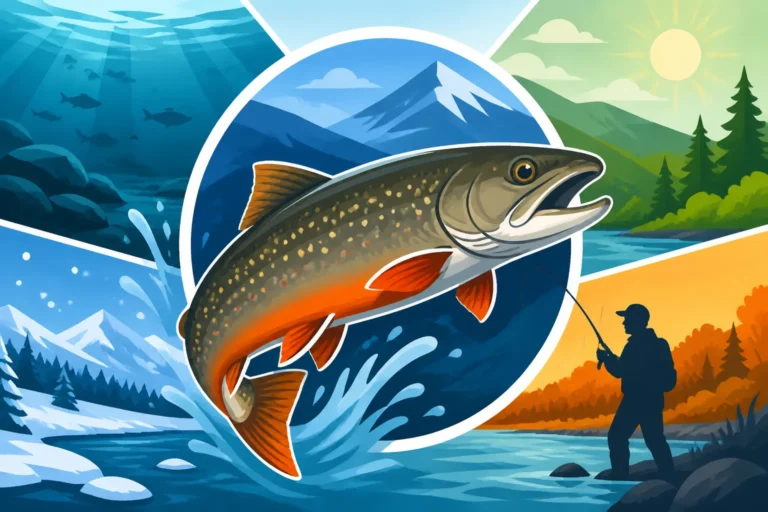
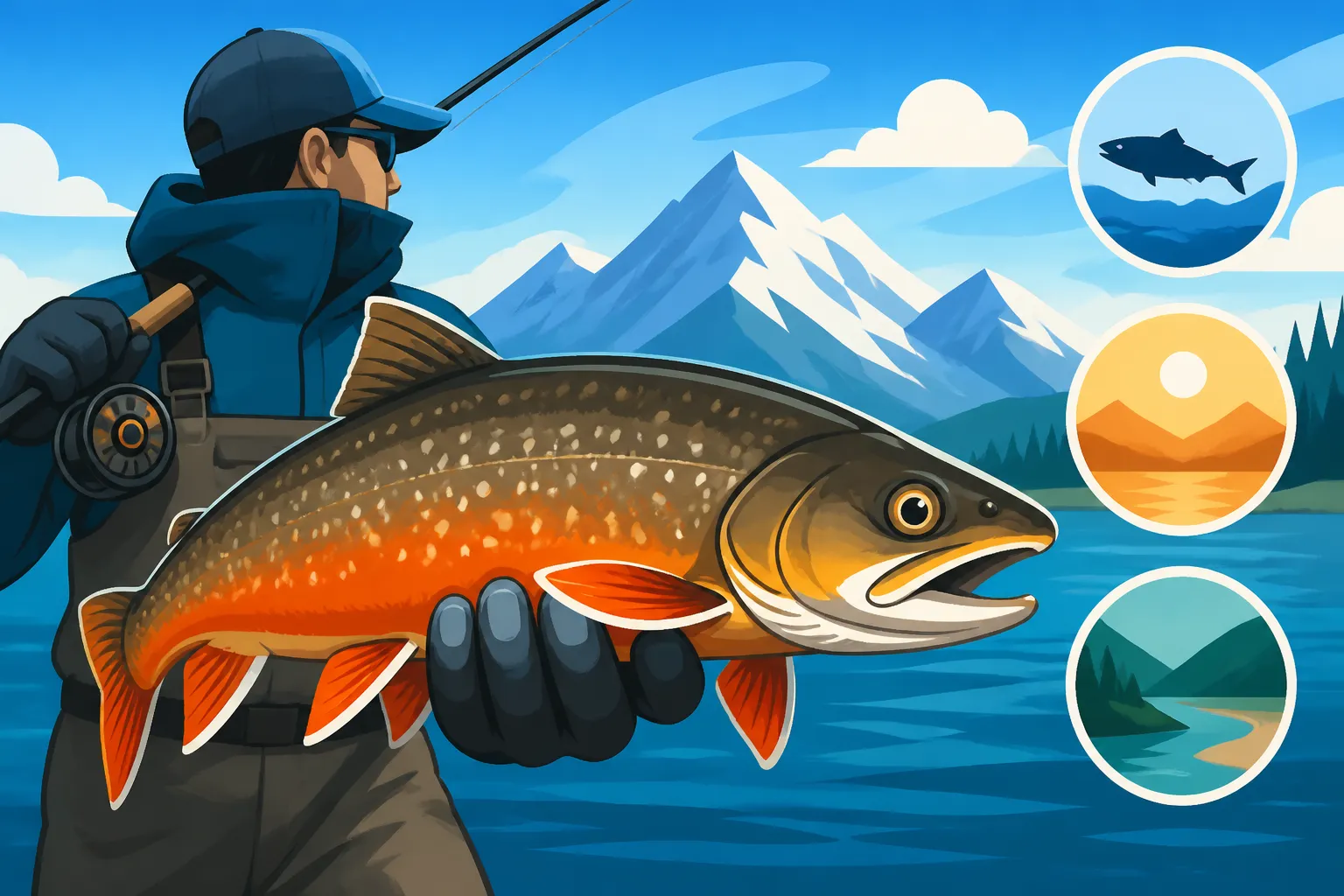
Most often, the primary differentiating factor is size and the general robustness of the fish. While Dolly Varden can grow quite large in some systems, truly massive, thick-bodied fish with a deeper caudal (tail) fin fork are more often Arctic Char, especially in northern and western Alaska. Dolly Varden typically have a more streamlined body shape. The spots are another clue: Arctic Char generally have smaller, more numerous, and often lighter-colored spots (cream, yellow, or pink) against a darker background, sometimes appearing almost iridescent. Dolly Varden usually sport larger, fewer, and darker spots (reddish-orange) against a lighter overall body, though this can vary greatly with habitat and spawning phase.
Another tell-tale sign, though not always easy to observe in the field, is the mouth and teeth. Arctic Char typically have a slightly more prominent upper jaw and often possess stronger, more developed teeth, especially the males during spawning. However, the best way to truly differentiate them is often through a combination of these visual cues and knowing the specific watershed you're fishing. Some areas are predominantly Dolly Varden territory, while others are known for their Char populations. Don't worry if you still get them mixed up sometimes; it's a common and understandable part of fishing in Alaska! If you want a deep dive into this topic, check out our guide on Alaska Dolly Varden vs Arctic Char.
Here's a quick reference table to help visualize the typical differences:
| Feature | Arctic Char (Typical) | Dolly Varden (Typical) |
|---|---|---|
| Body Shape | More robust, deep-bodied, especially larger fish | More slender, streamlined |
| Spots | Smaller, more numerous, often lighter (cream, yellow, pink) | Larger, fewer, often darker (reddish-orange) |
| Tail Fin | More deeply forked | Shallower fork |
| Upper Jaw | Often slightly more prominent | Less prominent |
| Coloration | Highly variable, can be vibrant (orange, red) during spawning | Variable, less intensely colored than spawning char |
| Habitat Focus | Arctic and Subarctic systems, often migratory or lacustrine | Widespread throughout Alaska, rivers and lakes |
Size and Growth: Chasing the Alaskan Giants
When we talk about the size of Alaska Arctic Char, we're talking about a wide spectrum. In many of the smaller, more isolated lakes and streams, they might be pan-sized, similar to a brook trout. These fish, while beautiful, typically range from 12 to 20 inches, offering a fun but not necessarily trophy-level fight. Their growth rate in these environments is often slow due to limited food sources and colder temperatures.
However, the real allure of Alaska Arctic Char lies in the potential for absolute giants. In larger, nutrient-rich lake systems or anadromous populations that migrate to the ocean, these fish can reach incredible sizes. It's not uncommon for anglers to hook into char in the 5 to 10-pound range, and true trophy specimens can push 15 to 20 pounds, sometimes even more! Imagine a fish that robust, with that much color and fight, coming out of the wild Alaskan waters. These larger fish are typically older, often well over a decade in age, having accumulated years of feeding on smaller baitfish like sticklebacks or juvenile salmon, as well as insects and zooplankton. The colder waters mean slower metabolism, which paradoxically allows them to live longer and grow larger than many other trout species in warmer climates. The quest for these larger char often takes anglers to some of the most remote and challenging-to-access regions of the state.
The Arctic Char's Calendar: Best Seasons to Target
Knowing when to target Arctic Char is almost as important as knowing where. Like all Alaskan fish, their behavior is heavily dictated by the seasons, especially the presence or absence of ice, water temperatures, and the availability of food. Timing your trip correctly can mean the difference between a few incidental catches and a truly memorable Arctic Char experience. For a broader view of the fishing year, you might find our Alaska Fishing Seasons: Month-by-Month Guide helpful.
Spring Thaw: Early Season Opportunities
As the long, dark Alaskan winter begins to give way to lengthening days and the first signs of the spring thaw, Arctic Char start to stir. This is a fascinating time to target them, typically from late May through early June, depending on the region and elevation. Water temperatures are still very cold, often just above freezing, and the ice cover on many lakes is only just receding or breaking up.
During this period, char are often incredibly hungry, emerging from a period of reduced feeding under the ice. They'll be actively seeking out any available food source. Look for them in shallower areas of lakes where the sun can penetrate and warm the water slightly, or near the mouths of tributary streams where early insect hatches or small baitfish might be present. River systems connected to lakes can also be productive as char move to and from wintering grounds. Presentation needs to be slow and deliberate; these fish aren't going to chase down fast-moving lures in the frigid water. Think small jigs, slowly retrieved spoons, or dead-drifting bait patterns. This early season can be challenging due to unpredictable weather and ice conditions, but the rewards—a brightly colored, feisty char—are well worth the effort for those hardy enough to brave the conditions.
Summer's Bounty: Prime Time for Action
Mid-summer, from late June through August, is arguably the most popular and productive time to target Alaska Arctic Char. The ice is completely gone, water temperatures have risen to their warmest levels of the year (though still cool by lower 48 standards), and food sources are abundant. This is when char are at their most active and aggressive, feeding heavily to build up reserves for the upcoming winter and spawning season.
During peak summer, char can be found throughout their lake and river systems. In larger lakes, they might cruise drop-offs, underwater structures, or follow schools of baitfish like kokanee, juvenile sockeye, or sticklebacks. In river systems, they often key in on salmon eggs and fry, especially as the salmon runs begin. This is a fantastic time for both spin fishing and fly fishing. Small spoons, spinners, and jigs that imitate baitfish work wonders. For fly anglers, egg patterns, flesh flies (when salmon are spawning), and baitfish streamers are incredibly effective. The long daylight hours of the Alaskan summer mean you can fish well into the evening, often finding char actively feeding during what would be "prime time" back home. This season offers consistent action and the best chance at landing multiple fish, including larger specimens. Many fly-in lodges in regions like Bristol Bay often see excellent char fishing alongside the famous salmon runs during this period.
Fall Feast: Preparing for Winter
As autumn descends upon Alaska, bringing cooler temperatures and shortening days, Arctic Char undergo a dramatic transformation. This late-season period, typically September through October, offers some of the most spectacular char fishing of the year, both in terms of fish size and their incredible spawning colors. This can be a truly special time for anglers.
During the fall, char are in full pre-spawn or spawning mode. Their colors intensify, often turning brilliant shades of orange, red, and deep purple, making them one of the most visually stunning freshwater fish you can catch. They are also incredibly aggressive as they prepare to spawn and then feed heavily to pack on calories for the long winter ahead. In river systems, they will congregate in spawning areas and aggressively feed on salmon eggs and decaying salmon flesh (flesh flies are absolute killers here!). In lake systems, they might be found on gravel shoals or near the mouths of feeder streams. Larger char are particularly susceptible at this time, making it a prime opportunity for trophy hunters. However, it’s crucial to exercise extreme caution and practice good catch-and-release techniques during the spawning season to ensure these magnificent fish can reproduce successfully. Remember to check Alaska Fishing Regulations Explained and local emergency orders, as some areas may have specific closures or restrictions during the spawn.
Where the Wild Char Roam: Top Alaska Arctic Char Fishing Spots
Alaska is vast, and so are the potential homes for Arctic Char. While you might find them in unexpected places, certain regions and types of habitats are far more productive than others. The pursuit of trophy char often means venturing into truly wild and remote landscapes, far from the road system. For a wider perspective on amazing angling locations, our Best Fishing Spots in Alaska guide could be useful.
Remote Fly-In Destinations
When serious anglers talk about world-class Arctic Char fishing, they're almost always talking about remote, fly-in destinations. These are the places where Char grow to impressive sizes, face minimal fishing pressure, and inhabit pristine, nutrient-rich environments. Getting to these spots requires a bush plane, a healthy budget, and a spirit of adventure.
- Bristol Bay Region: This area, famous for its incredible sockeye salmon runs, is also home to some phenomenal Arctic Char fisheries. Rivers and lakes on the Alaska Peninsula, like those draining into Bristol Bay, often hold large populations of anadromous (sea-run) char that spend part of their lives in the ocean, growing fat on marine forage before returning to freshwater to spawn and overwinter. Many of the fly-in lodges in the Bristol Bay Fishing Guide area offer dedicated char fishing excursions in addition to salmon trips. The sheer remoteness and ecological health of this region contribute to robust char populations.
- Kodiak Island High Country: While Kodiak is primarily known for its bear viewing and incredible saltwater fishing, the island's interior lakes and rivers also host some excellent resident Arctic Char populations. These are typically smaller, more isolated systems accessed via floatplane. The fish here can be incredibly colorful and aggressive, especially in the fall.
- Arctic Slope and Brooks Range: For the ultimate wilderness experience and truly wild char, the far north of Alaska, encompassing the Arctic Slope and the majestic Brooks Range, is the place to go. These are extremely remote areas, often requiring specialized guiding services. The char here are typically resident lake dwellers or short-distance migrators within river systems, but they are genetically pure and represent the northernmost extent of their range in North America. These trips are not for the faint of heart but offer unparalleled solitude and a chance at a true Arctic trophy.
Road System Access Points
While the biggest char often live in the most remote corners of Alaska, don't despair if a fly-in trip isn't in the cards. There are still opportunities to catch Arctic Char, particularly smaller resident populations, on Alaska's road system, especially in Southcentral and Interior Alaska. These fisheries might not produce monsters, but they offer accessible and enjoyable angling.
- Southcentral Alaska: Several lakes and smaller rivers within reasonable driving distance of Anchorage and the Kenai Peninsula hold resident Arctic Char. These are often stocked lakes or systems with good water quality and suitable habitat. For example, lakes in the Mat-Su Valley or certain mountain lakes accessible via short hikes can be surprisingly productive. The key is often finding systems with minimal competition from other species and good forage bases. It might take a bit of research and exploration, but there are definitely hidden gems out there.
- Interior Alaska: As you move into Interior Alaska, particularly around Fairbanks, there are lakes and ponds managed for various species, including char. These are generally smaller fish, but they offer great fun, especially for families or those looking for a different experience. Access is often easier, involving shorter drives and well-maintained trails to the lake shores. Always check current ADF&G stocking reports and specific lake regulations for the best chances of success. It's a different kind of fishing than the remote wilderness, but rewarding in its own right.
Coastal vs. Interior Habitats
Understanding the difference between anadromous and resident char populations is key to narrowing down your search.
- Anadromous (Sea-Run) Char: These are the largest Arctic Char, found predominantly in coastal river systems, particularly in Western and Southwestern Alaska. They spend their summers feeding in the rich marine environment, growing quickly, and then return to freshwater river and lake systems to spawn and overwinter. These fish are typically powerful, silvery, and very aggressive when encountered in freshwater. They are often targeted during their migratory periods or when they've returned to the lakes for the colder months.
- Resident (Lake-Dwelling) Char: Found throughout Alaska, these char complete their entire life cycle in freshwater lakes, sometimes moving into connecting rivers for spawning or feeding. Their size varies dramatically depending on the size and productivity of the lake. Small, isolated mountain lakes might hold char that rarely exceed a pound, while larger, deeper, nutrient-rich lakes can produce char weighing many pounds. These fish are often more brightly colored than their sea-run counterparts, even outside of spawning season, adapting to their specific freshwater environment. The challenge with resident char in larger lakes is often finding them, as they can be spread out over vast areas and often inhabit deeper, cooler waters during the warmest parts of summer.
Tactics for Trophy Char: Gear and Techniques
So, you've decided when and where to go. Now, let's talk about the how. Fishing for Alaska Arctic Char, especially the larger ones, requires a thoughtful approach to gear and technique. These fish can be surprisingly finicky, and presenting the right offering in the right way is crucial for success.
Essential Gear for Arctic Char Fishing
Having the right tackle is fundamental for any successful fishing trip, and Arctic Char fishing is no exception. Given the potentially remote locations and the fighting prowess of these fish, reliability and durability are paramount.
- Rods and Reels: For river fishing and smaller lake char, a medium-light to medium-action spinning rod (6'6" to 7'6") paired with a reliable 2000-3000 series spinning reel is perfect. Spool it with 6-10 lb test monofilament or fluorocarbon, or braid of similar diameter with a fluorocarbon leader. If you're targeting larger anadromous char in bigger systems or fishing from a boat, stepping up to a medium-heavy rod and a 4000-series reel with stronger line (10-15 lb test) might be wise. For fly anglers, a 6 or 7-weight fly rod is a versatile choice, capable of handling most char sizes and casting larger flies. A good quality fly reel with a smooth drag and backing is essential, especially for bigger fish. You can find excellent options for all these setups on Amazon, often with reviews from fellow anglers to guide your choice.
- Line and Leaders: While braid offers incredible sensitivity and casting distance, a fluorocarbon leader (6-12 lb test, depending on water clarity and fish size) is almost always a good idea. Char can be line-shy, especially in the clear waters of many Alaskan lakes and rivers. Fluorocarbon's invisibility underwater gives you an edge.
- Waders and Rain Gear: Alaska weather is famously unpredictable. High-quality breathable waders are essential for river fishing and often helpful for bank access on lakes. Pair these with good wading boots. Absolutely do not skimp on rain gear – a full set (jacket and pants) that is truly waterproof and breathable will save your trip. Companies like Simms and Orvis make excellent gear, and many good, durable options can be researched and purchased on Amazon. For more detailed gear advice, check out our Alaska Fishing Gear and Tackle Guide.
- Bear Protection: Remember, you're in Alaska. Always carry bear spray and know how to use it. A bear bell on your pack isn't a bad idea, especially when hiking to remote spots. Travel in groups if possible.
Lures, Flies, and Bait that Char Can't Resist
Arctic Char are opportunistic feeders, and their diet can vary widely based on location and season. This means you need a versatile tackle box or fly selection.
- Spinning and Casting Lures:
- Spoons: Classic spoons like the Pixee (especially with an added piece of tubing or egg sac in orange or red) or Little Cleo are perennial favorites. Sizes from 1/4 to 1/2 oz are usually effective. Silver, gold, orange, and chartreuse are great colors.
- Spinners: Rooster Tails, Mepps, and Panther Martin spinners in sizes #2-#4 are excellent, especially in rivers or when char are feeding on insects or small fry. Again, silver, gold, and vibrant colors often draw strikes.
- Jigs: Small marabou jigs (1/8-1/4 oz) in white, black, olive, or chartreuse, fished under a bobber or slowly jigged along the bottom, can be incredibly effective, particularly in cooler water or when char are keying on sculpins.
- Fly Fishing Patterns:
- Egg Patterns: When salmon are spawning (summer through fall), egg patterns are absolutely deadly. Think Sockeye Salmon Egg, Glo-Bugs, or Battle Creek Eggs in various sizes and shades of orange, pink, and red.
- Flesh Flies: As salmon die after spawning, decaying flesh becomes a major food source. White, tan, and cream-colored flesh flies, often weighted, are irresistible.
- Streamers: For imitating baitfish, clouser minnows, sculpzillas, and various articulated streamers in olive, white, black, or natural baitfish colors are excellent. These work well in both lakes and rivers.
- Nymphs & Wet Flies: In systems without heavy salmon influence, traditional trout nymphs (like Prince Nymphs or Copper Johns) or wet flies can tempt smaller, resident char. For more specific advice on fly fishing in the region, refer to our How to Fly Fish in Alaska guide.
- Bait: While artificials are often preferred, cut bait (herring, strips of salmon) can be incredibly effective, especially for larger char in lakes. Always check regulations regarding bait use, as some areas are artificial lure/fly only.
- Color and Size: Experimentation is key. Start with natural colors and sizes, then move to brighter, more aggressive presentations if the fish aren't responding. Sometimes, a subtle change in retrieve speed or depth can make all the difference.
Reading the Water and Approaching Stealthily
Catching Arctic Char isn't just about having the right gear; it's about understanding their habitat and approaching them wisely. These fish can be surprisingly wary, especially in clear Alaskan waters.
- Finding Holding Lies: In rivers, look for classic trout and salmon holding water: current seams, eddies behind large rocks, the tail-outs of pools, and deep runs. Char will often position themselves in areas where food is funneled to them with minimal effort. In lakes, focus on structure – drop-offs, submerged islands, rock piles, and points. During early season and late season, shallower bays and areas near inflowing streams are often key. In mid-summer, they might move to deeper, cooler water.
- Stealth is Your Friend: Many Alaskan rivers and lakes where char thrive have incredibly clear water. This means fish can see you coming from a long way off. Approach fishing spots quietly, stay low, and minimize vibrations on the bank or boat. Long casts and careful presentation are essential. Don't wade if you don't have to, and if you do, do so slowly and deliberately. Polarized sunglasses are invaluable for spotting fish or submerged structure without spooking them.
- Patience and Persistence: Arctic Char fishing isn't always a numbers game. Sometimes it requires hours of careful casting and searching for that one aggressive fish. Be patient, move slowly, and be prepared to try different techniques and presentations until you crack the code. The reward of seeing that vibrant, crimson-bellied char emerge from the depths makes all the effort worthwhile.
Conservation and Sustainable Practices
As anglers, we have a profound responsibility to protect the incredible fisheries that Alaska offers. This is especially true for species like Arctic Char, which often inhabit sensitive, remote ecosystems. Practicing ethical angling ensures these opportunities remain for generations to come.
Catch-and-Release: Protecting Future Generations
Many of the trophy Arctic Char we dream of catching are older, slower-growing fish that are crucial for the health of the population. Proper catch-and-release techniques are absolutely vital to ensure these magnificent fish can spawn again and contribute to future generations.
When you land a char you intend to release, minimize its time out of the water. Have your camera ready before the fish is landed. Cradle the fish gently with wet hands; never handle it by the gills or allow it to flop on dry ground. If possible, keep the fish in the water for photos. Use a knotless, rubberized net to minimize scale and slime removal. De-barbing your hooks is a simple yet incredibly effective way to reduce harm and make releases quicker and easier. If the fish is exhausted, hold it gently in the current, facing upstream, until it regains its strength and swims away on its own. For detailed best practices, consider reviewing our guide on Alaska Catch-and-Release Best Practices.
Understanding Regulations and Limits
Alaska's fishing regulations are designed to protect its diverse fish populations, and they can vary significantly by region, species, and even specific body of water. Ignorance of the rules is not an excuse for violations, and the penalties can be steep.
Before you ever wet a line for Arctic Char, or any other species in Alaska, you must consult the current Alaska Department of Fish and Game (ADF&G) Sport Fishing Regulations booklet for the specific area you plan to fish. These booklets are updated annually and are available online or at most license vendors. Pay close attention to:
- Bag and Possession Limits: How many fish can you keep per day, and how many can you have in your possession?
- Size Limits: Are there minimum or maximum size restrictions? Sometimes there's a "slot limit" where you can only keep fish within a certain size range.
- Gear Restrictions: Are bait, barbed hooks, or certain types of lures prohibited? Many remote char fisheries are artificial lure/fly only, or even single-hook only.
- Season Dates: Is the fishery open? Some areas close to protect spawning fish.
- Emergency Orders: Always, always, always check for emergency orders before you go. These are real-time changes to regulations that can occur at any moment due to changing fish stocks or environmental conditions. What was legal yesterday might be illegal today. You can often find these on the ADF&G website or through local charter operators. Remember, you might also need an Alaska Harvest Record Card Explained to track your catch of certain species, though often not for char.
Fishing for Alaska Arctic Char is an adventure that offers immense rewards, not just in the fish you catch, but in the unforgettable experiences of exploring some of the wildest places on Earth. By understanding these incredible fish, respecting their environment, and adhering to ethical angling practices, you can ensure that the allure of the Arctic Char continues to draw anglers for generations to come.
Disclaimer
The information provided in this guide is for general informational purposes only and is subject to change. Fishing regulations in Alaska are complex and can be updated frequently, often through emergency orders. Always consult the most current Alaska Department of Fish and Game (ADF&G) regulations and emergency orders for the specific area you plan to fish before engaging in any fishing activities. This guide does not replace official regulatory documents. Fishing in remote areas carries inherent risks; always prioritize safety and be prepared for changing conditions.