Alaska Freshwater Fish Species
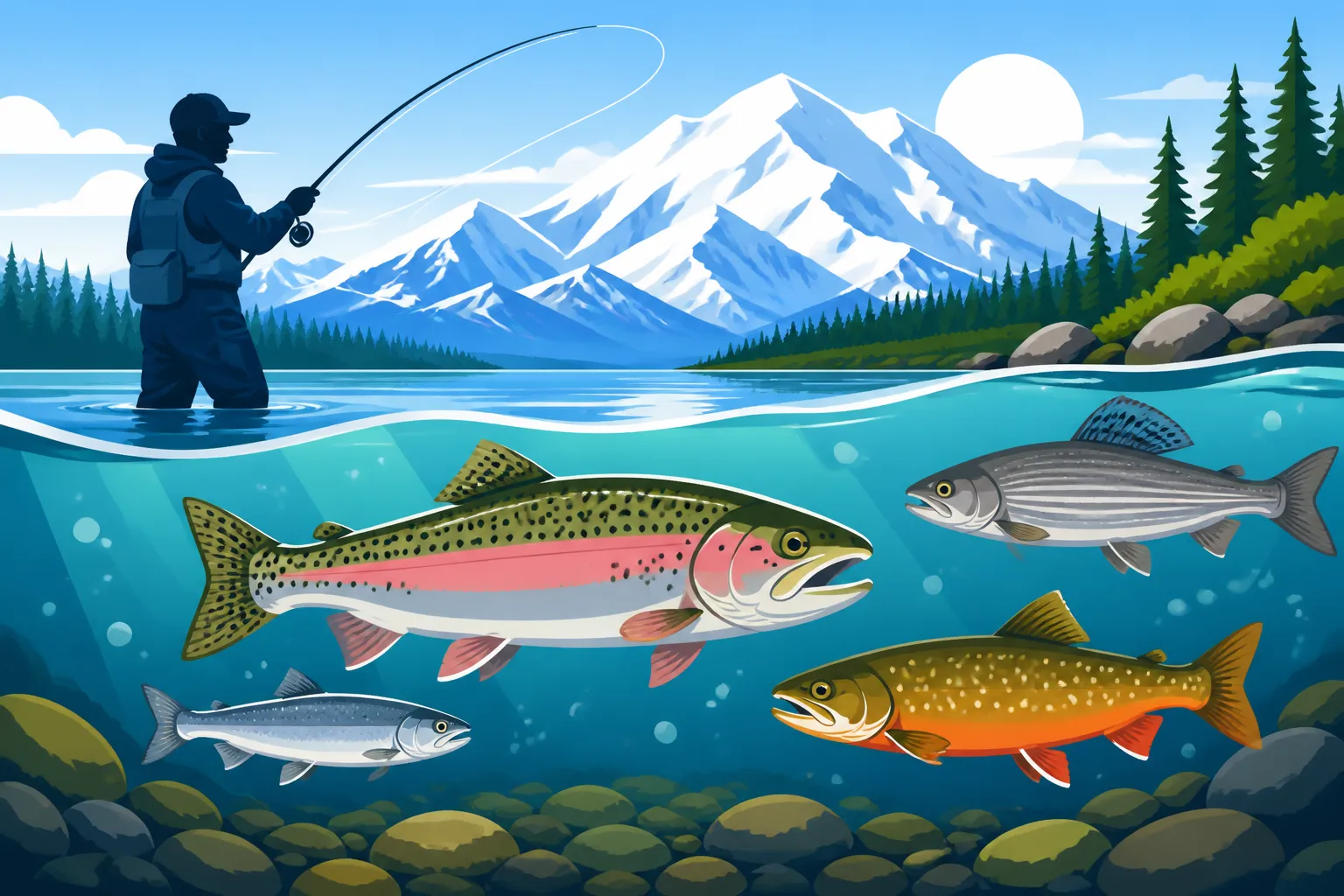
Stepping into the vast wilderness of Alaska, many anglers feel overwhelmed by the sheer variety of fish that call its pristine freshwater rivers and lakes home. It's not just about salmon; there's a whole world of feisty trout, ancient pike, and elusive char waiting to challenge you. This comprehensive guide will cut through the confusion, helping you understand, identify, and successfully target the incredible array of freshwater fish species you'll encounter in the Last Frontier.
The Mighty Salmon: Freshwater Stages of a Legendary Journey
While we often associate salmon with the vast ocean, their entire life cycle is intricately tied to freshwater. They are born in rivers and streams, migrate to the sea to grow, and then return to their natal waters to spawn and complete their incredible journey. Understanding their freshwater habits is key to successful angling.
King Salmon: The Apex Predator of Alaskan Rivers
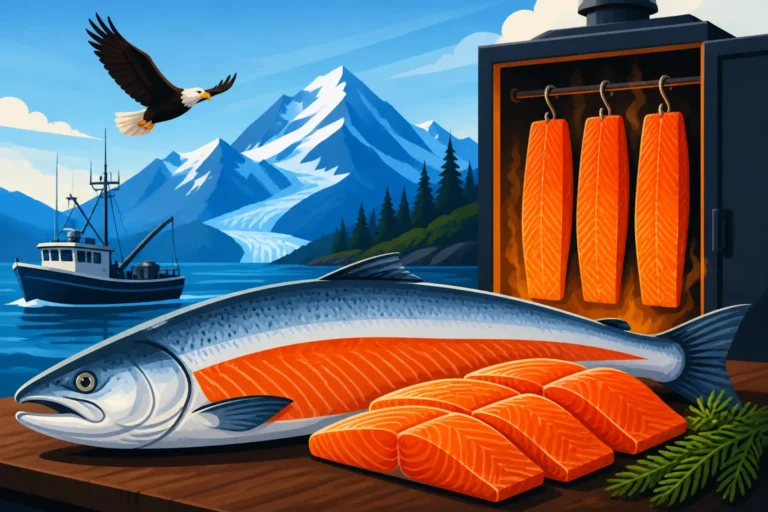
King salmon, also known as Chinook, are truly magnificent, earning their name from their immense size and fighting prowess. These fish represent the pinnacle of many anglers' Alaskan dreams. When they enter freshwater, typically from May through July, they are focused on moving upstream to their spawning grounds, becoming less interested in feeding but still aggressive if provoked. Their sheer power can test even the most experienced angler, often requiring heavy gear and a strong resolve.
You'll find King salmon pushing into rivers like the Kenai, Kasilof, and Deshka. Targeting them often involves using large, heavy lures, cured eggs, or back-trolling plugs. The fight is legendary; a large Kenai King can strip hundreds of feet of line in seconds. It’s a game of patience and brute strength, and landing one is a moment you won't soon forget. Keep in mind that specific rules for these prized fish can change rapidly, so always check the latest Alaska King Salmon Fishing Regulations and Limits.
Sockeye Salmon: The Energetic Red Rocket
Sockeye salmon, or "reds," are famed for their vibrant crimson bodies during spawning and their incredible abundance. While they are a staple for personal use fisheries, catching them on a rod and reel in freshwater is a unique skill often described as "flossing." Unlike Kings, Sockeye are not typically aggressive biters once they enter freshwater; they are filtering plankton in the ocean and largely cease feeding upstream. This is where specialized techniques come into play.
Rivers like the Kenai and Russian River become hotbeds for Sockeye from late June through July. Anglers line the banks, employing weighted flies or unbaited hooks designed to snag the fish's mouth as they swim upstream in dense schools. It's an active, high-energy fishery, and when the run is on, you can catch your limit quickly. Knowing the specific regulations, especially on popular rivers, is crucial for an enjoyable and legal experience, particularly concerning Alaska Sockeye Salmon Fishing Regulations and Limits.
Coho Salmon: The Acrobatic Silver Bullet
Coho salmon, affectionately known as "silvers," provide one of the most exciting freshwater fishing experiences in Alaska, especially later in the season. These acrobatic fighters are known for their spectacular jumps and aggressive strikes, making them a favorite among sport fishermen. Unlike Kings or Sockeye, Coho often remain aggressive feeders even after entering freshwater, making them a bit easier to tempt with conventional lures and flies.
Silver salmon typically begin their freshwater migration in late July, with runs peaking in August and September. Rivers throughout Southcentral and Southeast Alaska, such as the Kenai, Kasilof, and Susitna tributaries, become prime Coho territory. Spinners, Pixie spoons, twitching jigs, and even flies are all effective. Their willingness to chase and strike, combined with their spirited fight, makes them a fantastic target for anglers of all skill levels.
Pink Salmon: The Abundant Humpy
Pink salmon, or "humpies" (named for the pronounced hump males develop during spawning), are the smallest and most abundant of the Pacific salmon species. They return to spawn every two years, usually on odd-numbered years in most regions, leading to massive runs that can be incredibly fun to fish, especially for families or beginners. While often overlooked by anglers focused on bigger species, Pinks offer consistent action and can be quite feisty on light tackle.
Humpies typically arrive in freshwater in July and August, sometimes overlapping with Sockeye and Coho runs. They are aggressive biters and will readily strike small, flashy lures, spoons, or flies. They are particularly responsive to bright pink or chartreuse colors. You can find them in nearly any Alaskan river or stream with a salmon run, from urban creeks like Anchorage's Ship Creek to remote wilderness waters. Don't underestimate the joy of consistent hook-ups and fast-paced action they provide.
Chum Salmon: The Dog Salmon
Chum salmon, often called "dog salmon" due to their impressive canine-like teeth developed during spawning, are a robust and powerful species. While not always considered the best eating salmon when caught in freshwater due to their rapid deterioration after entering rivers, they offer a formidable fight. Many anglers target Chums for their sheer strength and the challenge they present on the line. They are often used for subsistence and commercial fisheries but can be a fun sportfish.
Chum salmon typically enter freshwater rivers from June through August, often alongside King and Sockeye runs. They are powerful swimmers and strong fighters, known for their stubborn runs and deep dives. Brightly colored lures, large flies, and even roe are effective baits. You'll encounter them in many of the same rivers as other salmon species, particularly in regions like Bristol Bay, the Yukon, and many coastal streams, providing a great opportunity for a memorable battle.
Trout and Char: Freshwater Gems of Alaska
Beyond salmon, Alaska's freshwater systems are teeming with incredible trout and char species, offering diverse angling experiences from delicate dry-fly presentations to heavy streamer fishing. These fish are often year-round residents or spend significant portions of their lives in freshwater, making them a consistent target.
Rainbow Trout: The Spotted Beauties
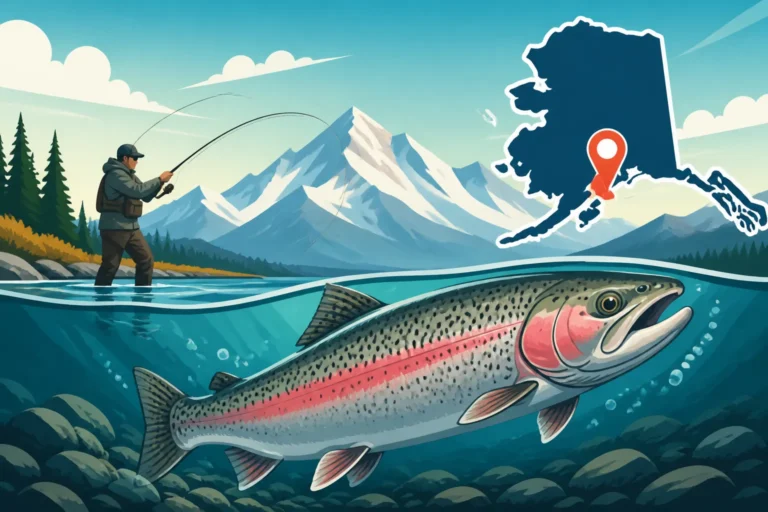
Alaska's rainbow trout are legendary, particularly the massive "leopard rainbows" of Bristol Bay and the trophy-sized fish found in the Kenai River. These opportunistic feeders thrive in cold, clear, nutrient-rich waters and are highly sought after by fly anglers and spin fishermen alike. They feed heavily on salmon eggs during spawning runs, growing to impressive sizes.
You'll find incredible rainbow trout fishing across the state, from the road-system accessible waters of the Kenai Peninsula (like the Kenai River and Russian River) to the remote, fly-out destinations of Western Alaska. During and after salmon spawns, fishing with egg patterns, beads, and flesh flies can be incredibly productive. When not gorging on salmon eggs, they'll readily strike nymphs, streamers, and even dry flies. Always be aware of specific local regulations, especially concerning Alaska Rainbow Trout Regulations.
Steelhead: Anadromous Rainbows
Steelhead are essentially sea-run rainbow trout, exhibiting the same incredible fighting spirit as their freshwater counterparts but with the added power and size gained from time spent in the ocean. These migratory giants are often elusive and challenging to catch, making them a highly prized trophy for many anglers. Their silver sheen and powerful runs make them truly unforgettable.
Steelhead runs typically occur in the spring (March-May) and fall (September-November) in various coastal rivers, particularly in Southeast Alaska and the Kodiak region. Rivers like the Situk near Yakutat are world-renowned for their steelhead fishing. Anglers often use fly-fishing techniques such as swinging large streamers or drifting egg patterns, while spin fishermen might use drift gear with roe or small artificials. Due to their vulnerable populations, Alaska Steelhead Catch-and-Release Rules are common and strictly enforced.
Dolly Varden and Arctic Char: Close Cousins
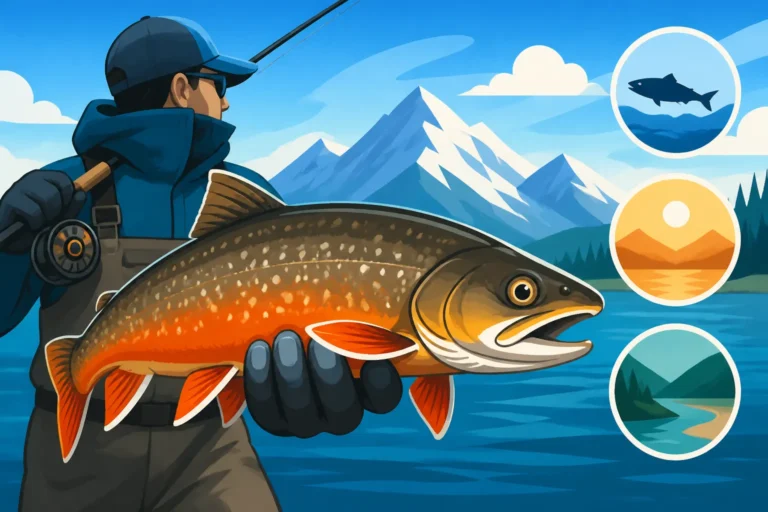
Dolly Varden and Arctic Char are often confused, and indeed, they are very closely related, belonging to the Salvelinus genus. Both are beautiful, aggressive char species known for their striking colors (especially during spawning) and willingness to bite. They are found throughout Alaska in both freshwater and anadromous forms, providing consistent action for anglers.
Dolly Varden are widespread, found in coastal streams and rivers, often following salmon to feed on their eggs. Arctic Char typically prefer colder, deeper lakes and rivers further north, though their ranges can overlap. Both species respond well to small spinners, spoons, nymphs, and egg patterns. They are opportunistic feeders and can be a great target when salmon runs are slow or for those looking for consistent action on lighter tackle. Identifying the subtle differences between these two can be a fun challenge for the keen-eyed angler.
Cutthroat Trout: The Coastal Dwellers
Cutthroat trout in Alaska are primarily found in the panhandle of Southeast Alaska, thriving in the myriad of coastal streams, lakes, and estuaries. They are named for the distinctive red-orange slash marks found under their lower jaw. These trout are often aggressive, particularly when feeding on juvenile salmon, insects, or even small baitfish.
You'll find robust populations of cutthroat trout in the Tongass National Forest area, around communities like Ketchikan, Sitka, and Juneau. They can be targeted effectively with small spinners, spoons, and a variety of flies, including streamers, nymphs, and dry flies. Their readiness to rise to a dry fly on a calm evening makes them a favorite for fly anglers exploring Southeast's pristine waters. They typically don't reach the immense sizes of some rainbow trout but offer a beautiful and enjoyable angling experience.
Other Intriguing Freshwater Game Fish
Alaska's freshwater bounty extends beyond salmon, trout, and char to include some truly unique and powerful species that offer distinct fishing adventures. From the "Tarpon of the North" to toothy predators and ancient bottom-dwellers, these fish add incredible diversity to the Alaskan angling scene.
Arctic Grayling: The Sailfin of the North
Arctic Grayling are one of Alaska's most iconic freshwater fish, easily recognizable by their spectacularly large, sail-like dorsal fin. They are highly prized by fly anglers for their eagerness to rise to dry flies, especially in the clear, pristine waters of Interior and Arctic Alaska. They inhabit cold, clear streams, rivers, and lakes, often in very remote locations.
These beautiful fish are primarily insectivores, making them an ideal target for dry fly fishing. Their delicate bites and spirited fights on light tackle provide a quintessential Alaskan wilderness experience. You can find them in vast numbers across Interior Alaska, including rivers like the Chena, Salcha, and various tributaries of the Yukon and Tanana systems. For gear, a lightweight fly rod and a selection of small dry flies are perfect. Even spin anglers can have success with small spinners and jigs.
Northern Pike: The Freshwater Barracuda
Northern Pike are a formidable freshwater predator in Alaska, known for their toothy grins, aggressive strikes, and powerful fights. While many anglers focus on salmon and trout, pike offer an exhilarating battle, especially for those who enjoy targeting apex predators. They are ambush predators, often found lurking in weed beds or submerged timber in slow-moving rivers, sloughs, and shallow lakes.
Pike are abundant in the Interior and Southcentral regions, particularly in the vast lake systems and interconnected sloughs of the Matanuska-Susitna Valley, the Yukon-Kuskokwim Delta, and various lakes near Fairbanks. Large spoons, spinnerbaits, topwater lures, and even flies designed to imitate baitfish are incredibly effective. Be prepared with steel leaders or heavy fluorocarbon, as their sharp teeth can easily cut through regular monofilament. Landing a trophy pike, sometimes weighing over 20 pounds, is a true test of tackle and skill. You can find excellent options for durable leaders and lures on Amazon.
Sheefish: The Tarpon of the North
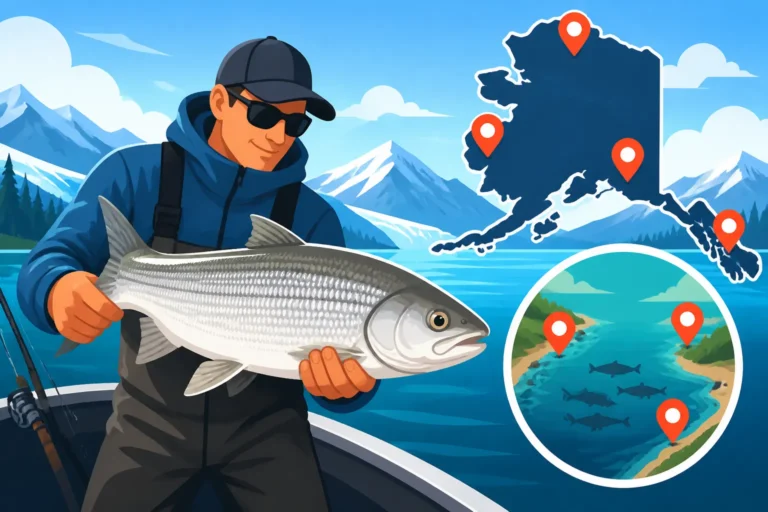
Sheefish, or Inconnu, are a unique and powerful game fish often referred to as the "Tarpon of the North" due to their silver scales, large size, and incredible fighting ability. These anadromous members of the whitefish family are predatory, feeding on smaller fish, and can grow to over 50 pounds, offering a truly challenging and rewarding angling experience.
Sheefish are found in the large river systems of Western and Arctic Alaska, including the Yukon, Kuskokwim, Kobuk, and Selawik rivers. They make long migrations from brackish estuaries into freshwater to spawn. Anglers target them with large spoons, plugs, and even flies that imitate baitfish. Their powerful runs and aerial acrobatics make them a bucket-list species for many. The best time to target them is usually late summer and early fall as they move upriver.
Burbot: The Freshwater Cod
Burbot, sometimes called "lingcod" (though not related to the saltwater lingcod), "eel-pout," or "lush," are the only freshwater cod species in North America. These unique bottom-dwelling fish are recognizable by their mottled skin, single barbel on their chin, and long, tapering body. They are primarily nocturnal and prefer cold, deep lakes and large rivers, offering a distinct winter ice-fishing opportunity.
You'll find burbot throughout much of Interior and Southcentral Alaska, including popular lakes like Big Lake and various systems off the road system. They are often targeted during the ice-fishing season using glow-in-the-dark jigs tipped with bait like herring or sucker meat, fished close to the bottom. Their flesh is firm, white, and flaky, making them an excellent eating fish, often compared to lobster when prepared correctly. While not typically a high-action sportfish, catching a large burbot through the ice is a satisfying accomplishment.
Understanding Alaska's Freshwater Ecosystems
Alaska’s diverse geography creates a mosaic of freshwater habitats, each supporting different fish communities and requiring unique approaches from anglers. From glacial rivers to pristine alpine lakes, understanding these environments is crucial.
Glacial Rivers and Clearwater Streams
Alaska's rivers are incredibly varied. Many, especially in Southcentral Alaska, are fed by glaciers, giving them a distinct turquoise or gray color and often lower water temperatures. These glacial systems, like the Kenai River and Susitna River, are major arteries for salmon, flowing into the Cook Inlet. They often have clear side channels and tributaries where fish can find refuge from the main current and where water clarity improves.
Clearwater streams, on the other hand, are typically spring-fed or drain non-glacial terrain, maintaining much higher clarity. These are prime habitats for rainbow trout, grayling, and Dolly Varden, especially in areas like Bristol Bay or the smaller streams of Southeast Alaska. Fishing in clear water often demands more stealth and natural presentations, whether you're using a carefully tied fly or a subtly presented spinner. Understanding how Alaska Fishing Seasons: Month-by-Month Guide affects water levels and clarity will significantly improve your success.
Lakes and Ponds: Stillwater Opportunities
Alaska boasts an incredible number of lakes and ponds, ranging from vast, deep glacial lakes to small, shallow tundra ponds. These stillwater environments provide critical habitat for resident fish species throughout their lives and act as important rearing grounds for juvenile salmon and overwintering areas for char and trout. Many lakes are also stocked by the Alaska Department of Fish and Game (ADFG) to enhance recreational fishing opportunities.
Larger lakes, such as Lake Iliamna or Tustumena Lake, are known for their trophy rainbow trout and lake trout (which are not commonly found in the immediate freshwater systems of Southcentral Alaska, but are a significant game fish in remote parts of Interior Alaska and Canada bordering AK). Smaller lakes and ponds are excellent for targeting Northern Pike, Arctic Grayling, and stocked trout. Fishing lakes can involve casting from shore, float tubing, or fishing from a boat. Techniques vary from trolling with plugs and spoons to casting flies or bait, depending on the target species and depth. Many of these lakes offer some of the Best Places for Rainbow Trout in Alaska.
Conservation and Responsible Angling Practices
The abundance of fish in Alaska is a precious resource, and it's up to every angler to ensure its health and sustainability. Adhering to regulations and practicing responsible angling is not just a suggestion; it's a necessity.
Navigating Regulations and Emergency Orders
Alaska's fishing regulations are complex and can change frequently, especially for salmon. The Alaska Department of Fish and Game (ADFG) manages these resources diligently, often issuing "Emergency Orders" that can modify bag limits, gear restrictions, or even close fisheries with little notice. These changes are typically in response to real-time fish escapement numbers (how many fish return to spawn).
It's absolutely critical to check the ADFG website or local offices for current regulations and emergency orders before you head out, and even during your trip if you're staying for an extended period. What was legal yesterday might not be today. Always refer to the official Alaska Fishing Regulations Explained booklet, and carry a copy with you. Ignorance of the rules is never an excuse, and violations can lead to hefty fines or even confiscation of gear and fish. Staying informed is the best way to avoid Alaska Fishing Violations and Fines.
Prioritizing Catch and Release
For many of Alaska's freshwater species, particularly larger trout, char, and steelhead, catch-and-release is a fundamental practice. It helps ensure these fish can continue to contribute to the spawning population and maintain healthy fisheries for future generations. When practicing catch-and-release, minimizing stress and injury to the fish is paramount.
Use appropriate gear for the size of fish you're targeting to land it quickly. Barbless hooks are often required and always recommended as they cause less damage and are easier to remove. Keep the fish in the water as much as possible, handle it gently with wet hands, and avoid squeezing. If taking a photo, do so quickly, supporting the fish horizontally, and get it back into the water promptly, allowing it to recover before release. Learning and applying Alaska Catch-and-Release Best Practices is a sign of a truly ethical angler.
Essential Gear and Techniques for Freshwater Fishing
To effectively target Alaska's diverse freshwater species, having the right gear and understanding appropriate techniques is crucial. Alaska’s weather can be unpredictable, and its fish are powerful, demanding robust tackle and versatile approaches.
Rods, Reels, and Lines: Built for Battle
For salmon fishing in larger rivers, you'll want a heavy-duty setup. A 9-10 foot medium-heavy to heavy action spinning or baitcasting rod, paired with a robust reel capable of holding 200-300 yards of 20-50 lb braided line, is ideal. This setup provides the power needed to cast heavy lures and subdue large fish in strong currents. For smaller salmon like Sockeye or Pink, a medium action rod with 12-20 lb test line might suffice, offering more sensitivity and fun.
Trout and char fishing, especially fly fishing, often calls for lighter gear. A 6-8 weight fly rod is versatile for most Alaskan trout and char, paired with a matching reel and a weight-forward floating line. For spin fishing, a 7-9 foot medium-light to medium action spinning rod with 8-15 lb test line is perfect for casting smaller lures and flies. When choosing your gear, look for durable, saltwater-resistant options, even for freshwater use, as you'll appreciate the longevity. You can find a fantastic selection of suitable rods and reels on Amazon that can withstand Alaska's rigors.
Lures, Baits, and Flies: Tempting the Catch
The array of effective presentations for Alaska's freshwater fish is vast. For salmon, popular choices include:
- Spinners: Vibrax, Mepps, and Pixie spoons in various sizes and colors (pink, chartreuse, silver, brass) are deadly for King, Coho, and Pink salmon.
- Plugs: Kwikfish and Flatfish in metallic or brightly colored patterns are excellent for back-trolling for King salmon.
- Cured Roe: Salmon eggs, either natural or commercially cured, are irresistible to King and Coho salmon, and a favorite of trout and char.
- Jigs: Twitching jigs (often pink or white) are highly effective for Coho salmon.
For trout and char, the options expand:
- Flies (Fly Fishing): Egg patterns (salmon egg imitations), flesh flies (imitating decaying salmon flesh), streamers (like Dolly Llamas or Clouser Minnows), nymphs, and a variety of dry flies (like Stimulators or Elk Hair Caddis) depending on insect hatches.
- Spinners/Spoons (Spin Fishing): Small Panther Martins, Mepps, and Arctic Capps spoons are consistently productive for rainbows, Dollies, and grayling.
- Beads: Trout beads, designed to mimic salmon eggs, are incredibly effective, especially during and after salmon spawning.
Northern Pike require larger, more aggressive presentations like large spoons (e.g., Daredevils), spinnerbaits with big blades, and substantial topwater lures. Sheefish respond well to large spoons and plugs, similar to those used for King salmon, but often retrieved more aggressively. Always carry a variety in your Alaska Fishing Gear and Tackle Guide.
Decoding Your Catch: Identifying Alaska's Freshwater Fish
With so many species, especially the salmon family, it can be tricky to tell them apart, particularly when they're in their freshwater spawning colors. Knowing key identification features is essential for adhering to bag limits and truly appreciating your catch.
Key Features of Pacific Salmon in Freshwater
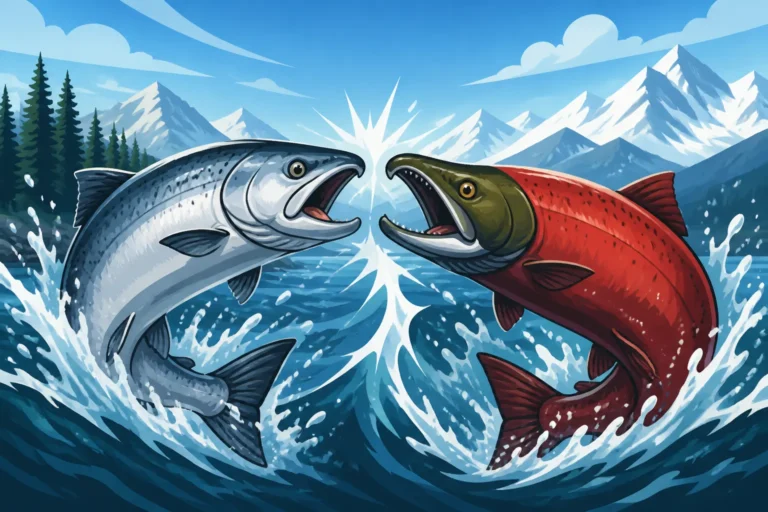
When Pacific salmon enter freshwater, their ocean-bright silver scales begin to change dramatically as they prepare to spawn. Here's a quick guide to help you identify them:
| Species | Spawning Coloration | Key Features | Mouth/Gums | Tail Shape |
|---|---|---|---|---|
| King Salmon | Dark olive/brown, sometimes mottled, males develop a hooked jaw (kype) | Large, broad body; sparse, irregular black spots on back and both lobes of tail | Black gum line, white mouth (often mottled) | Slightly forked to square, often spotted |
| Sockeye Salmon | Bright red body, green head (males & females) | Streamlined body; no spots on back or tail; males develop a pronounced hump | White mouth, no black gum line, small teeth | Slightly forked |
| Coho Salmon | Dark red/maroon body, green head, males develop a hooked jaw (kype) | Oval black spots on back, often only on upper lobe of tail | White gums with black mouth lining | Slightly forked to square |
| Pink Salmon | Dull gray/brown, males develop a massive hump (humpy) | Very small scales; large, oval black spots on back and entire tail | White mouth with black gum line, small teeth | Moderately forked |
| Chum Salmon | Dark olive/brown with purple/red vertical bars (tiger stripes) | Robust body; no spots on back, but faint speckles possible; large canine-like teeth in males | White mouth with black gum line, large canine teeth | Forked |
It's a lot to take in, but with practice, you'll start to recognize the nuances. The most reliable identifiers are usually the mouth and gum color, as well as the spotting patterns on the back and tail, which don't change as drastically as body color. For a deeper dive, check out How to Identify Alaska Salmon Species.
Distinguishing Trout and Char
Separating rainbow trout from steelhead is challenging because steelhead are rainbows. The distinction primarily lies in their migratory status and life history. Steelhead have spent time in the ocean, returning to freshwater to spawn, while resident rainbows spend their entire lives in freshwater. Physically, steelhead tend to be more silver and streamlined, while resident rainbows often have more vibrant red bands and darker spotting.
Dolly Varden and Arctic Char are notoriously difficult to tell apart without careful examination. Generally, Dolly Varden found in coastal areas tend to have more prominent, larger spots (often pink or red with a halo) and a slightly more pointed snout. Arctic Char, especially those from northern lakes, often have smaller, more numerous spots and a deeper body. However, their ranges overlap, and hybridization can occur, making definitive identification tricky without examining internal features. For anglers, knowing you've caught a beautiful char is often enough!
Disclaimer
Fishing in Alaska can be inherently risky. Always prioritize safety, be aware of your surroundings (including wildlife), check weather conditions, and inform someone of your travel plans. This guide is for informational purposes only and does not replace official regulations. Always consult the latest Alaska Department of Fish and Game regulations and emergency orders before fishing.