Alaska Trophy Fish Explained
You've heard the whispers, seen the photos – those colossal fish that seem almost mythical, the ones people call "trophies" from the wild waters of Alaska. But what exactly makes a fish a "trophy" here? Is it just about its sheer size, or is there more to it than simple bragging rights? It can be confusing trying to figure out if that monster King Salmon you saw online, or the legendary barn-door halibut, actually meets some official standard, or if it's just a personal best. This guide is here to demystify what Alaska trophy fish are all about, from formal recognition programs to the species that capture anglers' imaginations, and how you might just land one yourself.
Understanding What "Trophy" Means in Alaska Fishing
When we talk about "trophy" fish in Alaska, it's not always a straightforward definition. For some, it's about breaking a personal record. For others, it’s about meeting a specific size or weight threshold that signifies an exceptional specimen of its kind. And then there’s the official recognition, which adds another layer to the meaning. It’s a blend of personal achievement, physical attributes, and sometimes, formal acknowledgment.
Beyond Just Length and Weight: The Aesthetics and Rarity
While length and weight are certainly primary factors, the aesthetic appeal and rarity of a fish often contribute to its "trophy" status. Imagine a King Salmon with a vibrant, chrome-bright sheen, a perfect dorsal fin, and no battle scars – that's a true beauty. Or a rainbow trout from a remote, crystal-clear stream with stunning colors and spotting, a fish that represents the pinnacle of its species in an untouched environment. These qualities elevate a fish beyond mere numbers on a scale. Sometimes, it’s not the absolute biggest, but the most pristine or unique catch that becomes the most cherished trophy.
Another aspect is the difficulty of the catch. A technically challenging fight on lighter tackle, or a fish landed in particularly arduous conditions, can make a "smaller" fish feel like a bigger trophy than a larger one caught with relative ease. The story behind the catch, the sheer effort and skill involved, deeply impacts how anglers perceive their prize. It’s often the full experience, not just the measurement, that solidifies a fish's place in an angler's memory.
Species-Specific Trophy Expectations
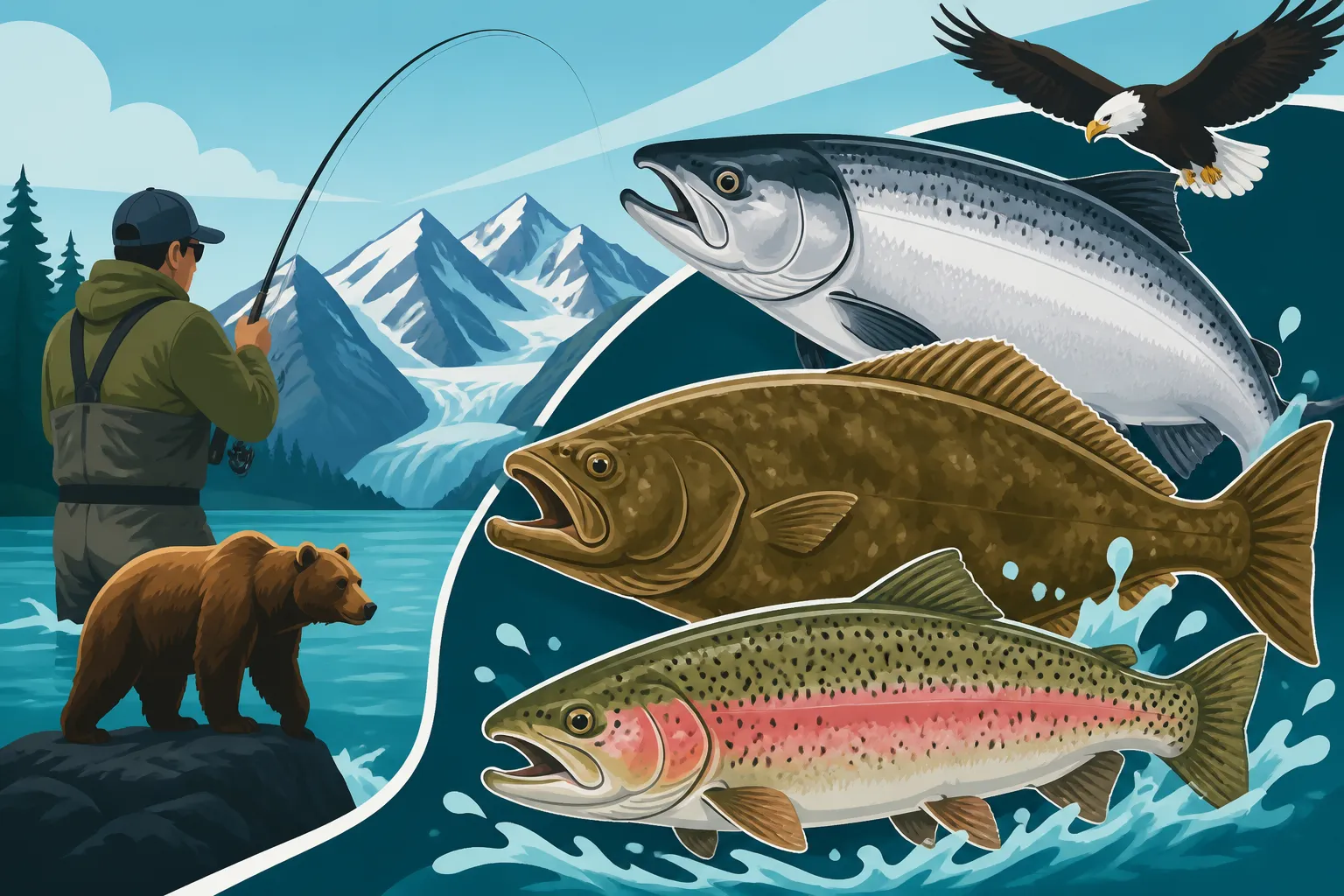
What constitutes a trophy varies wildly from one species to another. A trophy King Salmon, also known as Chinook, might be 50 pounds or more, while a trophy Sockeye Salmon could be in the 10-15 pound range. Halibut are often judged by weight, with "barn doors" exceeding 100 pounds being the ultimate goal. Rainbow Trout, particularly the majestic 'leopard' rainbows of the Bristol Bay region, are often measured by length, with anything over 25-30 inches being considered a true giant.
Understanding these species-specific expectations is crucial. You wouldn't compare a trophy Arctic Grayling, which might top out at a few pounds, to a trophy Lingcod that could easily hit 50 pounds. Each fish species has its own set of characteristics that defines an exceptional specimen. Knowing these benchmarks helps anglers set realistic goals and appreciate the true giants of each category. It also helps manage expectations when planning a trip; if you're targeting a trophy, you need to know what you're really looking for.
Alaska's Official Trophy Fish Programs
While personal records are wonderful, Alaska also has formal ways to recognize truly exceptional catches. These programs provide official acknowledgment for anglers who land fish of significant size, encouraging responsible angling and celebrating the state's incredible fisheries. The most prominent of these is run by the Alaska Department of Fish and Game (ADF&G), a testament to the state's commitment to documenting its natural resources and angling heritage.
How the ADF&G Program Works
The Alaska Department of Fish and Game maintains an "Award Fish Program" designed to recognize anglers who catch fish that meet or exceed specific minimum weight requirements for various species. This isn't just a casual acknowledgment; it's a formal process that requires careful documentation. To qualify, anglers must submit an application along with verifiable details about their catch. This typically includes a photograph of the fish, often with the angler, and crucially, a weight measurement taken on a certified scale. Many sporting goods stores, tackle shops, and fish processors in Alaska have these scales, making it easier for anglers to get accurate measurements.
The program lists minimum weights for dozens of species, from the mighty King Salmon to smaller, yet impressive, Dolly Varden and Arctic Grayling. For instance, a King Salmon needs to be at least 50 pounds to qualify for a Master Angler release award (if released), or specific weight thresholds for harvested fish. The program serves as a statewide honor roll, celebrating those who have truly distinguished themselves in the pursuit of Alaska's largest fish. It’s a great way to earn some official bragging rights and get your name in the record books, even if just for a day.
The Importance of Documentation and Verification
If you're serious about getting your trophy fish officially recognized, meticulous documentation is non-negotiable. This means taking clear photos of the fish, especially against a measuring board if you're aiming for a length-based award, or on a certified scale if it's weight-based. Ensure you have a witness who can verify the catch and the measurements. For weight, this often means heading to a local fish processor or a tackle shop that has scales regularly inspected and certified for accuracy. Without proper verification, even the most enormous catch might not qualify for official recognition.
For catch-and-release trophies, the emphasis shifts slightly. While weight is ideal, a clear photograph showing the fish's length against a bump board or measuring tape, along with evidence of its release, is often acceptable. The intent is to honor the angler while promoting conservation. It’s a bit of a dance between getting the critical data and ensuring the fish is returned to the water quickly and safely. Many anglers now carry compact digital scales and measuring tapes, available on platforms like Amazon, specifically for this purpose, understanding that a few seconds of careful measurement can make all the difference for a potential record. Proper documentation isn't just for official programs; it's also how you preserve the memory and tell the story of your epic catch for years to come.
Key Trophy Game Fish Species in Alaska
Alaska is home to an incredible diversity of fish, and many species grow to sizes that would be considered trophies anywhere in the world. But a few species consistently capture the imagination of anglers seeking that once-in-a-lifetime catch. These are the heavyweights, the river monsters, and the deep-sea giants that define trophy fishing in the Last Frontier.
King Salmon: The Apex Predator
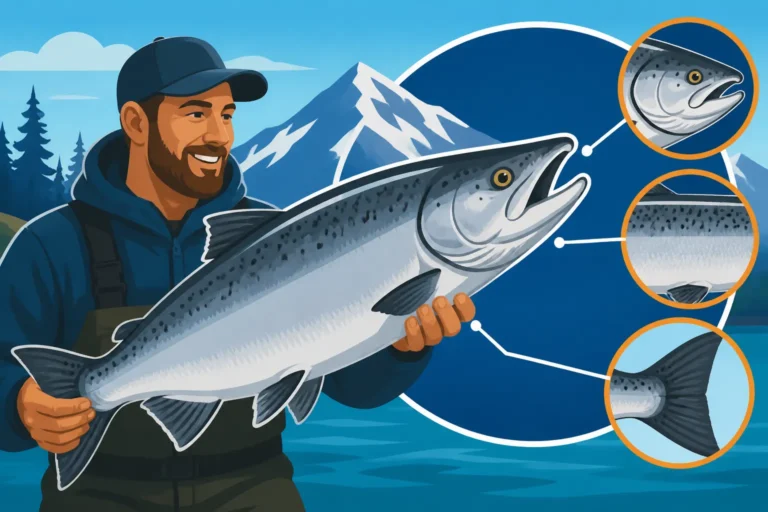
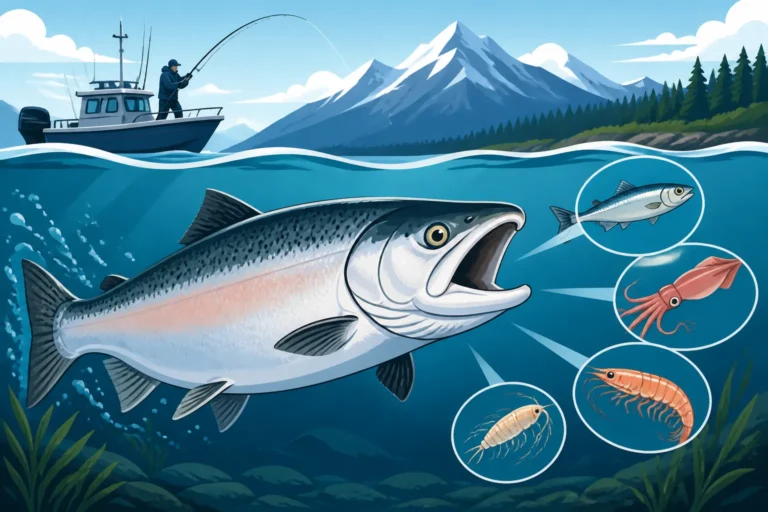
When most people dream of Alaska salmon fishing, they envision a giant King Salmon, also known as a Chinook. These magnificent fish are the largest of the Pacific salmon species, renowned for their incredible power, stamina, and often, their sheer size. A truly trophy King Salmon can easily push the scales past 50 pounds, with some exceptional individuals exceeding 70 or even 80 pounds. The current state record for a sport-caught King Salmon is a staggering 97 pounds, 4 ounces, caught in the Kenai River – a testament to the potential of these waters.
The pursuit of trophy King Salmon is a seasonal obsession for many. The prime time for these giants typically runs from late May through July, with different rivers having their peak runs. Iconic rivers like the Kenai River and the Kasilof River on the Kenai Peninsula are legendary for producing some of the largest Kings, though fantastic opportunities also exist in other regions like Bristol Bay and Southeast Alaska. Techniques for catching them vary widely, from back-trolling with Kwikfish and Mag Lips to back-bouncing cured roe or even fly fishing with large intruders in specific areas. Landing one of these chrome beasts is a battle of wills, often requiring heavy-duty gear and serious angling prowess. You can learn more about Alaska King Salmon: Complete Guide to prepare for your encounter with these majestic fish.
Giant Halibut: The Barn Door of the Deep
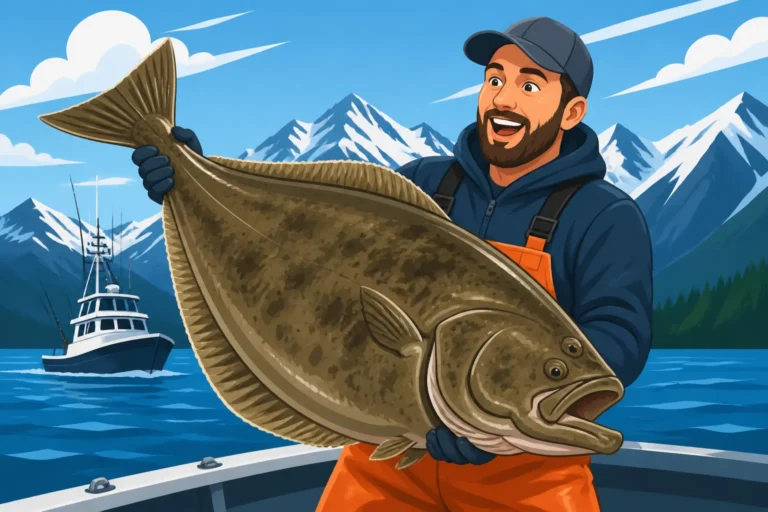
If you're looking for a saltwater trophy, the Pacific Halibut is undoubtedly at the top of the list. These colossal flatfish are bottom-dwelling predators that can grow to immense proportions, earning them the nickname "barn doors" when they get truly huge. While common catches often range from 20 to 60 pounds, a trophy halibut will often exceed 100 pounds, with monsters of 200, 300, or even over 400 pounds possible. The state record stands at an incredible 459 pounds! These fish offer an intense fight, often pulling anglers into a deep-sea tug-of-war that can last for an hour or more.
Halibut fishing is concentrated in the nutrient-rich waters of Southcentral and Southeast Alaska. Popular destinations like Homer, Seward, and Sitka are renowned for their halibut fisheries. Anglers typically target them using heavy-duty rods and reels, dropping large baits like herring, salmon heads, or octopus to the ocean floor. Jigging with large metal jigs is also a highly effective technique. The season for halibut generally runs from May through September, though the prime time for the really big ones tends to be mid-summer. Given their size, special care is often needed to land, subdue, and properly process a trophy halibut. If you're wondering about the limits, check out Alaska Halibut Daily Limit for Charter Anglers for details, as regulations can change.
Monster Rainbow Trout: Lords of the Rivers
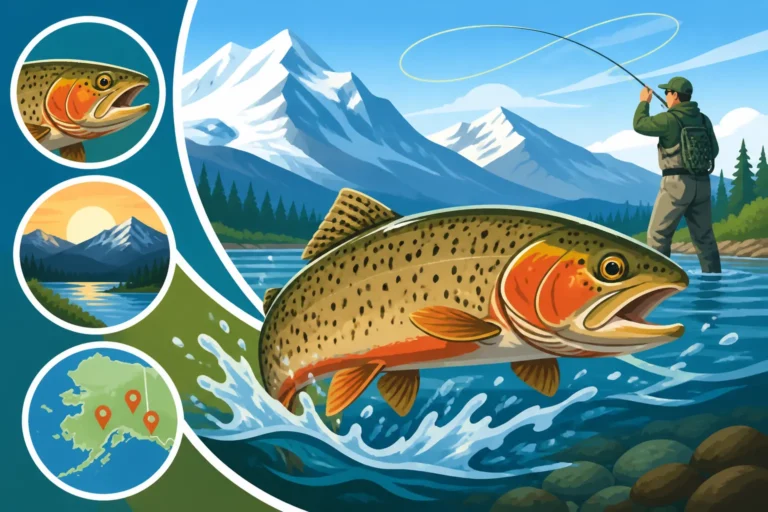
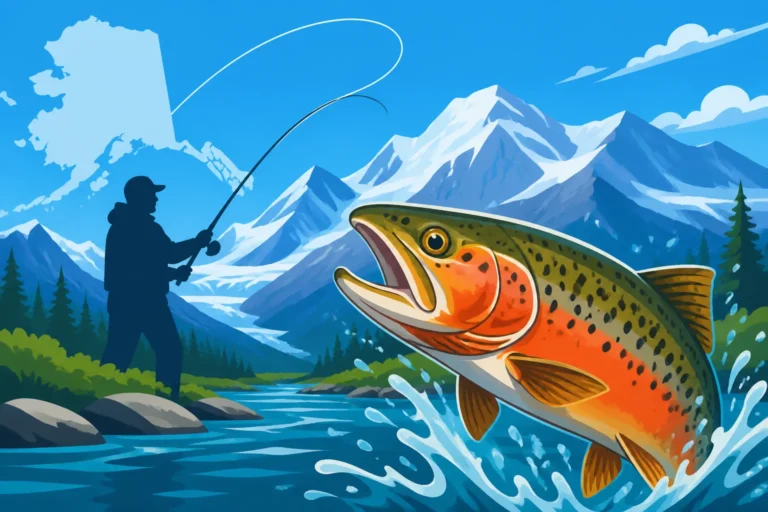
For many freshwater enthusiasts, the true trophy lies in the pursuit of Alaska's magnificent Rainbow Trout. These aren't your average trout; Alaska's rainbows, particularly the "leopard" rainbows of the Bristol Bay region and the Kenai Peninsula, are known for their vibrant colors, aggressive fights, and impressive size. A trophy rainbow trout in Alaska is often considered anything over 25 inches, with fish exceeding 30 inches being truly legendary. The state record is an astounding 42 pounds, 3 ounces, a testament to the rich food sources in these pristine waters.
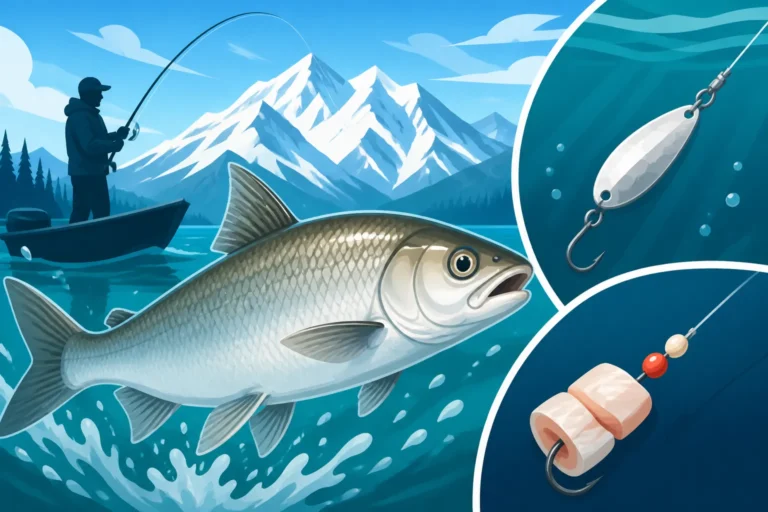
Locations like the Kenai River, Russian River, and countless streams and lakes in the Bristol Bay watershed, particularly rivers like the Naknek and Alagnak, are famous for producing these behemoths. These trout often grow large by feeding on the eggs and flesh of spawning salmon, giving them incredible growth spurts. Fly fishing is a particularly popular and effective method for targeting trophy rainbows, using techniques like drifting beads (to imitate salmon eggs) or swinging streamers. Spin fishing with spoons or spinners can also be productive. Landing one of these wild, powerful trout in a pristine Alaska river is an unforgettable experience, often requiring skill and patience. Check out our Alaska Rainbow Trout Guide for more insights on these beautiful fish.
Other Notable Trophy Species: Lingcod, Northern Pike, Sheefish
While King Salmon, Halibut, and Rainbow Trout often steal the spotlight, Alaska offers trophy opportunities for several other impressive species.
- Lingcod: These prehistoric-looking bottom dwellers are prized for their aggressive strikes and delicious white meat. Found in saltwater, particularly around rocky reefs and pinnacles in Southeast and Southcentral Alaska, a trophy lingcod can easily exceed 50 pounds, with the state record standing at a massive 82 pounds. They are powerful fighters, making them an exciting target for anglers using heavy jigs or large baits.
- Northern Pike: In interior Alaska's freshwater lakes and rivers, Northern Pike grow to impressive sizes, offering explosive topwater action. While often overlooked, a trophy pike in Alaska can be well over 40 inches and weigh 20 pounds or more, with the state record at 40 pounds. They are voracious predators, known for their sharp teeth and thrilling strikes. Fishing for pike is a unique Alaska adventure, often requiring a different set of skills and lures.
- Sheefish: Sometimes called the "Tarpon of the North," the Sheefish is a powerful, predatory whitefish found in large rivers and lakes of Arctic and Interior Alaska. They are known for their incredible speed and acrobatic leaps when hooked. A trophy sheefish can be over 40 inches and weigh 30 pounds, with the state record at 53 pounds. Targeting these elusive fish often involves journeying to remote locations, adding to the trophy experience.
Each of these species offers a distinct challenge and reward, broadening the definition of what a "trophy" fish truly means in Alaska.
Strategies for Landing Your Dream Trophy Fish
Chasing a trophy fish in Alaska isn't just about luck; it's a strategic endeavor that combines research, preparation, and skill. You can't just show up and expect a record-breaker to jump on your hook. It requires understanding the fish, its habitat, and the best ways to present your offering.
Researching Seasons and Prime Locations
The first and most critical step in pursuing a trophy is understanding the seasons and identifying prime locations. Alaska's fishing opportunities are highly seasonal, with specific windows when trophy-sized fish are most accessible. For example, the largest King Salmon often enter rivers during specific weeks in June or July, while the biggest Halibut might be found on deeper banks during summer months. Ignoring these biological cycles is a recipe for disappointment.
Deep-dive into local reports, consult fishing forums, and read guides about specific rivers or ocean zones. For instance, if you're targeting a trophy King Salmon, you'll want to focus on rivers like the Kenai or Kasilof during their peak runs. For a massive Halibut, consider the fertile waters off Homer, Seward, or Kodiak. Our Alaska Fishing Seasons: Month-by-Month Guide provides an excellent overview to help you time your trip perfectly. This research isn't just about when the fish are there, but where the biggest ones tend to congregate and feed. Often, the largest fish hold in specific depths or currents, or near particular underwater structures. Local knowledge is invaluable, so don't hesitate to engage with tackle shop owners or seasoned guides.
Essential Gear and Tackle for Trophy Hunters
You simply cannot show up with lightweight gear and expect to land an 80-pound King Salmon or a 200-pound Halibut. Trophy fish demand heavy-duty, reliable tackle that can withstand immense pressure. This means stout rods with strong backbone, high-quality reels with smooth, powerful drags, and line that can handle serious strain. For King Salmon, think rods rated for 15-40 lb line, paired with conventional or heavy-duty spinning reels spooled with 30-60 lb monofilament or braided line. For Halibut, rods often resemble broomsticks, designed for 80-130 lb line, coupled with large conventional reels packed with 100-200 lb braided line.
Don't skimp on terminal tackle either. Use only the highest quality swivels, snaps, and hooks. Many trophy anglers prefer specific brands known for their strength and durability. For example, Gamakatsu or Owner hooks are often preferred for their sharpness and ability to hold a massive fish. When buying gear, whether from a local shop or online platforms like Amazon, look for reviews from anglers targeting large species. Investing in quality gear is not just about catching the fish; it's about being able to control it and bring it to hand (or boat) safely, for both you and the fish.
| Species | Typical Trophy Size | Best Season | Primary Locations | Essential Gear Highlights |
|---|---|---|---|---|
| King Salmon | 50+ lbs (70+ lbs exceptional) | June – July | Kenai River, Kasilof River, Nushagak River | Heavy baitcasting/spinning rods, powerful reels (e.g., Shimano Tekota, Penn Fathom), 30-60 lb braid/mono, strong swivels, large plugs (Kwikfish), cured roe. |
| Pacific Halibut | 100+ lbs (200+ lbs exceptional) | May – September | Homer, Seward, Kodiak, Sitka | "Barn door" rods, large conventional reels (e.g., Penn Squall, Daiwa Saltist), 100-200 lb braid, heavy sinkers, large circle hooks, fresh bait (herring, salmon heads), jigs. |
| Rainbow Trout | 25+ inches (30+ inches exceptional) | June – October | Kenai River, Naknek River, Alagnak River, Kvichak River | 7-9 wt fly rods (e.g., Orvis Clearwater, Sage Foundation), large arbor reels, strong leaders/tippets, beads, streamers, egg patterns. Medium spinning rods, spoons, spinners. |
| Lingcod | 40+ lbs (60+ lbs exceptional) | May – October | Southeast Alaska (Sitka), Prince William Sound | Heavy jigging rods, robust conventional reels, 80-100 lb braid, large jigs (swim baits), heavy leaders. |
| Northern Pike | 40+ inches (20+ lbs) | June – September | Interior Alaska Lakes (Minto Flats, Swan Lake) | Medium-heavy casting rods, baitcasting reels, 30-50 lb braid, steel leaders, large spoons, swim baits, topwater lures. |
| Sheefish | 40+ inches (30+ lbs) | July – September | Kobuk River, Selawik River, Yukon River | Medium-heavy spinning rods, powerful spinning reels, 20-40 lb braid, large spoons, swim baits, lipped crankbaits. |
Hiring the Right Guide or Planning an Epic DIY Adventure
For many, the most effective way to pursue a trophy fish in Alaska is by hiring an experienced fishing guide or charter captain. These professionals spend countless hours on the water, understand local patterns, know where the big fish hide, and possess the specialized gear required. A good guide can dramatically increase your chances of success, especially if you're new to Alaska or targeting a particularly elusive species. When choosing a guide, look for those with specific expertise in the species you're after and a strong reputation. Asking about their trophy catch history and their approach to catch-and-release is also wise. You can learn more about how to select the best by reading our guide on How to Choose an Alaska Fishing Charter.
However, a do-it-yourself (DIY) trophy hunt is also possible and incredibly rewarding, though it demands significantly more planning and self-sufficiency. This path requires extensive research into public access points, fishing regulations (especially those regarding Alaska Fishing Limits and Bag Limits Explained), and self-reliance skills. It might involve renting a boat, navigating remote trails, or even flying into a wilderness lodge. For certain species like King Salmon on the Kenai River's public access points, or shore fishing for Sockeye, a DIY approach can be highly effective with the right preparation. Whether guided or DIY, the key is thorough planning and a deep respect for the wild Alaskan environment.
The Art of Catch-and-Release for Trophy Fish
Catching a true trophy fish is an incredible accomplishment, but the responsibility doesn't end when it's landed. Especially with large, mature fish, proper catch-and-release techniques are paramount to ensure these magnificent breeders survive to spawn again, contributing to the health and future of Alaska's fisheries. This is not just about compliance with regulations; it's about ethical angling.
Minimizing Stress and Maximizing Survival
The moment a trophy fish is hooked, the clock starts ticking on its survival post-release. To minimize stress and maximize its chances of survival, several best practices should be employed. Firstly, fight the fish efficiently but not to exhaustion. Prolonged battles deplete the fish's energy reserves, making it more vulnerable to predators and less likely to recover. Secondly, use appropriate gear; heavy tackle allows for quicker fights, reducing stress. Barbless hooks are also highly recommended, as they make hook removal much easier and less damaging.
When the fish is alongside the boat or bank, avoid dragging it onto dry land or abrasive surfaces. Keep the fish in the water as much as possible. If you must remove it for a quick photo, do so gently, supporting its body horizontally to prevent internal organ damage. Avoid handling it by the gills or eyes. Wet your hands before touching the fish to protect its protective slime coat. For larger fish, a sturdy landing net or a Boga Grip (for salmon and smaller halibut) can aid in control. For giant halibut, a gaff may be necessary for safe handling in the boat, but if you're releasing, a tail rope to guide it alongside the boat is preferred. A quick measurement, a rapid photo, and then a gentle release, holding the fish upright until it swims away under its own power, are critical steps.
The Value of Photography and Replicas
For many anglers, the visual memory of a trophy fish is as important as the catch itself. High-quality photographs are the best way to capture this moment. Get a clear shot of the fish in the water, or if briefly out, with its body fully supported. Focus on capturing its size, vibrant colors, and unique features. Ensure the photo clearly shows the fish, not just the angler. Having a measuring device visible in the photo is also helpful for verification.
Consider using a waterproof camera or phone case to get shots of the fish while it's still partially submerged. These photos often look more dynamic and are less stressful for the fish. After the release, if you truly want a lasting physical memento, consider a replica mount instead of harvesting the fish. Many taxidermists can create stunning, lifelike replicas from your photos and measurements, allowing you to celebrate your trophy without removing it from the ecosystem. This approach perfectly aligns with conservation ethics, allowing you to "have your fish and release it too." This ethical approach ensures that the majestic trophy fish of Alaska continue to thrive for future generations of anglers.
Preparing for Your Trophy Hunt: Logistics and Permits
Embarking on an Alaska trophy fishing adventure isn't like heading to your local pond. It requires significant logistical planning, understanding unique Alaskan regulations, and preparing for the realities of wilderness travel. Overlooking these details can quickly turn a dream trip into a frustrating ordeal.
Licenses, King Salmon Stamps, and Other Requirements
First and foremost, you'll need the proper fishing license. For non-residents, this means purchasing an Alaska Non-Resident Fishing License Guide for the duration of your trip. These can be bought online through the ADF&G website, at most sporting goods stores, or from license vendors throughout the state. Don't wait until the last minute! In addition to a general license, if you plan to target King Salmon, you'll also need to purchase an Alaska King Salmon Stamp. This stamp is an additional endorsement required for any angler, resident or non-resident, who wishes to fish for King Salmon, regardless of whether they plan to harvest or release. Understanding Do You Need a King Salmon Stamp in Alaska is vital before you cast your first line for Chinook.
Beyond licenses and stamps, be aware of specific regulations that might apply to your target species or location. For instance, some areas may have special catch-and-release rules, bait restrictions, or even emergency orders that can change daily. You'll also need an Alaska Harvest Record Card Explained to log any King Salmon or other species that require recording. This card is usually provided with your license, and it's your responsibility to fill it out accurately and promptly for each qualifying fish. Always check the current year's Alaska Sport Fishing Regulations booklet and any active emergency orders for your specific fishing region, as rules can and do change rapidly based on fish runs and conservation needs.
Travel, Lodging, and Fish Processing Considerations
Alaska is vast, and getting to prime trophy fishing spots can involve complex travel plans. If you're flying in, major hubs like Anchorage or Juneau will be your entry point, often followed by smaller commuter flights, bush planes, or ferry services to reach your final destination. Book flights and lodging well in advance, especially for popular summer months, as accommodations in prime fishing towns like Homer, Seward, or Soldotna fill up quickly. Many remote lodges offer all-inclusive packages that cover transportation, lodging, meals, and guided fishing, simplifying logistics but at a higher cost.
Consider how you'll get your trophy catch home. If you plan to keep fish, research fish processing services. Most fishing towns have reputable processors that can fillet, portion, vacuum-seal, and freeze your catch, and even arrange shipping back to your home. Make sure your cooler or fish box meets airline regulations for checked baggage. If you’re targeting a true monster like a large halibut, discuss processing and shipping logistics with your guide or processor beforehand, as their size can present unique challenges. Having a clear plan for your catch, from the moment it's landed to when it's in your freezer, is an often-overlooked but crucial part of the trophy hunt. This preparation ensures a smooth and rewarding experience from start to finish.
Common Misconceptions About Alaska Trophy Fishing
Alaska fishing conjures images of endless fish and guaranteed giants, leading to some common misunderstandings. While the state is indeed an angler's paradise, a realistic perspective is crucial for planning a successful and enjoyable trophy hunt. It's important to separate the marketing hype from the ground truth.
It's Not Always About Sheer Luck
While there's always an element of luck in fishing, consistently landing trophy-sized fish in Alaska is far from a random occurrence. It's a skill-based pursuit built on knowledge, persistence, and strategic decision-making. Trophy anglers often spend years honing their craft, learning the nuances of different rivers, tides, and fish behavior. They study salmon run timing, understand the feeding patterns of halibut, and know which presentations entice the largest rainbow trout. It’s about being in the right place at the right time, with the right gear, and the right technique – and that’s rarely just luck.
For example, guides who consistently put their clients on large King Salmon didn't just stumble upon them. They meticulously track migration patterns, water levels, temperature, and use their intimate knowledge of specific fishing holes on rivers like the Kenai to position their boats optimally. Similarly, trophy halibut captains use advanced sonar and years of experience to locate productive deep-water ledges and pinnacles. Anglers who consistently catch large fish are those who put in the effort to learn, adapt, and refine their approach, constantly striving to improve their understanding of the environment and the fish they pursue.
The Cost vs. Reward Reality
Pursuing trophy fish in Alaska can be an expensive endeavor, and it's essential to have realistic expectations about the financial commitment versus the guaranteed reward. Top-tier guided trips, especially multi-day excursions to remote lodges targeting record-breaking fish, can cost thousands, or even tens of thousands, of dollars. Even a single day on a reputable charter boat can run into hundreds of dollars per person, not including licenses, stamps, travel, lodging, or fish processing.
While these investments significantly increase your chances of success, they do not guarantee a trophy fish. Fishing, by its very nature, is unpredictable. Weather can turn, fish runs can be weak, or the bite simply might not be on. It's crucial to view the cost as an investment in the experience and the increased odds, rather than a guarantee of a record-breaker. Many anglers find the adventure, the stunning scenery, the camaraderie, and the challenge itself to be the true reward, regardless of whether they land a state-record fish. Understanding this balance between cost and potential reward will help manage expectations and ensure that your Alaska trophy fishing trip remains a positive and memorable experience, even if you don't break any records.
Disclaimer
The information provided in this guide is for general informational purposes only. Fishing regulations in Alaska are complex and subject to change without notice, often through emergency orders issued by the Alaska Department of Fish and Game. Always consult the most current official ADF&G regulations booklet and check for emergency orders before heading out on any fishing trip. Compliance with all federal, state, and local laws and regulations is the sole responsibility of the angler. Fishing carries inherent risks, and safety precautions should always be observed.