How Much Is a Fishing Charter in Cooper Landing, Alaska
Trying to figure out your budget for an Alaska fishing trip, especially to a renowned spot like Cooper Landing, can feel like navigating a maze blindfolded. You're dreaming of epic fights with salmon and trout on the famous Kenai River, but the "how much" question looms large, often without a clear answer. This guide is here to demystify the costs associated with fishing charters in Cooper Landing, breaking down exactly what you can expect to pay and why, so you can plan your adventure with confidence.
Cooper Landing's Irresistible Fishing Allure
Cooper Landing isn't just a dot on the map; it's a legendary gateway to some of Alaska's most exciting freshwater fishing experiences. Nestled right on the world-famous Kenai River, this charming community draws anglers from across the globe, all eager to cast a line into its productive waters. But what exactly makes it such a sought-after destination, and why do so many choose a guided experience here?
The Undeniable Draw of the Kenai River
The Kenai River is, without exaggeration, the heart of Cooper Landing's fishing appeal. It's an ecological powerhouse, known for its massive runs of Pacific salmon and its reputation for producing some truly gargantuan rainbow trout and Dolly Varden. We're talking about King Salmon that can tip the scales at over 50 pounds, making it a dream destination for many. But it's not just the kings; the river sees incredible runs of Sockeye Salmon and Coho Salmon too, offering diverse fishing opportunities throughout the summer. These fish aren't just abundant; they're strong fighters, promising an unforgettable experience for seasoned anglers and beginners alike. For more on this incredible fishery, check out our comprehensive guide on Kenai River Fishing: Complete Guide.
Diverse Local Fishing Opportunities
While the Kenai River is the star, Cooper Landing offers more than just one-size-fits-all fishing. You'll find opportunities for both bank fishing and guided trips, each with its own charm and challenges. The upper stretches of the Kenai, accessible from Cooper Landing, are particularly renowned for their clear waters and prime habitat for trout and salmon. Many anglers opt for drift boat trips here, which allow them to cover miles of prime water, quietly floating through scenic stretches while targeting various species. Powerboats are restricted in certain areas, particularly on the Upper Kenai, emphasizing the peaceful, drift-focused experience. Knowing the specific sections and their rules is key, as Alaska Fishing Regulations Explained can vary significantly from one stretch to another.
Unpacking the Factors That Drive Charter Costs
When you start looking into fishing charters in Cooper Landing, you'll quickly realize that prices aren't uniform. There's a range, and understanding what influences those numbers is crucial for setting your expectations and budget. It's not just about the guide's fee; several elements combine to create the final price tag for your Alaskan adventure.
Trip Duration and Targeted Species
One of the most straightforward factors is how long you plan to be on the water. Charters in Cooper Landing typically offer half-day or full-day options, and sometimes even extended trips.
- Half-Day Charters: These usually run for about 4 to 5 hours. They're perfect if you're on a tighter schedule, or if you want to get a taste of the Kenai without committing to a full day. The cost will naturally be lower than a full-day trip, but it might limit the water you can cover or the species you can effectively target. They're often focused on specific, known hot spots.
- Full-Day Charters: Stretching 8 to 10 hours, full-day trips offer a much more comprehensive experience. You'll have more time to explore different sections of the river, try various techniques, and increase your chances of landing multiple fish species or that trophy catch. Guides can adapt more readily to changing conditions or fish movements throughout the day.
- Targeted Species: Your desired quarry also plays a role. If you're specifically chasing the mighty King Salmon, which often requires heavier gear and specialized techniques, the cost might be slightly higher due to the specialized equipment and effort involved. Trips focused on Sockeye Salmon might be different from those solely dedicated to trophy Rainbow Trout, which often involves fly-fishing and specific drift routes. Keep in mind that Alaska King Salmon Fishing Regulations and Limits are often more restrictive and can impact trip structure.
Guide Experience and Reputation
Just like in any profession, the experience and reputation of your fishing guide can significantly influence the price.
- Seasoned Veterans: Guides who have been navigating the Kenai River for decades, possess an encyclopedic knowledge of its currents, its fish, and its ever-changing conditions, often command higher rates. Their expertise translates into a greater likelihood of success, better safety protocols, and a more polished overall experience. They know the subtle nuances of the river that only years on the water can teach.
- Newer Guides: While still professional and licensed, newer guides might offer slightly more competitive pricing as they build their client base and reputation. This doesn't mean they're not good, but they might not have the same depth of local lore and historical knowledge of the Kenai's specific spots and patterns. Many excellent newer guides work for established guide services, which often helps maintain quality.
Inclusions and Exclusions in the Price
This is where charter costs can sometimes get tricky, and it's essential to clarify what's covered.
- What's Typically Included: Most Cooper Landing fishing charters include the use of high-quality fishing gear (rods, reels, tackle), bait (if allowed and applicable), and the expertise of your licensed guide. Often, the boat and fuel are also part of the package.
- Common Exclusions: What's almost universally not included is your Alaska Fishing License: Complete Guide and any necessary stamps, like the King Salmon stamp. You'll also typically need to bring your own snacks and beverages, although some full-day charters might provide a basic lunch. Fish processing services (filleting, vacuum sealing, freezing, shipping) are almost always an additional cost, though guides can often recommend local processors. Gratuities for your guide are also separate and expected, similar to other service industries.
Time of Year and Peak Salmon Runs
Alaska fishing is incredibly seasonal, and Cooper Landing is no exception. The demand for charters skyrockets during peak salmon runs, and prices tend to reflect that.
- Peak Season (June-August): This is prime time, particularly for King Salmon in June and early July, and then the epic Sockeye Salmon runs from late June through July. Coho Salmon arrive later in August and early September. During these windows, guides are in high demand, and booking well in advance is crucial, often months ahead. Expect to pay premium rates during these bustling periods. Our guide on Best Time to Fish in Alaska provides a detailed breakdown of seasons.
- Shoulder Seasons (May, September): If you're looking for slightly lower prices and fewer crowds, consider the shoulder seasons. May offers early King Salmon opportunities and resident trout fishing. September can be fantastic for Coho Salmon and large resident Rainbow Trout, especially after the main Sockeye runs have tapered off. Prices might be a little more flexible, and you might find more availability.
Group Size and Private vs. Shared Charters
The number of people in your party also affects the per-person cost.
- Shared Charters: Many charters operate on a per-person basis, often with a minimum number of anglers required to make the trip viable (e.g., 2-4 people). If you're a solo angler or a small group, you might be grouped with other parties to fill the boat. This is often the most cost-effective option per person.
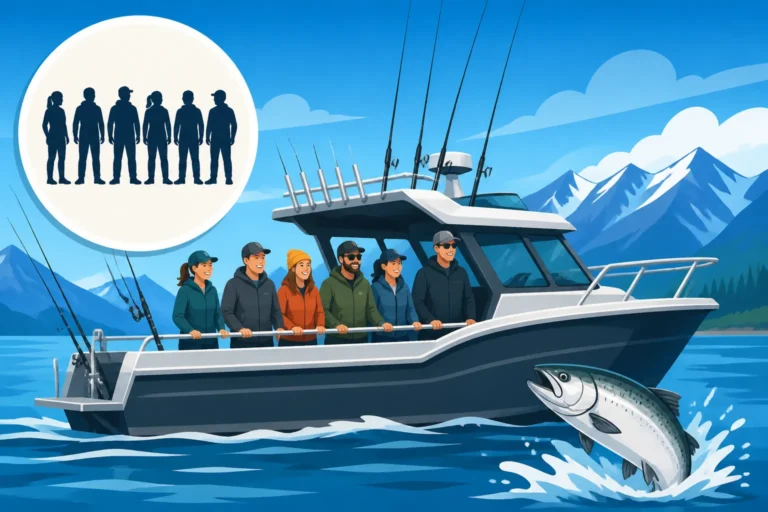
- Private Charters: If you want the boat to yourselves, for privacy, flexibility, or a tailored experience, you'll pay a flat rate for the boat, regardless of how many people are in your party (up to the boat's capacity, typically 4-6 anglers for drift boats). This means the per-person cost will be higher for smaller groups but can be more economical for a larger family or group of friends filling the boat. It gives you more say in where you go, what you target, and when you start and finish within reason.
Typical Price Ranges for Cooper Landing Fishing Charters
Now, let's get down to the numbers. While prices can fluctuate due to all the factors we just discussed, here's a general overview of what you might expect to pay for a guided fishing charter in Cooper Landing, Alaska. Keep in mind these are averages, and specific outfitters might be slightly above or below these ranges.
Half-Day Charter Costs
For those looking for a shorter experience, perhaps a morning or afternoon on the water, half-day charters are a popular choice.
- Average Cost: You can typically expect to pay between $225 and $300 per person for a half-day (4-5 hour) fishing charter in Cooper Landing.
- What to Expect: These trips are usually focused on specific species that are active during that time of day or in particular, easily accessible river sections. For example, a morning trip might target early-run King Salmon or a prime Sockeye Salmon hole. The guide will provide all necessary fishing equipment, including waders if needed for bank access in some spots, and their expert guidance. These trips are often less about covering vast stretches of river and more about efficiently fishing productive areas.
Full-Day Charter Costs
If you're looking for a more immersive and comprehensive fishing adventure, a full-day charter is often the way to go.
- Average Cost: Full-day (8-10 hour) charters in Cooper Landing generally run from $375 to $550 per person.
- What to Expect: With a full day, you get the benefit of more time on the water, allowing for greater exploration of different fishing spots and techniques. Your guide can adapt to changing river conditions, target multiple species, and provide a deeper dive into the ecosystem and fishing strategies. Some full-day trips might even include a packed lunch or snacks, though it's always best to confirm directly with your chosen outfitter. This extended time significantly increases your chances of success, particularly if you're chasing that elusive trophy fish.
Specialty and Multi-Day Trips
Beyond the standard half and full-day options, some guides and lodges in Cooper Landing offer more specialized or extended experiences.
- Trophy Trout Trips: If your sole focus is catching the massive Rainbow Trout that the Kenai is famous for, especially during the fall, you might find specific "trophy trout" trips. These are often fly-fishing oriented and can sometimes command prices at the higher end of the full-day range, or even slightly more, due to the specialized knowledge and equipment involved.
- Multi-Day Packages: For a truly immersive experience, some local lodges and guide services offer multi-day fishing packages. These often combine lodging, multiple days of guided fishing, meals, and sometimes even fish processing. The cost for these can vary wildly, from $1,500 to $5,000+ per person depending on the duration, luxury level, and inclusions. These packages are fantastic for a complete Alaskan fishing vacation.
- Comparison Table:
| Charter Type | Duration | Average Per-Person Cost | Typical Inclusions | Primary Focus |
|---|---|---|---|---|
| Half-Day | 4-5 hours | $225 – $300 | Guide, boat, gear, tackle | Specific species/hot spots |
| Full-Day | 8-10 hours | $375 – $550 | Guide, boat, gear, tackle (sometimes lunch) | Exploration, multiple species |
| Trophy Trout | Full-Day | $400 – $600 | Specialized guide, fly gear | Large Rainbow Trout, fly-fishing |
| Multi-Day Pkg | 2+ days | $1,500 – $5,000+ | Lodging, meals, multiple guided days | Immersive fishing vacation |
Note: All prices are estimates and can vary based on the outfitter, season, and specific offerings. Always confirm inclusions and exclusions when booking.
What Your Money Gets You (And What It Doesn't)
Investing in an Alaska fishing charter, especially in a prime location like Cooper Landing, is more than just paying for a boat ride. It's an investment in an experience, a memory, and often, a much higher chance of success. However, it's also crucial to be aware of potential extra costs that aren't typically covered by the base charter fee.
The Invaluable Role of a Professional Guide
When you hire a professional fishing guide in Cooper Landing, you're not just paying for their time; you're paying for their immense expertise.
- Local Knowledge: A good guide lives and breathes the Kenai River. They know the subtle shifts in currents, the hidden holes where fish hold, and which techniques are working best on any given day. This local knowledge is priceless, as conditions can change rapidly. They can read the water and understand How Tides Affect Alaska Salmon Fishing even on inland rivers, due to various environmental factors.
- Safety First: Beyond catching fish, your guide's primary concern is your safety. They are trained in river navigation, first aid, and emergency procedures. They know the risks associated with varying water levels and weather conditions, ensuring your trip is as safe as it is enjoyable.
- Enhanced Success Rates: While no guide can guarantee fish (it's called fishing, not catching, after all!), a professional guide significantly improves your odds. They know where the fish are, what they're biting on, and how to help you refine your casting or retrieval techniques. For many, especially those on a once-in-a-lifetime trip, this increased chance of success is worth every penny. For details on how guides manage your catch, see How Charters Handle Your Alaska Catch.
Understanding Potential Hidden Costs
Even after you've paid your charter fee, there are a few additional expenses you'll want to factor into your overall budget to avoid any unwelcome surprises.
- Alaska Fishing License and Stamps: This is perhaps the most common oversight. Every angler over the age of 16 needs an Alaska fishing license, and often additional stamps (like the King Salmon stamp) depending on what you're targeting. These must be purchased before your trip. You can easily buy them online through the Alaska Department of Fish and Game website or at local vendors. Always double-check Alaska Fishing License Age Requirements before your trip.
- Fish Processing: Once you've caught your limit, you'll need to decide what to do with it. Most guides will fillet your fish on the spot, but for proper preservation and transport home, you'll want it professionally processed. This usually involves filleting, vacuum-sealing, freezing, and sometimes boxing for shipment. Local processors in towns like Soldotna or Anchorage offer these services, and the cost can add up, especially if you're bringing home a lot of fish.
- Gratuities for Your Guide: Tipping your guide is customary and highly encouraged in the fishing charter industry. A standard tip ranges from 15-20% of the trip's cost, reflecting their hard work, expertise, and dedication to making your trip successful and enjoyable. Guides often work incredibly long hours, preparing gear and cleaning boats well before and after your time on the water. More on this can be found in Tipping on an Alaska Fishing Charter.
- Travel and Accommodation: Remember to budget for your travel to Cooper Landing (flights, car rental) and your accommodation (lodging, cabins, campgrounds). These are significant expenses that are entirely separate from your fishing charter.
- Food and Beverages: While some full-day charters might include lunch, it's always wise to pack your own snacks, drinks, and any special dietary needs.
Strategies for Managing Your Cooper Landing Fishing Budget
Exploring the Kenai River with a guide can be an unforgettable experience, but it doesn't have to break the bank. With a little planning and savvy decision-making, you can make the most of your budget while still landing that trophy fish.
Smart Booking Strategies
How and when you book can significantly impact the final cost of your Cooper Landing fishing charter.
- Book in Advance: This is perhaps the most crucial tip, especially for peak season trips. Not only does booking several months ahead (6-12 months is not uncommon for prime dates) secure your spot with a reputable guide, but it also locks in the price. Last-minute bookings often mean limited options, and sometimes higher prices due to demand. Many people utilize platforms like FishingBooker to compare guides and book early, ensuring they get the dates and type of trip they want. This also gives you time to ask Questions to Ask an Alaska Fishing Charter so you're fully prepared.
- Consider Shoulder Seasons: As mentioned earlier, May and September can offer excellent fishing with fewer crowds and potentially lower prices. If your schedule allows for flexibility, venturing outside the peak summer months can provide a more intimate and budget-friendly experience. You'll still find fantastic fishing for King Salmon in May, or Coho and big Rainbows in September, often without the intense competition for prime spots.
- Look for Group Deals: If you're traveling with a few friends or family members, inquire about group rates or consider booking a private charter and splitting the cost. Sometimes, filling the boat to its capacity can make a private trip more economical per person than booking individual seats on a shared charter.
- Combine with Other Activities: Look for packages that bundle fishing with other activities or lodging if you're planning a longer stay. While these might seem more expensive upfront, they can sometimes offer better value than booking everything à la carte.
DIY vs. Guided Costs: When to Choose Each
Deciding whether to go with a guided trip or a do-it-yourself (DIY) approach depends heavily on your experience, comfort level, and budget.
- When a Guide is Essential: If you're new to Alaska fishing, unfamiliar with the Kenai River, or targeting specific, challenging species like King Salmon or trophy Rainbow Trout, a guide is highly recommended. Their expertise minimizes frustration, maximizes your chances of success, and ensures safety. For detailed insights, refer to What to Expect on an Alaska Fishing Charter. The cost of a guided trip often pays for itself in knowledge, efficiency, and memories.
- When DIY Makes Sense: For experienced anglers comfortable with Alaskan conditions, or those primarily interested in more accessible bank fishing opportunities for Sockeye Salmon during their massive runs, a DIY approach can save money. You'll need to factor in the cost of your own gear (or rental gear), a fishing license, and potentially a car rental to access public fishing spots. The Russian River, near Cooper Landing, is a popular spot for DIY Sockeye fishing, but it requires understanding specific techniques like "flossing" and adhering strictly to Alaska Sockeye Salmon Fishing Regulations and Limits. You can also try to find Best Bank Fishing in Alaska spots.
- Hybrid Approach: Some anglers opt for a hybrid trip – a guided day or two to learn the ropes and hit prime spots, followed by a few days of independent fishing using the knowledge gained from their guide. This can be a great way to balance cost and experience.
Ultimately, a guided fishing charter in Cooper Landing offers an unparalleled opportunity to experience the best of Alaska's freshwater fishing, often leading to bigger fish and unforgettable moments. By understanding the cost factors and planning ahead, you can ensure your trip is both thrilling and within your budget.
Disclaimer
The information provided in this guide is for general informational purposes only and should not be considered legal or professional advice. Fishing regulations, prices, and availability can change frequently. Always consult the most current Alaska Department of Fish and Game regulations and directly contact charter operators for the most up-to-date pricing and booking information before planning your trip.