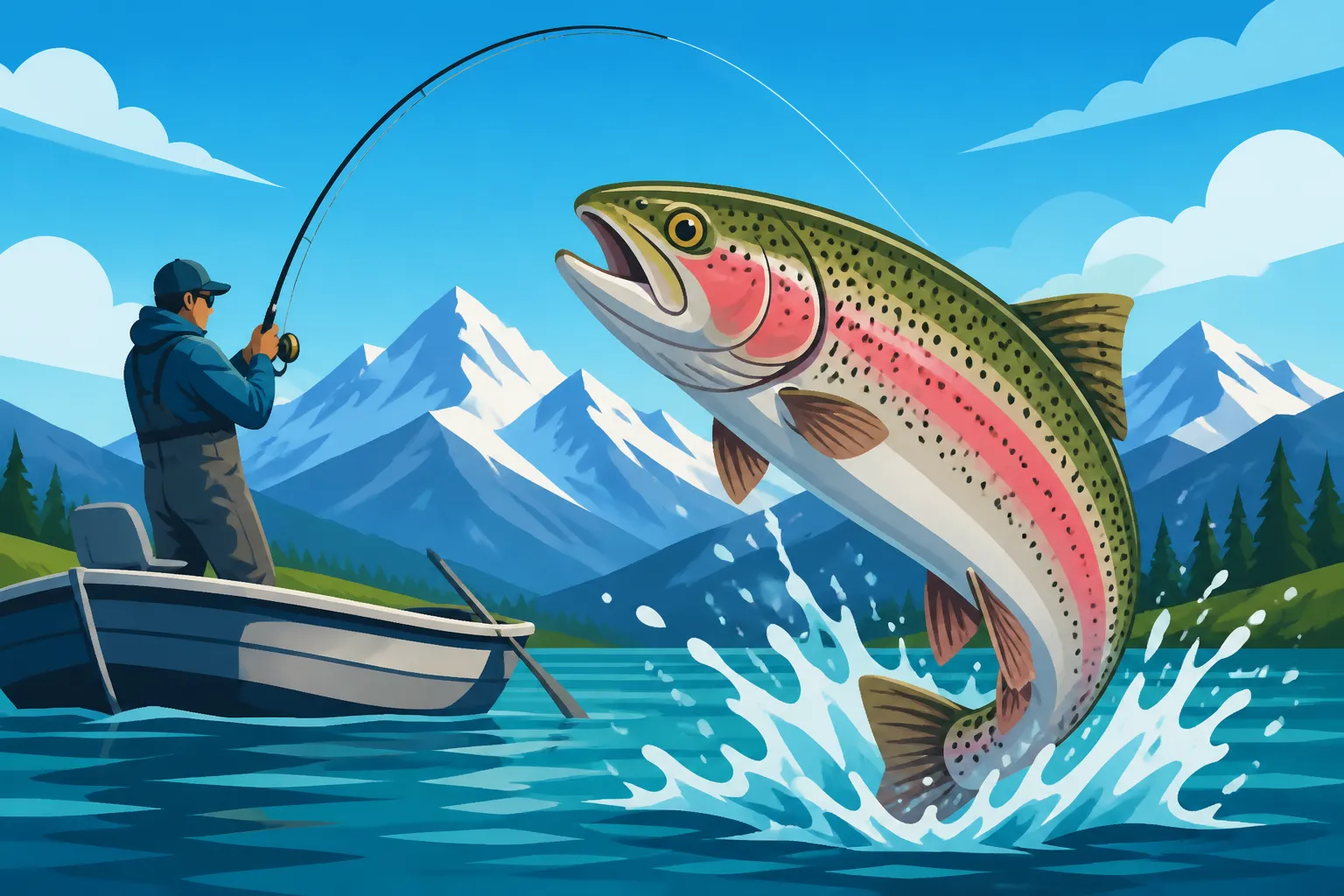
Alaska Rainbow Trout Charter: What to Expect
Embarking on an Alaska rainbow trout charter is often a dream for anglers, conjuring images of vibrant fish in pristine wilderness. However, the sheer vastness of Alaska, coupled with ever-changing regulations and diverse fishing techniques, can make planning such an adventure seem incredibly daunting. This comprehensive guide will walk you through exactly what you can expect from an Alaska rainbow trout charter, from the initial planning stages to the unforgettable moments on the water and what to do once your epic day concludes.
The Undeniable Allure of Alaska's Rainbow Trout Fisheries
There’s something uniquely captivating about pursuing rainbow trout in Alaska. It’s not just about the fish; it’s about the entire experience: the wild landscapes, the crystal-clear waters, and the chance to connect with nature in its purest form. Many anglers describe it as a spiritual journey as much as a fishing trip, and for good reason.
Why Alaskan Rainbow Trout Are Legendary
Alaskan rainbow trout are truly in a league of their own. Unlike many hatchery-raised counterparts you might find elsewhere, these fish are wild, robust, and incredibly powerful fighters. They thrive in cold, oxygen-rich waters, feeding on a diet rich in salmon eggs, insects, and smaller baitfish, which contributes to their vibrant coloration and impressive size. When you hook into an Alaskan rainbow, be prepared for acrobatic leaps, blistering runs, and a test of your angling skills. These aren't your average trout; they are often trophy-sized, with some river systems like the world-famous Kenai and its tributaries producing fish well over 20 inches, and even larger specimens on specific systems. The sheer anticipation of seeing that flash of iridescent scales against the emerald green or sapphire blue of the river is enough to keep any angler coming back year after year.
Prime Rivers for Chasing Rainbows
Alaska boasts an incredible array of rivers and streams that hold spectacular rainbow trout populations. While many locations offer good fishing, a few stand out as prime destinations, each with its unique character and challenges.
- Kenai River: Perhaps the most famous, the Kenai River in Southcentral Alaska is renowned for its colossal rainbow trout, especially in the sections below the Kenai Lake. These fish grow to incredible sizes, fattening up on the prodigious salmon runs. The upper Kenai, accessible from Cooper Landing, is a designated "trophy trout" area and offers some of the most consistent fly-fishing for large rainbows.
- Kvichak River: Located in Bristol Bay, the Kvichak River is another legendary destination for giant rainbow trout, many of which exceed 30 inches. This river is known for its incredibly strong runs of sockeye salmon, providing an endless buffet of eggs and flesh for the trout, leading to their immense size and girth. Access typically requires a fly-in trip to a lodge or camp.
- Naknek River: Also in Bristol Bay, the Naknek River offers diverse fishing opportunities, but its rainbow trout fishing, particularly during and after the salmon spawn, is phenomenal. It's often more accessible than the Kvichak, with several lodges and guides operating out of King Salmon.
- Russian River: While primarily known for its sockeye salmon, the confluence of the Russian and Kenai Rivers can offer some surprisingly good rainbow trout fishing, especially for opportunistic feeders looking for salmon eggs.
- Deshka River: Flowing into the Susitna River, the Deshka is a popular early-season destination for King salmon, but also holds a healthy population of rainbow trout, especially in its upper reaches.
- Trout-Focused Charters: Many charters operating in these regions, particularly around the Kenai Peninsula, focus exclusively on rainbow trout, offering an immersive experience tailored to this specific species. You can read more about what makes the Best Places for Rainbow Trout in Alaska in a dedicated guide.
Knowing which rivers are most productive for these magnificent fish is key to planning a successful charter. Each river has its own specific nuances, fishing techniques, and optimal times, which your experienced guide will be intimately familiar with.
Preparing for Your Alaska Rainbow Trout Charter
Once you've decided to embark on this incredible journey, the next step is meticulous planning. From selecting the right guide to understanding the best times to visit, preparation is key to maximizing your experience.
Choosing the Ideal Charter and Guide
Selecting the right charter and guide can make or break your rainbow trout adventure. You want someone with extensive local knowledge, a passion for trout fishing, and a commitment to safe, ethical practices. It’s not just about finding a boat; it's about finding an expert who can put you on fish and enhance your entire experience.
When you're ready to find a reputable guide, sites like FishingBooker can be invaluable resources. They allow you to browse various charters, read reviews from past clients, and compare offerings, ensuring you find a guide who aligns with your expectations. Look for guides who specialize in fly fishing or light tackle spin fishing for trout, as these are the primary methods used. Don’t hesitate to call potential guides and ask specific questions:
- What rivers do they typically fish for trout?
- What are their preferred techniques?
- What is their philosophy on catch and release?
- What is the average size of trout they typically target?
- How many anglers do they take per trip?
A good guide will be happy to discuss these details and alleviate any concerns. Remember, a great guide is also an educator, helping you refine your technique and understand the local ecosystem. You can gain more insight into choosing the right professional by consulting our guide on How to Pick an Alaska Fishing Guide.
Timing Your Trip for Trophy Rainbows
Timing is everything when it comes to trophy rainbow trout fishing in Alaska. While trout are present year-round, certain seasons offer optimal conditions for targeting larger fish.
- Late Spring/Early Summer (May-June): As rivers clear from spring runoff, trout become very active, feeding heavily on emerging insects and smolt. This can be an excellent time for aggressive fish and fewer crowds before the peak salmon runs begin. You can often find fantastic dry fly fishing opportunities during this period.
- Mid to Late Summer (July-August): This is when the main salmon runs, particularly sockeye, surge into Alaska’s rivers. For rainbow trout, this means one thing: salmon eggs! Trout gorge themselves on the nutrient-rich eggs, growing rapidly and becoming incredibly fat and feisty. This is arguably the most popular time for trophy rainbow trout fishing, especially on systems like the Kenai or Kvichak.
- Fall (September-October): As salmon spawn and die, their decaying flesh becomes another critical food source. Fall fishing can be incredible, with vibrant, pre-winter rainbows aggressively feeding. The autumn colors against the wild Alaskan backdrop also make for an incredibly scenic experience.
Many experienced guides listed on platforms like FishingBooker specialize in these prime seasons, so booking well in advance is crucial, especially for the popular summer and fall periods. Our comprehensive Alaska Fishing Seasons: Month-by-Month Guide provides a detailed overview of what's biting throughout the year.
Essential Gear You'll Encounter or Need
One of the beauties of an Alaska rainbow trout charter is that the guide typically provides all the necessary fishing gear, from high-quality rods and reels to a vast selection of flies and lures. This means you don't have to worry about packing your entire tackle box.
Gear Provided by Most Charters:
- Rods & Reels: Often, you'll be using either a 6-8 weight fly rod or a medium-light spinning rod, depending on the chosen technique and river conditions. Guides will have appropriate lines, leaders, and tippets.
- Flies/Lures: Your guide will carry an extensive array of patterns, including egg patterns, nymphs, streamers, and dry flies for fly fishing, or beads, small spinners (like the popular Roostertails), and sometimes small plugs for spin fishing. These choices are dictated by the specific river, time of year, and what the trout are feeding on.
- Terminal Tackle: All the necessary hooks, weights, indicators, and swivels will be supplied.
- Safety Gear: Life vests, first-aid kits, and communication devices are standard on all reputable charters.
What You Should Bring:
- Waders & Boots: If you plan to do any wading, which is common for trout fishing, quality breathable waders and wading boots are essential. Even if fishing from a boat, waterproof pants are a good idea. Some guides might have spare pairs, but it’s best to bring your own for comfort and fit.
- Rain Gear: Alaska weather is famously unpredictable. High-quality waterproof and windproof jackets and pants are an absolute must. Layering is key!
- Warm Clothing: Even in summer, mornings can be chilly, and temperatures can drop quickly. Fleece jackets, long-sleeved shirts, and warm hats are advisable.
- Sun Protection: Sunglasses (polarized are highly recommended for spotting fish), sunscreen, and a wide-brimmed hat.
- Snacks & Drinks: While some charters might provide basic refreshments, it's always a good idea to bring your preferred snacks and non-alcoholic beverages.
- Camera: You’ll want to capture those trophy shots and the stunning scenery.
- Alaska Fishing License and King Salmon Stamp (if required): Ensure you purchase these beforehand. Check the specific regulations for your target species and region, as outlined in guides like Alaska Fishing License: Complete Guide or Do You Need a King Salmon Stamp in Alaska.
It's always a good practice to confirm with your specific charter exactly what they provide and what they recommend you bring. They are the experts on their particular trips and local conditions.
A Day on the Water: What to Expect During Your Trip
The day of your Alaska rainbow trout charter is often filled with excitement and anticipation. Knowing what a typical day entails can help you feel more prepared and allow you to fully immerse yourself in the experience.
Typical Flow of Your Fishing Day
Your day will usually start bright and early, especially during the long summer days in Alaska. You’ll meet your guide at a designated launch point, often a boat ramp on one of the famous rivers. After a quick briefing on safety and the day's plan, you'll board the boat and head out.
- Drift Boats or Jet Boats: Many trout charters utilize drift boats – specially designed, maneuverable boats perfect for floating quietly down rivers, allowing anglers to cast to prime spots. On larger rivers or to cover more ground, jet boats might be used, which can navigate shallow waters and cover significant distances quickly. The choice of boat depends on the specific river, guide preference, and target areas.
- Spot Selection: Your guide will use their extensive knowledge to take you to productive stretches of river. This might involve drifting through riffles and runs, anchoring in deep pools, or wading into side channels. They’ll be constantly scouting for signs of fish, insect hatches, and other indicators of prime trout habitat.
- Instruction and Assistance: Throughout the day, your guide will provide instruction, whether you're a seasoned fly angler or new to the sport. They’ll help with casting techniques, fly selection, reading the water, and identifying strikes. Don’t be afraid to ask questions; their expertise is a huge asset.
Most charters will include a break for lunch, often a packed meal enjoyed on a scenic bank. You'll spend the majority of the day actively fishing, moving from spot to spot, learning and adapting to the conditions.
Effective Techniques for Hooking Alaskan Rainbows
Alaskan rainbow trout can be targeted with various techniques, and your guide will choose the most effective based on the time of year, water conditions, and what the fish are currently feeding on.
- Fly Fishing: This is often the preferred method for many dedicated trout anglers, offering a truly immersive experience.
- Nymphing: During salmon runs, nymphing with egg patterns (beads or synthetic eggs) is incredibly effective. The goal is to drift these imitations naturally along the river bottom, mimicking the salmon eggs that dislodge from spawning beds. Guides will teach you how to set up strike indicators and detect subtle takes.
- Streamer Fishing: When trout are actively feeding on baitfish or smolt, stripping streamers through runs and pools can elicit aggressive strikes.
- Dry Fly Fishing: While less common for trophy-sized rainbows, opportunistic dry fly fishing can be excellent during insect hatches, especially in the spring and early summer. Imagine a massive rainbow rising to your perfectly placed fly! Learn more about specialized techniques in our guide How to Fly Fish in Alaska.
- Spin Fishing (Light Tackle): For those new to fly fishing or who prefer spin gear, light tackle spin fishing can also be highly productive.
- Bead Fishing: Similar to fly fishing, drifting bead patterns under a bobber or float is a very popular and effective method for spin anglers targeting trout feeding on eggs.
- Small Spinners/Spoons: Casting and retrieving small spinners or spoons (often in sizes like 1/4 to 3/8 ounce) can entice strikes from aggressive trout. Colors like silver, gold, and vibrant patterns mimicking local baitfish are often effective.
- Drift Fishing: Using small weights and bait (where legal and appropriate), or artificial presentations like plastic worms, can also be used to target trout in deeper runs. You might find some overlap with techniques discussed in How to Spin Fish for Salmon in Alaska.
Your guide will instruct you on the specifics of each technique and help you get the hang of it quickly. The goal is always to present your offering as naturally as possible, mimicking the trout's natural food source.
The Invaluable Role of Your Fishing Guide
Your fishing guide is much more than just a boat driver; they are your mentor, strategist, and often, your personal cheerer. Their local expertise is truly invaluable.
- Reading the Water: A seasoned Alaskan guide can read the subtleties of the river – the currents, eddies, depth changes, and fish holding lies – like an open book. They know where the fish are likely to be at any given time, based on water levels, temperature, and feeding patterns.
- Gear and Rigging Expertise: They’ll ensure your line is perfectly rigged, knots are strong, and you have the right fly or lure on. This constant adjustment is crucial for success.
- Safety First: Above all, your guide prioritizes your safety. They are experts in navigating the rivers, handling wildlife encounters (bears are a common sight in some areas), and responding to any unexpected situations.
- Enthusiasm and Instruction: A great guide is passionate about fishing and sharing their knowledge. They'll patiently teach you, offer tips, and celebrate every hook-up, making the experience more enjoyable and educational.
- Conservation: Reputable guides are also stewards of the environment, emphasizing proper catch-and-release techniques and adherence to all Alaska Fishing Regulations Explained to protect the resource for future generations.
Booking your adventure through FishingBooker early is always a smart move to secure the best guides, especially during peak season. They often get booked up months, sometimes even a year, in advance.
Beyond the Catch: Handling Your Trout and Post-Trip Details
Catching an Alaskan rainbow trout is an exhilarating moment, but the adventure doesn't end there. Understanding proper fish handling, especially for catch-and-release, and knowing what to expect after your trip are crucial parts of the charter experience.
The Importance of Catch and Release for Rainbow Trout
For most dedicated rainbow trout charters in Alaska, catch and release is the prevailing ethic, and often a legal requirement in designated trophy trout areas. These magnificent fish are a precious resource, and proper handling ensures they survive to be caught another day and continue their lifecycle.
- Minimize Handling: The less you handle the fish, the better. Try to keep the trout in the water as much as possible, especially during unhooking and photography.
- Wet Hands: Always wet your hands before touching the fish. Dry hands can remove the protective slime coat, making the fish susceptible to disease.
- Barbless Hooks: Most guides will require or recommend barbless hooks, which make unhooking much easier and quicker, causing less stress and damage to the fish.
- Quick Release: Have your camera ready, snap a quick photo (with the fish horizontal and supported), and release the fish gently. If it seems sluggish, hold it upright in the current, facing upstream, until it swims away under its own power. Never throw or drop a fish back into the water.
- Respecting Regulations: Be mindful of any specific regulations regarding retention or catch limits, as detailed in Alaska Rainbow Trout Regulations. While catch and release is common, knowing the rules is always important.
Your guide will be an expert in safe handling and will instruct you on the best practices to ensure the fish's well-being. This responsible approach is fundamental to the long-term health of Alaska's renowned trout fisheries.
Documenting Your Unforgettable Experience
While the memory of a stunning Alaskan rainbow trout is etched in your mind, photos are essential for sharing the story and reliving the moment. Your guide will be a pro at snapping those trophy shots.
- Quick Photos: Be prepared for quick photos to minimize the fish's time out of water. Your guide will often have a system to make this efficient.
- Safety First: Ensure your footing is stable, especially on slippery riverbanks or in a moving boat. Never jeopardize your safety or the fish's well-being for a photo.
- Videos: A short video of the release can be just as impactful as a still photo, showing the fish swimming powerfully away.
- Journaling: Consider keeping a fishing journal to record details of your trip: the river, the conditions, the flies or lures used, and personal reflections. This creates a lasting memento of your adventure.
Many anglers find that capturing the moment without causing undue stress to the fish is a skill in itself, and a good guide will help you master it.
What to Expect Post-Trip
After a full day on the water, you'll head back to the launch point. This is usually where you'll settle up any remaining balances, share stories of the day, and say your goodbyes.
- Fish Processing: For rainbow trout, as mentioned, it's typically catch-and-release. Unlike salmon or halibut charters, there's usually no fish processing involved. However, for other species caught in combination or if regulations allow for retention, your guide can advise on local processors for packaging and shipping your catch home, a process elaborated in Alaska Fish Transport and Shipping Rules.
- Tipping Your Guide: Tipping is customary in the charter fishing industry and is a significant part of your guide’s income. A common guideline is 15-20% of the trip cost for a job well done. If your guide was exceptional, went above and beyond, and worked hard to put you on fish, consider tipping at the higher end. This gesture shows your appreciation for their hard work, expertise, and dedication. You can find more detailed advice in our Tipping on an Alaska Fishing Charter guide.
- Rebooking: If you had an incredible experience, don't hesitate to inquire about rebooking for next season. Many of the best guides have loyal clients who book years in advance.
An Alaska rainbow trout charter is more than just a fishing trip; it's an immersive wilderness experience. With proper planning and realistic expectations, you're set for an unforgettable adventure chasing some of the most beautiful and powerful trout on the planet.
Rainbow Trout Charter Comparison
To help visualize some key aspects of planning your Alaska rainbow trout charter, here's a comparison table highlighting different factors.
| Feature | Focus on Fly Fishing Rivers (e.g., Upper Kenai, Kvichak) | Focus on Mixed-Technique Rivers (e.g., Lower Kenai, Naknek) |
|---|---|---|
| Primary Technique | Fly fishing (nymphing, streamers, dry flies) | Fly fishing (beads/eggs), spin fishing (beads, spinners) |
| Target Fish Size | Often trophy-class (20+ inches) due to abundant food sources | Good chance of trophy-class, but also consistent numbers of average-sized |
| Best Season | Late summer (July-August) for egging, early fall (Sept-Oct) for post-spawn | Late summer (July-August) for egging, early fall (Sept-Oct) for post-spawn |
| Access | Often requires floatplane or dedicated remote lodge access (e.g., Bristol Bay) | Road system accessible (e.g., Kenai Peninsula) or short flight to town |
| Wading Opportunity | High, often involves getting out of the boat to wade fish | Moderate, combination of boat fishing and some wading |
| Crowd Level | Lower on remote rivers, higher on popular road-system fly-fishing stretches | Can be higher during peak salmon runs, even for trout anglers |
| Typical Boat | Drift boat or raft for quiet stealth | Drift boat, jet boat, or sometimes a combination |
| Recommended Gear | 6-8wt fly rod, breathable waders, polarized sunglasses | 6-8wt fly rod or medium-light spinning rod, breathable waders |
| Charters to Seek | Guides specializing in technical fly fishing, remote trips | Guides experienced with both fly and spin, diverse water types |
This table offers a snapshot of the types of experiences you might expect. Always discuss these details with your chosen guide to ensure their trip aligns with your personal preferences and skill level.
Disclaimer
The information provided in this guide is for general informational purposes only and does not constitute professional advice. Fishing regulations in Alaska are complex and subject to change frequently due to emergency orders. Always consult the most current Alaska Department of Fish and Game regulations and emergency orders before planning and embarking on any fishing trip. Your guide is an excellent resource for up-to-date local rules. Fishing in Alaska can be inherently dangerous; always prioritize safety and follow your guide's instructions.