Alaska 3-Day Fishing License Cost
Planning a quick fishing getaway to Alaska can feel like navigating a maze, especially when you're trying to figure out the exact costs and requirements for just a few days on the water. Many folks, particularly those visiting from out of state, get overwhelmed by the various license types and additional stamps. This comprehensive guide is here to break down the specific cost of an Alaska 3-day fishing license, ensuring you're fully prepared and know what to expect before you even cast your first line.
Understanding the Alaska 3-Day Fishing License
Alaska offers a variety of sport fishing licenses, tailored to both residents and non-residents, and for different durations. For visitors keen on experiencing the Last Frontier's legendary fisheries but with limited time, the 3-day non-resident sport fishing license is often the perfect fit. It’s designed to give you a taste of the action without committing to a longer-term license you might not fully use.
Who Needs a 3-Day Non-Resident License?
If you're coming to Alaska from another state or country and plan to fish for three consecutive days, this license is specifically for you. It's not applicable to Alaska residents, who have their own set of licensing options. Imagine you've planned a whirlwind trip, flying into Anchorage on a Friday, hitting the Kenai River for some red salmon action over the weekend, and flying out on Monday. A 3-day license covers your fishing activities perfectly for that specific window. Or perhaps you're on an Alaska cruise and have a shore excursion planned out of Juneau or Ketchikan that includes a day or two of halibut or salmon fishing. This license would be your go-to.
It's crucial to understand that even for short trips, the state requires all non-residents aged 16 or older to possess a valid sport fishing license. There are specific exemptions for younger anglers, which you can learn more about in our guide on Alaska Youth Fishing License Rules and Alaska Fishing License Age Requirements. If you're a non-resident planning to fish, this license is non-negotiable for anyone 16 and up.
The Current Cost Breakdown for a 3-Day License
Let's get right to the numbers, as this is often the burning question. As of the 2024-2025 regulatory year, the base cost for a non-resident 3-day sport fishing license in Alaska is $45.
Now, hold on a second before you think that's the final price tag. While $45 covers the basic sport fishing privileges for those three days, there's a very important additional stamp that many anglers, especially first-timers, overlook: the King Salmon Stamp.
If your fishing plans include targeting or even possessing King Salmon (also known as Chinook Salmon), you absolutely need to purchase a King Salmon Stamp in addition to your regular fishing license. This is a common requirement in many popular fishing areas like the Kenai River, Kasilof River, or even during certain saltwater charters out of Seward or Homer. The cost for a 3-day non-resident King Salmon Stamp is $30.
So, if you plan to fish for Kings, your total cost for a 3-day non-resident fishing trip would be $45 (base license) + $30 (King Salmon Stamp) = $75.
It's worth noting that the King Salmon Stamp is not just for keeping a King Salmon; it's often required for targeting or possessing them, meaning if you accidentally hook one and release it, you should still have the stamp if you were fishing in an area where Kings are present. Always double-check the local regulations for your specific fishing area. You can find more detailed information in our article Do You Need a King Salmon Stamp in Alaska.
To put the 3-day cost into perspective, here's a quick comparison with other short-term non-resident license options:
| License Type | Base Cost (Non-Resident) | King Salmon Stamp (3-Day) | Total with King Salmon Stamp |
|---|---|---|---|
| 1-Day Sport Fishing License | $15 | N/A (purchase appropriate stamp for duration) | $15 + relevant stamp |
| 3-Day Sport Fishing License | $45 | $30 | $75 |
| 7-Day Sport Fishing License | $70 | $45 | $115 |
| Annual Sport Fishing License | $145 | $100 | $245 |
As you can see, the 3-day license offers a good balance for short trips, becoming more cost-effective than buying three separate 1-day licenses, especially when you factor in the King Salmon Stamp. For a detailed breakdown of all available licenses, check out our comprehensive guide on Alaska Fishing License Cost and Types.
Beyond the Base Fee: What Else Might You Need?
While the license and King Salmon Stamp cover your legal right to fish, there are other considerations that can impact your overall readiness and cost. It's not just about what you pay, but what you need to understand to avoid potential headaches on the water.
The Mandatory King Salmon Stamp
We've already touched on this, but it bears repeating because it's the most common "gotcha" for visiting anglers. The King Salmon Stamp isn't just an optional add-on; it's a critical piece of your legal fishing ensemble if you plan to fish in waters where King Salmon are present. Even if your primary target is sockeye salmon on the Russian River or silver salmon in Prince William Sound, if you're fishing in a river section that also sees King Salmon runs, you might need that stamp.
For example, if you're dreaming of landing a trophy King Salmon on the famous Kenai River, the 3-day King Salmon Stamp costing $30 is absolutely essential. Many non-resident anglers arrive in Alaska, buy their base license, only to realize at the last minute they need this stamp, causing a scramble. Always check the specific regulations for your intended fishing location well in advance. Our guide on Alaska King Salmon Stamp Requirements dives much deeper into this topic. The stamp helps fund management and conservation efforts for these magnificent fish, so it's a vital contribution to keeping Alaska's King Salmon fisheries healthy.
Considerations for Youth and Seniors
When it comes to youth, the rules are pretty straightforward and wonderfully angler-friendly: non-residents under the age of 16 are generally exempt from needing a sport fishing license. This means if you're bringing your kids or grandkids along for a 3-day adventure, they can fish for free! This is a fantastic incentive for families to experience Alaska's incredible fishing together. However, even if they don't need a license, they still need to adhere to all fishing regulations, including bag limits and gear restrictions.
For senior citizens, the rules are different depending on residency. Non-resident seniors, just like any other non-resident adult, are required to purchase a sport fishing license, including the 3-day option if that's what suits their trip length. There are no specific discounts for non-resident seniors. Resident seniors, however, have specific exemptions and can often fish without a license after reaching a certain age. This guide is focused on the non-resident 3-day license, so for visitors, plan on purchasing the appropriate license regardless of age (if 16 or older).
How and Where to Purchase Your 3-Day License
Getting your license in hand is usually a straightforward process, but knowing your options can save you time and hassle once you arrive in Alaska. You want to spend your precious three days fishing, not waiting in line!
Online Purchase Process
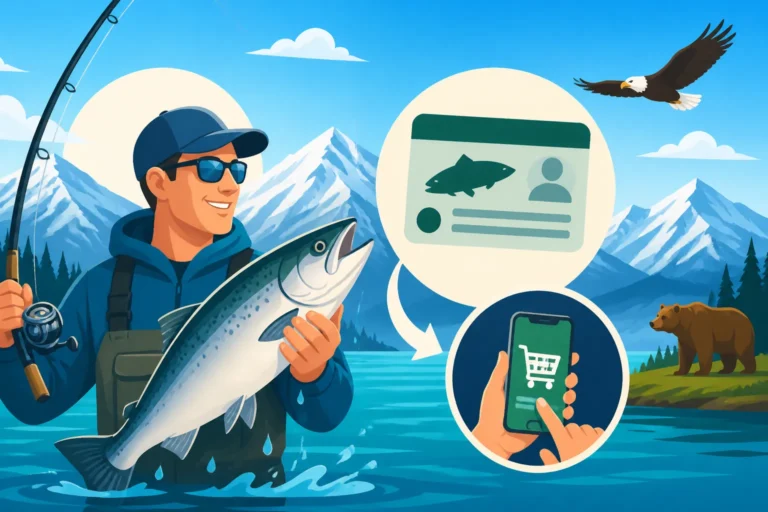
The easiest and most recommended way to get your Alaska 3-day fishing license (and any necessary stamps) is online through the Alaska Department of Fish and Game (ADF&G) website. This method offers unparalleled convenience and peace of mind.
Here’s how it generally works:
- Visit the ADF&G Website: Head to the official Alaska Department of Fish and Game licensing portal.
- Select License Type: Choose "Sport Fishing License" and indicate "Non-Resident." Then select the "3-Day" option.
- Add King Salmon Stamp (if needed): If you plan to fish for King Salmon, make sure to add the "3-Day King Salmon Stamp" to your cart.
- Enter Personal Information: You'll need to provide details like your name, date of birth, address, and a valid ID number (like a driver's license or passport number).
- Payment: Use a credit card to complete your purchase securely.
- Print Your License: Once the transaction is complete, you'll receive a printable PDF of your license and stamp. Print it out and carry it with you while fishing. You can also save a digital copy on your phone, but a physical copy is always a good backup, especially if you're in areas without cell service.
The beauty of online purchasing is that you can do it weeks or months in advance, or even the night before your trip from your hotel room. This flexibility is invaluable, especially when you're busy with travel logistics. For a more detailed walkthrough, check out our guide on How to Get an Alaska Fishing License Online.
In-Person Options
While online is king for convenience, there are plenty of places to purchase your 3-day license in person once you're in Alaska. This can be a good option if you prefer a physical transaction or need to make a last-minute decision on adding a King Salmon Stamp.
Common locations include:
- Sporting Goods Stores: Major retailers like Bass Pro Shops in Anchorage, or local tackle shops in towns like Soldotna, Homer, and Seward, almost always sell licenses. These places are great because you can also pick up any last-minute gear or get local advice.
- Charter Offices: If you've booked a guided trip, many charter operators and fishing lodges are licensed vendors and can sell you a license directly. This can be super convenient as part of your check-in process for the charter. It’s always a good idea to confirm if your specific charter offers this service when you book. While some charters might bundle it, don't assume; often, the cost of the license is separate from your charter fee. Our article Do Charters Include Alaska Fishing Licenses can provide more clarity.
- General Stores: In smaller, remote communities, local general stores or convenience stores often serve as license vendors. Just look for signs indicating "Alaska Fishing Licenses Sold Here."
The main benefit of in-person purchase is the immediate gratification and the chance to ask questions to a local. The downside is that you might spend valuable fishing time searching for a vendor or waiting in line, especially during peak season.
Making the Most of Your 3-Day Alaska Fishing Trip
A 3-day fishing trip in Alaska might sound short, but with proper planning, it can be an incredibly rewarding experience. You'll want to maximize every minute on the water, and that means being prepared for both the fishing and the regulations.
Planning Your Short Adventure
With only three days, focus is key. Trying to fish for every species in every region will likely lead to frustration. Instead, choose a specific area or target species that aligns with the season and your interests.
- Pick a Region: Are you drawn to the salmon-rich rivers of Southcentral Alaska, like the Kenai Peninsula, or the deep-sea halibut grounds of Homer or Seward? Concentrating your efforts will greatly enhance your success rate. For instance, if you're focused on the Kenai, our guide to Kenai River Fishing: Complete Guide can be an invaluable resource.
- Target a Species: If it's early July, you might prioritize sockeye salmon. If it's August, silver salmon (coho) often become the star. Check our detailed guide on Alaska Fishing Seasons: Month-by-Month Guide to see what's biting during your visit. For example, if you want to target the majestic King Salmon, knowing the Best Time to Fish in Alaska for that species is crucial.
- Consider a Guide: For short trips, especially for first-timers, hiring a reputable fishing guide can be a game-changer. They provide all the necessary gear, local expertise, and often handle the logistics, freeing you up to just fish. This is particularly true for saltwater trips where specialized boats and knowledge are essential for finding fish like halibut or lingcod.
Essential Gear and Regulations Check
Even for a brief trip, being mindful of your gear and, critically, the regulations, is paramount.
- Gear Considerations: If you're going with a charter or guide, they typically provide all the rods, reels, and tackle you'll need. However, personal items like rain gear, warm layers (even in summer!), polarized sunglasses, and a good hat are your responsibility. Don't underestimate Alaska's weather; it can change in an instant! Our article on Alaska Fishing Gear and Tackle Guide offers a comprehensive overview.
- Regulations are Dynamic: Alaska's fishing regulations, particularly for salmon, can change frequently, sometimes even daily, through emergency orders. This is usually done to protect fish stocks or respond to strong runs. It is your responsibility to know and adhere to these regulations. Before you head out each day, especially if you're fishing unguided, check the ADF&G website for any new emergency orders in your specific region. You can find detailed information on Alaska Fishing Regulations Explained and practical advice on How to Check Alaska Emergency Orders Before Fishing.
- Harvest Record Card: Don't forget the Alaska Harvest Record Card, which comes with your fishing license. Certain species, like King Salmon and sometimes halibut, must be immediately recorded on this card upon retention. This critical step helps ADF&G monitor harvest levels and ensures sustainable fishing. Failing to record your catch can result in fines and legal trouble. Our guide on Alaska Harvest Record Card Explained walks you through the details of filling it out correctly.
A 3-day fishing license is an excellent option for non-residents looking to experience a taste of Alaska's unparalleled fishing. By understanding the costs, including the often-needed King Salmon Stamp, and planning your trip with a focus on specific species and locations, you're set for an unforgettable adventure.
Disclaimer
The information provided in this guide is for general informational purposes only and is subject to change. While we strive to provide accurate and up-to-date details, fishing regulations, license costs, and emergency orders in Alaska can be modified by the Alaska Department of Fish and Game (ADF&G) at any time. It is the angler's sole responsibility to consult the official ADF&G regulations booklet, website, or local offices for the most current and specific rules pertaining to their chosen fishing area and target species before engaging in any fishing activities. Compliance with all state and federal regulations is mandatory.