How to Flip for Sockeye Salmon
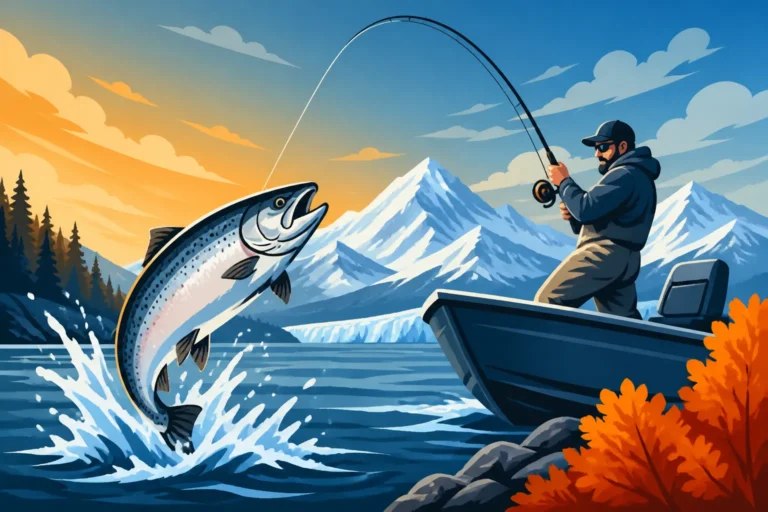
Navigating the intense Sockeye salmon runs in Alaska can be an exhilarating experience, but many anglers arrive feeling a bit lost about how to actually catch these famously finicky fish. Unlike other salmon species that might strike at a lure out of aggression or hunger, Sockeye in freshwater are primarily focused on spawning, making traditional "biting" techniques often ineffective. This guide is here to demystify the art of "flipping" or "flossing" for Sockeye, walking you through the methods, essential gear, and crucial regulations to ensure a successful and legal harvest.
Understanding Sockeye Behavior and the Flossing Technique
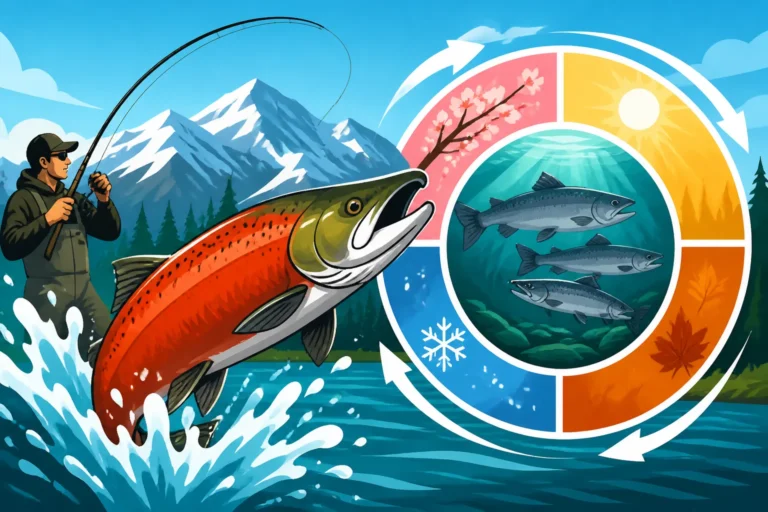
Sockeye salmon, often called "red salmon" due to their brilliant crimson spawning colors, undergo a remarkable transformation once they leave the saltwater and enter freshwater rivers. They stop actively feeding, shifting all their energy to the monumental task of reproduction. This physiological change means that enticing them with traditional lures or bait, as you might for King or Silver salmon, is usually a fool's errand. Instead, anglers developed techniques that capitalize on their upstream migration patterns.
Why Sockeye Don't "Bite" in Rivers
When Sockeye transition from the ocean to their natal rivers, their digestive systems begin to shut down. Their primary instinct becomes to reach the spawning grounds, find a mate, and lay or fertilize eggs. They become incredibly focused on maintaining their position in the current, navigating obstacles, and conserving energy. This means they're not looking for a meal, and presenting a delicious-looking fly or spinner often elicits no response. This is a common frustration for newcomers, who might spend hours casting traditional gear with no luck, wondering what they're doing wrong. It's not you, it's the fish's biology!
The Concept of "Flossing" or "Flipping"
This is where "flossing" or "flipping" comes into play. The goal isn't to trick the fish into eating your offering. Instead, the technique involves drifting a weighted leader and hook through the schools of Sockeye, aiming for the line to pass over their heads. As the Sockeye swim, their mouths are often open, or they might turn their head slightly, allowing the line to "floss" through their mouth. The tiny, unbaited hook is positioned to then catch in their jaw as you gently sweep the rod. This is a highly effective, and legal, method of harvesting Sockeye when done correctly. It requires a keen sense of touch to feel the subtle "tick" of the line against a fish and quick reflexes to set the hook firmly in the mouth. It can feel a bit counter-intuitive at first, but with practice, it becomes second nature.
Essential Gear for Flipping Sockeye Salmon
Having the right equipment is absolutely crucial for successful and legal Sockeye flipping. This isn't a finesse game; you need gear that can handle strong currents, heavy weights, and the powerful fight of a migrating Sockeye. Trying to use inadequate tackle will lead to frustration, lost fish, and potentially broken gear.
Rod and Reel Setup
For flipping Sockeye, you want a long, stout rod, typically between 9 and 10.5 feet in length. A heavy or medium-heavy action rod with a fast tip is ideal. The length helps with line control, casting heavy weights, and keeping the line clear of the water in areas with strong currents or crowded banks. A fast tip allows you to feel those subtle "ticks" of the line. Popular choices often fall into the salmon/steelhead rod categories.
Pair this with a sturdy spinning reel in the 3000 to 5000 size range, capable of holding a good amount of strong braided line. Many anglers will head to retailers like Amazon to find appropriate salmon and steelhead combos that fit these specifications, often looking for brands like Okuma, Daiwa, or Penn. A good drag system is non-negotiable, as Sockeye are powerful fighters, especially in strong river currents. You'll want something durable that can withstand repeated casting and hauling in fish.
Line, Leader, and Weights
Your mainline should be braided, typically 30-50 lb test. Braid has minimal stretch, which is essential for feeling those subtle "ticks" as the line passes a fish. It also provides excellent strength for battling fish and pulling your rig free from snags.
Attached to your braided mainline, you'll use a fluorocarbon or monofilament leader, usually 20-30 lb test, about 2 to 4 feet long. The leader is crucial because it's less visible to the fish and is designed to break before your main braid if you get snagged, saving your expensive mainline. Many anglers choose to buy pre-tied leader material from popular fishing brands that are readily available on Amazon.
For weights, pencil lead or Slinky weights are the standard for Sockeye flipping. These are designed to tumble along the bottom without snagging excessively. The weight you need will vary depending on the current speed and depth of the river, but commonly ranges from 1/2 ounce to 1.5 ounces. It’s always a good idea to bring a variety of sizes, especially if you're fishing a river like the Kenai, where conditions can change.
Hooks and Accessories
You'll need large, single, barbless hooks, typically in sizes #1 to #2/0. Many regulations in Alaska, particularly for certain salmon fisheries, require barbless hooks. Always check the specific regulations for the river you're fishing, as rules like those in "Alaska Fishing Regulations Explained" can vary significantly. The hook should be tied directly to the end of your leader. A small, unbaited fly, often called a "Sockeye fly," or a bead can be added to the leader a few inches above the hook. These aren't meant to entice a bite, but rather act as an indicator or a slight attractor, sometimes provoking a reaction from the fish. Some popular Sockeye flies are incredibly simple, often just a sparse bit of brightly colored yarn or material on a hook, designed to present a subtle flash in the water.
Other essential accessories include:
- Pliers/Forceps: For de-hooking fish quickly and safely, especially with barbless hooks.
- Line Clippers: For quick leader adjustments.
- Waders and Boots: You'll likely be wading in the river. Check out guides on "Do You Need Waders for Alaska Fishing" and "How to Dress for Alaska Fishing" for detailed advice.
- Fishing Vest or Pack: To keep all your small tackle organized and accessible.
- Harvest Record Card: Don't forget your "Alaska Harvest Record Card Explained" – it's mandatory to record your catch.
Here's a quick reference table for your Sockeye flipping gear:
| Item | Recommended Specifications | Purpose |
|---|---|---|
| Rod | 9-10.5 ft, Heavy/Medium-Heavy action, Fast tip | Casting heavy weights, line control, feeling subtle bites |
| Reel | Spinning, 3000-5000 size, strong drag | Handling powerful Sockeye, holding sufficient line |
| Mainline | 30-50 lb Braided | No stretch for sensitivity, high strength |
| Leader | 20-30 lb Fluorocarbon/Monofilament, 2-4 ft length | Less visible, acts as a shock absorber, breakaway point |
| Weights | 1/2 oz – 1.5 oz Pencil lead or Slinky weights | Keeping rig on bottom, minimizing snags |
| Hook | #1 to #2/0 Single, Barbless | Legal requirement, effective for mouth-hooking |
| Sockeye Fly | Small, unbaited, brightly colored (optional) | Indicator, slight attractor, helps position the hook |
Step-by-Step Guide to Flipping for Sockeye
Now that you have your gear ready, let's dive into the actual technique. Flipping for Sockeye is a nuanced process that takes practice, but following these steps will put you on the right path to success.
Rigging Your Setup Correctly
Proper rigging is paramount. First, tie your braided mainline directly to your spinning reel. Next, attach your 2-4 foot fluorocarbon or monofilament leader to your mainline using a strong knot like an Albright or blood knot. Some anglers prefer to use a small barrel swivel between the mainline and leader to help prevent line twist, though it's not strictly necessary.
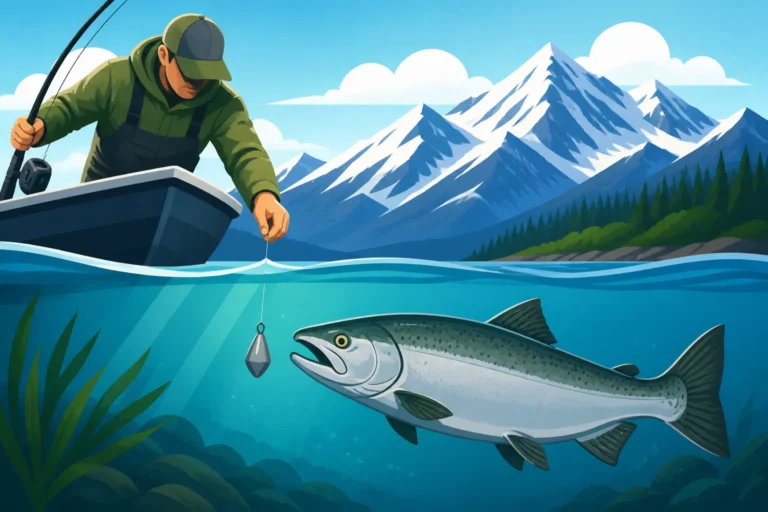
Approximately 12-24 inches above the end of your leader (where the hook will go), you'll attach your weight. This positioning is critical. It allows the weight to drag along the bottom, while the leader and hook float freely downstream, at fish-mouth height. For attaching pencil lead, you can use a small section of surgical tubing crimped onto the lead, which then slips onto your main leader. Or, you can use a three-way swivel, tying your mainline to one eye, a short dropper line (4-6 inches) to the weight on another, and your leader to the third. This helps prevent the weight from sliding down your leader. Finally, tie your single, barbless hook to the very end of your leader. If using a Sockeye fly or bead, slide it onto the leader about 2-4 inches above the hook before tying the hook on.
The Casting and Drifting Technique
The core of flipping is a controlled drift. Once rigged, find a spot with actively migrating Sockeye – often visible as dark shapes holding in the current, or by watching other anglers. Cast your rig across the current, or slightly upstream, aiming to land it just beyond where you believe the Sockeye are holding.
Allow the weight to sink quickly to the bottom. As it drifts downstream, keep your rod tip high (around 10 o'clock position) and maintain just enough tension on the line to feel the weight tumbling along the bottom. You want a controlled drift, not a tight-line drag that might snag. The goal is for your weight to be touching the bottom occasionally, while the leader and hook are swept along by the current, passing right through the fish's migration path. If you’re fishing the famous Russian River, the technique can be a bit different due to the crowds, but the principle of drifting the bottom remains. For specific timing and locations, guides like "How to Time the Kenai Sockeye Run" or "Best Time to Catch Sockeye Salmon in Alaska" can be invaluable.
Feeling the "Tick" and Setting the Hook
This is arguably the most challenging and rewarding part. As your rig drifts through a school of Sockeye, you'll feel subtle sensations through your rod. Sometimes it's the weight bumping off rocks, but other times you'll feel a distinct, almost electric "tick" or "thump." This is often your line brushing against a Sockeye. It's not a bite, but an indication that a fish is nearby.
The moment you feel that "tick," make a swift, upward sweep of your rod tip. It's not a violent jerk, but a firm, decisive motion to sweep the hook into the fish's mouth. If successful, you'll feel the solid weight and powerful head shakes of a hooked Sockeye. If you miss, simply continue your drift and try again. Practice makes perfect here. Many anglers practice this motion at home, mimicking the sweep to build muscle memory. Remember, the rule is to hook the fish in the mouth. Anything outside the mouth is considered unlawful snagging in most areas, so this quick reaction is vital.
Tips for Success and Common Pitfalls
Flipping for Sockeye is highly effective, but it has its nuances. Avoiding common mistakes and incorporating seasoned tips can drastically improve your catch rate.
Reading the Water and Fish Behavior
Sockeye salmon often congregate in specific areas as they migrate upstream. Look for seams where faster current meets slower water, or deeper pools behind obstacles. They tend to stick to clear travel lanes. Observing other successful anglers can give you clues about where the fish are holding. Also, pay attention to the water clarity and height. High, murky water can make Sockeye fishing more challenging as they become less visible and harder to detect. Conversely, lower, clearer water can be excellent, but also makes the fish warier.
Understanding the "Alaska Sockeye Salmon: Facts and Fishing Tips" can also help you predict their behavior based on river conditions and run timing. For instance, in rivers with high fishing pressure, Sockeye might move more cautiously during daylight hours. Always be aware of your surroundings, especially if you're fishing in high-traffic areas like the Kenai or Kasilof Rivers.
Mastering the Drift and Weight Adjustment
The single most important aspect of successful Sockeye flipping is maintaining a proper drift. Your weight needs to be just heavy enough to tick the bottom without constantly snagging. If you're not feeling the bottom, you're likely drifting too high, and your hook isn't in the strike zone. If you're constantly snagging, your weight might be too heavy, or you're dragging too much, not letting the weight tumble naturally. Adjust your weight as needed for different sections of the river.
Factors like current speed and depth will dictate the optimal weight. On the Russian River, for example, the current can be quite strong, requiring heavier weights, while slower sections of the Kenai might need less. It's an ongoing adjustment throughout your fishing session.
Adhering to Regulations and Ethical Practices
This cannot be stressed enough: know and follow the regulations. "Alaska Fishing Regulations Explained" are complex and change frequently, especially with emergency orders. You must be familiar with Alaska Sockeye Salmon Limits by River and specific rules regarding gear, hook types (barbless single hooks are common), and recording your catch on your Alaska Harvest Record Card Explained. Snagging a fish, which is hooking a fish in any part of its body other than its mouth, is illegal in most Alaska sport fisheries, and enforcement is strict. The "flipping" technique aims to legally hook the fish in the mouth. If you accidentally snag a fish, you are required to release it immediately.
Always fish ethically. Give other anglers space, especially in crowded spots. Handle fish gently if you're releasing them, and dispatch kept fish quickly and humanely. Proper fish handling ensures the sustainability of these incredible runs. Being a good steward of the resource is part of the Alaskan fishing experience.
Common Mistakes to Avoid
- Too Much Weight or Not Enough: As discussed, this impacts your drift control and ability to feel fish.
- Dragging vs. Drifting: Don't just cast out and reel in slowly. Let the current do the work, guiding your rig naturally.
- Lack of Sensitivity: Not paying attention to the line, or using stretchy mono as a mainline, will lead to missed fish. Braid is key here.
- Poor Hook Set: A weak or delayed hook set often results in missed fish or foul-hooked fish. Be decisive.
- Ignoring Regulations: This is a big one. Fishing without the right license or stamp (e.g., "Do You Need a King Salmon Stamp in Alaska" if targeting Kings) or violating bag limits can lead to hefty fines and loss of privileges. Always consult the official ADF&G regulations booklet, or use resources like "How to Read the Alaska Sport Fishing Regulations Booklet" before you hit the water.
- Not Changing Locations: If a spot isn't producing, don't be afraid to move. Sockeye move in waves, and finding an active channel is crucial.
Flipping for Sockeye is a unique challenge, but with the right gear, understanding of the technique, and respect for the regulations, you'll be well on your way to enjoying the incredible bounty of Alaska's salmon runs. Get out there, be patient, and enjoy the fight!
Disclaimer
The information provided in this guide is for general informational purposes only and does not constitute legal advice. Fishing regulations in Alaska are complex and subject to change without notice. Always consult the most current Alaska Department of Fish and Game (ADF&G) regulations for the specific area and species you intend to fish before heading out. Failure to comply with regulations can result in significant penalties.