How to Catch Kenai River Sockeye
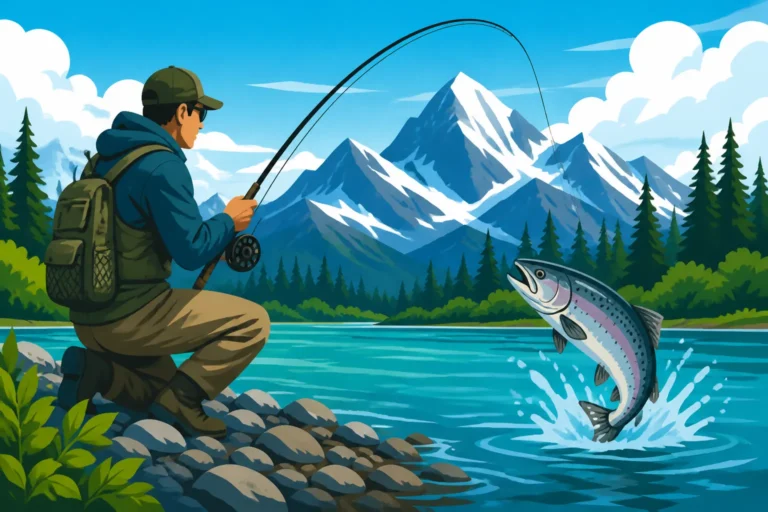
The Kenai River sockeye run is an iconic event that draws anglers from all over the world, but successfully catching these notoriously selective fish can feel like a daunting challenge. Their unique feeding habits and the river's strong currents often leave newcomers scratching their heads. This comprehensive guide will demystify Kenai River sockeye fishing, providing you with the knowledge and tactics needed to confidently target and land these prized Alaskan reds.
Understanding Kenai River Sockeye Behavior and Runs
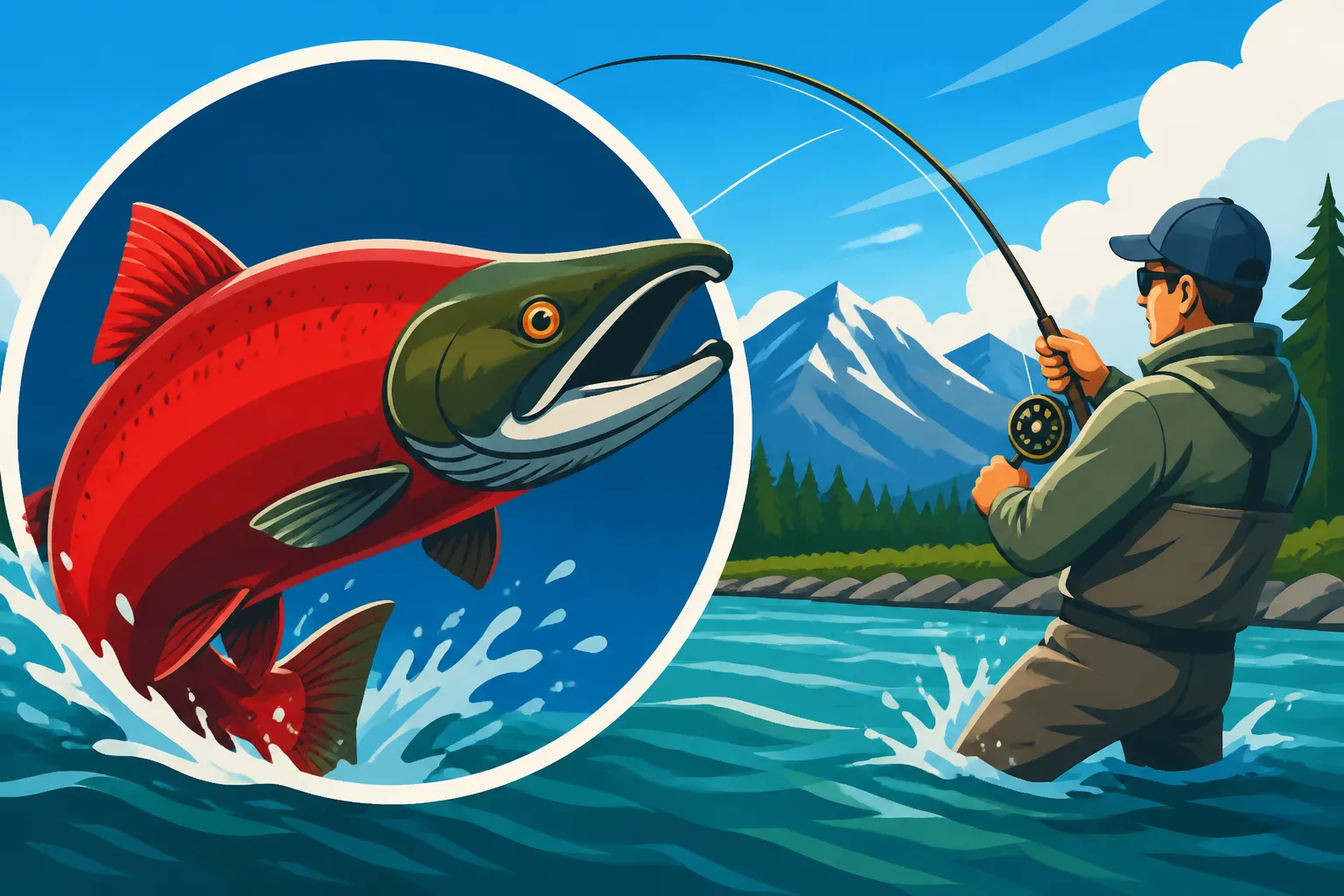
Before you even think about casting a line, it's crucial to understand the fish you're pursuing. Sockeye salmon, often called "reds" for their vibrant spawning colors, are unlike any other salmon species you might encounter in terms of their feeding habits and migratory patterns once they enter freshwater.
The Annual Sockeye Migration and Peak Timing
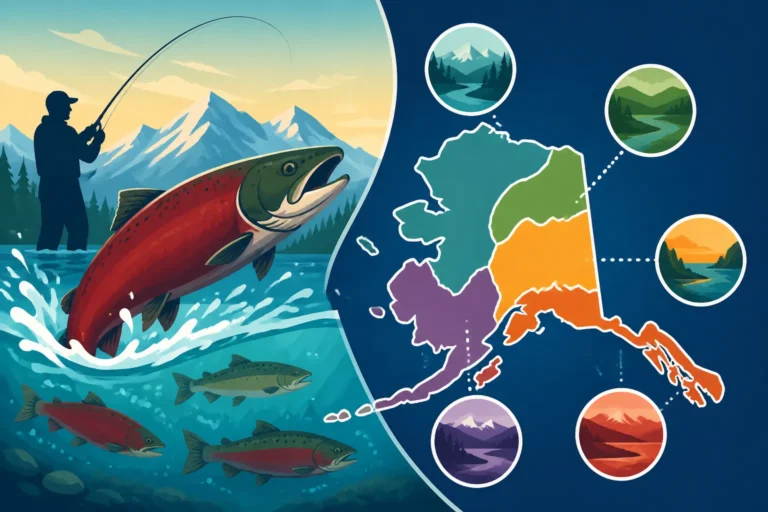
The Kenai River experiences two distinct sockeye salmon runs each summer, making it a hotspot for anglers. The first, smaller run typically occurs from late May through late June, primarily involving sockeye heading to upstream tributaries like the Russian River. While these early fish can offer good fishing, the real spectacle often begins with the larger, second run. This main event kicks off in late June and usually peaks throughout July, sometimes even extending into early August. During this period, millions of sockeye salmon surge into the Kenai, creating incredible fishing opportunities.
When the run is strong, the river can literally be teeming with fish. Knowing the general timing of these runs is vital for planning your trip, but remember that specific dates can shift slightly year to year based on water levels, temperatures, and ocean conditions. You'll want to keep a close eye on forecasts and reports from the Alaska Department of Fish and Game (ADF&G) to catch the peak. Understanding the broader Alaska Salmon Run Timing Explained can also help you predict when different species will arrive.
Why Sockeye Are Unique Angling Challenges
Sockeye salmon present a unique challenge to anglers because, once they enter freshwater to spawn, they largely stop feeding on traditional baits and lures. Unlike king salmon that will readily strike a herring or a Kwikfish, sockeye transition to a diet of mostly plankton and small crustaceans in the ocean. When they hit the river, their digestive systems begin to shut down, and their focus shifts entirely to reproduction. This means you can't simply throw out a spinner or a chunk of bait and expect a bite in the conventional sense.
Their mouths are also relatively small and soft compared to other salmon species, designed for filtering tiny organisms rather than engulfing large prey. This combination of non-feeding behavior and delicate mouths requires a specialized approach. The key to catching sockeye in the Kenai is to present your fly or bead in such a way that it intercepts the fish's migration path, causing the hook to gently "floss" into its mouth. It's a precise technique that requires practice and patience, but the rewards are well worth the effort.
Essential Gear and Tackle for Kenai Sockeye Fishing
Having the right equipment is non-negotiable for Kenai River sockeye. The strong currents, the sheer number of fish, and the specific techniques required demand tackle that is both durable and sensitive. Skimping on gear will likely lead to frustration and lost fish.
Rods, Reels, and Line Choices
For Kenai River sockeye, you'll need a setup that can handle powerful fish in swift water. A medium-heavy to heavy-action spinning or casting rod, typically 8 to 10.5 feet long, is ideal. The longer rod provides better line control for "flossing" and helps absorb the shocks of a fighting sockeye. A rod with a sensitive tip will allow you to feel the subtle bumps and nudges of fish as your line drifts, while a strong backbone is crucial for setting the hook and muscling fish through the current. Brands like Lamiglas, G. Loomis, and Fenwick offer excellent options that serious anglers often rely on, though more budget-friendly rods from Daiwa or Shimano found on platforms like Amazon can also get the job done.
Pair your rod with a reliable spinning reel in the 3000-5000 size range or a sturdy baitcasting reel. Your reel should have a smooth drag system, as sockeye are surprisingly strong and will make powerful runs. Spool your reel with 30-50 pound braided line. Braided line is preferred for its zero-stretch properties, which enhances sensitivity and provides a solid hookset, especially crucial for detecting those light sockeye takes. Attach a 20-30 pound fluorocarbon or monofilament leader of about 3-5 feet to your braid using a strong knot like a double uni or a FG knot. This leader provides a bit of stretch and is less visible in the water. For a general overview, check out our Alaska Fishing Gear and Tackle Guide.
Terminal Tackle: The Specifics
This is where Kenai sockeye fishing gets particular. Your terminal tackle must be perfectly rigged to be effective and legal.
- Hooks: The most important rule for Kenai sockeye is to use single, barbless hooks. This is a strict regulation to minimize harm to fish, particularly those not hooked in the mouth, and to facilitate quick releases. Sizes typically range from 1/0 to 3/0. Gamakatsu and Owner make excellent, sharp barbless hooks suitable for sockeye. You can also buy barbed hooks and pinch down the barb with pliers. Make sure you understand Alaska Barbless Hook Requirements before you head out.
- Weights: You'll primarily use pencil lead or slinky weights. These sinkers are designed to drift along the bottom without getting snagged too easily. The amount of weight you need will vary depending on the current speed and water depth, but commonly ranges from 1/2 ounce to 1.5 ounces. Having an assortment on hand is always a good idea.
- Beads/Yarn: Sockeye are attracted to small, brightly colored objects, which mimic the salmon eggs or small plankton they might encounter. A small bead (often 8-12mm) in colors like hot pink, red, orange, or chartreuse, pegged about 1.5 to 2 inches above your hook, is the standard. Sometimes, a small piece of brightly colored yarn or an artificial fly tied to resemble a salmon egg is used instead of a bead. The goal is to make a small, enticing target that drifts naturally into the sockeye's path.
- Swivels: Barrel swivels or three-way swivels are essential for connecting your main line to your leader and for attaching your weight, helping to prevent line twist.
Here’s a quick overview of essential terminal tackle:
| Item | Description | Common Sizes/Colors |
|---|---|---|
| Hooks | Single, barbless, extremely sharp | 1/0 to 3/0 |
| Beads/Flies | Small, colorful attractor, pegged above hook | 8-12mm, Hot Pink, Red, Orange, Chartreuse |
| Weights | Pencil lead or slinky weights for bottom drifting | 1/2 oz to 1.5 oz (assorted) |
| Leader Line | Fluorocarbon or monofilament for knot strength and invisibility | 20-30 lb test |
| Swivels | Barrel or three-way to prevent line twist and rig weights | Size 7-10 Barrel Swivels, Small Three-Way Swivels |
Always double-check the current Alaska Sockeye Salmon Regulations and Limits as tackle requirements can change, especially with emergency orders.
Mastering Kenai River Sockeye Fishing Techniques
The technique for catching Kenai River sockeye is unique and often misunderstood. It’s not about getting a "bite" in the traditional sense, but rather about presenting your gear in a way that allows the hook to gently sweep into the sockeye's mouth as it migrates upstream.
The Art of "Flossing" or "Sockeye Flipping"
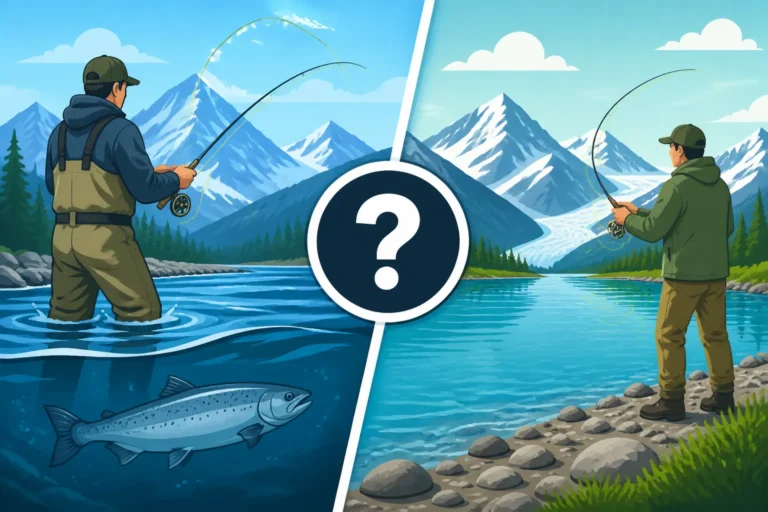
"Flossing," or "sockeye flipping" as it's often called on the Kenai, is the predominant and most effective method. It involves drifting your weighted leader and bead/fly through a school of migrating sockeye, hoping the line passes through the fish's mouth, and the hook catches in the corner. This is not snagging, which is illegal and unethical. The distinction lies in the deliberate attempt to hook the fish inside the mouth.
Here’s a step-by-step breakdown:
- Casting Upstream: Cast your weighted rig directly upstream or slightly up and across the current, aiming to land your weight slightly beyond where you expect the sockeye to be holding or passing. The goal is a clean, untangled presentation.
- Mending Your Line: As your rig drifts downstream, immediately "mend" your line by lifting your rod tip and throwing a loop of line upstream. This reduces drag on your main line, allowing your weight and leader to drift naturally at the same speed as the current, directly along the river bottom where sockeye often travel. This is crucial for a natural presentation and to prevent your weight from dragging too fast.
- Feeling the Drift: Keep your rod tip up, pointed towards your line, and maintain a slight arc in the line to detect strikes. You're not waiting for a violent strike; instead, you're feeling for subtle pauses, bumps, or an unnatural weight on your line as it drifts. This is a fish nudging your line or the line passing through its mouth.
- The Hookset: The moment you feel anything out of the ordinary—a sudden stop, a light bump, or increased pressure—sweep your rod firmly and decisively upstream or to the side. This isn't a massive, overhead swing, but a firm, controlled sweep to set the barbless hook. Many anglers miss fish by not setting the hook quickly enough or by mistaking a snag for a fish. Learning How to Set the Hook on Alaska Sockeye is a skill that comes with practice.
Practice is key to mastering this technique. It takes time to distinguish between a rock, a weed, and a fish, especially in a crowded fishery.
Reading the River: Current, Seams, and Holding Water
Successful sockeye fishing isn't just about the technique; it's about knowing where to apply it. The Kenai River is powerful, and sockeye will use the currents to their advantage during their migration.
- Current Seams: Look for areas where fast water meets slower water. These "seams" often provide sockeye with a slightly less strenuous travel lane and a place to rest. They're often found along the edges of the main current, behind large rocks, or where the river depth changes.
- Depth: Sockeye often travel close to the river bottom, especially in deeper channels. Your weight selection needs to match the depth and current to ensure your gear is constantly in the "strike zone."
- Eddies and Riffles: While sockeye primarily migrate in the main current, they might briefly hold in the calmer waters of an eddy before continuing upstream. Riffles (shallow, fast-moving sections) can also be productive, as fish often push through them quickly.
- Visually Spotting Fish: In clearer sections of the Kenai, you might actually be able to spot schools of sockeye moving upstream. This is a huge advantage, as it allows you to cast directly to where the fish are concentrated. Look for flashes of red or dark shapes moving against the current.
On popular stretches like those near Cooper Landing, especially around the Russian River confluence, these spots can get crowded. Patience and respect for other anglers are paramount.
Fighting and Landing Kenai Reds
Once you've hooked a Kenai sockeye, the fight is on! These fish are powerful and incredibly acrobatic, often making blistering runs and spectacular jumps.
- Keep Tension: The most critical rule is to always maintain tension on the line. With barbless hooks, any slack can mean a lost fish. Keep your rod tip high, pointed towards the fish, and use the flex of the rod to absorb head shakes and runs.
- Let the Drag Work: Don't try to muscle a powerful sockeye against its will, especially in strong current. Let your reel's drag do its job. Apply steady, consistent pressure, but allow the fish to run when it needs to, only gaining line when it pauses.
- Use the Current: When a sockeye heads downstream, try to move with it or apply side pressure to guide it towards slower water or an eddy. Bringing a fish against the strong current is an uphill battle you're likely to lose.
- Landing the Fish: Once the fish is tired and close, use a sturdy landing net with a deep, rubberized mesh to minimize harm to the fish. A long-handled net is invaluable from the bank. If you're planning to keep the fish (within legal limits), dispatch it quickly and humanely. If it’s a non-target species or you’re practicing Alaska Catch-and-Release Best Practices, handle it gently and release it swiftly.
It’s an adrenaline rush when you finally get that Kenai red to the bank, so be prepared for a spirited fight!
Navigating Regulations and Best Practices
Fishing in Alaska, especially on a heavily managed river like the Kenai, comes with specific rules designed to protect the resource. Understanding and adhering to these regulations is not just about avoiding fines; it's about preserving the incredible fishing experience for everyone.
Understanding Kenai River Specific Regulations
The Kenai River is subject to some of the most detailed and frequently updated regulations in Alaska. Before every trip, and even during your trip, you must check the current regulations issued by the Alaska Department of Fish and Game (ADF&G).
- Emergency Orders: The Kenai is famous, or infamous, for its emergency orders (EOs). These are real-time changes to regulations that can occur at any moment based on fish escapement numbers. An EO can change bag limits, open or close fisheries entirely, alter legal gear, or restrict fishing times. What was legal yesterday might not be today. Always consult the ADF&G website or call their local offices. Our guide on Alaska Fishing Emergency Orders Explained offers more detail on how to stay informed.
- Bag and Possession Limits: These dictate how many fish you can keep per day and how many you can have in your possession. For sockeye, limits can vary from three to six fish per day, but these are highly susceptible to EOs. Pay close attention to the Alaska Fishing Limits and Bag Limits Explained. Non-resident anglers also have annual limits for certain species like King Salmon, though sockeye regulations are generally more uniform.
- Gear Restrictions: As mentioned, barbless hooks are mandatory. There might also be restrictions on the number of hooks allowed or the use of scent/bait, particularly in certain areas or during specific times.
- Harvest Record Card: If you are fishing for king salmon, you'll need to record your catch on your Alaska Harvest Record Card Explained. While sockeye don't always require this, it's good practice to understand its purpose.
Ignoring regulations can result in hefty fines, loss of fishing privileges, and confiscation of gear and fish. Be informed, be legal. A great starting point for understanding how to decipher the rules is our article on How to Read Alaska Fishing Regulations.
Ethical Angling and Conservation
Beyond the legal requirements, ethical angling is a cornerstone of responsible fishing in Alaska. The Kenai River is a shared resource, and respecting it ensures its health for future generations.
- Respect Fellow Anglers: The Kenai can get crowded, especially during peak sockeye runs. This phenomenon is sometimes referred to as "combat fishing," particularly on popular stretches like the Russian River confluence. Be courteous, maintain reasonable distance when possible, and avoid casting over other people's lines. A simple "excuse me" and awareness of your surroundings go a long way.
- Clean Up Your Act: Pack out everything you pack in. This includes fishing line, food wrappers, and any other trash. Leaving garbage behind spoils the natural beauty of the Kenai and harms wildlife.
- Responsible Fish Handling: If you're keeping your legal limit, dispatch the fish quickly and efficiently. If you're releasing a fish (either because it's not a sockeye, or you've reached your limit), handle it minimally and release it gently back into the water. Avoid dragging fish onto dry ground or holding them by their gills.
- Bear Awareness: You are in bear country. Keep your catch secured and cleaned away from your fishing spot. Carry bear spray and know how to use it. Make noise as you walk, especially in brushy areas.
The Kenai River offers some of the Best Rivers for Sockeye Salmon in Alaska, and by following these guidelines, you're contributing to its continued vitality and ensuring everyone can enjoy its bounty. Remember, whether you're stocking up on gear from Amazon or heading out to the river, preparation and respect are your best tools.
Disclaimer
Fishing in Alaska involves inherent risks, including but not limited to changing weather conditions, wildlife encounters, and variable river conditions. Always prioritize safety, inform yourself of current regulations, and fish responsibly. The information provided in this guide is for informational purposes only and should not be considered legal advice. Consult official Alaska Department of Fish and Game resources for the most up-to-date regulations.