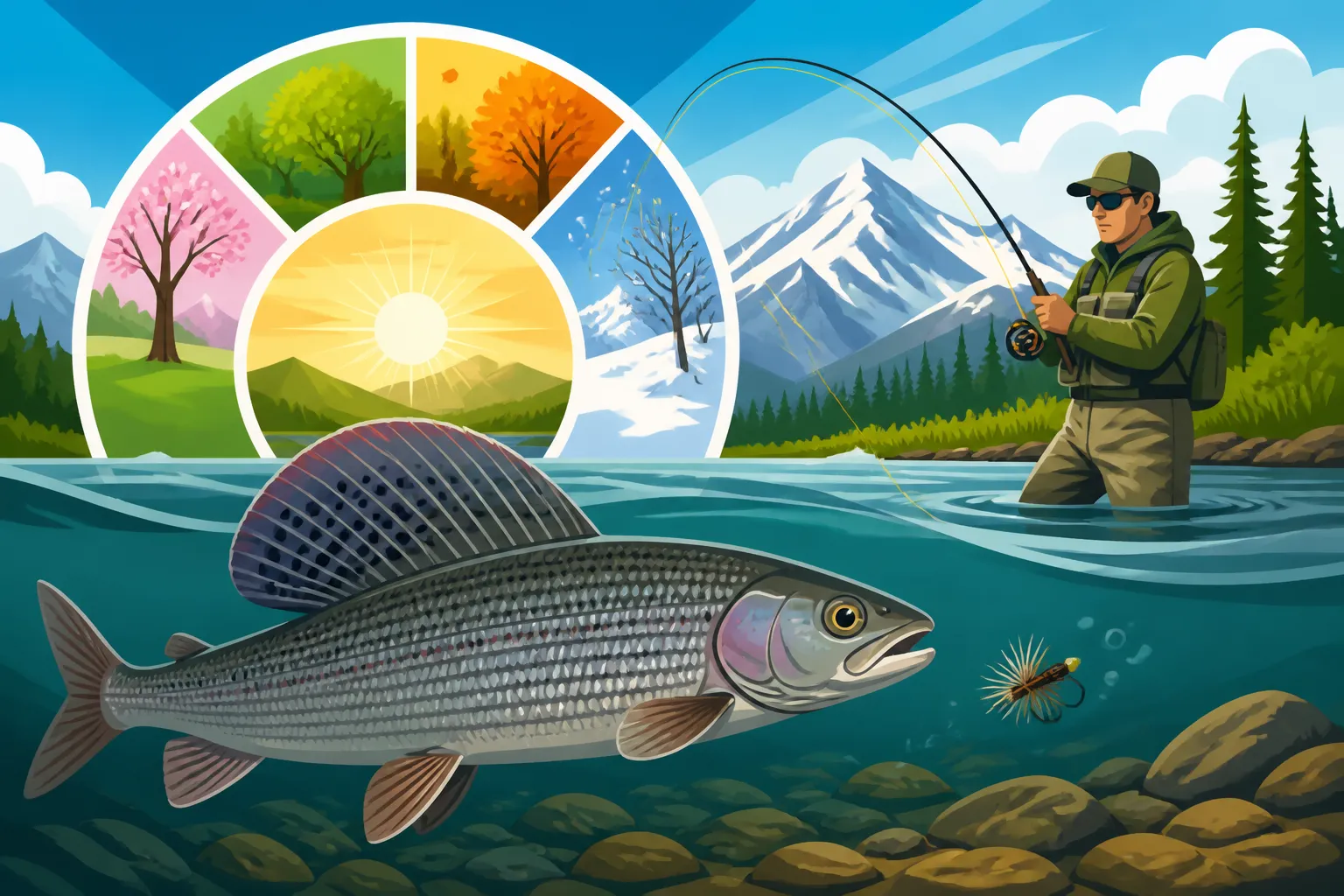
Best Time to Catch Arctic Grayling in Alaska
When you're dreaming of casting a line in Alaska, often the big, powerful salmon or the immense halibut steal the spotlight. But for those in the know, the delicate, sail-finned Arctic Grayling offers an equally captivating, uniquely Alaskan fishing experience. The frustration, however, often lies in figuring out when these elusive beauties are most active and willing to bite, especially in such a vast and wild state. This guide will meticulously break down the best times to target Arctic Grayling, ensuring your pursuit of these iconic freshwater fish is as rewarding as possible.
Understanding the Arctic Grayling's Seasonal Habits
Arctic Grayling, with their striking dorsal fins and iridescent scales, are truly a marvel of Alaska's freshwater systems. Unlike their anadromous salmon cousins that spend time in the ocean, grayling live their entire lives in freshwater, navigating cold, clear rivers, streams, and lakes. This makes understanding their seasonal movements and feeding patterns crucial for success, as their behavior is entirely dictated by water temperature, food availability, and spawning cycles.
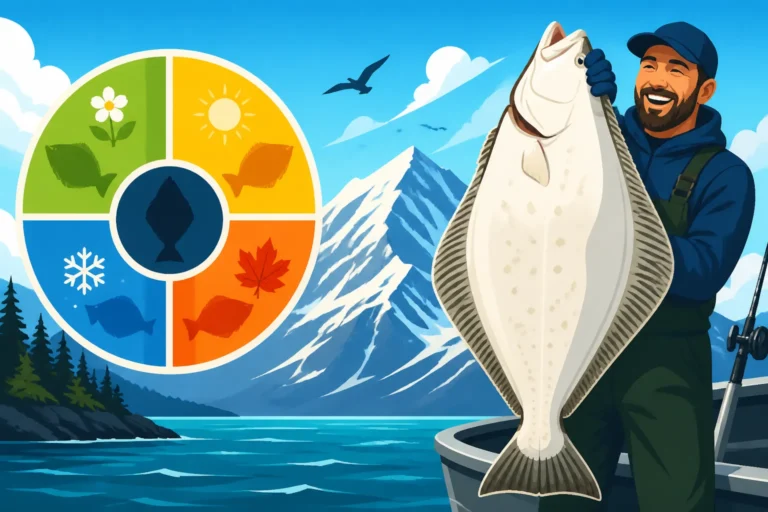
The Spring Thaw and Early Summer Boom (May-July)
As Alaska shakes off its long winter, usually in late May or early June, the ice begins to rec recede and rivers swell with snowmelt. This period marks the awakening of the grayling, and it can be one of the most exciting times to target them.
During late spring and early summer, typically from late May through July, grayling are actively engaged in spawning. Once the spawning ritual concludes, usually by mid-June, they transition into an intense post-spawn feeding frenzy. Their primary goal is to replenish lost energy and bulk up. The water temperatures are still quite cold, but the increasing daylight hours and burgeoning insect hatches signal a smorgasbord for these fish. You'll find them moving into shallower riffles and feeding lanes, eager to intercept any drifting nymphs or emerging insects. This is a fantastic time for sight fishing with dry flies, especially on clear, sunny days. Rivers like the Chena River or the Chatanika River near Fairbanks, or many of the smaller streams along the Denali Highway, become prime locations. Anglers often find consistent action, sometimes catching dozens of fish in a single outing. It's a truly magical time to experience the Alaskan wilderness coming alive. For a broader view of what's biting across the state, check out our Alaska Fishing Seasons: Month-by-Month Guide.
The Heart of Summer and Early Fall Feast (August-September)
While early summer is fantastic, the peak of the season, extending into early fall, also offers some exceptional grayling fishing, often with the added bonus of cooler temperatures and fewer mosquitoes.
From early August through September, grayling fishing can be incredibly productive, and many anglers would argue this is the absolute sweet spot, especially for larger fish. As summer progresses, the water levels typically stabilize, and temperatures warm to their seasonal highs, often increasing insect activity dramatically. Grayling are actively feeding on a variety of insects, both on the surface and subsurface, as they prepare for the long winter ahead. You'll find them scattered throughout river systems, often in deeper pools adjacent to riffles, or in the slicks behind larger rocks where food congregates. This is when you can encounter some truly memorable fish, often willing to rise enthusiastically to a well-presented dry fly. If you're planning a trip, be sure to consult our guide on How to Catch Arctic Grayling for specific techniques. Furthermore, the Alaskan landscape transforms into a breathtaking tapestry of gold, orange, and red as the tundra and deciduous trees begin their fall display, making for an unforgettable backdrop to your angling adventures.
The table below summarizes the prime fishing periods for Arctic Grayling in Alaska:
| Season | Months | Grayling Behavior | Water Conditions | Typical Size | Best Techniques | Key Advantages |
|---|---|---|---|---|---|---|
| Spring Thaw | Late May – Mid June | Post-spawn, aggressive feeding | Rising, clear to stained | Smaller | Nymphs, small streamers | First opportunity after winter, eager biters |
| Early Summer | Mid June – July | Active feeding, insect hatches abundant | Clear, moderate flows | Medium | Dry flies, nymphs | Consistent action, good dry fly fishing |
| Late Summer | August | Peak feeding, bulking up for winter | Stable, clear | Medium-Large | Dry flies, nymphs, streamers | Larger fish, reliable hatches, comfortable weather |
| Early Fall | September | Aggressive pre-winter feeding, less pressure | Cooling, clear | Large | Streamers, nymphs | Chance at trophy fish, stunning scenery, fewer bugs |
Optimal Times of Day and Weather Considerations
Just knowing the month isn't enough; the time of day and prevailing weather conditions can significantly influence your success when chasing Arctic Grayling. These fish are opportunists, and their activity often mirrors the availability of their food sources.
Mid-Day Warmth and Insect Hatches
Unlike some species that prefer dawn or dusk, Arctic Grayling often become most active during the warmest parts of the day, particularly mid-morning through late afternoon. This is especially true in the colder stretches of early summer or late fall. The sun's warmth on the water column can trigger insect hatches, bringing bugs to the surface and creating a feeding frenzy for grayling.
Think about it: those longer, brighter Alaskan summer days are like an all-you-can-eat buffet for the grayling. When the sun is high and bright, it warms the shallow riffles and edges where insects are likely to emerge. You'll often see the tell-tale dimples and rises of grayling sipping bugs off the surface during these prime hours. Even on cooler days, that mid-day warmth can be the trigger. If you're on a multi-day trip, planning your fishing around these periods can maximize your chances. Patience can pay off, as sometimes it takes a bit for the water to warm and the insects to start moving. Don't be afraid to take a mid-morning break and then hit the water hard when the sun is at its zenith.
Post-Rain Clarity and Stable Skies
Weather plays a huge role in Alaska, and grayling fishing is no exception. While a little rain can sometimes be good, consistent clear skies and stable weather patterns generally lead to the best grayling action.
After a significant rain, rivers might rise and become slightly off-color, which can actually stir up insects and improve fishing as the water begins to clear. However, prolonged heavy rains can blow out rivers, making them high and murky, which generally shuts down grayling fishing. Ideal conditions usually involve a few days of stable, clear weather following any precipitation. This allows the rivers to settle, and the grayling to get back into their feeding rhythms. Overcast days with stable barometric pressure can also be excellent, as the subdued light can make fish less wary and extend dry fly opportunities throughout the day. When you're packing for your trip, always prepare for changing conditions; even in summer, good rain gear is essential. A quick glance at the forecast before heading out will give you an edge, but don't let a little drizzle deter you – some of my most memorable grayling days have come during light, intermittent rain.
Prime Locations and Preferred Habitats
Knowing when to fish is only half the battle; knowing where to find these gorgeous fish is equally critical. Arctic Grayling are particular about their environment, preferring specific types of water.
Interior Alaska's Pristine Rivers and Creeks
When it comes to Arctic Grayling, Interior Alaska is truly their stronghold. This region, encompassing areas around Fairbanks, Delta Junction, and the vast wilderness beyond the road system, is crisscrossed with countless rivers and creeks that host thriving populations of grayling.
Rivers like the Chena, Chatanika, Salcha, and Goodpaster are famous for their accessible grayling fishing, especially for those venturing out from Fairbanks. These rivers offer a mix of riffles, runs, and deeper pools—all preferred grayling habitats. They love clear, cold, well-oxygenated water with gravelly bottoms where they can easily spot insects. During the summer, you'll often find them congregating in the faster-moving sections, at the heads of pools, or along current seams where food is funneled to them. Exploring the smaller tributaries off these main rivers can also yield excellent results, often providing more solitude and less pressured fish. For those seeking true solitude and a deeper dive into the region's offerings, our guide to Best Fishing in Interior Alaska can provide invaluable insights. Many of these spots are easily accessible by road, making them perfect for day trips or longer camping excursions.
Remote Lakes and Headwater Streams
For the adventurous angler seeking larger, less pressured Arctic Grayling, exploring Alaska's remote lakes and headwater streams, often requiring a bush plane or extensive hiking, is an unparalleled experience.
These pristine, often glacial-fed lakes and their feeder streams offer a sanctuary for grayling that rarely see a hook. Fly-in fishing is a popular way to access these untouched waters, particularly in the vast expanses of the Alaska Range or the Brooks Range. In these remote settings, grayling can grow larger and are often less wary, providing incredible dry fly action. They thrive in these alpine environments where water remains cold and pure year-round. While access is more challenging and costly, the rewards—untouched wilderness, abundant wildlife, and truly trophy-sized grayling—are immeasurable. If you're considering such an adventure, consulting our guide on Best Fly-In Fishing in Alaska will be incredibly helpful in planning your unforgettable journey. Additionally, many of these remote lakes also hold healthy populations of Dolly Varden and sometimes even Arctic Char, offering a diverse fishing experience.
Essential Gear and Effective Techniques
Having the right equipment and knowing how to use it are crucial for consistently catching Arctic Grayling. These fish, while often eager, respond best to specific presentations.
Lightweight Fly Fishing Setup
For many, fly fishing is the quintessential method for targeting Arctic Grayling, offering a delicate presentation that perfectly mimics their natural food sources.
A lightweight fly rod, typically a 2-weight to 4-weight, is ideal for grayling. These rods offer the sensitivity needed to cast small dry flies and nymphs accurately, and they make even a modest-sized grayling feel like a formidable opponent. Pair your rod with a matching reel, spooled with a floating fly line and a tapered leader ending in a fine tippet (4x to 6x is common). When it comes to flies, a diverse selection is key. Dry flies like Adams, Elk Hair Caddis, Royal Wulff, and various parachute patterns in sizes #12-18 are absolute necessities, especially during hatches. For subsurface action, small nymph patterns such as Prince Nymphs, Hare's Ear, and Copper Johns, along with tiny bead-head pheasant tails, are incredibly effective. You can stock up on a wide array of these patterns easily on Amazon before your trip. For a deeper dive into specific patterns, our article on Best Flies for Alaska Trout offers excellent suggestions that apply equally well to grayling. Remember, finesse and presentation often trump fly size when grayling are being particular.
Spin Fishing Alternatives and Lures
While fly fishing is popular, spin fishing can be incredibly effective, especially for beginners or when targeting deeper runs and pools where fly presentation might be challenging.
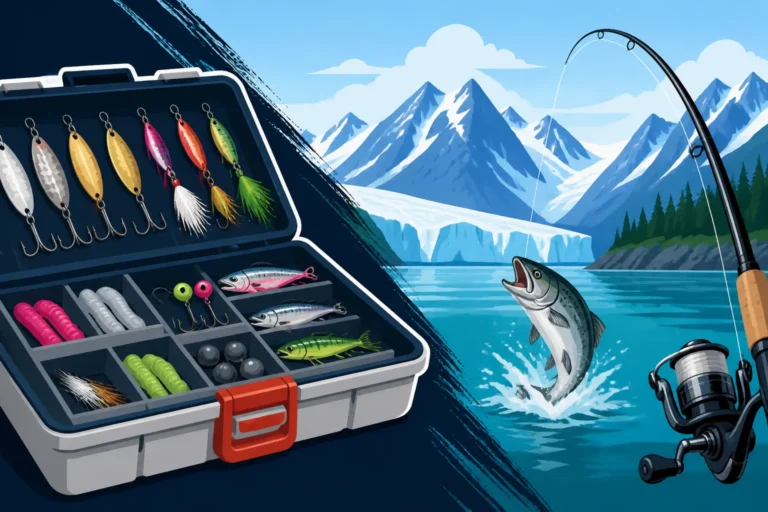
A light to ultralight spinning rod and reel combo, spooled with 4-6 lb test monofilament or fluorocarbon line, is perfect for grayling. The key is to use small lures that don't overpower these relatively delicate fish. Tiny inline spinners, like those from Panther Martin or Mepps, in sizes #0 to #2, are perennial favorites. Silver, gold, or brass blades with a variety of dressing colors (yellow, red, black) can be highly effective. Small spoons, such as the Little Cleo or a 1/8 oz Kastmaster, can also entice strikes, particularly when retrieved slowly through deeper water. Soft plastic grubs or micro jigs fished under a bobber can also produce excellent results. Just like with flies, you can find a vast selection of these effective lures on Amazon. Always check local regulations, as some areas may have bait or lure restrictions. Our general guide on Alaska Fishing Gear and Tackle Guide offers more comprehensive advice on what to pack for an Alaskan fishing adventure.
Proper Clothing and Waders
Regardless of your fishing technique, comfortable and appropriate clothing is paramount for an enjoyable grayling trip in Alaska's often unpredictable weather.
Layering is absolutely critical. Even on a warm summer day, temperatures can drop quickly, especially in the evenings or if a cloud bank rolls in. Start with a moisture-wicking base layer, add a fleece or wool mid-layer, and top it off with a waterproof and windproof outer shell. Good quality rain gear is non-negotiable; you never know when an afternoon shower will pop up. Breathable chest waders are essential for accessing prime grayling water. Wading allows you to position yourself perfectly for casting to those elusive fish holding in the middle of a riffle. Make sure your waders fit well and are paired with comfortable wading boots that provide good ankle support. A reliable pair of waders and wading boots, easily found on Amazon with plenty of size options, will make a world of difference in your comfort and ability to move around in the river. Don't forget a hat, polarized sunglasses (crucial for spotting fish and protecting your eyes), and bug spray, especially if you're fishing near still water.
Final Thoughts on Your Arctic Grayling Adventure
Chasing Arctic Grayling in Alaska is about so much more than just catching fish. It's an immersion into pristine wilderness, a chance to witness breathtaking landscapes, and an opportunity to connect with nature on a profound level. Understanding the best times and places to find these beautiful fish will dramatically improve your chances of success and ensure you have an unforgettable experience. Whether you're casting tiny dry flies on a remote stream or flicking spinners into an accessible river, the rewards of an Alaskan grayling adventure are truly special. Always remember to check current Alaska Fishing Regulations Explained for your specific fishing area before heading out, as rules can change.
Disclaimer
The information provided in this guide is for general informational purposes only and is subject to change. Always consult the most current Alaska Department of Fish and Game regulations and local advisories before planning any fishing trip in Alaska. Fishing conditions can vary widely based on weather, water levels, and fish migration patterns.