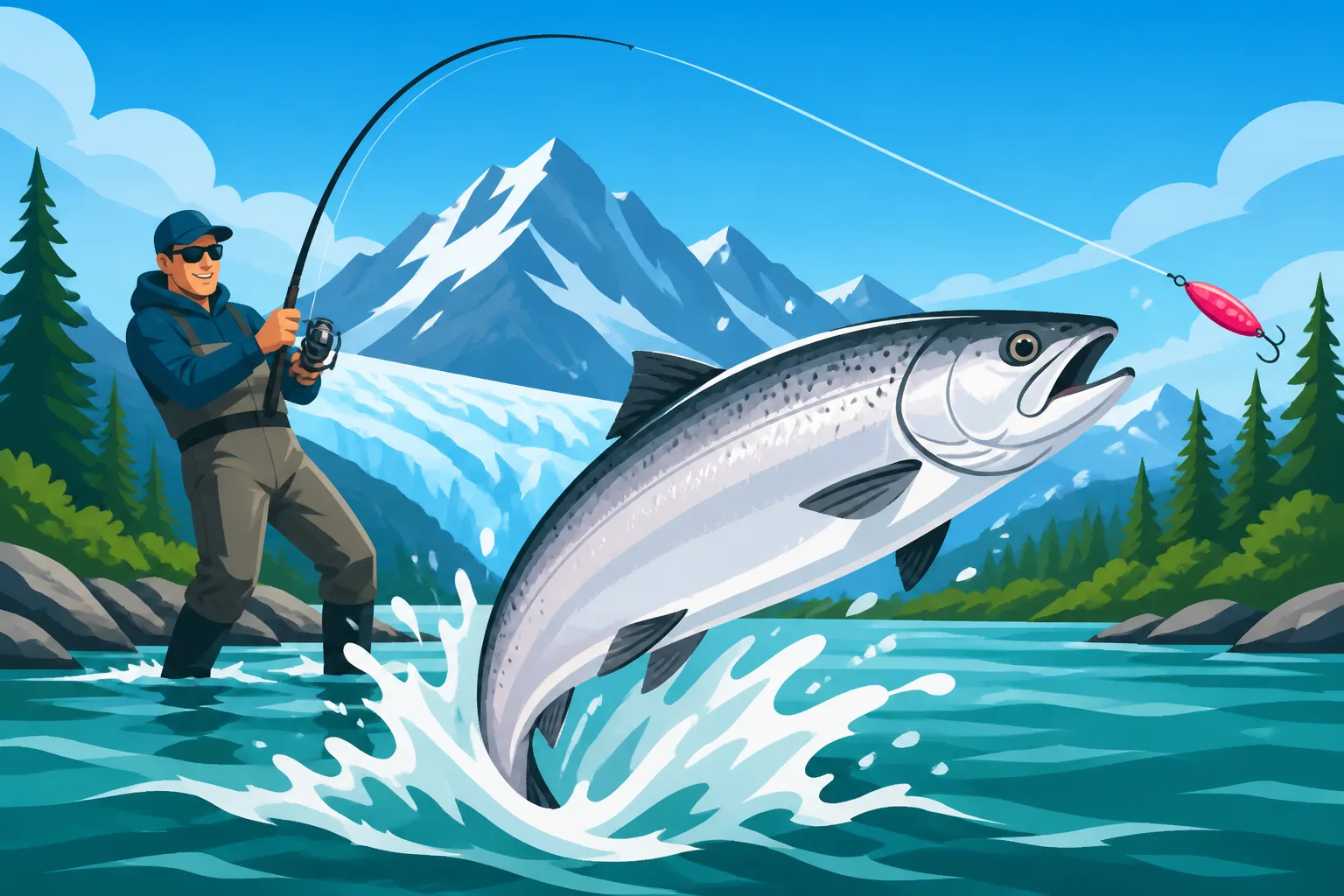
How to Catch Silver Salmon in Alaska
There’s nothing quite like the electrifying jolt of a silver salmon hitting your line in Alaska. These energetic fish, also known as Coho salmon, offer some of the most thrilling sportfishing opportunities in the state, but they can be finicky. Many anglers come here dreaming of that fight, only to find themselves wondering what they’re doing wrong. This guide will walk you through everything you need to know to successfully target and land these incredible fish, from understanding their habits to mastering the best techniques and gear.
Understanding Alaska's Silver Salmon (Coho)
Silver salmon, or Cohos, are a true joy to catch. They’re known for their aggressive strikes, acrobatic jumps, and powerful runs, often fighting harder than their larger King salmon cousins pound-for-pound. What makes them so special is this sheer eagerness to strike, making them accessible to anglers of all skill levels, provided you're using the right approach. Knowing their characteristics and timing your trip correctly are your first steps to success.
Identifying Silver Salmon
When you hook into a salmon in Alaska, it's crucial to know what species you've got on the line, especially with differing regulations and bag limits. Silver salmon have a distinct look that sets them apart. In freshwater, they often have a greenish-blue back fading to silver sides and a white belly. Their tails typically have spots on the upper lobe, but these spots are usually scattered and not as prominent or numerous as those on a King salmon’s entire tail. Inside their mouth, you'll find black gums, but with a white gum line at the base of their teeth, which is a key identifier.
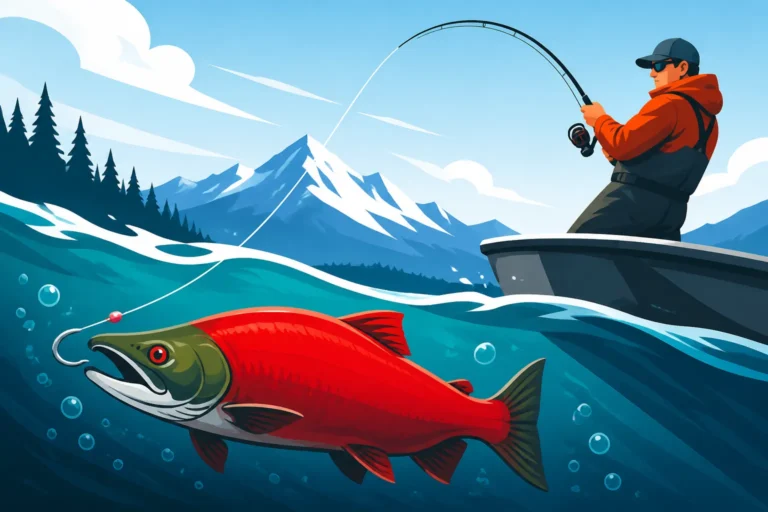
As they get closer to spawning, their colors can transform dramatically, especially the males. They might develop a deep red or maroon coloration on their sides, often with a darker back and head, and a pronounced hooked jaw (kype). Females will also change color but usually less intensely. Being able to correctly identify your catch ensures you're adhering to all the local fishing regulations, which can be quite specific about species and size.
The Silver Salmon Run Timing
Timing is everything when it comes to silver salmon fishing. Unlike sockeye which often have dense, concentrated runs, silvers tend to trickle in over a longer period, making their arrival a bit more nuanced. Generally, the prime silver salmon season in Alaska kicks off in late July, really picks up through August, and can extend well into September, sometimes even into early October in certain areas. This makes them a fantastic target for late-season anglers looking to extend their Alaska fishing adventure.
For those planning a trip, August is often considered the sweet spot for silvers across much of the state. Rivers like the Kenai and Kasilof on the Kenai Peninsula see strong runs, as do many streams in Southeast Alaska, such as those around Ketchikan and Sitka. Knowing the general timing is important, but for precise planning, it’s always wise to consult specific forecasts or check the Alaska Salmon Run Timing Explained resource, as run timings can fluctuate slightly year to year based on environmental factors like water temperature and snowmelt. The beauty of the silver run is its extended nature, offering ample opportunities for anglers to get out and find success.
Prime Locations for Silver Salmon Fishing
Alaska is vast, and silver salmon can be found in a multitude of environments, from coastal saltwater estuaries to interior freshwater rivers and lakes. The accessibility and type of experience will vary greatly depending on where you choose to cast your line. Deciding on your ideal location often comes down to your preferred style of fishing, whether you like the convenience of roadside access or the solitude of a remote fly-in trip.
Road System Hotspots
For many, fishing Alaska’s road system is the most practical way to experience silver salmon. The Kenai Peninsula, often called "Alaska's Playground," is arguably the most famous and accessible region for targeting Cohos. Rivers like the Kenai and Kasilof are legendary. The lower Kenai, below Skilak Lake, offers excellent opportunities for boat anglers, drift fishing, and even some bank fishing in spots like the Kenai City Dock or Soldotna. The Kasilof River is another fantastic option, often producing earlier silver runs than the Kenai and providing great action for drift boaters.
Further north, near Anchorage, Ship Creek can offer surprisingly good silver fishing within city limits, particularly in August. It’s a tidal fishery, so timing your trip with the incoming tide is crucial for the best chances. The Deshka River, accessible by boat from Willow or by bush plane, is another consistent performer for silvers, especially in the late summer. These road-accessible areas provide a good balance of opportunity and convenience, letting you hit several different spots over a few days. Just remember that popularity means crowds, especially on peak weekends, so patience and courtesy are key.
Fly-In and Remote Fisheries
If you're seeking a more secluded and pristine silver salmon experience, a fly-in trip to a remote lodge or camp is an unparalleled adventure. Regions like Bristol Bay, the Alaska Peninsula, and Kodiak Island are home to countless rivers and streams that see incredible silver salmon returns. These remote locations often mean less fishing pressure and truly wild, aggressive fish that haven't seen as many lures. Imagine standing knee-deep in a crystal-clear stream, surrounded by untouched wilderness, with silvers darting through the current – it's an experience many anglers dream of.
Popular rivers in these regions include the Nushagak, Naknek, and Alagnak, though many smaller, unnamed streams also offer fantastic fishing. While more expensive and requiring more planning, the rewards are often immense, both in terms of fish caught and the sheer beauty of the Alaskan backcountry. Many fly-in lodges offer all-inclusive packages that take care of your accommodations, meals, guides, and transportation, simplifying the logistics of fishing in such remote areas. If you're considering a trip like this, researching Alaska Fly-In Fishing Lodges Guide can provide excellent insights.
Saltwater Havens
Don't overlook the saltwater opportunities for silver salmon. Many Cohos spend a good portion of their adult lives feeding in the ocean before returning to spawn. In areas like Prince William Sound, Resurrection Bay near Seward, or the waters surrounding Sitka and Ketchikan in Southeast Alaska, you can find excellent saltwater silver fishing from July through September. These ocean-bright silvers are often at their peak in terms of size and fighting prowess, having not yet undergone the physical changes associated with freshwater spawning.
Charter boats in these coastal towns specialize in targeting silvers. Trolling with downriggers and various spoons or bait is a common and highly effective method. Homer, for instance, is famous for halibut, but it also offers fantastic silver salmon opportunities in Kachemak Bay. Fishing in saltwater provides a different kind of challenge and reward, often allowing anglers to target multiple species in one trip. Always check with local charter operators for the latest conditions and best fishing grounds, as productive spots can shift throughout the season.
Essential Gear and Tackle for Silver Salmon
You wouldn't head into battle without the right tools, and fishing for Alaska's feisty silver salmon is no different. Having the appropriate rod, reel, line, and terminal tackle can make all the difference between a frustrating day and a successful one. While you don’t need to break the bank for the most expensive gear, investing in reliable equipment that can stand up to powerful fish and unpredictable weather is crucial.
Rods, Reels, and Line Selection
For freshwater silver salmon, a medium-heavy spinning or casting rod, typically 8 to 9.5 feet in length, is a solid choice. This length provides good casting distance, line control, and the leverage needed to fight a strong salmon in river currents. Look for rods with a fast action, meaning they bend mostly in the tip, offering sensitivity for detecting subtle bites and plenty of backbone for setting the hook. My personal go-to is often an 8'6" medium-heavy rod. For saltwater trolling, a shorter, sturdier rod around 7 to 8 feet with a medium-heavy to heavy action is more appropriate, as you'll be dealing with larger weights and potentially larger fish in open water.
Pair your rod with a reliable reel. For spinning setups, a 3000 to 5000 series reel with a smooth drag system is ideal. For baitcasting setups, a reel capable of holding ample line and providing consistent retrieve will serve you well. Line choice is equally important. Many anglers opt for 20-30 lb braided line as their main line, due to its strength and lack of stretch, which enhances sensitivity. However, always use a fluorocarbon or monofilament leader (15-25 lb test) for abrasion resistance and reduced visibility in clear water. For fly fishing, a 7-9 weight rod is standard for silvers, paired with a matching reel and a weight-forward floating or sink-tip line, depending on the conditions. You can find a wide range of suitable options on Amazon, from rods to reels and lines, to ensure you're well-equipped.
Lures, Baits, and Flies
Silver salmon are notorious for being aggressive and will strike a variety of presentations. For spin fishing, some of the most consistent performers include brightly colored spinners like a size 4 or 5 Blue Fox Vibrax, particularly in fluorescent orange, chartreuse, or pink patterns. Spoons, such as the Pixee Spoon (orange, pink, or chartreuse with a white insert) or the Koho spoon, are also highly effective, especially when cast into deeper pools or trolled in saltwater. Plugs like the Kwikfish or FlatFish, often back-trolled in rivers, can trigger ferocious strikes.
When it comes to bait, cured salmon roe (eggs) is a perennial favorite for freshwater silvers. Using a small cluster of eggs under a bobber or drift fishing them along the bottom can be deadly. Another excellent option, especially for ocean-bright silvers, is herring or anchovies, typically fished whole or cut-plugged and trolled behind a flasher. For fly anglers, large, flashy intruders, articulated flies, or even classic стример patterns in chartreuse, pink, purple, or black can be incredibly effective. Consider looking at Best Lures for Alaska Salmon and Best Bait for Alaska Salmon for more in-depth recommendations.
Here's a quick comparison of popular silver salmon presentations:
| Presentation Type | Best for | Key Characteristics | Typical Colors |
|---|---|---|---|
| Spinners | Aggressive biters, faster water, general casting | Vibrating blade, flash, sound | Chartreuse, Orange, Pink, Silver, Gold |
| Spoons | Deeper water, casting, trolling | Wobbling action, flash | Orange/White, Pink/White, Chartreuse, Chrome |
| Plugs (Kwikfish/FlatFish) | Back-trolling, deeper pools, slower water | Intense wobble, diving action | Green/Chartreuse, Pink/Chartreuse, Orange/Black |
| Cured Salmon Roe | Sensitive fish, clear water, drift/bobber fishing | Natural scent, subtle presentation | Natural Orange/Red |
| Herring/Anchovy | Saltwater trolling, fresh run fish | Natural scent, erratic swimming action | Natural, or dyed blue/green |
| Flies (Intruders/Streamers) | Fly fishing, clear water, specific holding lies | Large profile, movement, flash | Pink, Purple, Chartreuse, Black |
Waders and Rain Gear
Alaska weather is famously unpredictable, and nothing ruins a fishing trip faster than being cold and wet. Quality waders are an absolute must for river fishing, allowing you to wade into prime casting positions and stay comfortable for hours. Neoprene waders offer excellent insulation for colder water, while breathable waders are lighter and more versatile for warmer conditions, often layered with fleece underneath. Look for durable, puncture-resistant materials and comfortable wading boots with good ankle support.
Beyond waders, a high-quality rain jacket and pants are indispensable. Look for waterproof and breathable materials like Gore-Tex or similar proprietary fabrics. Ensure your rain gear has sealed seams, adjustable cuffs, and a good hood that can be cinched down to keep out wind and rain. Layering is critical: wear moisture-wicking base layers, insulating mid-layers (fleece or down), and your waterproof outer shell. Even on sunny days, Alaska weather can turn quickly, so always have your rain gear ready. Companies like Simms and Patagonia offer excellent options, but you can also find reliable, budget-friendly sets on Amazon that will get the job done. This thoughtful preparation is part of what makes for a successful day when planning your Alaska Fishing Gear and Tackle Guide.
Effective Techniques for Catching Silver Salmon
Silver salmon are known for their willingness to chase a lure, but having a diverse set of techniques in your arsenal will greatly increase your chances of success. Whether you prefer the finesse of fly fishing, the active approach of spin fishing, or the steady rhythm of trolling, there's a method that will connect you with these powerful fish.
Spin Fishing Strategies
Spin fishing is perhaps the most popular and versatile method for catching silver salmon in Alaska. It encompasses a range of techniques that can be adapted to various river conditions.
- Casting and Retrieving Lures: This is often the first technique anglers try. Target eddies, current seams, deeper pools, and areas where cover (like fallen trees or undercut banks) might provide a resting spot for silvers. Cast your spinner or spoon slightly upstream and across the current, allowing it to swing down and across the suspected holding water. Vary your retrieve speed – sometimes a fast, erratic retrieve triggers a strike, while other times a slower, more consistent pull is the key. Don’t be afraid to experiment with different lure colors and sizes until you find what the fish are keying in on. Silvers are often aggressive, so a flash and vibration can be irresistible.
- Drift Fishing: This technique involves using a weight to bounce your bait or lure along the bottom, mimicking natural food tumbling downstream. It’s incredibly effective in rivers where silvers are holding in deeper runs. You'll typically use a slinky weight or pencil lead rig, a leader, and a small cluster of cured salmon eggs, a piece of yarn, or a small bead. Cast upstream and slightly across, letting the current carry your rig naturally downstream. The goal is to feel the weight lightly ticking the bottom. Any hesitation or heavy pull could be a fish, so set the hook! This method is particularly effective when the fish are less aggressive or in clearer water.
- Bobber Dogging / Float Fishing: A variation of drift fishing, this technique uses a large, buoyant float (or bobber) to suspend your bait or lure at a predetermined depth, allowing it to drift naturally with the current. This is fantastic for covering long stretches of river with consistent depth or when fishing over submerged structure where you want to avoid snags. Popular baits for bobber dogging include cured eggs, chunks of coho flesh, or even weighted jigs. The bobber provides a clear visual indicator of a bite, which is great for beginners and experienced anglers alike. When that bobber goes down, set the hook hard!
Fly Fishing for Silvers
Fly fishing for silver salmon offers a uniquely rewarding experience, combining the art of the cast with the explosive fight of a Coho. Silvers are known for being very receptive to flies, especially in rivers where they haven't been pressured heavily.
- Swinging Streamers: This is a classic and highly effective method. Using a weight-forward floating or sink-tip line, cast a large, flashy streamer (often called an "Intruder" or "Coho Bugger") across the current and allow it to swing downstream, presenting the fly broadside to the fish. The key is to impart some action to the fly with subtle rod tip movements or by varying the swing speed. Popular fly colors include chartreuse, pink, purple, and black. This technique is particularly exciting as the strike often comes as a sudden, aggressive grab as the fly sweeps through a holding lane. If you’re interested in perfecting your cast, a guide on How to Fly Fish in Alaska can provide invaluable tips.
- Indicator Nymphing/Bead Fishing: While more commonly associated with trout, indicator fishing with beads or flesh flies can be very productive for silvers, especially when they are staging or in clearer, slower water. The idea is to present a small, egg-imitating bead or a flesh fly under an indicator, drifting it naturally with the current. The indicator signals a strike when it dips or stops. This technique mimics loose salmon eggs or decaying flesh that the silvers might be opportunistically feeding on, especially later in their run. Ensure your leader is long enough to get your offering down to the fish's level.
Trolling and Boat Fishing Tactics
If you're fishing from a boat, either in a river or in saltwater, trolling can be an incredibly efficient way to cover water and find active silver salmon.
- Trolling in Saltwater: This is the go-to method for ocean-bright silvers. You’ll typically use downriggers to get your lures or bait down to the desired depth, which can range from 20 to 100 feet depending on the water depth and where the fish are holding. Popular lures for trolling include spoons (like a Silver Horde or King Kandy spoon), plugs (Brad's Killerfish), or rigged herring/anchovies behind a flasher. Flashers are crucial here, as they create attraction with their wobbling, flashing action, drawing fish to your trailing lure or bait. Experiment with different depths, speeds, and lure combinations. The Best Time for Salmon Fishing in Alaska often coincides with peak trolling opportunities in coastal areas.
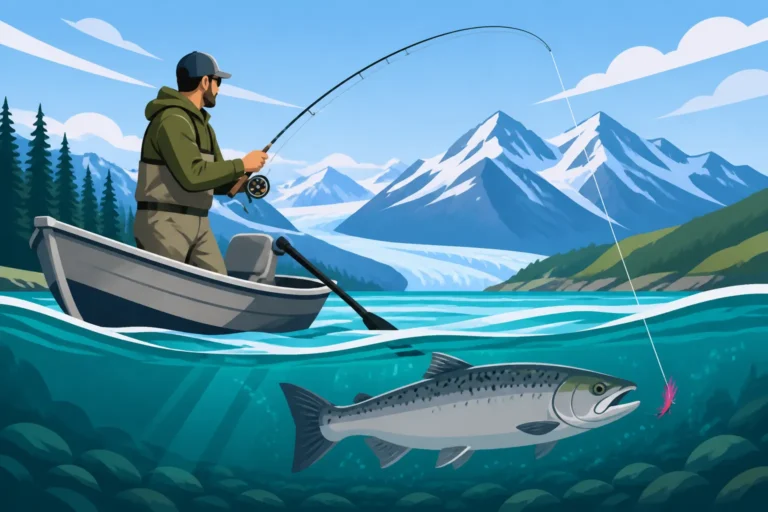
- Back-Trolling in Rivers: This technique is extremely effective in many Alaska rivers, especially for boat anglers. The boat is held against the current (or slowly moved downstream) while lures like Kwikfish, FlatFish, or large wobbling spoons are deployed downstream. The lures dive and wiggle in the current, presenting an irresistible target. The boat's movement and depth control allow for precise placement of lures into known silver holding areas. It requires good boat handling skills, especially in strong currents, but the rewards can be significant, often leading to multiple hookups in productive runs.
Tips for a Successful Silver Salmon Trip
Beyond the gear and techniques, a truly successful silver salmon trip to Alaska involves preparation, awareness, and adherence to local guidelines. The experience is about more than just catching fish; it's about enjoying the stunning Alaskan environment responsibly.
Reading the Water and Weather
Understanding the dynamics of the water you're fishing and keeping an eye on the unpredictable Alaskan weather are paramount. Water levels and clarity in rivers can change rapidly due to rainfall or glacial melt, directly impacting fishing success. High, muddy water often pushes fish to the banks or into slower eddies, requiring heavier weights and more visible lures. Clear, low water might necessitate lighter line, smaller presentations, and a more stealthy approach. Pay attention to current breaks, seams where fast and slow water meet, and any visible structure like log jams or rock piles – these are prime holding areas for silvers.
Alaska's weather can be a real curveball. Sunny mornings can quickly turn into cold, rainy afternoons, and vice versa. Always check the forecast before heading out, but be prepared for anything. This means having appropriate layering, rain gear, and even a spare set of dry clothes in your vehicle. Wind can also be a major factor, affecting casting accuracy and boat control. Being adaptable and having alternative plans for different conditions will make your trip far more enjoyable and productive. Knowing How Often Do Alaska Fishing Rules Change is also a good indicator that conditions on the ground might shift rapidly.
Safe Angling Practices and Regulations
Fishing in Alaska requires a deep respect for the environment and strict adherence to regulations designed to protect these precious fisheries. First and foremost, always ensure you have a valid Alaska Fishing License: Complete Guide and any necessary stamps (like a King Salmon stamp, even if not targeting Kings, depending on the river and time of year). Familiarize yourself with the specific regulations for the body of water you're fishing, as bag limits, gear restrictions (e.g., bait prohibitions, single-hook rules), and seasonal closures can vary significantly by region and even by river section. Checking Alaska Fishing Regulations Explained is a must before you cast a line.
Beyond regulations, safety should be your top priority. If wading, always use a wading staff and be aware of slippery rocks and strong currents. Wear a personal flotation device (PFD) if you're in a boat or even when wading in deep, swift water. Alaska is bear country, so carry bear spray, know how to use it, and make noise when walking through dense brush. Proper food storage is also critical to avoid attracting wildlife. Read up on How to Fish Safely Around Alaska Bears to ensure you're prepared for encounters. Common sense and preparedness go a long way in ensuring a safe and memorable trip.
Fish Care and Preservation
Once you've successfully landed a silver salmon, proper fish care is essential, especially if you plan to keep your catch. Silver salmon are renowned for their delicious flavor, but only if they are handled correctly immediately after being caught.
- Quick and Humane Dispatch: If you intend to keep the fish, dispatch it quickly and humanely. A swift blow to the head with a priest (a small, weighted club) or cutting the gill arches to bleed the fish out are common methods. Bleeding the fish immediately helps to improve the quality of the meat by removing blood that can spoil flavor.
- Cooling and Storage: Get your fish on ice as soon as possible. A cooler filled with ice water is ideal for rapidly chilling the fish. Do not let fish sit in warm water or direct sunlight. The quicker you chill them, the better the quality will be when you get them to the processor or back to your lodge.
- Processing and Transport: Many anglers will fillet their catch themselves, but local fish processors are widely available in popular fishing towns like Soldotna, Seward, and Homer. These services will fillet, vacuum-seal, and often freeze your fish for transport. Some can even arrange shipping directly to your home. Knowing How to Fillet a Salmon in Alaska can save you time and money, but leaving it to the professionals ensures your prized catch is handled expertly. Always be aware of Alaska's fish possession limits and transport rules, especially if you’re driving or flying with your catch.
Catching silver salmon in Alaska is an unforgettable experience, combining thrilling action with the breathtaking beauty of the Last Frontier. By understanding their habits, preparing with the right gear, employing effective techniques, and practicing responsible angling, you're well on your way to a successful and rewarding adventure.
Disclaimer
The information provided in this guide is for general informational purposes only and is subject to change. Fishing regulations in Alaska are dynamic and can be altered frequently by emergency orders. Always consult the most current Alaska Department of Fish and Game regulations specific to the area you plan to fish before heading out. Fishing conditions, including run timings and water levels, can vary year to year and day to day. Adhere to all safety guidelines and fish responsibly.