Spin Fishing in Alaska: How-To Guide
Trying to figure out the best way to tackle Alaska's vast and diverse fisheries can feel overwhelming, especially if you're not keen on fly fishing or the highly specialized techniques often discussed. Many anglers get frustrated wondering if their trusty spin rod and reel can really hold up against the legendary salmon and halibut of the Last Frontier. This comprehensive guide is here to assure you that spin fishing isn't just viable in Alaska; it's an incredibly effective and enjoyable method, and we'll walk you through everything you need to know to make your trip a huge success.
What is Spin Fishing and Why It's Great for Alaska
Spin fishing, at its heart, is about using a spinning reel and rod combination, which is likely what most anglers start with and are most comfortable using. It's incredibly versatile, allowing you to cast a wide array of lures, baits, and weights with relative ease. For many, it's the go-to method because of its simplicity and effectiveness, and when you're facing the sheer power of an Alaska king salmon or the deep-water challenge of a halibut, having gear you trust and can operate instinctively is a huge advantage.
The Universal Appeal and Adaptability of Spin Gear
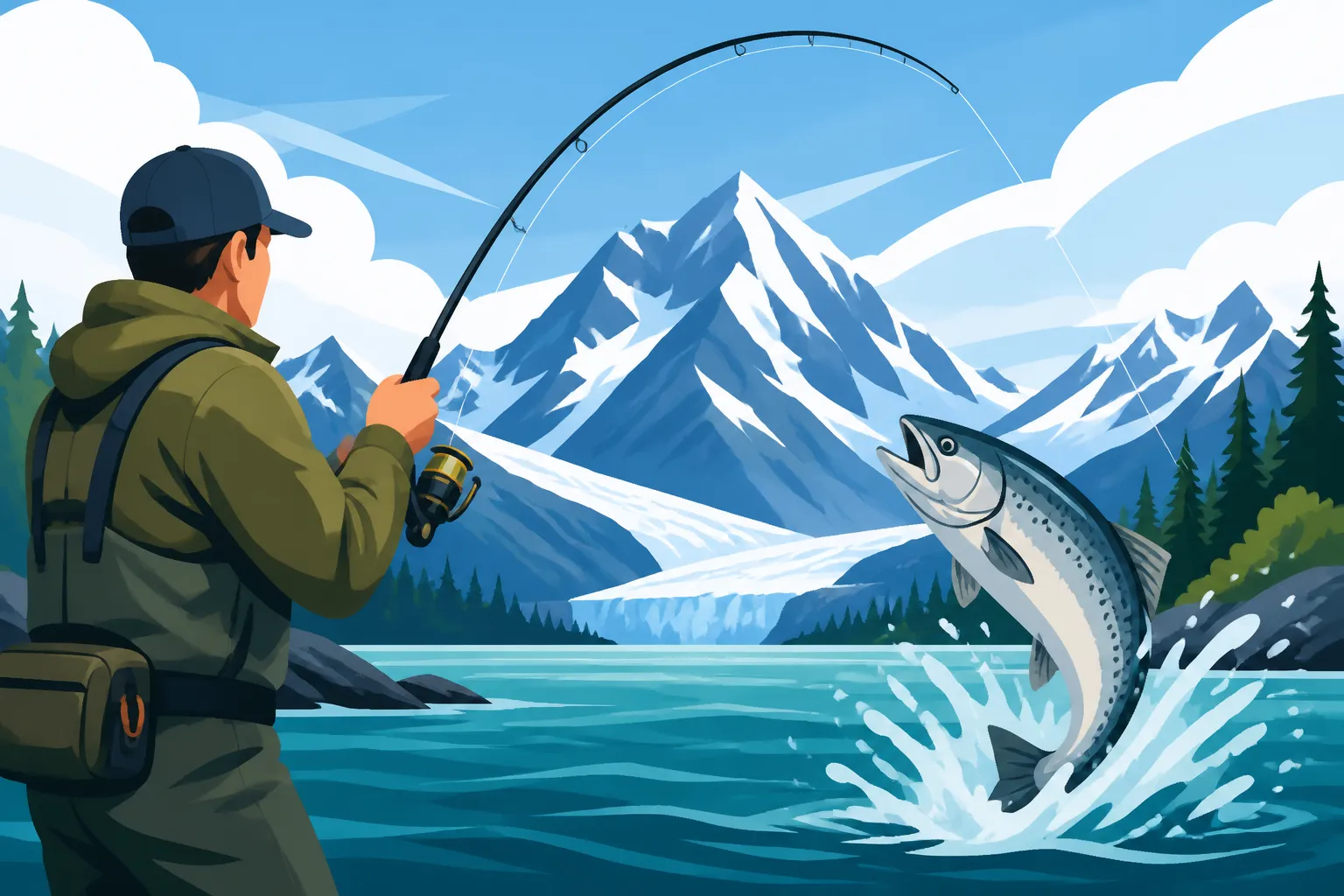
One of the biggest reasons spin fishing shines in Alaska is its universal appeal. You don't need a steep learning curve to get started, unlike fly fishing which can take years to truly master. This means more time fishing and less time fumbling with complex casts or specialized knots. If you're coming to Alaska for the first time, or even if you're a seasoned angler looking for a reliable method, spin gear offers that comforting familiarity. It's incredibly adaptable; you can switch from casting spinners for eager silver salmon in a river to dropping jigs for rockfish in saltwater with minimal fuss, often using the same basic setup, just changing your terminal tackle.
Think about a typical day on the Kenai River. One moment you might be drifting cured eggs for rainbow trout, and the next, you spot a rolling sockeye. With a spin rod, a quick change from a float rig to a weighted hook and some yarn can put you in the game for those fast-moving reds. This adaptability is critical in Alaska, where conditions and target species can change on a dime. You want gear that can keep up without requiring you to carry five different rod and reel combos.
Overcoming Common Misconceptions About Spin Fishing in Alaska
There's a prevailing myth out there that to truly experience Alaska fishing, you must fly fish for salmon or use ultra-heavy conventional gear for halibut. While both have their place and can be incredibly rewarding, dismissing spin fishing is a huge mistake. Many charter captains, especially for salmon and even some halibut trips, will provide spin gear or encourage its use, particularly for those new to the area or fishing in general. It's not a "lesser" form of fishing; it's simply a different one.
Some anglers might worry that spin gear isn't tough enough for Alaska's big fish. This is simply not true with modern equipment. A good quality medium-heavy spinning rod paired with a robust reel loaded with strong braided line can handle almost anything Alaska throws at it, from powerful king salmon to feisty coho. The key is choosing the right gear, which we'll dive into shortly. Don't let snobbery or old-school thinking deter you; spin fishing is a legitimate, highly effective, and deeply satisfying way to connect with Alaska's incredible fish. It empowers you to enjoy the process without feeling out of your depth, allowing you to focus on the breathtaking scenery and the thrill of the fight.
Essential Gear for Spin Fishing in Alaska
Getting your gear dialed in for an Alaska fishing trip can feel like a daunting task, especially with so many options out there. But fear not! You don't need to break the bank or buy every gadget under the sun. The core of successful spin fishing in Alaska lies in selecting robust, reliable equipment that can withstand the demands of powerful fish and rugged environments.
Choosing the Right Rod and Reel Combo
For Alaska, "versatility" is your watchword when it comes to rods and reels. You're often targeting powerful fish, whether they're battling upstream in a river or diving deep in the ocean.
First, let's talk reels. You'll want a durable, smooth spinning reel with a strong drag system. For salmon and heavier river fishing, a 4000 to 6000 series reel (like a Shimano Stradic or Penn Battle) is generally a good starting point. If you're tackling big halibut or lingcod in saltwater, you might even consider stepping up to a 7000 or 8000 series for increased line capacity and cranking power. Look for reels with corrosion resistance if you plan on saltwater excursions. The drag system is crucial—it needs to be smooth and consistent under pressure, as a jerky drag can lead to snapped lines or lost fish.
Next, the rod. A medium-heavy to heavy power rod, typically 8 to 10 feet in length, is ideal for most salmon fishing scenarios in rivers. This length helps with casting distance, line control, and shock absorption when a large salmon takes off. For saltwater species like halibut, a shorter, stouter 7 to 8-foot heavy action rod is often preferred for jigging and lifting heavy weights from the deep. Graphite composite rods offer a good balance of sensitivity and backbone. When looking on platforms like Amazon, pay attention to the line weight and lure weight recommendations to match them with your chosen reel and target species.
Line, Lures, and Terminal Tackle Essentials
Your choice of fishing line is paramount. Braided line has become the standard for Alaska due to its incredible strength-to-diameter ratio, zero stretch (which means better sensitivity and hook sets), and abrasion resistance. For salmon, 30 to 50 lb test braided line is a good all-around choice. For halibut, bump that up to 60 to 80 lb test. Always use a fluorocarbon or monofilament leader – 20 to 40 lb test for salmon, 50 to 100 lb test for halibut – as a stealthy connection to your lure and added abrasion protection. When considering leader material, check out specific guides like Alaska Halibut Charter Regulations Explained to ensure your setup is compliant with local rules.
Now, for the exciting part: lures!
- For Salmon: Spinners (like a #5 or #6 Mepps Aglia or a Blue Fox Vibrax) are deadly for coho (silver salmon) and can entice kings. Spoons (such as a Pixee or Little Cleo) work well in various colors and sizes. Twitching jigs (1/2 to 1 oz) in pink, purple, or chartreuse are fantastic for coho. If you're targeting sockeye, plain unweighted or lightly weighted hooks with a small piece of yarn or a "sockeye fly" are often the most effective.
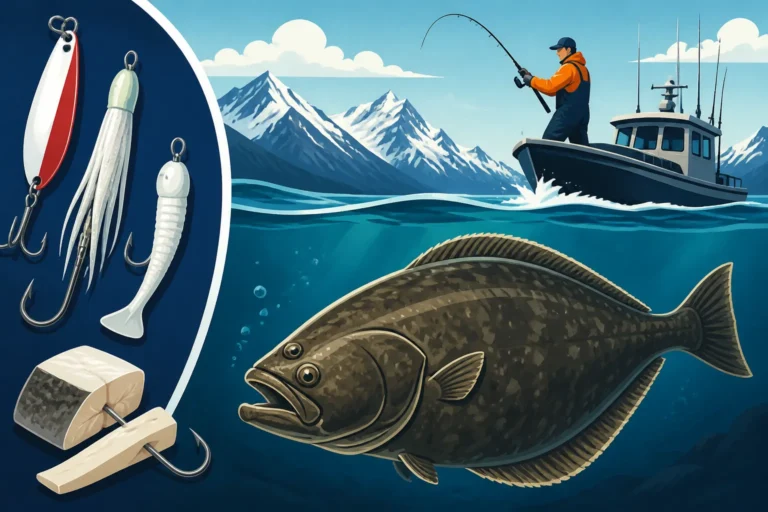
- For Halibut: Heavy jigs (4-16 oz) in white, chartreuse, or glow-in-the-dark patterns are excellent. Scented soft plastics (like Berkley Gulp! grubs) threaded onto jig heads are also highly effective. Bait, particularly herring or octopus, rigged on a circle hook with a heavy lead weight, is a classic method.
- For Rainbow Trout/Dolly Varden: Smaller spinners (#2 or #3), beads (egg patterns), or small spoons are very productive.
- For Lingcod/Rockfish: Lead jigs with rubber skirts or large swimbaits are your best bet.
Your terminal tackle kit should include a variety of swivels (barrel and snap swivels), strong duo-lock snaps, split rings, lead weights (pencil sinkers for rivers, cannonball or pyramid sinkers for saltwater), extra hooks (trebles for lures, single hooks for bait rigs), and a good pair of pliers or multi-tool.
Essential Accessories for Alaskan Conditions
Beyond your rod, reel, and tackle, a few accessories can significantly enhance your comfort, safety, and success in Alaska.
First, rain gear is non-negotiable. Alaska's weather can be unpredictable, often delivering liquid sunshine at a moment's notice. Invest in a high-quality, waterproof and breathable jacket and pants. Brands like Grundéns or Helly Hansen are popular among Alaskan anglers for their durability. Layers are key underneath, as temperatures can swing wildly. A good pair of waterproof boots or waders (if river fishing) will keep your feet dry and warm. You'll definitely want to read up on How to Dress for Alaska Fishing to be fully prepared.
Second, a fishing vest or tackle bag that keeps your frequently used items organized and accessible is invaluable. A quality pair of polarized sunglasses will help you spot fish in the water and protect your eyes from glare. Don't forget bug spray – Alaska mosquitoes are legendary, especially in calmer river areas. Sunscreen, a wide-brimmed hat, and a first-aid kit are also smart additions. Finally, consider a good fish gripper or net with a rubberized mesh (safer for fish and hooks) and a camera to capture those unforgettable moments. A cooler with ice is essential for keeping your catch fresh, and if you plan to ship fish home, understanding Alaska Fish Transport and Shipping Rules is critical.
| Gear Category | Salmon Fishing (River) | Halibut Fishing (Saltwater) | Trout/Char Fishing (River) |
|---|---|---|---|
| Reel Size | 4000-6000 series | 7000-8000 series | 2500-3000 series |
| Rod Power | Medium-Heavy to Heavy | Heavy to Extra-Heavy | Medium-Light to Medium |
| Rod Length | 8-10 feet | 7-8 feet | 6.5-8 feet |
| Main Line | 30-50 lb Braid | 60-80 lb Braid | 10-20 lb Braid |
| Leader | 20-40 lb Fluorocarbon | 50-100 lb Fluorocarbon | 8-12 lb Fluorocarbon |
| Lures | Spinners, Spoons, Jigs | Heavy Jigs, Soft Plastics | Small Spinners, Beads, Flies |
| Bait (Opt.) | Cured Eggs, Herring | Herring, Octopus, Squid | Salmon Eggs, Worms |
| Weights | Pencil, Slinky | Cannonball, Pyramid (4-16 oz) | Split Shot, Small Lead |
Mastering Spin Fishing Techniques for Alaska's Diverse Waters
Alaska's fishing environments are as varied as its landscapes, ranging from roaring glacial rivers to expansive saltwater fjords. While the fundamental principles of spin fishing remain the same, adapting your techniques to these unique conditions and target species is what truly separates a good angler from a great one.
River Fishing Techniques for Salmon and Trout
River fishing in Alaska with a spin rod is incredibly rewarding, but it requires finesse and understanding of current, fish behavior, and specific regulations.
For salmon, particularly sockeye and coho, drift fishing is a hugely popular and effective technique. This involves casting your weighted rig (often a plain hook with yarn or a small egg imitation for sockeye, or a lead-head jig for coho) upstream and letting it tumble naturally along the bottom with the current. The goal is to present your offering directly to the fish's face as it holds in a run or a seam, waiting to move upstream. You're not necessarily trying to get the fish to bite in the traditional sense, but rather to react to the lure by "flossing" or "lining" it into their mouth. This technique is often refined based on local rules, so be sure to check Alaska Fishing Regulations Explained before you go. The key is to maintain a tight line, feeling for any subtle tap or hesitation that might indicate a fish. If you feel anything unusual, set the hook decisively!
When targeting king salmon or actively feeding coho, casting and retrieving spinners, spoons, or plugs can be incredibly effective. Find current breaks, deeper holes, or the edges of fast water where salmon might be holding. Cast your lure slightly upstream and across the current, allowing it to swing downstream as you retrieve it at a speed that imparts maximum action. Vary your retrieve speed and depth until you find what triggers a bite. For powerful fish like kings, the strike can be jarring, so be ready! For more specific guidance on this prized species, check out our guide on How to Catch King Salmon in Alaska.
Trout and Dolly Varden often inhabit the same rivers as salmon, especially during and after salmon spawning. Smaller spinners, beads (mimicking salmon eggs), or even small streamer flies fished under a bobber or with a small split shot can be incredibly effective. Look for trout holding behind spawning salmon, eagerly feasting on loose eggs. A technique called "bead fishing," where a weighted bead is drifted downstream, perfectly mimics these natural food sources. Precision casting and reading the water for subtle currents and structure are vital for these often wary fish.
Saltwater Strategies for Halibut, Lingcod, and Rockfish
Moving from rivers to the vast saltwater expanses of Alaska presents an entirely different set of challenges and exhilarating opportunities for spin anglers.
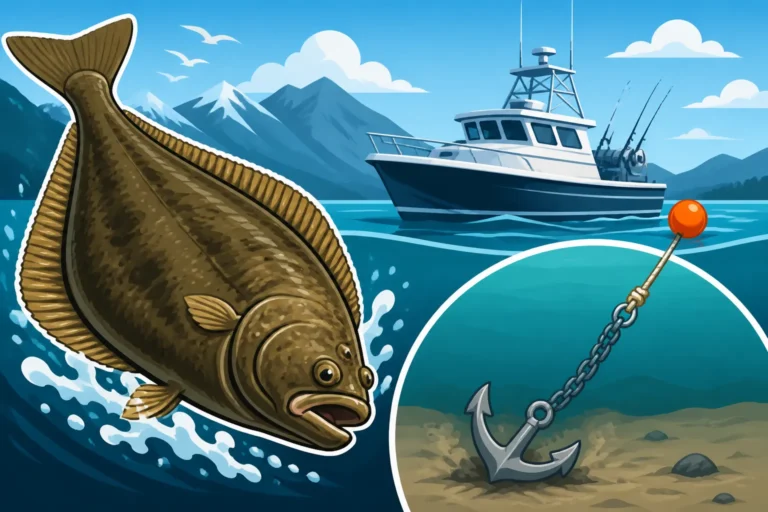
Halibut fishing is an iconic Alaskan experience. From a boat, the primary spin fishing technique is bottom fishing or jigging. You'll drop heavy jigs or bait rigs (often a large circle hook with herring, octopus, or squid) directly to the seabed, which can be anywhere from 50 to 300+ feet deep. Once you hit bottom, reel up a few feet to avoid snags, then either let your bait sit, or rhythmically lift and drop your jig, varying the retrieve to entice a strike. Halibut often hit aggressively, but sometimes it's a subtle weight, so always be attentive. Remember that halibut grow to immense sizes, so ensure your drag is set correctly and be prepared for a long, heavy fight. Many charter boats, especially out of Homer or Seward, will provide suitable heavy spin gear for this. Our detailed guide on How to Catch Halibut in Alaska offers even more insights.
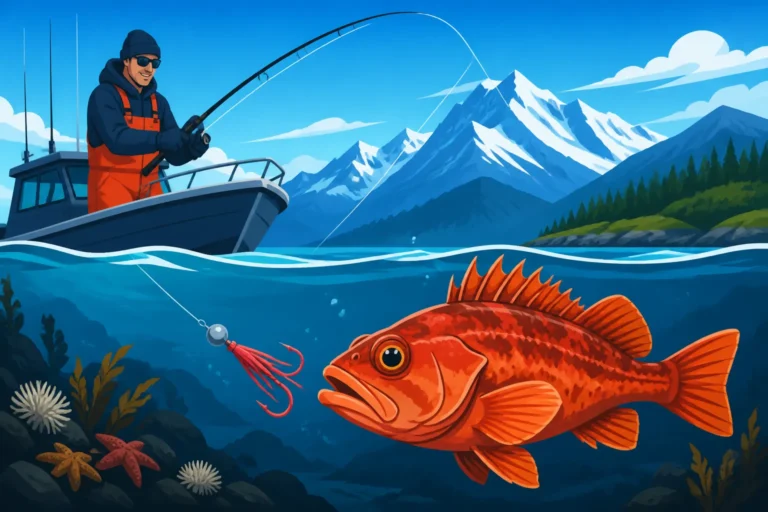
For lingcod and various rockfish species, vertical jigging is king. These predatory fish often hug rocky structures and underwater pinnacles. Using heavy jigs (often 4-8 oz) with rubber skirts or large swimbaits, drop them down to the structure and work them aggressively with a series of lifts, drops, and pauses. Lingcod have large mouths and are notorious for their voracious appetites, often striking jigs with impressive force. Rockfish, while smaller, can provide consistent action and are delicious eating. Be mindful of deepwater release device regulations for rockfish if you're not keeping them, as barotrauma can be an issue when bringing them up from depth.
When fishing from shore or a dock in saltwater, lighter spin gear can be used for smaller rockfish, greenling, or even surf perch. Casting spoons, small jigs, or bait like squid or shrimp can yield surprising results. Look for kelp beds, rocky outcrops, and areas with current for the best success.
Reading the Water and Adjusting to Conditions
Understanding how to "read the water" is a skill that takes time to develop but is critical for any successful spin fishing trip in Alaska. In rivers, this means identifying seams where fast water meets slow water, deep holes, gravel bars, and structure like fallen trees where fish might hold. Fish conserve energy, so they'll often be in areas where the current is manageable but still brings food past them.
In saltwater, reading the water involves paying attention to tides, current lines, and depth changes. On a charter, your captain will be an expert at this, using sonar and years of experience to position the boat over productive grounds. If you're fishing unguided, studying nautical charts and observing other successful anglers can give you clues.
Always be prepared to adjust your tactics. If one lure isn't working, switch to another. If fish aren't biting in a certain spot, move! Alaska's fishing conditions can change rapidly due to weather, water levels, or fish migration patterns. Being flexible with your techniques and willing to experiment is a hallmark of a skilled angler and will significantly increase your chances of success. A versatile tackle box with a range of options, easily acquired from retailers like Amazon, can make all the difference.
Targeting Alaska's Prized Fish Species with Spin Gear
Alaska boasts an incredible diversity of fish species, each with its own habits and preferences. The beauty of spin fishing is its ability to adapt to many of these, allowing you to chase multiple bucket-list fish on a single trip.
King Salmon: The Ultimate Freshwater Challenge
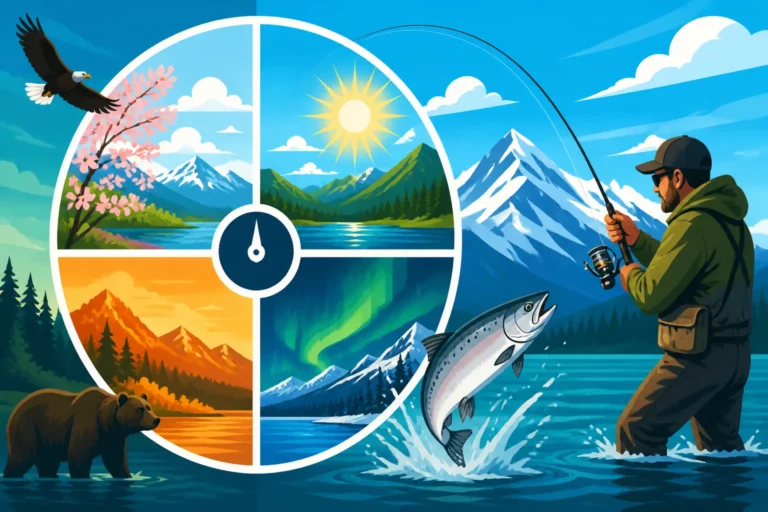
Ah, the King Salmon, or Chinook. These are the undisputed heavyweights of Alaska's freshwater systems, often reaching prodigious sizes that test every fiber of your gear and your resolve. Targeting kings with a spin rod is an exhilarating experience, requiring a combination of powerful gear and precise technique.
Kings typically run in late May through July, with specific timing varying by river system. The Kenai River is legendary for its massive kings, but other rivers like the Kasilof and Deshka also offer fantastic opportunities. When pursuing these majestic fish, you'll want that heavy-power, 8-10 foot rod paired with a robust 5000-6000 series reel spooled with 40-50 lb braided line and a strong fluorocarbon leader.
Techniques often revolve around getting your lure or bait into their holding lies. Back-trolling Kwikfish or similar diving plugs from a boat is extremely effective, as is back-bouncing cured roe or large chunks of herring. From the bank, casting large spinners (like a #5 or #6 Blue Fox Vibrax in silver or chartreuse) or heavy spoons and slowly retrieving them through known holding water can trigger aggressive strikes. Remember, kings are often caught on their migration path, so presenting your offering directly in front of them is key. When a king hits, brace yourself! Their initial runs are incredibly powerful, and they'll try to head for snags or offshore. Keep your drag set appropriately and let the fish run, turning its head when it pauses. For more in-depth knowledge, dive into our guide on Alaska King Salmon Fishing Regulations and Limits.
Sockeye Salmon: The Flipper's Delight
Sockeye salmon, also known as red salmon, are probably the most abundant salmon species in many Alaskan rivers and are highly sought after for their vibrant red flesh and intense fighting spirit. They typically run from mid-June through July, with some rivers seeing runs into August. The Kenai and Russian Rivers are prime spots for sockeye, often hosting "combat fishing" scenarios due to their sheer numbers.
Spin fishing for sockeye usually involves a unique technique known as "flossing" or "lining." Sockeye typically do not feed once they enter freshwater; instead, they are focused on spawning. This means you're not trying to get them to bite your lure, but rather to intercept their mouths as they swim upstream. You'll use a relatively light leader (20-30 lb fluorocarbon), a small, unweighted or lightly weighted hook, and often a small piece of brightly colored yarn or a "sockeye fly" tied just above the hook. You cast upstream and across the current, letting the weight (often a pencil sinker or Slinky weight) bounce along the bottom while the unweighted leader and hook drift freely in the strike zone, ideally passing through the sockeye's open mouth.
When you feel a "tick" or a sudden weight, set the hook! The fight from a sockeye is characterized by powerful, bulldogging runs and aerial acrobatics. It's a fantastic fish for spin anglers because the technique, while specialized, is incredibly effective once mastered. Be sure to understand the Alaska Sockeye Salmon Limits by River for the specific area you're fishing, as they can change based on run strength.
Coho Salmon: The Acrobatic Silver
Coho salmon, or silver salmon, are a favorite among many anglers for their aggressive strikes and incredible aerial displays. They typically arrive in rivers from late July through September, offering a fantastic late-season salmon fishery. They are often more willing to strike traditional lures than sockeye, making them a blast on spin gear.
For coho, you'll want a medium-heavy rod and a 3000-4000 series reel spooled with 30 lb braided line. Coho love flashy, moving lures. Casting spinners like a #4 or #5 Mepps, a Blue Fox Vibrax, or a Pixee spoon is highly effective. Colors like chartreuse, pink, orange, or a combination of silver/blue are often top producers. Twitching jigs (1/2 to 1 oz) in similar colors, fished with an erratic retrieve, are also deadly, especially in deeper pools or along cut banks.
Look for coho holding in slower seams, behind structure, or in estuaries where they might still be feeding on baitfish. They are known for their spectacular jumps and head shakes once hooked, so keep a tight line and be ready for anything! For detailed information on these feisty fighters, consult our guide on Alaska Coho Salmon Bag Limits.
Halibut: Barn Doors from the Deep
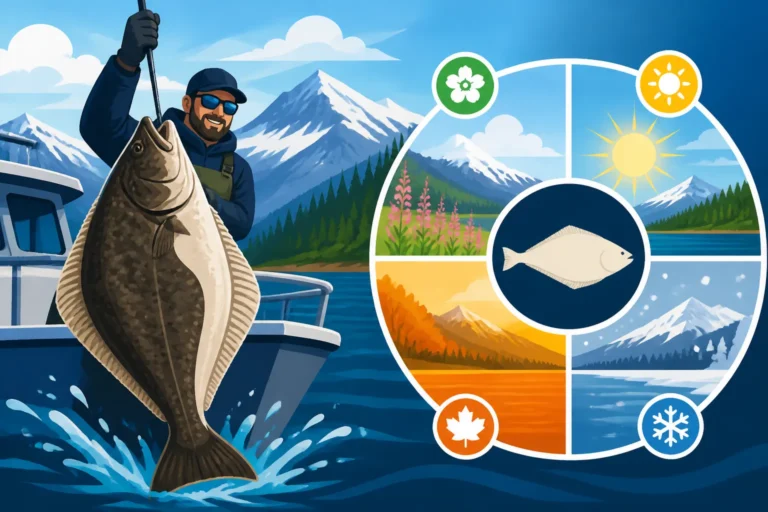
Fishing for halibut with spin gear in Alaska is often done on charters, where heavy-duty spinning setups are common. While some prefer conventional reels for sheer cranking power, modern heavy-duty spin reels can absolutely handle these "barn doors from the deep." Halibut season typically runs from May through September.
As mentioned before, the key technique is bottom fishing with heavy jigs (4-16 oz) or baited rigs. You'll need an extra-heavy, 7-8 foot rod and a large spinning reel (7000-8000 series) loaded with 80 lb braided line and a heavy leader. Dropping a large lead-head jig tipped with a scented grub, or a bait rig with a whole herring or a strip of octopus, down to the ocean floor is the standard approach.
Halibut strikes can range from a subtle "thump" to a rod-bending slam. Once hooked, they perform powerful, bulldogging dives. The fight is more about brute strength and endurance than speed. Pumping the rod and steadily reeling down is the way to bring these giants up from the depths. Ensure your drag is set tight enough to fight the fish but loose enough to prevent line breakage. Always be prepared for a long fight and ensure you have a gaff or harpoon ready once the fish is alongside the boat, a task usually handled by your experienced deckhand on a charter.
Practical Tips and Considerations for a Successful Alaska Spin Fishing Trip
Planning a fishing trip to Alaska involves more than just picking out a rod and reel. To truly maximize your experience and ensure a smooth, enjoyable, and successful adventure, there are several practical considerations to keep in mind.
Navigating Regulations and Emergency Orders
Alaska's fishing regulations can be complex and change frequently, often mid-season, through "emergency orders." This is one of the most common frustrations for visiting anglers, and even seasoned locals can get caught off guard. It's not just about what species you can target, but also specific bag limits, size restrictions, open/closed waters, gear restrictions (like single barbless hooks or bait prohibitions), and specific recording requirements for your harvest card.
Before your trip, and even daily during your trip, it is imperative to check the Alaska Department of Fish and Game (ADF&G) website or use their handy Fish Alaska! app. These resources provide the most up-to-date information, including any emergency orders that might have been issued. A river that was open to king salmon fishing yesterday might be closed today due to conservation concerns. Ignorance of the law is not an excuse, and violations can result in hefty fines and forfeiture of your gear or catch. For example, knowing if you need an Alaska King Salmon Stamp Requirements or how to properly fill out your Alaska Harvest Record Card Explained can save you a lot of headaches. If you're using a guide or charter, they will be knowledgeable about current regulations, but it's always wise to educate yourself as well.
Packing Smart: Weather, Bears, and Beyond
Alaska's weather is famously unpredictable. You can experience all four seasons in a single day, regardless of the month. Packing in layers is absolutely essential. Start with a moisture-wicking base layer, add an insulating fleece or down mid-layer, and top it off with waterproof and windproof outerwear. Even if the forecast looks sunny, bring your rain gear – you won't regret it. Durable, waterproof boots are also a must.
Beyond clothing, you need to consider safety in the Alaskan wilderness. Bears are a real presence, especially around salmon streams. Carry bear spray and know how to use it. Store food properly, dispose of fish carcasses responsibly, and make noise when walking through dense brush. Many anglers will also carry a small bell or bear whistle.
Other practical items include a good headlamp (especially during the shoulder seasons when daylight hours are shorter), sturdy gloves (for handling fish, hooks, and keeping warm), a multi-tool or fishing pliers, and a small first-aid kit. Consider a dry bag or waterproof backpack to keep your essentials safe and dry. For longer trips, items like a portable power bank for charging electronics, and a water filter or purification tablets are smart additions. Don't forget bug repellent! Mosquitoes and no-see-ums can be intense.
Hiring a Guide vs. DIY Adventures
Deciding whether to hire a guide or embark on a do-it-yourself (DIY) adventure is a critical choice for your Alaska fishing trip, and spin fishing can be successful either way.
Hiring a Guide: For many visitors, especially first-timers or those looking to maximize their chances of success without the hassle, a guided trip is the way to go. Guides provide all the necessary gear (often including spin setups), have intimate knowledge of local regulations, current fish runs, and productive spots, and handle the boat and fish processing. This allows you to focus purely on the fishing experience. Guides are experts at reading the water, adjusting to changing conditions, and teaching effective techniques. This is particularly valuable for species like king salmon or halibut, where specialized boats and local knowledge are paramount. If you're thinking about a charter, definitely check out our guide on How to Choose an Alaska Fishing Charter.
DIY Adventures: If you're an experienced angler, enjoy planning, and want a more independent experience, a DIY trip can be incredibly rewarding and cost-effective. Many roadside rivers and lakes on the Kenai Peninsula or near Anchorage offer excellent bank fishing opportunities for sockeye, coho, and rainbow trout. Access points and camping facilities are often available. However, a DIY approach requires significant research into regulations, fishing spots, and gear needs. You'll be responsible for all your equipment, bait, and fish processing. It's often best for species where bank access is good and techniques are less complex, like flossing for sockeye or casting spinners for coho. Be realistic about your skill level and comfort with rugged, remote environments before committing to a full DIY adventure.
Ultimately, the choice depends on your budget, experience level, and desired type of trip. Many anglers opt for a mix: a guided charter for a big halibut or king salmon, and then a few days of independent spin fishing for sockeye or trout. Both approaches, powered by reliable spin gear, offer unforgettable Alaskan memories.
Disclaimer
The information provided in this guide is for general informational purposes only and does not constitute legal advice regarding fishing regulations. Alaska fishing regulations are subject to frequent change through emergency orders. Always consult the most current Alaska Department of Fish and Game (ADF&G) regulations booklet and emergency orders before engaging in any fishing activity. Your safety and adherence to local laws are your sole responsibility.