Best Fishing Near Fairbanks
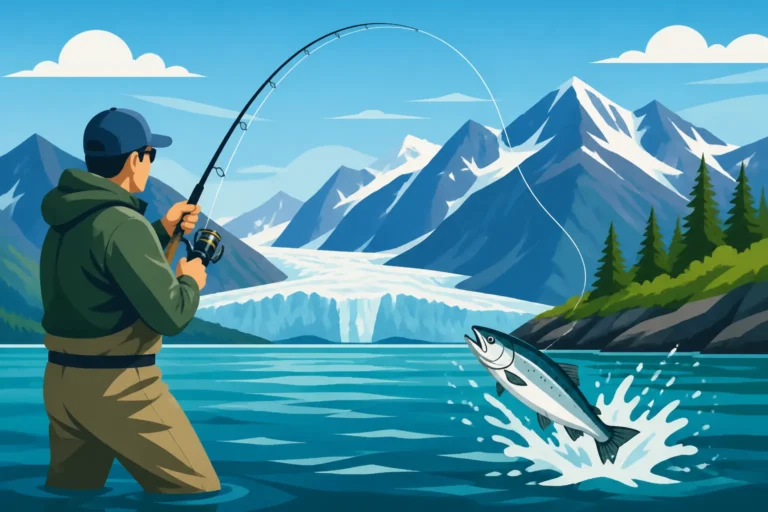
Fairbanks, Alaska, often feels like a gateway to the true Alaskan wilderness, and while many visitors flock to the coastal towns for famous salmon and halibut, the interior around Fairbanks offers a unique and incredibly rewarding fishing experience that often gets overlooked. It's easy to feel overwhelmed trying to figure out where to cast a line when you're far from the ocean, but this guide will illuminate the incredible freshwater opportunities, from abundant grayling to monstrous pike and even strong salmon runs, that await anglers near Alaska's Golden Heart City.
Understanding the Unique Fishing Landscape Near Fairbanks
Fishing near Fairbanks isn't like hitting the saltwater deep-sea grounds of Seward or Homer, nor is it quite like the big salmon rivers of the Kenai Peninsula. The landscape here is characterized by winding rivers, pristine lakes, and numerous smaller streams, many of which are part of the vast Yukon River drainage system. This means you'll encounter a different suite of species and fishing opportunities, often with a greater sense of solitude than the more crowded hotspots further south. The key is knowing what to target and where, as the seasons and preferred methods can vary significantly.
Freshwater Diversity in Interior Alaska
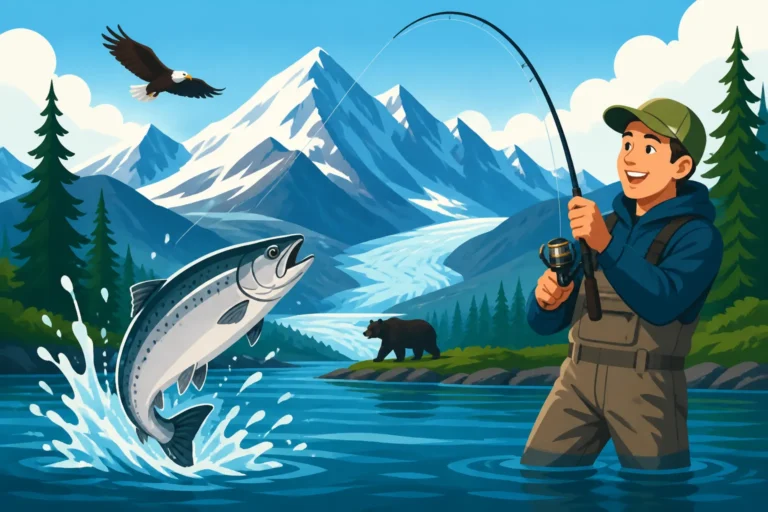
Unlike the coastal regions dominated by salmon and halibut, the Fairbanks area shines for its incredible freshwater diversity. You're looking at a fantastic chance to tangle with fish that thrive in colder, often shallower, river and lake environments. Think about the thrill of sight-fishing for a colorful Arctic Grayling in a clear stream, battling a formidable Northern Pike in a weedy lake, or experiencing the sheer power of a King Salmon pushing up a tributary of the Tanana. This region provides a distinct taste of Alaskan angling, less about the giant saltwater trophies and more about the diverse, vibrant life in its freshwater veins. Many of these species are catch-and-release focused, especially for trophy fish, making it a sustainable and enriching experience.
Accessibility Versus Wilderness Experience
One of the great things about fishing near Fairbanks is the range of access. You can be casting a line in the Chena River right within city limits, or you can venture out on the road system to productive lakes and rivers just an hour or two away. For those seeking a deeper wilderness immersion, countless fly-out options from Fairbanks can transport you to remote lakes and rivers teeming with fish that rarely see a human. This blend means that whether you're on a tight schedule or looking for an epic multi-day adventure, there's an option that fits your style. However, remember that even roadside locations can feel wild, so always be prepared for wildlife encounters and rapidly changing weather conditions.
Top Accessible Fishing Spots for Anglers Near Fairbanks
For many anglers visiting or living in Fairbanks, the most practical approach is to explore the spots easily reachable by car. Thankfully, several excellent options offer fantastic fishing without needing a bush plane or an extensive backcountry trek. These locations are perfect for a day trip or even a few hours after work, providing consistent action and stunning scenery.
The Chena River: Urban Angling and Wild Fish
The Chena River is Fairbanks' backyard fishing paradise. Flowing right through the city and into the Tanana River, it offers surprisingly good fishing for a variety of species. While it's not known for massive salmon runs like the Kenai, it's a stellar spot for Arctic Grayling, particularly in its upper reaches, and often holds Northern Pike in its slower sections.
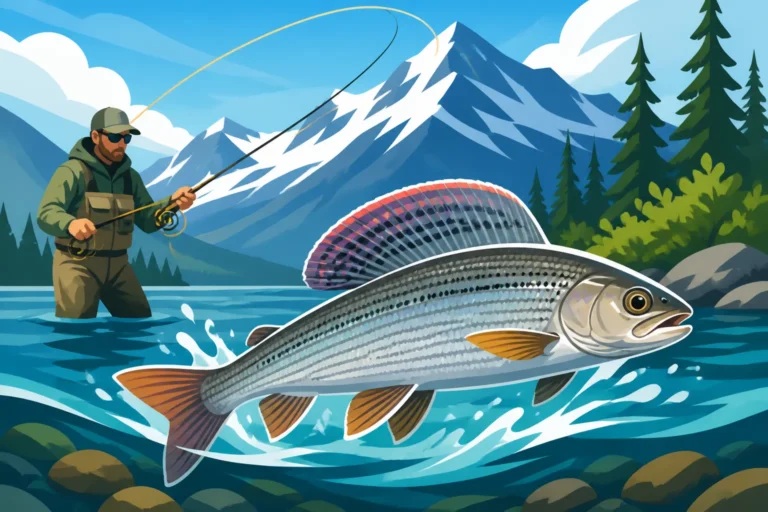
- Upstream for Arctic Grayling: As you head east of Fairbanks along the Chena Hot Springs Road, the river becomes clearer and more pristine. Sections within Chena River State Recreation Area, especially past the 30-mile mark, are renowned for their abundant Arctic Grayling. These beautiful fish, with their sail-like dorsal fins, are eager biters and fantastic on light tackle or a fly rod. Focus on eddies, seams, and gravel bars. Anglers often have great success with small spinners, dry flies, or nymph patterns. Remember to check the current Alaska Arctic Grayling Regulations and Limits as catch-and-release is often encouraged or required in many areas to preserve populations.
- Downstream for Northern Pike and Burbot: Closer to town and downstream towards its confluence with the Tanana River, the Chena widens and slows, creating ideal habitat for Northern Pike. These ambush predators love the weedy margins and submerged structures. Casting spoons, large spinners, or topwater lures can be incredibly effective. You might also find Burbot, sometimes called "poor man's lobster," which are particularly active in colder months and excellent table fare. Ice fishing for pike and burbot on the Chena can be a unique winter experience.
Stocked Lakes and Ponds: Easy Access and Consistent Action
Fairbanks and the surrounding area benefit from Alaska Department of Fish and Game's (ADF&G) stocking programs, which ensure that several roadside lakes and ponds offer reliable fishing, especially for families or those new to the sport. These spots are often well-maintained with amenities like boat launches and picnic areas.
- Harding Lake: Located about an hour southeast of Fairbanks near Salcha, Harding Lake is one of the largest and most popular stocked lakes in the region. It's home to stocked Rainbow Trout, Arctic Char, and is also known for its resident Northern Pike. The pike here can grow quite large, offering a real challenge. You can fish from shore, docks, or launch a boat. In winter, Harding Lake becomes a major ice fishing destination. For those targeting Rainbow Trout, small spinners, PowerBait, or even plain worms under a bobber work well. Check the specific Alaska Rainbow Trout Regulations and Limits before you go.
- Quartz Lake: Another excellent option about an hour southeast of Fairbanks, Quartz Lake, is also heavily stocked with Rainbow Trout and Arctic Char. It’s slightly smaller than Harding Lake but offers similar opportunities. It's a great spot for both summer and winter fishing, with cabins available for rent. The lake has easy access, a boat launch, and plenty of shoreline for bank fishing. For an easy way to explore different options and even book a local guide for these lakes, check out platforms like FishingBooker, which lists various nearby angling opportunities.
Salcha River: Salmon Runs and Pike Potential
The Salcha River, a tributary of the Tanana River located about 40 miles southeast of Fairbanks, offers one of the more significant road-accessible salmon fishing opportunities in the Interior. It’s a favorite among locals during the summer salmon runs.
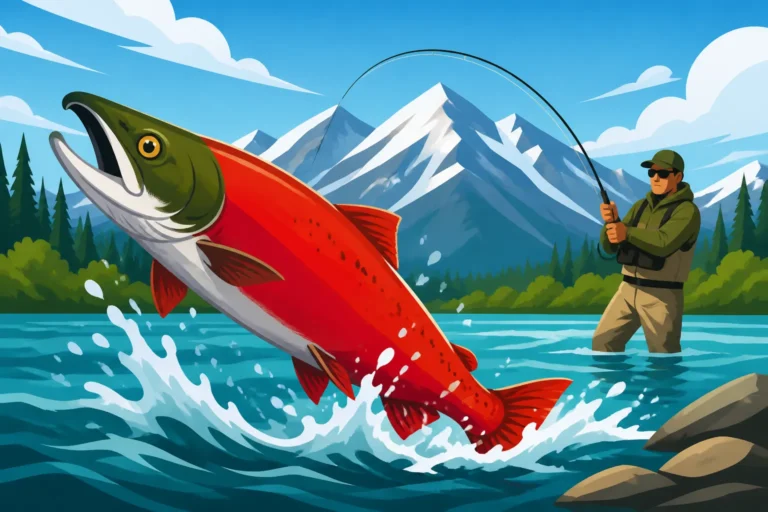
- King and Chum Salmon: The Salcha sees runs of both King (Chinook) and Chum (Dog) Salmon, typically peaking from late June through July for Kings, and July into August for Chums. These runs can vary year to year, so always check ADF&G emergency orders before heading out. Fishing with cured salmon eggs, large spinners, or Kwikfish plugs can be effective. Keep an eye on Alaska King Salmon Fishing Regulations and Limits and Alaska Chum Salmon Regulations and Limits, as these are often subject to in-season changes due to conservation concerns.
- Northern Pike: Outside of salmon season, or in slower sections, the Salcha can also hold good numbers of Northern Pike. The river offers diverse habitats, from gravel bars favored by salmon to slower, weedy backwaters perfect for pike.
Deeper Wilderness Experiences and Remote Fishing Near Fairbanks
While roadside fishing near Fairbanks is fantastic, the true allure of Interior Alaska fishing often lies off the beaten path. For those willing to invest a little more time, effort, or money, the opportunities to find unpressured waters and truly remote experiences are unparalleled. This is where Alaska really shows its wild side.
The Mighty Tanana River and Its Tributaries
The Tanana River, one of Alaska's major rivers, flows right past Fairbanks and acts as a highway for migrating fish and a home for a variety of resident species. While fishing the main stem can be challenging due to its size and murky waters, its numerous clearwater tributaries offer phenomenal fishing. Accessing these often requires a boat or a willingness to hike, but the rewards are often worth it.
- Productive Confluences and Backwaters: The areas where clear tributaries like the Chena, Salcha, or Chatanika meet the Tanana can be excellent. These confluences often concentrate baitfish and provide cooler, clearer water, attracting predators. Searching for these transitions can yield Northern Pike, Sheefish, and even migrating salmon. The sheer size of the Tanana means you'll often find less competition and more pristine environments. Knowing How to Read Alaska Fishing Regulations for specific river sections is crucial, as regulations can change dramatically from one tributary to the next.
- Targeting Sheefish: The Tanana and its larger tributaries, particularly those connecting to the Yukon River system, are prime territory for Sheefish. Often called the "Tarpon of the North," these large, silvery predators are known for their strong fights and acrobatic jumps. They are challenging to find but incredibly rewarding. Large spoons, jigs, and flashy plugs are common lures. Sheefish can be found in deeper, slower pools, often near points or submerged structure.
Fly-Out Fishing Adventures: True Alaskan Wilderness
For the ultimate Fairbanks fishing experience, a fly-out trip is often the answer. Several air taxi services operate out of Fairbanks, offering day trips or multi-day expeditions to remote lodges or primitive camps on pristine lakes and rivers. This isn't just fishing; it's an immersive wilderness adventure.
- Remote Arctic Grayling and Lake Trout: Many small, clearwater streams and high-country lakes are accessible only by floatplane. These are often teeming with eager Arctic Grayling, and larger lakes can hold trophy Lake Trout. Imagine casting a fly to grayling rising to insects in a stream hundreds of miles from the nearest road, or trolling for monstrous Lake Trout in a glacial lake. Operators often provide all necessary gear, making it a relatively easy way to experience remote fishing.
- Northern Pike Hotbeds: Certain remote lakes in Interior Alaska are legendary for their giant Northern Pike. These shallow, weedy lakes, often with complex marshy shorelines, are perfect pike habitat. A fly-out trip to one of these pike havens can result in multiple fish over 40 inches, offering explosive topwater action or brutal subsurface battles. Guides specializing in these trips know the best spots and techniques. Using a service like FishingBooker can help you find reputable guides offering these unique fly-out experiences from Fairbanks. Before you commit, make sure to read their Alaska Fishing Charters: Complete Guide to understand what to expect.
Key Species to Target and When to Fish Near Fairbanks
Understanding the seasonal patterns and the specific behaviors of the fish species near Fairbanks is vital for a successful trip. The Interior's climate dictates clear windows of opportunity for different fish.
Seasonal Opportunities in Interior Alaska
The fishing season in Interior Alaska generally coincides with the ice-free months, typically from late May through September, with specific peaks for different species. Winter also offers excellent ice fishing.
- Spring (May-June): As the ice melts, Northern Pike become active and hungry in shallower, warmer waters, particularly in lakes and sluggish river sections. Arctic Grayling are also eager to bite as insect hatches begin. May and early June can also see the first King Salmon pushing into rivers like the Salcha.
- Summer (July-August): This is prime time. Arctic Grayling fishing remains excellent, often with prolific dry fly action. Salmon runs, including King and Chum, typically peak during July and early August in rivers like the Salcha and Chatanika. Rainbow Trout and Arctic Char in stocked lakes are consistently active. Sheefish in larger rivers become more accessible. To know the prime time for various species, consult a guide on the Best Time to Fish in Alaska.
- Fall (September-October): As temperatures drop and leaves turn, fishing can remain strong, especially for Arctic Grayling and resident trout and char. Pike remain active until the ice sets in. This is often a beautiful and less crowded time to fish, though weather can be unpredictable.
- Winter (November-April): Ice fishing takes center stage. Harding Lake and Quartz Lake are popular for Rainbow Trout, Arctic Char, and Northern Pike. Burbot can also be targeted through the ice in deeper river sections and lakes. Check ADF&G regulations for ice fishing specifics and safe ice conditions.
Table: Fairbanks Area Fish Species and Peak Seasons
| Fish Species | Primary Habitat | Peak Season (Open Water) | Peak Season (Ice Fishing) | Common Lures/Baits | Notes |
|---|---|---|---|---|---|
| Arctic Grayling | Clear rivers, streams, some lakes | June – September | Seldom | Small spinners, dry flies, nymphs, beads | Distinct dorsal fin; catch & release common. |
| Northern Pike | Weedy lakes, slow river sections | May – October | December – April | Spoons, large spinners, topwater, dead bait | Aggressive, can grow large; great sport fish. |
| King Salmon | Tanana tributaries (Salcha, Chatanika) | Late June – July | N/A | Cured eggs, Kwikfish, large spinners | Highly regulated; check emergency orders. |
| Chum Salmon | Tanana tributaries (Salcha, Chatanika) | July – August | N/A | Spinners, plugs, beads, cured eggs | Strong fighters; good for smoking. |
| Rainbow Trout | Stocked lakes (Harding, Quartz), some rivers | May – October | November – April | PowerBait, small spinners, worms, flies | Accessible, consistent action; stocked regularly. |
| Arctic Char | Stocked lakes (Harding, Quartz) | May – October | November – April | PowerBait, small spoons, jigs, worms | Similar to Rainbows in stocked lakes; beautiful fish. |
| Sheefish | Large rivers, lower Tanana tributaries | July – September | Seldom | Large spoons, jigs, flashy plugs | "Tarpon of the North"; powerful, elusive. |
| Burbot | Deep lakes, slow river pools | May – September | November – March | Dead bait (herring), glow jigs | Delicious white meat; nocturnal. |
Essential Tips for a Successful Fairbanks Fishing Trip
Planning a fishing trip to Interior Alaska requires some specific considerations to ensure both enjoyment and safety. From understanding regulations to packing the right gear, a little preparation goes a long way.
Navigating Regulations and Licensing
Alaska's fishing regulations can be complex, and they are especially dynamic in areas with sensitive salmon runs. It's not uncommon for emergency orders to change bag limits or even close fisheries mid-season.
- Know Before You Go: Always, always check the current Alaska Department of Fish and Game (ADF&G) sport fishing regulations booklet for the Interior Alaska region. You can find this online or pick up a physical copy at most sporting goods stores in Fairbanks. The Alaska Fishing Regulations Explained article can offer a great overview of what to look for. Pay close attention to daily and annual bag limits, size restrictions, and gear restrictions (e.g., bait bans, single-hook rules).
- Fishing License and Harvest Card: Everyone 16 years or older needs an Alaska fishing license. If you're targeting King Salmon or certain other species, you might also need a King Salmon stamp or an Alaska Harvest Record Card. These are crucial for proper reporting and conservation. Ensure you understand Alaska Harvest Record Card Explained before your trip. Licenses can be purchased online or from vendors in Fairbanks. The Alaska Fishing License: Complete Guide offers a detailed breakdown.
Gear Up for Interior Alaska's Conditions
The weather in Interior Alaska can be wildly unpredictable, even in summer. Dressing in layers and bringing waterproof gear is paramount. Your fishing tackle will also depend heavily on the species you're targeting.
- Layered Clothing and Rain Gear: Forget the idea of consistent sunny weather. Always pack waterproof rain gear (jacket and pants), even on a clear day. Layers are key, as temperatures can swing significantly from morning to afternoon. Insulated waders are a good idea for river fishing, providing warmth and protection.
- Rod and Reel Setups:
- Light-to-Medium Spin Setup: For Arctic Grayling and Rainbow Trout, a 6-7 foot light or ultralight spinning rod with 4-8 lb test line is perfect.
- Medium-Heavy Spin Setup: For Northern Pike, Sheefish, and salmon, a 7-9 foot medium-heavy rod with 15-30 lb test line is appropriate. Braided line is often preferred for its strength and sensitivity.
- Fly Fishing: For dedicated fly anglers, a 3-5 weight rod is ideal for grayling and smaller trout, while a 7-9 weight is better for salmon and larger pike.
- Lures and Baits:
- Spinners: Rooster Tails, Pixie Spoons, and Mepps spinners in various sizes are versatile.
- Spoons: Daredevils, Krocodiles, and Five of Diamonds are excellent for pike and some salmon.
- Plugs: Kwikfish, Wiggle Warts, and Rapalas are effective for salmon and larger predators.
- Flies: Dry flies (elk hair caddis, stimulators), nymphs (prince nymph, pheasant tail), and streamers (woolly bugger) for grayling and trout.
- Bait: Cured salmon eggs (where legal) for salmon, herring for pike and burbot.
- A more general guide on Alaska Fishing Gear and Tackle Guide can help you refine your packing list.
Safety in the Alaskan Wilderness
Even when fishing close to the road system, you're in bear country. Taking precautions is not just recommended, it's essential.
- Bear Safety: Carry bear spray and know how to use it. Make noise while hiking or fishing, especially in areas with dense vegetation. Keep a clean camp or fishing spot, and never store food or fish near where you are sleeping. If you catch fish, clean them away from your fishing spot and dispose of entrails properly.
- Navigation and Communication: If venturing into less-traveled areas, carry a map, compass, or GPS device. Cell service can be spotty to non-existent outside of Fairbanks. Consider a satellite messenger device for emergencies.
- Respect the Environment: Pack out everything you pack in, and leave no trace. Be mindful of fragile ecosystems, especially along riverbanks. Practicing catch-and-release, especially for certain species or in designated areas, helps ensure healthy fish populations for future generations.
Fishing near Fairbanks offers a distinct and unforgettable Alaskan experience, steeped in the wild beauty of the Interior. With the right preparation and a spirit of adventure, you're sure to create lasting memories.
Disclaimer
The information provided in this guide is for general informational purposes only and is subject to change. Always consult the most current Alaska Department of Fish and Game (ADF&G) regulations and emergency orders before planning and executing any fishing trip in Alaska. Safety precautions, including bear awareness, are essential when venturing into the Alaskan wilderness.