Best Fishing Beaches in Alaska
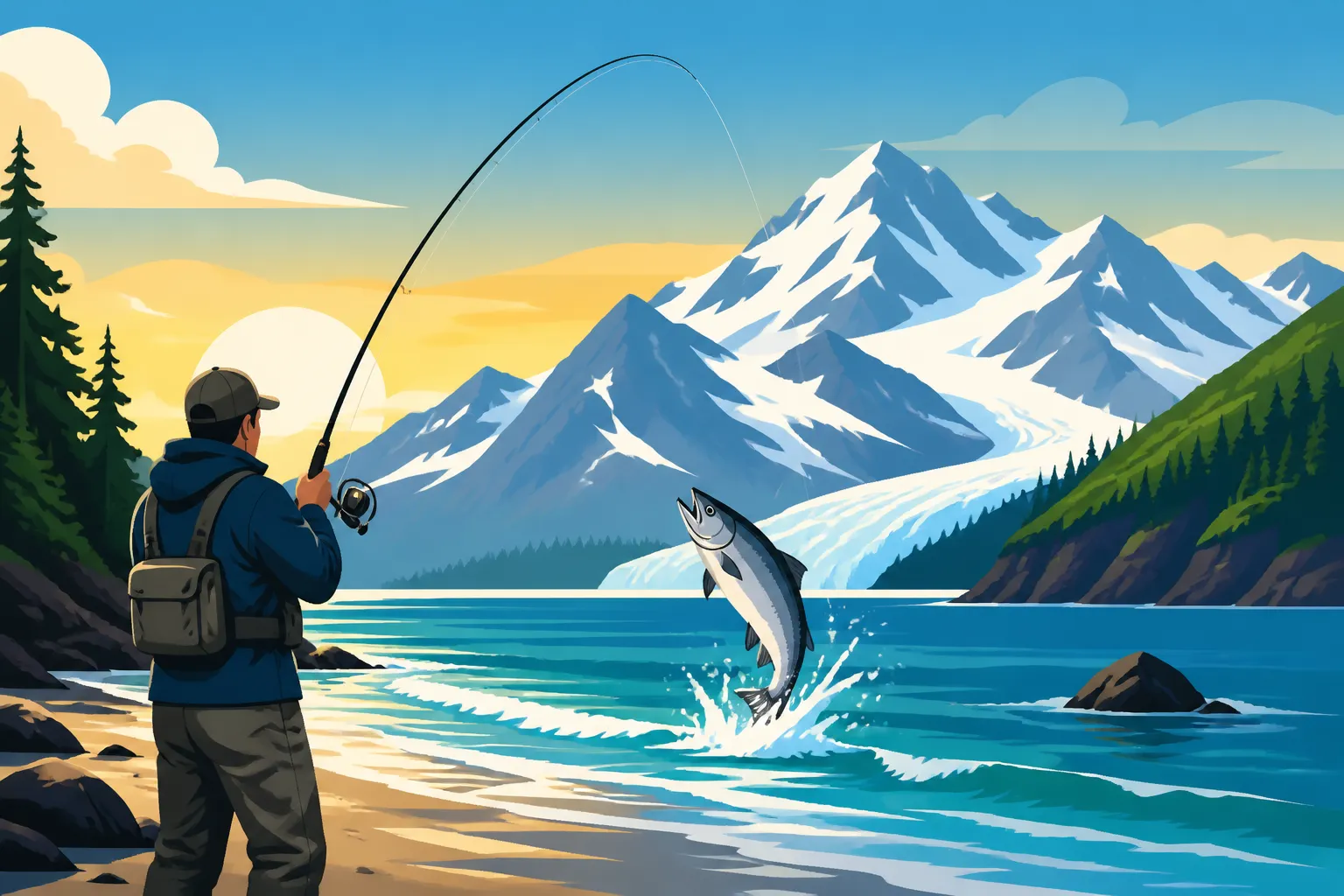
Many anglers dream of Alaska fishing, picturing remote wilderness lodges or deep-sea charters, but often overlook the incredible opportunities right from the shoreline. The truth is, sometimes the most rewarding and accessible fishing happens on Alaska's beaches, offering a more laid-back, family-friendly, and budget-conscious way to pursue incredible catches. This guide will walk you through some of the best beach fishing spots in Alaska, detailing what you can catch, when to go, and what you’ll need to make your shore-bound adventure a success.
The Unique Allure of Alaska's Fishing Beaches
There’s something truly special about having your feet on solid ground, casting your line into the vast waters of Alaska. It’s an experience that offers a different kind of connection to the rugged landscape and the abundant fish life. Unlike the logistical complexities of boat-based trips, beach fishing often requires less gear, less planning, and a more spontaneous approach, making it perfect for locals and visitors alike who want to immerse themselves in the fishing culture without breaking the bank or committing to a multi-day expedition.
Accessibility and Cost-Effectiveness
One of the biggest frustrations for aspiring anglers in Alaska can be the perceived high cost and inaccessibility of fishing. Let's be real, a fly-in trip to Bristol Bay or a multi-day charter out of Sitka can be a significant investment. This is where beach fishing truly shines. Many prime beach fishing locations are easily accessible by road, often just a short drive from major towns or cities like Anchorage, Homer, or Valdez. You don't need a boat, an expensive guide (though local knowledge is always a plus!), or specialized gear that costs a fortune. Just grab your rod, some tackle, a bucket, and you're often good to go. This makes it an incredibly appealing option for families with kids, budget travelers, or anyone who just wants to wet a line without all the fuss. Plus, the sheer joy of pulling a salmon out of the surf with your own two hands is unparalleled.
Family-Friendly Fishing Adventures
Finding activities that everyone in the family can enjoy on an Alaska trip can be a challenge, but beach fishing hits the sweet spot. Kids absolutely love the freedom of casting from shore, exploring tide pools, and feeling the excitement of a tug on their line. There’s no seasickness to worry about, plenty of space to move around, and usually other amenities nearby like restrooms or picnic areas. Imagine your little ones reeling in their first Dolly Varden or even a Pink Salmon, right from a scenic Alaskan beach. It creates lasting memories and introduces them to the joys of the outdoors in a low-pressure environment. It’s also easier to manage expectations; if the fish aren’t biting, you can easily shift gears to beachcombing or simply enjoying the stunning scenery, which isn't always an option when you're miles offshore on a charter.
Premier Beach Fishing Destinations in Southcentral Alaska
Southcentral Alaska boasts some of the most accessible and productive beach fishing spots, especially along the Kenai Peninsula and the Prince William Sound. These areas are popular for a reason, offering opportunities for various salmon species and other fish.
Homer Spit and Kachemak Bay
Ah, Homer! The "Halibut Fishing Capital of the World" isn't just for charters. The Homer Spit, a narrow finger of land extending 4.5 miles into Kachemak Bay, offers fantastic shore fishing opportunities. While you might not be catching those "barn door" halibut from shore, you can certainly target salmon, especially during their runs.
From late May through June, anglers often gather along the Homer Spit to try their luck at King Salmon. They'll typically be casting large spinners or spoons, or fishing bait like herring under a bobber. It's a thrilling experience, standing shoulder to shoulder with other hopeful anglers, waiting for that tell-tale strike. Later in the summer, from July to August, Pink and Silver Salmon become more abundant, offering more consistent action for shore anglers. You might even hook into a Dolly Varden or a small Pacific Cod. Remember to check the current Alaska Fishing Regulations Explained for specific limits and seasons, as they can change based on run strength. The area around the Nick Dudiak Fishing Lagoon on the Spit is specifically designed for public access and is a hot spot, especially for stocked King Salmon and later for Silvers. Many anglers find it helpful to use resources like FishingBooker to scout out local guides who might offer specialized shore-based clinics or know the nuanced tides and techniques for different species right from the Spit.
Seward's Resurrection Bay Shoreline
Seward, another jewel of the Kenai Peninsula, offers picturesque beach fishing opportunities, particularly along the shores of Resurrection Bay. While it's famed for its deep-sea charters, the shoreline around town, especially near the harbor and along Marathon Road, can yield surprising results.
Sockeye and Pink Salmon can be targeted here during their respective runs, typically from July into August. You'll often see anglers "flossing" for Sockeye, a common technique in Alaska where a heavy lead weight and a short leader with a bare hook are cast upstream and allowed to drift into the salmon's mouth. Pink Salmon, also known as humpies, are abundant and aggressive, readily biting on small spinners and spoons, making them a fantastic target for beginners and kids. You can also target Dolly Varden and various species of Rockfish from rocky outcrops along the bay. Access points like Lowell Point offer excellent opportunities for shore anglers to cast into deeper water. For a truly immersive experience, consider looking into a Seward Alaska Fishing Guide to get the most out of your shore fishing adventure.
Valdez and Prince William Sound Beaches
Valdez, nestled at the head of Prince William Sound, is famous for its King and Silver Salmon runs, and many of these fish pass close to shore. The beaches around Valdez offer some of the most reliable shore fishing in the state. The most popular spot is undoubtedly Allison Point, located near the entrance to Port Valdez.
Allison Point is a powerhouse for shore anglers, especially for King Salmon in May and June, and then for Pink and Silver Salmon from July through September. Anglers here use a variety of techniques, from casting large spoons and jigs to fishing cured eggs under bobbers. It can get incredibly crowded during peak runs, often dubbed "combat fishing," but the action can be phenomenal. Beyond Allison Point, other accessible beaches and docks in Valdez can offer opportunities for salmon and bottomfish. The scenery alone, with towering mountains meeting the sea, makes any fishing trip here worthwhile. Just be prepared for potential rain, as Valdez is known for its precipitation, so good Best Rain Gear for Alaska Fishing is a must.
Anchorage Area: Ship Creek and Knik Arm
You might not think of a major city like Anchorage as a prime beach fishing destination, but Ship Creek, running right through downtown, offers an incredible urban fishing experience. While not a true "beach" in the traditional sense, the tidal waters where Ship Creek meets the Knik Arm are highly accessible and provide unique opportunities.
The "Tidewater" section of Ship Creek is stocked with King Salmon, offering a remarkable urban King Salmon fishery from late May through early July. Anglers line the banks and cast into the outgoing tide, using an array of baits and lures. Later in the summer, Silver Salmon also enter the creek, extending the season into August and September. It's a fantastic spot for those staying in Anchorage to get a quick fishing fix. You'll need a state fishing license and often a King Salmon stamp if targeting kings. Learn more about Ship Creek Fishing in Downtown Anchorage to plan your visit. Beyond Ship Creek, while Knik Arm itself isn't known for extensive beach fishing due to its silty nature and extreme tides, certain accessible points might yield Dolly Varden or other small anadromous fish.
Top Beach Fishing Spots in Southeast Alaska
Southeast Alaska, with its intricate network of islands, fjords, and rugged coastline, offers a different flavor of beach fishing. Here, "beach" might often mean rocky shorelines, gravel bars, or accessible jetties, rather than expansive sandy stretches.
Ketchikan's Accessible Shorelines
Ketchikan, the "Salmon Capital of the World," provides numerous shore fishing opportunities, particularly around the city and accessible parks. Unlike the Kenai Peninsula, much of Southeast Alaska's coast is steep and rocky, but there are still plenty of spots to cast a line.
Along the scenic North and South Tongass Highways, you'll find various pull-offs and public access points that allow you to fish the saltwater for Pacific Salmon and bottomfish. Dolly Varden are common, and during the salmon runs (Kings in spring, Pinks and Silvers in summer), you can often intercept them as they stage before entering freshwater streams. Try casting spoons, spinners, or even small jigs. Local knowledge is invaluable here, so chatting with a tackle shop owner or a local guide can point you to the best tides and spots. Understanding Alaska Salmon Run Timing Explained for this region will greatly enhance your success.
Juneau's Coastal Access Points
Juneau, the state capital, is surrounded by stunning wilderness and offers several shore fishing locations that are popular with locals. The Auke Bay area, the Douglas Island bridge, and the Gastineau Channel shoreline provide relatively easy access.
During salmon runs, especially for Pink and Silver Salmon, anglers can be found casting from these accessible points. Pink Salmon arrive in huge numbers in odd-numbered years, making for easy and exciting fishing. Small spoons and spinners are highly effective. You might also catch Dolly Varden or a variety of Rockfish species from the rocky shores. For those looking to maximize their time, a local Juneau Fishing Guide for Visitors could offer tips on the best shore casting locations and techniques for the current season.
Sitka's Island Shores
Sitka, on Baranof Island, is another prime saltwater fishing destination, offering both boat and shore-based opportunities. The island's rugged coastline is dotted with smaller coves and accessible points that can be fished.
Around Starrigavan Bay, the public fishing dock is a popular spot, and the nearby beaches and breakwaters can yield salmon, particularly Silvers and Pinks in late summer. Casting out a herring under a bobber or jigging with lead head jigs can be productive. While not always a "beach," the accessible shorelines around Sitka provide fantastic views and a chance to intercept migrating salmon. Understanding Alaska Fishing License: Complete Guide and ensuring you have the correct stamps is crucial before casting your first line here.
What You Can Expect to Catch from Alaska's Beaches
The variety of fish you can catch from Alaskan beaches is surprisingly diverse, though salmon species tend to be the main draw.
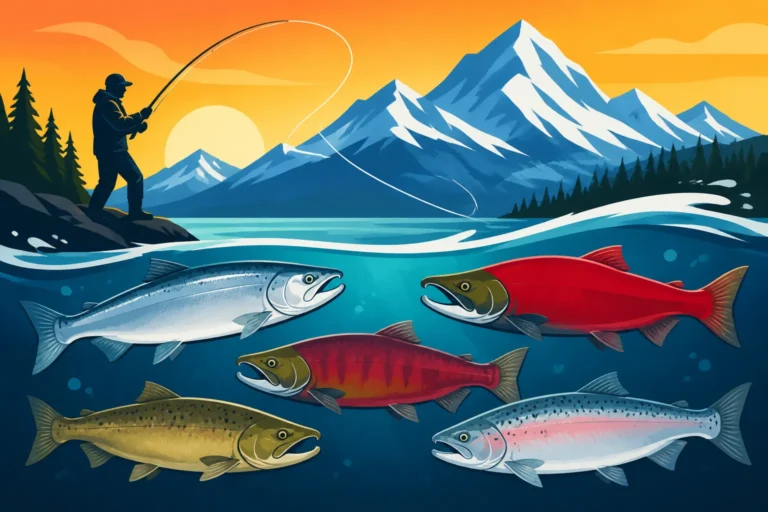
Pacific Salmon Species
- King Salmon (Chinook): The largest and most prized, Kings can be caught from beaches, especially in areas like Allison Point in Valdez or the Nick Dudiak Fishing Lagoon in Homer, particularly from May to early July. They put up an incredible fight!
- Sockeye Salmon (Red): Known for their fighting power and delicious red meat, Sockeye are often targeted by "flossing" from shore, especially in areas where they bottleneck before entering freshwater. July is prime time.
- Silver Salmon (Coho): Aggressive and acrobatic, Silvers are a favorite for beach anglers from August into September. They readily strike spinners and spoons.
- Pink Salmon (Humpy): The most abundant salmon species, Pinks provide fast action, especially in odd-numbered years. They are smaller but feisty and excellent for beginners. Peak season is July-August.
- Chum Salmon (Dog): While not as widely targeted for eating, Chums are powerful fighters and can be caught from beaches, often alongside Pinks and Silvers.
Other Coastal Species
- Dolly Varden: These beautiful char are common in both freshwater and saltwater near the coast. They're often caught incidentally while targeting salmon but are a fun catch on light tackle.
- Rockfish: Various species of Rockfish, such as black rockfish and yelloweye, can be caught from deeper rocky shorelines or jetties, especially in Southeast Alaska. Using jigs or bait on the bottom is effective.
- Pacific Cod: Smaller Pacific Cod can sometimes be caught from deeper coastal areas, offering another fun bottom-fishing option.
- Halibut: While rare to catch large "barn door" halibut from shore, smaller "chicken" halibut can occasionally be caught from deep channels or points on the Homer Spit or other Kachemak Bay locations, usually with heavy gear and bait fished on the bottom. Check Alaska Halibut Fishing Regulations and Limits carefully, as they differ for guided and unguided anglers, even from shore.
Essential Gear and Tips for Alaskan Beach Anglers
Preparation is key when fishing in Alaska, even from the seemingly simple vantage point of a beach. The weather can change in an instant, and you need to be ready for anything.
Rods, Reels, and Line
For general salmon beach fishing, a medium-heavy spinning rod, 8-10 feet in length, paired with a reliable spinning reel spooled with 20-30 lb braided line, is a versatile setup. This offers enough backbone to cast heavy lures and fight strong salmon, while still being manageable. For Sockeye flossing, a longer, stiffer rod (10-12 feet) can be advantageous for line control. When fishing from a rocky shore, having a slightly longer rod can help keep your line away from snags near the bottom.
Lures, Baits, and Tackle
- Spinners and Spoons: Essential for King, Silver, and Pink Salmon. Popular brands like Mepps, Pixie, Vibrax, and larger Dardevle spoons are go-tos. Carry a variety of sizes and colors (silver, brass, chartreuse, orange, pink).
- Jigs: Lead head jigs, often tipped with a piece of bait (like a shrimp or herring), are excellent for Silver Salmon, Rockfish, and Lingcod from deeper shorelines.
- Cured Salmon Eggs: For King Salmon and Sockeye (used in specific techniques). Learning How to Cure Salmon Eggs for Bait can save you money and give you a fresh edge.
- Bobbers/Floats: Important for suspending bait or jigs, especially when fish are suspended or when trying to keep your presentation in the strike zone.
- Weights: A selection of lead weights (pencil, pyramid, cannonball) will be necessary, depending on current and depth.
- Hooks: Bring a variety of strong, sharp hooks. Circle hooks are often recommended for bait fishing, especially if you plan to catch and release.
- Nets: A long-handled landing net is crucial for beach fishing, especially when trying to land larger salmon in the surf.
Here’s a quick overview of recommended tackle:
| Species Targeted | Recommended Lures/Baits | Rod/Reel Type | Key Technique |
|---|---|---|---|
| King Salmon | Large Spinners, Spoons, Cured Eggs, Herring | Medium-Heavy Spinning (8-10 ft) | Casting & Retrieving, Bobber & Bait |
| Sockeye Salmon | Bare Hook (Flies/Beads for Rivers) | Medium-Heavy Spinning (9-11 ft, stiffer) | Flossing (heavy weight, short leader) |
| Silver Salmon | Spinners, Spoons, Jigs, Cured Eggs | Medium-Heavy Spinning (8-9 ft) | Casting & Retrieving, Jigging, Bobber & Bait |
| Pink Salmon | Small Spinners, Spoons, Pink Jigs | Medium-Light to Medium Spinning (7-8 ft) | Casting & Retrieving, Fast Action |
| Dolly Varden | Small Spinners, Spoons, Flies, Roe | Light to Medium Spinning (6-7 ft) | Casting & Retrieving, Fly Fishing |
| Rockfish/Lingcod | Heavy Jigs, Bait (squid, herring) | Heavy Spinning or Conventional (7-8 ft) | Bottom Jigging |
Clothing and Safety Gear
Alaska's weather is notoriously unpredictable. One minute it's sunny, the next it's raining and windy. Dressing in layers is absolutely essential.
- Waders and Boots: You'll be standing in water, sometimes for hours. Good quality chest waders and wading boots are non-negotiable for comfort and safety. Seriously, don't skimp on this. If you want to know more, check out Do You Need Waders for Alaska Fishing.
- Rain Gear: A waterproof jacket and pants are crucial. Look for breathable options to stay comfortable.
- Warm Layers: Fleece, wool, or synthetic layers will keep you warm even if they get damp.
- Hat and Gloves: For sun protection, warmth, and keeping hands comfortable.
- Bear Spray: Always carry bear spray and know how to use it, especially if fishing in more remote areas or along rivers where bears frequent.
- First-Aid Kit: Small cuts and scrapes happen.
- Snacks and Water: Stay hydrated and energized.
- Headlamp: For early morning or late evening fishing, especially during shoulder seasons.
Timing Your Trip
Understanding Best Time to Fish in Alaska is vital. For salmon, timing your visit with the runs is paramount. Generally:
- King Salmon: May through June (some areas into early July).
- Sockeye Salmon: Late June through July.
- Pink Salmon: July through August (dominant in odd-numbered years).
- Silver Salmon: August through September.
Tides also play a massive role in beach fishing. Often, the incoming or outgoing tide, especially around the tide change, can be the most productive time as fish move with the current. Check local tide charts before you go. Platforms like FishingBooker often provide localized fishing forecasts that include tide information which can be incredibly useful.
Responsible Angling and Conservation
Alaska's fisheries are a precious resource, and it's up to all of us to protect them. Always be mindful of regulations, practice ethical angling, and respect the environment.
Understanding and Following Regulations
Before you even cast a line, ensure you have the appropriate Alaska Fishing License: Complete Guide and any necessary stamps (like a King Salmon stamp). Regulations, including bag limits, size restrictions, and specific gear rules (e.g., single hook, no bait zones), can vary by region, species, and even change mid-season via emergency orders. Always consult the current Alaska Sport Fishing Regulations booklet or the Alaska Department of Fish and Game (ADF&G) website for the most up-to-date information. Ignoring these rules can lead to significant fines and penalties.
Practicing Catch and Release
While many come to Alaska to harvest fish, practicing catch and release for certain species or when limits are met helps sustain the fishery. If releasing fish, handle them gently, minimize their time out of water, and use barbless hooks to reduce injury. Learn about Alaska Catch-and-Release Best Practices to ensure the fish have the best chance of survival.
Leave No Trace Principles
Pack out everything you pack in. This includes fishing line, bait containers, and any other trash. Respect private property and fellow anglers. Keep noise levels down, and if fishing in crowded areas, maintain a reasonable distance from others. Be aware of your surroundings, especially for wildlife like bears, and take precautions to store food and dispose of fish waste properly to avoid attracting them. Fishing is a privilege, and preserving the pristine beauty of Alaska's beaches is part of that responsibility.
Disclaimer
Fishing involves inherent risks, including but not limited to changing weather conditions, slippery terrain, and wildlife encounters. Always exercise caution, be aware of your surroundings, and prioritize personal safety. Consult with local experts and official sources for the most current regulations and safety guidelines before embarking on any fishing trip in Alaska.