Best Grayling Fishing in Alaska
It's easy to get caught up in the allure of Alaska's massive salmon and halibut, but sometimes the most rewarding experiences come from targeting a more delicate, equally stunning fish: the Arctic Grayling. Many anglers, especially those new to the Last Frontier, often wonder where to find these beautiful fish or how to even approach catching them. This comprehensive guide is designed to cut through that confusion, helping you discover the very best grayling fishing spots in Alaska and equip you with the knowledge to make your next trip a success.
Understanding Arctic Grayling: A Brief Overview
Before we dive into specific locations, let's take a moment to appreciate the Arctic Grayling. These fish, with their iridescent scales and impressive dorsal fin, are truly unique to the northern regions and represent a distinct angling experience compared to their anadromous counterparts. Trying to catch grayling without understanding their nature is like trying to find a needle in a haystack – frustrating and often fruitless.
Why Grayling are So Special to Anglers
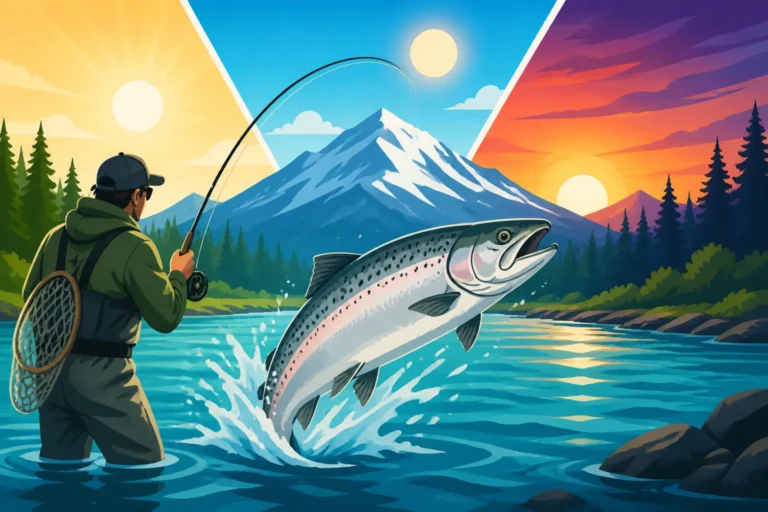
For many who journey to Alaska, the Arctic Grayling is a symbol of pristine wilderness and a purist's challenge. They're often found in remote, crystal-clear streams and lakes, demanding a certain finesse and appreciation for the environment. Their willingness to rise to a dry fly makes them a favorite among fly anglers, offering visual excitement as they sip insects from the surface. Unlike the brutal tug-of-war with a King Salmon, grayling fishing is about delicate presentation, observation, and connecting with the wild, untamed beauty of Alaska. It’s a peaceful pursuit that really grounds you in nature.
Grayling Habitat and Behavior
Arctic Grayling thrive in cold, clean water. You'll typically find them in slow-to-moderate moving rivers, clear streams, and often in shallower lake areas, especially near inlets and outlets. They prefer gravelly bottoms and areas with submerged vegetation or structure that provides cover and food. These fish are opportunistic feeders, primarily consuming aquatic insects, especially mayflies, caddisflies, and stoneflies, along with terrestrial insects that fall into the water. This makes their feeding patterns quite predictable once you understand the local entomology. They are highly active during the long daylight hours of the Alaskan summer, often feeding near the surface during hatches.
Identification and Key Characteristics
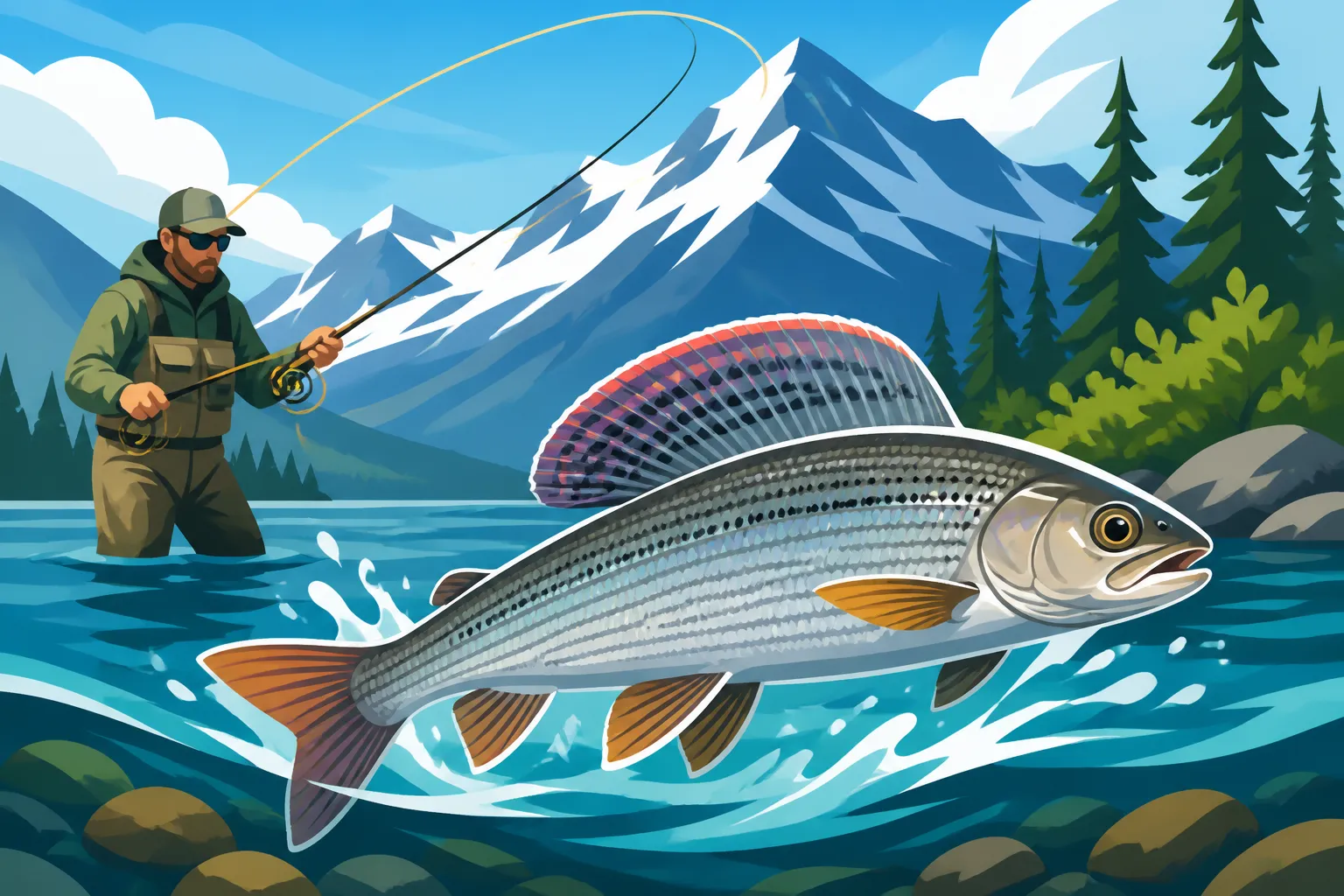
Identifying an Arctic Grayling is usually quite straightforward, though they can sometimes be confused with other trout species, particularly Dolly Varden, if you're not paying close attention. Their most striking feature is their exceptionally large, sail-like dorsal fin, which is often edged with a vibrant red or purple band and speckled with iridescent spots. Their bodies are typically silvery-grey to olive-brown, fading to a whitish belly, and they often display a sprinkle of black spots on their sides. The key identifier is that magnificent dorsal fin and their smaller, more delicate mouth compared to a salmon. They also have a distinctive "thymallus" odor, often described as smelling faintly of wild thyme, which is where their scientific name Thymallus arcticus originates. For more detailed information on species, you might want to read our guide on Alaska Arctic Grayling: Facts and Fishing Tips.
Top Grayling Fishing Spots Across Alaska
Alaska offers a plethora of grayling fishing opportunities, from easily accessible roadside locations to remote fly-in destinations that promise solitude and trophy-sized fish. The "best" spot often depends on what kind of experience you're looking for – whether it's convenience, a wilderness adventure, or the chance at a true monster.
Road System Gems and Accessible Rivers
You don't always need a bush plane to find fantastic grayling. Many excellent spots are accessible by Alaska's limited road system, making them perfect for day trips or multi-day camping excursions. The Denali Highway area, for instance, offers numerous clear streams and small lakes that teem with grayling. Rivers like the Susitna and its tributaries, or even streams near Fairbanks like the Chena River or Salcha River, can provide great action. The challenge here is often finding less pressured spots and understanding local access points. A quick search on a platform like FishingBooker can sometimes reveal guides who specialize in these more accessible areas, offering a local's insight into public and private access. Remember to always check current Alaska Fishing Regulations Explained for specific zones, as rules can vary greatly.
A handy resource for planning trips to accessible rivers is this table of popular grayling fishing locations:
| Location (Region) | Accessibility | Typical Grayling Size | Best Fishing Method | Notes |
|---|---|---|---|---|
| Denali Highway Streams | Roadside | 10-14 inches | Fly Fishing (dry) | Numerous small streams, scenic drives, camping available |
| Chena River (Fairbanks) | Roadside | 8-12 inches | Spin or Fly Fishing | Stocked, family-friendly, very accessible, can be busy |
| Gulkana River (Glennallen) | Roadside | 12-16 inches | Fly Fishing (nymphs) | Known for bigger fish, also has salmon, some remote sections require boat |
| Tangle Lakes (Denali Hwy) | Roadside | 10-15 inches | Spin or Fly Fishing | Multiple lakes and river sections, good for canoes/kayaks |
| Maclaren River (Denali Hwy) | Roadside | 10-14 inches | Fly Fishing | Clear water, can wade, relatively accessible, gorgeous scenery |
Remote Fly-In Lake and Stream Adventures
For those seeking a true Alaskan wilderness experience and a shot at larger, less pressured grayling, a fly-in trip is unparalleled. Regions like Bristol Bay, the Alaska Peninsula, and even interior areas near the Arctic Circle are dotted with countless pristine lakes and rivers that hold populations of trophy grayling. These locations often require booking a trip with a bush plane charter, which can feel daunting but opens up incredible opportunities. Companies like Talkeetna Air Taxi or Iliamna Air Taxi can get you into some phenomenal spots, often dropping you off for a multi-day float trip or a stay at a remote cabin. These trips typically mean undisturbed fishing, where you might only see bears and eagles for days. The thrill of being dropped off in the middle of nowhere, surrounded by raw Alaskan beauty, and knowing you're targeting fish that rarely see a lure, is truly a bucket-list experience. For a broader look at remote options, check out our guide on Best Fly-In Fishing in Alaska.
Regional Hotspots for Trophy Grayling
While grayling generally don't reach the gargantuan sizes of a King Salmon, "trophy" grayling are certainly a thing, often measuring 18 inches or more. These larger fish are typically found in more remote systems where they have abundant food sources and less fishing pressure.
One prime region for trophy grayling is the drainage of the Yukon River and its tributaries, particularly those north of the Alaska Range. Rivers like the Koyukuk or even more obscure northern streams can produce truly impressive specimens. The long, cold winters here mean slower growth rates, but also a longer lifespan, allowing some fish to reach remarkable sizes. Another hotspot, if you can access it, is the drainages flowing into the Arctic Ocean, where the grayling are often larger and more vibrant. Accessing these requires meticulous planning, often involving multi-leg flights or experienced guides who specialize in remote expeditions. A specialized charter service found through platforms like FishingBooker could link you with these remote guides, ensuring you have the expertise needed for such an adventure. These fish often require a different approach than their smaller counterparts, demanding larger flies or lures and a stealthier presentation.
Effective Techniques for Catching Arctic Grayling
Grayling are generally eager biters, especially when actively feeding, but approaching them with the right technique makes all the difference. Their preferred habitat and diet dictate the most successful methods.
Fly Fishing for Grayling
Fly fishing is arguably the most popular and often most effective method for Arctic Grayling. They are incredibly eager to rise to dry flies during a hatch, offering exciting visual strikes. When no hatch is present, nymphing or using small streamers can be highly productive.
- Dry Fly Fishing: This is the quintessential grayling experience. Look for rising fish, or target likely holding water like eddies, seam lines, and pools. Popular dry fly patterns include Adams, Parachute Adams, Elk Hair Caddis, Royal Wulff, and various ant or beetle patterns in sizes #12-18. Focus on a gentle, accurate presentation. Overcasting or splashing a heavy fly line can spook these often-wary fish in clear water. The key is to make your fly look like a natural insect floating downstream.
- Nymphing: When grayling aren't rising, they're often feeding subsurface. Small bead-head nymphs like a Prince Nymph, Pheasant Tail Nymph, Hare's Ear Nymph, or even small egg patterns can be deadly. Fish these under an indicator or by high-stick nymphing, paying close attention to any subtle twitch in your line. Weighted nymphs get down to where the fish are holding without much fuss.
- Streamer Fishing: While less common for grayling, small streamers can entice larger fish, especially in deeper pools or during periods of low insect activity. Patterns like a Woolly Bugger (black, olive, or brown) in sizes #10-14 can imitate small baitfish or larger aquatic invertebrates. Strip these slowly through likely holding water. Learning How to Fly Fish in Alaska is a foundational skill for this species.
Spin Fishing for Grayling
For anglers who prefer spin fishing, grayling are still very accessible and fun to catch. The same principles of light tackle and subtle presentation apply, but with different gear.
- Small Spinners: Classic inline spinners like a #0 or #1 Mepps Aglia, Panther Martin, or Rooster Tail in silver, gold, or black are incredibly effective. Cast upstream or across current and retrieve just fast enough to get the blade spinning, allowing it to drift naturally downstream. Grayling often hit these aggressively.
- Micro Jigs and Plastics: Tiny jigs (1/32 to 1/8 oz) tipped with a small plastic grub, tube, or curly tail can also be very productive. White, chartreuse, or black are good starting colors. Fish these with a slow retrieve, adding slight jigging motions, particularly in deeper pools or current seams.
- Small Spoons: Very small spoons, like a 1/8 oz Kastmaster or a Little Cleo, can imitate small baitfish or flashy insects. Cast and retrieve with a slow, wobbling action. The flash and vibration can draw strikes from a distance. For more general advice on tackle, check out our Alaska Fishing Gear and Tackle Guide.
Reading the Water and Presentation Tips
No matter your chosen method, understanding where grayling hold and how to present your offering is paramount.
- Current Seams: Grayling love to hold just out of the main current, in the softer water behind rocks, logs, or along the banks. This allows them to conserve energy while waiting for food to drift by in the faster water.
- Pools and Eddies: Deeper pools provide cover and often hold larger fish. Eddies, where the current swirls and slows, are prime feeding zones where insects and small prey accumulate.
- Riffles and Runs: Shallow riffles leading into deeper runs are excellent spots for feeding grayling, especially during hatches. They'll position themselves at the head or tail of these sections.
- Stealth and Soft Landings: Grayling, particularly in clear water, are easily spooked. Approach fishing spots cautiously, avoid heavy footsteps on the bank, and make soft, accurate casts. A subtle presentation that doesn't splash or create a disturbance is key. Sometimes, the fish are practically at your feet, so start fishing close and work your way out.
Gear and Essentials for Your Grayling Adventure
Having the right gear makes a huge difference in comfort and success when targeting grayling. It's not just about the rod and reel; it's about being prepared for the Alaskan environment.
Recommended Rods, Reels, and Line
For grayling, lighter tackle is generally preferred, matching the size and fight of these beautiful fish.
- Fly Fishing Setup: A 3-weight to 5-weight fly rod, typically 7.5 to 9 feet long, is ideal. A medium-fast action rod offers enough backbone for casting but enough sensitivity for delicate presentations. Pair this with a matching fly reel and a floating weight-forward line. For leader and tippet, a 7.5 to 9-foot leader tapering to 4x, 5x, or even 6x tippet is appropriate, especially for finicky fish and small dry flies.
- Spin Fishing Setup: A light to ultralight spinning rod, 5 to 6.5 feet long, will provide the sensitivity needed to feel subtle strikes and the fun of fighting a grayling. Match this with a small spinning reel spooled with 2-6 pound test monofilament or braided line. Lighter line allows for longer casts of small lures and a more natural presentation. While monofilament is common, braided line with a fluorocarbon leader can offer increased sensitivity and casting distance.
Essential Flies and Lures
Your tackle box or fly wallet should have a good selection to cover various conditions.
- Dry Flies: Adams, Parachute Adams, Elk Hair Caddis, Royal Wulff, Mosquito, Ant patterns (black, cinnamon), Beetle patterns. Sizes #12-18 are usually sufficient. If you encounter a specific hatch, try to "match the hatch" with similar size and color.
- Nymphs: Prince Nymph, Pheasant Tail Nymph, Hare's Ear Nymph, Copper John. Sizes #12-18. Bead-head versions are great for getting down quickly.
- Streamers: Small Woolly Buggers (black, olive, brown), Sculpzillas. Sizes #10-14.
- Spinners: Mepps Aglia, Panther Martin, Rooster Tail. Sizes #0, #1. Colors: silver, gold, black, sometimes chartreuse.
- Jigs/Spoons: 1/32 to 1/8 oz micro jigs with small plastic bodies. Small Kastmasters or Little Cleos (1/8 oz).
- Bait: While not often necessary for grayling, small pieces of cured salmon eggs or even a grasshopper can be effective on a small hook if allowed by regulations. Always check Alaska Bait Restrictions Explained before using bait.
Clothing and Other Must-Haves
Alaska's weather is notoriously unpredictable, even in summer. Dressing in layers and being prepared for anything is crucial.
- Layered Clothing: Start with a moisture-wicking base layer, add an insulating mid-layer (fleece or down), and top with a waterproof and windproof outer shell. Even on sunny days, the temperature can drop rapidly, especially in the evening or if a sudden rain shower rolls in. Many anglers find our guide on How to Dress for Alaska Fishing invaluable.
- Waders and Boots: Chest waders are almost always a good idea, allowing you to comfortably access prime wading spots. Breathable waders are best for summer to prevent overheating. Pair them with sturdy wading boots that provide good ankle support and grip on slippery rocks. Check out Do You Need Waders for Alaska Fishing for more insights.
- Essentials Bag: Don't forget bug repellent (Alaska mosquitoes are legendary!), sunscreen, polarized sunglasses (crucial for spotting fish in clear water), a hat, a small first-aid kit, and plenty of water and snacks. A net with a rubberized mesh is also excellent for safely landing and releasing grayling, minimizing harm to their delicate fins.
Grayling fishing in Alaska offers a beautiful counterpoint to the more intense salmon and halibut pursuits. It’s a chance to slow down, appreciate the subtle beauty of the fish and the landscape, and hone your delicate angling skills. Whether you're casting a dry fly on a remote stream or a small spinner from a roadside pull-off, the Arctic Grayling promises a rewarding experience in the heart of the Alaskan wilderness.
Disclaimer
The information provided in this guide is for general informational purposes only and is subject to change. Always consult the most current Alaska Department of Fish and Game (ADF&G) regulations and emergency orders before planning any fishing trip. Fishing conditions, run timings, and regulations can vary significantly by location and season.