Best Fishing Spots on the Road System in Alaska
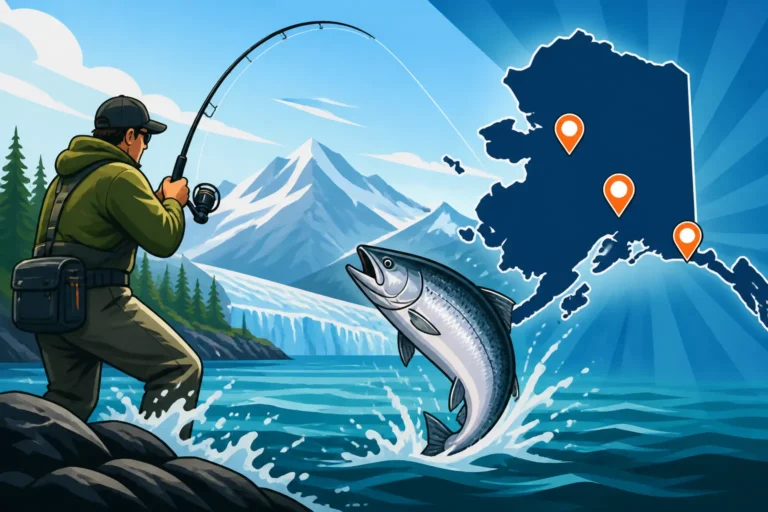
You know, for a lot of us, when we picture "Alaska fishing," our minds immediately conjure up images of remote fly-in lodges, floatplanes landing on pristine lakes, or multi-day offshore charters. And while those experiences are absolutely incredible, they often come with a hefty price tag and require significant planning. The truth is, many anglers, myself included, want to experience Alaska's legendary fishing without breaking the bank or navigating complex logistics. That's why diving into the incredible opportunities found right off Alaska's extensive road system is such a game-changer, and exactly what this guide aims to help you discover.
Why the Road System is a Game-Changer for Anglers
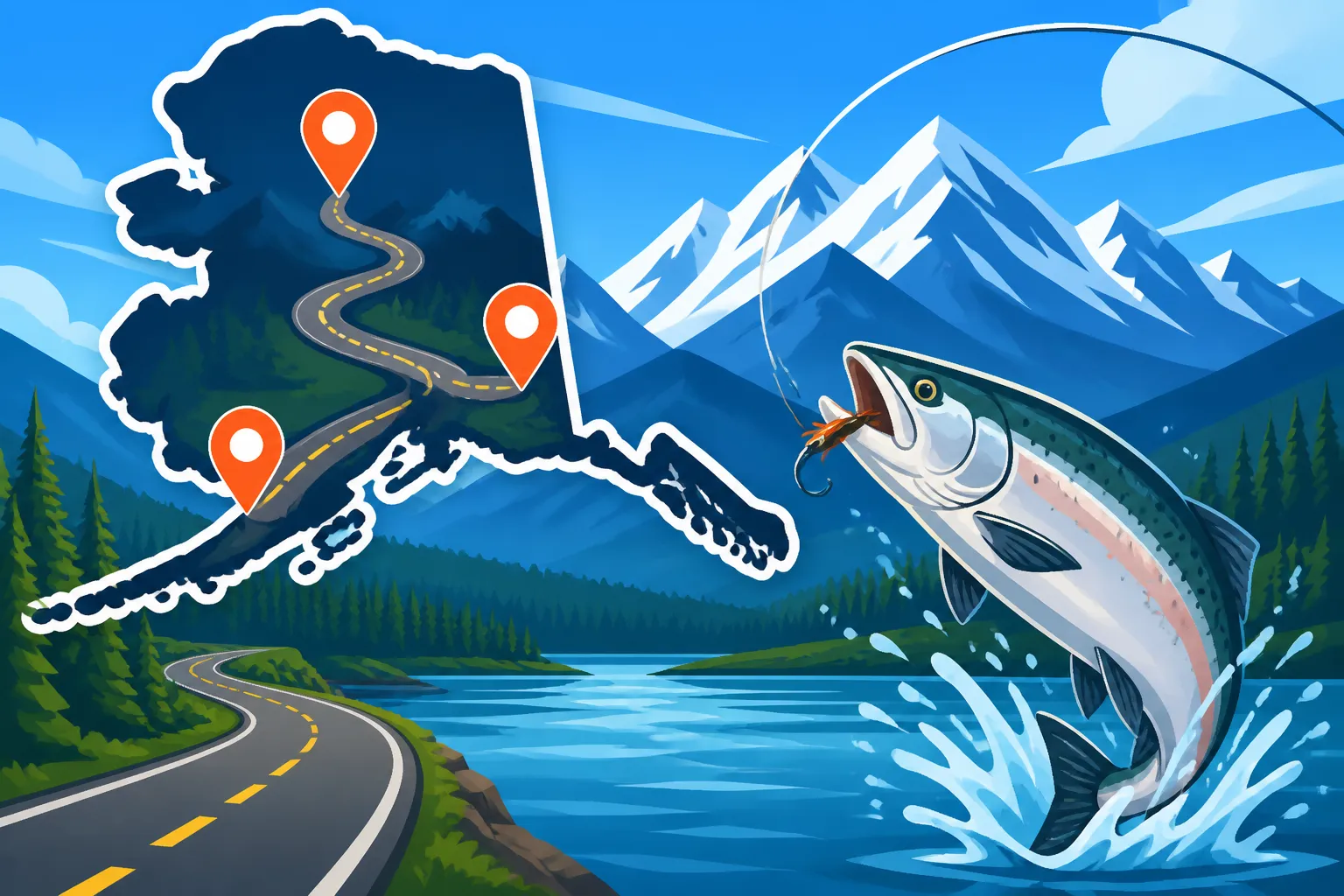
Let's be real, the thought of an Alaskan fishing adventure can feel overwhelming, especially when you consider the cost and complexity of getting to some of those truly remote locations. But what if I told you that some of the state's most productive and enjoyable fishing grounds are literally just a drive away? The road system isn't just about convenience; it opens up Alaska's fisheries to a much broader audience, offering a different, yet equally rewarding, kind of adventure.
Accessibility Without the Airfare
One of the biggest hurdles for many aspiring Alaska anglers is the cost of air travel within the state. Chartering a plane to a remote lodge or a secluded river can easily add hundreds, if not thousands, of dollars to your trip budget. That's where the road system shines. By focusing on spots you can drive to, you dramatically cut down on internal travel costs, making a legendary fishing trip far more attainable for families, budget-conscious travelers, or even locals looking for a quick weekend getaway. You can load up your vehicle with all your gear, pack a cooler, and hit the highway, enjoying the stunning scenery along the way. Think about the freedom of pulling over at a roadside pullout and casting a line into a productive river, all without ever leaving the pavement for long.
Diverse Fishing Opportunities
The beauty of Alaska's road system isn't just about access; it's about the sheer variety of fishing experiences it unlocks. You're not limited to one type of water or one species of fish. Within a few hours' drive from major hubs like Anchorage, you can be chasing trophy rainbow trout in a clear-flowing stream, battling a chrome-bright King Salmon in a powerful river, or even jigging for a massive halibut from a small boat launched at a road-accessible harbor. From the saltwater bays of the Kenai Peninsula to the freshwater lakes and rivers of the Interior, the road system connects you to an incredibly diverse aquatic landscape. It allows for spontaneous decisions—if one river is blown out, you can often drive to another that's fishing well, an option not available when you're tied to a fly-out schedule.
Top Road-Accessible Fishing Hotspots in Southcentral Alaska
Southcentral Alaska is undoubtedly the epicenter of road system fishing, boasting some of the most famous and productive rivers and saltwater access points. It’s where many Alaskans and visitors alike get their fill of salmon and halibut.
Kenai Peninsula Classics: Kenai and Kasilof Rivers
When you talk about road system fishing in Alaska, the Kenai Peninsula immediately comes to mind. It’s a literal angler's paradise, and the journey down the Sterling Highway is an adventure in itself.
The Kenai River, flowing from Kenai Lake to Cook Inlet, is world-renowned for its colossal King Salmon, strong Sockeye, and feisty Silver Salmon. Driving along the Kenai, you’ll find numerous public access points, boat launches, and even roadside pullouts where you can try your luck. For instance, the section around Cooper Landing offers fantastic opportunities for trout and Dolly Varden, especially for fly anglers, while downriver near Soldotna and Kenai, the focus shifts to salmon. During the Sockeye run, the banks can be packed with "combat anglers" shoulder-to-shoulder, a unique Alaskan experience. If you’re planning a trip to this iconic waterway, it’s essential to be familiar with the latest Kenai River Fishing: Complete Guide to maximize your chances and understand the nuances of the fishery.
Just south of the Kenai, the Kasilof River offers a slightly less crowded, but equally rewarding experience. Known for its strong King and Sockeye Salmon runs, the Kasilof often provides a fantastic alternative when the Kenai is particularly busy or when King Salmon fishing is restricted on the Kenai. Much of the Kasilof is fished from drift boats, but there are also accessible bank fishing spots, particularly for Sockeye. The river’s gravel bottom and relatively consistent flow make it a favorite for many, and it's easily accessed directly off the Sterling Highway. Remember that King Salmon fishing here often requires a specific King Salmon stamp in addition to your Alaska Fishing License: Complete Guide.
Anchorage's Urban Oasis: Ship Creek
You might not think of a bustling city like Anchorage as a prime fishing destination, but Ship Creek defies expectations. Flowing right through downtown, this urban fishery offers the incredible opportunity to catch salmon within sight of skyscrapers. While it's not a wilderness experience, the thrill of hooking a King or Silver Salmon so close to town is undeniably unique.
Ship Creek sees robust runs of King Salmon in late May and June, followed by Pink Salmon (on even years) and Silver Salmon from July through September. There are designated fishing areas, often with elevated platforms, making it accessible for anglers of all ages and abilities. It's a fantastic spot for beginners or those who want a quick fishing fix without traveling far. You'll see locals, tourists, and businesspeople in suits trying their luck after work. It truly embodies the Alaskan spirit of outdoor access right at your doorstep. Just remember to check the specific emergency orders, as regulations can change quickly for this heavily fished area.
Mat-Su Valley's Hidden Gems: Deshka River and Susitna Drainage
North of Anchorage, the Matanuska-Susitna Valley, often called the Mat-Su Valley, opens up a vast network of rivers and lakes that are largely road-accessible. This region is a treasure trove for anglers seeking various species.
The Deshka River, a tributary of the Susitna, is another fantastic King and Silver Salmon fishery. While parts of it require a short boat ride up from the Susitna River access points, many anglers find excellent bank fishing opportunities along its lower stretches, particularly around the Deshka Landing area, which is easily accessible by road. It’s a popular spot for those targeting early-run King Salmon, and you’ll often find numerous guides operating out of this area. Knowing the latest Alaska King Salmon Fishing Regulations and Limits for this river is crucial, as they can be quite specific.
Beyond the Deshka, the larger Susitna River Drainage offers countless possibilities. While the main stem of the Susitna is massive and often requires a jet boat to truly explore, its tributaries like the Little Susitna River are far more accessible by road. The Little Susitna, for instance, provides great opportunities for King, Sockeye, and Silver Salmon, as well as Rainbow Trout and Dolly Varden. Public access sites like the Burma Road area or the Susitna Landing offer places to launch boats or fish from shore. The fishing here can be fantastic, and often feels a bit more "wild" than the more heavily trafficked Kenai Peninsula spots, even though you're still within easy driving distance.
Exploring Interior and Southeast Road System Options
While Southcentral often gets the spotlight for road-accessible fishing, the Interior and even parts of Southeast Alaska offer some amazing, albeit different, experiences right off the beaten path. These areas typically see less intense fishing pressure, making for a more relaxed outing.
Fairbanks Area: Chena River and Local Lakes
If your travels take you to Interior Alaska, specifically the Fairbanks area, you'll find plenty of road-accessible fishing, though the species targeted might shift from the salmon focus of the south. The Chena River, which flows directly through Fairbanks, is a beautiful clear-water stream offering excellent opportunities for Arctic Grayling. These sail-finned beauties are a joy to catch on light tackle or a fly rod, and you can access the river from numerous parks and pullouts right in town or along the Chena Hot Springs Road. It’s a peaceful contrast to the often bustling salmon rivers further south.
In addition to the river, the Fairbanks area is dotted with numerous stocked lakes, many of which are part of the state's popular "Youth Only" or "Family Friendly" fisheries. Lakes like Quartz Lake, Birch Lake, and Harding Lake are all easily accessible by road and offer diverse fishing for Rainbow Trout, Arctic Char, and Northern Pike. These lakes are perfect for families, beginners, or those simply looking for a relaxing day of fishing without the crowds. They're particularly great for ice fishing in the winter, a unique road-accessible experience!
Southeast's Drive-Up Access: Juneau's Streams and Marine Parks
Southeast Alaska is a region defined by its islands and fjords, making much of it accessible primarily by boat or plane. However, the capital city of Juneau, being on the mainland and connected by a highway (albeit a short one, often called "the road to nowhere"), does offer some fantastic road-accessible fishing. It's a different vibe, focusing more on shorter coastal streams and marine park access.
Small streams like Sheep Creek, Salmon Creek, and Montana Creek (which also has a fish hatchery) are easily accessed from the Juneau road system and see good runs of Pink, Chum, and Silver Salmon, especially in late summer and fall. Anglers can walk the banks, cast from bridges, or use small rafts in some areas. These are often walk-in fisheries, offering a real sense of connection to the wild, even if you just drove there. It’s important to understand the specific Alaska Salmon Bag Limits by Species for these smaller, localized fisheries, as they can vary greatly from larger rivers.
For saltwater enthusiasts, Juneau also has accessible marine parks and public docks where you can cast for rockfish, troll for King or Silver Salmon from a small skiff launched at a boat ramp, or even try your hand at crabbing or shrimping. For those looking for a guided experience from the road system, you can often find charters operating out of Juneau that depart from road-accessible marinas. Using a service like FishingBooker can help you find reputable guides for these specific areas, allowing you to filter by location and desired species. While not as extensive as the road system in Southcentral, Juneau offers fantastic opportunities for those willing to explore its coastal edges.
Essential Tips for Road System Anglers
Fishing Alaska's road system is an adventure, but like any good adventure, it comes with its own set of preparations and considerations. Being well-informed and well-prepared can make all the difference between a frustrating day and a memorable one.
Gear Up Smart for Roadside Fishing
When you're fishing along the road system, you often have the flexibility to bring a wider range of gear than if you were flying out to a remote lodge. However, smart packing is still key.
Versatile Rods and Reels: Don't just bring one setup. A medium-heavy spinning rod (8-10 ft) with 20-30 lb braid is a good all-around choice for salmon in rivers like the Kenai or Kasilof. For trout and grayling in the Interior, a lighter spinning setup or a 5-7 weight fly rod will be perfect. If you're planning on saltwater jigging for halibut from a shore-accessible boat, a stout conventional rod with a heavy braided line is essential. Having options means you're ready for whatever the fish, or the regulations, throw at you.
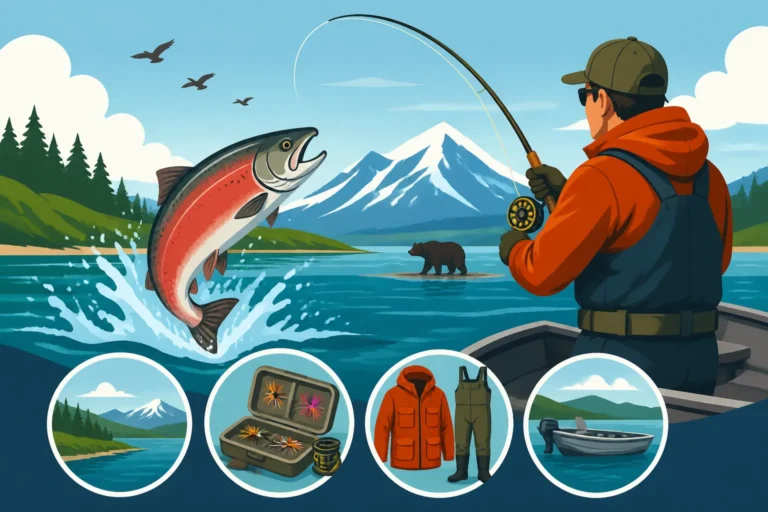
Layered Clothing and Rain Gear: Alaska's weather is famously unpredictable. Even on a sunny morning, a downpour can roll in quickly. Invest in quality waterproof and windproof outerwear, and dress in layers. Merino wool or synthetic base layers are far better than cotton, which loses its insulating properties when wet. Believe me, being cold and wet can ruin a trip faster than a missed fish.
Waders and Boots: For river fishing, good chest waders are often indispensable. They allow you to access prime casting positions, cross shallow channels, and stay dry. Choose durable waders with good wading boots that provide ankle support and traction on slippery rocks. Check out "Do You Need Waders for Alaska Fishing" for more detailed insights.
Fishing Tackle: Pack a variety of lures, baits, and terminal tackle appropriate for the species you're targeting. For salmon, this might include large spinners, plugs (like Kwikfish or Super Baits), egg patterns, and cured salmon roe. For trout and grayling, smaller spinners, dry flies, nymphs, and beads are essential. Don't forget extra leaders, weights, hooks (especially barbless hooks, often required), and a good net.
Understanding Regulations and Emergency Orders
This is perhaps the most critical tip for any angler in Alaska, especially on the road system where fisheries are often heavily managed due and susceptible to high pressure. Alaska's fishing regulations are complex and can change frequently, sometimes daily, via emergency orders (EOs).
The Regulations Booklet: Before you even leave home, obtain and thoroughly read the current year's Alaska Fishing Regulations Explained booklet, specific to the region you plan to visit (e.g., Southcentral, Interior). Pay close attention to bag limits, possession limits, legal gear types, bait restrictions, and specific river closures or special regulations. For example, some rivers have specific Alaska Rainbow Trout Regulations or require single-hook, artificial lure-only rules.
Checking Emergency Orders (EOs): This cannot be stressed enough. Emergency Orders override the printed regulation booklet. A river open today might be closed tomorrow due to low fish returns, or bag limits might be suddenly reduced. Always check the Alaska Department of Fish and Game (ADF&G) website or hotline for EOs immediately before and even during your trip. Knowing How to Check Alaska Emergency Orders Before Fishing is vital for staying legal and avoiding disappointment. Many local tackle shops also post EOs prominently.
Harvest Record Card: For species like King Salmon and sometimes Halibut, you'll need to immediately record your catch on your Alaska Harvest Record Card Explained. Failing to do so can result in significant fines. Understand Which Fish Must Be Recorded in Alaska and carry a pen!
Responsible Angling and Bear Safety
Alaska is wild, even along the road system. Practicing responsible angling and being aware of your surroundings are paramount.
Leave No Trace: Pack out everything you pack in, and then some. This means all your trash, discarded fishing line, and any fish carcasses. Properly dispose of fish waste away from public access points and trails to avoid attracting bears.
Bear Safety: You are in bear country. Period. Even on popular road system rivers, bears are present and accustomed to humans. Carry bear spray and know how to use it. Make noise while walking, especially in brushy areas, and store food properly. If you catch fish, clean them away from your camp or vehicle. Never feed bears or leave food unattended. Familiarize yourself with How to Fish Safely Around Alaska Bears.
Table: Popular Road System Fishing Spots & What to Expect
| Fishing Spot | Primary Species | Best Season | Key Access Points | Typical Regulations |
|---|---|---|---|---|
| Kenai River | King, Sockeye, Coho Salmon, Rainbow Trout, Dolly Varden | June-Sept | Cooper Landing, Soldotna, Kenai | Complex, frequent EOs, specific gear rules. Read carefully. |
| Kasilof River | King, Sockeye, Coho Salmon | June-Aug | Kasilof River Bridge, Sterling Hwy Access | Often drift boat focus for Kings, bank for Sockeye. |
| Ship Creek (Anchorage) | King, Coho, Pink Salmon | May-Sept | Downtown Anchorage, Iron Bridge | Specific hours, gear, and bait. Very high pressure. |
| Deshka River | King, Coho Salmon | June-Aug | Deshka Landing (via road) | Boat access common, but bank opportunities exist. |
| Little Susitna River | King, Sockeye, Coho Salmon, Rainbow Trout | June-Sept | Burma Road, Susitna Landing | Good for drift boats & bank fishing, less crowded than Kenai. |
| Chena River (Fairbanks) | Arctic Grayling | May-Sept | Multiple Fairbanks parks, Chena Hot Springs Road | Fly fishing & light tackle common. Catch & release areas. |
| Quartz/Birch Lake | Rainbow Trout, Arctic Char, Northern Pike | Year-round (ice fishing in winter) | Roadside campgrounds/parks | Stocked, family-friendly, bait allowed. |
| Juneau Area Streams | Pink, Chum, Coho Salmon | July-Oct | Montana Creek, Sheep Creek, Salmon Creek | Smaller runs, usually walk-in access. Check local limits. |
Disclaimer
The information provided in this guide is for general informational purposes only and is subject to change. Alaska's fishing regulations, emergency orders, and fish run timings are dynamic. Always consult the most current Alaska Department of Fish and Game (ADF&G) regulations booklet and check for emergency orders before you head out to any fishing spot. Fishing involves inherent risks, and adherence to safety guidelines, including bear awareness, is crucial.