Prince William Sound Fishing Guide
Navigating the immense and often intimidating waters of Prince William Sound for a fishing trip can feel like a daunting task. With its countless fjords, islands, and open stretches, knowing where to start, what to target, and how to successfully hook into Alaska's legendary fish can be overwhelming. This guide aims to cut through the confusion, offering a comprehensive look at how to approach fishing in this spectacular, fish-rich wilderness.
Why Prince William Sound is a Fishing Paradise
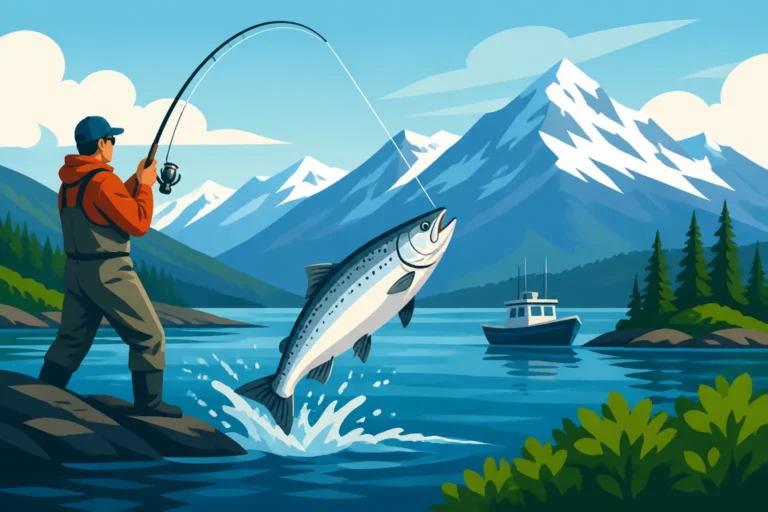
Prince William Sound is a truly special place, a sprawling wonderland of marine life tucked into a vast inlet on Alaska's southcentral coast. If you've ever dreamt of fishing in a place where mountains plunge directly into the sea, where glaciers calve into icy fjords, and where the air is crisp with the scent of saltwater and spruce, then you've found your spot. It's not just the scenery that draws anglers, though; it's the sheer abundance and diversity of fish.
The Unique Geography and Ecosystem
This incredible body of water, roughly the size of Connecticut, is shielded by numerous islands, offering a unique blend of protected inner passages and more exposed, deep-water fishing grounds. Towns like Valdez and Whittier serve as primary gateways, nestled at the sound's northern and western edges, respectively. From these bustling harbors, you can venture out into a labyrinth of waterways carved by ancient glaciers. The deep, cold waters of the Sound are fed by glacial melt, creating a nutrient-rich environment that supports an incredibly robust ecosystem. This intricate network of deep fjords, shallow bays, and rocky pinnacles provides diverse habitats for a wide array of marine species, from tiny plankton to massive whales, and of course, the fish we're all after. The protected nature of much of the Sound also means that while the weather can still be a factor, it often offers more forgiving conditions than the open ocean, making it a favorite for many anglers, especially those new to saltwater fishing in Alaska.
Diversity of Fish Species
One of the greatest appeals of Prince William Sound fishing is the incredible variety of species you can target, often on the same trip! Anglers come here for the thrill of hooking into five different species of Pacific salmon, wrestling with massive halibut, or jigging up a colorful assortment of rockfish and formidable lingcod. This isn't a one-trick pony fishery; it's a place where you can switch techniques and targets throughout the day, keeping the action fresh and exciting. Imagine starting your morning trolling for King Salmon, then dropping lines in the afternoon for halibut, and ending the day bouncing jigs for feisty rockfish. This multi-species potential is a huge draw and sets Prince William Sound apart as a premier fishing destination. Knowing what's available and when to target them is key to a successful trip, and we'll dive into those details next.
Prime Fishing Seasons and Target Species
Timing is everything in Alaska fishing, and Prince William Sound is no exception. While some species are available year-round, the prime seasons for the most sought-after fish align with the warmer summer months. Understanding when each species makes its appearance and peaks is crucial for planning your adventure.
Salmon Runs in Prince William Sound
The Sound experiences strong runs of all five species of Pacific salmon, though their timing and abundance can vary.
- King Salmon (Chinook): The biggest and most prized of the salmon, Kings typically start showing up in late May and continue through June and into early July. While not as concentrated as some river runs, you can find them trolling deeper waters near the entrances of bays and channels. Valdez is particularly known for its King Salmon fishing, especially in the Valdez Arm and Port Valdez areas. Anglers often employ downriggers to get their lures or bait down to the depths where these majestic fish cruise.
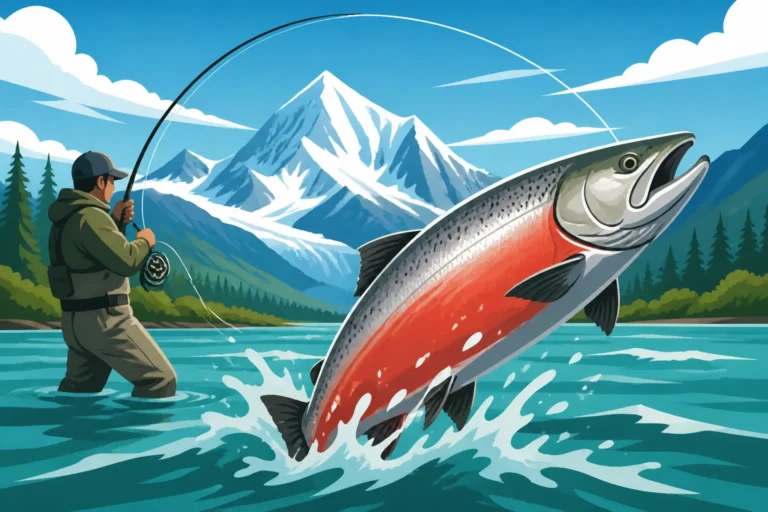
- Sockeye Salmon (Red): These powerful fighters typically run from late June through July. While less of a primary saltwater target in the Sound compared to their river runs, you can sometimes intercept them in the salt near river mouths as they stage to spawn. Check local emergency orders, as specific areas might open for Sockeye harvest, but often, the big Sockeye action is found upstream in rivers accessible by smaller boats or shore.
- Pink Salmon (Humpy): True to their nickname, these fish show up in massive numbers every odd year (e.g., 2023, 2025). Their runs generally peak from mid-July through August. Pinks are incredibly abundant and offer non-stop action, making them a fantastic target for families and beginners. They can be caught by trolling, jigging, or even casting from shore in many areas. The Valdez Narrows and surrounding waters become alive with Pinks during peak years.
- Chum Salmon (Dog): Also known as Dog Salmon, Chums typically arrive from July through August. They are known for their feisty fight and strong bodies. While not always considered top table fare, they are excellent for smoking and canning, and provide a thrilling fight on the line. They often overlap with Pink salmon runs, adding to the general salmon chaos.
- Coho Salmon (Silver): Silvers are the last salmon to arrive, usually making their grand entrance in mid-August and running strong through September, sometimes even into October. These acrobatic fighters are a favorite for many anglers due to their spirited battles and excellent eating quality. Trolling with spoons or herring near kelp beds or structure is a popular and effective method for Coho salmon.
For a deeper dive into the general patterns, take a look at our Alaska Salmon Run Timing Explained guide, but always remember to consult local regulations for Prince William Sound specifically.
Halibut and Bottomfish Opportunities
While salmon steal the show seasonally, halibut and other bottomfish offer a consistent and thrilling fishery throughout much of the open water season.
- Halibut: These "barn doors" are available from May through September, with peak season often from June through August. Prince William Sound is renowned for its excellent halibut fishing. You can find chickens (smaller, younger halibut, usually 10-30 lbs) and often much larger "barn doors" in the deeper waters. The key is finding good structure – underwater pinnacles, drop-offs, and ledges. Fishing with large chunks of herring, salmon heads, or octopus on stout circle hooks is the most common and effective method. If you're wondering about the specifics, our Alaska Halibut Fishing Regulations and Limits article is a must-read, as regulations can change.
- Lingcod: These prehistoric-looking, toothy predators are a blast to catch and offer delicious white meat. Lingcod season typically opens around July 1st and continues through the fall. They are usually found around rocky reefs and pinnacles in depths from 50-300 feet. Heavy jigs tipped with bait or large swimbaits are effective for lingcod. Be prepared for a strong fight and watch out for those teeth!
- Rockfish: Prince William Sound is home to a variety of rockfish species, including Black Rockfish, Yelloweye Rockfish, and several others. They are generally available throughout the open water season, from spring through fall. Rockfish are often found near rocky structure, kelp beds, and deep ledges. They hit jigs and bait readily and provide consistent action. Remember that certain species, like Yelloweye, are highly regulated due to their slow growth rate, and proper release techniques are vital for their survival. Check out Alaska Rockfish Deepwater Release Device Rules for crucial information on deepwater release devices.
Here's a quick overview of peak seasons for planning:
| Species | Peak Season | Primary Method(s) | Avg. Size (Lbs) | Notes |
|---|---|---|---|---|
| King Salmon (Chinook) | Late May – Early July | Trolling (downriggers) | 20-50 | Prized for size and fight; often targeted deeper. |
| Sockeye Salmon (Red) | Late June – July | Trolling near river mouths | 6-12 | Less common saltwater target; primarily river fishery. |
| Pink Salmon (Humpy) | Mid-July – August (odd years) | Trolling, jigging, casting | 3-8 | Highly abundant in odd years; great for families. |
| Chum Salmon (Dog) | July – August | Trolling, jigging | 10-20 | Strong fighters; good for smoking. |
| Coho Salmon (Silver) | Mid-August – September | Trolling, jigging | 8-15 | Acrobatic and excellent eating; fantastic late-season action. |
| Halibut | June – August | Bottom fishing, jigging | 10-200+ | Can catch "chickens" to "barn doors"; deep water structure. |
| Lingcod | July – September | Jigging, bottom fishing | 15-50+ | Aggressive predators; rocky reefs. |
| Rockfish | May – October | Jigging, bottom fishing | 2-15 | Numerous species; focus on rocky structure. Deepwater release required for some. |
Top Fishing Locations and Access Points
Prince William Sound is massive, so knowing where to launch and which areas generally hold fish is incredibly helpful. Most anglers access the Sound from one of two main port towns: Valdez or Whittier.
Popular Harbors and Launch Points
- Valdez: Situated at the head of a deep fjord, Valdez is often called the "Switzerland of Alaska" due to its dramatic mountain scenery. It boasts excellent marine services, including multiple boat launches, fuel docks, and a well-equipped harbor. Many of the Sound's most popular fishing grounds, particularly for salmon and halibut, are relatively accessible from Valdez. You'll find a variety of charter services operating out of Valdez, ready to take you to the hotspots. If you're coming into town, you'll want to read our Best Fishing Spots Near Valdez, Alaska guide for more local insights.
- Whittier: Located on the western side of the Sound, Whittier is unique for its tunnel access – you literally drive through a mountain to get there! This smaller town also offers excellent harbor facilities and serves as a popular starting point for exploring the western and central parts of Prince William Sound. From Whittier, you can quickly access fishing grounds closer to the Gulf of Alaska, which can be excellent for larger halibut. Similar to Valdez, numerous charters are available. For more details on this unique port, check out our Best Fishing Spots Near Whittier, Alaska article.
Both towns offer a full range of services, including lodging, restaurants, tackle shops, and fish processing facilities, making them convenient bases for your fishing adventure. Many visitors also opt for a multi-day trip, staying on a mother ship or at remote lodges deeper in the Sound to maximize fishing time.
Notable Fishing Grounds within the Sound
The Sound's geography creates countless prime fishing spots. While local guides and emergency orders will always provide the most current information, here are some generally productive areas:
- Valdez Arm & Port Valdez: Excellent for early season King Salmon and later season Pink and Coho salmon. The deeper waters here also hold halibut. Anglers often troll these areas, especially near known feeding lanes and structures.
- Columbia Bay / Bligh Island: These areas are known for a mix of salmon and halibut, particularly as the season progresses. The confluence of currents and deepwater access makes them attractive to baitfish and, consequently, their predators.
- Montague Island: Located closer to the Gulf of Alaska, the waters around Montague Island are legendary for large halibut. It's a longer run from either Valdez or Whittier, but the rewards can be significant. The exposed outer coast and deep surrounding waters are prime territory for trophy-sized flatfish.
- Hinchinbrook Entrance: This significant entrance to the Sound can be a hotspot for migrating salmon, especially King and Coho, as they stage before entering the inner waters. It's also productive for halibut and other bottomfish.
- Naked Island: A large island offering a variety of fishing conditions depending on which side you fish. Its numerous coves and rocky outcroppings provide excellent habitat for salmon and rockfish, and the surrounding deeper channels hold halibut.
- Estuaries and River Mouths: While most Prince William Sound fishing is saltwater, don't overlook the mouths of rivers flowing into the Sound. These can be incredible spots to intercept Sockeye and Chum salmon as they begin their freshwater migration. However, ensure you understand the specific regulations for these terminal fisheries, as they can differ from open saltwater rules.
Essential Techniques, Gear, and Regulations
Success in Prince William Sound fishing hinges on understanding the right techniques for the target species, having appropriate gear, and, most importantly, adhering to Alaska's comprehensive fishing regulations.
Effective Fishing Techniques for PWS
- Trolling: This is arguably the most popular method for salmon in Prince William Sound. Anglers use downriggers to get lures (like spoons, plugs, or flashers with herring) to specific depths where salmon are feeding. Different depths and speeds work for different species; for instance, King Salmon often prefer deeper, slower presentations, while Coho might be found higher in the water column and respond to a faster troll. You'll often see boats meticulously working contour lines and bait balls on their fish finders.
- Jigging: An incredibly versatile technique, jigging is effective for salmon, halibut, lingcod, and rockfish. For salmon, lighter jigs (metal or lead-head with a soft plastic tail) can be cast and retrieved. For bottomfish like halibut, lingcod, and rockfish, heavy metal jigs (often 8-16 oz or more, depending on depth and current) are dropped to the bottom and worked with an aggressive up-and-down motion. Tipping jigs with bait (like a piece of herring or octopus) can significantly increase their effectiveness for bottomfish.
- Bottom Fishing (Anchored): This is the go-to method for halibut. Once a promising spot is located (often a flat, sandy or gravelly bottom near structure), the boat is anchored, and baits are deployed to the seafloor. Large circle hooks (typically 12/0 to 20/0) baited with generous chunks of herring, salmon bellies, or octupus are allowed to rest on or near the bottom. Scent is crucial here, and anglers often use scent attractants or specialized "halibut rigs" that hold multiple baits. For more detailed instructions, read our guide on How to Catch Halibut in Alaska.
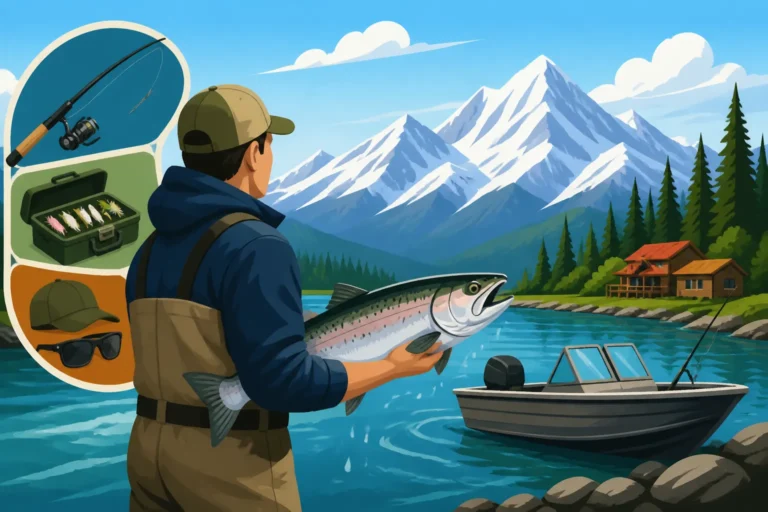
Recommended Gear and Tackle
Having the right gear makes a huge difference, not just in catching fish but in enjoying the experience.
- Rods and Reels: For salmon trolling, a medium-heavy rod (7-9 feet) with a level-wind reel spooled with 30-50 lb braided line and a monofilament or fluorocarbon leader is common. For halibut and bottomfish, you'll want a heavy-duty boat rod (6-7 feet) with a robust conventional reel capable of holding 80-150 lb braided line. Lever-drag reels are popular for their power and ease of use.
- Terminal Tackle: A good assortment of swivels, snap swivels, lead weights (pyramid sinkers, cannonball sinkers, disc sinkers – bring plenty!), hooks (circle hooks for halibut are often required or highly recommended), and leaders is essential. Don't forget an array of lures: spoons (e.g., Kingfisher, Silver Horde), plugs (e.g., Kwikfish), and soft plastics for salmon; heavy metal jigs (e.g., P-Line, Gibbs Delta) for bottomfish.
- Safety Gear: Beyond fishing tackle, never head out into Prince William Sound without proper safety gear. This includes PFDs for everyone on board, a marine radio (VHF), GPS, charts, flares, a first-aid kit, and a reliable anchor. The weather can change quickly in Alaska, so be prepared.
- Appropriate Clothing: Dress in layers! Even in summer, mornings can be chilly, and rain is always a possibility. Good quality rain gear (jacket and pants), waterproof boots, gloves, and a warm hat are non-negotiable.
Navigating Regulations and Charters
Alaska's fishing regulations are designed to protect its valuable fisheries, and they can be complex and change frequently via emergency orders. Before heading out, always consult the current Alaska Sport Fishing Regulations Booklet for the Prince William Sound area. Key things to pay attention to include:
- Fishing License: Every angler, resident or non-resident, typically needs an Alaska Fishing License: Complete Guide. Be sure to purchase the correct type and duration for your trip.
- King Salmon Stamp: If you plan to fish for King Salmon, you'll need to purchase a King Salmon Stamp in addition to your regular license.
- Bag and Possession Limits: These dictate how many fish you can keep per day and how many you can have in your possession. They vary by species, location, and sometimes even by guiding status (charter vs. unguided). For instance, Alaska Halibut Daily Limit for Charter Anglers can differ significantly from unguided limits. Our Alaska Salmon Bag Limits by Species guide can provide a general overview, but always double-check the current regulations.
- Emergency Orders: These are in-season changes to regulations, often due to unexpected run strengths or weaknesses. They can close fisheries, change bag limits, or modify gear restrictions with little notice. Always check the Alaska Department of Fish and Game (ADF&G) website or local offices before and during your trip.
For many visitors, especially those new to Prince William Sound, hiring a reputable fishing charter is the best way to experience this fishery. A good captain and crew will provide all the necessary gear, know the local hotspots, understand the latest regulations, and even handle fish cleaning. Platforms like FishingBooker are excellent resources for finding and booking experienced, licensed Prince William Sound fishing charters. They allow you to compare options, read reviews, and ensure you're going out with a professional who knows the waters. Booking through a service like FishingBooker can also provide peace of mind regarding what's included and expected, making your trip smoother and more enjoyable. These charter operators are your best bet for maximizing your fishing success and safely navigating this incredible wild expanse.
Disclaimer
The information provided in this guide is for general informational purposes only and is subject to change. Fishing regulations in Alaska are dynamic and can be altered at any time by emergency order. Always consult the most current Alaska Department of Fish and Game (ADF&G) regulations for Prince William Sound before planning or embarking on any fishing trip.