Best Fishing Spots Near Whittier, Alaska
Figuring out the best fishing spots near Whittier, Alaska, can feel a bit daunting, especially with its unique tunnel access and the vastness of Prince William Sound stretching out before you. It's not like other road-system towns where you can just pull over and cast a line anywhere. Instead, Whittier offers a truly Alaskan experience, serving as a vital gateway to some of the most productive saltwater fishing grounds in the state. This guide aims to peel back the layers, sharing insights on where to go, what to target, and how to make the most of your fishing adventure in this incredible region.
Whittier's Unique Appeal as a Fishing Gateway
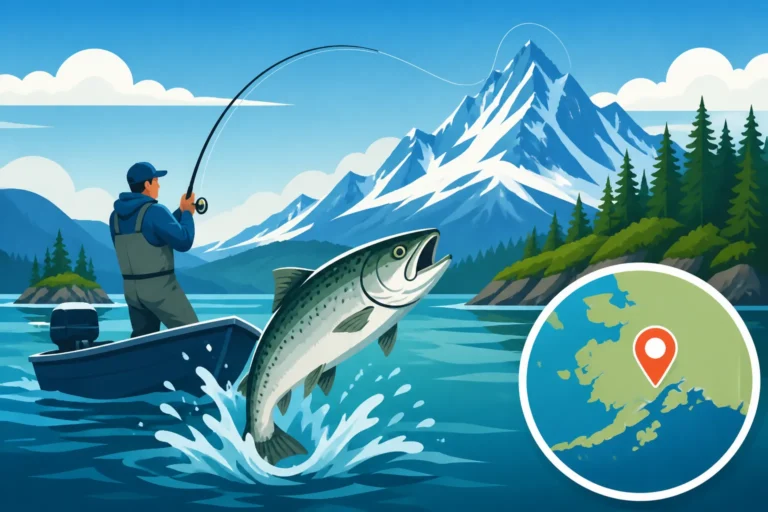
Whittier isn't your average quaint fishing village. Tucked away at the end of a scenic, somewhat infamous tunnel, it's a bustling port town, a hub for ferries, cruise ships, and, most importantly for us anglers, charter boats heading into the magnificent Prince William Sound. The sheer depth of the water right off the docks and the immediate access to diverse marine habitats make it a compelling, if slightly unconventional, starting point for an Alaskan fishing trip.
The journey to Whittier is an experience in itself, requiring passage through the Anton Anderson Memorial Tunnel, which alternates one-way traffic with the Alaska Railroad. This unique access means planning your travel times carefully, but it also creates a sense of stepping into a different world once you emerge on the other side. This secluded location is precisely why the waters around Whittier, and deeper into Prince William Sound, remain so vibrant and teeming with marine life, offering a truly wild fishing frontier that few other accessible locations can match.
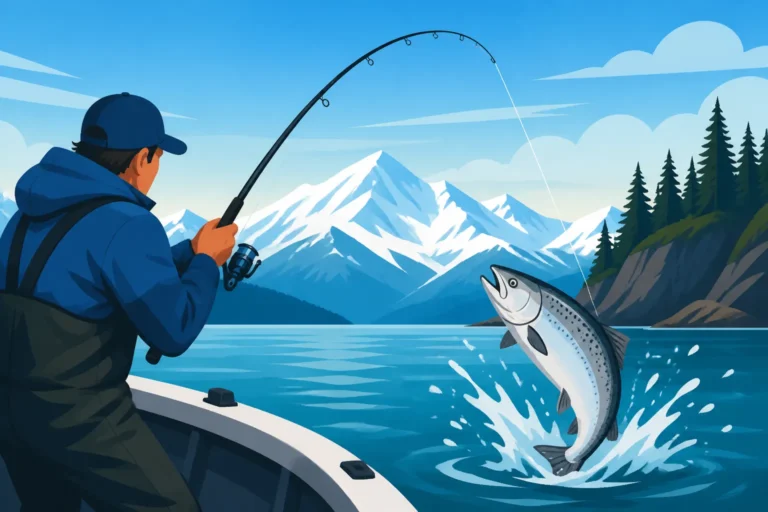
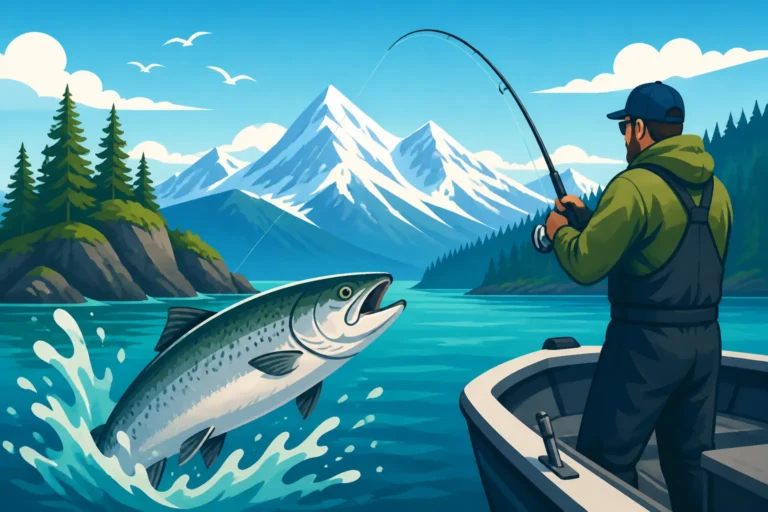
Don't let the industrial façade of the port fool you; beyond the bustling docks lies a wilderness of fjords, islands, and rich feeding grounds. From the moment you launch a boat or step onto a charter, you're immersed in an environment where towering mountains plunge directly into the sea, glaciers calve into the icy waters, and wildlife abounds. This dramatic backdrop not only enhances the fishing experience but makes every moment on the water a breathtaking adventure. It's truly one of the Best Fishing Spots in Alaska for its combination of accessibility (once you're through the tunnel) and incredible wilderness.
Understanding Prince William Sound's Fisheries
Prince William Sound is a massive, complex ecosystem, rich with nutrients and home to an incredible diversity of fish species. Its protected waters, sheltered by numerous islands and deep fjords, create ideal conditions for both migrating salmon and resident bottomfish. The unique currents and bathymetry contribute to a highly productive marine environment, supporting robust populations of halibut, various salmon species, rockfish, and lingcod.
The sheer size of the Sound means that understanding its fisheries requires a bit of local knowledge. Different areas will hold different species at various times of the year, influenced by spawning migrations, water temperatures, and feeding patterns. For instance, while certain bays might be swarming with pink salmon in July, others will be prime halibut grounds. This variability is part of what makes fishing here so rewarding, as there's always something new to explore and different techniques to master.
Fishery management in Prince William Sound is dynamic, with regulations often changing in-season based on stock assessments and conservation goals. Anglers must always stay informed about current bag limits, size restrictions, and gear requirements to ensure compliance. Consulting the Alaska Department of Fish and Game (ADF&G) regulations booklet or checking for Alaska Fishing Emergency Orders Explained is crucial before heading out, especially when targeting popular species like halibut and salmon.
Prime Saltwater Fishing Spots in Prince William Sound
While Whittier itself is a port, the real magic happens once you venture out into Prince William Sound. This vast expanse of water is dotted with countless bays, coves, and underwater structures that serve as prime feeding and holding areas for various fish. Most serious anglers heading out of Whittier will be doing so by boat, either their own or on one of the many excellent fishing charters available.
These charters are often the best way to tap into local expertise, as captains spend hundreds of days a year on these waters and know precisely where the fish are biting. Many top-rated operators can be found through platforms like FishingBooker, making it easy to compare options and find a trip that suits your style and target species. They’ll take you to spots that might otherwise be inaccessible or unknown to the casual visitor.
Halibut Hotspots and Techniques
Halibut fishing is a major draw in Prince William Sound, and the waters near Whittier are no exception. These flatfish prefer deep, cold waters with sandy or muddy bottoms where they can ambush prey. Many prime halibut spots are found around the numerous islands and submerged structures throughout the Sound, such as the areas around Montague Island or Hinchinbrook Island, though closer spots are also productive.
When targeting halibut, you'll typically be bottom fishing with heavy gear. A robust rod and reel spooled with braided line, equipped with a large sinker and a bait rig, are standard. Popular baits include herring, squid, octopus, or even chunks of salmon. Jigging with large metal jigs is another effective technique, especially when you mark fish on your sonar. Knowing How to Catch Halibut in Alaska effectively often means being prepared for a long day of dropping and reeling in, but the reward of a "barn door" halibut is well worth the effort.
It's vital to remember that Alaska Halibut Charter Regulations Explained can be complex, especially concerning daily and annual bag limits, as well as specific size restrictions. Charter vessels often operate under different rules than unguided anglers, sometimes involving a reverse slot limit or even specific closed days for halibut retention. Always confirm the latest rules with your charter captain or ADF&G before your trip, to ensure you're compliant with all Alaska Halibut Fishing Regulations and Limits.
Salmon Runs in the Sound
Prince William Sound is renowned for its diverse salmon runs, offering opportunities to catch King (Chinook), Sockeye (Red), Coho (Silver), Pink (Humpy), and Chum (Dog) salmon throughout the summer. The timing of these runs varies by species and location, but generally, salmon start entering the Sound in late spring and continue through early fall.
- King Salmon: While not as prolific as in some river systems, King salmon can be found in Prince William Sound, often targeted by trolling in deeper waters. The Alaska King Salmon Fishing Regulations and Limits are usually strict due to conservation concerns, so always check current regulations.
- Sockeye Salmon: Sockeye are less common in the open Sound as they are typically river-bound. Anglers mostly encounter them as they stage near river mouths or within personal use fisheries.
- Pink Salmon: Pink salmon typically run in massive numbers every even-numbered year, making them incredibly fun to catch. They are usually found closer to shorelines and river mouths and respond well to small spoons, spinners, and flies.
- Chum Salmon: Chum salmon, often underrated, also have strong runs and put up a great fight. Like pinks, they are often caught near shorelines and estuaries using similar tackle.
- Coho Salmon: Coho salmon, also known as silver salmon, are highly prized for their acrobatic fights and excellent table fare. Their run typically peaks in late summer, from August into September, making this a fantastic time to plan a trip. For tips on when to target them, check out the Best Time to Catch Silver Salmon in Alaska. Trolling with flashers and spoons, or casting spinners near kelp beds, are effective methods.
The salmon runs provide a dynamic fishing experience, with opportunities changing not just by the month but sometimes even by the week. Local knowledge, often provided by a skilled guide or charter captain booked through a service like FishingBooker, is invaluable for being in the right place at the right time.
Rockfish and Lingcod Adventures
Beyond salmon and halibut, Prince William Sound is home to a fantastic variety of rockfish and impressive lingcod. These species inhabit rocky reefs, pinnacles, and other submerged structures, often in waters ranging from 50 to several hundred feet deep. They provide excellent angling action and are delicious table fare, making them a popular target for combo trips.
- Rockfish: Several species of rockfish are common, including Black Rockfish, Yelloweye Rockfish, and Copper Rockfish. They are aggressive biters and can be caught by jigging with metal jigs, dropping bait such as herring or squid, or even by using weighted fly setups. It's crucial to be aware of Alaska Rockfish Retention and Release Rules, especially regarding deepwater release devices for fish caught below certain depths, to ensure their survival.
- Lingcod: These prehistoric-looking predators are known for their large mouths, sharp teeth, and voracious appetites. Lingcod fishing is thrilling, as they put up a powerful fight. They prefer rocky bottoms and are often caught jigging large baits or artificial lures, particularly around pronounced underwater structures. There are often specific seasons and size limits for lingcod, so always verify the latest regulations.
Fishing for rockfish and lingcod adds another exciting dimension to a Whittier fishing trip. Many charters offer combo trips that allow you to target halibut and salmon in the morning, then switch to rockfish and lingcod in the afternoon. This diversification provides a great opportunity to experience more of what the Sound has to offer and fill your cooler with a variety of delicious Alaskan fish.
Shoreline and Nearshore Opportunities for Anglers
While most of the epic fishing near Whittier requires a boat, not everyone has access to one or wants to book a full-day charter. For those looking for more accessible options, there are still some possibilities right from shore or with a small, easily launched craft. These opportunities tend to be more modest in terms of potential catch size and species diversity compared to deepwater excursions, but they offer a chance to cast a line without significant investment.
The key to successful shore fishing here is understanding the limited public access and working with the tides. The docks in Whittier are primarily commercial, but there might be a few public areas or even specific times when dock fishing is permitted. Always check local signage and regulations, and be respectful of commercial operations.
Fishing from Whittier Docks and Embankments
Fishing directly from the docks in Whittier is an option for very casual angling, though it's important to be aware of your surroundings and any posted restrictions. The water here is incredibly deep, even right off the docks, which can sometimes bring schooling fish within casting range, especially during salmon runs. However, consistent success is generally harder to achieve compared to boat-based fishing.
Anglers might try light tackle with herring or small spoons for smaller salmon species like pinks or chums when they are running close to shore. During certain times, juvenile rockfish or even small cod species might be present. Always use appropriate weights to get your bait down in the deep water, and be prepared for potential snags on underwater structures associated with the port. This isn't the kind of fishing that guarantees a trophy, but it can be a pleasant way to spend some time relaxing by the water, maybe even catching a meal-sized fish.
Keep in mind that Whittier is a working port. Safety should always be your top priority. Watch for boat traffic, large machinery, and be aware of any areas that are restricted for public access. If you're looking for more reliable catches, especially of larger species, investing in a charter trip is almost always the more fruitful option. You can compare options and prices on platforms like FishingBooker, often finding options to fit various budgets.
Exploring Nearby Coves by Kayak or Small Boat
For those with a kayak, inflatable, or small aluminum boat, the immediate Passage Canal just outside Whittier offers more diverse opportunities. Launching a small craft allows you to reach nearby coves and points that hold promise for various species without venturing too far into the vastness of Prince William Sound. These sheltered waters are generally calmer than the open Sound, making them more approachable for smaller vessels.
Within Passage Canal, you can target salmon during their runs by trolling small spoons or spinners near shore, or by casting into likely holding areas. Dolly Varden, a type of char, are also common in these nearshore waters and around the mouths of small creeks, especially during salmon spawning. They are aggressive and fun to catch on light tackle. Bottom fishing in slightly deeper coves can sometimes yield rockfish or small cod.
Always prioritize safety when operating a small boat in Alaskan waters. The weather in Prince William Sound can change rapidly, and even within the "sheltered" Passage Canal, strong winds can whip up waves quickly. Carry all necessary safety gear, including a PFD, VHF radio, and emergency signaling devices. Inform someone of your float plan and estimated return time. Fishing from a kayak can be an amazing experience, but it requires extra vigilance in these cold, deep waters.
Essential Tips for Fishing Successfully Near Whittier
Fishing in Alaska, particularly in a unique location like Whittier and Prince William Sound, comes with its own set of considerations. Being prepared and understanding the nuances of the local environment and regulations can make all the difference between a frustrating trip and an unforgettable adventure. It's not just about having the right gear; it's about having the right mindset and knowledge.
From navigating the ever-changing weather to understanding the specific rules for each species, a little planning goes a long way. This region demands respect for its power and beauty, and those who approach it with thoughtfulness are almost always rewarded. Whether you're a seasoned angler or a first-timer, these tips will help you maximize your success and enjoyment.
Navigating Regulations and Emergency Orders
Alaska's fishing regulations are notoriously detailed and can change frequently, especially for popular species like salmon and halibut. This is particularly true in areas like Prince William Sound, where different areas or specific gear types might have their own rules. Before you even pack your bags, it's paramount to get a copy of the current Alaska Fishing Regulations Explained booklet, either online or in print, and study it carefully.
Beyond the annual regulations, the Alaska Department of Fish and Game (ADF&G) frequently issues "Emergency Orders" that can alter seasons, bag limits, or gear restrictions with little notice. These orders are typically issued to protect vulnerable fish stocks or to respond to unexpected strong runs. It's crucial to know How to Check Alaska Emergency Orders Before Fishing and even daily during your trip, as they can significantly impact what you can fish for and retain. Ignoring an emergency order, even unknowingly, can lead to substantial fines and even forfeiture of your catch and gear.
Remember that regulations might differ for residents and non-residents, for different species, and even for different gear types (e.g., sport fishing vs. personal use, or charter vs. unguided). For instance, Alaska Halibut Charter Reverse Slot Limit rules specifically apply to guided anglers. Don't rely on outdated information or hearsay; always consult the official ADF&G sources. When booking a charter through a service like FishingBooker, your captain will be an excellent resource for current regulations, but it's always good practice to verify yourself.
Recommended Gear and Tackle
The type of gear and tackle you'll need for fishing near Whittier depends heavily on your target species and whether you'll be fishing from shore or a boat. For saltwater boat fishing, especially for halibut and salmon, robust equipment is non-negotiable. Cold, deep water and powerful fish demand gear that can withstand significant strain.
For halibut, a heavy-duty conventional rod (rated for 50-80 lb line) paired with a large, high-capacity conventional reel (like a Penn Squall or a Shimano Tekota) spooled with 80-100 lb braided line is standard. Heavy sinkers (1-3 lbs) and strong, large circle hooks (16/0 to 20/0) are essential. When targeting salmon from a boat, medium-heavy casting or spinning rods (rated for 15-30 lb line) with matching reels are suitable, spooled with 20-30 lb monofilament or braided line. Flashers, divers, and a variety of spoons (like Silver Horde or Luhr Jensen) and spinners (like Blue Fox Vibrax) are crucial. Don't forget to review the Best Lures and Bait for Alaska Halibut before your trip.
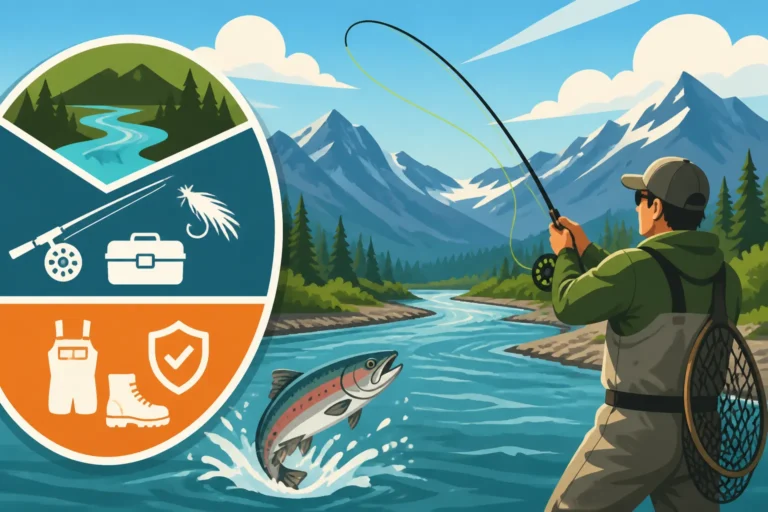
If you're fishing from shore or a small boat in Passage Canal, lighter gear is often sufficient. A medium-action spinning rod (7-9 feet) with a reel spooled with 10-15 lb line will handle most pink, chum, and silver salmon, as well as Dolly Varden. A selection of small spoons, spinners, and perhaps some cured salmon eggs would be appropriate. Regardless of your fishing style, always pack quality rain gear, warm layers, and sturdy waterproof boots, as Alaska weather is famously unpredictable. A pair of polarized sunglasses will also help you spot fish and protect your eyes from glare.
The Value of Fishing Charters and Guides
For many visitors to Alaska, especially those new to Prince William Sound, booking an experienced fishing charter or guide is the most effective and enjoyable way to fish. These professionals possess invaluable local knowledge, including the hottest fishing spots, current fish movements, and the most effective techniques. They also come equipped with all the necessary specialized gear, ensuring you have the right tools for the job.
Charters out of Whittier typically offer a variety of trips, from dedicated halibut or salmon excursions to popular combo trips that target multiple species in one day. While the Alaska Fishing Charter Cost Explained might seem like an investment, consider what's included: expert guidance, top-of-the-line equipment, safety gear, fuel, and often fish cleaning and filleting services at the end of the day. This comprehensive package often makes a guided trip a far more productive and less stressful experience than trying to navigate these challenging waters on your own.
When choosing a charter, consider factors like the captain's experience, the size and comfort of the boat, and what's included in the price. Reputable services like FishingBooker allow you to read reviews and compare offerings, helping you find the perfect match for your group and fishing goals. They can also help clarify questions like Do Charters Include Alaska Fishing Licenses (they don't, but they might guide you on where to buy one). Investing in a good guide allows you to relax and focus on the thrill of the catch, making for a truly memorable Alaskan fishing adventure.
Disclaimer
The information provided in this guide is for general informational purposes only and is subject to change. Fishing regulations in Alaska are dynamic and can be altered frequently by the Alaska Department of Fish and Game (ADF&G) through emergency orders. It is the responsibility of each angler to check and understand all current federal, state, and local fishing regulations before engaging in any fishing activity. Always prioritize safety and environmental stewardship.