Best Fishing Spots Near Cordova, Alaska
Trying to find the prime fishing spots around Cordova, Alaska, can feel like you're searching for a needle in a vast, wild haystack. The sheer scale of Prince William Sound and the powerful Copper River Delta is breathtaking, but it can also be overwhelming for anglers not intimately familiar with the region. This guide is here to cut through that confusion, giving you the insider scoop on where to cast your line for the best chances at success, whether you’re after legendary Copper River salmon or big halibut.
Understanding Cordova's Unique Fishing Landscape
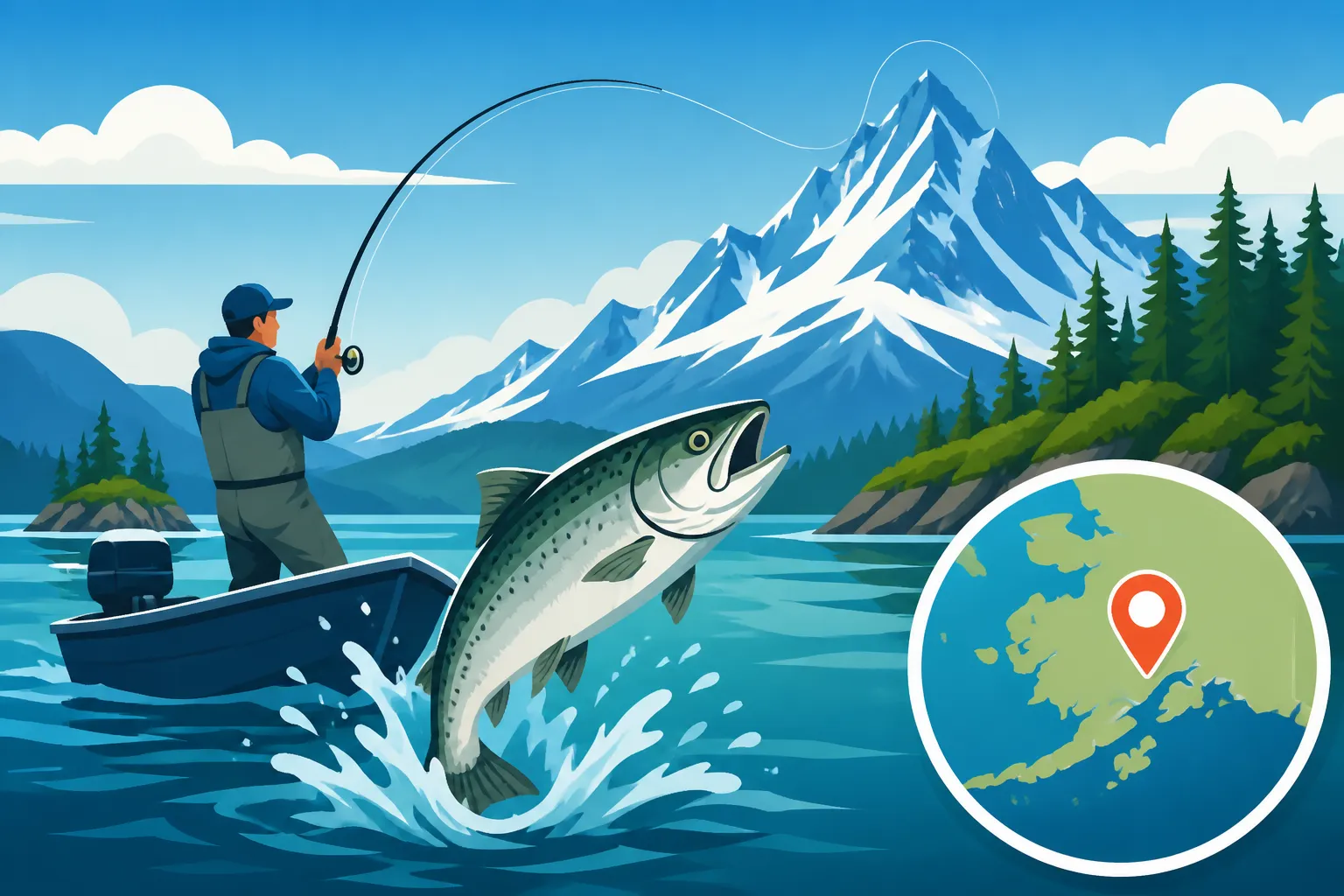
Cordova is truly a special place when it comes to fishing. Tucked away on the eastern side of Prince William Sound, it's not as easily accessible by road as some other Alaskan towns, which contributes to its wild, untamed feel. This remoteness, coupled with the immense influence of the Copper River, creates a fishing environment unlike anywhere else in the state. Anglers who make the journey here are often rewarded with unforgettable experiences.
The Influence of the Copper River
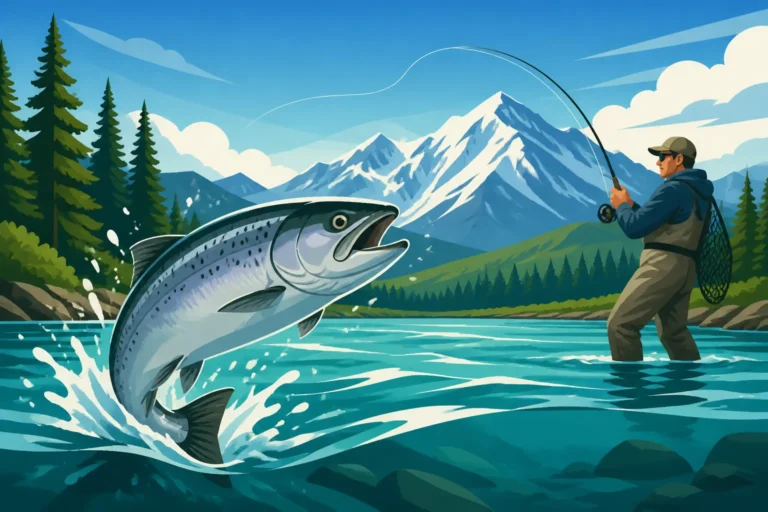
The Copper River is a force of nature, known globally for its massive runs of highly prized salmon, particularly sockeye and king salmon. This powerful glacier-fed river drains a vast interior region, bringing millions of salmon straight past Cordova into the Gulf of Alaska and Prince William Sound. These runs don't just happen in the river; their presence profoundly impacts the surrounding saltwater and smaller freshwater systems near town.
When the salmon are running hot, it's not just the mainstem of the Copper River that lights up. Tributaries, sloughs, and even the nearshore waters of the Sound become prime hunting grounds. The fish are often fat and feisty, packed with the rich oils that make Copper River salmon famous. Understanding the timing of these runs is absolutely critical for anyone hoping to experience the best fishing Cordova has to offer. You'll want to keep a close eye on the Alaska Salmon Run Timing Explained to plan your visit perfectly.
Accessing Remote Wonders
One of Cordova's charms, and sometimes its challenge, is its relative isolation. You can’t just drive up the Sterling Highway to get there; access is primarily by air or by ferry. This means less crowded waters and a more pristine fishing experience once you arrive. However, it also means that getting to some of the best fishing spots might require a bush plane, a charter boat, or a sturdy personal watercraft.
While there are some roadside and easily accessible spots, the true gems often lie off the beaten path. This isn't a place for casual anglers who aren't prepared for a bit of adventure. Planning ahead is key, especially if you intend to utilize local services like air taxis or fishing charters. Many anglers find the extra effort to be well worth it, as it allows them to fish in areas that see far less pressure than more developed parts of Alaska.
Top Freshwater Fishing Destinations Near Cordova
When people think of Cordova, the Copper River often comes to mind, and for good reason. But the area also boasts a network of smaller rivers, streams, and lakes that offer fantastic freshwater opportunities, often for different species or a different style of fishing.
The Copper River Delta
The Copper River Delta is an immense and ecologically vital area, a mosaic of braided river channels, sloughs, lakes, and wetlands. While fishing directly in the mainstem of the Copper River can be challenging due to its size and powerful currents, the various channels and associated waters within the delta offer incredible opportunities, especially during the salmon runs.
- Sockeye Salmon Hotbeds: During the peak sockeye run, typically from late May through July, specific channels within the delta become absolutely teeming with fish. Anglers often target these "reds" using methods like flipping or drift fishing with small, unweighted flies or beads. Spots accessible via water taxi or short hikes from road access points like the Copper River Highway can be incredibly productive. These fish are renowned for their strength and delicious red meat, making them a top target. For specific rules, check out Alaska Sockeye Salmon Fishing Regulations and Limits.
- King Salmon Opportunities: While not as numerous as sockeye, king salmon also make their way through the Copper River Delta. They are a much more elusive catch, often requiring heavier gear and different techniques like back-trolling or bait fishing. Areas where deeper channels converge or slow down can hold these magnificent fish. Keep in mind that king salmon runs in Alaska can be highly regulated, so always check the latest emergency orders.
- Trout and Dolly Varden: Outside of salmon runs, or in specific tributaries that don't see as much salmon traffic, you can find resident populations of rainbow trout and Dolly Varden. These species often thrive in the cooler, clearer waters of smaller streams feeding into the delta. Fly fishing with streamers, nymphs, or egg patterns (when salmon are spawning) can be very effective for these hard-fighting fish.
Small Streams and Lakes
Beyond the behemoth Copper River, numerous smaller streams and lakes punctuate the landscape around Cordova, offering diverse fishing experiences. These spots are often less crowded and can provide a serene angling escape.
- Power Creek: Located relatively close to town, Power Creek offers surprisingly good opportunities for coho (silver) salmon in late summer and early fall, as well as resident Dolly Varden and rainbow trout throughout the season. It’s often accessible by a short drive or even a robust bike ride from Cordova. The upper reaches of the creek are particularly scenic and can be excellent for fly fishing.
- Eyak Lake and River: Eyak Lake, which borders Cordova, is a significant water body with a rich history. The Eyak River, which flows into the lake, sees runs of sockeye and coho salmon. The lake itself offers fishing for cutthroat trout, Dolly Varden, and even some resident king salmon. Fishing from shore, a small boat, or kayak on Eyak Lake can be a relaxing way to spend a day, and it's easily accessible for local residents and visitors alike.
- Remote Lakes (Via Air Taxi): For those seeking a true wilderness experience, air taxi services out of Cordova can fly you to remote alpine lakes and clear-water streams further into Prince William Sound or the Chugach Mountains. These pristine waters often hold robust populations of Arctic grayling, cutthroat trout, and Dolly Varden that rarely see a hook. Imagine casting to rising grayling in a secluded lake surrounded by towering peaks – that's the kind of magic these remote trips offer.
Premier Saltwater Fishing Hotspots in Prince William Sound
Cordova's position on Prince William Sound opens up a world of saltwater fishing opportunities that are just as legendary as its freshwater counterparts. The Sound is a vast, protected body of water, offering shelter from the open ocean while still providing access to the deep waters where giants roam.
Inside Passage Charters
For many visitors, saltwater fishing near Cordova means booking a charter to explore the rich waters of Prince William Sound. These charters typically target halibut, rockfish, and various species of salmon, providing an all-encompassing Alaskan fishing adventure.
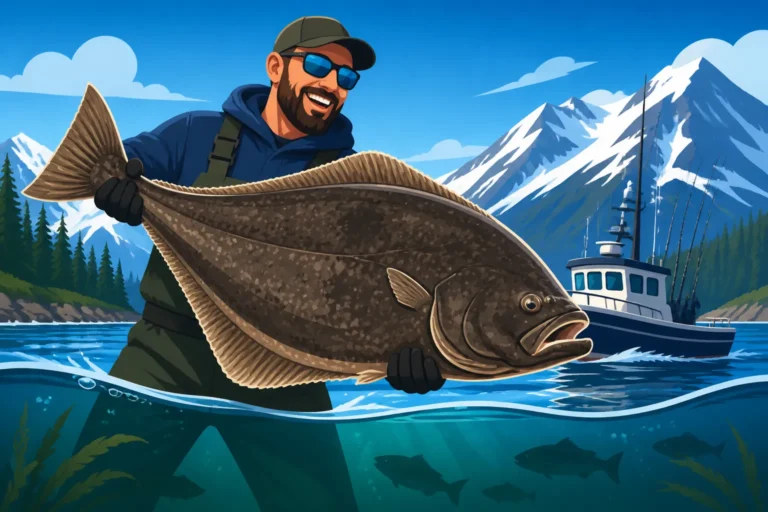
- Halibut Hunting Grounds: Prince William Sound is famous for its halibut fishing. Charter captains know the productive "halibut holes" – deep ledges, underwater pinnacles, and gravel flats where these flatfish congregate. Areas closer to the open Gulf of Alaska, like those around Montague Island or Hinchinbrook Island, are often prime spots for larger "barn doors." Techniques typically involve bottom fishing with large pieces of bait like herring or cod, often on circle hooks. When planning your trip, consider using platforms like FishingBooker to compare charter options and secure your spot, especially during peak season. You'll want to be familiar with Alaska Halibut Charter Regulations Explained before you go.
- Salmon in the Sound: While the Copper River attracts most of the salmon attention, Prince William Sound offers incredible saltwater salmon fishing, particularly for coho (silver) salmon from mid-summer through fall, and pink (humpy) salmon in odd-numbered years. Trolling with flashers and spoons or bait is a common method for these species. Areas where baitfish are abundant, or near river mouths emptying into the Sound, can be highly productive. Many charters offer combo trips, allowing you to target both salmon and halibut in a single outing.
- Rockfish and Lingcod: The rocky bottoms and kelp forests of Prince William Sound are home to a vibrant array of rockfish species, including the prized yelloweye, quillback, and black rockfish. Lingcod, a voracious and strong-fighting fish, also inhabit these depths. Jigging with metal jigs or fishing with cut bait near structure are effective methods. Remember to carry a descending device to properly release any rockfish caught from deep water that you don't intend to keep, as required by regulation.
Accessible Shoreline Options
While much of the best saltwater fishing requires a boat, there are still a few spots near Cordova that offer shore-based opportunities, especially for those looking for a more casual experience or who don't have access to a vessel.
- Odiak Slough: Located just outside of Cordova, Odiak Slough offers tidal fishing, especially for Dolly Varden and sometimes even coho salmon as they stage before entering freshwater systems. The fishing here is highly dependent on the tides, so check a tide chart before heading out. It’s a convenient option for those staying in town and wanting to wet a line without extensive travel.
- Orca Inlet Beaches: Depending on the time of year and specific regulations, some beaches along Orca Inlet might offer opportunities for pink salmon or even small coho as they migrate. Light spinning gear with small spoons or spinners can be effective. While these spots might not yield trophy fish, they can be great for a relaxing day of fishing with a chance to catch dinner. Always consult current regulations as fishing near town can sometimes have specific closures or restrictions.
Planning Your Cordova Fishing Adventure
Cordova, while incredibly rewarding, requires a bit more planning than your average fishing destination. Being prepared means a smoother trip and a greater chance of success on the water.
Essential Gear and Supplies
When packing for a fishing trip to Cordova, versatility is key. You'll likely encounter both freshwater and saltwater conditions, and the weather can change rapidly.
- Rods and Reels: For freshwater salmon, a medium-heavy spinning or casting rod (8-10.5 feet) with a reel spooled with 20-30 lb braided line is a good all-around choice. For trout and Dolly Varden, a lighter setup (6-8 foot rod, 6-12 lb line) is more appropriate. Saltwater halibut fishing requires heavy-duty gear: a stout boat rod with a conventional reel spooled with 80-100 lb braided line is essential. Many charters provide this gear, but confirm beforehand. If you're looking for a guide, using a service like FishingBooker can help you find operators who supply all necessary equipment.
- Terminal Tackle: A variety of weights (from 1/4 oz for streams to 16 oz or more for halibut), swivels, hooks (single barbless for many salmon fisheries), and leaders are necessary. For salmon, bring a selection of spinners (like Blue Fox Vibrax), spoons (Pixees, Little Cleos), and various colored beads. For halibut, large circle hooks and bait like herring or salmon heads are standard.
- Apparel: Layers are crucial. Waterproof and windproof outer shells (jacket and pants) are non-negotiable. Even on a sunny day, a sudden squall or cold spray from the ocean can soak you. Insulating layers like fleece or wool, waterproof boots, gloves, and a warm hat are also highly recommended. Don't forget polarized sunglasses for spotting fish and eye protection. You can learn more about how to dress for fishing in Alaska by checking out "How to Dress for Alaska Fishing".
- Miscellaneous: Bear spray is a must for freshwater bank fishing, as you'll be in prime bear country. A quality cooler or fish bag for transporting your catch, a fillet knife, and a camera to capture memories are also essential.
| Fishing Type | Target Species | Recommended Gear | Best Time to Visit |
|---|---|---|---|
| Freshwater Rivers | Sockeye, King Salmon, Dolly Varden | Medium-heavy rod, braid, various weights, beads, spinners | May-September (species-dependent) |
| Small Streams/Lakes | Dolly Varden, Rainbow Trout, Grayling | Light spinning or fly rod, small lures, nymphs | June-September |
| Saltwater Charters | Halibut, Coho Salmon, Rockfish, Lingcod | Heavy boat rod, conventional reel, large bait/jigs | June-September |
| Shoreline/Tidal | Dolly Varden, Pink Salmon, Small Coho | Light-medium spinning rod, small spoons, jigs | July-September (tide-dependent) |
Navigating Regulations and Seasons
Alaska's fishing regulations can be complex, and they often change in-season via emergency orders, especially for sensitive fisheries like Copper River salmon. Staying up-to-date is paramount to a legal and successful trip.
- Licenses and Stamps: Everyone aged 16 or older needs an Alaska fishing license. If you're targeting king salmon, you'll also need an Alaska King Salmon Stamp, even if you’re a resident. You can purchase these online, at local sporting goods stores, or through charter operators. A good starting point is the Alaska Fishing License: Complete Guide.
- Emergency Orders: The Alaska Department of Fish and Game (ADF&G) frequently issues emergency orders that can change bag limits, open or close fisheries, or alter legal gear. These orders are particularly common for the Copper River salmon fisheries due to varying run strengths. Always check the ADF&G website or local offices for the latest information just before and during your trip. Understanding How to Check Alaska Emergency Orders Before Fishing is a critical skill for any angler in Alaska.
- Harvest Records: For certain species, like king salmon, you'll need to record your catch on your license or a separate harvest card. Be sure you know the rules for recording your fish immediately after landing them.
- Seasonality: The best time to visit Cordova heavily depends on what you want to catch. Late May through July is prime for sockeye on the Copper River. King salmon runs typically overlap with sockeye but are generally shorter. Coho salmon fishing peaks in August and September in both fresh and saltwater. Halibut fishing is good from June through September. Knowing the Alaska Fishing Seasons: Month-by-Month Guide will help you align your trip with your angling goals.
A fishing trip to Cordova is more than just catching fish; it's an immersive experience in one of Alaska's most wild and productive regions. With a bit of planning and the right information, you’ll be well on your way to a memorable adventure.
Disclaimer
The information provided in this guide is for general informational purposes only and is subject to change. Fishing regulations, seasons, and access points in Alaska can vary significantly and are often updated by emergency orders from the Alaska Department of Fish and Game (ADF&G). It is the sole responsibility of the angler to verify all current regulations, obtain necessary licenses and stamps, and ensure safe practices before engaging in any fishing activities. Always consult the official ADF&G website and local resources for the most up-to-date and accurate information.