Cordova Fishing: What to Know Before You Go
Stepping into the world of Alaska fishing often brings to mind iconic destinations like the Kenai River or Homer, but if you're looking for an authentic, less-traveled angling experience, overlooking Cordova would be a huge mistake. Many anglers struggle to find comprehensive information on this remote yet incredibly fruitful fishing haven. This guide is here to shed light on what makes Cordova a truly special place for fishing, covering everything from its unique ecosystem to practical tips for planning your unforgettable trip.
Why Cordova is a Hidden Gem for Anglers
Cordova isn't your average Alaskan fishing town; it's a place where the wild beauty of Prince William Sound meets the vast Copper River Delta, creating an unparalleled fishing environment. Its relative isolation means it hasn't been overwhelmed by mass tourism, offering a more serene and authentic Alaskan experience. Anglers who venture here are often rewarded with incredible catches and a sense of wilderness that's increasingly rare.
The Allure of Cordova's Pristine Waters
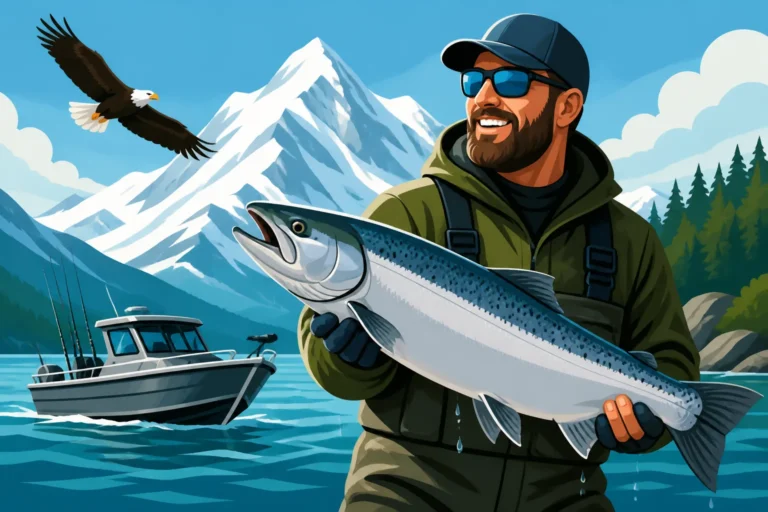
Imagine a place where towering Chugach Mountains meet glacial fjords, and clear, cold rivers surge with migratory salmon. That's Cordova. The ecosystem here is incredibly rich and diverse, fueled by the massive Copper River, one of North America's most significant salmon-producing rivers. This river system acts as a superhighway for various salmon species, drawing them in incredible numbers. The water quality is exceptional, a testament to the region's untouched nature, making it a healthy habitat for fish and a beautiful backdrop for your fishing adventure. Unlike some more heavily trafficked areas, you can often find stretches of water to yourself, allowing for a truly immersive and peaceful fishing experience. The sheer scale of the landscape and the vibrancy of the marine and freshwater life are simply breathtaking, making every cast feel like a privilege.
Species You'll Encounter in Cordova
Cordova's waters are teeming with a fantastic variety of fish, making it a destination that caters to diverse angling preferences. When you head out, you're not just hoping for one type of catch; you're often targeting a medley of species, each offering its own unique challenge and reward.
Here’s a quick rundown of the main fish you can expect to find:
| Species | Season Peak | Primary Location | Notable Traits |
|---|---|---|---|
| King Salmon (Chinook) | Late May – July | Copper River, Prince William Sound | Largest, powerful fight, prized for flavor |
| Sockeye Salmon (Red) | June – July | Copper River, Eyak River | Abundant, strong fight, excellent eating fish |
| Silver Salmon (Coho) | August – September | Prince William Sound, local streams | Acrobatic, aggressive, fantastic sportfish |
| Pink Salmon (Humpy) | July – August | Prince William Sound, local streams | Most numerous, feisty, great for kids |
| Chum Salmon (Dog) | July – August | Prince William Sound, local streams | Large, strong, often overlooked |
| Halibut | May – September | Prince William Sound | Bottom dweller, massive, delicious |
| Rockfish | Year-round | Prince William Sound | Various species, good eating, readily available |
| Lingcod | July – December | Prince William Sound | Aggressive, toothy, thrilling fight |
| Cutthroat Trout | Year-round | Local lakes and streams | Beautiful, elusive, fly-fishing favorite |
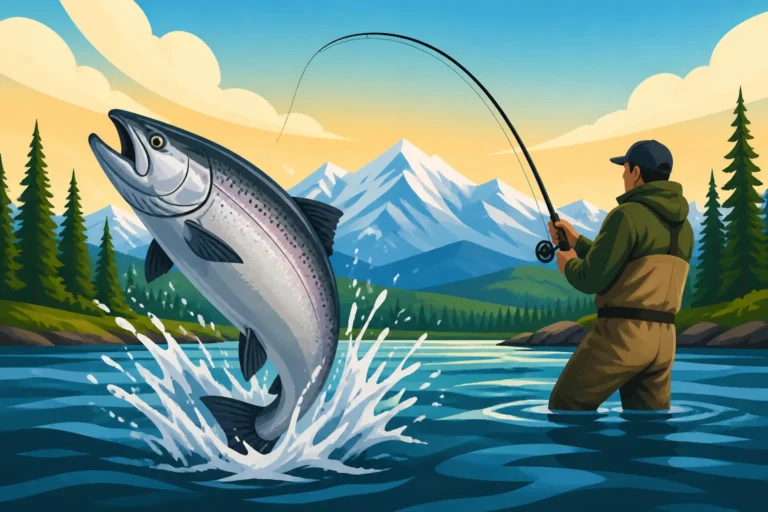
You'll quickly learn that fishing for different species often means switching up your gear and techniques. For instance, the sheer power of a King Salmon in the Copper River demands heavy-duty tackle, while targeting acrobatic Silver Salmon in a local stream might call for lighter gear and more finesse. Halibut, those "barn doors" of the deep, require sturdy rods, heavy weights, and patience for bottom fishing in the Sound. Each species brings its own personality and presents a unique and exciting challenge, ensuring no two fishing trips in Cordova are ever quite the same. If you're wondering more about the different fish you can catch, our guide to Types of Salmon in Alaska Explained is a great resource.
Planning Your Cordova Fishing Trip
A successful fishing trip to a remote destination like Cordova requires careful planning. It's not the kind of place you just show up to without doing a little homework, but the rewards are absolutely worth the effort. From figuring out the best time to go to understanding how to get there, a little preparation goes a long way.
Best Seasons and Weather Considerations
Alaska's weather is famously unpredictable, and Cordova is no exception. However, understanding the general patterns and prime fishing seasons will significantly boost your chances of a fantastic trip. The main fishing season generally runs from May through September.
- Late May to Early July: This is prime time for King Salmon, especially on the Copper River. The weather can still be a bit chilly and wet, so layering is key. This period also marks the beginning of the Sockeye run, which intensifies into July. Check out our guide to Alaska Fishing in June: What's Biting for more details on early season fishing.
- July: July is arguably the peak of the Sockeye Salmon run on the Copper River and Eyak River. The weather generally starts to warm up, and daylight hours are incredibly long, giving you ample time to fish. Pink and Chum Salmon also start making appearances in Prince William Sound.
- August to September: This period is fantastic for Silver Salmon (Coho) in both saltwater and freshwater. The weather transitions from warm summer days to crisp, cooler autumn air, and the fall colors start to emerge. Halibut fishing remains strong through September. If you're interested in specific runs, our comprehensive Alaska Salmon Run Timing Explained article offers a great overview.
Always pack rain gear, even if the forecast looks clear, because conditions can change in a flash. Dressing in layers, with waterproof and windproof outer shells, is absolutely essential. Consider quality thermal underwear, fleece layers, and waterproof boots. You might start your day bundled up, shed layers by midday, and then put them back on as the evening chill sets in.
Getting There: Accessing Cordova
One of the reasons Cordova retains its wild charm is its relative isolation. You can't just drive there. Access is primarily by air or by ferry, which adds an element of adventure to the journey but also requires advanced planning.
- By Air: The most common way to reach Cordova is by flying. Alaska Airlines offers daily flights from Anchorage, typically a short, scenic hop over the Chugach Mountains and Prince William Sound. The Cordova Municipal Airport (CDV) is small but efficient, and local transportation options, often arranged through your lodging or fishing charter, will get you into town. This is usually the quickest option, and flights often provide spectacular views of glaciers and wildlife.
- By Ferry: For those with more time or who wish to bring their own vehicle, the Alaska Marine Highway System (AMHS) provides ferry service to Cordova. You can catch a ferry from Whittier or Valdez. The ferry ride through Prince William Sound is an incredible experience in itself, offering opportunities to spot whales, sea otters, and eagles. However, ferry schedules can be limited, especially outside of peak summer months, so booking well in advance is crucial, particularly if you're bringing a vehicle. This option can be more cost-effective if you're traveling with a group and have your own gear.
Regardless of your chosen mode of transport, book your flights or ferry tickets as soon as your trip dates are firm. Cordova is a small community, and transportation options can fill up quickly, particularly during the peak summer fishing season.
Essential Gear and Local Regulations
Don't underestimate the importance of proper gear when fishing in Alaska. The right equipment can make the difference between a frustrating day and a fantastic catch.
- Fishing Tackle:
- Salmon Fishing: For King and Sockeye, heavy-action rods (8-10 feet) with stout baitcasting or spinning reels loaded with 30-50 lb braided line are common. For Silver Salmon, a medium-heavy setup is usually sufficient. Popular lures include Pixee spoons, Vibrax spinners, and various twitching jigs. If you're interested in techniques, our guide on Best Fishing Techniques for Alaska delves deeper.
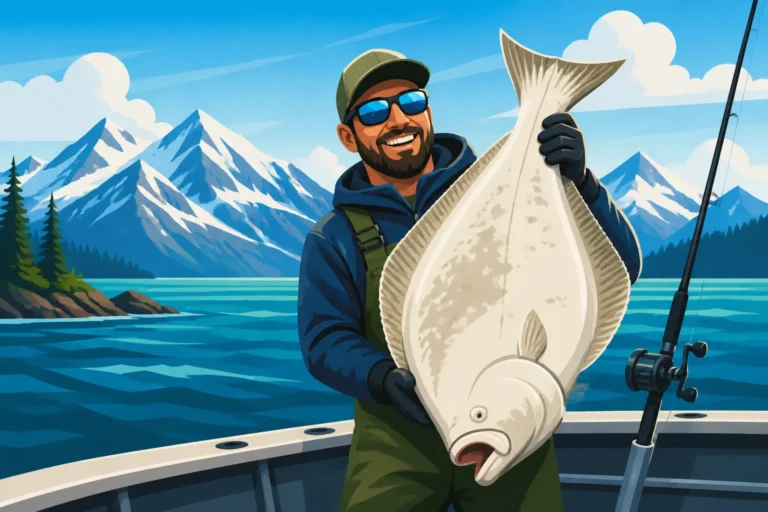
- Halibut Fishing: You'll need a heavy-duty boat rod (6-7 feet) with a large conventional reel, spooled with 80-100 lb braided line. Bring plenty of heavy lead weights (8-32 oz) and large circle hooks (16/0 to 20/0) for bait like herring, salmon heads, or squid.
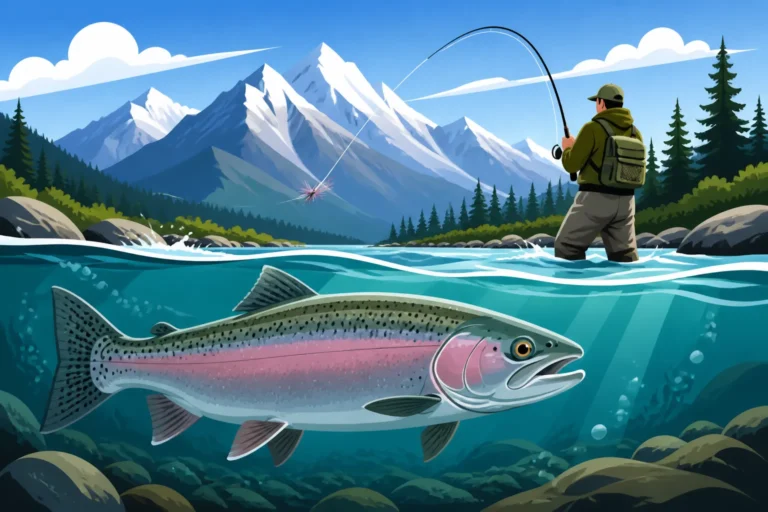
- Fly Fishing: For trout and char in freshwater, a 5-7 weight rod is appropriate. For salmon, especially Silvers, a 7-9 weight setup can be effective. Streamers, egg patterns, and flesh flies are popular.
- Waders and Rain Gear: As mentioned, absolute essentials. Breathable chest waders and a high-quality waterproof, windproof rain jacket and pants are non-negotiable.
- Layered Clothing: Thermals, fleece jackets, warm hats, gloves, and wool socks are crucial for comfort in varying conditions.
- Other Essentials: A good pair of polarized sunglasses, bug spray, sunscreen, a first-aid kit, a reliable knife, and a cooler for your catch are all recommended.
Regulations: Alaska has dynamic fishing regulations, and Cordova is no exception. Before you even pack your bags, make sure you understand the rules. You'll need an Alaska Fishing License: Complete Guide for all anglers over the age of 16, and for King Salmon, a King Salmon Stamp is typically required. The Alaska Department of Fish and Game (ADF&G) website is your go-to source for the most up-to-date regulations, including emergency orders that can change daily limits or open/close fisheries. Always check the regulations specific to the Prince William Sound area and the Copper River drainage before you head out. These rules cover everything from bag limits and size restrictions to gear restrictions like Alaska Barbless Hook Requirements or bait prohibitions. Ignorance of the rules is not an excuse, and violations can result in hefty fines.
Top Fishing Spots and Techniques Around Cordova
Cordova's unique geography provides both incredible saltwater and freshwater fishing opportunities. Understanding where to go and how to fish effectively in these different environments will greatly enhance your success.
Saltwater Adventures: Prince William Sound
Prince William Sound is a vast, intricate network of fjords, islands, and open water, offering diverse fishing grounds. This area is famous for its halibut, rockfish, lingcod, and all five species of Pacific salmon.
- Halibut Hotspots: Areas around Gravina Island, the deep waters near Hinchinbrook Island, and the numerous underwater pinnacles and drop-offs within the Sound are prime halibut territory. Many local captains, who you can often find listed on platforms like FishingBooker, have their secret spots that they've honed over years. The key to halibut fishing is often finding structure where they ambush prey.
- Technique: Bottom fishing is the most common method. Use heavy conventional tackle, drop a baited circle hook (salmon head, herring, or octopus) or a large jig to the bottom, and wait for that distinctive halibut thud. Jigging with large metal jigs can also be very effective, especially when you find a school of fish.
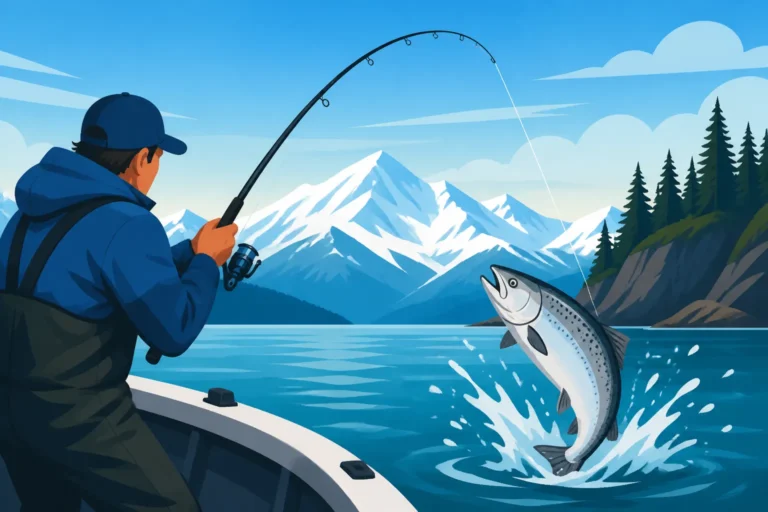
- Salmon in the Sound: While the Copper River is famous for its runs, Prince William Sound offers fantastic saltwater salmon fishing, particularly for King and Silver Salmon. Trolling with downriggers is a popular and effective method here, especially in areas where salmon are actively feeding.
- Technique: Trolling with cut plug herring, spoons, or artificial lures behind flashers or dodgers is very productive. Vary your depth until you find where the fish are holding. When the Silver Salmon are running hot in late summer, twitching jigs in shallower bays can be incredibly exciting.
- Rockfish and Lingcod: The rocky reefs and pinnacles throughout Prince William Sound are home to an abundance of rockfish species and formidable lingcod.
- Technique: Jigging with heavy metal jigs or soft plastic swimbaits is highly effective. You can also use bait like herring or squid dropped to the bottom. Remember that Alaska Rockfish Deepwater Release Device Rules are in place to help conserve these long-lived species if you're catching and releasing.
Whether you go with a charter or use your own boat, always pay attention to depth finders and contour maps. The bottom structure is crucial for finding these species.
Freshwater Pursuits: Copper River Delta and Local Streams
The Copper River Delta, a vast expanse of wetlands and braided rivers, and the smaller, clearer streams flowing into Prince William Sound, offer fantastic freshwater angling, particularly for salmon and trout.
- Copper River: This is the place for the legendary Copper River Sockeye and King Salmon. These fish are renowned for their rich flavor due to their long, arduous journey upstream. While most commercial fishing happens further down, sport anglers can access parts of the lower river and its tributaries.
- Technique: For Sockeye, a common technique is "flossing," where a weighted leader with a bare hook or a small colored bead is drifted through schools of salmon, aiming to hook them in the mouth. It's a precise technique that requires practice. For Kings, baitcasting or heavy spinning gear with large spinners, spoons, or cured eggs can be effective in deeper runs. Given the immense power of these fish and the strong current, be prepared for a fight! More information can be found in our Copper River Fishing Guide.
- Eyak River and Lake: The Eyak River, easily accessible from Cordova, offers excellent Sockeye and Silver Salmon fishing. Eyak Lake also provides opportunities for resident Cutthroat Trout and Dolly Varden.
- Technique: Similar to the Copper River, flossing is effective for Sockeye. For Silvers, casting spinners or twitching jigs can be incredibly productive, especially when they're fresh from the salt. Fly fishing with streamers or egg patterns is popular for trout in Eyak Lake and its feeder streams.
- Local Streams: Numerous smaller streams throughout the area, often accessible by foot or short boat ride, can hold excellent numbers of Pink, Chum, and Silver Salmon during their runs, as well as resident trout and Dolly Varden.
- Technique: Spin fishing with small spinners or spoons, or fly fishing with various patterns, are the primary methods. These smaller, more intimate waters can be fantastic for a more solitary experience.
Always be mindful of local regulations on these specific rivers and streams, as they can sometimes differ from the broader area rules, especially concerning bait use or specific fly-fishing-only sections.
Guided vs. Unguided: Making the Right Choice
Deciding between a guided trip and going it alone is a common dilemma, especially in a place like Cordova. Both have their merits, and the best choice depends on your experience, budget, and desired adventure.
- Guided Fishing:
- Pros: Guides offer invaluable local knowledge, taking you directly to productive spots, providing all the necessary gear, and handling the boat. They're also expert at filleting your catch and ensuring you adhere to regulations. This option is ideal for first-timers to Alaska, those unfamiliar with Cordova, or anyone looking to maximize their fishing time without the hassle of logistics. Companies often provide all the rain gear and tackle, making it a truly turn-key experience. Booking through services like FishingBooker can help you find reputable local operators.
- Cons: It's generally more expensive, and you're tied to the guide's schedule and preferred methods. While a great experience, it offers less autonomy. You can compare costs in our guide to Alaska Fishing Charter Cost Explained.
- Unguided Fishing (DIY):
- Pros: More freedom, potentially lower cost if you own your gear, and the satisfaction of finding fish on your own. You can set your own pace and explore at will. If you're an experienced angler with knowledge of the area or willing to do significant research, this can be a rewarding adventure.
- Cons: Requires extensive knowledge of local waters, regulations, and boat handling (if heading offshore). You're responsible for all gear, safety, and fish processing. It can be challenging and less productive if you're not prepared for the unique conditions of Alaska. Access to prime saltwater spots will require your own boat, which can be a significant logistical hurdle in Cordova.
For many visitors, a combination of both works well: perhaps a guided halibut trip in Prince William Sound, followed by a few days of self-guided bank fishing on the Eyak River for salmon. Platforms like FishingBooker can assist in finding guides for specific species or areas, simplifying the planning process for guided excursions.
Local Amenities and Fish Processing
Even in a remote town like Cordova, you'll find everything you need to make your fishing trip comfortable and your catch well-preserved.
Where to Stay and Eat
Cordova, while small, offers a friendly and welcoming atmosphere with several lodging and dining options that cater to anglers.
- Lodging: You'll find a mix of hotels, B&Bs, and vacation rentals. Popular options include the Reluctant Fisherman Inn, which lives up to its name with a cozy atmosphere and great views, and the Cordova Inn. Many lodges also cater specifically to anglers, sometimes offering packages that include guided trips and fish processing. It’s always best to book your accommodations well in advance, especially during the peak fishing season, as options are limited.
- Dining: Don't expect a vast array of high-end restaurants, but what Cordova does offer is hearty, fresh, and delicious, often with a focus on local seafood. Reluctant Fisherman Inn also has a restaurant, as do a few other local establishments. You'll find casual diners, coffee shops, and places serving up comfort food after a long day on the water. Given its status as a major fishing port, you can be assured that any salmon or halibut on the menu is probably fresh off the boat.
Many anglers also opt to bring some of their own food or utilize the local grocery store for supplies, especially if staying in a rental with kitchen access. This can be a great way to save money and prepare your own favorite meals, perhaps even cooking up some of your fresh catch.
Preserving Your Catch
One of the biggest questions new visitors have is how to get all that delicious fish home! Cordova is well-equipped to handle fish processing, ensuring your hard-earned catch makes it back with you in prime condition.
- Processing Services: Several local businesses specialize in fish processing. They can fillet, vacuum seal, and flash freeze your fish, preparing it for transport. Some popular services include Cordova Commercial Cold Storage or local fish processors often associated with charters. It’s a good idea to discuss processing options with your charter captain or lodge ahead of time, as many have established relationships with processors. They understand the nuances of handling different species and getting them ready for air travel.
- Shipping: Once processed and frozen, your fish will typically be packed into insulated boxes approved for air travel. Many processors can also help arrange shipping directly to your home address via air cargo, which can be a convenient option if you have a lot of fish or don't want to deal with it at the airport. Be aware of the additional costs associated with shipping. Our guide on Alaska Fish Processing and Shipping Home Rules provides even more detail on this crucial step.
- Coolers and Ice: If you plan to process your fish yourself or transport it fresh to a local processor, bring quality coolers. Many lodges and stores sell ice, but having a durable cooler is essential for keeping your fish fresh until it can be processed.
Don't forget about your Alaska Harvest Record Card Explained! It's mandatory to record all King Salmon, among other species, on this card, and it's checked by the ADF&G. Ensure you understand how to properly fill it out and keep it with you while fishing.
Disclaimer
The information provided in this guide is for general informational purposes only and does not constitute legal or professional advice. Fishing regulations and conditions in Alaska can change frequently due to emergency orders or other factors. Always consult the official Alaska Department of Fish and Game (ADF&G) website or local offices for the most current regulations, licensing requirements, and safety guidelines before planning and undertaking any fishing activities. Fishing in Alaska can involve inherent risks; please prioritize safety and be prepared for changing weather conditions and wildlife encounters.