Whittier Fishing: What to Know Before You Go
Whittier, Alaska, often feels like a hidden gem, tucked away at the end of a scenic, somewhat intimidating tunnel, making it a unique starting point for an incredible fishing adventure. For many anglers, the prospect of navigating its unique access and understanding its prime fishing opportunities can be a bit daunting, leaving them wondering what to truly expect. This comprehensive guide will walk you through everything you need to know before you cast a line in Whittier's rich waters, ensuring your trip is as smooth and successful as possible.
Why Choose Whittier for Your Fishing Adventure?
Whittier holds a special place in the hearts of Alaskan anglers for several compelling reasons, offering a distinct experience compared to other well-known fishing hubs. Its primary allure lies in its strategic location within the calm, protected waters of Prince William Sound, shielding it from the sometimes unforgiving open ocean conditions that can plague other coastal towns. This geographical advantage often means calmer seas, making for a more comfortable day on the water, especially for those prone to seasickness or families with younger anglers.
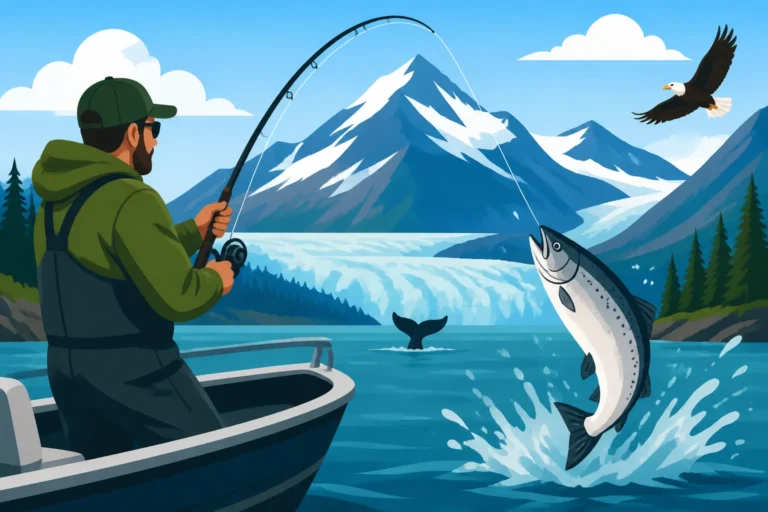
Beyond the calm waters, Whittier is remarkably accessible from Anchorage, a mere 60 miles southeast. While the Anton Anderson Memorial Tunnel — North America's longest combined vehicle and railroad tunnel — adds a unique element to the journey with its scheduled openings, it's a small price to pay for the incredible fishing that awaits. This proximity means less travel time and more fishing time, which is always a win in my book! Unlike some more remote Alaskan destinations requiring a float plane or multiple ferries, Whittier offers a relatively straightforward road-trip option for many. Furthermore, the surrounding landscape is simply breathtaking, with towering glaciers, waterfalls cascading directly into the sea, and abundant wildlife, transforming a fishing trip into an all-encompassing Alaskan adventure. You might spot sea otters, harbor seals, and even whales on your way to the fishing grounds, adding to the magic of the experience. It’s not just about the fish; it's about the entire majestic backdrop that only Alaska can provide.
Prime Fish Species and Their Seasons in Whittier
The waters around Whittier are teeming with a diverse array of fish, offering anglers a chance to target several prized species throughout the fishing season. Understanding when each species is most abundant is key to planning a successful trip. The primary targets here are Pacific salmon, especially silver and king, as well as the formidable Pacific halibut and various rockfish species.
Targeting King Salmon (Chinook) in Prince William Sound
King Salmon, also known as Chinook, are the undisputed royalty of Alaskan waters, revered for their immense size and powerful fights. While Whittier isn't as famous for its river-run kings as, say, the Kenai River, you can still find excellent saltwater opportunities for feeder kings in Prince William Sound. These are often younger fish that spend their time gorging on baitfish, growing rapidly before they return to their natal rivers. The prime time to target these magnificent fish around Whittier typically begins in late May and extends through June, sometimes even into early July. During this period, they are actively feeding, making them susceptible to trolling with large spoons, flashers, and herring. Many anglers specifically seek out these "feeder kings" because their flesh is often incredibly rich and oily, making for superb table fare. Just remember that Alaska King Salmon Fishing Regulations and Limits can change, so always check the latest emergency orders from the Alaska Department of Fish and Game (ADF&G).
The Thrill of Halibut Fishing from Whittier
Halibut fishing out of Whittier is an experience unto itself, drawing anglers from all corners of the globe. These "barn doors," as the really big ones are affectionately called, are bottom dwellers known for their incredible strength and delicious white meat. The halibut season generally kicks off in late May, hitting its stride through June, July, and August, often tapering off in early September. The waters of Prince William Sound provide excellent habitat for halibut, with numerous deep reefs and rocky bottoms where they congregate. Most anglers employ heavy-duty gear, dropping large jigs or baited rigs (often using herring or salmon heads) to the seafloor, sometimes several hundred feet down. The fight can be grueling, testing both your strength and your tackle, but landing a large halibut is an unforgettable achievement. Be sure to familiarize yourself with Alaska Halibut Fishing Regulations and Limits, especially concerning daily limits and potential size restrictions which often vary for guided and unguided anglers.
Silver Salmon (Coho) Action in Whittier's Waters
When the summer sun really settles in, typically starting in mid-July and peaking through August and early September, the Coho Salmon, or Silver Salmon, make their grand entrance. These acrobatic fish are a blast to catch, known for their aggressive strikes and spectacular aerial displays once hooked. They tend to be more numerous than kings and offer consistent action, making them a favorite for many charter operations. Coho in Prince William Sound are often targeted by trolling with various lures, spoons, and flies near the surface or at moderate depths, often in bays and near shorelines where baitfish school. Popular lures include Silver Horde Coho Killers and Pixee spoons, often tipped with a piece of herring. The late summer silver run provides fantastic opportunities for both seasoned and novice anglers alike, promising plenty of bent rods and exciting fights. It's a great choice for families or groups looking for a high-action day.
Other Notable Species: Lingcod and Rockfish
Beyond the salmon and halibut, Whittier also offers fantastic opportunities for targeting Lingcod and various species of Rockfish. Lingcod are true predators of the deep, characterized by their mottled camouflage and formidable teeth. They offer a unique challenge and can grow to impressive sizes, providing a strong fight. Their season typically opens in July, continuing through the fall. Rockfish, on the other hand, are abundant and diverse, ranging from colorful quillback and copper rockfish to the highly prized yelloweye rockfish. These fish are generally caught by jigging or bait fishing over rocky structures and reefs. While not as large as halibut or kings, rockfish provide steady action and excellent fillets for the dinner table. Remember that some rockfish species, particularly yelloweye, are slow-growing and long-lived, so proper handling and release techniques, often involving a descending device, are crucial for conservation.
Here’s a quick overview of the prime seasons for these popular species in Whittier:
| Species | Peak Season (Approximate) | Common Fishing Methods | Typical Size Range (lbs) | Notes |
|---|---|---|---|---|
| King Salmon | Late May – Early July | Trolling | 15-40+ | Saltwater feeder kings, powerful fighters. Check specific regulations. |
| Pacific Halibut | Late May – Early Sept. | Bottom Fishing, Jigging | 20-100+ | Deep water, heavy gear, excellent table fare. Charter rules may differ. |
| Silver Salmon | Mid-July – Early Sept. | Trolling, Casting | 8-15 | Abundant, acrobatic, aggressive strikes. Great for consistent action. |
| Lingcod | July – September | Jigging, Bottom Fishing | 10-50+ | Aggressive predators, good fight, unique appearance. Season often limited. |
| Rockfish | May – September | Jigging, Bottom Fishing | 2-15 | Diverse species, steady action, great eating. Use descending devices. |
Planning Your Whittier Fishing Trip: Logistics and Charters
A successful fishing trip to Whittier requires a bit of planning, primarily due to its unique access and the nature of deep-sea angling in Prince William Sound. Unlike some destinations where extensive bank fishing is an option, most of the prime fishing grounds around Whittier are best accessed by boat, making a charter a popular and often necessary choice.
Navigating the Anton Anderson Memorial Tunnel
The first logistical hurdle for many visitors is the Anton Anderson Memorial Tunnel. This single-lane tunnel, shared by vehicles and trains, operates on a strict schedule, with alternating times for inbound and outbound traffic. It's crucial to check the current tunnel schedule before you leave Anchorage or Girdwood, as missing a time slot can lead to significant delays. The drive through the tunnel itself is an experience, but you don't want to be rushed or stuck. Factor in travel time, and aim to arrive at the tunnel entrance well in advance of your desired passage time, especially during peak summer weekends. There's a fee for vehicle passage, so be prepared for that as well.
Choosing and Booking Your Fishing Charter
For most anglers, especially those targeting halibut or multiple salmon species, booking a reputable fishing charter is the way to go in Whittier. Charter captains are intimately familiar with the local waters, fish patterns, and current regulations, dramatically increasing your chances of a successful and enjoyable trip. They also provide all the necessary gear, bait, and often include fish cleaning services.
When selecting a charter, consider the type of fish you want to target, the duration of the trip (half-day or full-day), and the size of your group. Many excellent operators run out of Whittier, offering specialized trips for salmon, halibut, or a combination of both. Platforms like FishingBooker can be incredibly helpful for comparing options, reading reviews, and securing your spot well in advance. Booking early is always recommended, especially for peak season dates in July and August, as the best charters fill up quickly. Don't be afraid to ask questions about what's included, their cancellation policy in case of bad weather, and what you should bring. For a deeper dive, check out our guide on How to Choose an Alaska Fishing Charter.
What to Bring and What to Expect
Even on a charter, there are a few essentials you'll want to pack for your Whittier fishing adventure. Alaska's weather can be notoriously unpredictable, so layering is key. Think waterproof rain gear (jacket and pants), warm layers (fleece or wool), a hat, gloves, and waterproof footwear. Sunglasses and sunscreen are also crucial, as UV reflection off the water can be intense. Don't forget your camera for those epic shots!
Most charters provide snacks and drinks, but it's always a good idea to bring your own water bottle and any specific food you prefer, especially for full-day trips. Motion sickness medication should be taken before you board if you're prone to it, even in the relatively calm Prince William Sound. You'll also need an Alaska Fishing License: Complete Guide and a King Salmon stamp if you plan to target King Salmon. These can often be purchased online or at local vendors in Whittier. Remember that tipping your captain and deckhand is customary for good service, usually 15-20% of the charter fee.
Understanding Whittier's Regulations and Conservation
Alaska has some of the most robust and carefully managed fisheries in the world, and understanding the regulations is paramount to a responsible and successful fishing trip out of Whittier. These rules are in place to ensure the sustainability of fish populations for future generations of anglers.
Key Regulations to Know
Before you even step foot in Whittier, you should purchase your Alaska fishing license. This is a non-negotiable requirement for all anglers over the age of 16. If you're targeting King Salmon, you'll also need an additional King Salmon stamp, regardless of whether you're a resident or non-resident. These can be purchased alongside your general license. Always carry your license with you when fishing.
Beyond licensing, it's crucial to be aware of daily bag limits and possession limits for each species. These limits dictate how many fish you can keep per day and how many you can have in your possession at any given time. These regulations can vary by species, by region (Whittier falls under the Prince William Sound area), and even change mid-season via emergency orders if fish runs are stronger or weaker than expected. For instance, Alaska Halibut Charter Regulations Explained often have different rules than unguided trips, including specific reverse slot limits or annual limits. Your charter captain will be up-to-date on the latest rules, but it’s always a good practice to check the official ADF&G website yourself. Our comprehensive guide on Alaska Fishing Regulations Explained can provide much more detail.
Responsible Angling Practices
Conservation is at the heart of Alaska's fishing ethos. Practicing responsible angling ensures that the incredible fishing opportunities in Whittier remain vibrant. This includes adhering strictly to bag limits, knowing how to properly release fish that are not within legal limits or that you choose not to keep, and minimizing your impact on the environment.
When releasing fish, especially rockfish caught from deep water, using a descending device is often required and always recommended. This tool allows the fish to be returned to depth quickly, increasing its chances of survival. Avoid excessive handling of fish you intend to release, and try to keep them in the water as much as possible. Proper handling also extends to your catch; ensure you have adequate storage for your fish on the boat to maintain its quality. Many charters will clean and bag your fish for you, and Whittier has local processing facilities that can vacuum seal, freeze, and even ship your catch home. This allows you to focus on the fishing experience without worrying about the logistics of preserving your hard-earned fillets.
Conclusion
Whittier offers an unparalleled Alaskan fishing experience, blending stunning natural beauty with access to some of the most sought-after sportfish in the world. While its unique tunnel access and coastal environment demand a bit more planning than some other destinations, the rewards are truly magnificent. From the powerful runs of King Salmon to the legendary fight of a Halibut and the spirited acrobatics of Silver Salmon, the waters of Prince William Sound provide an abundance of thrills. By understanding the seasons, familiarizing yourself with regulations, and preparing appropriately, your Whittier fishing trip will undoubtedly become a cherished memory, filled with tight lines, spectacular scenery, and the freshest seafood you could ever imagine. So, pack your bags, check that tunnel schedule, and get ready for an unforgettable adventure.
Disclaimer
Please note that fishing regulations in Alaska can change frequently due to emergency orders from the Alaska Department of Fish and Game (ADF&G). While we strive to provide the most up-to-date information, it is always the angler's responsibility to consult the latest official ADF&G regulations and emergency orders before heading out to fish. This guide is for informational purposes only and should not be considered legal advice regarding fishing regulations.