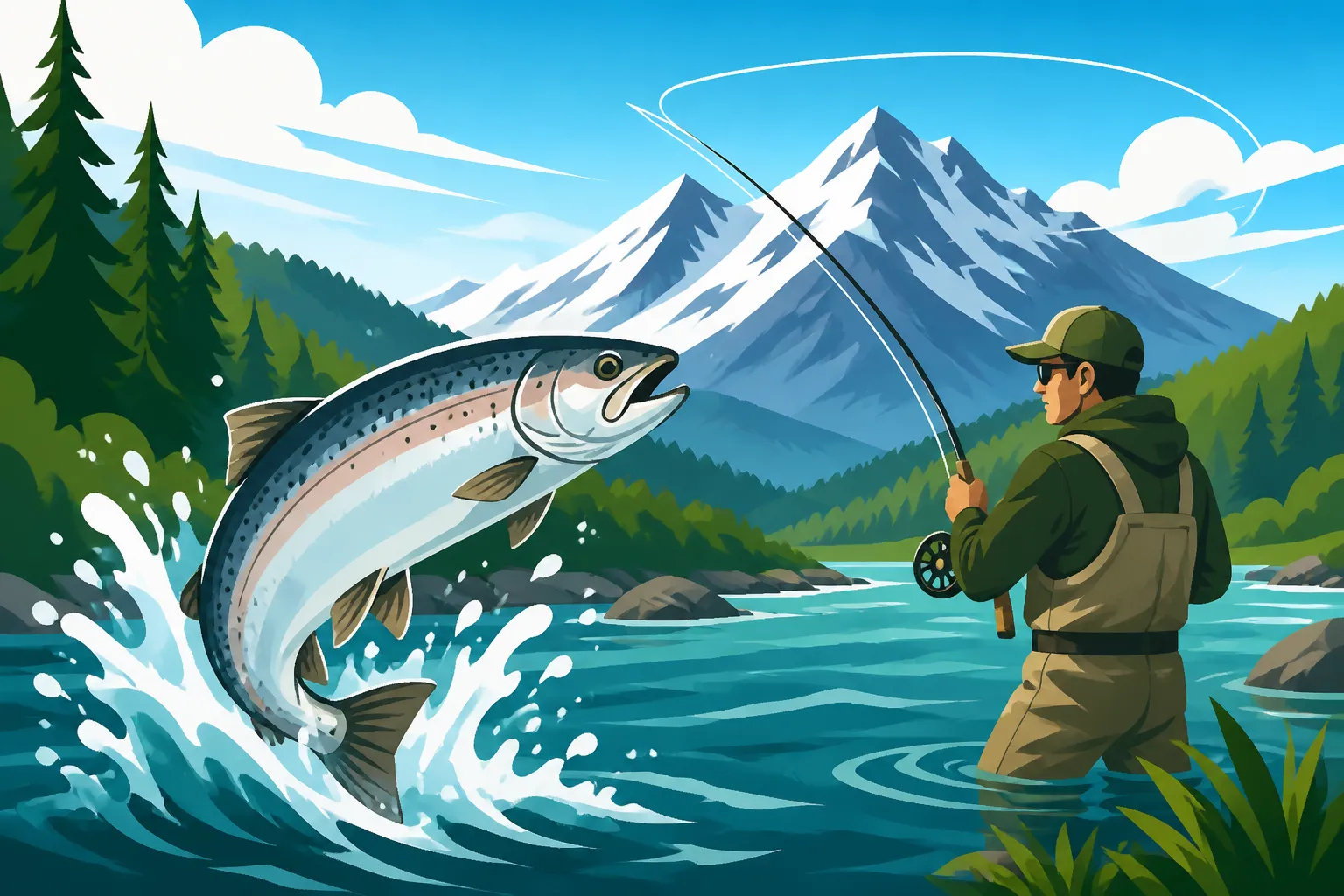
Alagnak River Fishing: What to Know Before You Go
The Alagnak River in Alaska's wild and remote Bristol Bay region is a dream destination for many anglers, a place synonymous with massive salmon runs and incredible trout fishing. But let's be real, getting to such an untouched paradise and knowing exactly how to navigate its unique challenges can feel incredibly daunting. You might be picturing pristine waters but also wondering about grizzly bears, floatplane logistics, and what flies actually work. This comprehensive guide is here to cut through the confusion, offering practical, honest advice to help you plan your ultimate Alagnak River fishing adventure with confidence.
Getting to the Remote Alagnak River
Reaching the Alagnak River isn't like driving to your local fishing hole. This isn't a roadside fishery you can just pull up to; it's deep in the Alaskan wilderness, which is both its greatest charm and its biggest logistical hurdle. Understanding the journey is the first step to truly appreciating this incredible destination.
The Journey to Bristol Bay
Your adventure typically begins with a commercial flight to Anchorage (ANC), which serves as the main hub for most travelers coming into Alaska. From Anchorage, you'll catch a connecting flight on a regional carrier, most often Alaska Airlines, heading southwest towards the Bristol Bay region. The gateway town for accessing the Alagnak River and much of Bristol Bay is King Salmon (AKN). This small community, despite its name, is less about fishing from its banks and more about serving as a crucial transit point for anglers heading further into the bush.
Once you land in King Salmon, you'll quickly realize why it's such an essential waypoint. The tiny airport is bustling with pilots, guides, and fellow anglers, all congregating to get to their final destinations. From here, the journey becomes even more "Alaskan." You'll typically transition to a smaller air taxi, often a floatplane or a wheeled bush plane, to fly directly to your lodge on the Alagnak River or a designated drop-off point. These flights are an experience in themselves, offering breathtaking aerial views of the vast, untouched tundra, meandering rivers, and distant volcanic peaks. You might even spot caribou herds or bears from above! It’s important to book these regional flights and air taxis well in advance, especially during peak season, as they operate on tight schedules and limited capacities.
Floatplane and Jet Boat Access
The Alagnak River itself is largely accessed by floatplane or jet boat, depending on the specific section you're targeting and the lodge you're staying with. Many of the premier lodges are situated directly on the river, making floatplane access straightforward – the plane simply lands on the water right in front of your accommodations. This eliminates the need for further ground transportation and immerses you immediately in the wilderness.
For those planning a more adventurous, unguided float trip, a floatplane will drop you and your gear off upriver, and you'll slowly drift down, camping along the way. Jet boats are also crucial for navigating the river, particularly for day trips from lodges to different fishing spots. These powerful, shallow-draft boats allow guides to cover significant distances, access productive riffles and holes, and quickly move between areas. If you're considering an unguided trip, be sure to research the specific access points and potential hazards. While exhilarating, unguided excursions demand thorough preparation, a deep understanding of river conditions, and robust safety protocols due to the remoteness and wildlife presence.
Best Times to Fish and What Species to Target
The Alagnak River is rightly famous as a "salmon factory" and a trophy trout haven, but knowing when to go and what to fish for is key to maximizing your experience. Alaska's fishing seasons are tightly governed by both biology and regulation, so understanding the timing of different fish runs is paramount. You can always check the full Alaska Fishing Seasons: Month-by-Month Guide for a broader overview, but here’s how it breaks down for the Alagnak.
King Salmon Season: The Early Rush
The highly anticipated King (Chinook) Salmon run typically kicks off in mid to late June and can extend into early July. These magnificent fish are the largest of the Pacific salmon, known for their incredible fighting power and delectable flavor. Early season kings are often bright silver and extremely powerful, having just entered the freshwater system. Catching one of these titans on the Alagnak is an experience you won't soon forget.
However, King Salmon runs in many parts of Alaska, including Bristol Bay, can be highly variable year to year due to conservation efforts. This means regulations, bag limits, and even openings can change rapidly via emergency orders. It's critical to stay informed of the latest Alaska King Salmon Fishing Regulations and Limits before you travel. While targeting kings, you'll often be using heavy spin gear or specialized fly setups, employing techniques like back-trolling with Kwikfish, drifting with cured eggs, or stripping large intruder flies. Many lodges and guides will focus heavily on kings during this brief, intense window, so if a trophy Chinook is your primary goal, plan your trip for late June.
Sockeye Salmon Season: A Red Tide of Opportunity
As the King Salmon run begins to wane, the river explodes with Sockeye (Red) Salmon, typically peaking from late June through mid-July. The Alagnak is one of the most prolific Sockeye rivers in the world, and the sheer volume of fish is almost unbelievable. Imagine standing knee-deep in water, surrounded by thousands upon thousands of bright red fish pushing upstream—it’s an unforgettable spectacle.
Sockeye salmon are unique in their feeding habits once they enter freshwater; they largely stop actively feeding. This means traditional lure or bait fishing is usually ineffective. Instead, a specialized technique called "flossing" (or "lining") is employed, primarily with fly rods. This involves using a heavy leader and a small, unweighted fly or bare hook to catch the fish by the mouth as it swims upstream, mimicking a natural feeding drift. It sounds a bit odd, but when the run is on, it's incredibly effective and legal in most areas. While Sockeye are not typically considered a fly-fishing challenge in the same way a King or Silver might be, their abundance makes for fast-paced action and a full cooler of some of the best-eating salmon. Learn more about Alaska Sockeye Salmon Explained for comprehensive details.
Silver Salmon Season: The Aggressive Latecomers
When late July rolls around and into August and September, the Alagnak comes alive with Silver (Coho) Salmon. These fish are renowned for their aggressive strikes, acrobatic fights, and willingness to chase lures, flies, and bait. They provide some of the most exciting sportfishing opportunities on the river, often readily taking a variety of presentations.
Silver salmon are a favorite for many anglers because they are incredibly feisty and provide consistent action. You'll find success with a range of techniques, including casting spinners (such as a #4 or #5 Mepps Aglia or Blue Fox Vibrax), stripping bright streamers on a fly rod, or drifting cured salmon eggs. As the run progresses, you might find concentrations of silvers holding in deeper pools or along cut banks, waiting for optimal spawning conditions. This late-season window also often offers phenomenal trout fishing, as rainbows and Dolly Varden eagerly gorge themselves on salmon eggs. The Alagnak's late season, particularly mid-August through mid-September, is often lauded as the best time to enjoy a multi-species fishing experience, balancing robust silver action with hungry trout.
Resident Trout and Char Fishing
Beyond the iconic salmon runs, the Alagnak River is a world-class destination for resident Rainbow Trout and Dolly Varden. These eager predators are present throughout the season but truly shine after the salmon have begun to spawn. From mid-July through September, as salmon deposit their precious roe, the trout and char move into position, feasting on the abundant protein.
Fishing for these resident species is often done with light spin tackle or, more commonly, fly rods. Bead fishing, where a small bead mimics a salmon egg, is incredibly effective. Drifting these beads under an indicator in the salmon spawning areas can lead to non-stop action with large, vividly colored Rainbow Trout. Streamers and flesh flies (imitating decaying salmon flesh) also work exceptionally well for both trout and Dolly Varden. These fish grow large in the nutrient-rich waters of Bristol Bay, with trophy rainbows exceeding 20 inches being a real possibility. Many anglers specifically plan their trips for the late summer and early fall to experience this incredible trout fishing, often as a complement to the salmon runs.
Here's a quick overview of the Alagnak's prime fishing windows:
| Species | Prime Season on Alagnak River | Key Fishing Methods | Notes |
|---|---|---|---|
| King (Chinook) Salmon | Mid-June to Early July | Back-trolling, drifting eggs, large streamers | Largest salmon; highly regulated; incredible fight. |
| Sockeye (Red) Salmon | Late June to Mid-July | Flossing (fly rod, small hook/fly) | Abundant, great eating; fast-paced action. |
| Silver (Coho) Salmon | Late July to September | Spinners, spoons, streamers, cured eggs | Aggressive, acrobatic; fantastic sportfish. |
| Rainbow Trout | Mid-July to September | Bead fishing, egg patterns, streamers, flesh flies | Trophy potential; feeds heavily on salmon eggs. |
| Dolly Varden | Mid-July to September | Bead fishing, egg patterns, streamers, flesh flies, small lures | Abundant; aggressive; often found in the same areas as trout. |
Essential Fishing Techniques and Gear for the Alagnak
Fishing on the Alagnak is a diverse experience, and being prepared with the right techniques and gear will make all the difference. The techniques often vary dramatically depending on the species you're targeting and the time of year.
Mastering Salmon Tactics
For King Salmon, whether you're fly fishing or spin fishing, you need gear that can handle a serious fight. When fly fishing for kings, a stout 9-10 weight rod with a fast-sinking tip line is essential to get your fly down to where these powerful fish hold. Large, heavy intruder-style flies in black, blue, or chartreuse are popular. Spin fishermen often favor medium-heavy to heavy casting rods (8.5-10 feet) paired with baitcasting reels spooled with 30-50lb braided line. Back-trolling with plugs like the Kwikfish in various colors, or drifting large cured egg clusters under a float, are highly effective strategies. Remember, these fish are strong, so don't skimp on line strength or hook quality.
Sockeye salmon, as mentioned, are primarily caught by "flossing" when they're in freshwater. This requires a 7-8 weight fly rod, a floating line, and a long, heavy leader (15-20lb fluorocarbon is common). A small, unweighted fly or bare hook (often a size 2-4 octopus hook) is drifted along the bottom, intending to hook the fish in the mouth. It’s a rhythmic, often fast-paced method that requires a good feel for the river current. For spin fishermen, a similar approach can be used with a lead-weighted setup and a bare hook or very small fly, though fly fishing is generally more common and often preferred for Sockeye on the Alagnak.
Silver Salmon are arguably the most versatile for different techniques. A 7-9 weight fly rod is perfect for casting streamers (think chartreuse, pink, and purple patterns) or stripping leeches. For spin fishing, a medium-heavy spinning rod (7-9 feet) with a 20-30lb braided line is ideal. Aggressive retrieving of brightly colored spinners (Blue Fox Vibrax, Mepps Aglia) or spoons (Pixie, Koho) often triggers explosive strikes. Drifting cured eggs or even small chunks of herring under a float can also be deadly effective, especially in slower pools or deeper runs.
Trout and Char Strategies
For the Alagnak's abundant Rainbow Trout and Dolly Varden, fly fishing is the quintessential method. A 5-7 weight fly rod is generally sufficient, though a 6-weight is a versatile choice. Floating lines are standard, and you'll primarily be using indicator nymphing techniques with bead patterns that mimic salmon eggs (6mm-10mm in orange, red, or clear with a colored core). Leaders should be 9-12 feet with a 3x-5x tippet. When the trout are actively feeding on eggs, the action can be non-stop.
Beyond beads, actively stripping streamers, such as Sculpin patterns, Woolly Buggers, or even smaller flesh flies, can entice larger, more aggressive trout and Dolly Varden, especially in areas adjacent to salmon spawning grounds. Spin fishermen can also find success with small spinners (e.g., #2 or #3 Mepps), tiny spoons, or even micro jigs, particularly for Dolly Varden in deeper holes. No matter your preferred method, remember to practice proper Alaska Catch-and-Release Best Practices to ensure the health of this incredible fishery.
Essential Gear Beyond Rods and Reels
No matter your target species, some gear is universally essential for an Alagnak River adventure:
- Waders and Boots: Chest waders (neoprene for early season, breathable for comfort later on) and sturdy wading boots with good ankle support are non-negotiable. You'll be doing a lot of wading in rocky, uneven riverbeds.
- Rain Gear: This is Alaska. High-quality waterproof and breathable rain jackets and pants are absolutely critical. Brands like Simms Fishing Products are popular for their durability and performance. Layering is key, so consider a good fleece or puffy jacket underneath.
- Layered Clothing: The weather can change drastically. Pack moisture-wicking base layers, insulating mid-layers, and your rain gear.
- Bear Spray: You're in prime bear country. Carrying bear spray (and knowing how to use it) is a non-negotiable safety precaution. Your guide will emphasize this.
- Insect Repellent: Mosquitoes and no-see-ums can be intense, especially in early summer. Pack a strong repellent with DEET or picaridin.
- Polarized Sunglasses: Essential for spotting fish and protecting your eyes from UV rays and errant hooks.
- Harvest Record Card: If you plan to retain any fish, you’ll need to properly fill out an Alaska Harvest Record Card Explained. This is critical for managing salmon populations.
- Fishing License and King Salmon Stamp: You'll need an Alaska Fishing License: Complete Guide for residents or non-residents, and if you plan to target King Salmon, a King Salmon Stamp is typically required. You can often purchase these online or upon arrival in King Salmon.
For a complete rundown, check out the comprehensive Alaska Fishing Gear and Tackle Guide.
Planning Your Stay: Lodges, Logistics, and Regulations
Planning a trip to a remote destination like the Alagnak River involves more than just picking a good fishing date. It's about orchestrating accommodation, transportation, and understanding the vital rules that protect this precious resource.
Lodging Options on the Alagnak
The vast majority of anglers visiting the Alagnak opt for an all-inclusive lodge experience. These lodges, often fly-in only, handle all the complex logistics from King Salmon: floatplane transfers, expert guides, delicious meals, comfortable lodging, and often high-quality fishing gear. While they can be a significant investment, the convenience and expertise they provide are invaluable, especially for first-time visitors to the Alaskan wilderness. Reputable lodges on the Alagnak like Branch River Air & Lodge or Katmai Lodge offer distinct experiences, from rustic comfort to more luxurious amenities. When looking for Alagnak River fishing guides and accommodations, reputable sites such as FishingBooker can help you sort through options and read reviews from previous guests.
Alternatively, some experienced and adventurous anglers undertake unguided float trips. This involves flying into an upper section of the river with all your gear (rafts, tents, food, bear-proof containers) and floating downstream, camping along the way. This option offers unparalleled solitude and a true wilderness immersion but demands extensive planning, self-sufficiency, and a deep understanding of backcountry safety and river navigation. It's not for the faint of heart and requires meticulous preparation, especially concerning bear safety and emergency communications.
Understanding and Adhering to Regulations
Alaska's fishing regulations are designed to sustain its world-class fisheries, and they are rigorously enforced. For a remote and productive river like the Alagnak, regulations can be particularly dynamic, especially for species like King Salmon. Before your trip, it is absolutely essential to thoroughly review the current Alaska Fishing Regulations Explained for the Bristol Bay area (specifically Regulatory Area T). You can find these detailed regulations on the Alaska Department of Fish and Game (ADF&G) website.
Beyond the general regulations, emergency orders are a frequent reality in Alaska, particularly when fish runs are fluctuating. These orders can change bag limits, open or close specific sections of a river, or even alter legal gear types with very short notice. Many lodges and guides stay on top of these changes, but as an angler, it's ultimately your responsibility to know and follow the rules. Always ask your lodge or guide for the latest updates, and consider checking the ADF&G emergency order hotline or website just before and during your trip. Understanding rules around things like Alaska Barbless Hook Requirements or even Alaska Bait Restrictions Explained can save you from potential fines or violations.
Navigating Logistics and Safety
Beyond the fishing itself, successful Alagnak River trip planning hinges on logistical foresight and a strong commitment to safety.
- Communication: Cell service is virtually non-existent on the Alagnak. Lodges will have satellite phones, but if you're on an unguided trip, bringing a satellite messenger or phone (like a Garmin InReach or Iridium GO!) is crucial for emergencies.
- Wildlife Awareness: You are in bear country, primarily brown bears (grizzlies). Listen to your guides, store food properly, make noise while hiking, and always carry bear spray accessible. Understanding How to Fish Safely Around Alaska Bears is not just advice, it's a survival skill.
- Weather: Alaska weather is notoriously unpredictable. Sunny skies can turn to cold rain in minutes. Pack layers, waterproof gear, and be prepared for all conditions.
- Travel Insurance: Given the remote nature and potential for weather delays or medical emergencies, travel insurance is highly recommended. It can cover trip cancellations, medical evacuations, and lost luggage.
- Fish Processing: Most lodges include professional fish processing (filleting, vacuum sealing, freezing) as part of their package. They will also help arrange for shipping your catch home, usually via air cargo from King Salmon. This can be a significant cost, so factor it into your budget if you plan on bringing back a lot of fish.
A well-planned Alagnak River fishing trip is truly an unforgettable journey into one of the wildest and most productive fisheries on Earth. By understanding the logistics, respecting the environment, and adhering to regulations, you're set for an incredible adventure. For more guidance on finding the perfect adventure, you might consider reading our guide on Alaska Fishing Charters: Complete Guide.
Disclaimer
Please remember that fishing regulations in Alaska can change frequently and without much advance notice due to emergency orders from the Alaska Department of Fish and Game. Always verify the most current regulations for the specific area and species you plan to fish before heading out. This guide provides general information and recommendations, but it is your responsibility to know and follow all applicable laws.